Last updated November 18, 2026
Free written scope consultation - allowances, timeline, and change-order rules on paper before a single trade is scheduled
The Complete Fence Installation Guide for Vacaville Homeowners
The Delta Breeze that cools Vacaville every summer evening is the same force that quietly destroys undersized fence posts. A fence that stands rock-solid in a sheltered Sacramento backyard can lean and fail within five years along Vacaville’s wind corridor, because the sustained afternoon gusts that roll off the coast put real lateral load on every post. Add hardpan soil, clay layers, and the tight design rules of Vacaville’s master-planned neighborhoods, and you have a project where the details decide whether your fence lasts a decade or dies early. This guide covers wind-load math, footing depth for Vacaville’s soil, city permit rules, HOA restrictions, and a straight comparison of wood, vinyl, aluminum, and composite over a ten-year horizon.
Quick Answer
A fence installation in Vacaville needs posts set deeper than the standard 24 inches (typically 30 to 36 inches where hardpan and clay sit near the surface), post diameters sized to the Delta Breeze wind load, and a design that clears City of Vacaville permit, setback, and HOA requirements before you buy a single board. Get those three things right and a quality fence holds up for 15 to 25 years; get them wrong and you’ll be resetting leaning posts within five.
Styles & brands we work with
- Kitchen remodeling
- Bathroom remodeling
- Home additions & ADU
- Roofing
- Windows & doors
- Driveway & pavers
- Fence
Table of Contents
- Why Fence Installation in Vacaville Is Different
- Vacaville Soil: How Hardpan and Clay Change Your Footings
- Wind Load and the Delta Breeze Corridor
- Vacaville Permits, Setbacks, and Neighbor Rules
- HOA Restrictions in Vacaville’s Master-Planned Communities
- Material Comparison for Vacaville’s Climate
- The Step-by-Step Installation Process
- What Fence Installation Costs in Vacaville
Why Fence Installation in Vacaville Is Different
Most fence guides are written for a generic American suburb. Vacaville isn’t generic. Three local conditions stack on top of each other and change how a fence should be built here.
The first is wind. The Delta Breeze is a daily summer feature, pushing cool marine air inland through the Carquinez Strait and across Solano County. It’s wonderful at dinnertime. It’s brutal on a six-foot privacy fence made from 4×4 posts spaced eight feet apart. We’ve seen fences on the west-facing slopes near Browns Valley and around the Nut Tree area weather far harder than fences tucked into sheltered interior lots.
The second is soil. Much of Vacaville sits over hardpan – a dense, cemented layer that can begin just a foot or two down – laced with expansive clay. A post dug to a textbook 24 inches may bottom out on hardpan that won’t let it drain, or sit in clay that swells and shrinks with the seasons and pries the post loose over time.
The third is governance. A large share of Vacaville’s housing stock sits inside HOA-governed, master-planned communities with detailed design review rules for fence height, material, and color. The City of Vacaville layers its own permit and setback requirements on top.
A fence here is an engineering decision as much as a landscaping one. If you want a broader look at the service, our Fence Installation in Vacaville page covers scope and options, but this guide is where the technical specifics live.
Vacaville Soil: How Hardpan and Clay Change Your Footings
Standard fence instructions everywhere say “dig your post holes 24 inches deep.” In much of Vacaville, that instruction is the start of a failure. Here’s what’s actually happening underground and what it means for footing design.
What hardpan does
Hardpan is a naturally cemented soil layer, dense enough that a shovel rings off it. When a post hole bottoms out on hardpan, water from winter rain collects in the hole and can’t drain downward. The post sits in a bucket. Over a few wet seasons, that trapped moisture rots a wood post from the base up – which is exactly why so many older Vacaville fences fail at the bottom of the post rather than anywhere else.
What expansive clay does
Vacaville’s clay layers swell when wet and shrink when dry. Around a post, that movement creates a slow pumping action that widens the hole and loosens the concrete collar. A post that felt rock-solid in spring can wobble by the end of a dry summer.
How we design around it
- Deeper footings: In hardpan and heavy-clay zones we set posts 30 to 36 inches deep, and we break through the hardpan cap where possible so water can drain.
- Wider concrete collars: A bell-shaped collar at the base resists the clay’s seasonal push far better than a straight cylinder.
- Gravel drainage at the bottom: A few inches of gravel under the concrete gives winter water somewhere to go instead of pooling against the post.
- Post material matching the soil: In heavy-clay areas, a steel or aluminum post that won’t rot is worth the extra cost.
This is why a fence bid that quotes the same per-foot price for every lot in Vacaville deserves a second look. Footing requirements vary block by block.
Wind Load and the Delta Breeze Corridor
Wind load on a fence is a real number, not a feeling. A solid six-foot privacy fence presents a lot of surface area to the wind, and Vacaville’s Delta Breeze delivers consistent afternoon pressure throughout the summer. Undersized posts and spaced-out postholes are the leading cause of fence failure here, and the math is completely avoidable.
The practical post-and-spacing numbers
For a typical six-foot privacy fence in Vacaville, these are the specs that hold up where the breeze hits hardest:
- Post size: 4×4 posts are the minimum in sheltered interior lots. On exposed lots, west-facing runs, and open corners, 4×6 or 6×6 posts are the honest choice. Wind load math on a long solid run often forces the upgrade.
- Post spacing: Standard spacing is eight feet. In the Delta Breeze corridor we typically tighten that to six feet on exposed runs. Closer spacing spreads the wind load across more footings.
- Rails: Two rails minimum for a six-foot fence; three rails on exposed runs where the wind is strongest.
- Pickets: A solid board-on-board design catches more wind than a spaced picket. If you want privacy and live on an exposed lot, plan for heavier posts, not lighter pickets.
A word about corners and gates
Corners and gate posts take the most concentrated load. A gate post needs to be a size heavier than the rest of the posts and set deeper, because every swing and every gust pushes against that single point. A gate that sags within a season almost always traces back to an undersized gate post, not a bad hinge.
If you’re redoing a driveway or patio at the same time, the sequencing matters – our Driveway & Pavers in Vacaville guide explains how to coordinate hardscape and fencing so one crew doesn’t dig up the other’s work.
Vacaville Permits, Setbacks, and Neighbor Rules
This is the section most homeowners wish they’d read first. Getting permits and setbacks wrong after the fence is built means tearing out or modifying finished work. A quick call to the City of Vacaville’s building department before you buy materials saves money and weekends.
Permit thresholds
In Vacaville, standard residential fences up to six feet in height typically fall under height exemptions from a building permit, but rules tighten as height climbs and depend on where the fence sits. Any fence over six feet generally requires a permit, and fences near the front property line or a corner lot with a sight-distance requirement need special attention. Because the specifics depend on your zoning and lot, confirm the current requirements with the City before you commit.
Setback and location rules
- Front yards: Fences near the street are held to lower height limits than backyard fences, and corner lots have sight-distance rules so drivers and pedestrians can see around the corner.
- Property lines: A fence on the property line is a shared structure in most respects, which is why the neighbor conversation matters.
- Drainage: A fence must not block the natural drainage path between lots – a real concern on Vacaville’s sloped lots.
Neighbor notification
California has rules about shared boundary fences, and good practice in Vacaville is straightforward: talk to your neighbor before the build. A line marked by a licensed surveyor, a conversation about height and material, and a written understanding prevent disputes that can outlast the fence itself. Never build to a property line you haven’t confirmed.
HOA Restrictions in Vacaville’s Master-Planned Communities
A large portion of Vacaville’s neighborhoods are governed by HOAs with design review committees. These communities often share a specific fence palette – certain materials, certain colors – so the whole neighborhood looks consistent. That consistency is nice on paper and a trap for the homeowner who buys materials before checking the rules.
What HOAs commonly regulate
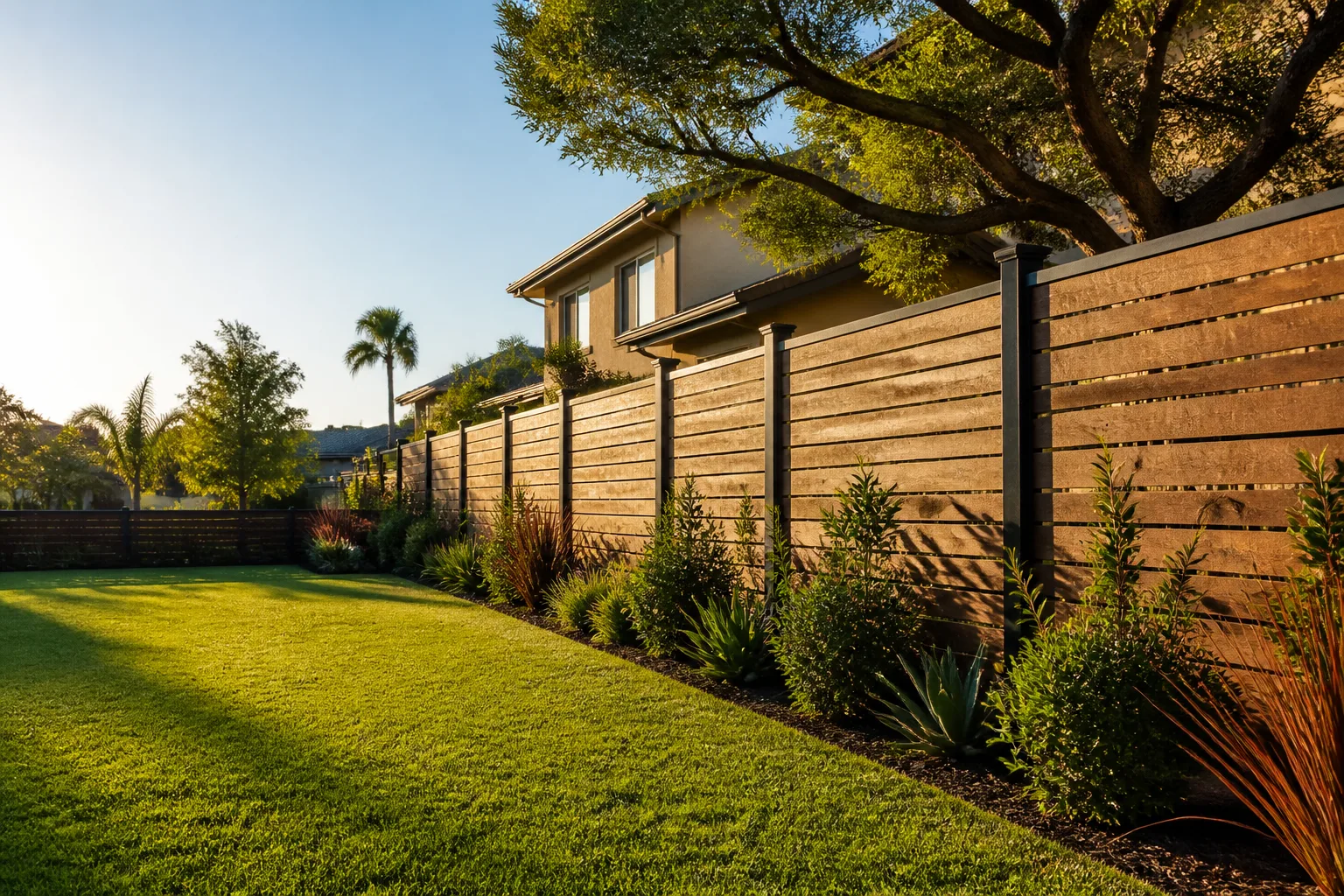
- Material: Many HOAs in Vacaville’s master-planned communities require an approved wood, composite, or vinyl product and may actually prohibit chain-link or unpainted metal in visible areas.
- Color: Specific stain or paint colors are usually dictated – “natural,” “cedar tone,” or a named shade from a specified manufacturer.
- Height: HOAs can be stricter than the city, and often are. A six-foot city allowance doesn’t guarantee your HOA will approve six feet.
- Style: Board-on-board, dog-ear tops, cap-and-trim – the profile matters to design review.
- Approval before installation: Most HOAs require a design review application with a rendering, material spec, and color sample. Approval usually must come before work starts, not after.
How to verify compliance before you buy
- Pull your CC&Rs and the current architectural guidelines from your HOA.
- Submit a design review application with your planned material, color, and height.
- Get written approval – a verbal “sure” from a board member isn’t enough.
- Match the delivered material to the approved spec before installation begins.
- Keep the approval documentation with your home records for future resale.
Getting this sequence right is one of the most common ways Vacaville fence projects go smoothly versus turning into a rebuy. It’s also a good reason to work with a contractor who has navigated these communities before.
Material Comparison for Vacaville’s Climate
Vacaville’s climate – hot, dry summers, wet winters, and persistent summer wind – tests fence materials differently than a coastal or mountain climate would. Here’s how the four main options perform over a ten-year horizon.
Wood
Best for: Traditional looks, HOA palettes, budget-conscious projects.
Performance: Cedar and pressure-treated pine are the standards. With Vacaville’s dry summers, untreated wood wants annual sealing to prevent cracking and graying. Wind is the bigger enemy here: an undersized wood post set in clay will rot or loosen within five to ten years. Treated posts set to local footing specs hold up much longer.
Vinyl
Best for: Low maintenance, clean lines, long-term value.
Performance: Vinyl doesn’t rot, and it holds color well in Vacaville’s sun. The catch is that vinyl is flexible, so it demands even stronger posts and tighter spacing in the Delta Breeze corridor than wood does – an improperly braced vinyl fence can rack and loosen in the wind. Installed right, it’s a genuine 20-plus-year fence here.
Aluminum
Best for: Front-yard decorative fencing, visibility, open lots.
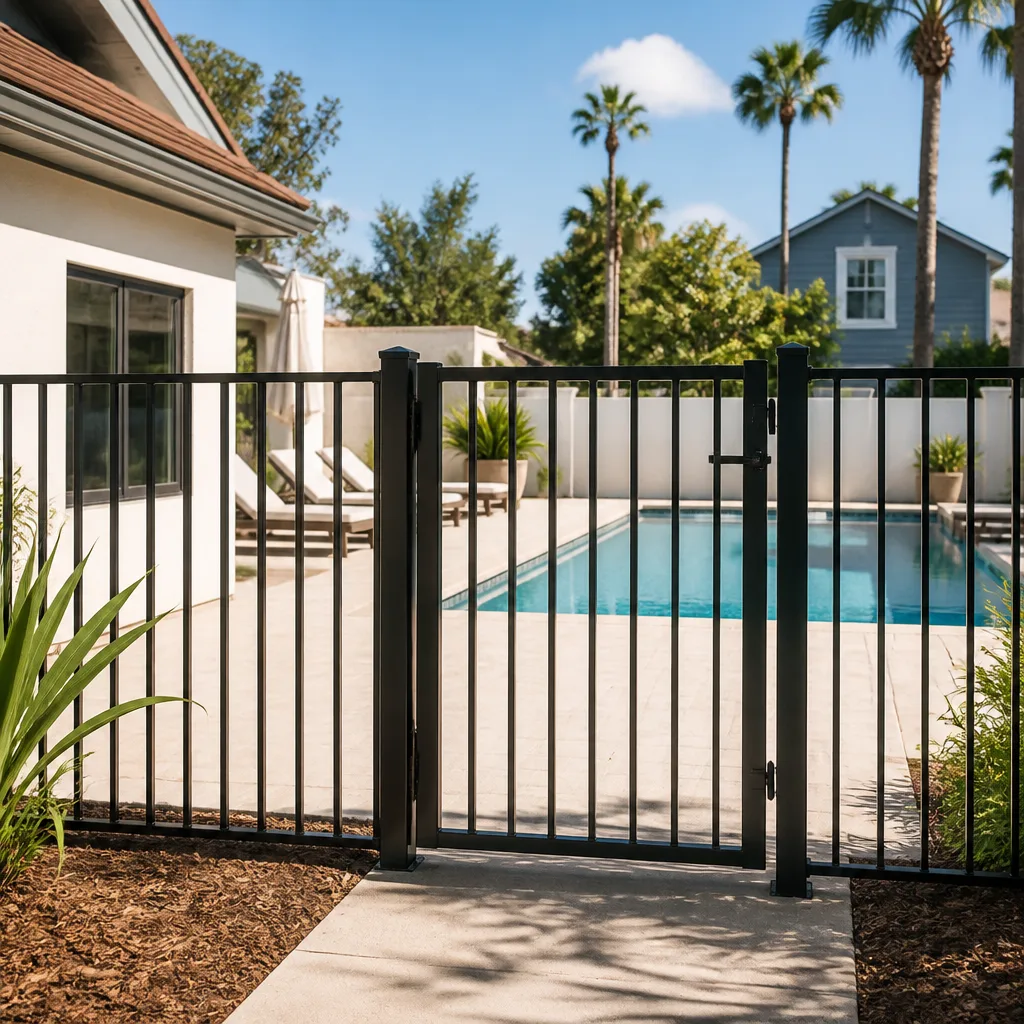
Performance: Powder-coated aluminum resists rust and heat and needs almost no upkeep. It’s less about privacy and more about definition and curb appeal. Lightweight aluminum is excellent for view-through fencing; for a solid privacy run it’s not the pick.
Composite
Best for: Homeowners who want wood’s look without the annual maintenance.
Performance: Composite resists rot and insects and holds up to Vacaville’s sun better than untreated wood. It’s heavier than vinyl, and its higher upfront cost is the main tradeoff. Over ten years the maintenance savings often close that gap.
Partner brands that hold up
Material quality varies widely within each category. We favor established manufacturers whose products are engineered for heat and wind, and our Groundwork Construction Co. of Vacaville home page lays out the brand partners we trust across every trade. The point isn’t the logo on the box – it’s that a fence built to last, backed in writing, starts with materials rated for the climate.
The Step-by-Step Installation Process
A proper Vacaville fence build follows a sequence, and skipping steps is how projects fail. Here’s what a quality installation looks like from first call to final walkthrough.
- Site evaluation and layout: Confirm property lines with a surveyor, check for buried utilities, and map the site for wind exposure, soil conditions, and drainage paths.
- Permit and HOA clearance: Confirm City of Vacaville requirements and secure written HOA design approval if you live in a governed community.
- Material selection: Choose material, height, and color to match climate, HOA rules, and your budget. Lock the specs before ordering.
- Removal of the old fence: Pull old posts fully, including the concrete footings, so new footings aren’t set into compromised ground.
- Setting footings: Dig to the deeper local depth, break the hardpan where present, add gravel drainage, and set posts in concrete with the correct spacing and sizing for wind load.
- Framing and pickets: Install rails and pickets or panels, checking plumb and level at each post, and reinforce gate posts a size heavier.
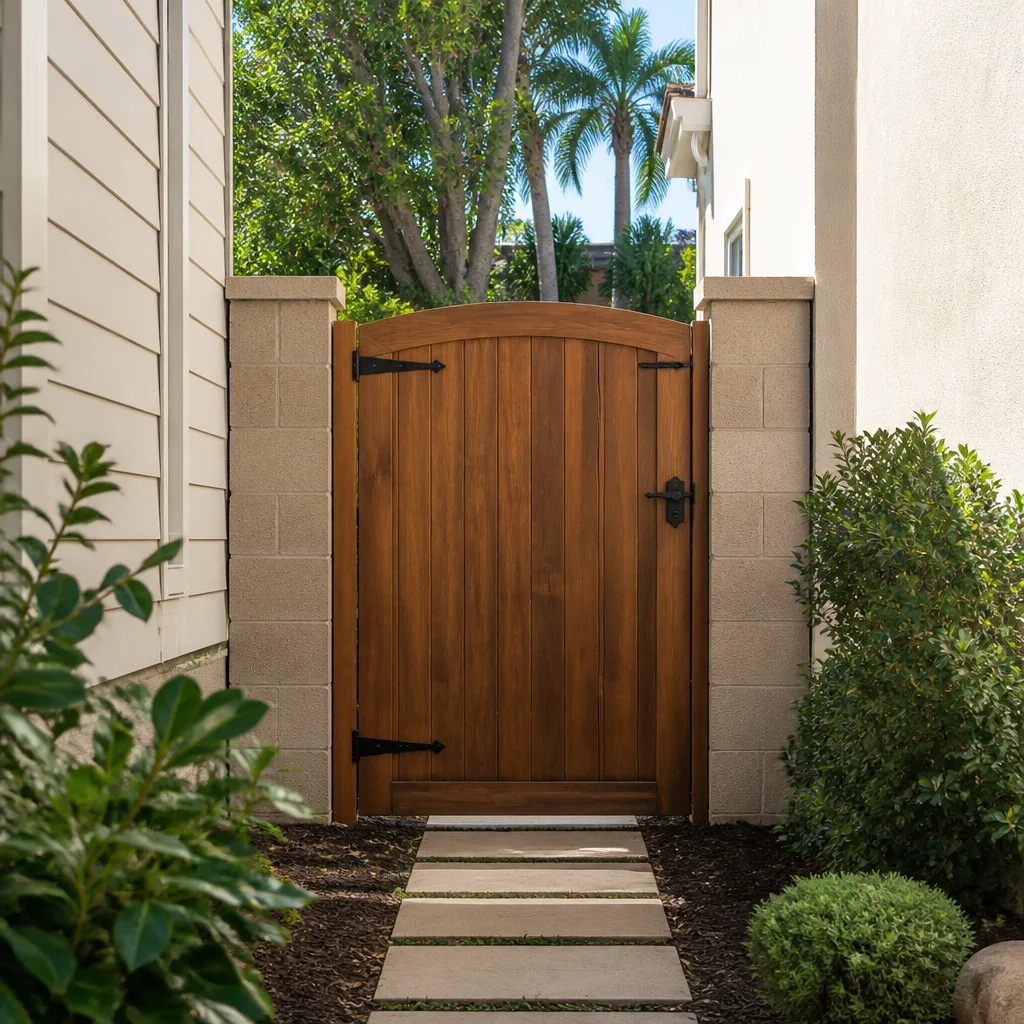
- Gates and hardware: Hang gates that swing cleanly and latch securely, with self-closing hardware if you have pets.
- Finishing and final walkthrough: Seal or cap as spec’d, clean the site, and walk the fence line with you to confirm the finished result.
If you’re planning a larger property update around the same time – a new addition or detached structure – our Home Additions & ADU in Vacaville guide explains how to sequence fencing with a bigger build so your site stays workable.
What Fence Installation Costs in Vacaville
Fence pricing in Vacaville varies with material, height, site access, and – importantly here – wind and soil conditions that may drive heavier posts and deeper footings than a cheap bid accounts for. The numbers below are typical residential ranges to help you price the project; your exact quote should be line-item and specific.
- Wood privacy fence, standard: roughly $35-$55 per linear foot installed
- Wood fence, exposed wind corridor (heavy posts, tight spacing): roughly $50-$75 per linear foot
- Vinyl privacy fence: roughly $45-$75 per linear foot installed
- Aluminum ornamental fence: roughly $40-$70 per linear foot installed
- Composite fence: roughly $55-$90 per linear foot installed
- Gate: roughly $300-$900 depending on size, material, and hardware
- Old fence removal: roughly $3-$8 per linear foot
- Permit and HOA review costs: varies; budget for it and confirm with the city
The most common surprise on a Vacaville fence budget is the wind and soil upgrade – heavier posts and deeper footings on an exposed lot. A bid that ignores those conditions looks cheaper up front and costs more in reset posts later. Ask any contractor to show you the footing depth and post spacing in the written quote.
No-hassle upfront pricing means the number you see is the number you pay. If you’re comparing bids, weight the written detail, not just the bottom line.
Common Mistakes to Avoid
- Setting 4×4 posts at 24 inches on an exposed Vacaville lot. The textbook depth and spacing that work in a sheltered suburb fail in the Delta Breeze corridor. Wind load math should drive your post size and spacing, not habit.
- Buying materials before checking the HOA. Many of Vacaville’s master-planned HOAs dictate material, color, and height, and require written approval before work. Buying first risks a full re-buy.
- Building to an unconfirmed property line. A licensed survey is cheap compared to tearing out a fence that sits a foot over the line.
- Ignoring the hardpan drainage problem. A post hole that bottoms out on hardpan and can’t drain will rot the post from the base up. Gravel drainage and the right depth are not optional here.
- Going cheap on gate posts. Undersized gate posts are why gates sag. It’s the single most common post-install complaint we see.
- Skipping the neighbor conversation. California has shared-boundary-fence rules, and good Vacaville practice is a conversation before the build, not a dispute after it.
- Choosing material on looks alone. Vinyl and wood can look identical on a sample board but behave very differently under Vacaville’s wind and sun over ten years.
See the difference
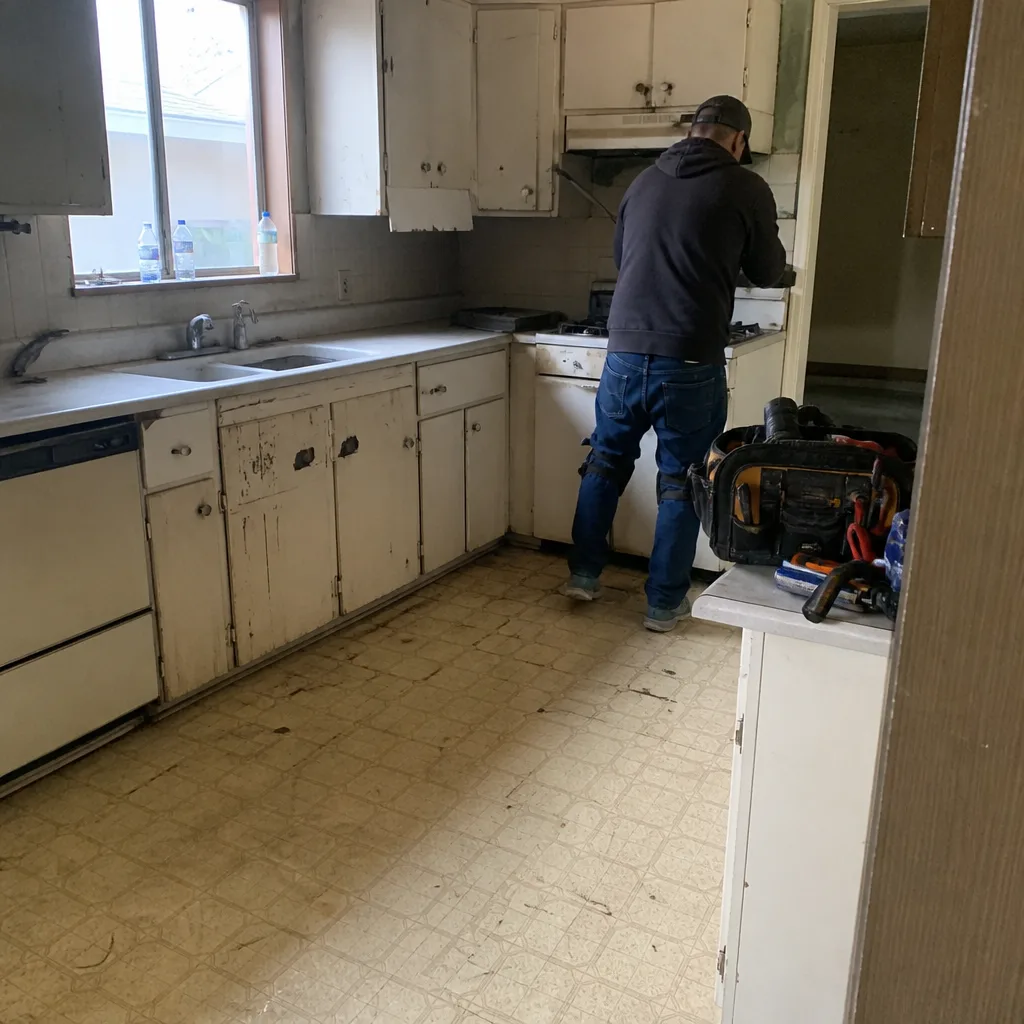 Before
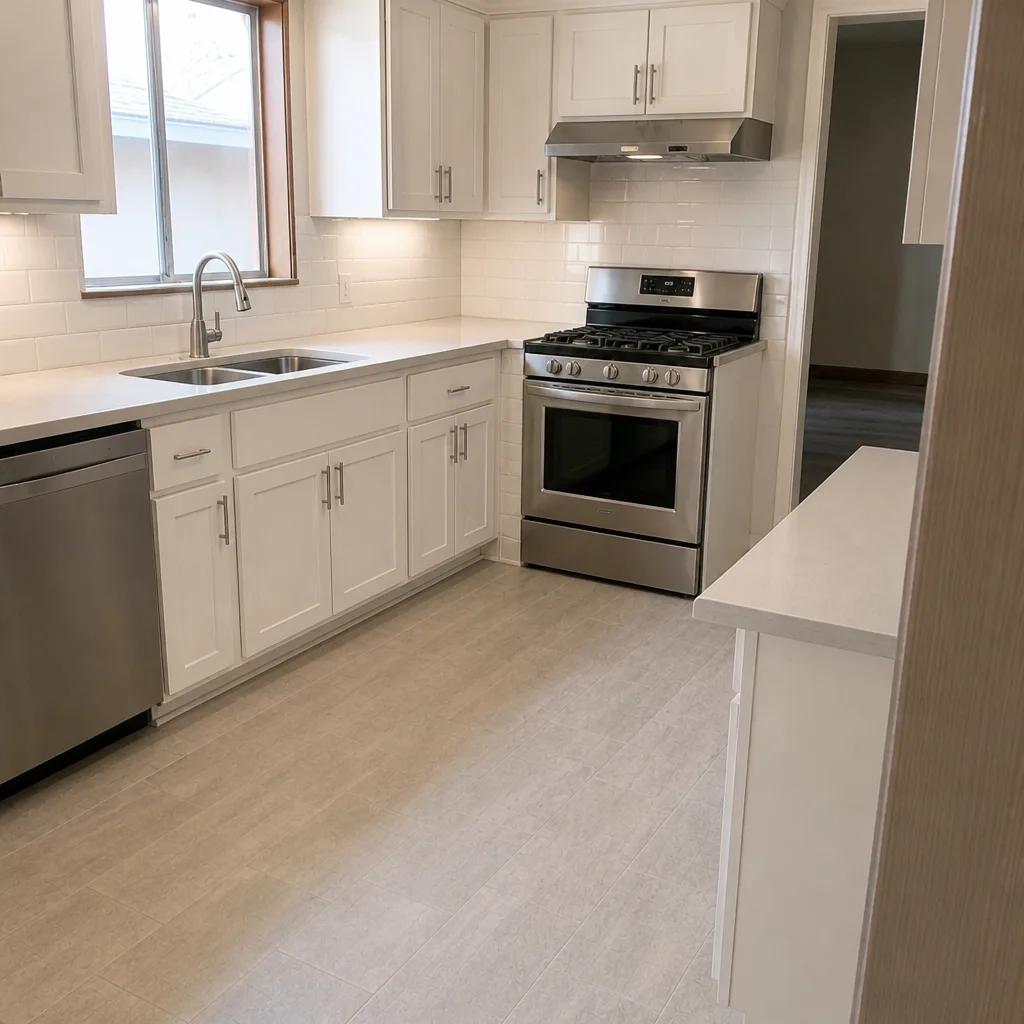 After
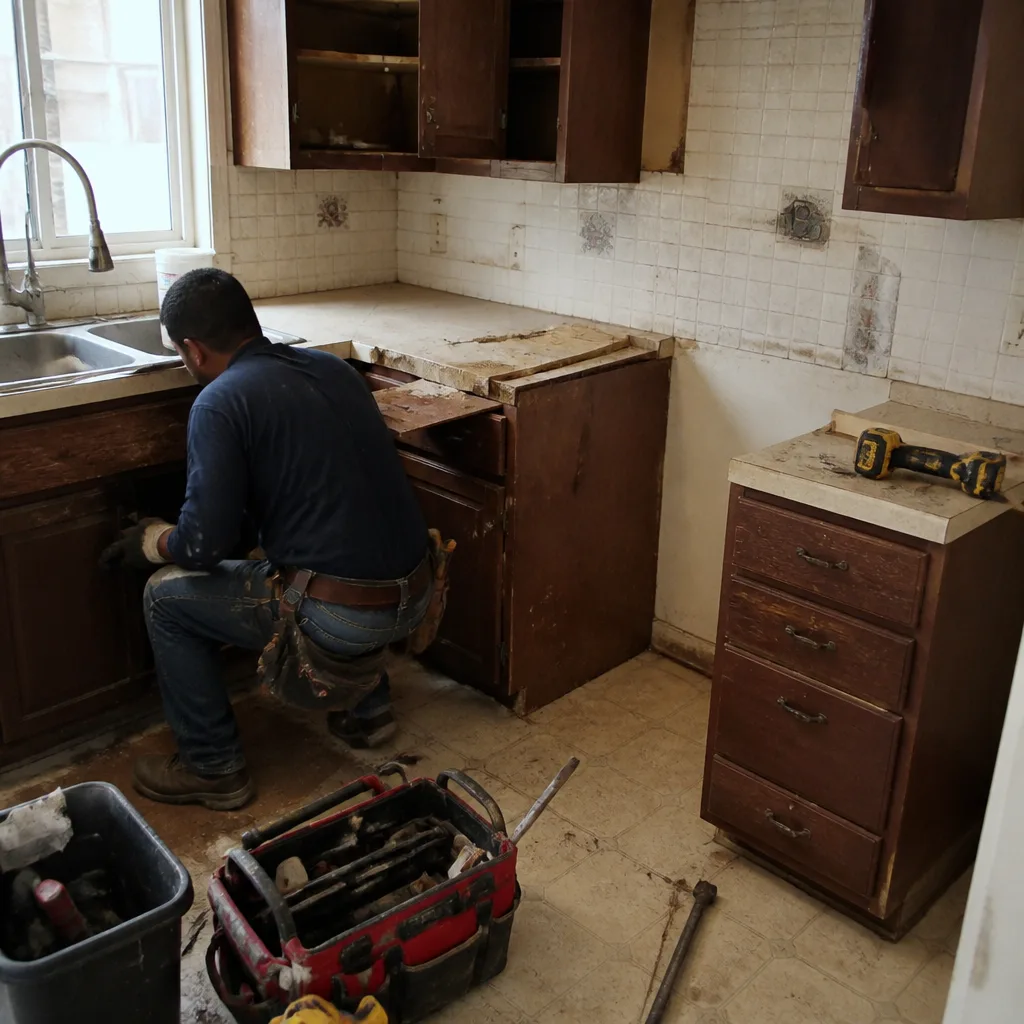 Before
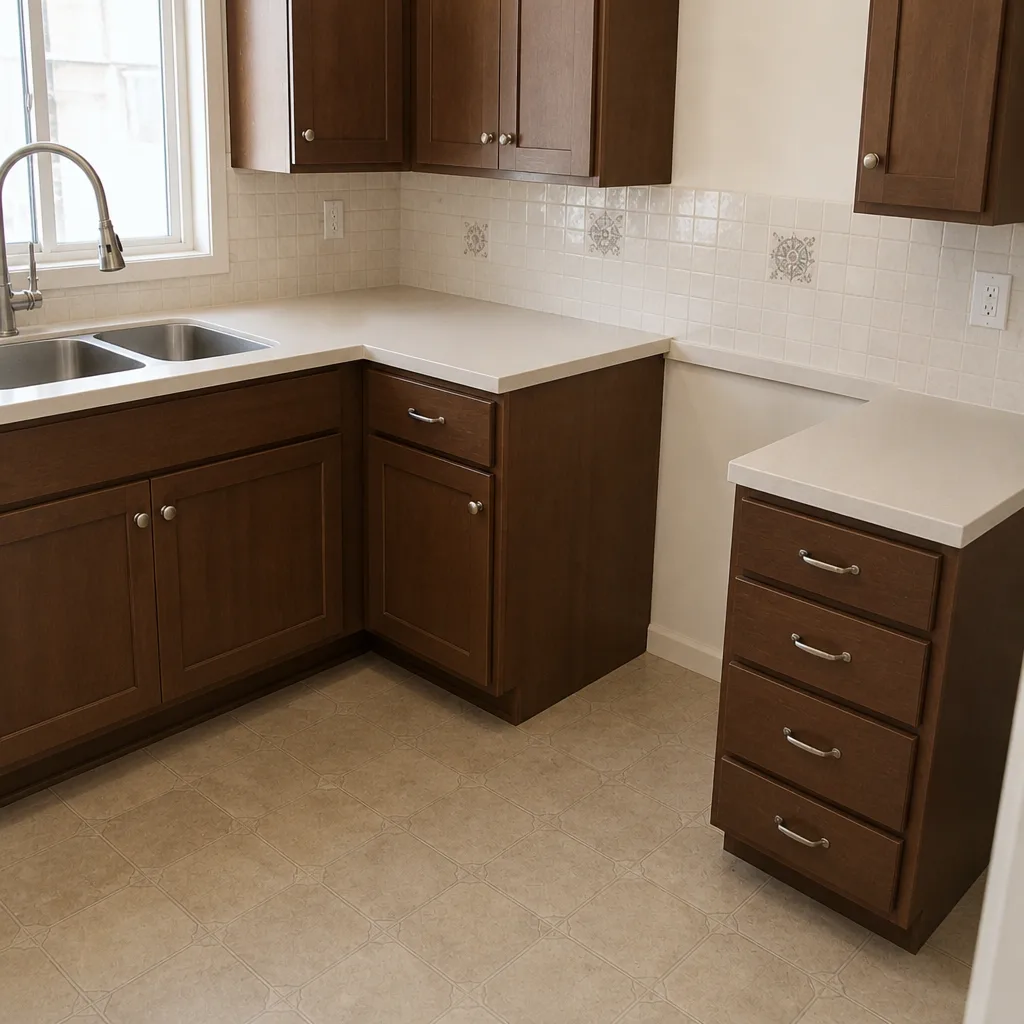 After
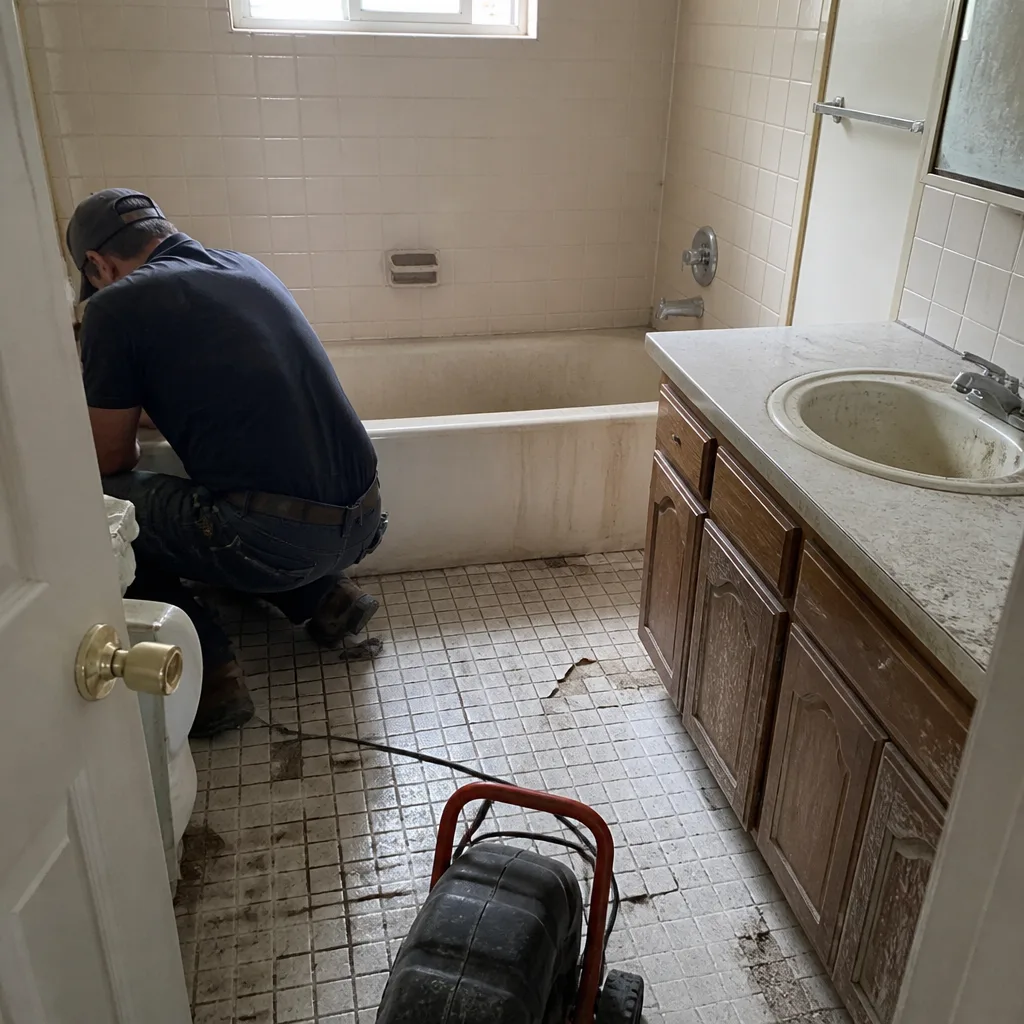 Before
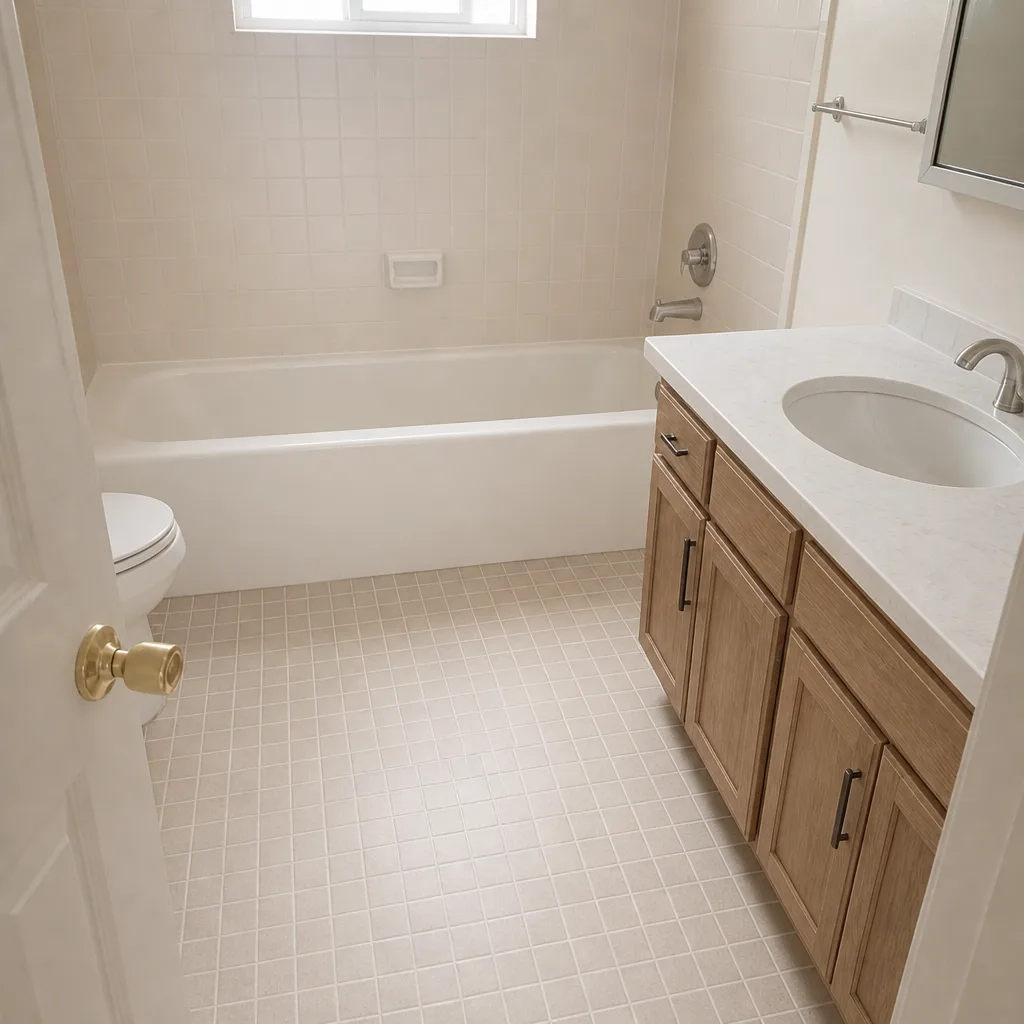 After
When to Call a Professional
Some fence work is a reasonable weekend project. A fence in Vacaville that has to hold up to the Delta Breeze, climb through hardpan and clay, and satisfy both City and HOA rules usually isn’t. Call a professional when your posts need to be engineered for wind load, when your lot has heavy clay or hardpan that changes footing depth, when you’re inside an HOA design-review community, or when the fence involves a gate, a sloped lot, or drainage coordination. Those are the points where an undersized spec becomes an expensive redo. Groundwork Construction Co. of Vacaville offers free estimates in Vacaville – call (888) 276-8078 to schedule yours. Our technicians have up to 12 years of experience, and every project is covered by our 730-Day Done Right Promise.
Frequently Asked Questions
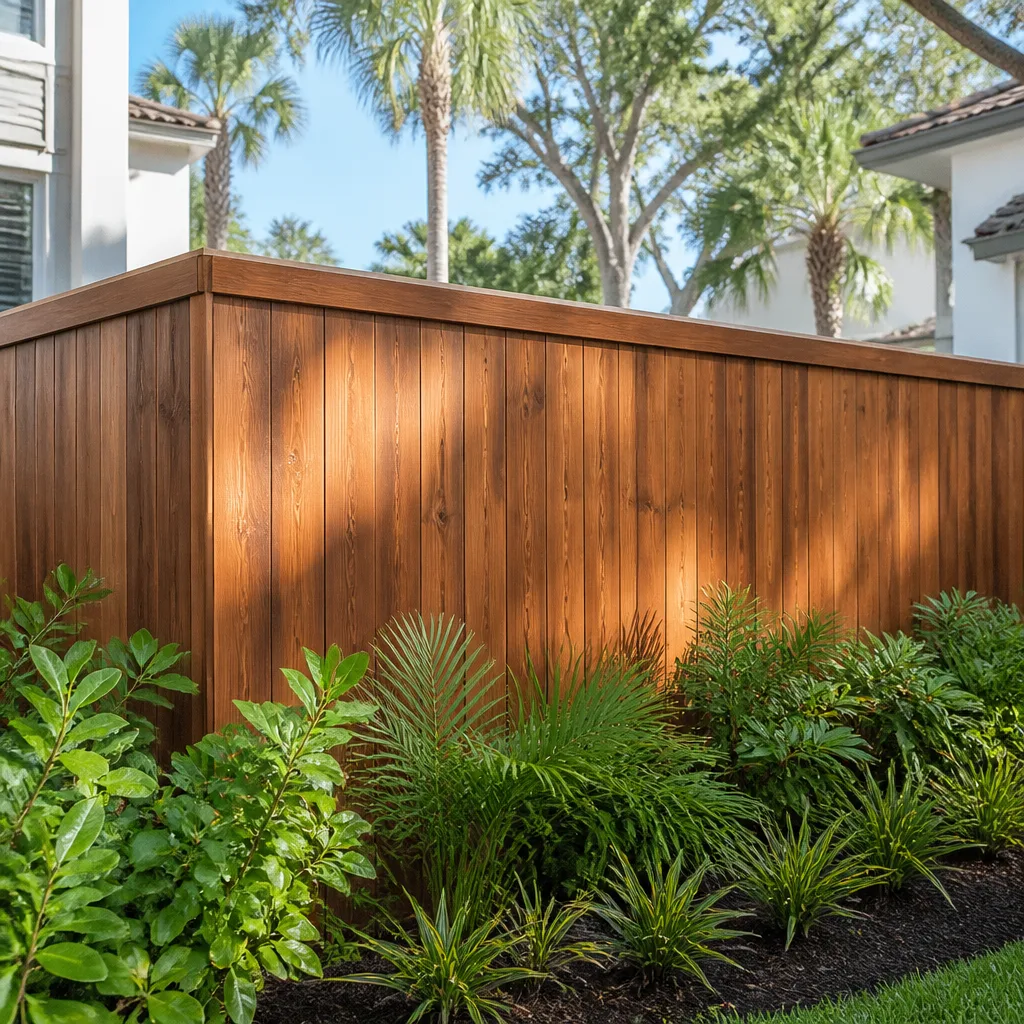
Fence posts in Vacaville should typically be set 30 to 36 inches deep, deeper than the textbook 24 inches, because hardpan and expansive clay sit close to the surface on many lots. The exact depth depends on your soil and wind exposure, and an exposed lot may need more. Call (888) 276-8078 for a site-specific answer and a free estimate.
A residential fence up to six feet in height generally falls under height exemptions from a building permit in Vacaville, but fences over six feet and fences near front or corner property lines usually require a permit and may face setback or sight-distance rules. Confirm current requirements with the City of Vacaville before you build. Call (888) 276-8078 to talk through your lot.
Most Vacaville master-planned HOAs will approve a privacy fence if the material, color, height, and style match their architectural guidelines and you get written design review approval first. Check your CC&Rs and submit an application before buying materials. Call (888) 276-8078 if you want help navigating the process.
The best fence material for Vacaville depends on your priorities: wood for traditional looks and HOA palettes, vinyl for low maintenance and a long lifespan, composite for wood’s look without annual upkeep, and aluminum for front-yard definition. In the Delta Breeze corridor, the posts and footing spec matter more than the picket material. Call (888) 276-8078 for a material recommendation for your lot.
A properly built fence in Vacaville lasts 15 to 25 years, with vinyl and composite typically running longer than wood, provided the posts are sized for wind load and set at the correct footing depth for local soil. Fences built to generic specs in the wind corridor often fail within five years. Call (888) 276-8078 to plan a fence built for the long haul.
Fence installation in Vacaville runs roughly $35 to $90 per linear foot installed depending on material and wind-exposure upgrades, with gates adding $300 to $900 and removal adding $3 to $8 per linear foot. Exact pricing depends on your site. Call (888) 276-8078 for a written line-item quote – estimates are free.
The Bottom Line
Fence installation in Vacaville is a three-part engineering decision, not a simple landscaping one. Get the footing depth right for hardpan and clay, size your posts and spacing for the Delta Breeze wind load, and clear your City permit, setback, and HOA design review before you buy materials. Do those three things and a quality fence holds up for 15 to 25 years. Skip any of them and you’ll be rebuilding sooner than you’d like. From foundation to finish line, Groundwork Construction Co. of Vacaville builds fences backed in writing by our 730-Day Done Right Promise, with upfront pricing and no surprises. Calls are answered by a live person 24/7. Call (888) 276-8078 to schedule your free estimate today.
Written by the team at Groundwork Construction Co. of Vacaville.