



Free written scope consultation - allowances, timeline, and change-order rules on paper before a single trade is scheduled
Styles & brands we work with
- Kitchen remodeling
- Bathroom remodeling
- Home additions & ADU
- Roofing
- Windows & doors
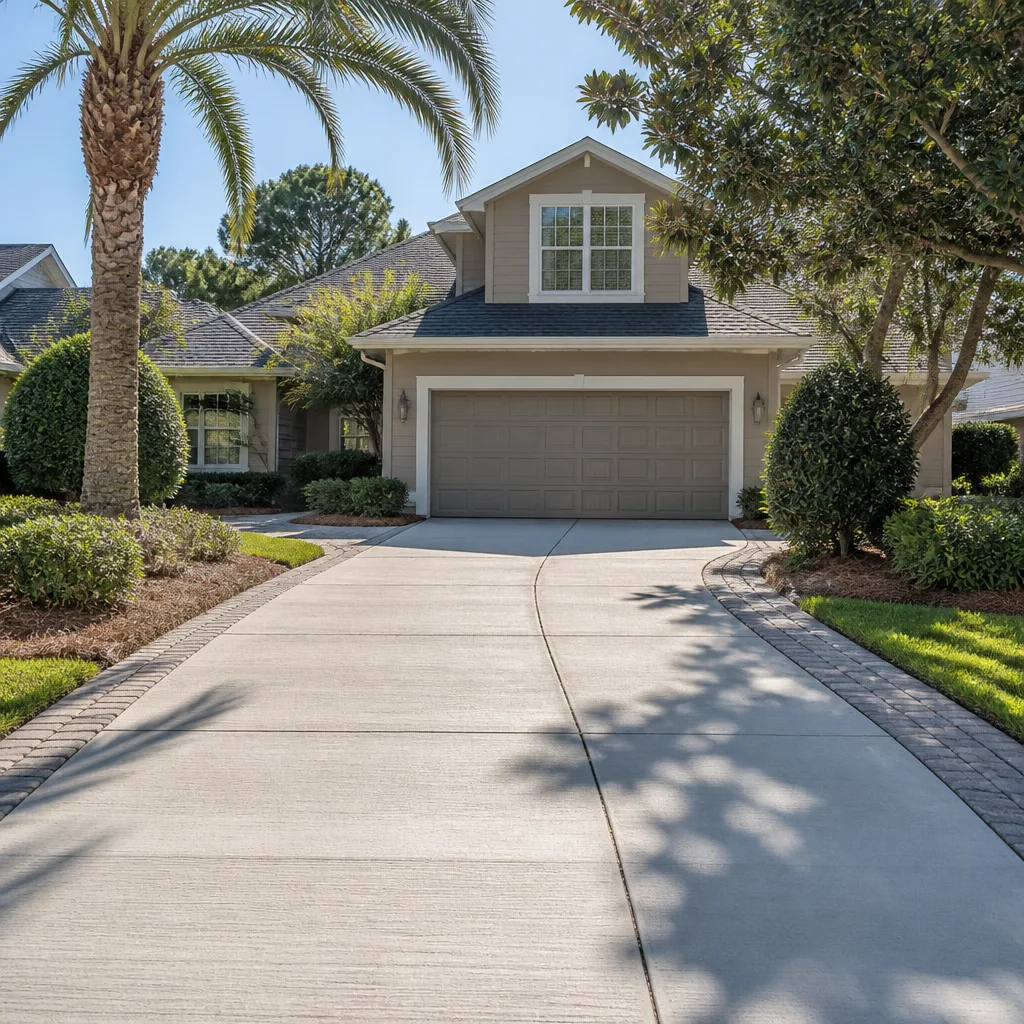
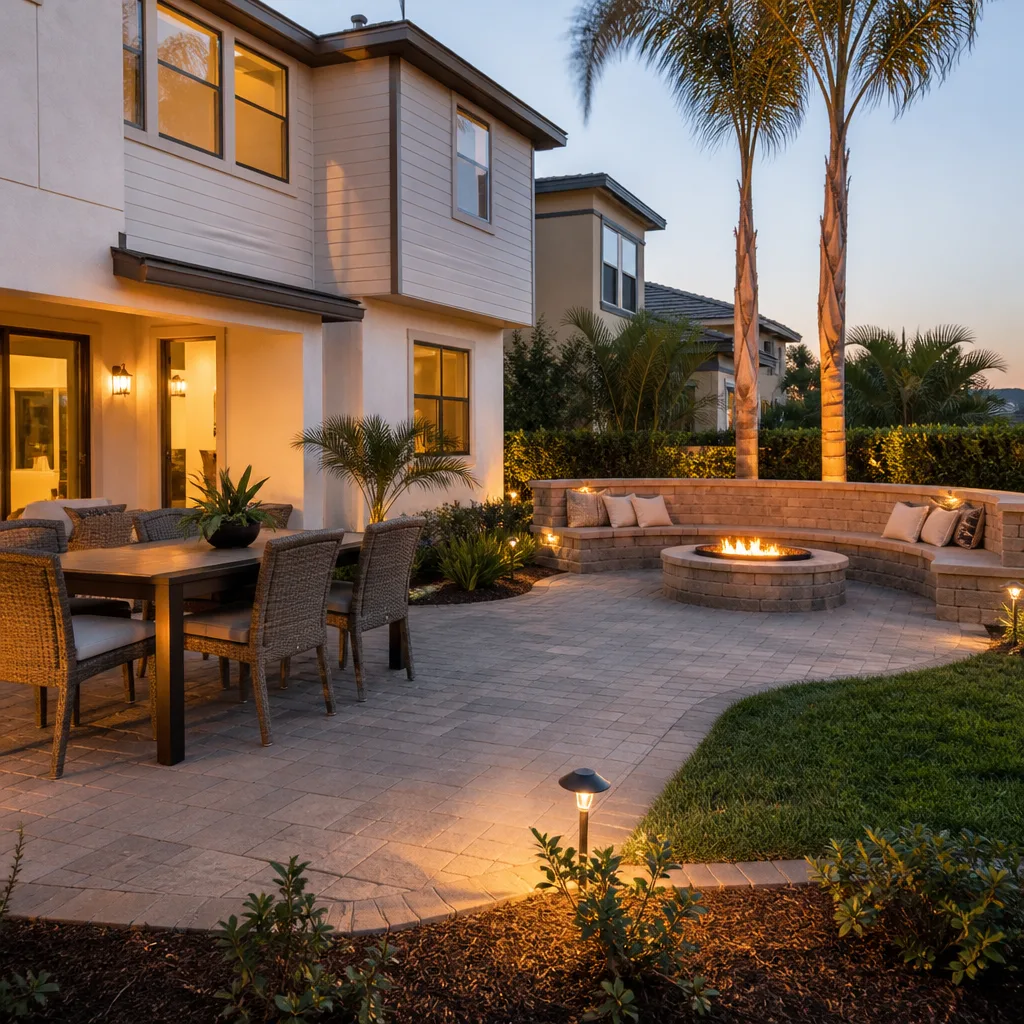
- Driveway & pavers
- Fence
See the difference
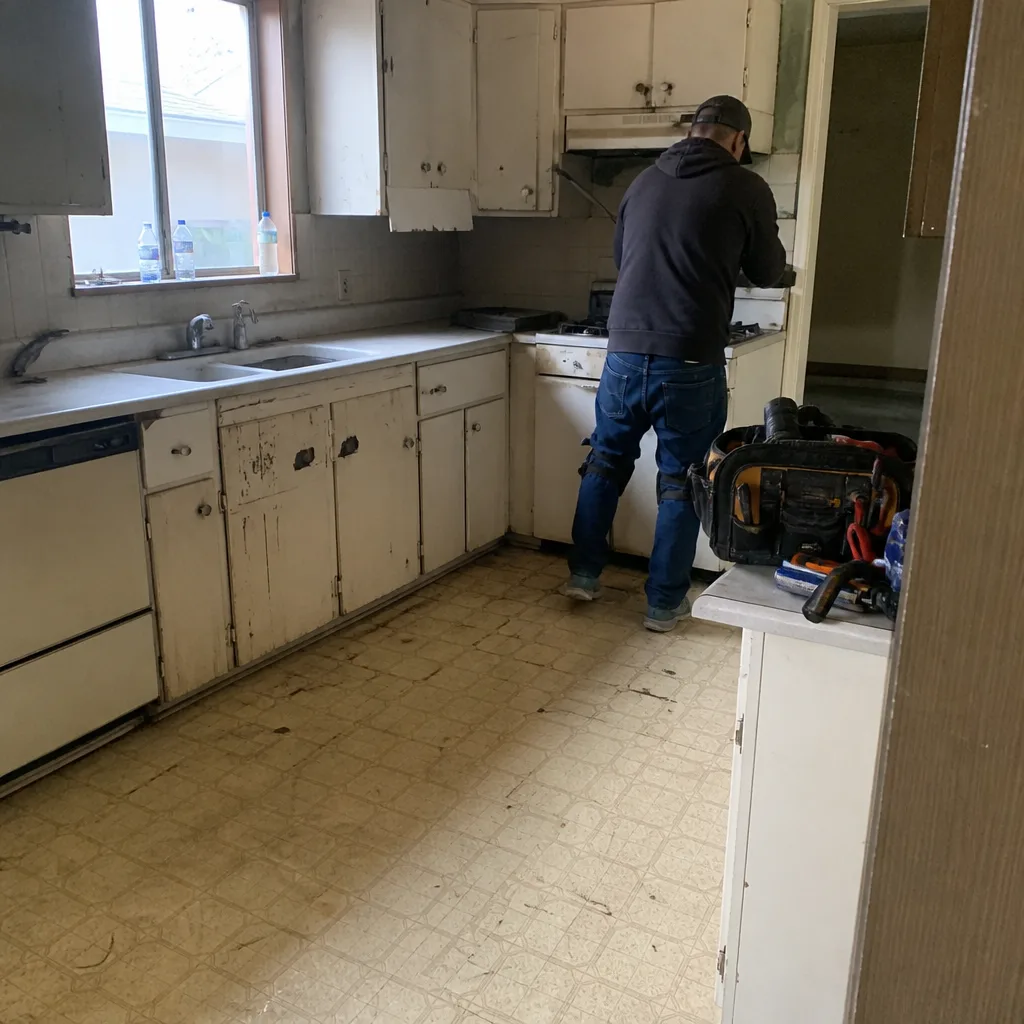 Before
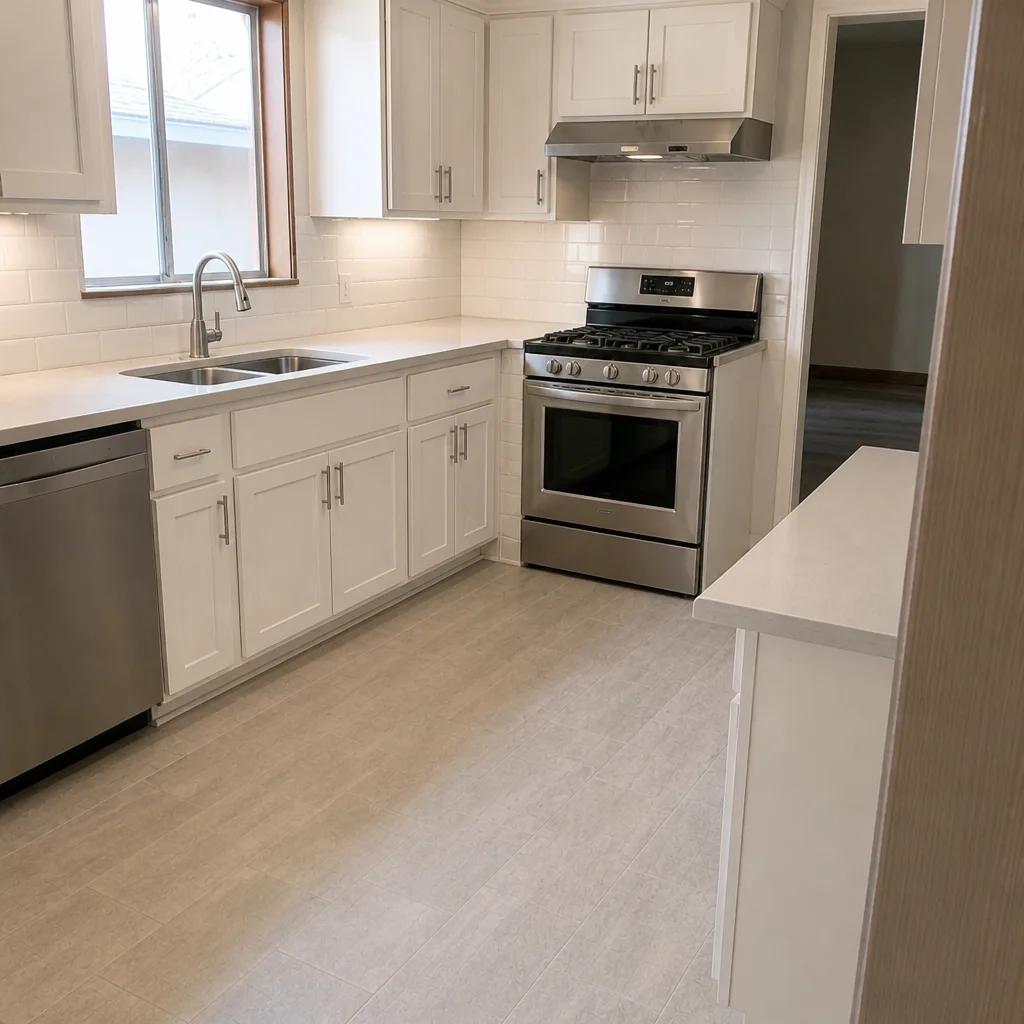 After
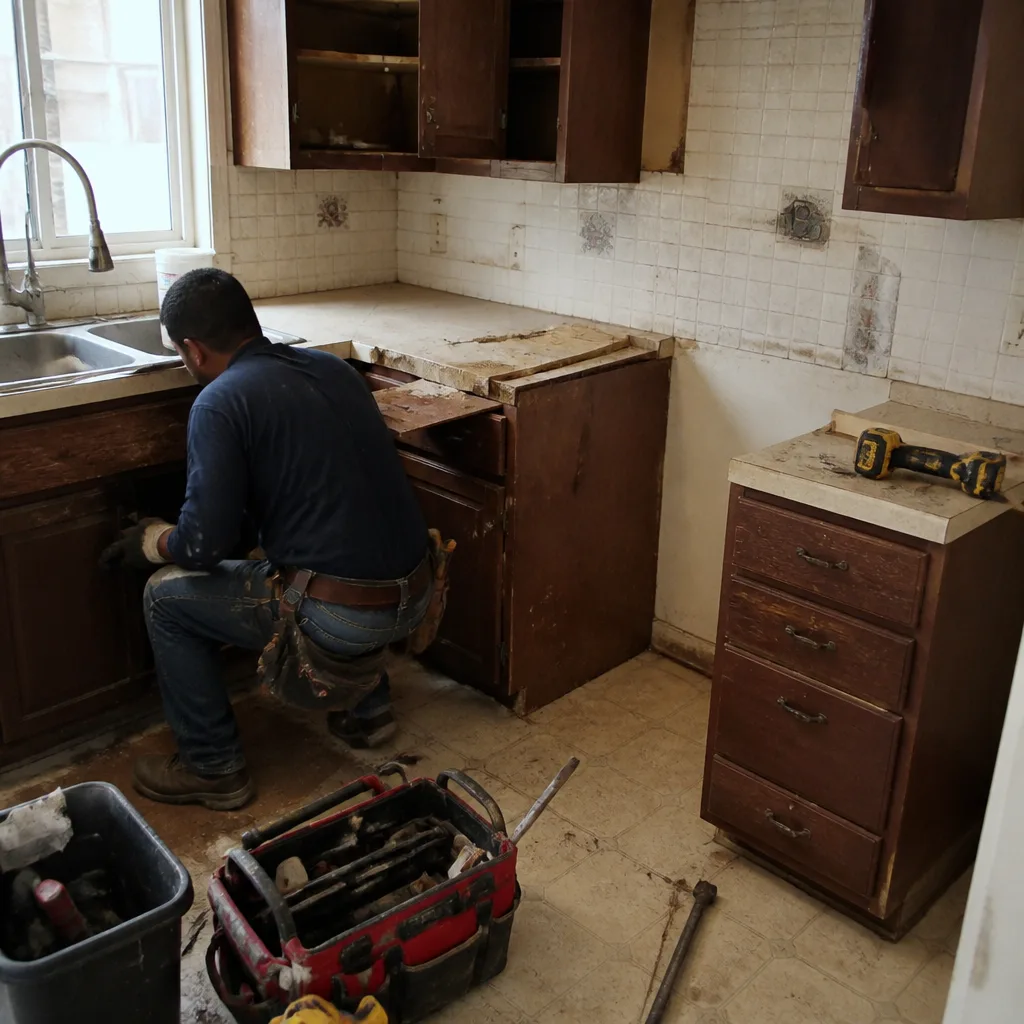 Before
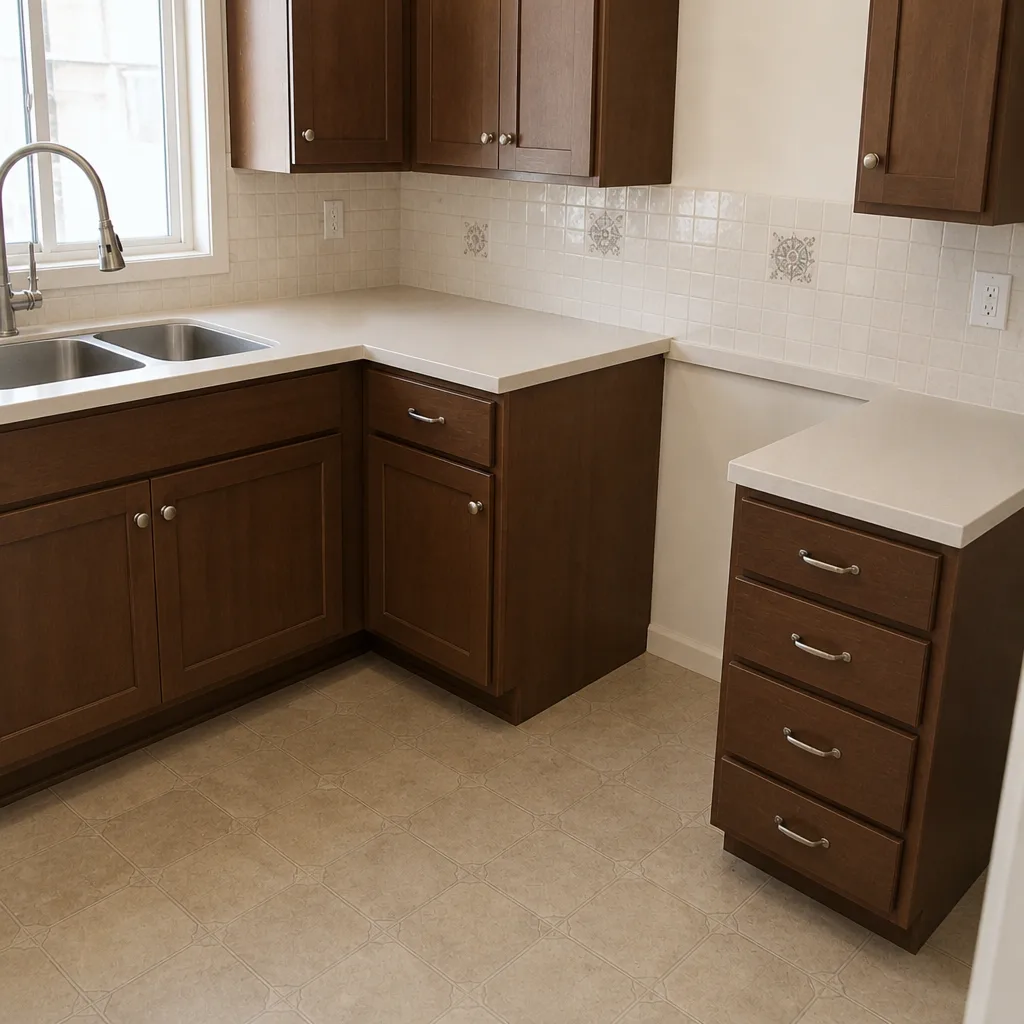 After
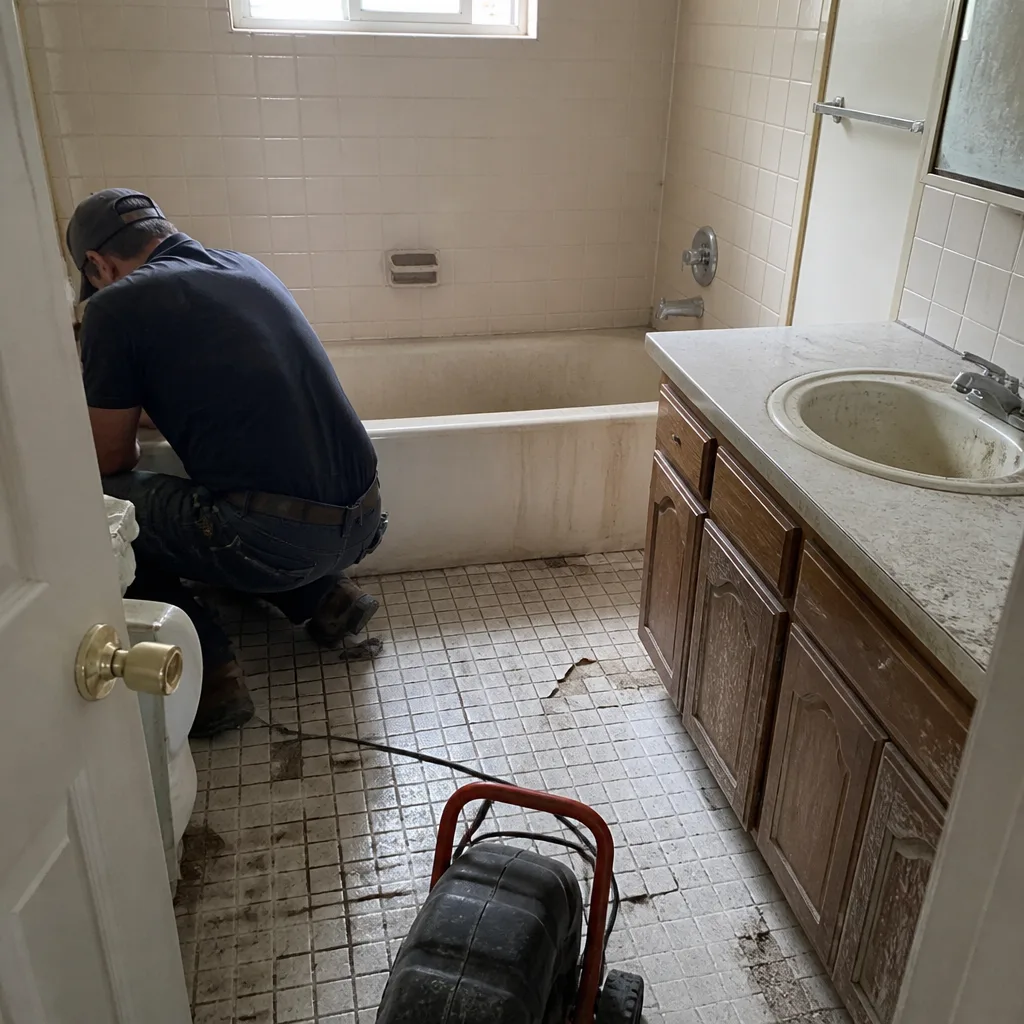 Before
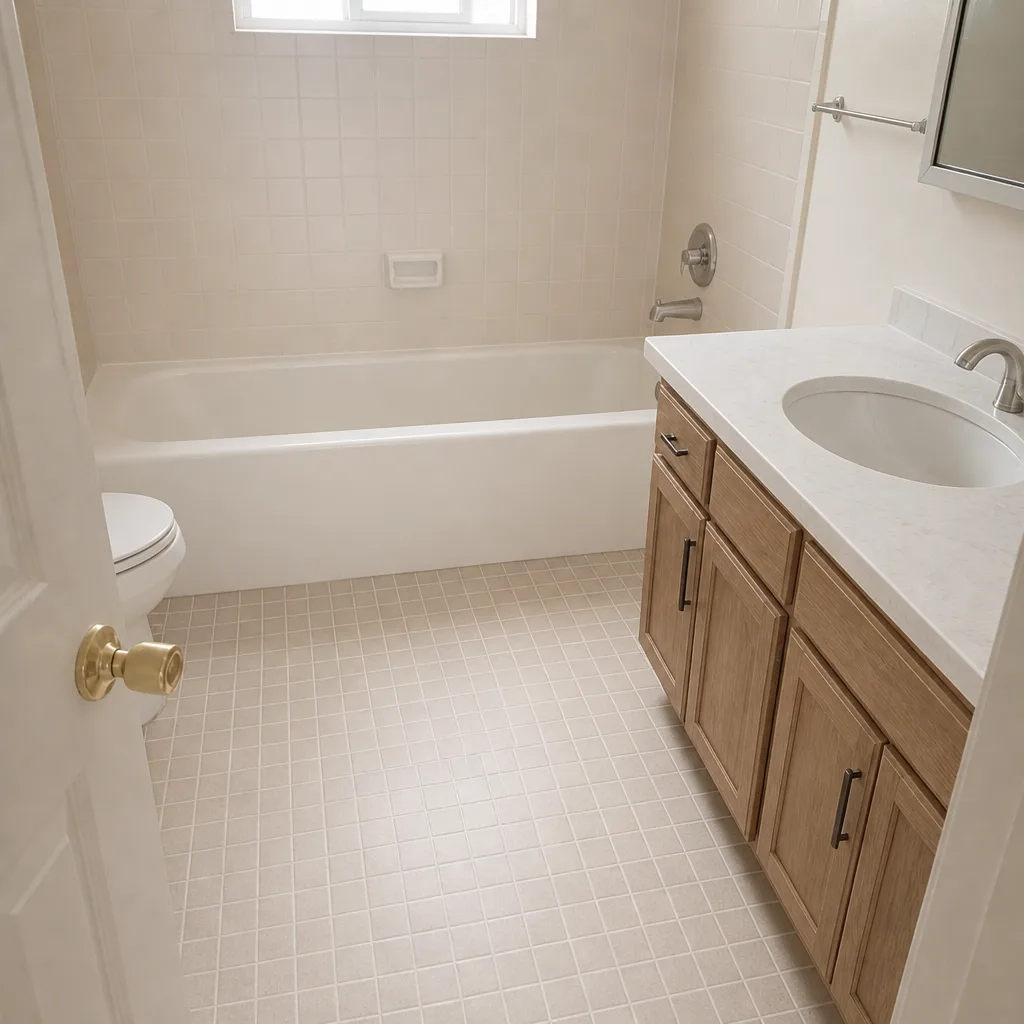 After
How Long Before You Can Drive on New Concrete in Vacaville, CA?
For a standard residential pour in Vacaville, plan on staying off new concrete with passenger vehicles for at least 7 days, and keep heavy trucks, RVs, and trailers off it for a full 28 days. That’s the short answer. The honest one is that 7 days is a lab standard measured at mild temperatures, and Vacaville rarely pours at mild temperatures. A summer driveway baking at 95°F to 105°F and a January slab set during a cold rain spell are two very different curing situations, and the calendar answer usually gets one of them wrong. If you want a timeline built around your actual pour date and site conditions, call (888) 276-8078 and we’ll walk you through it.
Key Takeaways
- Passenger cars: 7 days minimum. Full design strength for heavy loads: 28 days.
- Hot-weather pours (90-105°F) gain early strength faster but are far more prone to surface scaling and dusting if curing moisture isn’t managed.
- Cold, wet winter pours can stretch the safe-driving window to 10-14 days.
- Concrete placed below about 45°F hydrates slowly and needs protection, not just patience.
- Expansive clay soils around Vacaville mean a new slab also has to be planned for seasonal movement, not just cure time.
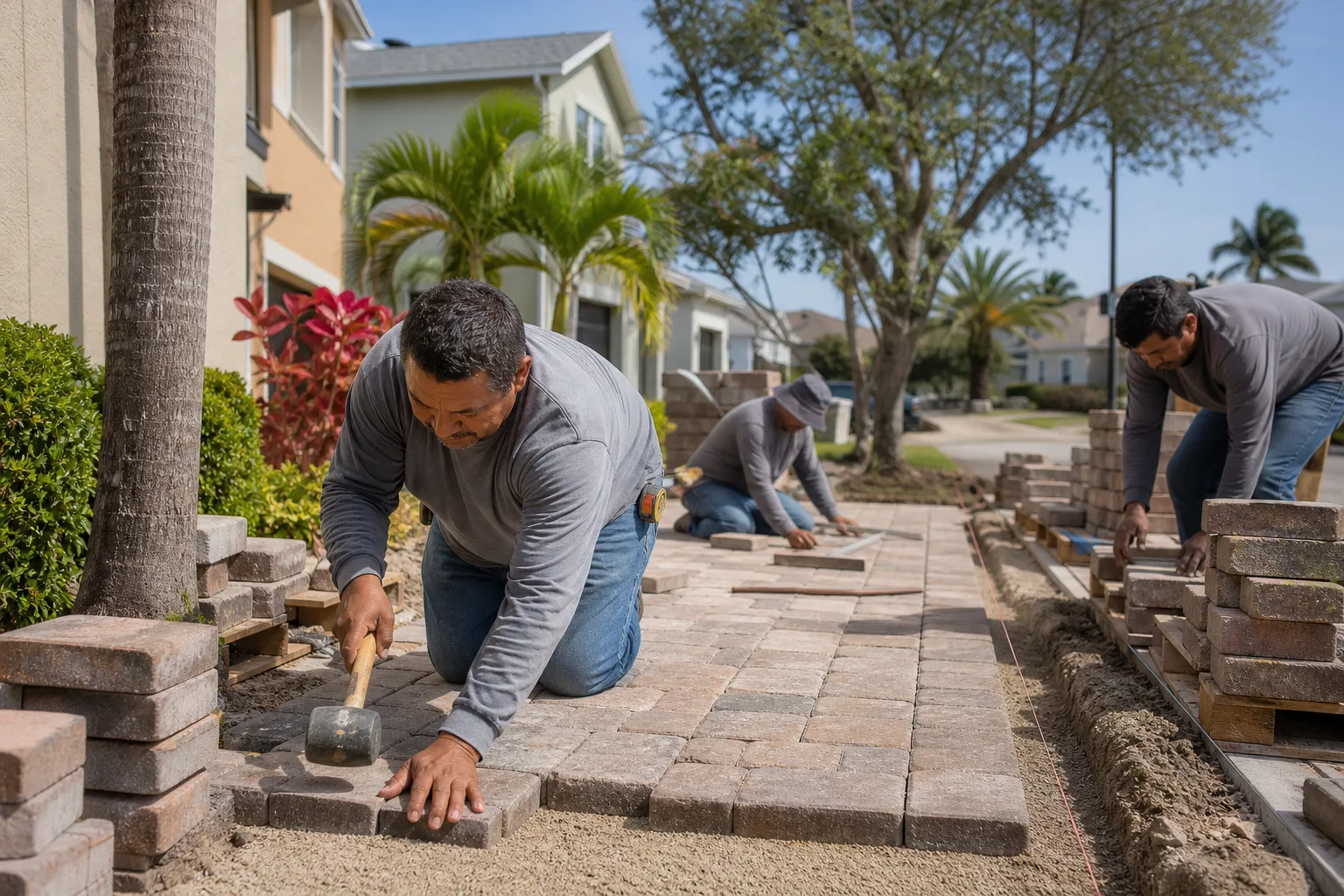
Why the “7 Days” Answer Breaks Down in Vacaville’s Weather
The 7-day figure comes from concrete cured at around 70°F with steady moisture. Vacaville doesn’t deliver those conditions reliably. The city sits in a wind gap between the Coast Range and the Sacramento Valley, which means hot, dry summers with Delta breezes pulling moisture off fresh slabs, and cool, wet winters that slow the chemical reaction that gives concrete its strength.
Here’s the split that matters for your driveway:
- Summer (roughly June-September): Temperatures regularly climb past 95°F, and we see stretches above 100°F. Heat accelerates early strength gain, so the slab may feel rock-hard in two or three days. It also accelerates moisture loss off the surface. That’s what causes scaling (a flaking top layer) and dusting (a chalky, powdery finish). Those are surface defects no amount of extra waiting will fix. They have to be prevented in the first 24 to 72 hours with wet burlap, a curing compound, or white poly sheeting, and in extreme heat, shade barriers.
- Winter (November-March): This is Vacaville’s rainy season, and it’s the harder problem. Concrete placed at 45°F may need 10 to 14 days before it safely carries a passenger vehicle, not 7. Cold slows hydration significantly, and rain on a fresh slab can wash the finish before it sets. A driveway replacement scheduled in December needs a weather plan, not just a pour date.
This is why a national guide’s answer only gets you halfway. The real number depends on your pour date, your sun exposure, and what the forecast does in the 72 hours after the truck leaves.
What the Curing Clock Actually Looks Like on a Vacaville Driveway
Concrete doesn’t dry; it cures. The mix reacts with water and builds strength over weeks, not days. Here’s the practical timeline we use on Vacaville pours, and the one we put in writing at job start so there’s no confusion when the crew packs up.
| Time After Pour | What’s Happening | What You Can Do |
|---|---|---|
| First 24-72 hours | Critical surface-curing window; scaling and dusting risk is highest | Foot traffic only, and only if the crew says so. Keep sprinklers, dogs, and kids off it. |
| 3-7 days | Early strength developing; surface may look and feel set | Still no vehicles. This is when homeowners get impatient and the damage usually happens. |
| 7 days | Generally strong enough for passenger cars and light trucks | Standard cars and pickups okay, in mild weather. In cold-season pours, wait longer. |
| 28 days | Approaching design strength | Heavy vehicles, RVs, trailers, and delivery trucks. |
Two local wrinkles the table doesn’t capture. First, expansive clay soils, especially around older Browns Valley and Alamo Creek properties, move seasonally. A new driveway on that ground needs proper base prep and control joints so that when the clay swells in a wet winter and shrinks in a dry summer, the slab has somewhere to move. Cure time is only half the story; the other half is what’s underneath. Second, many of the master-planned subdivisions around Browns Valley and Nut Tree were built in the 1990s and 2000s, and original driveways from that era are now hitting the age where replacement makes more sense than patching. If you’re weighing that decision, our Driveway & Pavers page covers replacement and paver options side by side.
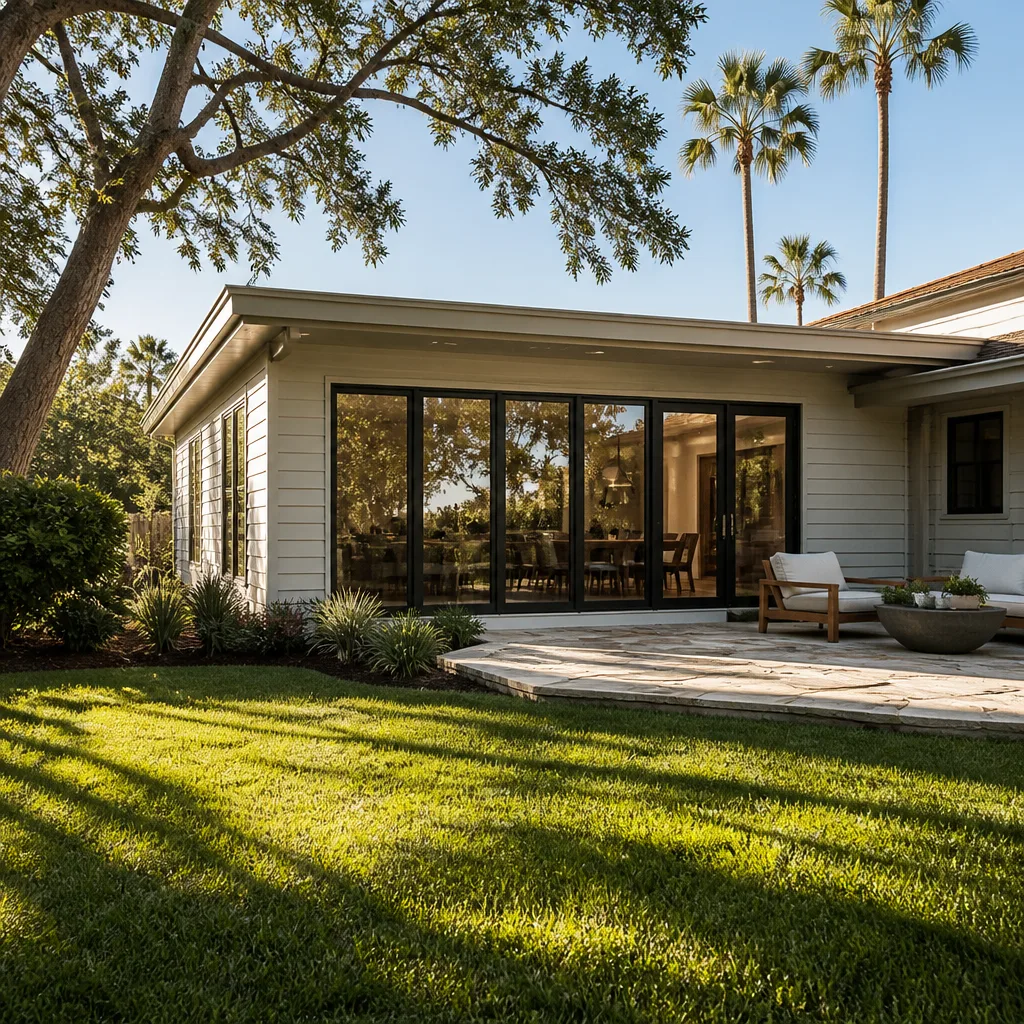
How Much Does a New Concrete Driveway Cost in Vacaville?
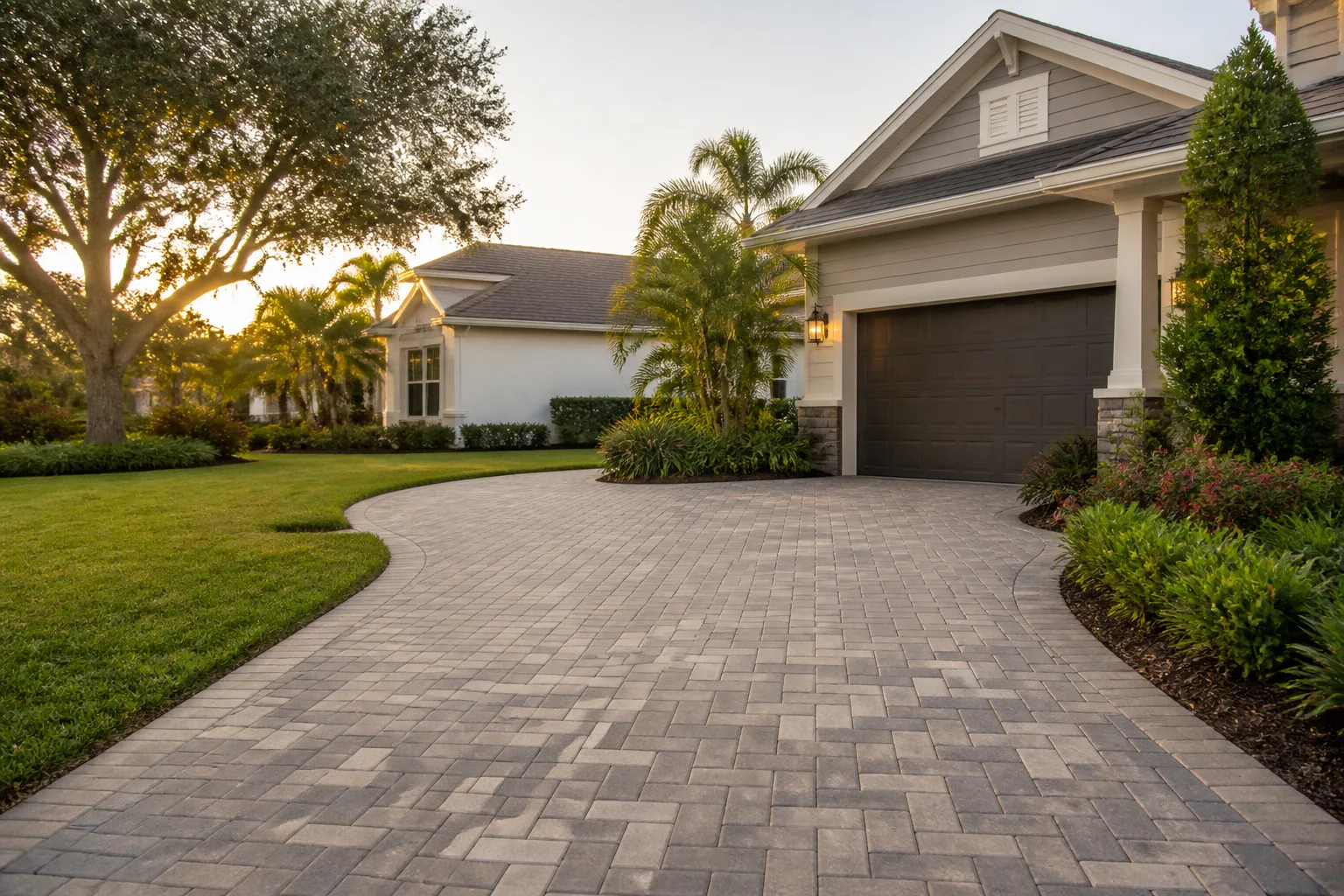
Concrete driveway installation in Vacaville typically runs $4,500 to $12,000, depending on square footage, thickness, and site prep. A full driveway replacement lands in the $5,000 to $14,000 range, and paver driveways run $7,000 to $18,000. Sealing an existing driveway to protect it runs $250 to $700.
Those ranges assume normal access and soil conditions. Expansive clay, a slope, or removing an old slab can push cost upward, and that’s why we quote after seeing the site, not over the phone. Upfront pricing means the number you see is the number you pay, no surprise line items after the truck arrives. The Driveway & Pavers in Vacaville page breaks down the material choices in more detail.
Two things we hear a lot in Vacaville: “Can you pour before the rain starts?” and “Can I park on it by the weekend?” Both deserve a straight answer, and both get one in the written timeline we hand over at job start. Our technicians bring up to 12 years of experience to the pour, and every project carries the 730-Day Done Right Promise, so if the finish ever scales, cracks, or fails because of how it was placed, we make it right.
What to Do When Something Goes Wrong After the Pour
Most curing problems show up in the first month: scaling in a hot-weather pour, a hairline crack at a control joint, or a delivery truck parked on 3-day-old concrete when nobody was home. Here’s the part that’s genuinely different about working with us. Calls are answered by a live person 24/7, so if you come home to find a truck on a slab that’s barely four days old, you get a real answer immediately about whether there’s damage and what to do next, instead of waiting until Monday morning wondering.
What we’ll tell you on that call depends on the situation. A single delivery truck on day 4 is usually a surface-compaction risk, not a structural one, but fresh slabs are more vulnerable than a fully cured one, and the honest answer is that we need to look at it. Call first, don’t guess.
One safety note that applies to any concrete project: if you’re seeing cracks in an existing slab that are wider than a hairline, or if a driveway has heaved or settled noticeably, that’s a sign of a base or soil problem underneath, not a cosmetic issue. Getting it diagnosed before you pour new concrete over it saves you from paying twice. It’s also a good reason to have a pro look at any structural or foundation-adjacent concerns rather than patching over them.
FAQs
No. Three days is far too soon for a standard residential driveway, even in hot weather. The surface may look and feel hard, but the slab hasn’t built enough strength to carry a car’s weight, and driving on it early is one of the most common causes of cracking and surface damage. Wait at least 7 days for passenger vehicles, longer in cold weather. If you’re unsure whether your slab is ready, call us and we’ll tell you straight.
Yes, but “faster” cuts both ways. In a Vacaville August pour at 95°F, concrete builds early strength quicker, which might tempt you to drive on it sooner than 7 days. The catch is that the same heat pulls moisture off the surface fast, and rapid drying is the leading cause of scaling and dusting. We manage that with wet burlap, curing compound, white poly sheeting, and shade barriers in extreme heat as standard practice, not an upsell. If you’re pouring in summer, ask how the crew plans to protect the surface.
Wait the full 28 days for heavy vehicles like RVs, trailers, and loaded trucks. Seven days gets you passenger cars and light pickups in normal weather, but heavy loads stress a slab far more, and an RV parked on a young driveway is asking for trouble. Call (888) 276-8078 if you need a specific date based on your pour and the forecast.
Call us right away and don’t try to assess the damage yourself. A truck on concrete that’s only a few days old can cause surface compaction or hidden cracking, and fresh slabs are more vulnerable than cured ones. Because our calls are answered by a live person 24/7, you can reach a real person the same evening rather than waiting for a callback. We’ll tell you what to look for and whether a site visit is needed.
If you’d rather have it looked at, Groundwork Construction Co. of Vacaville offers a no-pressure assessment in Vacaville. Call (888) 276-8078 for a free estimate and a written cure timeline built around your pour, your soil, and the season.
Written by the team at Groundwork Construction Co. of Vacaville, serving Vacaville, CA.