Free written scope consultation - allowances, timeline, and change-order rules on paper before a single trade is scheduled
Styles & brands we work with
- Kitchen remodeling
- Bathroom remodeling
- Home additions & ADU
- Roofing
- Windows & doors
- Driveway & pavers
- Fence
See the difference
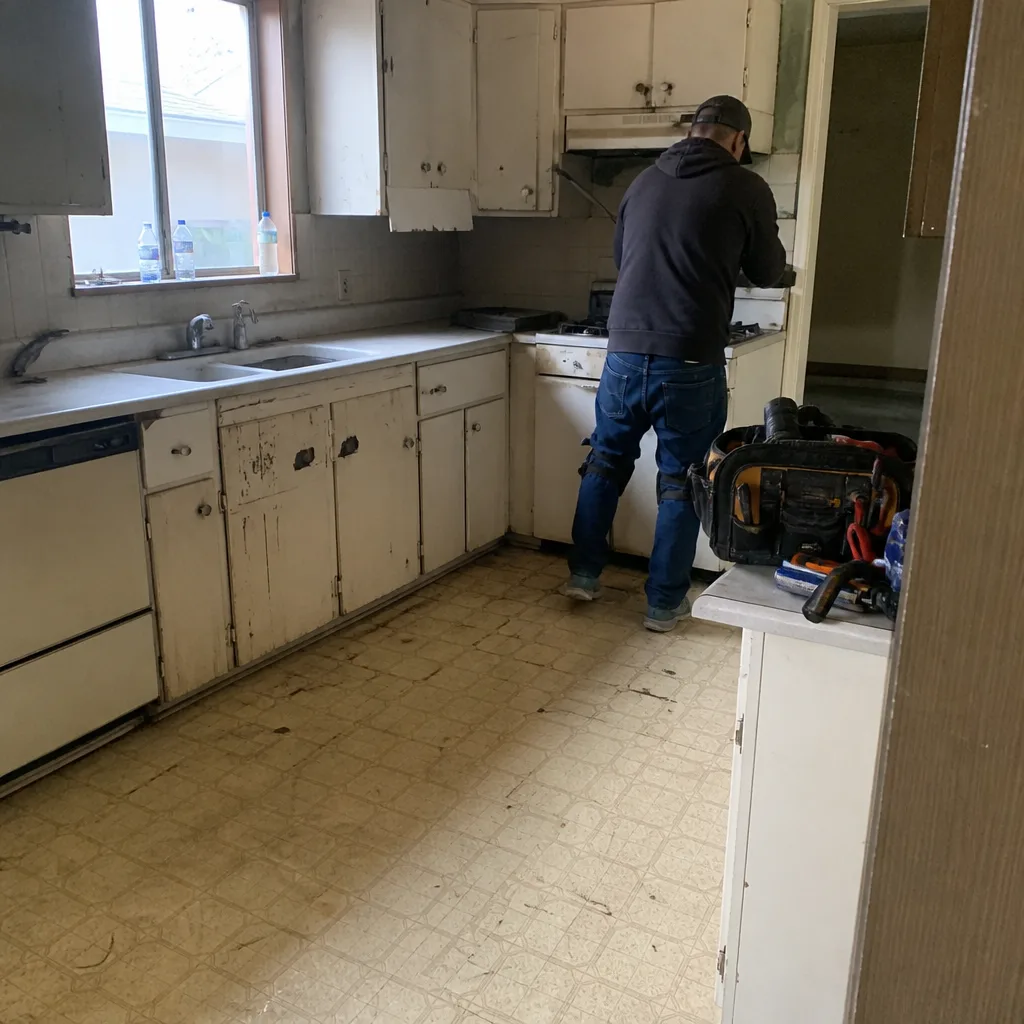 Before
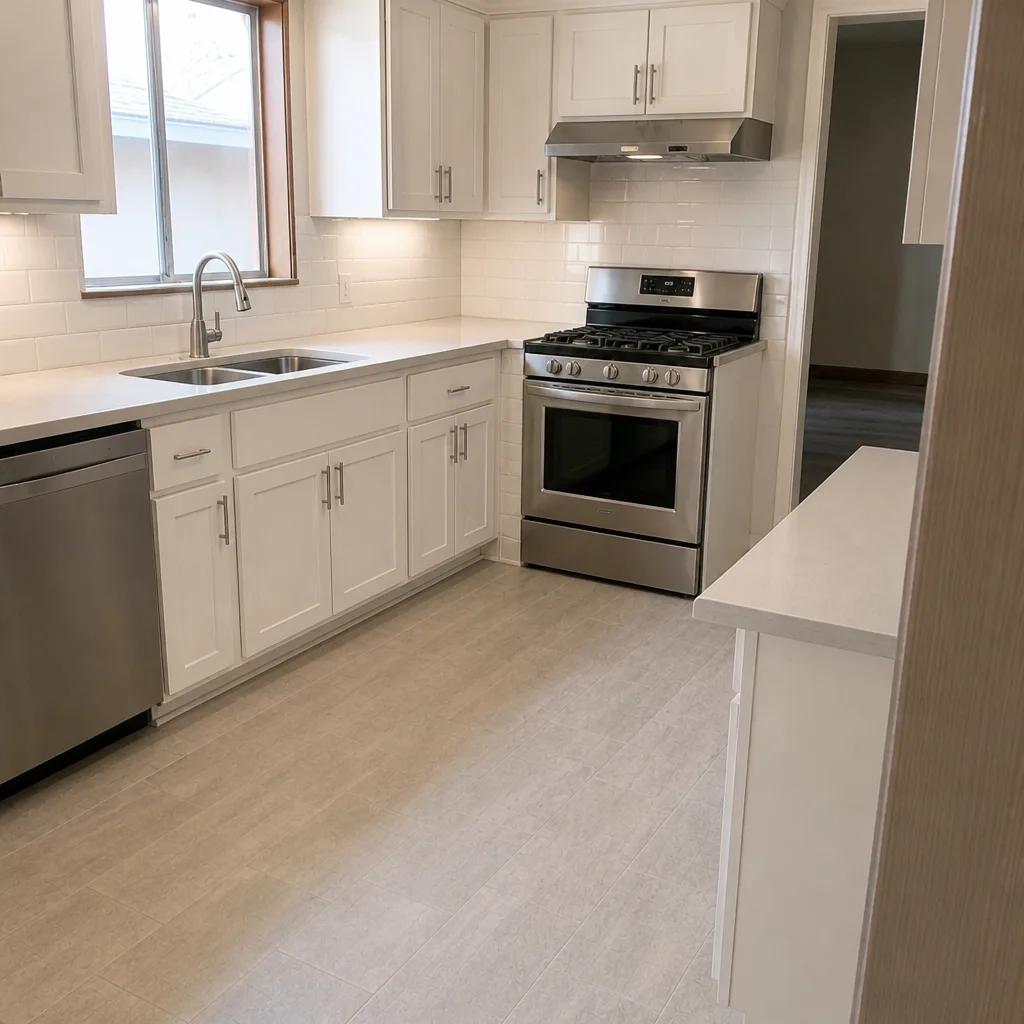 After
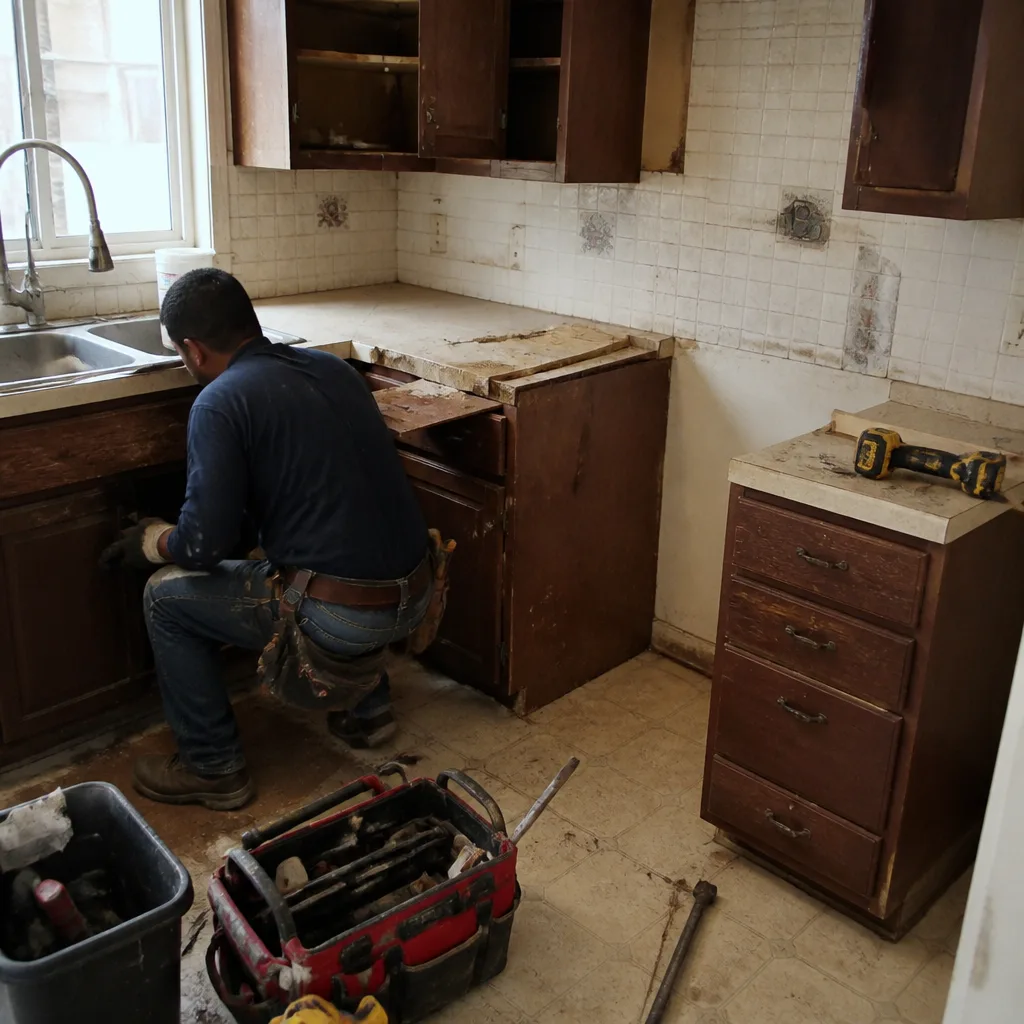 Before
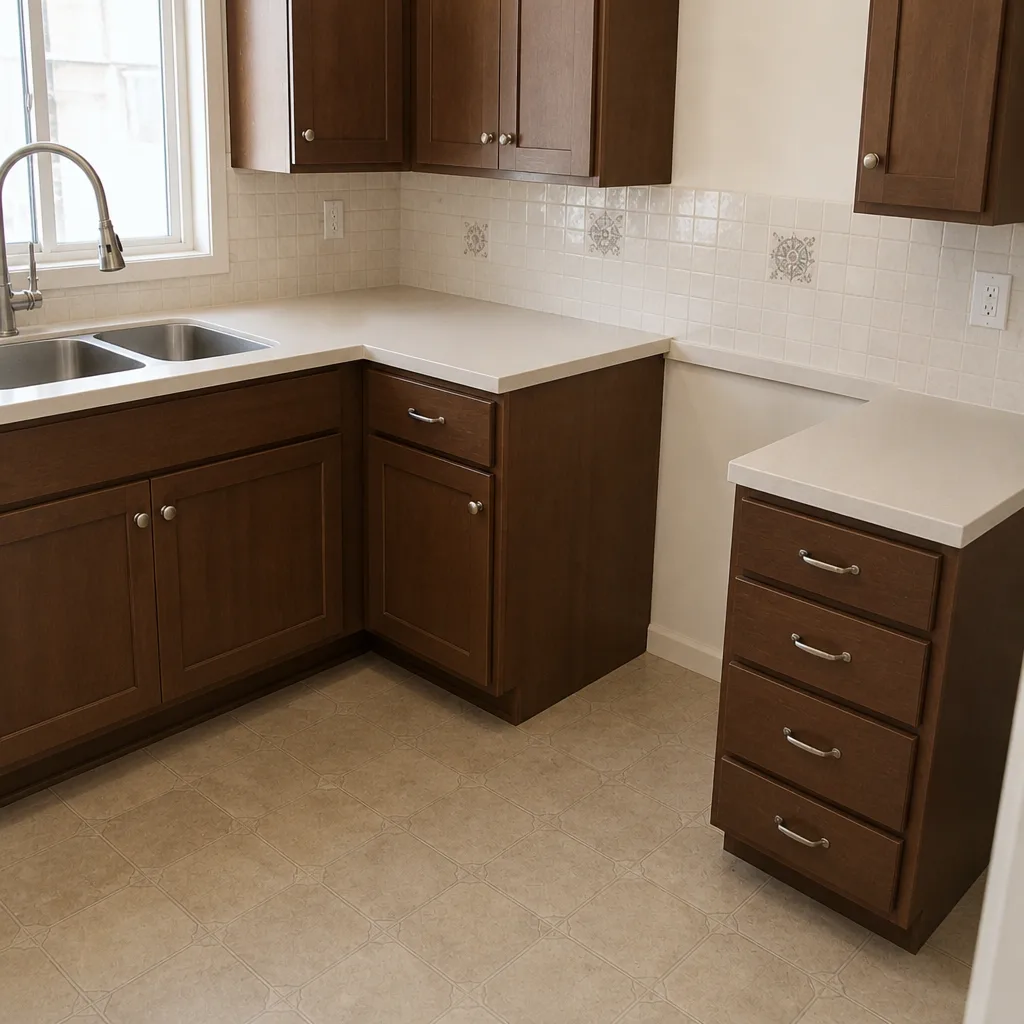 After
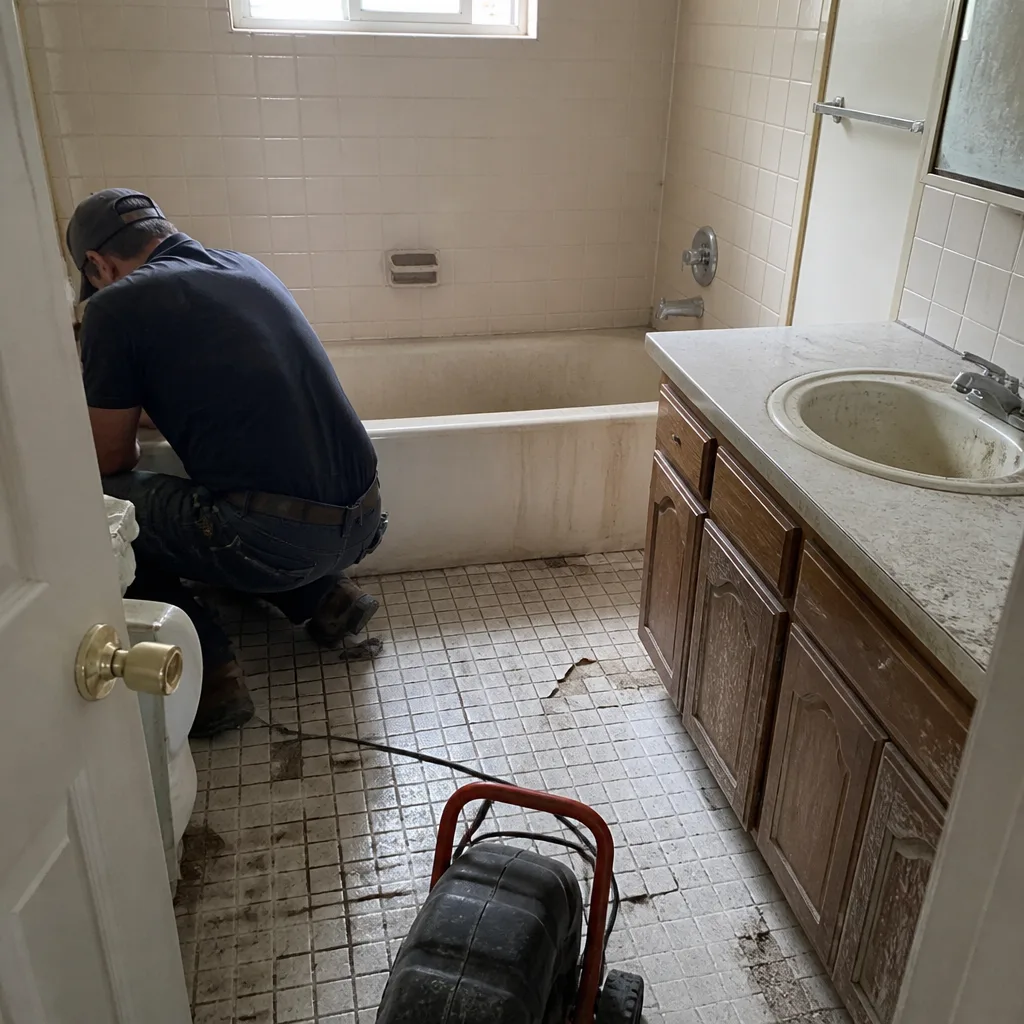 Before
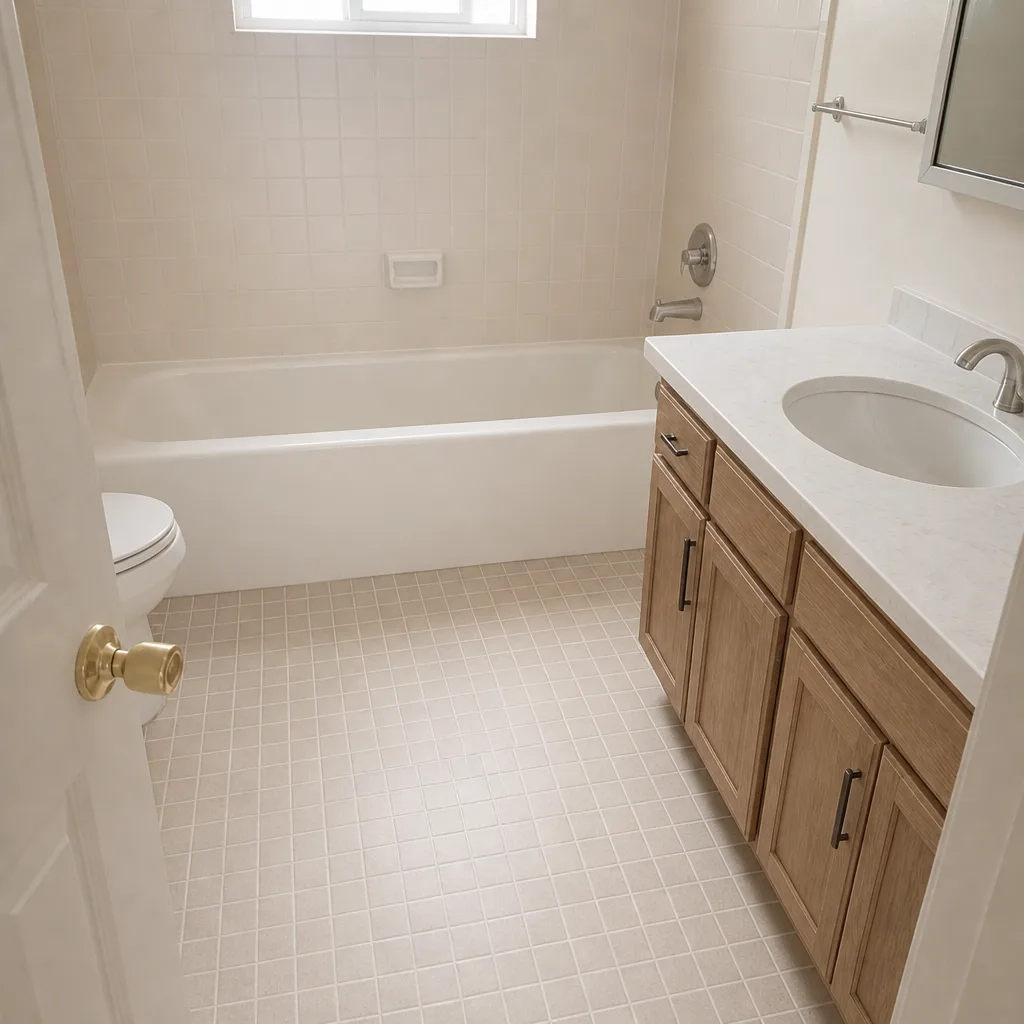 After
ADU Setback Requirements in Vacaville, CA: What Actually Applies to Your Lot
For a detached ADU in Vacaville, California state law sets the floor at 4 feet from the side and rear property lines, and the unit cannot sit in the front yard. That’s the short answer, and for most lots it’s the one that matters. But Vacaville parcels on the edges of town sit in wildland-urban interface zones, where CalFire’s defensible space rules can collide with that same 4-foot strip and quietly reshape where your ADU can go. We build and coordinate additions across Vacaville, and the setback question is where most projects either open smoothly or stall in plan check. Call (888) 276-8078 if you want a straight read on your lot.
Why Vacaville Setbacks Are a Layered Question, Not a Single Number
Three rule sets stack on top of each other here, and homeowners usually only hear about the first one.
State law sets the baseline: 4-foot side and rear setbacks for a detached ADU, no front-yard placement, and a cap on how much local government can pile on. Vacaville’s municipal code adds parcel-specific overlays for things like corner lots, flag lots, and hillside parcels. Fire code enters the picture when your property backs up to open space or the brushy edges of the Vaca Hills, because defensible space requirements are measured outward from the structure, not inward from the fence.
That third layer trips people up. A homeowner reads the 4-foot number, sketches an ADU tight to the rear line, and then learns the fire-separation distance from vegetation doesn’t leave room for the building where they drew it. On a narrow lot, that can push the unit closer to the main house than planned, or send it to a different corner of the yard entirely.
What to Check Before You Trust a Setback Number
If you’re comparing what you’ve read online against what a permit technician told you, run through this list. It’s roughly the order we check things in.
- Is it a new build or a conversion? These follow different rules, and the difference matters more than most people realize.
- Are you measuring from the property line or the fence line? They’re not the same, and the gap can be a couple feet.
- Is any part of the parcel in a fire hazard severity zone? This determines whether defensible space comes into play.
- Is the ADU under 800 square feet? If so, the city’s ability to impose larger setbacks is limited by state law.
- Does the lot have an irregular shape? Pie lots and flag lots from mid-century subdivisions are common in Vacaville’s older core, and they make a simple “4 feet from the line” measurement less simple.
The fence-line point deserves its own paragraph. In older neighborhoods where lots were subdivided in the 1950s and 60s, the fence and the legal property line don’t always agree. We’ve seen fences sitting a foot or more inside a property line, and we’ve seen them leaning the other way. Measure from the fence and you may draw a buildable envelope that’s several feet off. Measure from a verified property line and the ADU often fits where the homeowner thought it wouldn’t, or the reverse. A survey or a records check settles it before design starts, not after.
The Conversion Exception Most Vacaville Homeowners Never Hear About
Here’s a provision that shows up in state law and gets missed in a lot of local applications: if an existing garage or accessory structure already sits inside the 4-foot setback zone, California allows you to convert it to an ADU in place without bringing the structure into compliance with the standard setback. The building stays where it is. You’re changing its use, not its footprint.
That single rule opens up options for Vacaville homeowners with a detached garage squeezed against a side line, or a workshop built closer to the rear fence than today’s code would allow. Before you assume a conversion is dead on arrival, it’s worth confirming what’s actually on the parcel and where. Garage conversions in Vacaville typically run $30,000-$80,000 depending on whether you’re adding a bathroom, a kitchenette, or a separate utility connection. That’s well under the $90,000-$220,000 range for a detached new build, which is why the conversion path gets so much attention.
One caution: the exception covers the setback, not the building itself. Structural condition, ceiling height, foundation, and egress all still get reviewed. A 60-year-old garage in the Alamo Creek area that’s shifted on expansive clay may need foundation work before anyone signs off on habitable space.
When Wildfire Rules Change Your ADU Placement
CalFire’s Zone 1 defensible space is the 0-to-30-foot band around a structure where vegetation has to be managed, and on Vacaville parcels near open space or the hills, that band and your setback zone occupy the same ground. You can’t clear vegetation where the building is going, and you can’t build where the defensible space has to be. The resolution is site-specific, and it’s the kind of thing that needs a fire-code consultation during design rather than a surprise at plan check.
This is also where material choice starts to matter in a code sense, not just an aesthetic one. Homes in these zones often end up with fire-resistant roofing and siding, and the roof assembly gets reviewed alongside the site plan. We work with GAF and James Hardie products on ADU and addition projects in the hills because the assemblies are documented and the paperwork clears review without a fight. Built to last, backed in writing, matters more when the building is in a fire zone.
What ADU Setback Work Actually Costs in Vacaville
Setbacks themselves aren’t a line item. They’re a design constraint that shapes the whole project. Here’s where the money goes on a typical Vacaville ADU or addition, so you can see how a placement decision ripples into cost.
| Project | Typical Vacaville range |
|---|---|
| ADU construction (detached, new) | $90,000-$220,000 |
| Garage conversion to ADU | $30,000-$80,000 |
| Home addition | $45,000-$130,000 |
| Site survey and property line verification | Quoted per parcel |
A tight setback can raise cost in ways that aren’t obvious. A unit pushed against a side line may need narrower equipment access, hand-dug footings instead of machine work, or a revised foundation design on expansive clay. A lot that looks simple on paper can carry $5,000 to $15,000 in extra site work because of where the building has to land. Getting the placement right during design, before permits, is how you avoid paying for a plan check rejection and a redesign.
Financing softens the number: 0% financing for 18 months, plus $1,000 off projects over $10,000. Upfront pricing, no surprises, means the number on the proposal is the number you pay. And that proposal sits under our 730-Day Done Right Promise, one of the longest workmanship guarantees in residential construction.
How We Handle Setback and WUI Conflicts in Vacaville
Our permit-coordination team measures setbacks from verified property lines, not from whatever fence happens to be standing. We flag defensible space conflicts and fire-code overlap during the design phase, when moving a building ten feet is a conversation, not a change order. Doing that work up front is why we treat Vacaville’s clay soils and WUI overlays as planning inputs rather than problems to solve later. Our technicians have up to 12 years of experience with this kind of site work, and they arrive background-checked and in uniform. If you want the full picture on the build side, our home page and our Home Additions & ADU service page lay out the process. For the Vacaville-specific build details, see Home Additions & ADU in Vacaville.
FAQs
No. Under state law, Vacaville cannot impose larger setbacks on an ADU under 800 square feet than the 4-foot side and rear minimum. That provision is worth citing directly if you get comments asking for more, and it’s the first thing we check when a plan review comes back with a setback objection. Call (888) 276-8078 if you want us to look at the comments with you.
Usually yes. California allows an existing structure that sits within the 4-foot setback to be converted to an ADU in place without meeting the standard setback, as long as the footprint doesn’t expand. The catch is that everything else still has to pass: foundation, ceiling height, egress, and utility connections. A quick assessment of the existing structure tells you whether the conversion pencils out or whether a new build makes more sense. Estimates are free.
Your ADU placement gets reviewed against CalFire defensible space rules in addition to the standard setbacks, and the 0-to-30-foot Zone 1 band can overlap the 4-foot strip you were counting on. That’s a site-specific fire-code question, not something you resolve from a chart online. We walk these parcels regularly and can flag the conflict during design, before it turns into a plan check rejection. Call (888) 276-8078 to talk through your lot.
Conversion is usually less expensive: $30,000-$80,000 versus $90,000-$220,000 for a detached build. But the gap shrinks if the existing garage needs foundation repair or a full utility re-run, which is common on older structures sitting on expansive clay. The honest answer comes from looking at the building, not the price sheet. Free estimates and a design consult will tell you which path makes sense for your parcel.
If you’d rather have it looked at than guess at it, Groundwork Construction Co. of Vacaville offers a no-pressure assessment right here in Vacaville. We’ll measure from the real property line, check your WUI status, and tell you what actually fits. Call (888) 276-8078 for a free estimate.
Written by the team at Groundwork Construction Co. of Vacaville, serving Vacaville, CA.