Last updated November 18, 2026
Free written scope consultation - allowances, timeline, and change-order rules on paper before a single trade is scheduled
Choosing the Right Construction Brand: A Buyer’s Guide for Vacaville
A contractor can install premium-branded pavers and still void the manufacturer warranty in one step: using a non-certified installer or an unapproved base material. The brand on the product means nothing if the installation doesn’t meet the brand’s published standards. Most homeowners in Vacaville pick a contractor by reputation and star ratings, then assume the materials come with a warranty that just works. That assumption is where expensive disputes start. This guide teaches you how to evaluate material brand partnerships the way a builder does, so you know which premiums are worth paying, how to verify installer credentials, and how to write a spec sheet that protects you when a product fails.
Quick Answer
The “best” construction materials brands in Vacaville, CA are the ones with published installation standards, authorized installer networks, and warranties that survive a technical review. Brand choice matters most where Vacaville’s climate stresses materials: intense UV, summer heat spikes near 110°F, and expansive clay soils that move with seasonal moisture. A premium brand installed to spec outperforms a premium brand installed wrong by a mile, so verify the installer, not just the label.
Styles & brands we work with
- Kitchen remodeling
- Bathroom remodeling
- Home additions & ADU
- Roofing
- Windows & doors
- Driveway & pavers
- Fence
Table of Contents
- Why the Brand Name Is Only Half the Story
- How to Verify a Contractor’s Brand Authorization
- Manufacturer Warranty vs. Contractor Warranty
- Brands Worth the Premium in Vacaville’s Climate
- How to Read a Material Specification Sheet
- What Brand Partnerships Signal About Contractor Stability
- Trade by Trade: Which Brands Actually Matter
- Common Mistakes to Avoid
Why the Brand Name Is Only Half the Story
When a manufacturer publishes a 25-year warranty on roofing shingles, the warranty hinges on installation conditions most buyers never see. The brand expects a specific underlayment, a specific nail pattern, a specific deck ventilation ratio, and a properly licensed installer. Step outside those pages and the warranty is void, even though the box said GAF or CertainTeed right on the front.
We’ve seen this play out in Vacaville on roofs near the Nut Tree area where summer attic temperatures climb past 150°F. A homeowner pays for a premium architectural shingle, the crew skips the ridge vent calculation, and two summers later the shingles blister. The manufacturer inspects, cites an inadequate ventilation ratio, and denies the claim. The homeowner is left with a warranty document and a roofer pointing back at the product. In our experience, installers who honor the brand’s standards from day one are the ones who stand behind their work with a long workmanship guarantee regardless of what the manufacturer decides.
The lesson: the brand on the product determines warranty terms, but the installer determines whether you ever collect on them. Evaluate both. Ask to see the installation manual for the specific product being quoted. A serious contractor will not blink at the request.
How to Verify a Contractor’s Brand Authorization
Every major manufacturer in residential construction runs a certification or authorized-installer program. The names differ – GAF calls it Master Elite, James Hardie runs an Alliance program, Andersen and Marvin maintain certified contractor networks – but the checklist is similar. Here’s how to confirm what a contractor claims.
- Ask for the program name and certification tier. “We use GAF products” is not a credential. “We’re a GAF Master Elite contractor” is. If a contractor can’t name the specific program and tier, treat the claim as marketing.
- Verify on the manufacturer’s website. Most programs include a public find-a-contractor tool. Search the brand’s site directly for the contractor’s company name and license number. Skip any screenshot they email you; verify it yourself.
- Ask what the certification required. Typical requirements include proof of licensing in good standing, minimum general liability insurance coverage, completion of manufacturer training hours, and a history of warranty-compliant installations. Some programs also require annual recertification or minimum project volume.
- Ask what happens to your warranty if the certification lapses. Some manufacturers extend a longer or labor-inclusive warranty to work done by certified installers. If that contractor loses status mid-project or years later, some of that extended coverage can be affected. Get the warranty terms in writing before you sign.
This verification step takes maybe 20 minutes total and catches the most common gap we run into: contractors who buy premium product through distribution and call themselves “brand certified” without holding any certification. In Vacaville, where the housing stock ranges from 1950s ranchers near downtown to new construction in Vandenberg Village, the same rule holds: verify the credential, not the fridge magnet.
Manufacturer Warranty vs. Contractor Warranty
Two warranties cover every job, and they answer different questions. The manufacturer warranty covers the material: it promises the shingle, the window, or the paver will perform as specified for a stated period, contingent on installation to published standards. The contractor warranty covers the installation work: labor, workmanship, water intrusion, flashing, and the details a materials warranty will never touch.
Most homeowner frustration happens in the gap between them. When something fails, the manufacturer’s inspector looks at the install and says “not installed to spec,” and the contractor says “the material failed.” You’re stuck in the middle. Brands rarely cover labor, and contractors rarely cover product. This is why every project needs both warranties preserved and, ideally, a workmanship guarantee long enough to overlap the failure window on the first few seasons.
Ask every contractor:
- What is the length of your workmanship warranty, in writing, and what does it cover?
- Does the workmanship warranty transfer to a future owner of the home?
- Which failure modes (leaks, lifting, color fade, cracking) does it include and exclude?
- If the manufacturer denies a claim based on installation, what does the contractor do?
At Groundwork Construction Co. of Vacaville, every project carries our 730-Day Done Right Promise, one of the longest workmanship guarantees in residential construction. That matters here specifically because it outlasts the first full summer-winter heat-and-soil-movement cycle in Vacaville – the two-year window where installation flaws show up first. A one-year labor warranty expires before your materials even break a sweat.
Brands Worth the Premium in Vacaville’s Climate
Vacaville sits in a thermal pocket: summers routinely hit triple digits, the sun is unforgiving on west-facing walls, and the clay soils in neighborhoods like Browns Valley and around Alamo Creek expand and contract with the wet-dry cycle. Paying for premium material brands makes sense in the categories where those forces are hardest on the product. It makes less sense where they aren’t.
Worth the premium in Vacaville
- Roofing underlayment and shingles. GAF and CertainTeed both publish high-temperature and UV-stability data worth comparing. The premium tier includes stronger warranty terms on algae resistance and wind uplift, and Vacaville’s summer UV exposure is where those warranties earn their keep.
- Exterior cladding and siding. James Hardie fiber cement holds color and resists heat and moisture far better than lower-tier options. In a climate with dramatic summer-to-winter swings, the premium pays for itself in reduced repainting and repaint cycles.
- Windows and glazing. In east- and west-facing Vacaville homes, the glass package is where you actually feel the difference. Andersen and Pella publish solar heat gain coefficients and UV ratings that let you spec for the room, not just the style.
- Pavers and retaining systems. Belgard’s published base-course and joint-sand requirements exist because clay soil will heave a paver patio that skips them. A paving brand’s installation standard is often more important than the paver itself.
Cosmetic premiums you can skip
Some “premium” upgrades are about pattern and finish, not performance. Interior door styles, cabinet color finishes, decorative hardware, and most plumbing fixture finishes don’t carry a climate-performance advantage in Vacaville. Buy what you love, but don’t assume an upcharge equals a longer working life. Blanco, Delta, and Toto fixture lines, for example, hit similar durability marks across their tiers; the cost difference is mostly appearance and features.
How to Read a Material Specification Sheet
The specification sheet is the most underused document in a remodeling contract. It’s the page where the manufacturer states what product must be used and how it must be installed – and once you attach it to your contract, it becomes the clause you enforce when a contractor tries to swap in a cheaper brand mid-project.
Here’s how to use specs as a contract tool:
- Request the spec sheet for every major product in the bid. Roofing shingles, underlayment, windows, siding, pavers, cabinets, and fixtures all have public spec documents. A contractor who resists sharing them is telling you something.
- Check the “installation requirements” and “limitations” sections. These are the details installers skip, and they’re the exact reasons a manufacturer denies a claim. Note base material, fastener type, ventilation ratios, temperature ranges for application.
- Attach the spec sheets to the written contract as exhibits. This converts the brand from a line item into a requirement. “GAF Timberline UHDZ per manufacturer specification sheet attached as Exhibit B” is very different from “architectural shingles.”
- Add a substitution clause. Require written approval from you before any product is substituted, and specify that any unapproved substitution is a material breach with a defined remedy (replacement at no charge, or a price credit).
- File the signed spec sheet alongside the warranty documents. If a claim comes up five years later, you already have the proof that the specified product was the one installed and the standard it was held to.
This one habit – spec sheet as contract exhibit – is what separates a homeowner who gets made whole when something fails from one who gets stuck in the middle of a dispute.
What Brand Partnerships Signal About Contractor Stability
A real brand partnership is expensive to hold and hard to fake. Programs like GAF Master Elite, the James Hardie Alliance, and the Andersen and Pella certified networks require insurance minimums, training investment, referencing, and sometimes minimum project volume. That’s a real signal about how a contractor runs their business.
Fly-by-night operators can’t carry those costs. They buy whatever’s cheapest at the time of the job, work without certification, and don’t establish a relationship with any manufacturer because they’re not planning to be around when you need a warranty request. A contractor holding multiple premium brand partnerships is signaling that they have stable cash flow, insurance in place, trained installers, and a business built to last more than a season.
In Vacaville specifically, where the construction market pulls from both Bay Area transplants and local repeat customers, the contractors worth hiring are the ones whose business can be verified across multiple channels. Groundwork Construction Co. of Vacaville holds curated brand partnerships across every trade we work in – KraftMaid and Cambria in kitchens, GAF and Owens Corning on roofs, Andersen and Marvin for windows – because those partnerships require exactly the kind of long-horizon stability our warranty depends on. Groundwork Construction Co. of Vacaville home is a good place to start if you want to see the full scope before you call.
Trade by Trade: Which Brands Actually Matter
Not every category deserves the same brand scrutiny. Some trades race to the bottom on materials; others are almost entirely contractor-workmanship-dependent. Here’s where Vacaville homeowners should focus their brand research in each of our service categories.
Roofing
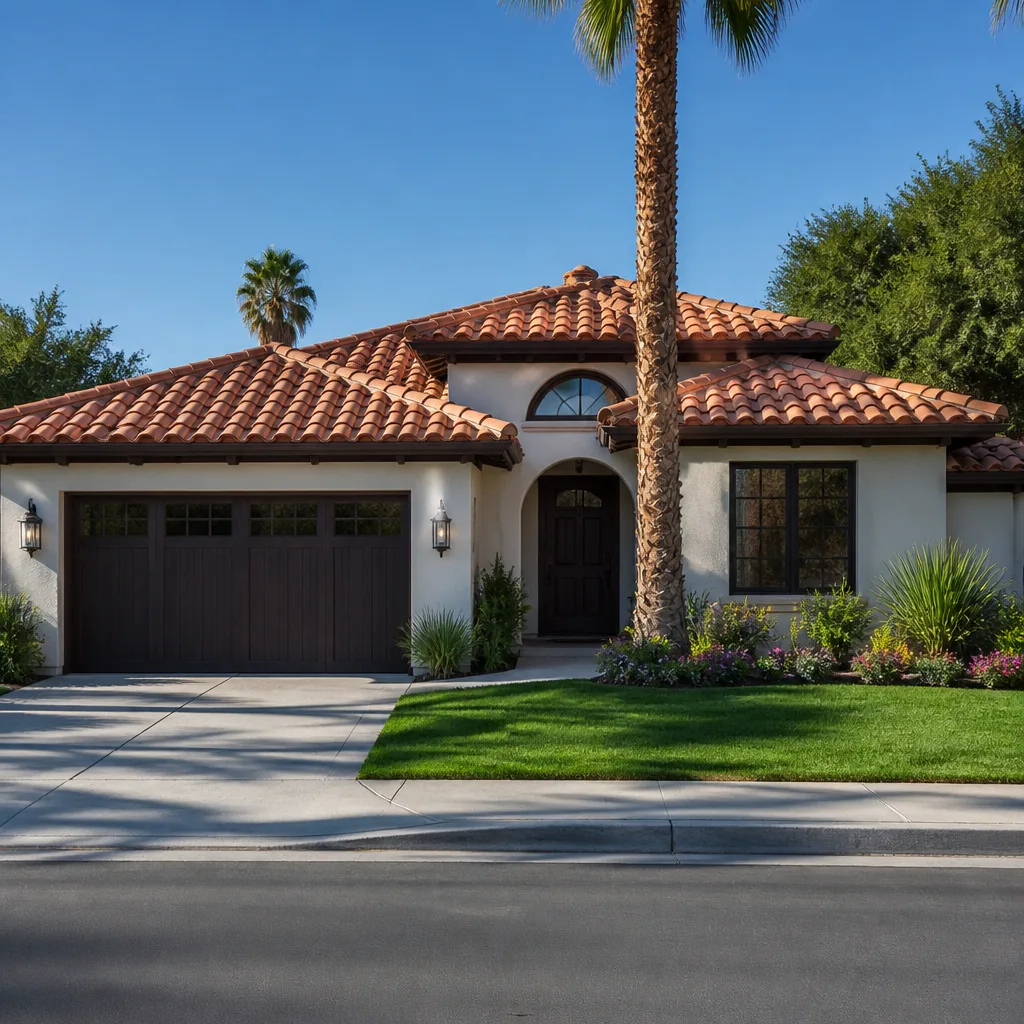
Roofing is the highest-stakes brand category because the failure mode is water intrusion into the attic and interior. GAF and CertainTeed publish the most complete installation and ventilation specs, which makes them the easiest brands to hold a contractor accountable to. Ask for the underlayment spec and the ventilation ratio for your specific roof pitch. If the contractor can’t produce them, move on.
Windows & Doors
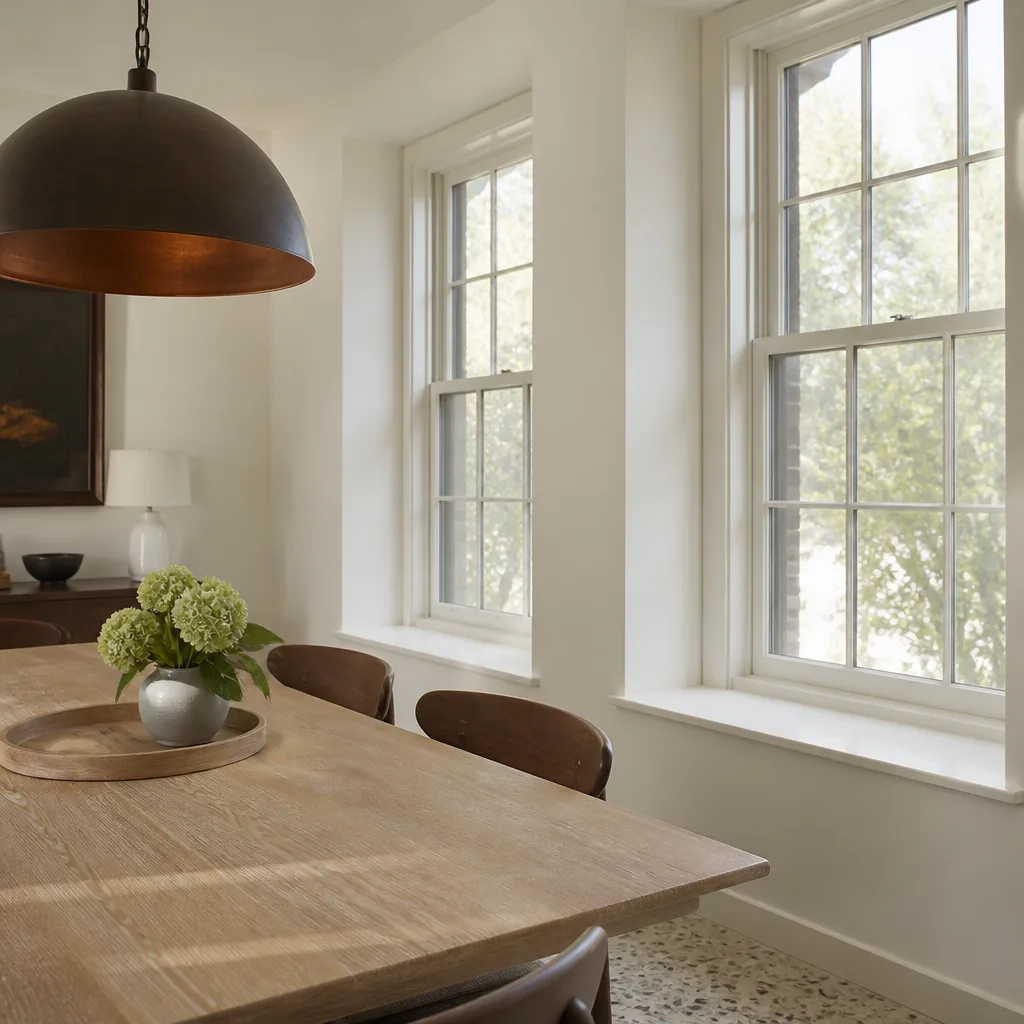
Andersen, Pella, and Marvin all publish window performance data by orientation, which matters in Vacaville where west-facing windows bake. The costly mistakes here are wrong glass packages and improperly flashed installs. A premium window installed without proper flashing and back-damming can leak just as easily as a builder-grade window.
Kitchens & Baths
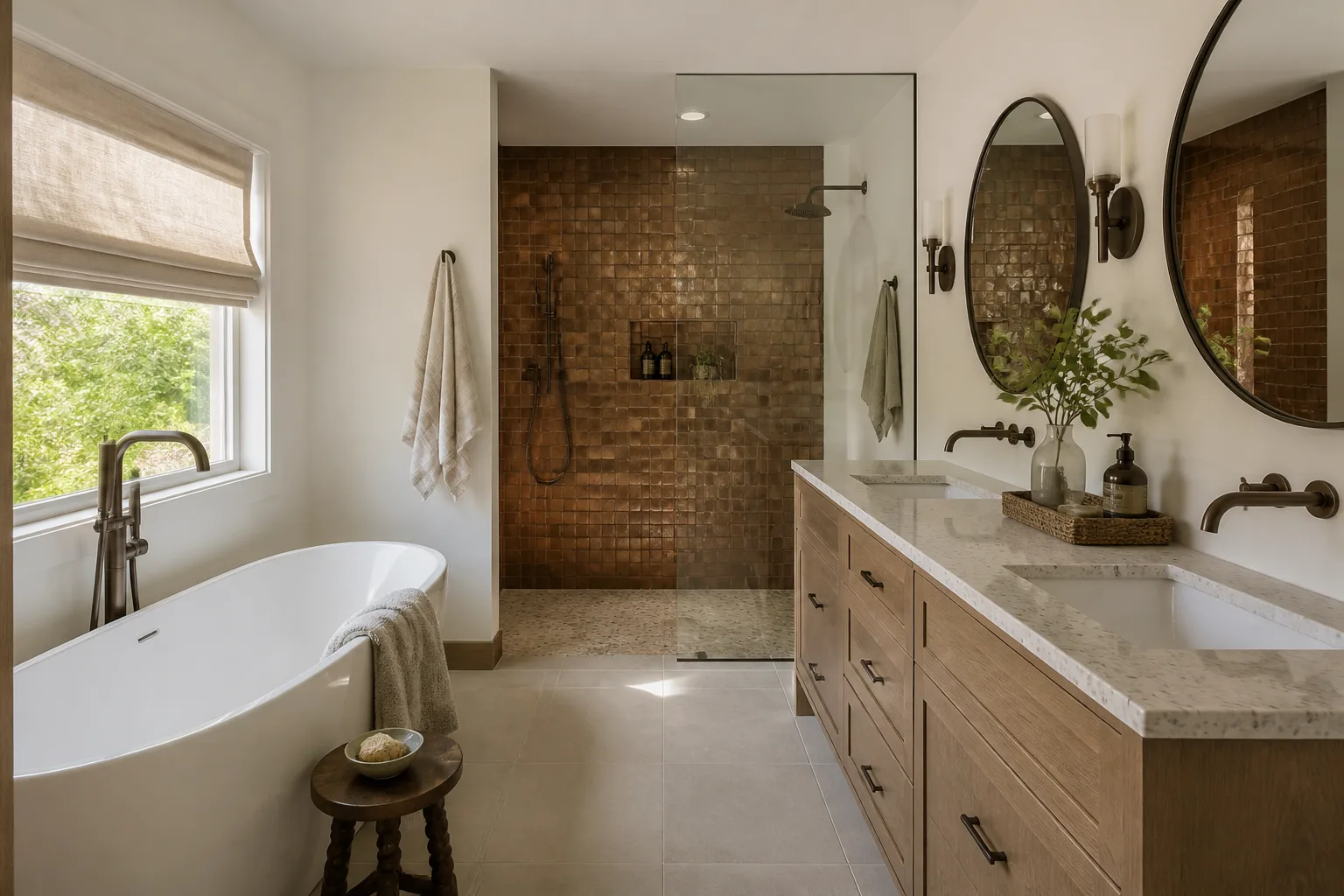
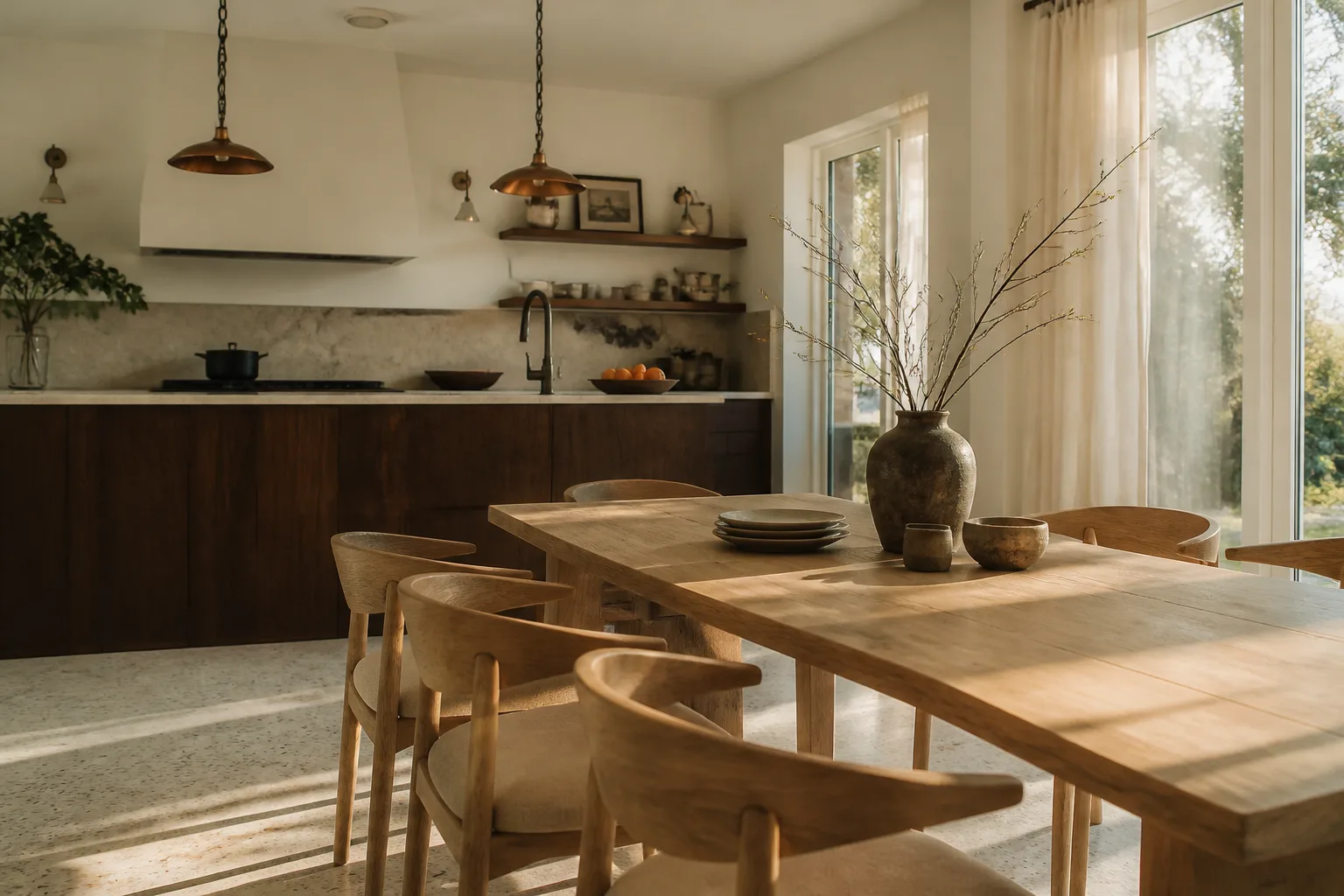
KraftMaid and Cambria publish finish and warranty details worth comparing, but plumbing fixtures from brands like Blanco, Delta, and Toto are more forgiving of brand differences. What matters more in kitchen and bath than brand is the installation sequence: waterproofing membrane, drain seal, and substrate all need to be right before a premium fixture goes in. A $2,000 rain shower head over a leaky pan is a $2,000 rain shower head over a leaky pan.
Driveways, Pavers & Fencing
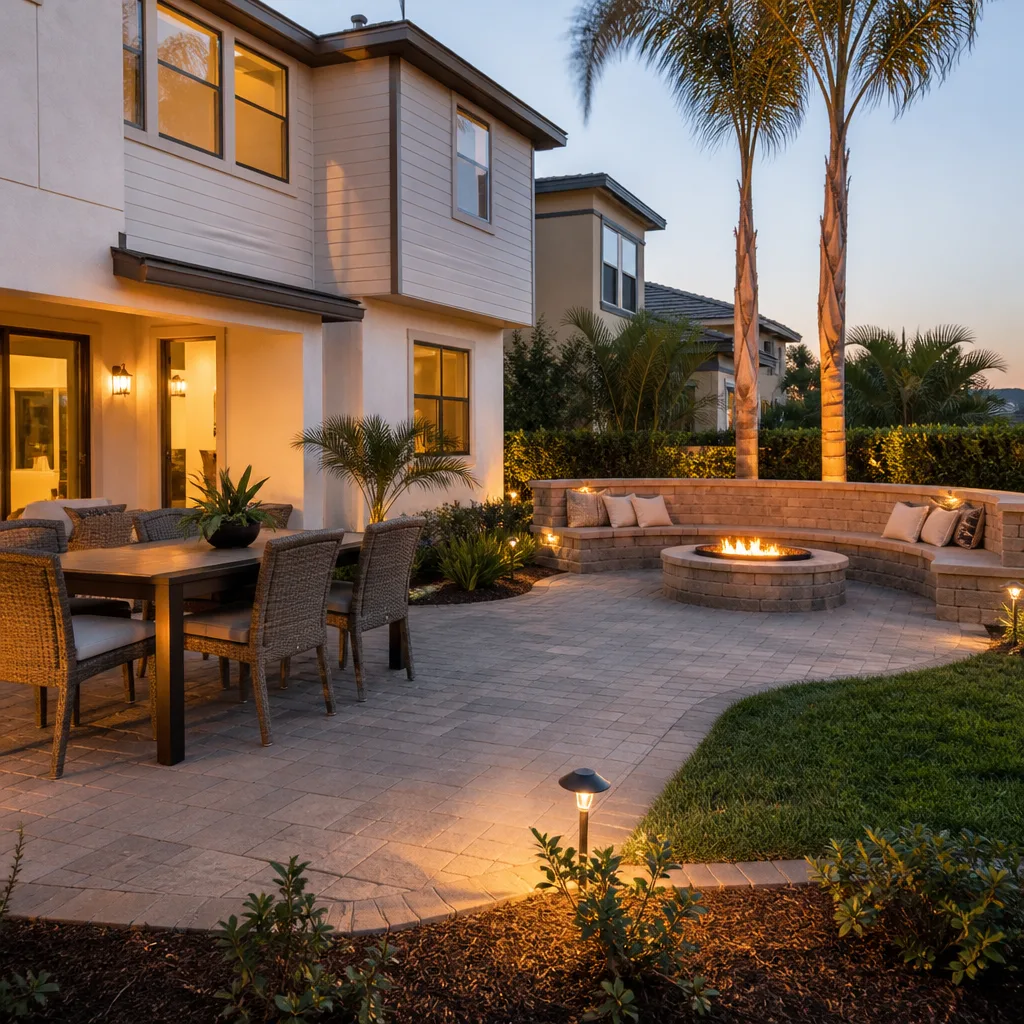
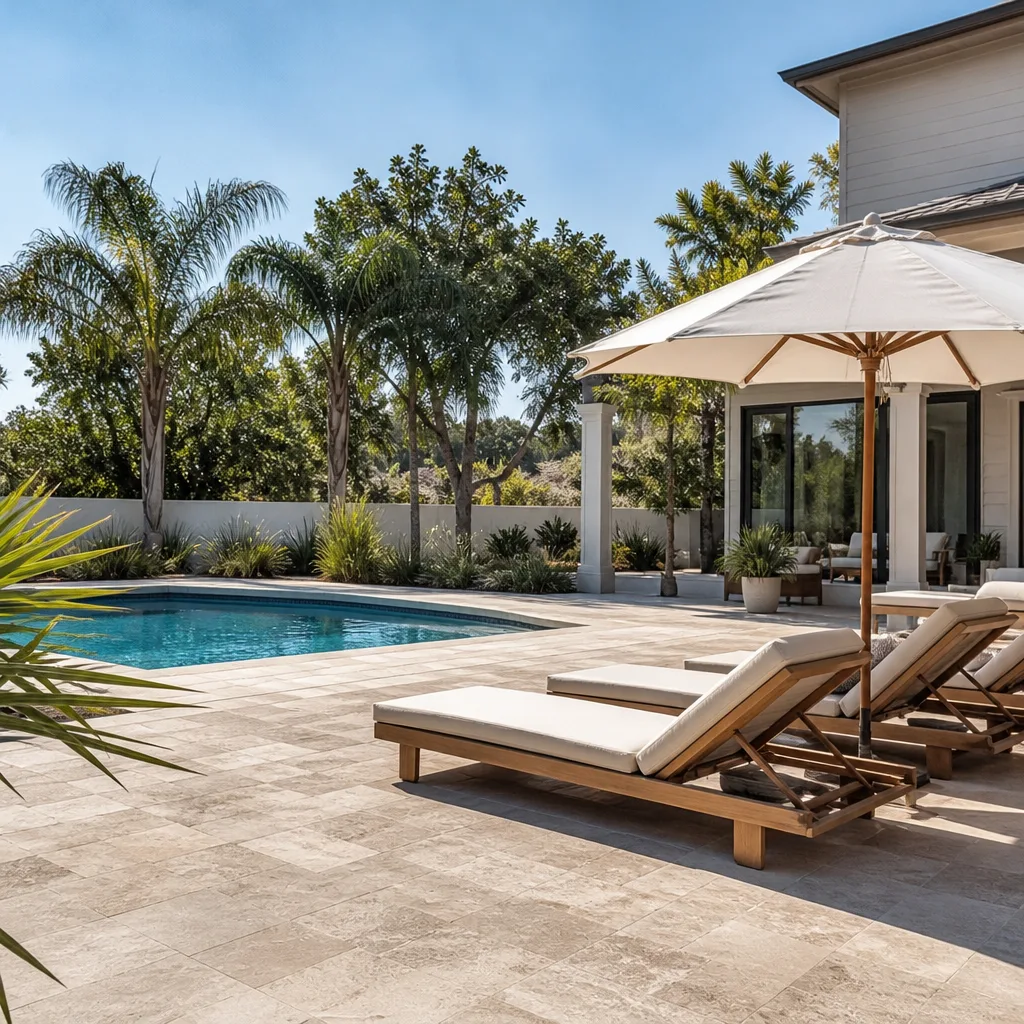
Belgard’s paver and retaining wall specs matter more than homeowner attention usually allows. Base course depth, compaction, and joint sand spec are where pavers either last 20 years or fail in three. For fencing, look at post setting depth, hardware material (galvanized or stainless for outdoor exposure), and wind load rating for Vacaville’s summer gusts. Driveway & Pavers in Vacaville walks through how our team handles the base preparation and brand-spec installation for the paver work that actually holds up to local clay soil.
Home Additions & ADUs
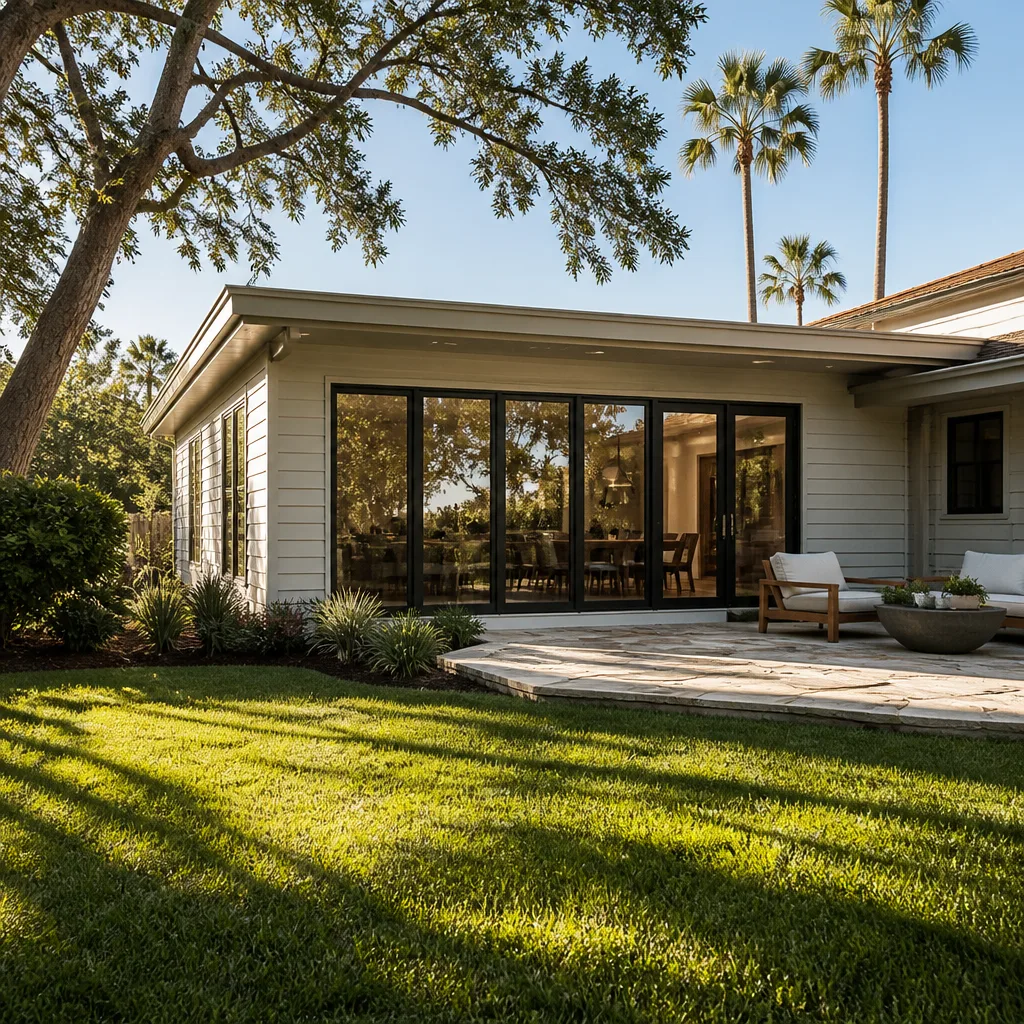
Additions pull from every trade, so the brand stack is longer and the spec discipline matters more. Ask for a full material list as part of the bid. You want to see specific brands on siding, roofing, windows, and insulation, not “builder-grade” as a catch-all. Home Additions & ADU in Vacaville covers how we build a full-scope spec sheet so brand substitutions become a contract breach instead of a surprise.
Fencing
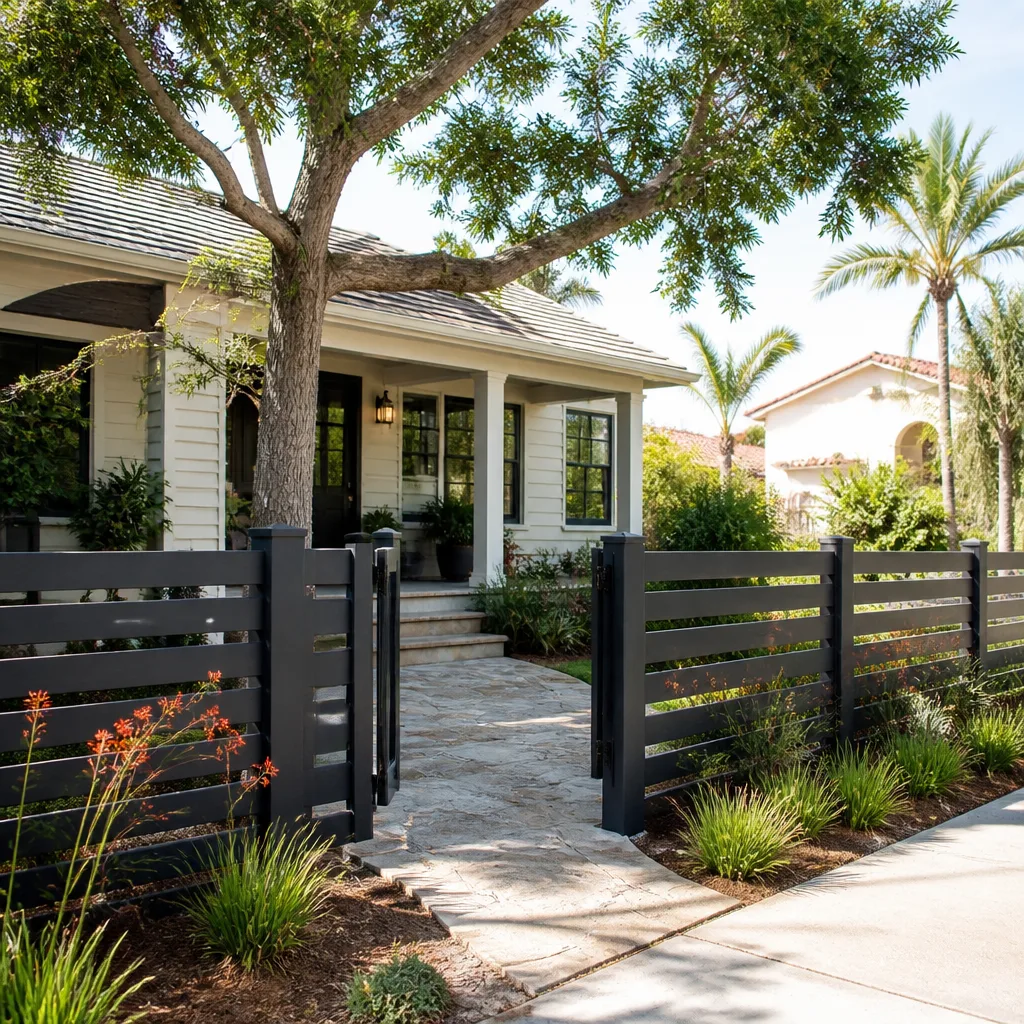
Fencing is a case where brand partners matter less than post material and setting. A premium fence brand on green-treated posts set shallow in Vacaville’s clay will heave and lean within a few seasons. Fence Installation in Vacaville explains the post depth and material choices that hold up here, because most fencing failures are installation failures, not material failures.
Common Mistakes to Avoid
- Treating the brand name on the quote as the warranty. “GAF roofing” on a contract isn’t a warranty guarantee. Ask for the specific product line, the installation standard it’s held to, and the certification tier of the installer.
- Accepting a “we use only top brands” answer. That sentence reveals nothing. Demand the program name and tier, then verify it on the manufacturer’s site. It’s a 15-minute check that catches most fake partnerships.
- Skipping the spec sheet because “the contractor knows what they’re doing.” This is the single biggest decision that hurts homeowners when a warranty claim is denied on a technicality. If you wouldn’t buy a car without reading the sticker, don’t buy a roof without reading the spec.
- Paying a premium for cosmetic brands and cutting corners on performance brands. In Vacaville’s heat and clay, spending big on a designer fixture while going with the cheap underlayment or base course is upside-down. Prioritize the brands that touch the building envelope.
- Letting brand substitution happen mid-project without written approval. Once a product is on the truck, it’s hard to unwind the install. Contractual pre-approval for substitution is the only protection that holds.
- Ignoring the workmanship warranty length because the manufacturer warranty sounds long. A 25-year manufacturer warranty on a shingle doesn’t cover the labor to fix a leak from a workmanship issue in year two. A workmanship guarantee should be long enough to cover the seasonal stress cycle, not just 12 months.
- Hiring without verifying insurance and license. A contractor without the insurance minimums most brand programs require is often cut off from the premium brands altogether. If there’s no insurance verification, there’s no manufacturer partnership you can rely on.
See the difference
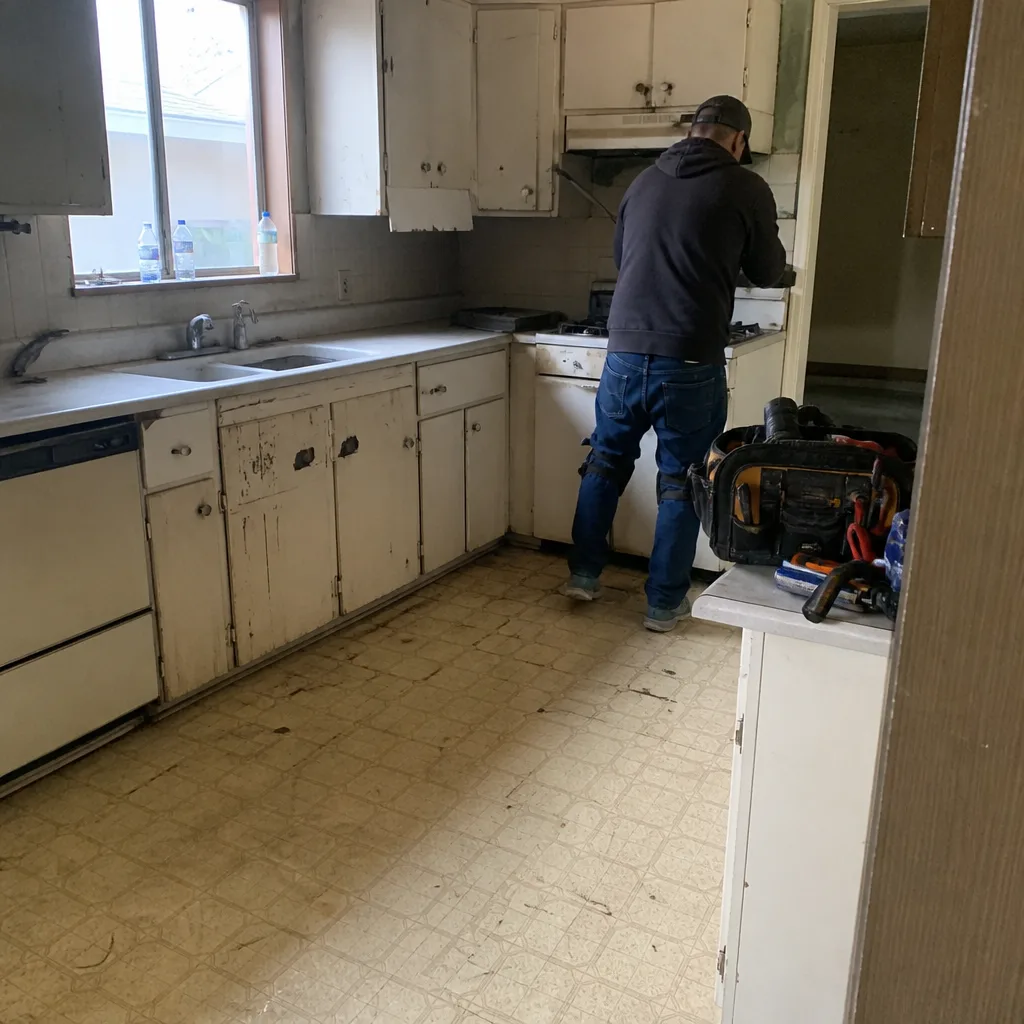 Before
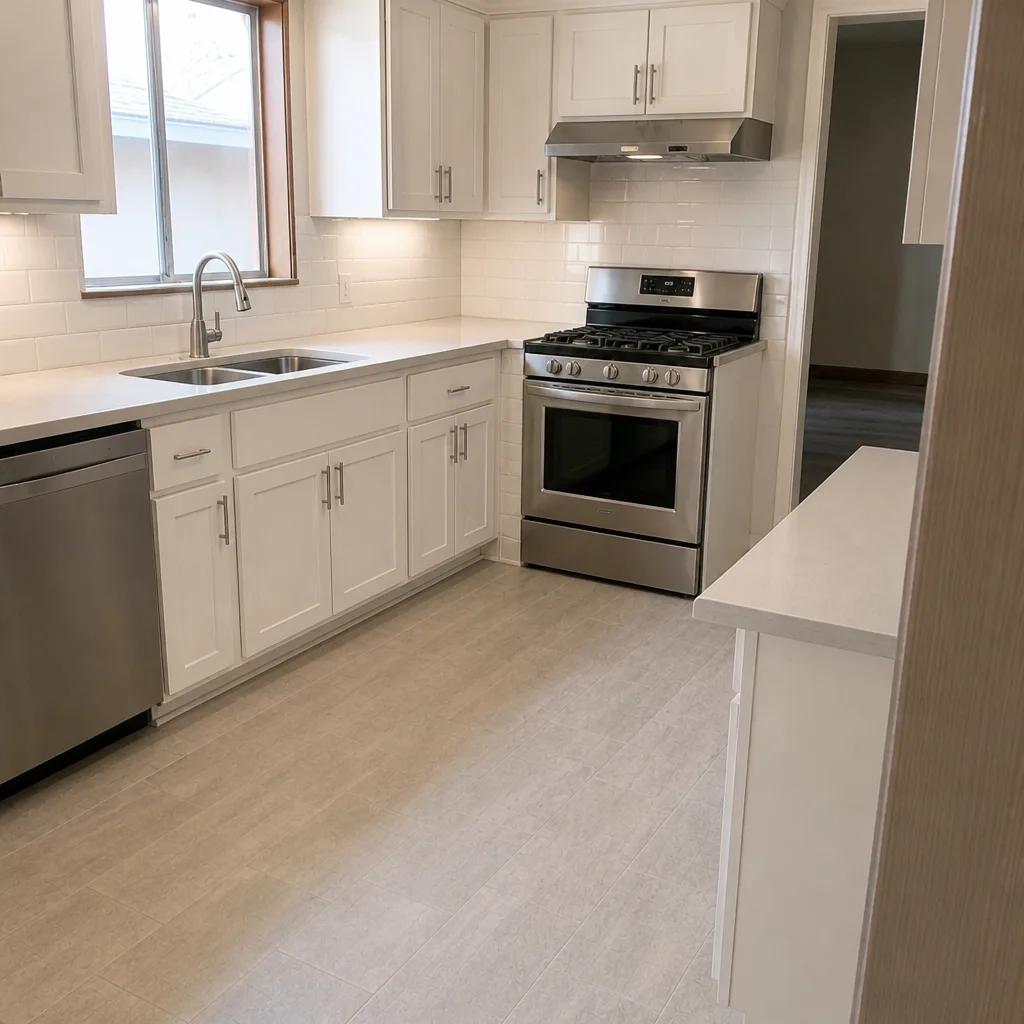 After
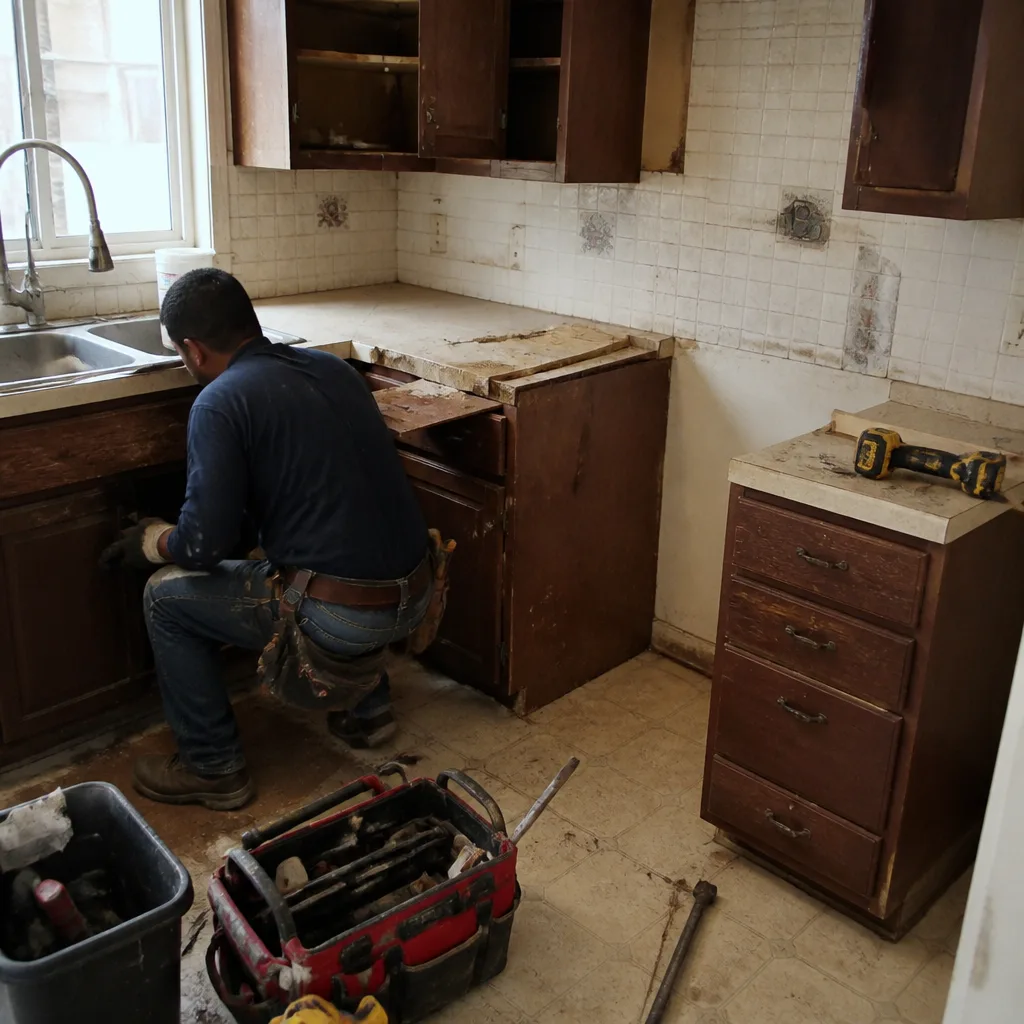 Before
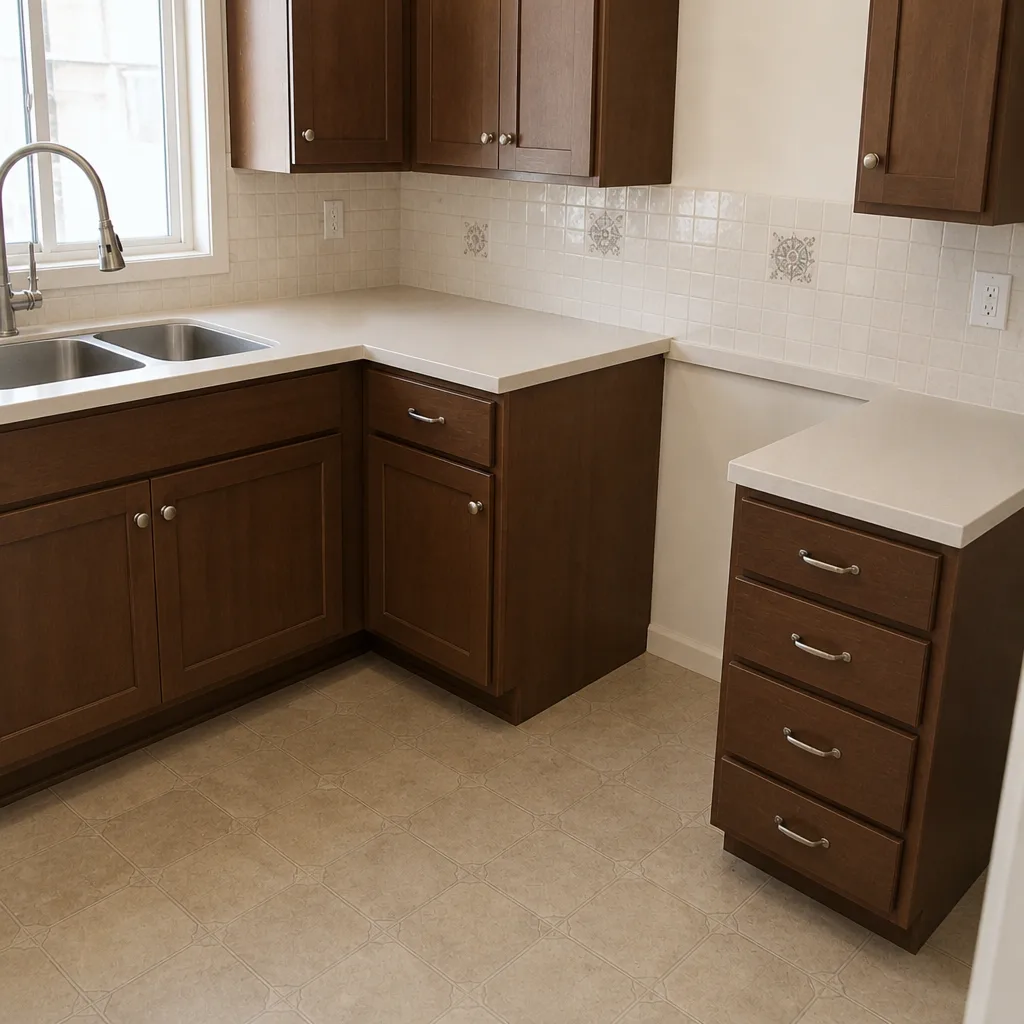 After
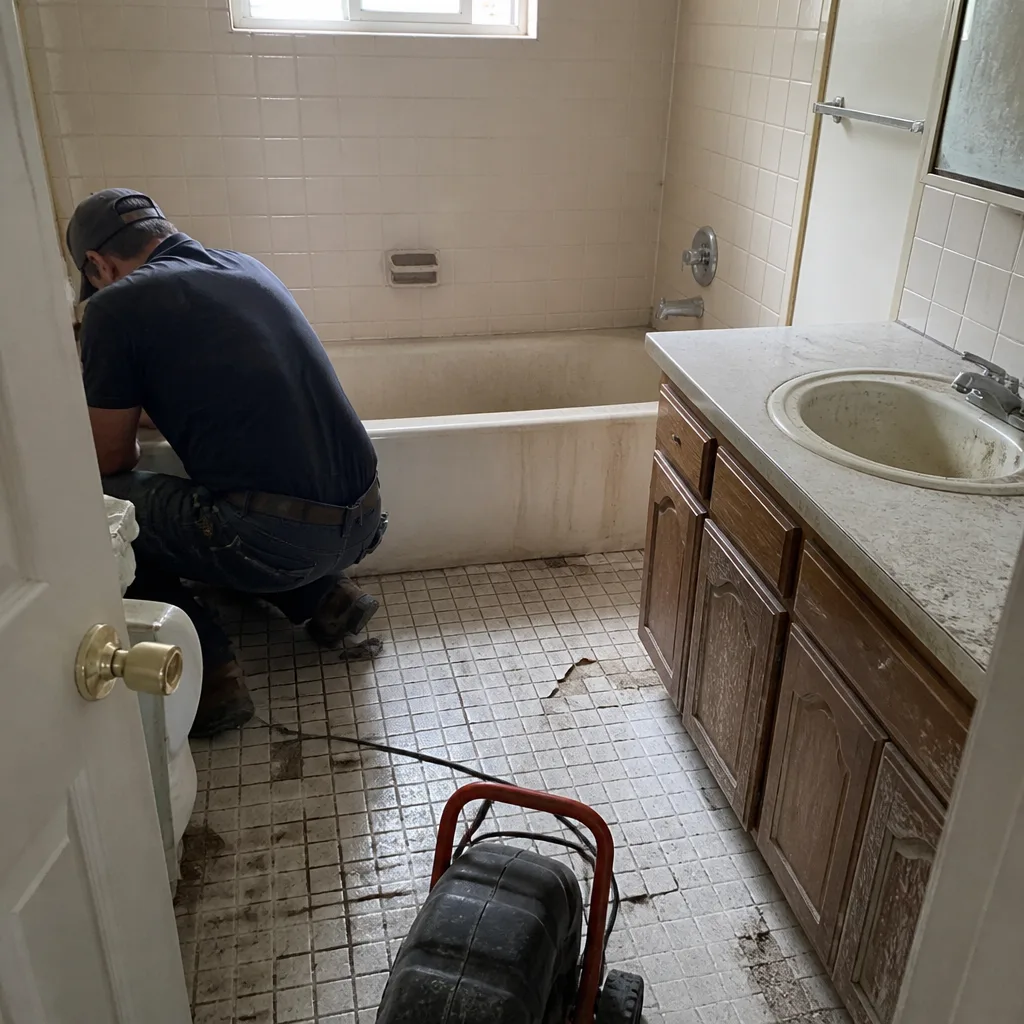 Before
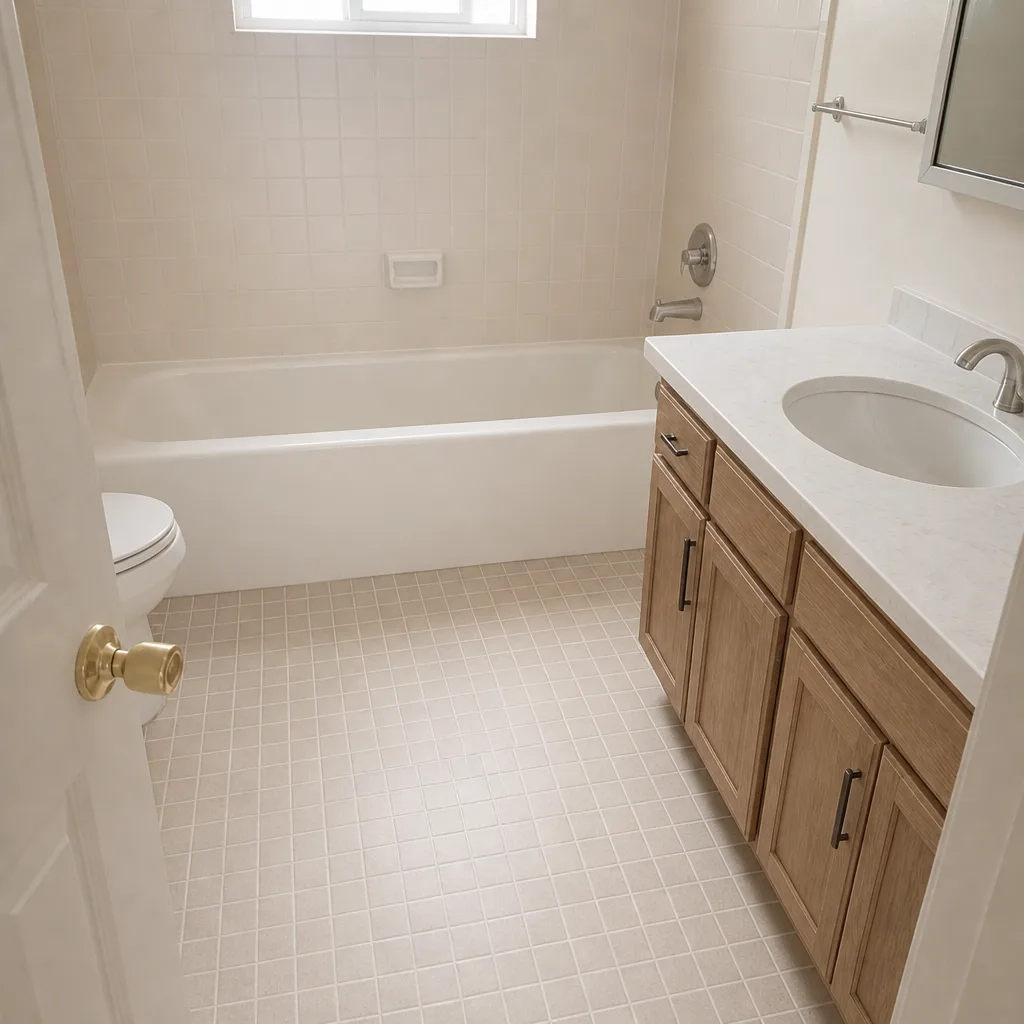 After
When to Call a Professional
There are jobs where material brand research is worth doing on your own and jobs where the brand discussion belongs in a contractor conversation. If your project involves a roof, siding, windows, pavers, fencing, or an addition, get a professional involved before you buy any material – because the brand is only as good as the installer’s certification and the workmanship guarantee behind the install. A DIY install on a premium product almost always voids the manufacturer warranty. So does a “handyman special” on shingles or pavers that skips the spec sheet.
If you’re planning a roof replacement, a window upgrade, a paver driveway, a fence, or an addition in Vacaville, Groundwork Construction Co. of Vacaville offers free estimates with written brand specs attached to the quote. Call (888) 276-8078 to schedule yours.
Frequently Asked Questions
The best brands for Vacaville are the ones with published installation standards, an authorized installer network, and warranties that hold up to UV, heat, and clay-soil movement. Prioritize brands in categories that touch the building envelope – roofing (GAF, CertainTeed), siding (James Hardie), windows (Andersen, Pella, Marvin), and pavers (Belgard) – and skip the cosmetic premiums until those are locked in. Call (888) 276-8078 for a free estimate with specific brand specs on your project.
Ask for the specific program name and tier, then verify it on the manufacturer’s website using their find-a-contractor tool. “We use GAF products” is not a certification; “GAF Master Elite contractor” is a specific, verifiable credential. If the contractor can’t name the program, treat the claim as marketing. We’re happy to walk through our brand verification for you – call (888) 276-8078.
A manufacturer warranty covers the material and is conditional on installation to published standards. A contractor warranty covers the labor and workmanship. Most warranty disputes happen when the two parties disagree about who caused a failure. Get both warranties in writing before work starts, and make sure your contractor’s workmanship guarantee is longer than a single season. Groundwork Construction Co. of Vacaville backs every project with our 730-Day Done Right Promise. Call (888) 276-8078 to talk through what that covers on your project.
Yes, but only in specific categories. Vacaville’s triple-digit summer heat, intense UV exposure, and expansive clay soils make premium brands worth the upcharge on roofing underlayment and shingles, exterior siding, window glazing on west-facing walls, and paver base and joint systems. Cosmetic finishing brands (cabinet color, decorative hardware, plumbing fixture finishes) deliver similar performance across tiers. Call (888) 276-8078 for a free estimate and we’ll show you which categories are worth premium spend on your specific home.
It shouldn’t, and the way to guarantee that is to attach manufacturer spec sheets to the written contract as exhibits and require written homeowner approval for any substitution. Once the spec sheet is contractual, an unapproved substitution becomes a defined breach with a clear remedy, not a surprise. Groundwork Construction Co. of Vacaville quotes with brand-specific line items and fixed pricing so the number on the estimate is the number you pay. Call (888) 276-8078 for a written line-item quote.
We see more UV and heat-related warranty issues on roofs and west-facing siding in areas with unshaded exposure – parts of Browns Valley, the newer ridges around Vandenberg Village, and west-facing walls throughout the older downtown grid. Clay-soil movement complaints for pavers and patio slabs are common in neighborhoods where the base course was specified too shallow. The common thread is installation to spec, not the brand itself. Call (888) 276-8078 to talk through the failure modes on your specific address before you sign.
The Bottom Line
The construction brand on your product determines warranty terms, installer requirements, and whether a claim gets paid or denied. The installer determines whether the warranty ever applies in the first place. In Vacaville, where UV, heat, and clay soil stress every material on your property, verify the installer’s certification, attach the spec sheet to the contract, and require a workmanship guarantee long enough to outlast the first seasonal stress cycle. Do those three things and the brand on the box becomes what it should be: a promise the builder is on the hook to keep. Groundwork Construction Co. of Vacaville holds premium brand partnerships across every trade, backs every project with our 730-Day Done Right Promise, and answers every call live, 24/7.
Call (888) 276-8078 to schedule your free estimate and design consult. Our technicians are background-checked, arrive in uniform, and have up to 12 years of experience. Every estimate is a written line-item quote with brand-specific specs attached – upfront pricing, no surprises – and 0% financing for 18 months plus $1,000 off projects over $10,000 is available to make the brand upgrade pencil out.
Written by the team at Groundwork Construction Co. of Vacaville.