


Free written scope consultation - allowances, timeline, and change-order rules on paper before a single trade is scheduled
Chain Link Fence Installation in Bay Point, CA: What It Takes and What It Costs
A chain link fence in Bay Point typically runs $3,500 to $9,000 for a residential lot, and most jobs wrap up in two to four days once the layout is marked and the county sign-off is in hand. That range covers demo of an old fence line, new galvanized posts set in concrete, and a full run of mesh with gates. Wind off the Delta is the single biggest factor in how these fences perform here, so post depth and hardware grade matter more than most homeowners expect. Call (888) 276-8078 to set up a free on-site estimate.
How a Chain Link Fence Goes In, Start to Finish
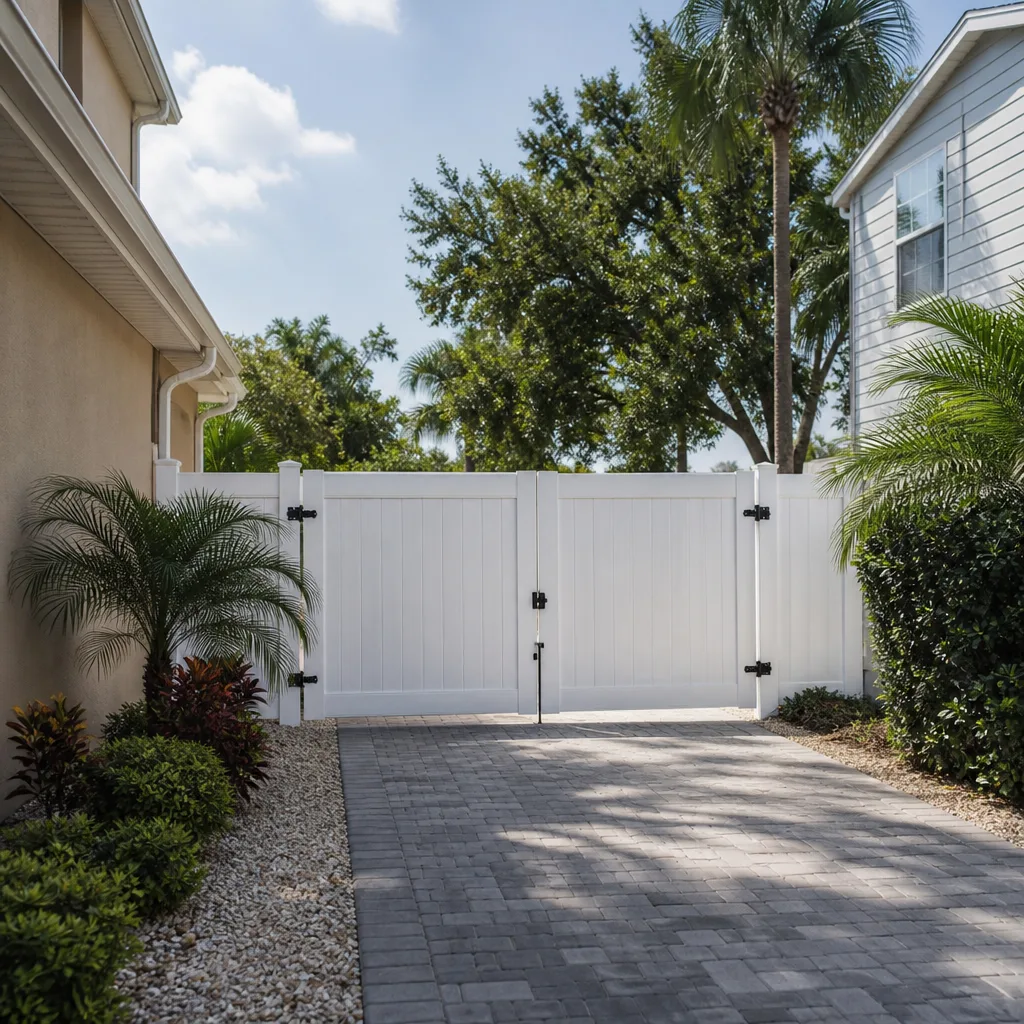
The sequence on a chain link job is unforgiving. Skip a step and the fence leans within a season, especially on the breezier lots near the shoreline. Here’s how we run it.
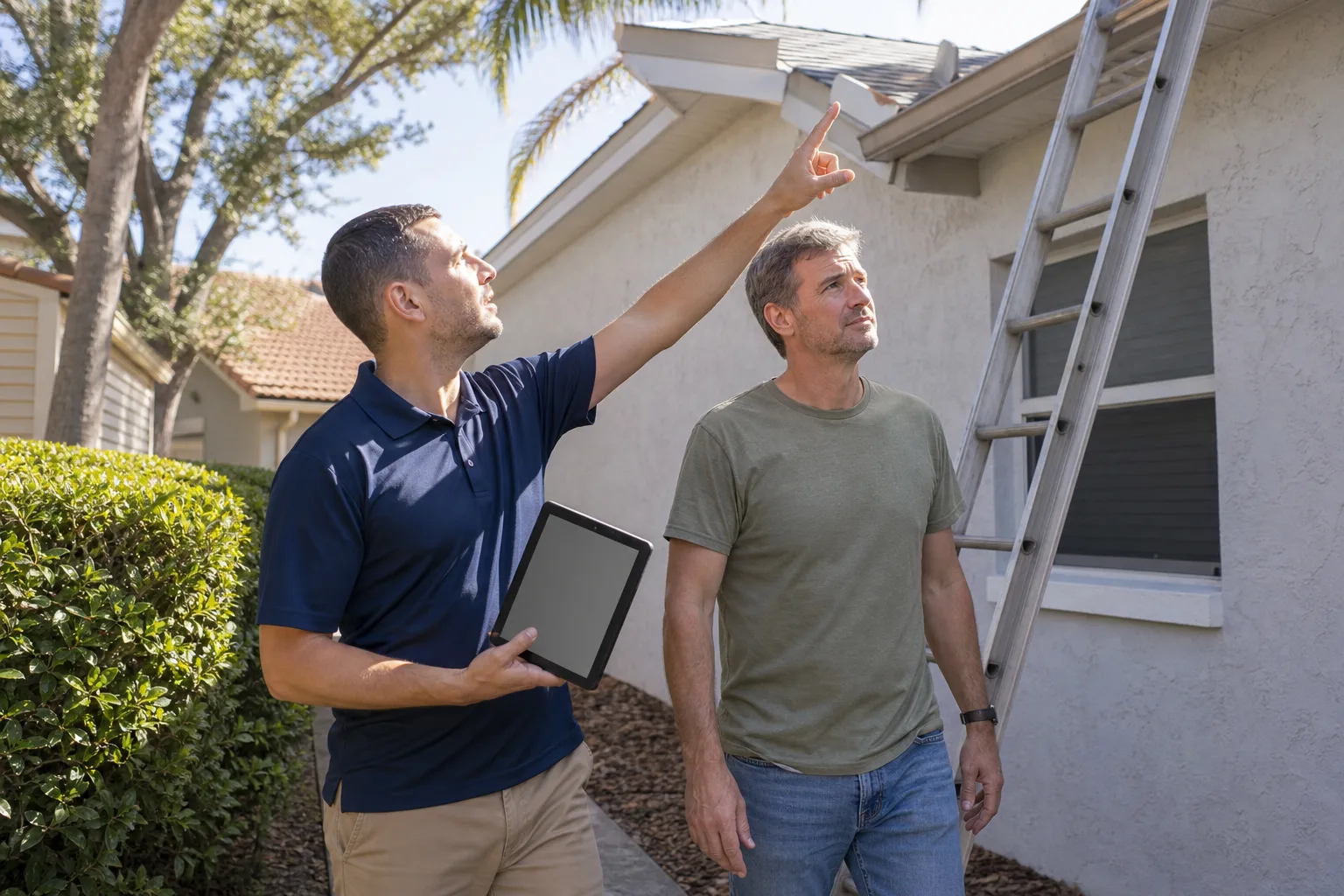
Stage 1: Site walk and layout (about an hour). We mark the property line, confirm it against the plat, and flag buried irrigation, gas, or electrical runs before a shovel touches soil. This is where you decide the fence line itself, including whether the run hugs the house or pulls back for a gate swing or a future shed pad. On flatland lots near the Delta we check grade and drainage at the same time, since standing water against posts is a real problem here.
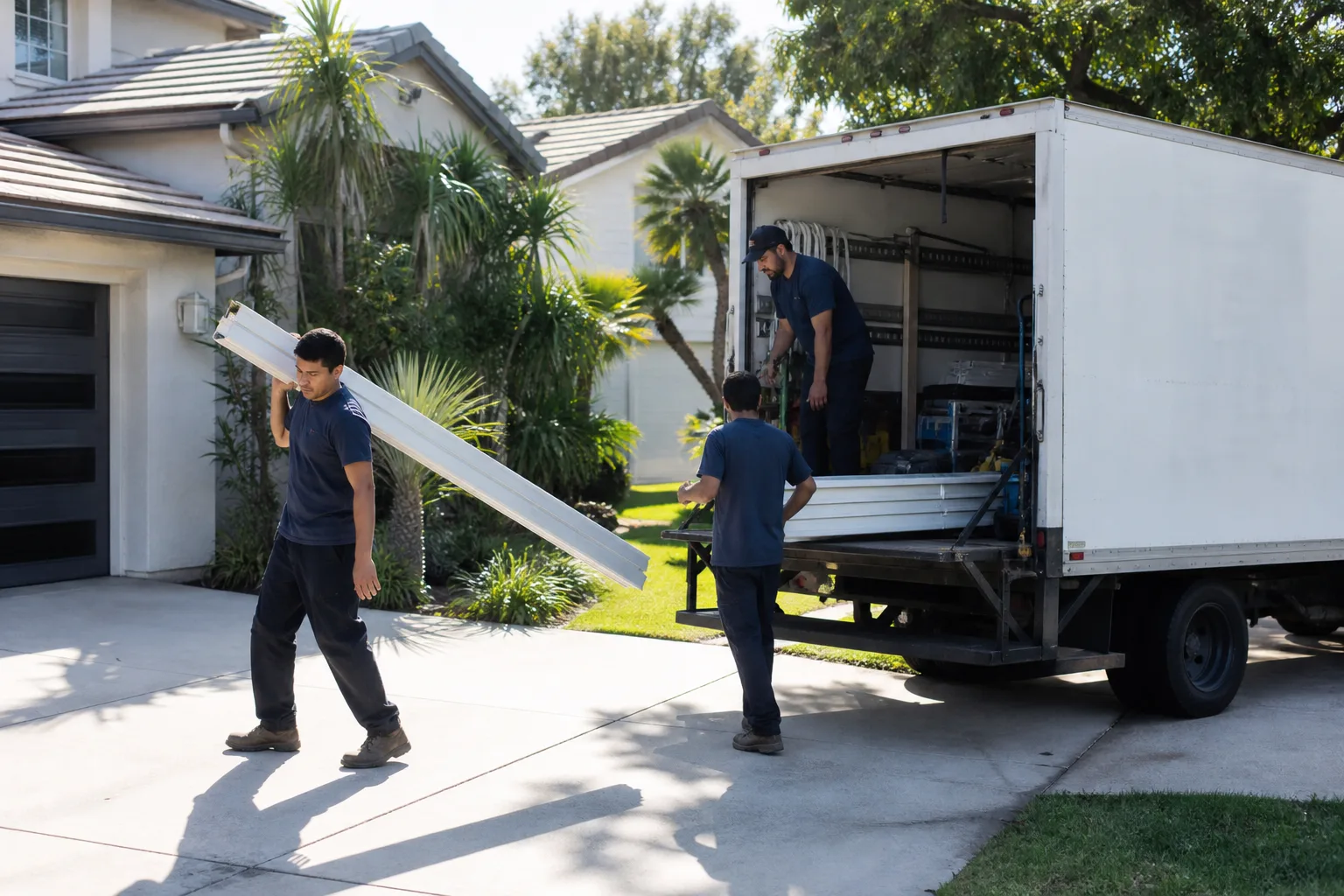
Stage 2: Demo and prep (half a day to a full day). Old fencing comes out, footings get pulled, and the line is cleared. If the old posts were set in concrete, that concrete gets broken out and hauled off, which is the part most estimates underprice. You’ll barely be involved at this stage, but you do need to clear vehicles and anything stored along the fence line.
Stage 3: Post setting and concrete cure (day one to day two, plus a cure window). Terminal posts go in first, then line posts every 8 to 10 feet, all set in concrete. Holes are dug to depth and bell-shaped at the base so frost and wind heave don’t work the post loose. This is the decision point for post size: 2-3/8″ line posts are standard, but a tall run or a high-wind exposure warrants going up a gauge. Concrete needs roughly 24 to 48 hours before the fence takes a real load.
Stage 4: Framework, mesh, and gates (day three). Top rail, tension bands, and the mesh get pulled and tensioned. Gates are hung and adjusted so they latch clean, which means getting the post plumb on day one. You pick gate style and hardware here if you haven’t already; walk gates and drive gates are separate line items.
Stage 5: Walkthrough and punch list (about 30 minutes). We tension-check, verify gate swing and latch, confirm the line is true, and hand off any warranty paperwork. Most jobs finish inside four days from layout to walkthrough.
Styles & brands we work with
- Kitchen remodeling
- Bathroom remodeling
- Home additions & ADU
- Roofing
- Windows & doors
- Driveway & pavers
- Fence
The Chain Link Options You’ll Choose Between
Chain link is not one product. These are the real forks in the road, with the honest trade-off on each.
- Mesh gauge and coating. Standard residential mesh is 11.5 gauge; heavier 9 gauge is worth it on long runs and any fence taking wind load. Galvanized mesh is the baseline, but vinyl-coated (usually in black or green) adds years of corrosion resistance in salt-air conditions and looks less industrial. The coating costs more up front and is the right call on lots near the shoreline.
- Post and rail size. 2-3/8″ posts and 1-5/8″ top rail are standard. Going to heavier wall thickness or a larger post diameter is a small upcharge that pays off on a tall fence or an exposed hillside. Terminal posts, corner posts, and gate posts always carry more load than line posts and shouldn’t be skimped.
- Height. Four feet is the common residential height; five and six feet show up where privacy or containment matters, and they cost more in post size and hardware. Confirm height against any local rule before you commit, since a taller fence near a property line can raise questions.
- Gate style and hardware. Walk gates, drive gates, and self-closing or self-latching hardware are all choices. A gate that’s undersized for its span will sag, so the post and frame have to be sized to the opening.
- Brand and finish. We work with established brands like Master Halco and Ameristar for components, because hardware that matches spec is what keeps tension bands and fittings from failing early. The trade-off on generic fittings is real: they’re cheaper and they corrode faster.
What a Chain Link Fence Costs in Bay Point, CA
Expect $3,500 to $9,000 for a residential chain link fence in Bay Point. That lead range holds for most single-family lots, with the low end landing on short runs and the high end on full-perimeter jobs with gates and a difficult line.
The number moves with a handful of variables:
- Linear footage and corners. A straight run is cheaper per foot than a line with multiple corners, gates, and returns to the house.
- Existing fence condition. Old concrete footings that must be broken out and hauled add labor. An overgrown line or a fence buried in root mass adds time.
- Height and wind exposure. Taller and heavier fences need bigger posts and more concrete, and exposed lots near the Delta wind justify going heavier on the whole assembly.
- Coating and gauge. Vinyl-coated and heavier-gauge mesh cost more than bare galvanized and last longer in marine air.
- Gates and permit scope. Each gate is its own line item, and permit and inspection scope through Contra Costa County gets priced in up front.
A written estimate should list footage, post spacing, mesh gauge and coating, gate count, gate hardware, demolition and haul-off, and permit fees if they apply. What typically isn’t included: fence line work that turns into grading or drainage corrections, or buried utilities discovered mid-dig that require rerouting. We call those out before we start, not after. Upfront pricing means the number you see is the number you pay.
See the difference
 Before
 After
 Before
 After
 Before
 After
What Bay Point Homes Do to a Chain Link Job
Bay Point sits where the Sacramento-San Joaquin river system meets Suisun Bay, and the constant Delta breeze and salt-laden marine air are the reason fences here don’t fail the way they do ten miles inland. Fasteners and hardware corrode first, then the mesh coating, then the post at the soil line. We routinely spec vinyl-coated mesh and heavier fittings on the lots closer to the water because bare galvanized hardware in salt air is a short-lived choice.
The housing stock is a patchwork too. Flatland ranch homes and older cottages near the shoreline sit alongside newer hillside tract homes on the slopes toward the Concord border, and on the same street you’ll work a mid-century wood-frame lot and a modern stucco one. That range changes the property-line work more than people expect. Permits and inspections for Bay Point run through Contra Costa County rather than a city building department, since the area is unincorporated, and the lots near the shoreline sit on fill and Delta-adjacent soils. On those lots we pay close attention to footing depth and how water drains away from posts, because a post sitting in standing winter water is going to move within a season.
Serving Bay Point, CA – Our Local Coverage Area
We serve Bay Point and nearby communities. Use the map below to see the area we cover. If you’re nearby, we can almost certainly help.
Frequently Asked: Chain Link Fence in Bay Point

Most residential chain link fences take two to four days from layout to walkthrough, with a cure window between post setting and mesh. Weather and access affect the schedule more than the size of the job, and you’ll get a firm timeline with the estimate. Call (888) 276-8078 for an exact quote; estimates are free.
Fencing in Bay Point goes through Contra Costa County because the area is unincorporated, and whether your job needs a permit depends on height and placement near the property line. We confirm the requirement before any digging and pull what’s needed; a fence that skips this can turn into a problem at resale. Ask us on the walkthrough and we’ll tell you straight.
A residential chain link fence in Bay Point typically runs $3,500 to $9,000 depending on footage, height, coating, and gate count. Shoreline lots with heavier corrosion exposure often land toward the higher end. Call (888) 276-8078 for an exact quote; estimates are free.
Yes, salt-laden marine air accelerates corrosion of bare hardware and fasteners, so vinyl coating and heavier fittings are worth the small upcharge in Bay Point. Getting post depth and drainage right at install is the other half of making the fence hold. We spec both into every job.
Every chain link fence we install is covered by the 730-Day Done Right Promise, one of the longer workmanship guarantees in residential construction. If something isn’t right, we make it right. Our technicians are background-checked, arrive in uniform, and bring up to 12 years of experience to the job.
Planning a fence on the same lot as other exterior work? Homeowners often pair this with Door Installation in Bay Point or, on larger projects, a full Fence Installation in Bay Point. If you’re building out back, we also handle ADU Site Prep & Utilities in Bay Point. You’ll find all of it under our Fence Installation service, and if you’re checking what else we cover, the Bay Point service page has the full picture.
Get a Free Chain Link Fence Estimate in Bay Point
Call (888) 276-8078 and we’ll set up a free on-site estimate for your chain link fence in Bay Point. We’ll walk the line with you, measure, check your grade and exposure, and hand you a written line-item quote with filming and permits spelled out. No change orders, no surprises. A live person answers any hour.
Written by the team at Groundwork Construction Co.