Free written scope consultation - allowances, timeline, and change-order rules on paper before a single trade is scheduled
Styles & brands we work with
- Kitchen remodeling
- Bathroom remodeling
- Home additions & ADU
- Roofing
- Windows & doors
- Driveway & pavers
- Fence
See the difference
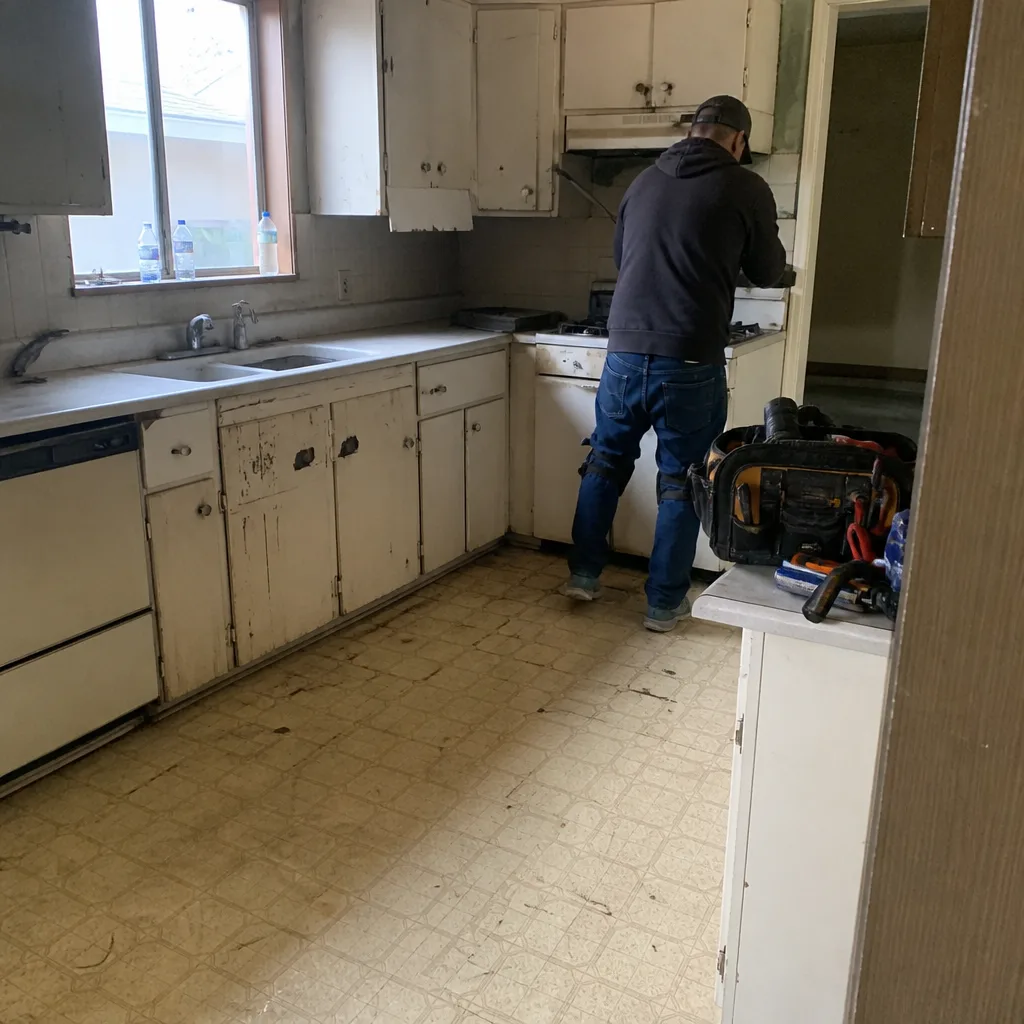 Before
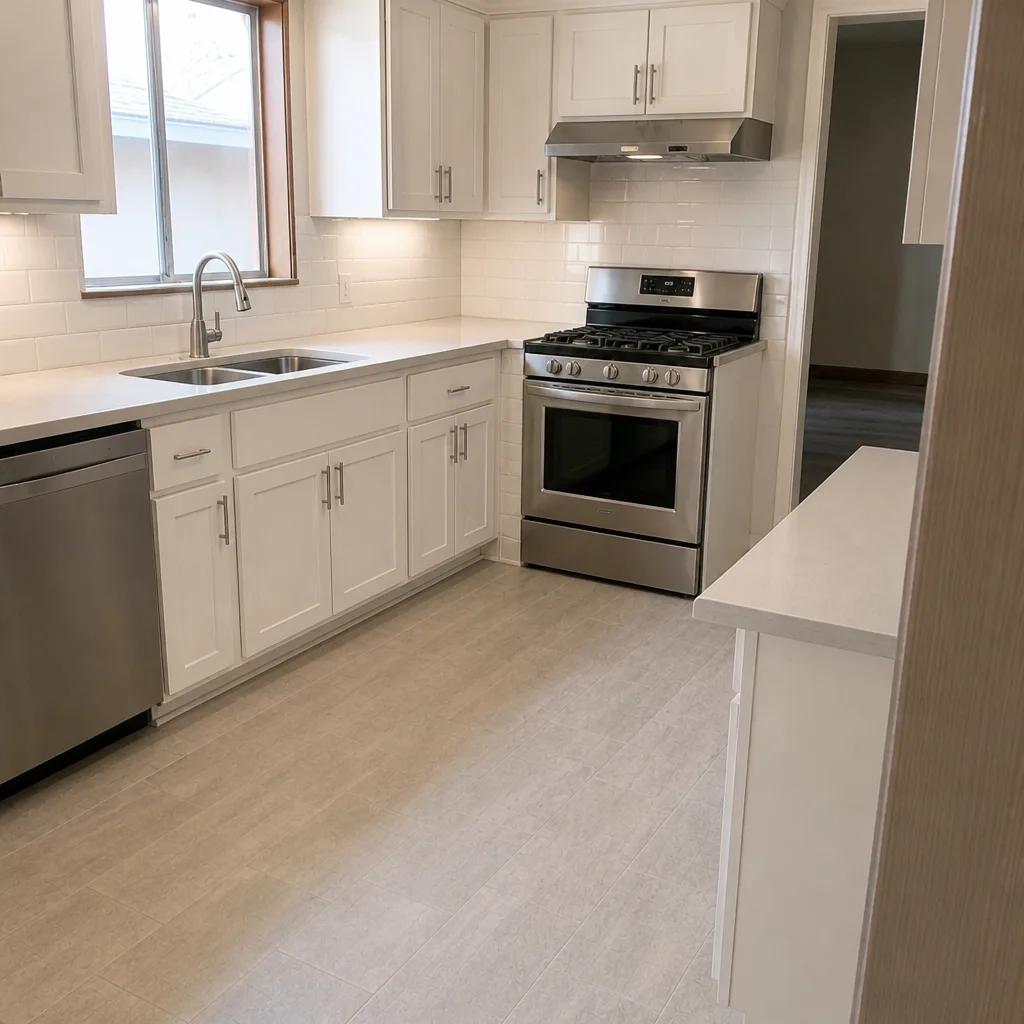 After
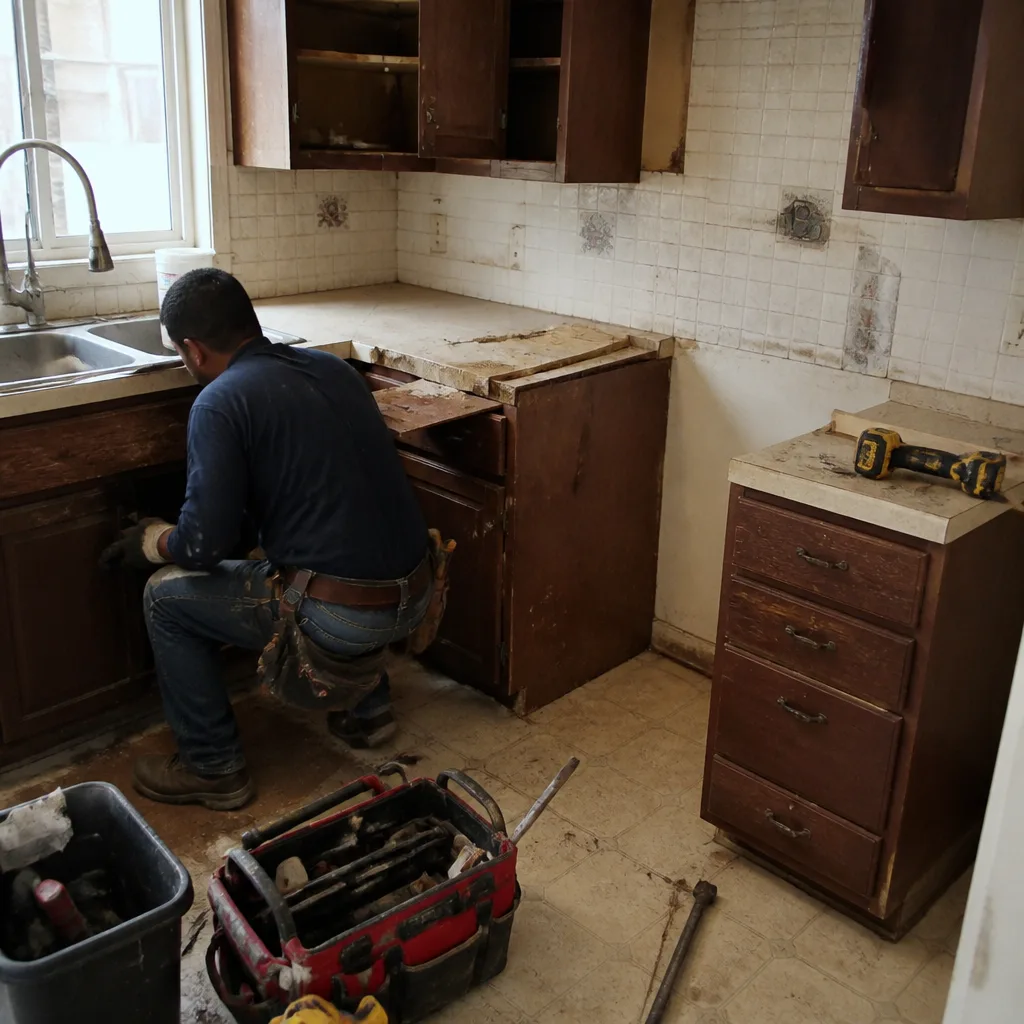 Before
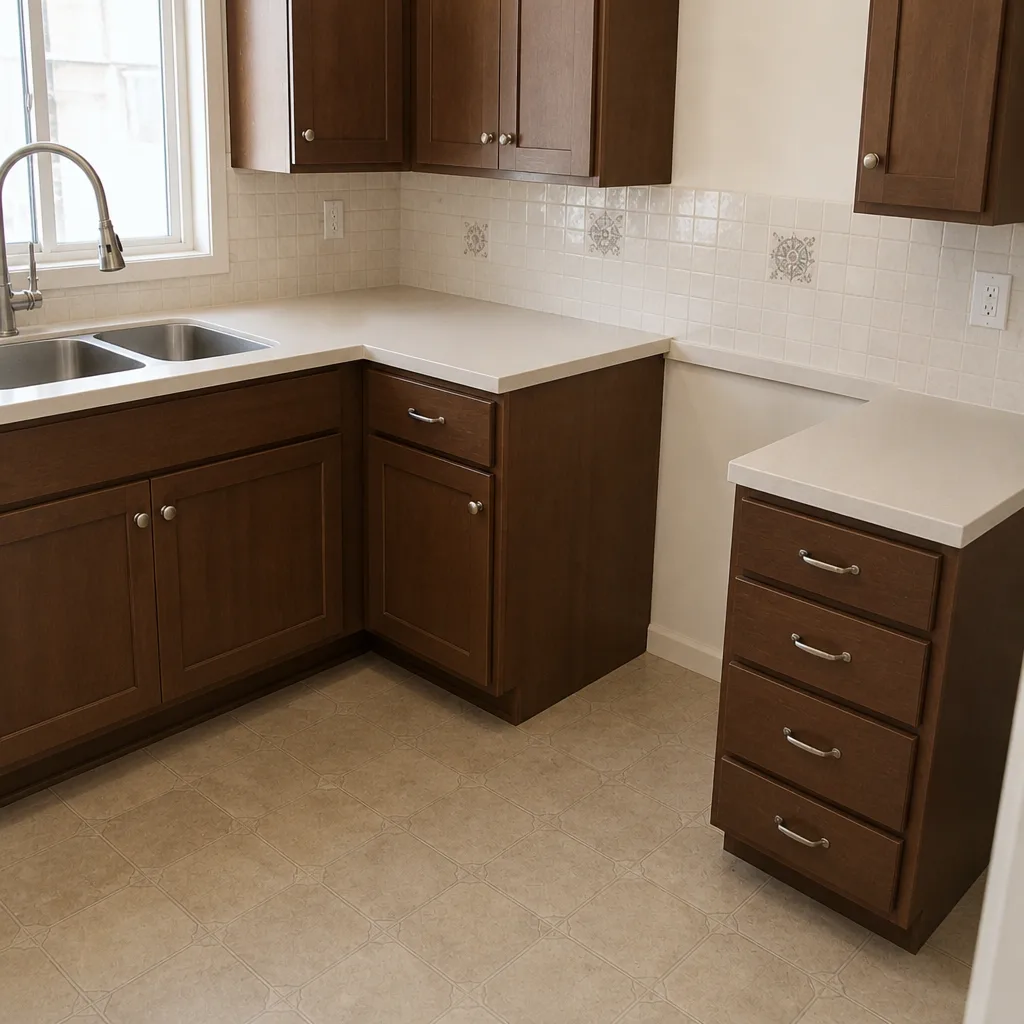 After
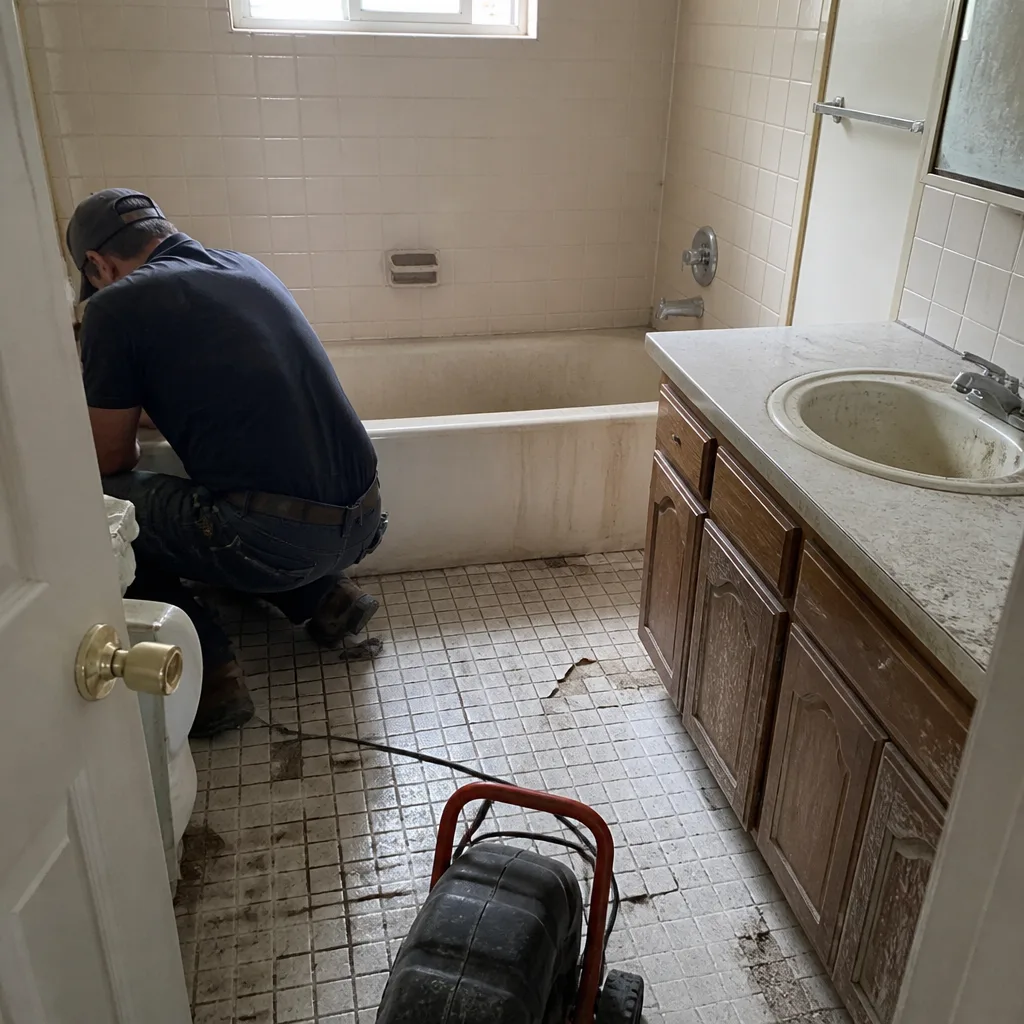 Before
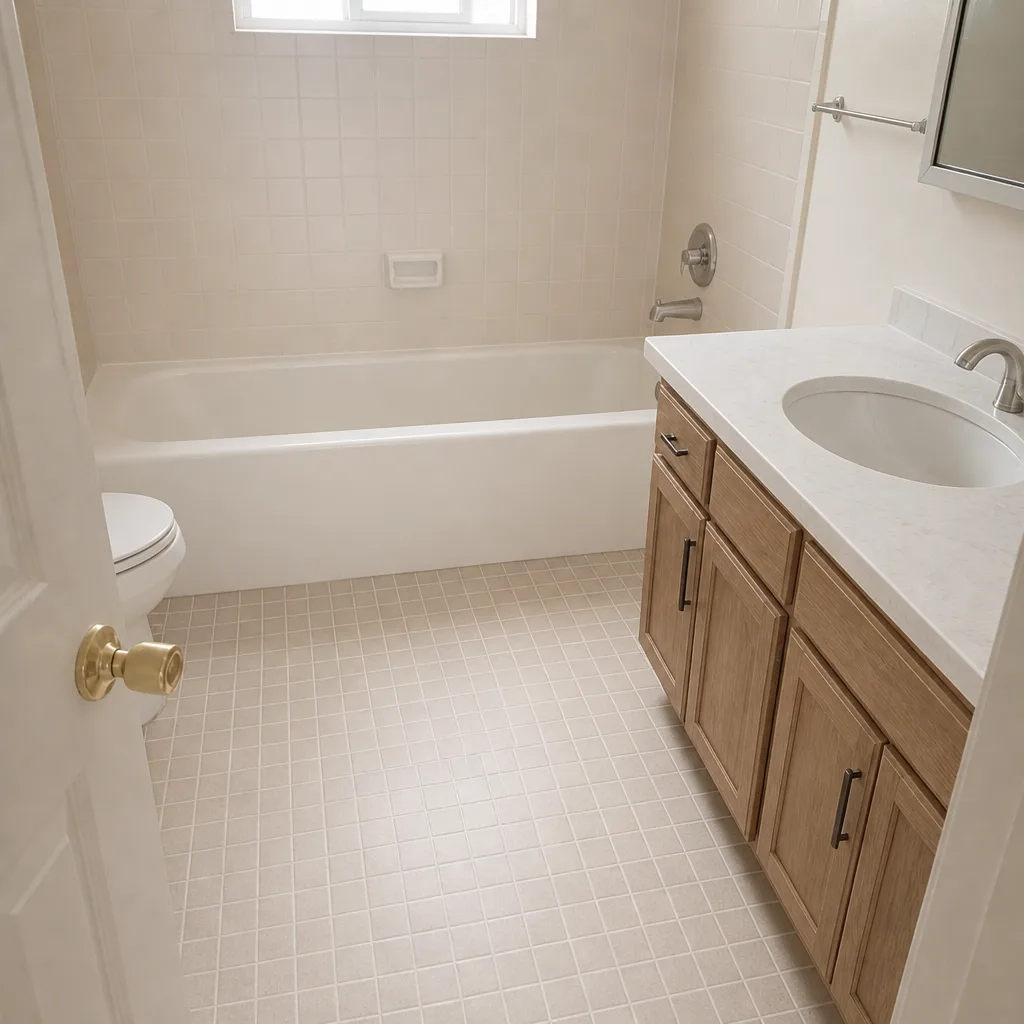 After
Do New Windows Save Energy in Vacaville? The Short Answer Is Yes – If They’re Specified for the Right Climate
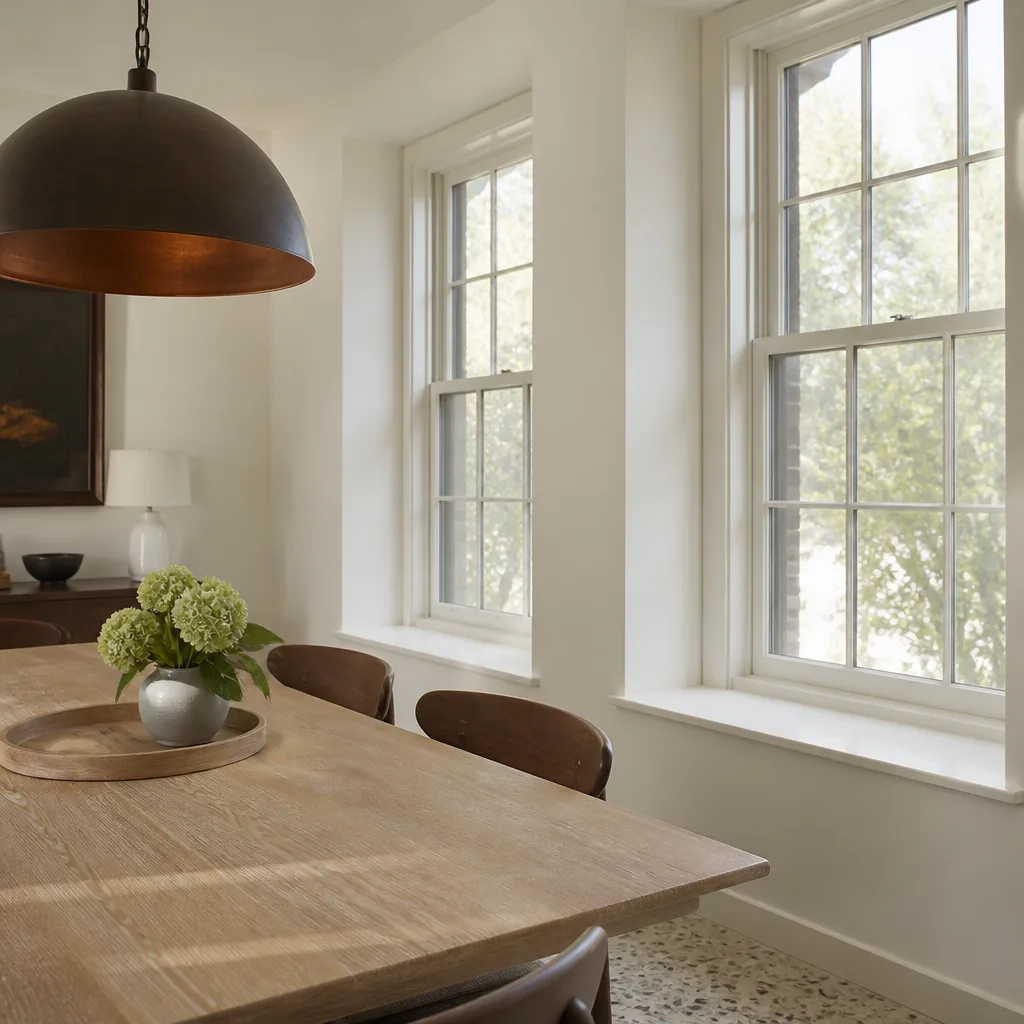
Yes, new windows save real energy in Vacaville, but the savings come from blocking summer heat gain, not from holding in winter warmth. A replacement window with an excellent U-factor and a mediocre SHGC is the wrong tool for this climate. California puts Vacaville in Climate Zone 12, and windows here are judged mostly on how well they keep the afternoon sun from cooking your living room. Get the specification right and a typical 1990s tract home can cut its cooling load meaningfully. Get it wrong and you’ll pay for a window that was never designed for this valley. For an honest read on your home, call (888) 276-8078 and we’ll walk the exposures with you.
Why the Window Industry Sells You the Wrong Number
Walk into most window showrooms and the first number you’ll see on the sticker is U-factor. That measures how quickly heat escapes a window in cold weather. It matters in Minneapolis. In Vacaville, your HVAC bill is a summer problem, and the number that governs your summer is Solar Heat Gain Coefficient, or SHGC – how much of the sun’s radiant heat the glass lets through.
A west-facing window in a Browns Valley subdivision catches the worst of a 105-degree August afternoon. If that glass has a SHGC of 0.40, it’s letting nearly half the solar heat through and your air conditioner is fighting a losing battle until the sun drops behind the hills. A window with a great U-factor but a weak SHGC is like buying a winter coat to survive a Vacaville summer: technically protective, entirely the wrong garment.
What Title 24 Actually Requires in Vacaville
California’s Title 24 energy code sets a maximum Solar Heat Gain Coefficient by orientation, and the west and south elevations carry the tightest limits. In Climate Zone 12, many configurations push south- and west-facing glazing to SHGC ≤ 0.25. That’s a demanding threshold, and it’s the reason a builder-grade replacement window off a big-box shelf often fails to meet code for those exposures.
Here’s what that means in practice for a window’s performance numbers:
- SHGC (solar heat gain): The number that drives your summer savings. Lower is better for west and south glass.
- U-factor: Winter heat loss. Still part of the code, but rarely your dominant cost in Vacaville.
- Low-e coating: The thin metallic layer that reflects radiant heat. Specified correctly, it’s what lets glass hit low SHGC without turning the room into a cave.
- Air infiltration (CFM at 0.3-inch pressure): How much air leaks around a closed window. This number now does double duty for energy and for smoke.
- Visible transmittance: How much daylight gets through. Low-SHGC glass can still be bright if the coating is chosen well.
Most homeowners have never seen these four numbers on a quote. They should. Asking a contractor for the SHGC and infiltration rating of the exact unit they’re proposing is the single fastest way to separate a real window specification from a sales brochure.
The Real Numbers for a Typical Vacaville Tract Home
Take the housing most Vacaville window projects actually touch: a 1990s-era, single-story, three-bedroom tract home with its original dual-pane aluminum frames. Those aluminum frames conduct heat straight through, and the original glass usually has no meaningful low-e coating. Modeling that home against a compliant vinyl or fiberglass replacement with proper low-e glazing in Climate Zone 12, the cooling load drops in the range of 15-22%.
That’s not a national average pulled off a marketing page. It’s what the orientation-weighted model shows when you weight savings toward the west- and south-facing glass, which is where the load actually lives in this valley. The same home in a milder climate would show a different split. Here, the west elevation does the heavy lifting.
| Window project (Vacaville market) | Typical investment |
|---|---|
| Window replacement (whole home) | $4,500-$15,000 |
| Impact-rated window installation | $8,000-$25,000 |
| Single-room glazing upgrade | Quoted per opening |
You’ll find the full scope and material options on our Windows & Doors page. Pricing there tracks these same bands, so what you read is what you’ll be quoted.
Don’t Overlook the Delta Breeze – and the Smoke That Follows It
Vacaville sits in a wind gap between the Coast Range and the Sacramento Valley, and that gap is why summer evenings here are genuinely pleasant after a brutal afternoon. Plenty of homeowners cool their homes at night by opening windows and letting the Delta breeze do the work. That strategy only pays off if the windows open smoothly and seal tightly when closed.
A window with a failed weatherstrip seal quietly cancels out the passive cooling the breeze provides. It leaks at the sash, the frame, or both, and the airtightness that makes evening ventilation worthwhile goes out the door. When we inspect older aluminum units around Browns Valley, worn or compressed weatherstrip is one of the most common findings – and it’s a fix that costs nothing in energy terms but changes how the whole house feels on a July night.
Then there’s smoke season. As the region sees more red-flag warnings and AQI-200 days, the same tight seal that protects your cooling energy protects your indoor air. That’s why we look hard at the CFM infiltration rating at 0.3-inch pressure. A low-infiltration window keeps wildfire smoke out during the events that have become a fixture of late summer and fall here. It’s one number serving two jobs, and it doesn’t show up on a U-factor sticker.
How We Specify Windows for Vacaville, Not for a Catalog
Groundwork Construction Co. of Vacaville curates its window lines around Climate Zone 12 performance rather than what’s sitting in a distribution center. The Andersen and Marvin packages we work with include glazing assemblies that hit the low-SHGC thresholds this climate calls for, so the window that goes into your west-facing wall was chosen for that wall – not pulled off a stock list.
That’s the practical difference between a contractor who orders what’s available and one who specifies for the exposure. It also shapes how a job is planned. Windows and doors are one of seven core trades we handle, alongside kitchens (think Caesarstone or Kohler finishes), roofing, fencing, driveways, bathrooms, and additions, so a window project can tie cleanly into an insulation upgrade or a roofing replacement if your home needs both. Every job is covered by the 730-Day Done Right Promise, and our technicians – with up to 12 years of experience – show up background-checked and in uniform.
You can see how we work across the region on our Vacaville service area page, and start at our home page for the full picture of what we take on.
Key Takeaways
- In Vacaville’s Climate Zone 12, SHGC – not U-factor – is the number that drives your summer energy savings.
- Title 24 often caps west- and south-facing glazing at SHGC ≤ 0.25, a bar many stock replacement windows miss.
- A typical 1990s tract home can cut cooling load by 15-22% with compliant low-e glazing.
- Reliable seals do double duty: passive Delta Breeze cooling at night, wildfire smoke exclusion in season.
- Ask for SHGC and CFM infiltration on the exact unit quoted. That’s where the energy story lives.
FAQs
Yes, and the savings are concentrated in cooling, not heating. A compliant low-SHGC window reduces the solar heat your air conditioner has to remove on west- and south-facing walls, which is where most of a Vacaville home’s summer load comes from. The return depends on your exposures and how leaky your current frames are. Call (888) 276-8078 for a free estimate tailored to your home.
For many south- and west-facing configurations in Climate Zone 12, Title 24 pushes SHGC to 0.25 or lower. That’s a strict limit, and it’s why the exact model number matters more than the brand name on the quote. Ask any contractor to show the SHGC for the unit they’re proposing. We’ll put the numbers in writing before you commit – call (888) 276-8078.
Not if the glazing is chosen well. Low-e coatings can hold down solar heat gain while keeping visible transmittance high, so a bright living room stays bright. The trick is matching the coating to the orientation rather than defaulting to one glass package for the whole house. Call (888) 276-8078 and we’ll spec each elevation for its sun exposure.
They do, and that’s become a real reason homeowners in Vacaville replace windows. A low-infiltration rating at 0.3-inch pressure means less air sneaking around the sash and frame, which keeps smoke out during red-flag and AQI-200 events. It’s the same seal that protects your cooling energy, doing a second job you’ll notice on the worst air days. Call (888) 276-8078 for a no-pressure assessment.
If you’d rather have it looked at, Groundwork Construction Co. of Vacaville offers a no-pressure assessment in Vacaville – call (888) 276-8078 for a free estimate and an honest read on which windows will actually pay you back.
Written by the team at Groundwork Construction Co. of Vacaville, serving Vacaville, CA.