




Free written scope consultation - allowances, timeline, and change-order rules on paper before a single trade is scheduled
Styles & brands we work with
- Kitchen remodeling
- Bathroom remodeling
- Home additions & ADU
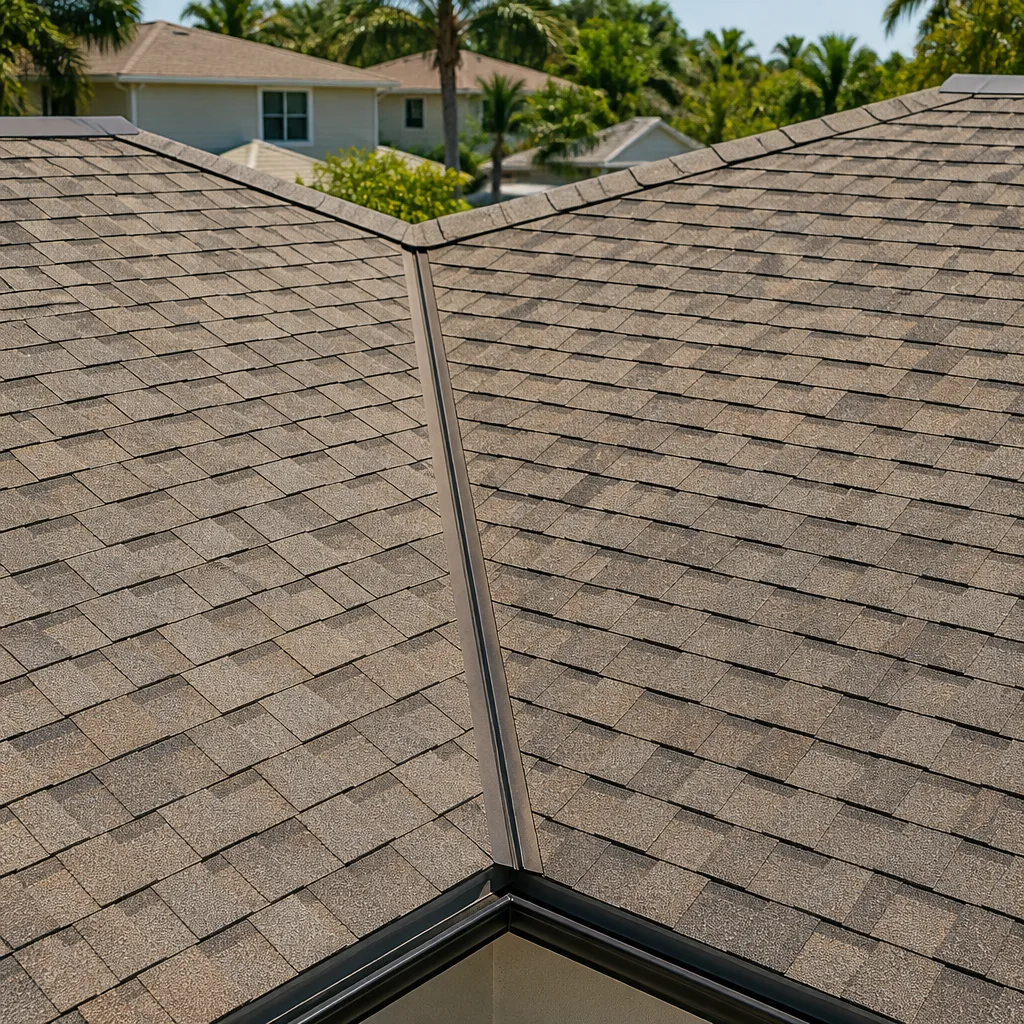
- Roofing
- Windows & doors
- Driveway & pavers
- Fence
See the difference
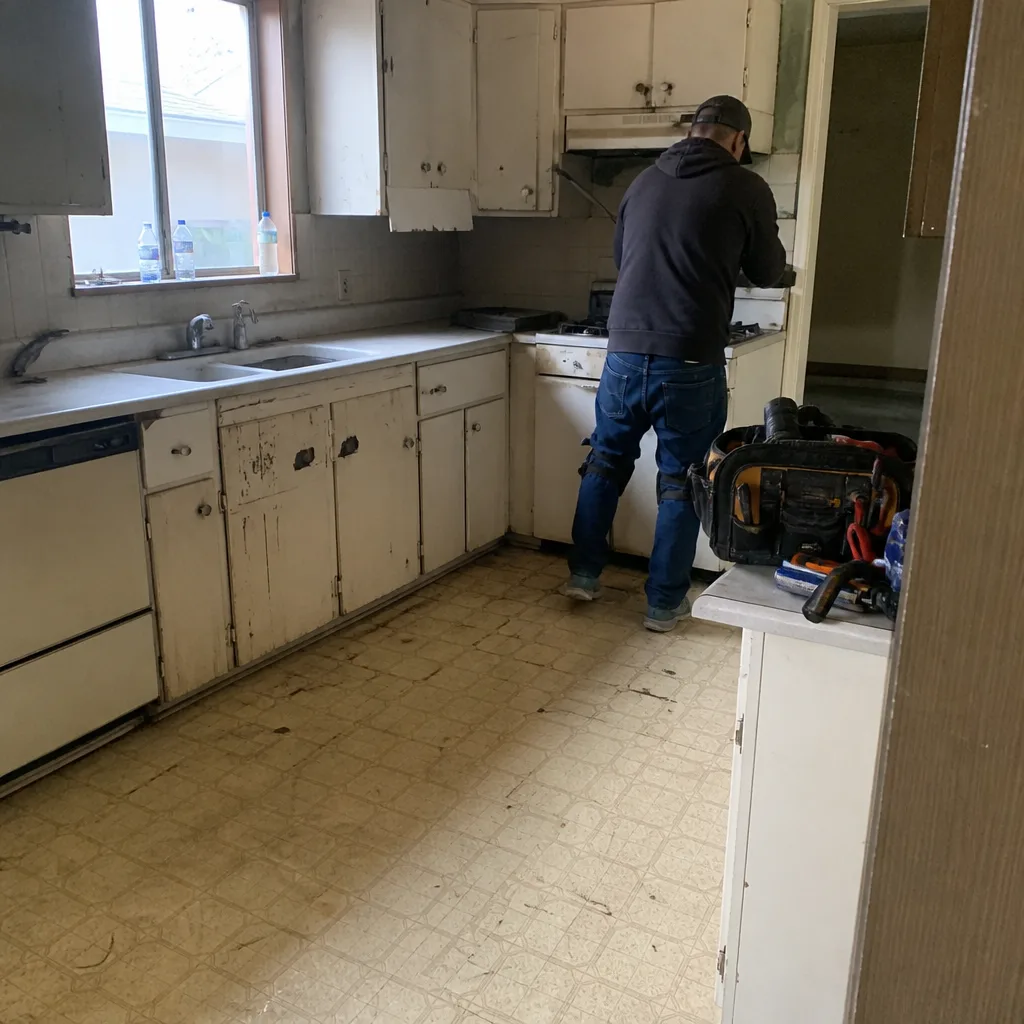 Before
 After
 Before
 After
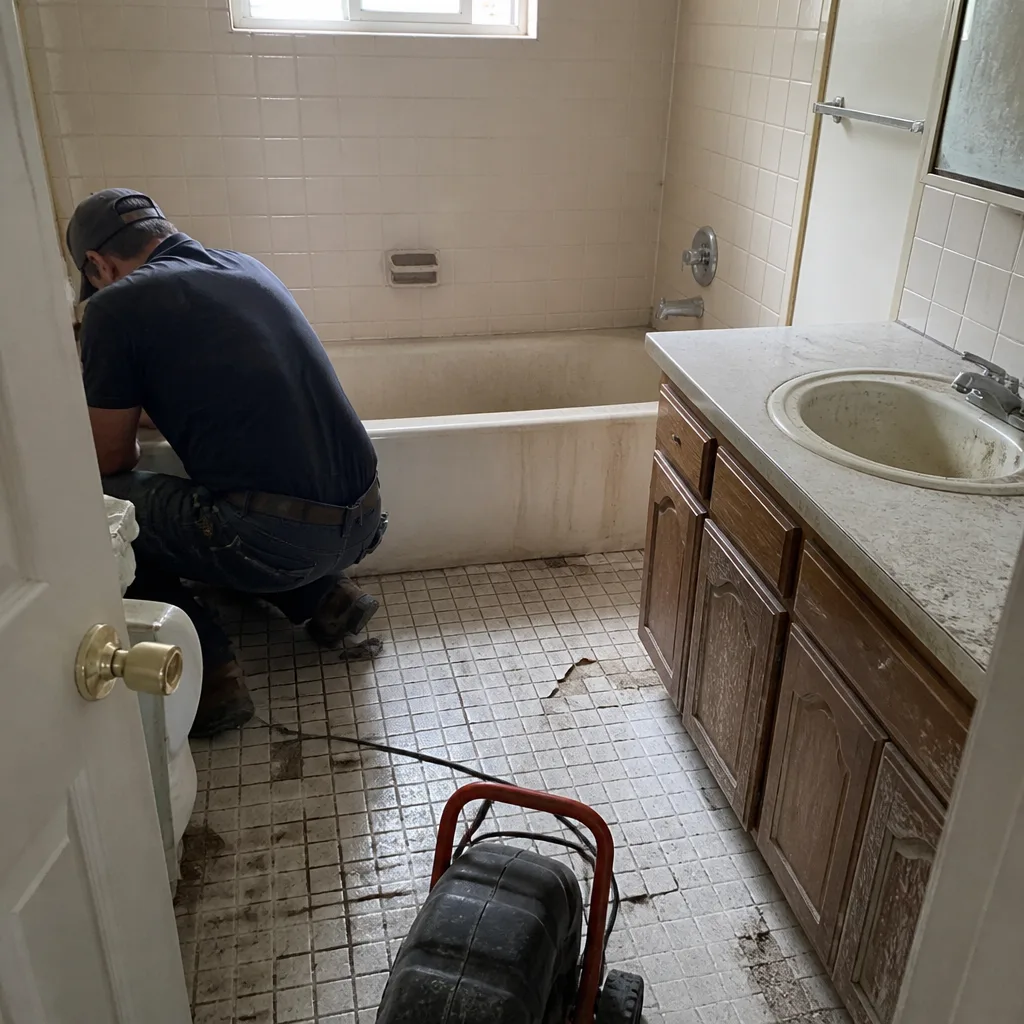 Before
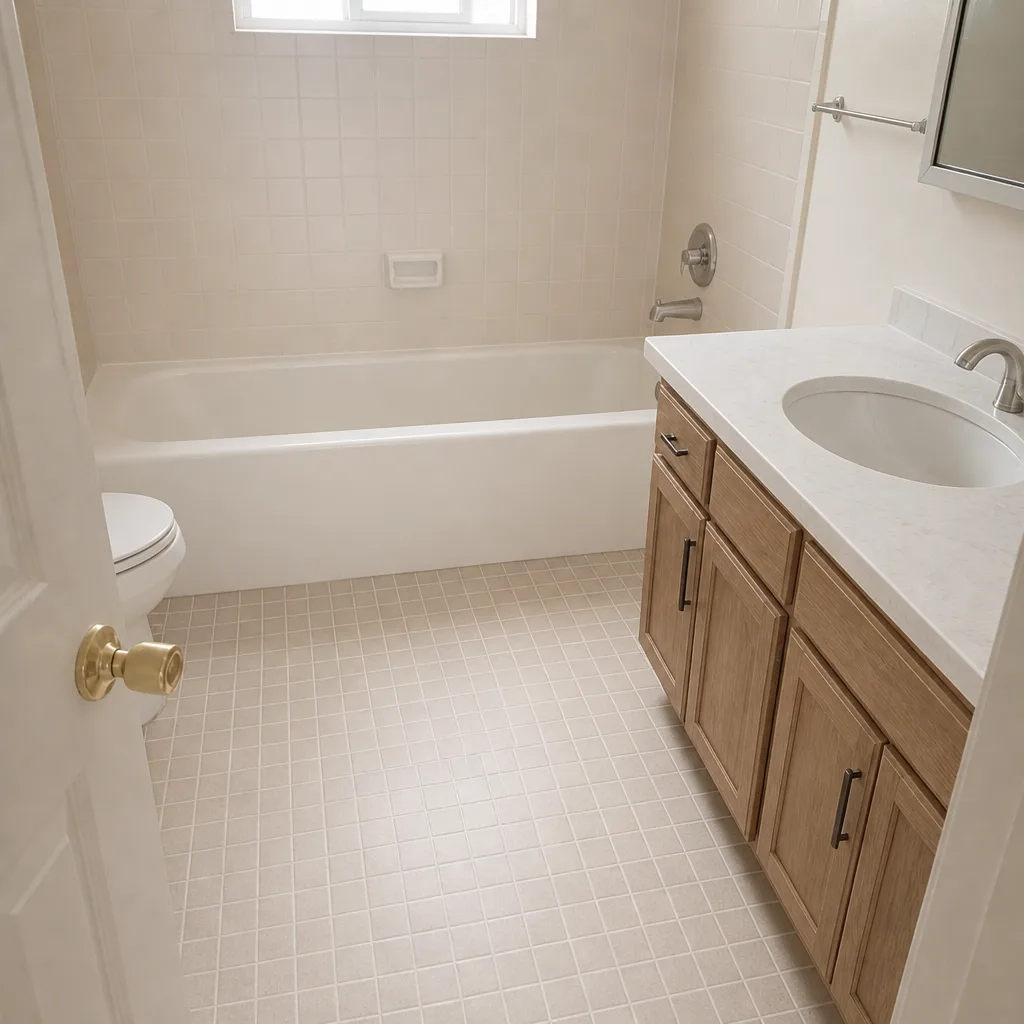 After
How to Stain a Wood Fence in Vacaville, CA (And Why July Is the Wrong Month)
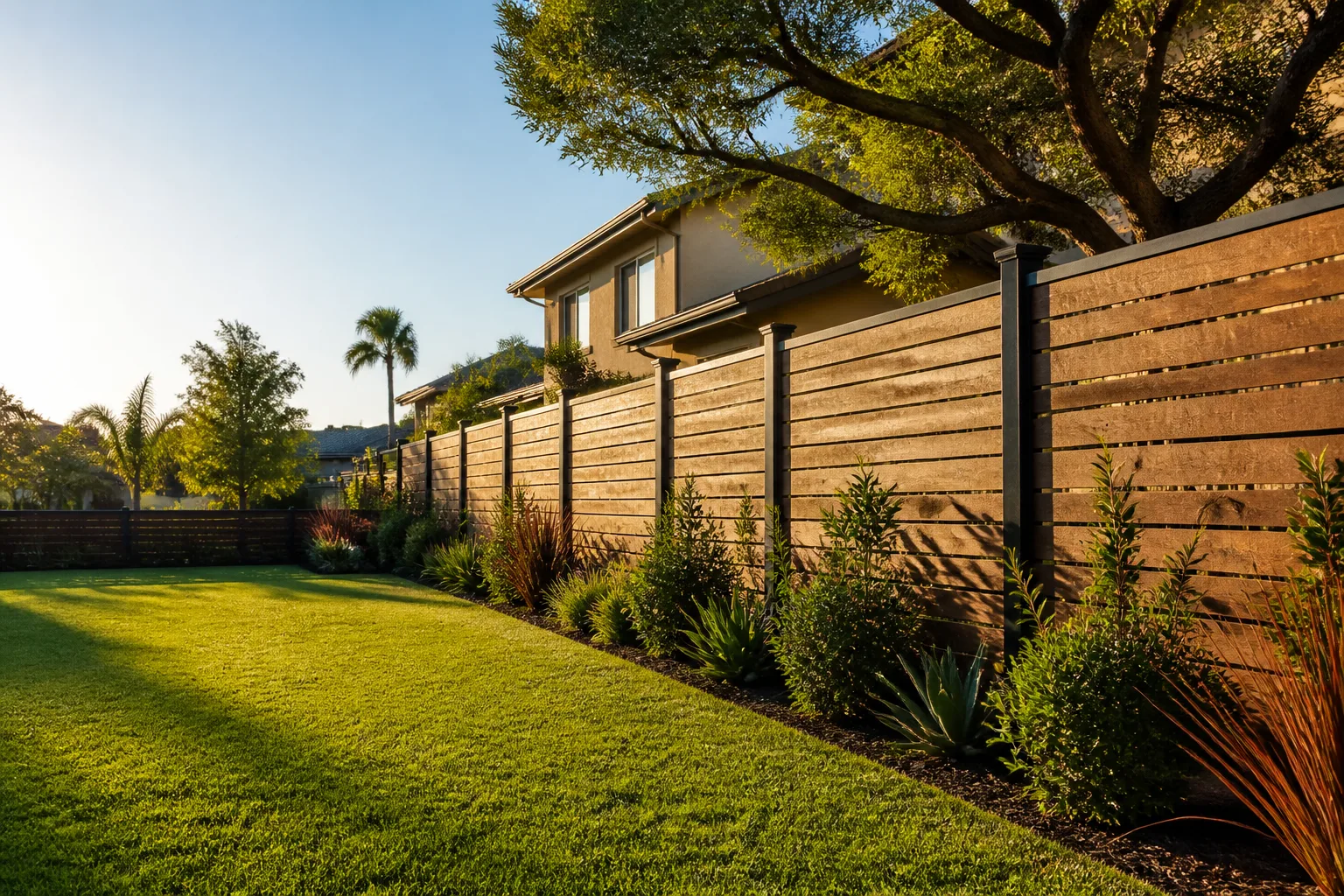
Stain a wood fence in Vacaville between late September and early November, once summer heat has broken and before the first soaking rains arrive. Wait until the wood’s moisture content drops to 12-15%, choose a penetrating oil-based stain rather than a film-former, and clean off any wildfire smoke residue before you open a can. Miss that window and you’re either painting over damp wood or watching stain flash dry before it can soak in. If you’d rather hand it to a crew that does this every fall, call (888) 276-8078 for a free estimate.
Most staining guides you’ll find online were written for a mild four-season climate that doesn’t exist here. Vacaville sits in a wind gap between the Coast Range and the Sacramento Valley, which means hot, dry summers with Delta breezes pushing through and cool, wet winters on expansive clay soil. That combination resets the whole schedule. The right stain, the right month, and the right re-application interval all shift, and getting any of them wrong wastes a weekend and a few hundred dollars of product.
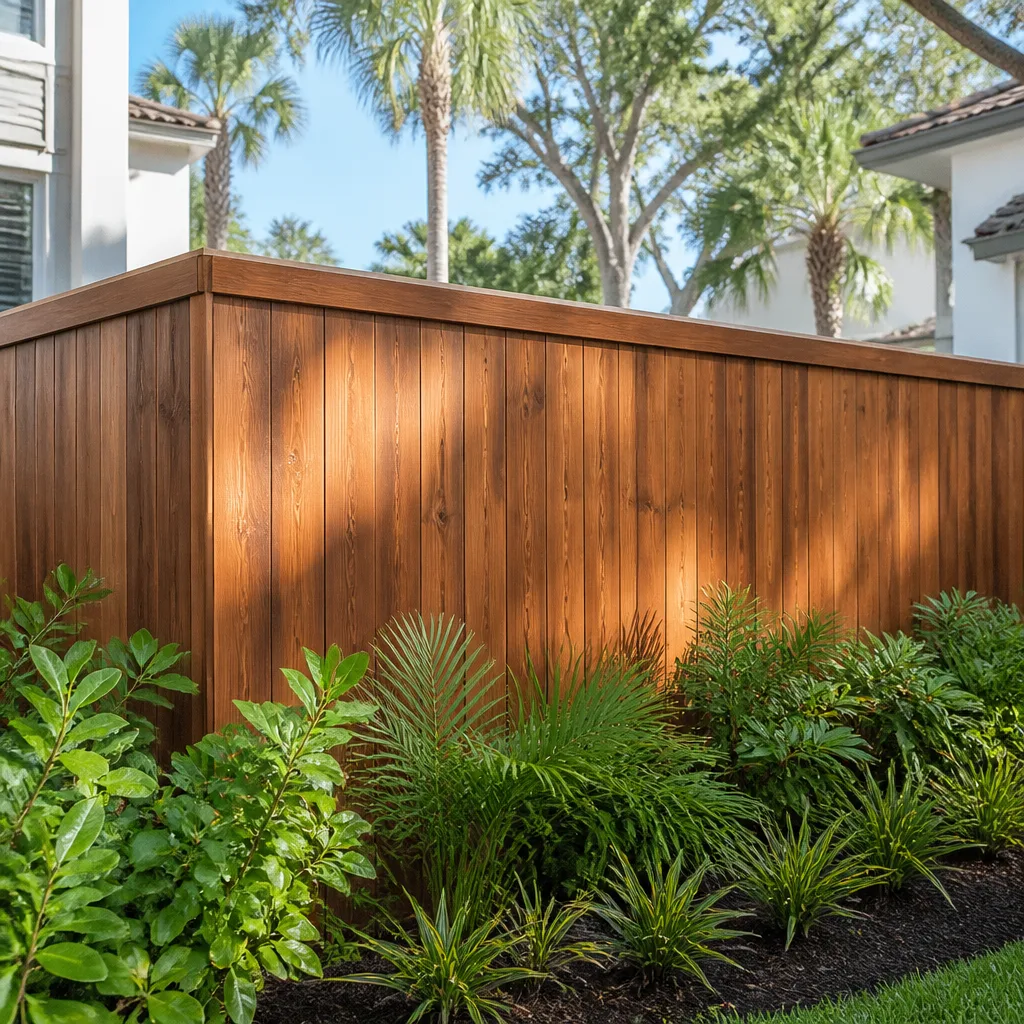
Why Staining in Summer Fails Here
Surface temperatures on a sun-facing fence in Vacaville can climb well past 90°F by mid-morning in July and August. Oil-based stain applied to wood that hot skins over before it penetrates. You end up with a coat sitting on top of the boards instead of inside them, and that coat flakes off within a season or two. The same thing happens if you stain in the late afternoon when the boards have been baking all day.
The window that actually works is late September through early November. Summer heat has broken, the wood has had weeks to dry out from the previous wet season, and moisture content settles into the 12-15% range where penetrating stain absorbs properly. A cheap moisture meter from any hardware store tells you whether you’re there. If the reading is above 15%, the wood is still holding water and the stain won’t bond.
What a smoke event does to your prep
Wildfire smoke is now a near-annual reality in Vacaville, and it leaves a thin oily film of particulates on every horizontal and vertical surface. Stain applied within two to three weeks of a heavy smoke event will fail to adhere, often peeling in sheets by the next spring. You won’t find this prep step in any national guide because most of the country doesn’t deal with it. If the sky has been thick with smoke, wash the fence with a wood-safe cleaner, rinse thoroughly, and let it dry for several days before you touch stain.
Penetrating Oil-Based Stain Beats Film-Formers in This Climate
Pick a penetrating oil-based stain over a film-forming one. Here’s the reason: the clay soils around Vacaville, especially in the older Browns Valley and Alamo Creek areas, hold winter moisture and wick it up into fence posts. A film-forming stain traps that moisture behind a plastic-like layer. The moisture pushes out, the film peels, and you’re stripping boards the following fall. Penetrating stains soak into the wood fiber and flex with the seasonal movement instead of fighting it.
Two more product notes worth knowing:
- Match the pigment to the exposure. A semi-transparent stain with UV blockers holds up better on south- and west-facing runs than a clear sealer, which offers almost no sun protection.
- Don’t over-apply. Two thin coats with proper dry time between them outlast one heavy coat every time. Puddles and drips cure unevenly and show up as blotches within a year.
The Re-Stain Cycle Is Shorter Than the Guides Say
National guides hand you a flat 3-5 year rule. In Vacaville, exposure matters too much for a single number. The split we see on local fences:
| Fence Orientation | Re-Stain Interval |
|---|---|
| South- and west-facing boards | Every 2-3 years |
| North-facing sections | Every 4 years |
| Shaded runs under trees | Every 4-5 years, with mildew checks |
South and west boards take the full afternoon sun and the brunt of summer heat, so the UV breaks down the pigment faster. Walk your fence line every fall and look for graying, water beading that’s stopped working, or a chalky feel when you rub a board. Those are your cues, not a calendar reminder.
Starting From a Fence Built to Take Stain
Prep and timing matter, but the fence itself matters just as much. Our wood fence builds use pre-treated lumber, and we apply factory primer to every cut end before installation. That single step keeps moisture from wicking into the raw grain at the posts and rails, extends how long a stain job lasts, and is part of why the 730-Day Done Right Promise is feasible on fence work. If you stain over untreated, unprimed cut ends, you’ll see early graying and checking at those joints no matter how careful your application is. Our technicians have up to 12 years of experience with local fence work, and we treat every build as something that has to hold up through a decade of hot summers and wet winters. From foundation to finish line, the goal is a fence that’s built to last and backed in writing.
If you’re planning a new fence rather than refreshing an old one, start with our Fence Installation in Vacaville page, or see the full scope of Fence Installation work we handle. You can also learn about home improvement projects we take on across the region. For those comparing local options, our Fence Installation in Dixon and Fence Installation in Fairfield pages cover how the approach shifts by city.
When to Call a Pro Instead of Staining Yourself
A one-section fence refresh is a reasonable weekend job if you’ve got the timing right and the weather cooperates. A full property line, a fence that’s already graying heavily, or boards showing rot at the base are a different story. Those need a real assessment of whether the wood is worth staining or whether the fence is at the end of its life. Groundwork Construction Co. of Vacaville handles that call without pressure. Upfront pricing, no surprises, and a free project estimate and design consult if a replacement makes more sense than a fresh coat.
Cost is another factor worth mentioning. Full fence replacement in Vacaville runs $3,500-$9,000 depending on length, material, and site conditions, while a stain job on an existing fence is a fraction of that. If your fence is more than a decade old and showing structural wear, staining is money spent postponing the inevitable. If it’s structurally sound, a proper fall stain job buys you years.
Key Takeaways
- Stain in Vacaville from late September through early November, when moisture content sits at 12-15%.
- Clean off wildfire smoke film before staining, or the coat won’t adhere.
- Choose penetrating oil-based stain over film-formers to handle clay-soil moisture wicking.
- Re-stain south and west boards every 2-3 years; north-facing runs every 4.
- Starting from pre-treated lumber with primed cut ends gives your stain a much longer working life.
FAQs
Wait four to six weeks after installation before staining a new fence in Vacaville. Pressure-treated lumber needs time to dry out from the mill and from installation moisture, and staining too early traps water inside the wood. Use a moisture meter to confirm the reading is at 12-15% before you start.
Staining is almost always cheaper than replacing a fence, but only if the wood is structurally sound. A full fence replacement in Vacaville runs $3,500-$9,000, while a stain refresh costs a fraction of that. If posts are rotting or boards are splitting, staining just postpones the cost of replacement. Call (888) 276-8078 for a free assessment to know which side of the line you’re on.
Early morning is the only safe summer window, but it’s still risky in Vacaville. Surface temperatures climb fast once the sun hits, and stain applied to boards that heat up within an hour or two won’t penetrate properly. Late September through early November is the reliable window.
Yes, always. Dust, pollen, and especially wildfire smoke particulates sit on the wood surface and block stain absorption. A wood-safe cleaner followed by a thorough rinse and several dry days is the minimum prep. Skip this step after a smoke event and the stain will peel within a season.
If you’d rather have it looked at, Groundwork Construction Co. of Vacaville offers a no-pressure assessment in Vacaville. Call (888) 276-8078 for a free estimate.
Written by the team at Groundwork Construction Co. of Vacaville, serving Vacaville, CA.