Free written scope consultation - allowances, timeline, and change-order rules on paper before a single trade is scheduled
Styles & brands we work with
- Kitchen remodeling
- Bathroom remodeling
- Home additions & ADU
- Roofing
- Windows & doors
- Driveway & pavers
- Fence
See the difference
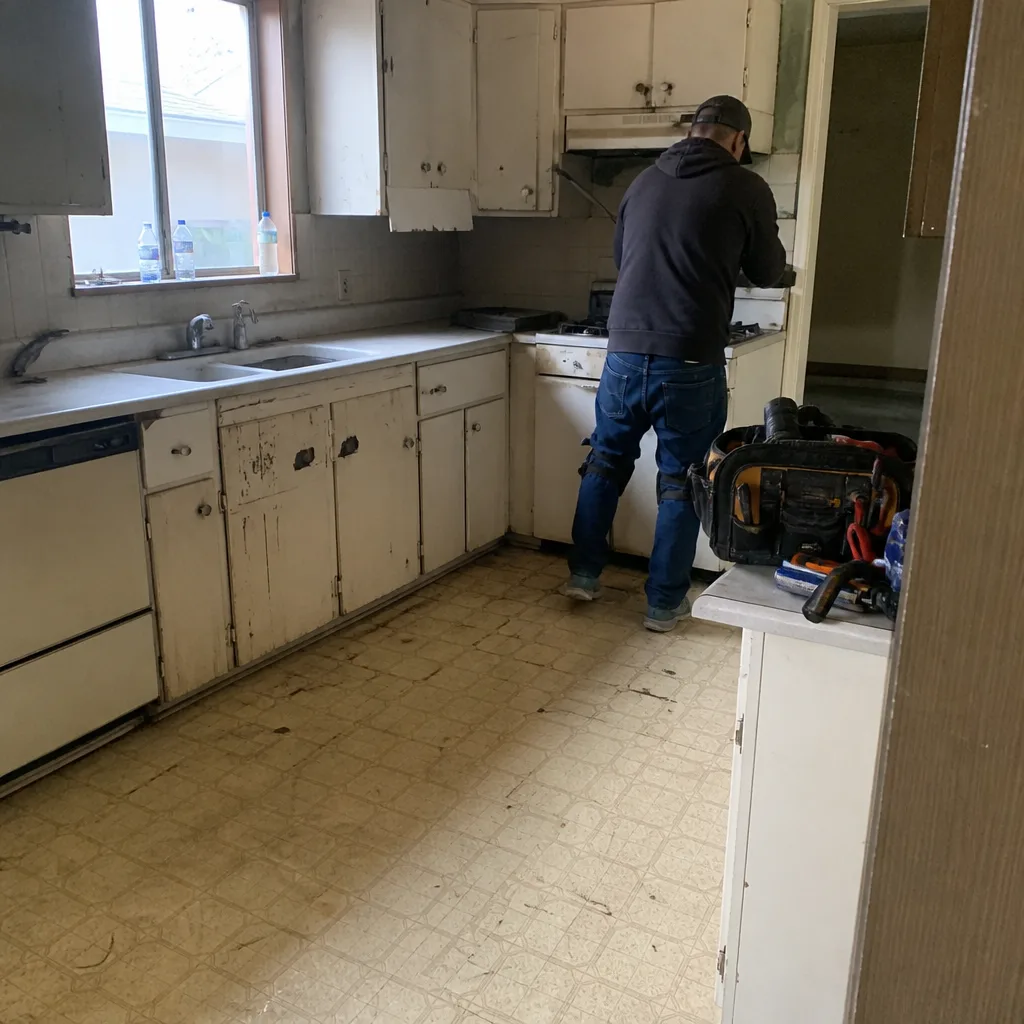 Before
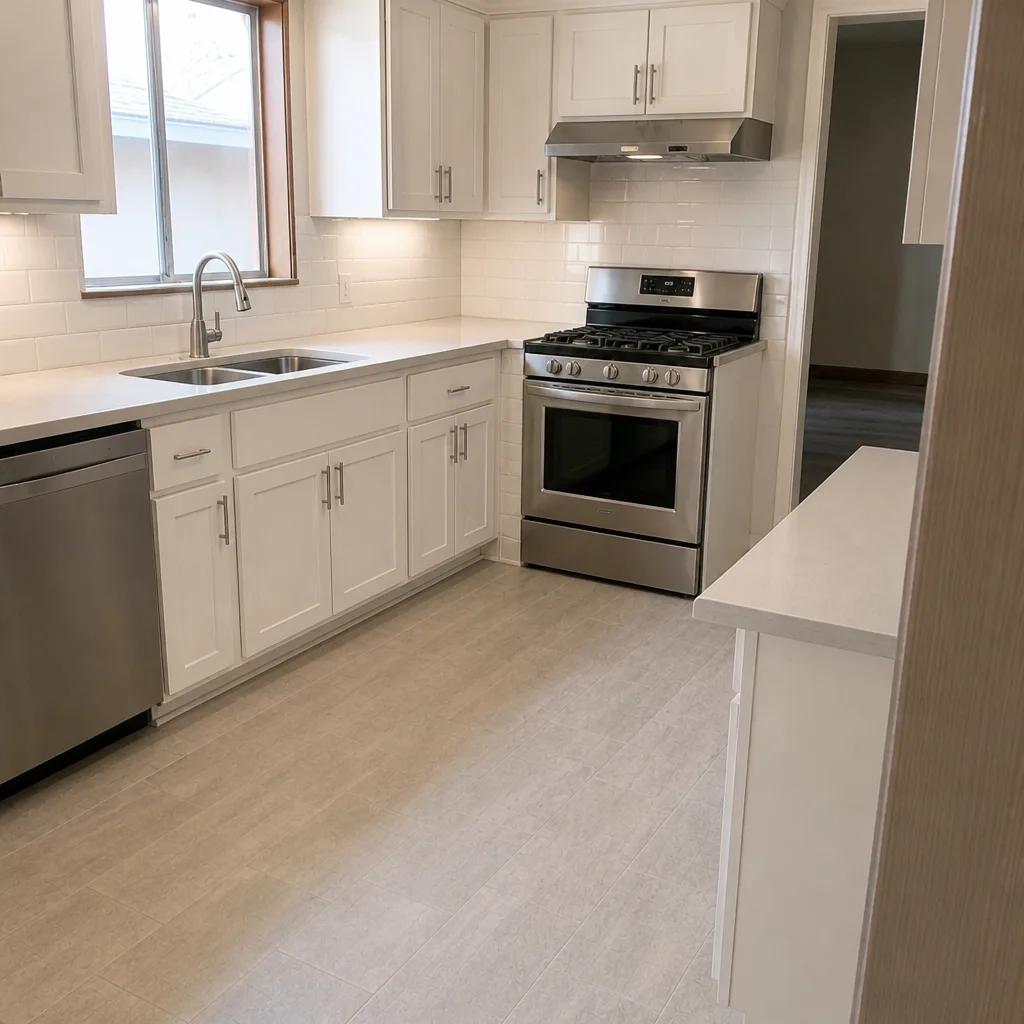 After
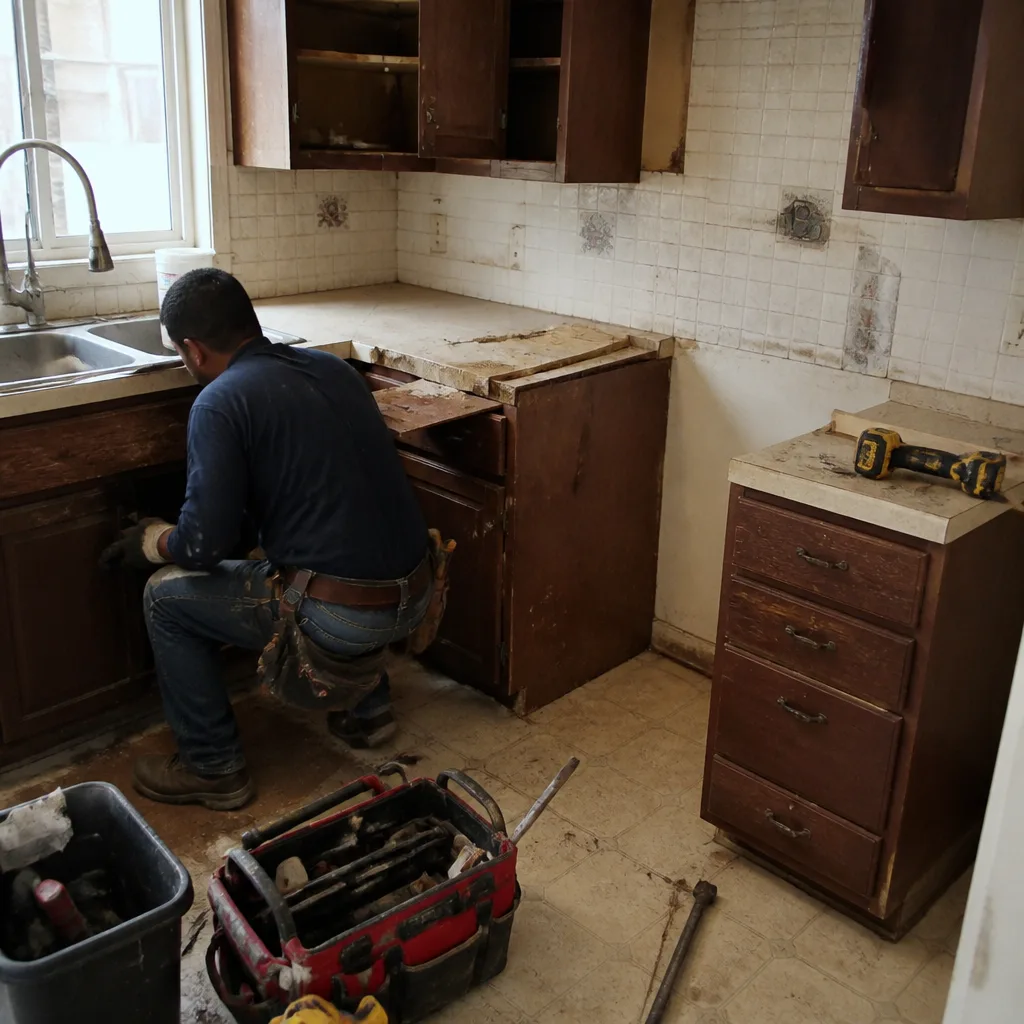 Before
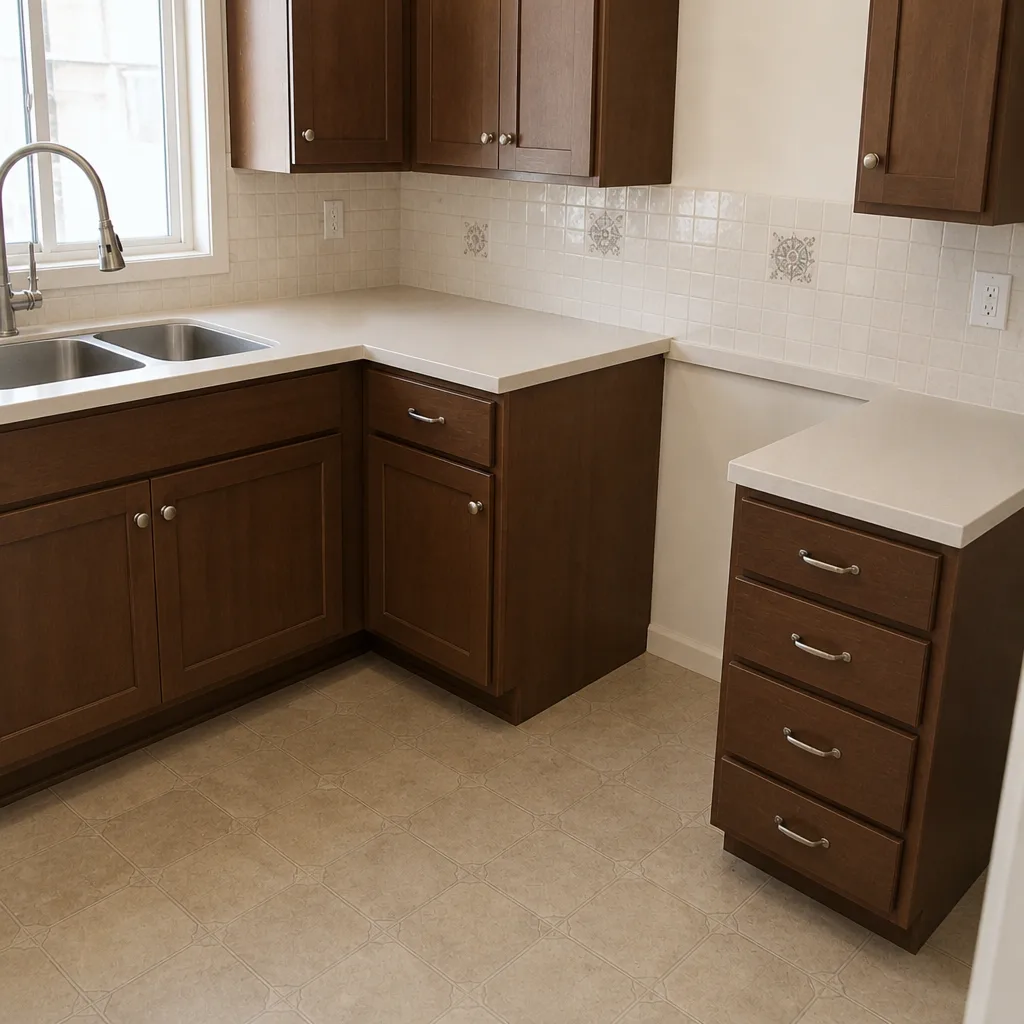 After
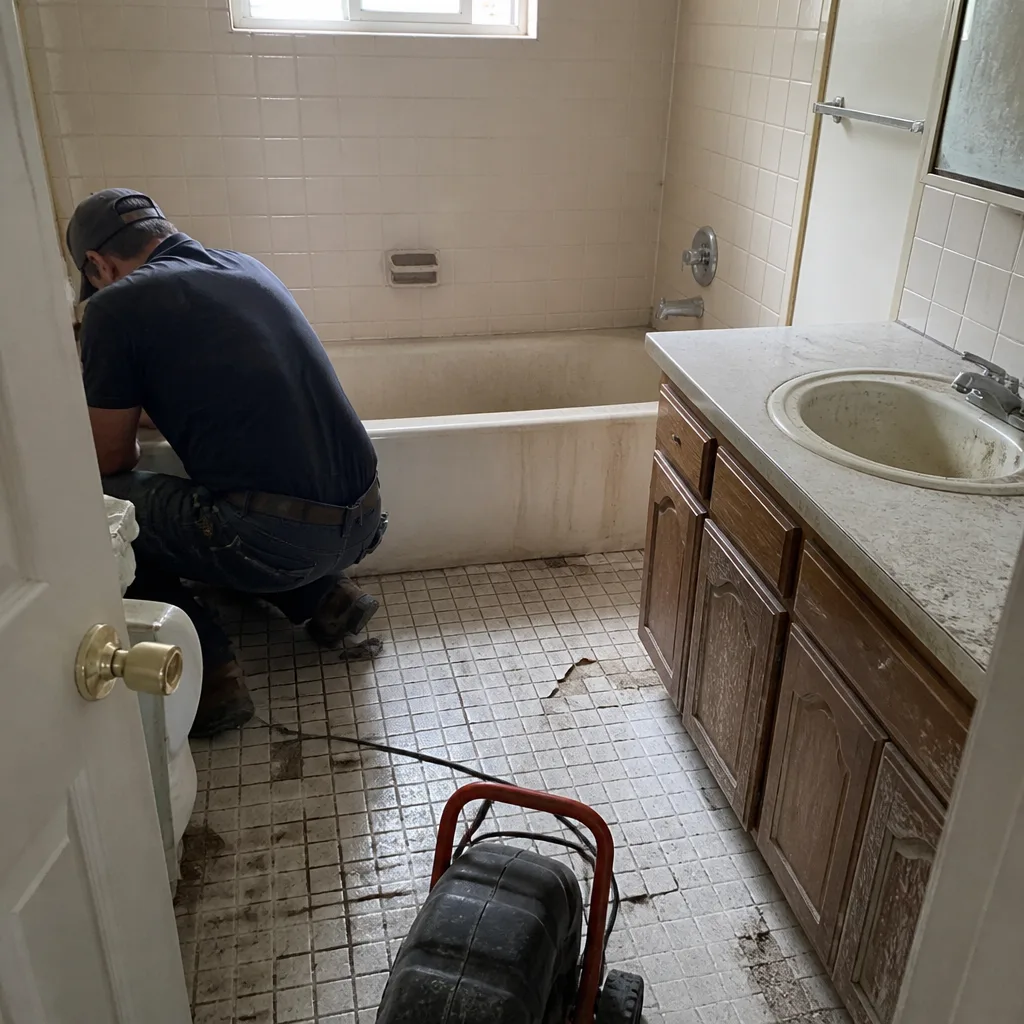 Before
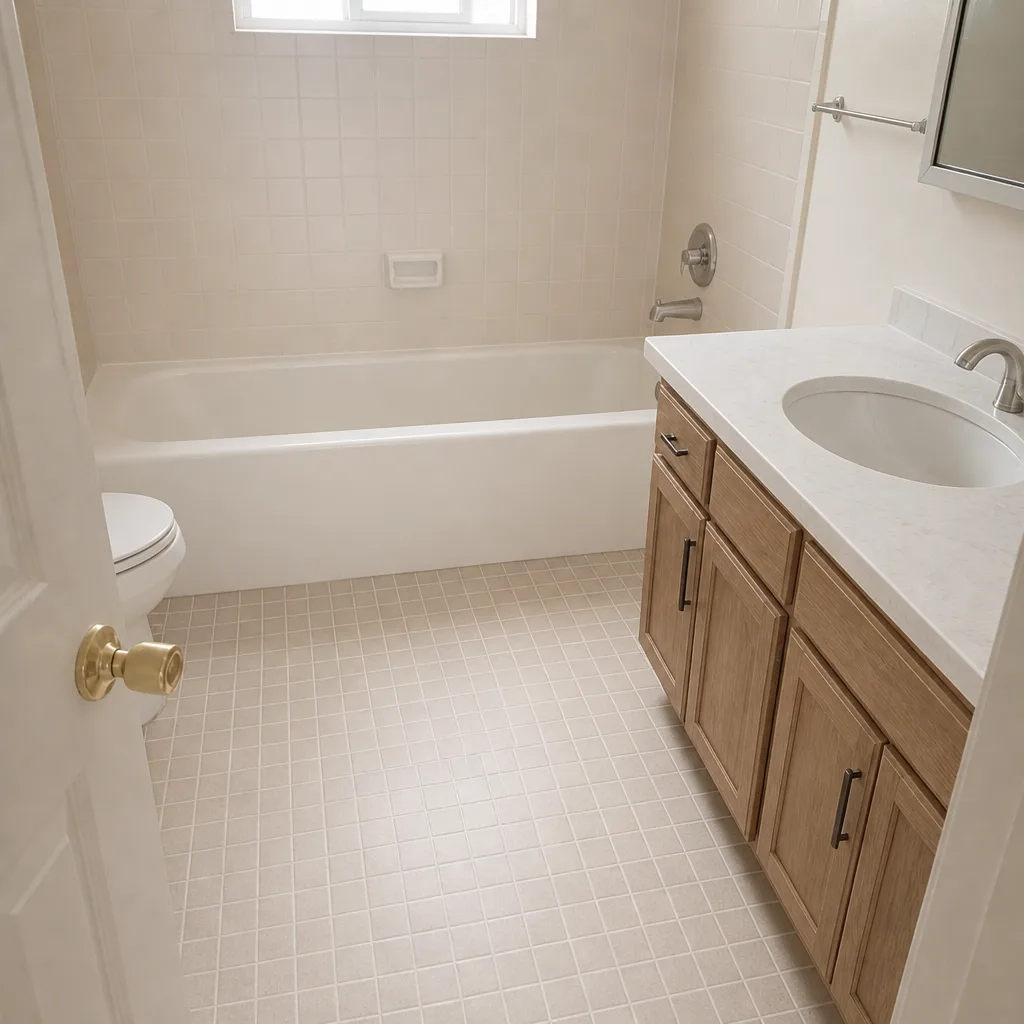 After
Impact vs Hurricane-Proof vs Storm-Rated Windows in Vacaville, CA
They’re three different things, and none of them is the label that matters on a Vacaville building permit. “Impact-rated” is a real test standard born in Florida; “storm-rated” usually means wind-driven rain performance; “hurricane-proof” isn’t a code term at all. For a house here, the standards your plan reviewer actually checks are California Building Code Chapter 7A for wildland-urban interface fire and Title 24 for energy performance. Windows & Doors that clear those two are what get approved in Vacaville. To sort out what your project actually needs, call (888) 276-8078.
Key Takeaways
- “Impact-rated” comes from Florida testing (ASTM E1886/E1996) against wind-borne debris in a hurricane.
- “Hurricane-proof” has no standardized code definition. It’s marketing language.
- Vacaville’s real gatekeepers are CBC Chapter 7A (WUI fire, including SFM Standard 12-7A-2) and Title 24 (U-factor and SHGC).
- A window can carry a Miami-Dade NOA sticker and still fail a California ember-resistance review, because the two tests guard against completely different threats.
What each label actually means
Precision here saves money and headaches. Here’s what’s behind each phrase.
- Impact-rated: Tested under ASTM E1886 and ASTM E1996 using a large-missile launch (a 9-pound 2×4 fired at high speed) plus cyclic pressure loading. It was developed for hurricane zones where flying debris is the main threat. Florida’s product approval system, including Miami-Dade NOAs, is built around it.
- Storm-rated: Usually refers to AAMA 506 testing for wind-driven rain resistance, sometimes paired with water-penetration ratings under AAMA/WDMA standards. It’s about keeping water out when wind pushes it sideways, not about debris strikes.
- Hurricane-proof: Not a code term. You can print it on a brochure, but no test protocol defines it and no inspector signs off on it. “Hurricane-proof” is a marketing phrase.
All three describe performance under wind and water. None of them describe performance under fire.
Why the Florida label doesn’t clear a Vacaville permit
Vacaville sits in a wind gap between the Coast Range and the Sacramento Valley, and a good share of the homes around the edges, especially the rural ranchettes and custom builds in the surrounding hills, fall into wildland-urban interface zones. That triggers California Building Code Chapter 7A, which addresses a threat Florida impact testing never touches: airborne embers and radiant heat. The test protocol that governs exterior windows in those zones is SFM Standard 12-7A-2.
That’s the heart of it. Impact testing simulates a 2×4 slamming into glass during a hurricane. Chapter 7A testing simulates an ember shower and radiant heat exposure during a wildfire. A window can ace one and fail the other. A homeowner above town who buys “hurricane-rated” windows thinking they’re covered for fire may find out otherwise when the Solano County building department reviews the submittal. The Miami-Dade sticker on the frame means nothing to that reviewer.
This comes up more than you’d expect. We’ve seen submittals bounce because a spec sheet quoted AAMA 506 wind-driven-rain numbers and never once cited the Chapter 7A section the plan checker was looking for.
Title 24 is the second gate
Fire isn’t the only code that shapes a window choice in Vacaville. Title 24 sets the energy performance floor for the whole assembly, and your permit won’t clear without it. Two numbers get checked on the spec sheet:
- U-factor: how much heat the window lets through. Lower is better in a climate with hot, dry summers and cool, wet winters.
- SHGC (solar heat gain coefficient): how much solar heat the glass admits. On a south- or west-facing wall in Vacaville’s July, this number has a real effect on cooling bills.
A window marketed hard on storm performance may have excellent wind ratings and mediocre Title 24 numbers. Great on paper for a hurricane, wrong for a valley that bakes from June through September. Both values are printed on the NFRC label, and both need to appear on the submittal.
What the right spec sheet looks like
For a Vacaville project, we specify windows against the standards a California reviewer will actually check, not Florida marketing language. You end up with a spec sheet that cites the exact CBC chapter and the Title 24 values, so it clears review without a back-and-forth. Our technicians have up to 12 years of experience reading these submittals, and we lean on established partners like Andersen and Marvin when a project needs a proven, code-compliant line rather than a bargain brand with thin documentation.
Budget comes up every time. Impact window installation in Vacaville runs $8,000-$25,000. Standard window replacement runs $4,500-$15,000. The gap tracks glass performance, frame material and how many openings are in a WUI zone. Our Windows & Doors service covers the full scope, from the first measurement to the final inspection sign-off. On larger projects, our standard $1,000 off over $10,000 and 0% financing for 18 months help make the number workable.
| Label | Standard behind it | What it tests | Matters in Vacaville? |
|---|---|---|---|
| Impact-rated | ASTM E1886/E1996 | Wind-borne debris, cyclic pressure | Rarely; not a CA fire or energy standard |
| Storm-rated | Typically AAMA 506 | Wind-driven rain | Secondary; useful but not the gate |
| Hurricane-proof | None | Marketing claim only | No |
| CBC Chapter 7A / SFM 12-7A-2 | California fire code | Ember resistance, radiant heat | Yes, in WUI zones |
| Title 24 | California energy code | U-factor, SHGC | Yes, on every permit |
How this plays out on real Vacaville homes
The housing stock here makes it inconsistent from street to street. Mid-century ranch tracts in the older core often need full-frame replacement because the rough openings don’t match modern sizes. The master-planned subdivisions around Browns Valley and Nut Tree, built in the 1990s and 2000s, usually have more standard openings and simpler retrofits. Rural properties in the hills carry the Chapter 7A requirement that a tract home in the valley floor doesn’t. Every job gets specified for its own address, not a template. If you’re weighing a full replacement against a partial one, you can see how we scope it on our Vacaville service area page.
One thing worth saying plainly: don’t try to install or retrofit a window on an upper hillside elevation yourself. These are heavy assemblies, and a bad seal on a high wall is a real fall risk. A trained, background-checked installer handles the load, the flashing and the inspection sign-off. That’s what the 730-Day Done Right Promise backs: if it’s not done right, we make it right, in writing, for two years.
FAQs
No. Vacaville doesn’t sit in a hurricane zone, so Florida-style impact ratings aren’t a permit requirement here. What is required, depending on the property, is CBC Chapter 7A fire performance in wildland-urban interface zones and Title 24 energy compliance for the glazing. A window that’s impact-rated but lacks those two is not automatically approved. Call (888) 276-8078 and we’ll confirm what your address needs before you buy anything.
No. “Hurricane-proof” isn’t even a code term, and the underlying tests are unrelated: impact windows are tested against wind-borne debris and pressure, while California’s Chapter 7A windows are tested against embers and radiant heat. A product can pass the Florida test and fail the California one. That gap is exactly where hillside homeowners get surprised. Call (888) 276-8078 for a free estimate if you want your current windows checked against the right standard.
Storm-rated almost always refers to AAMA 506 testing for wind-driven rain, along with water-penetration ratings. It tells you the window resists water being pushed sideways by wind. It says nothing about fire or energy performance. The storm label is one piece of the picture, and in Vacaville it’s a secondary one. Reach us for an upfront, no-surprise quote and we’ll walk you through the full spec.
Impact window installation in Vacaville typically runs $8,000-$25,000, while standard window replacement runs $4,500-$15,000. The spread depends on glass performance, frame material and how many openings sit in a WUI zone. Call (888) 276-8078 for an exact quote, and ask about the $1,000 off over $10,000 and 0% financing for 18 months. Estimates are free.
If you’d rather have it looked at, Groundwork Construction Co. of Vacaville offers a no-pressure assessment in Vacaville. We’ll spec the windows against the codes your permit reviewer actually checks. Call (888) 276-8078. Live person, 24/7, upfront pricing.
Written by the team at Groundwork Construction Co. of Vacaville, serving Vacaville, CA.