Free written scope consultation - allowances, timeline, and change-order rules on paper before a single trade is scheduled
Styles & brands we work with
- Kitchen remodeling
- Bathroom remodeling
- Home additions & ADU
- Roofing
- Windows & doors
- Driveway & pavers
- Fence
See the difference
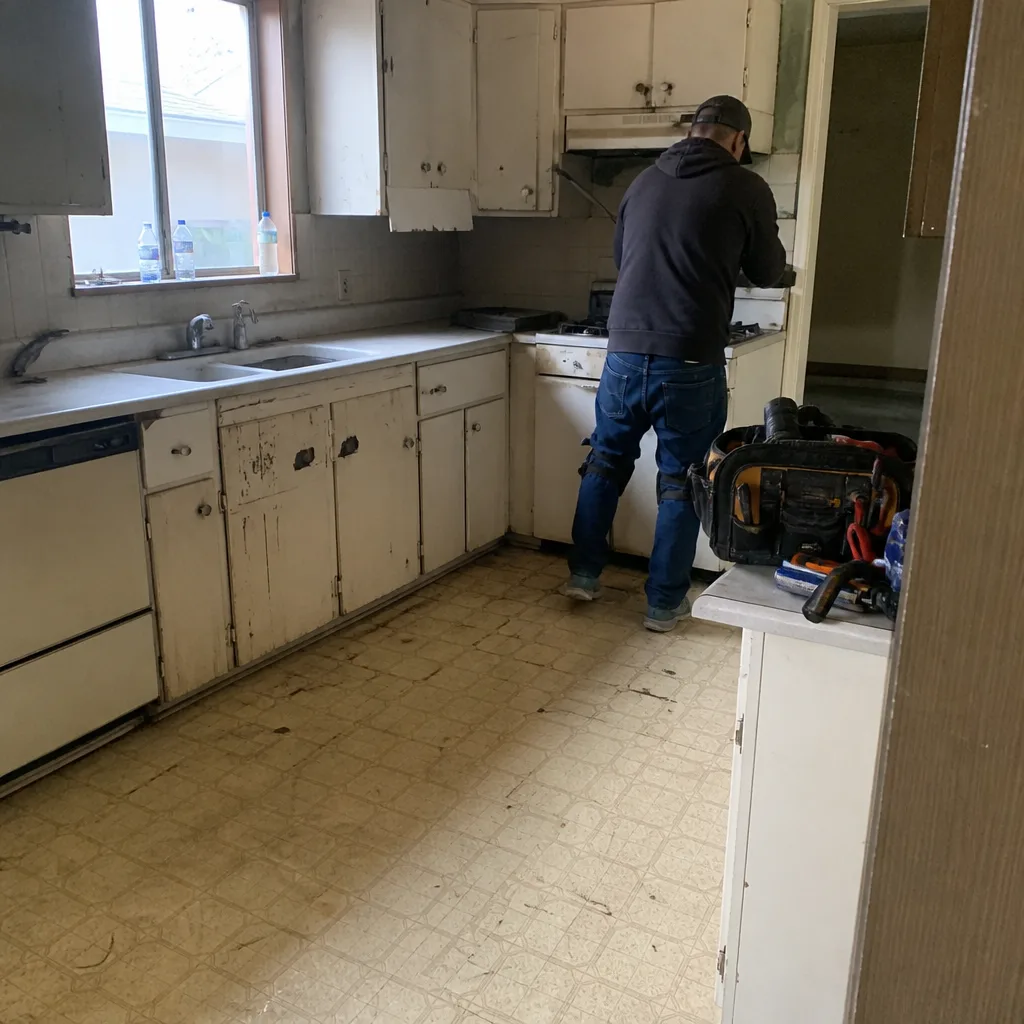 Before
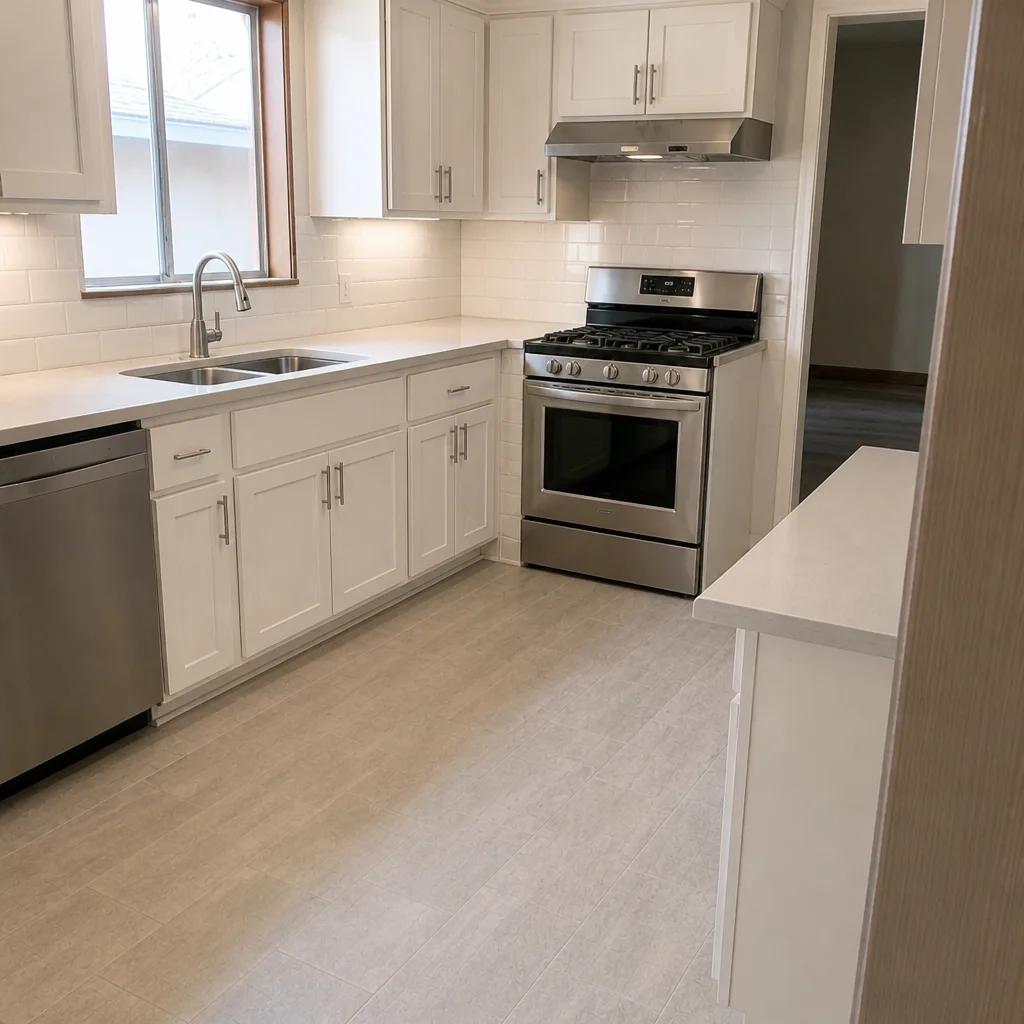 After
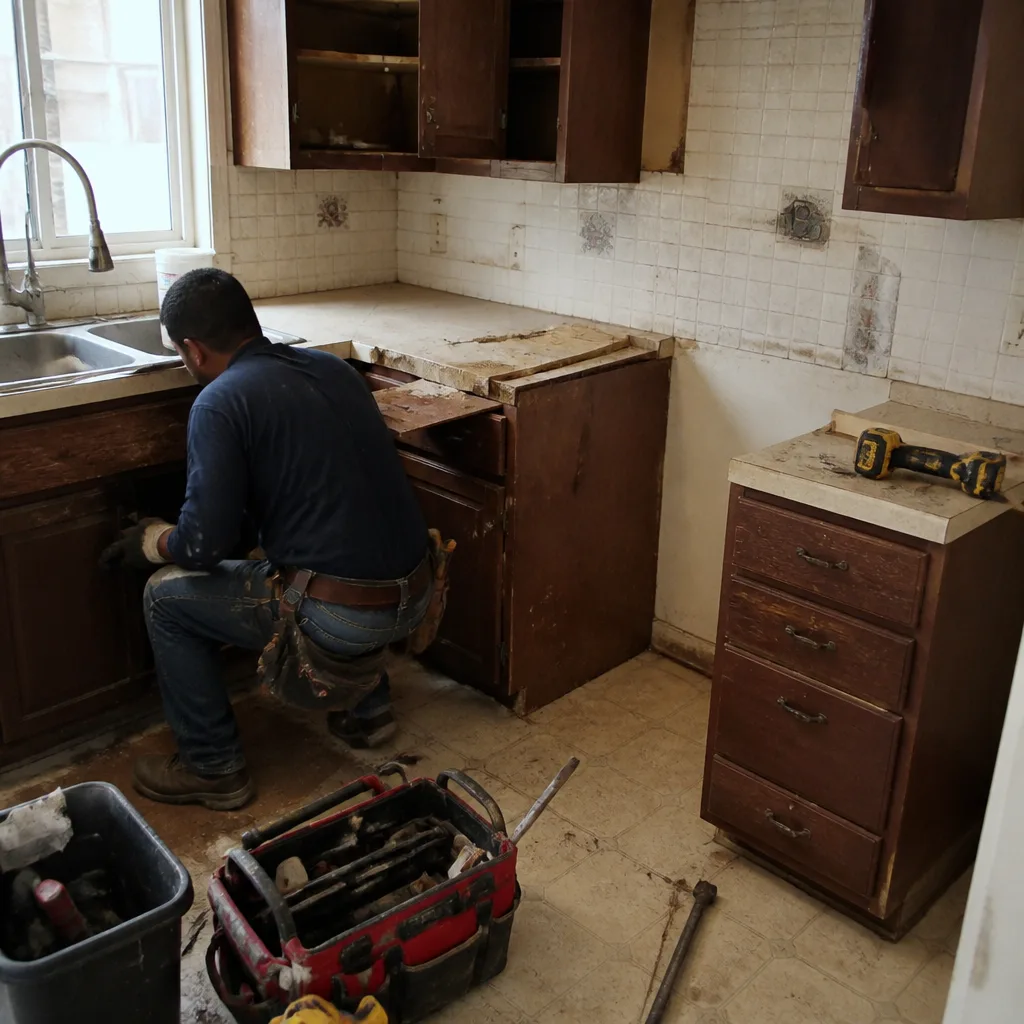 Before
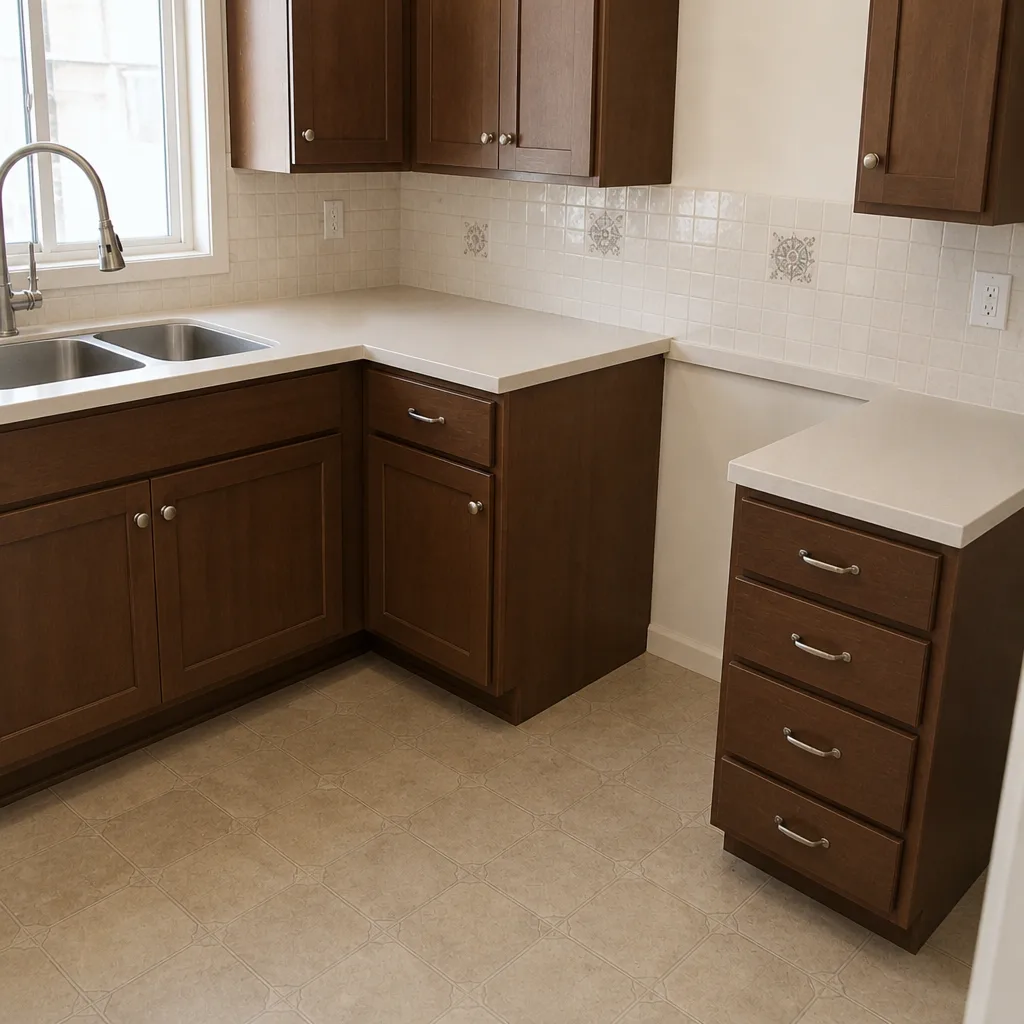 After
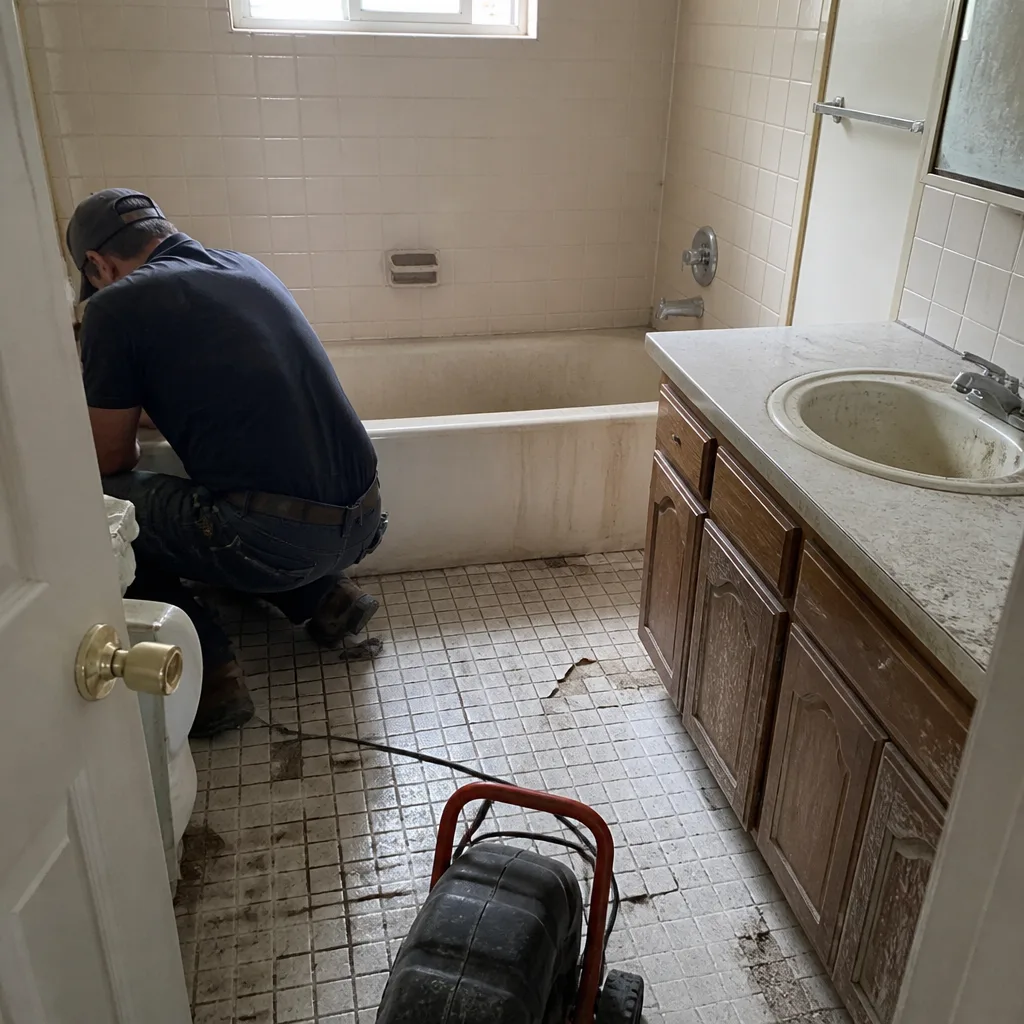 Before
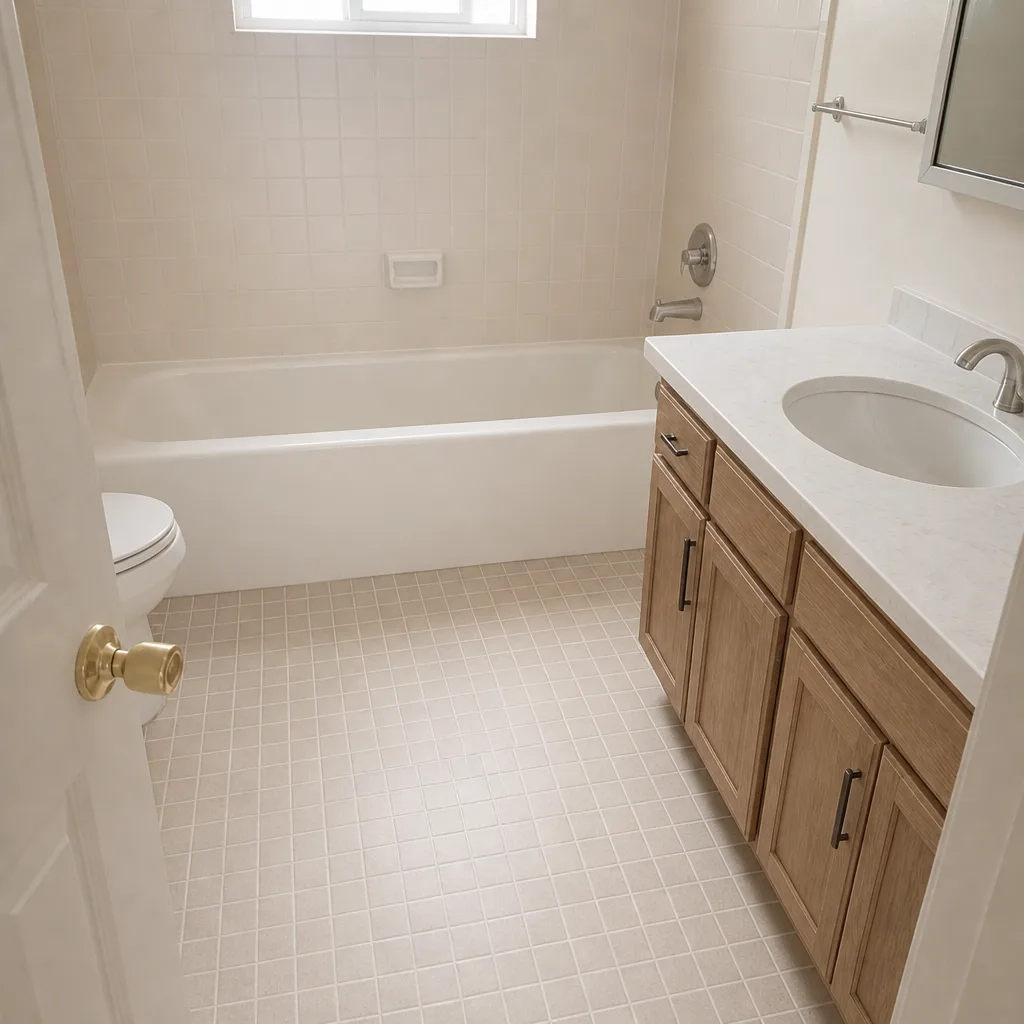 After
JADU vs. Standard ADU in Vacaville, CA: Which One Fits Your Lot?
Choose a junior ADU (JADU) if your Vacaville home was built before 1975 on a lot under about 6,000 square feet, and choose a standard ADU if you have the lot geometry, the budget, and the rental income goals to justify a new structure. The reason is simple. A JADU lives inside your existing footprint, usually carved from a bedroom wing or an attached garage, so it sidesteps the setbacks and lot-coverage limits that trip up smaller mid-century lots. A standard ADU is a separate, rentable dwelling on its own foundation, and it delivers more income and more flexibility, but only if your parcel can legally hold it. Groundwork Construction Co. of Vacaville builds both, and we’ll tell you straight which path your lot actually supports. Call (888) 276-8078 for a free assessment.
Key Takeaways
- A JADU is a unit inside your existing home, up to 500 square feet, and it requires owner occupancy by law.
- A standard ADU is a separate structure (attached or detached), can be rented independently, and generates more income.
- California waives impact fees on JADUs, and the permit cost gap versus a standard ADU can run $5,000 to $15,000.
- On Vacaville’s older core lots, a JADU is often the only option that clears lot coverage and setbacks.
- On larger Browns Valley and Nut Tree lots, a standard ADU or garage conversion usually wins.
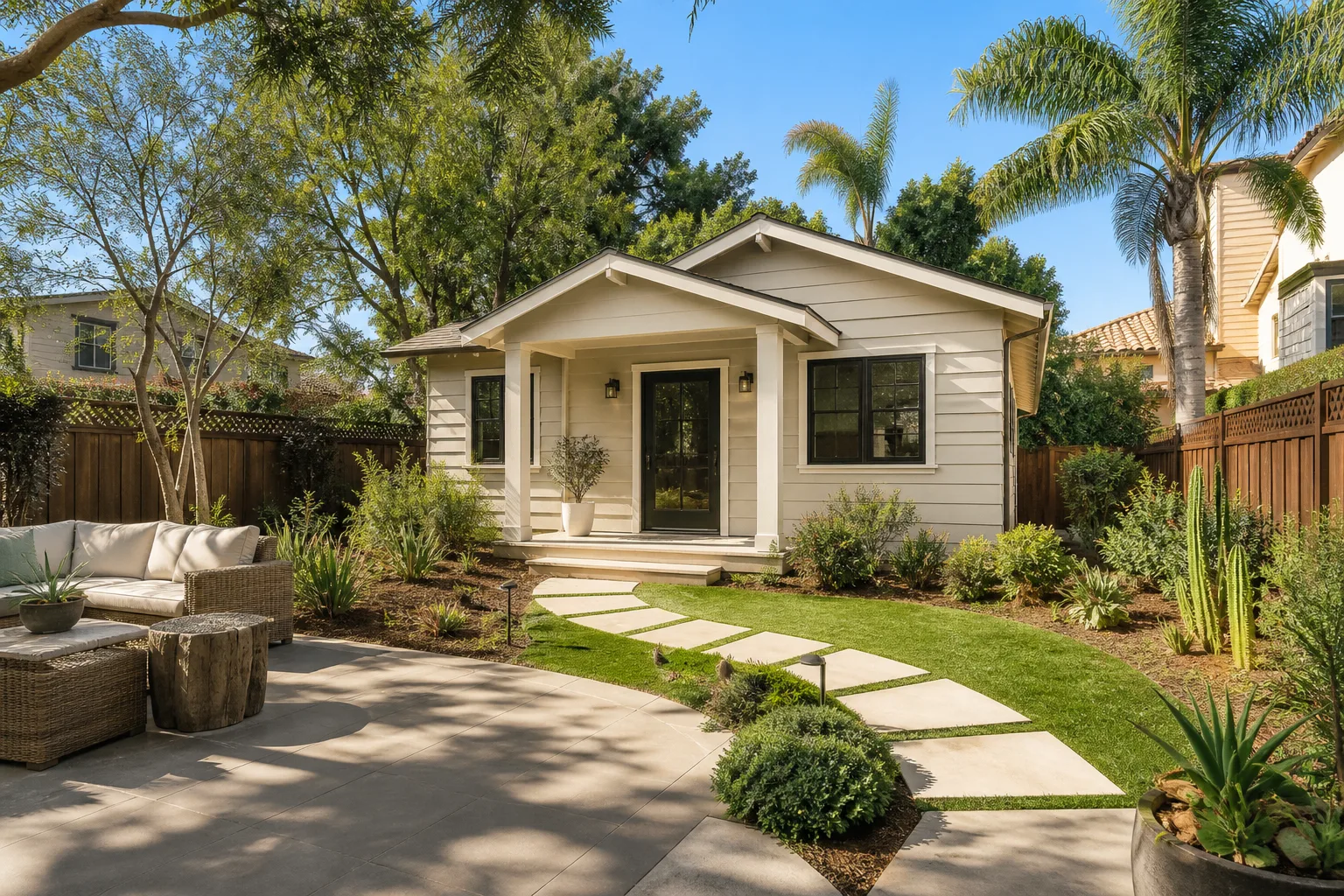
What Actually Decides It: The Five Criteria That Matter in Vacaville
Vacaville’s housing stock is unusually wide for a city of about 100,000. You’ve got mid-century ranch tracts in the older core, large master-planned subdivisions from the 1990s and 2000s in Browns Valley and Nut Tree, plus rural ranchettes and custom homes in the surrounding hills. That spread is exactly why the JADU-versus-standard-ADU call can’t be answered from a website. It comes down to five things, and we walk through each one on a site visit before quoting a number.
- Lot size and lot coverage. A new detached ADU has to respect setbacks and the percentage of your parcel that can be covered by structures. Small 1950s-1960s lots often have no room left for a new footprint.
- Square footage available inside the home. A JADU needs room to carve out up to 500 square feet, an efficiency kitchen, and a bathroom. Sprawling single-story ranch homes have it. Tight two-story plans often don’t.
- Owner-occupancy intent. A JADU requires that you live on the property. If you’re planning to move out and rent everything, that rules it out.
- Rental income goals. A standard ADU can be rented independently with no owner-occupancy requirement under AB 3182, so it earns more. A JADU is tied to your primary residence.
- WUI parcel status. If your parcel sits in a wildland-urban interface zone, a new detached ADU adds $25 to $50 per square foot in fire-code costs. An interior JADU usually avoids most of that premium.
Clay soil enters the conversation too. Around Browns Valley and Alamo Creek, the expansive clay causes seasonal foundation movement that shows up as cracked driveways and sticking doors every fall. A JADU rides on the existing foundation you already own. A new standard ADU needs its own footing engineered for that movement.
JADU vs. Standard ADU: A Side-by-Side Comparison
Here’s how the two paths stack up on the criteria that drive cost and rental return. Ranges below are market-calibrated for Vacaville and reflect what we see on real bids.
| Factor | JADU (Junior ADU) | Standard ADU |
|---|---|---|
| Location | Inside the existing home | New attached or detached structure |
| Max size | Up to 500 sq ft | Typically 500-1,200 sq ft |
| Owner occupancy | Required | Not required (AB 3182) |
| Rental independence | Tied to primary residence | Can be rented separately |
| Impact fees | Waived under California law | Charged; WUI adds $25-$50/sq ft |
| Permit cost gap | $5,000-$15,000 lower than a standard ADU | Full impact fees apply |
| Typical build range | Often captured inside a garage conversion ($30,000-$80,000) | $90,000-$220,000 |
Which One Earns More?
A standard ADU earns more because it rents as a fully independent unit with its own address and no owner-occupancy requirement. That’s the honest answer for investment-minded homeowners who may eventually rent both the main house and the unit. A JADU is best framed as a flexibility play: a place for an aging parent, a returning adult child, or a modest rental while you occupy the home. If income is the primary goal and your lot can carry a new structure, the standard ADU usually pencils out better over time.
Which One Costs Less to Permit?
A JADU costs far less to permit. Under California law, JADUs carry zero impact fees and significantly reduced permit costs, and that gap can run $5,000 to $15,000 compared to a full standard ADU. For a homeowner on a tight budget, that difference reshapes the whole financial analysis. A JADU might come in under what a standard ADU would cost in fees alone before a single wall goes up.
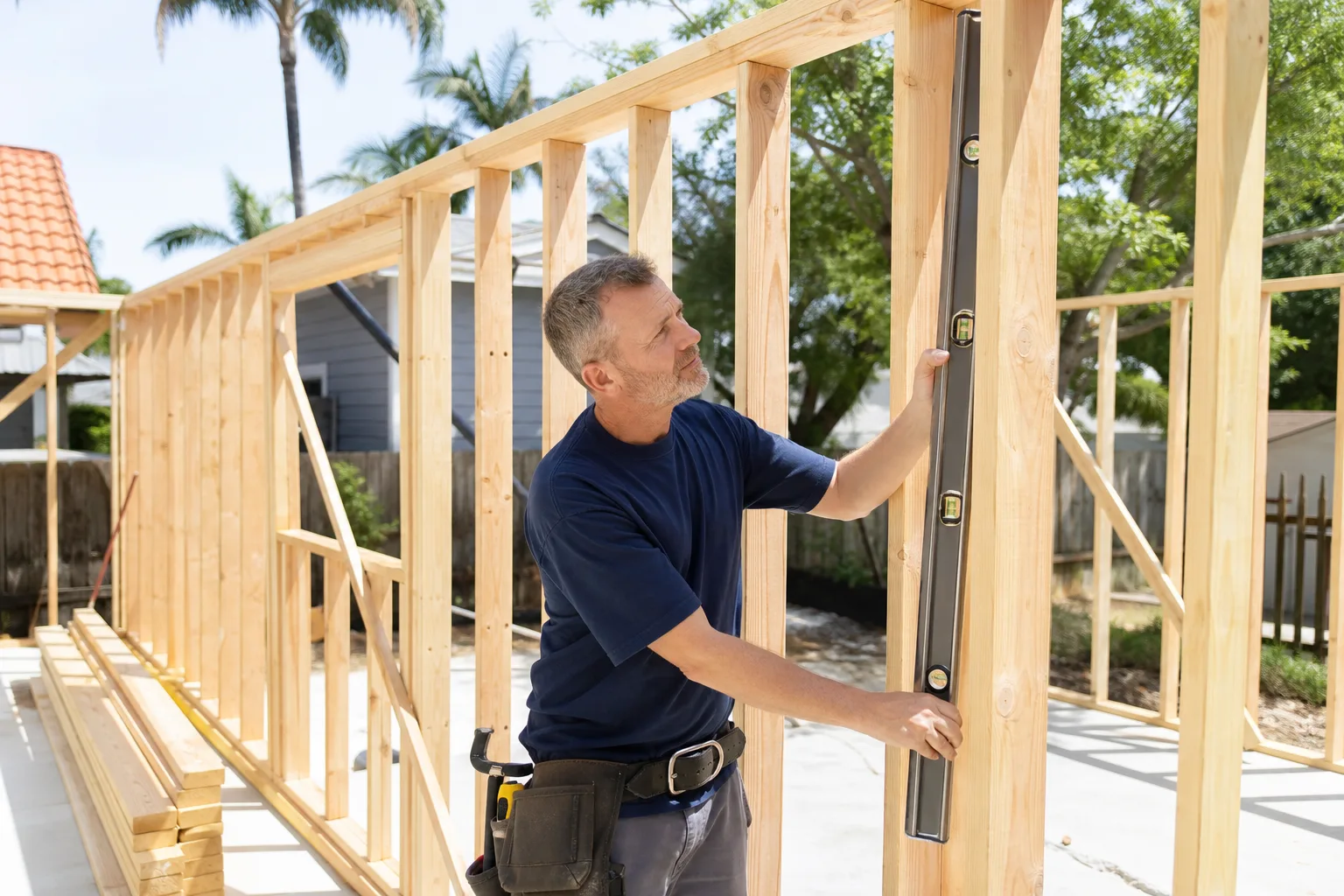
How the Vacaville Housing Stock Matches Each Path
Walk through the older core and the newer subdivisions side by side and the split becomes obvious. The mid-century ranch homes in the older Vacaville core are strong JADU candidates. Their large single-story footprints come with convertible bedroom wings, so there’s often an interior 400 to 500 square feet that can become a code-compliant unit without touching the exterior envelope. Lot geometry on those smaller parcels is the constraint that points you toward a JADU in the first place.
Browns Valley and Nut Tree two-story homes play a different game. Lot sizes are larger, which gives a detached or attached standard ADU room to meet setbacks. Existing attached garages are frequent conversion candidates, and a garage conversion at $30,000 to $80,000 can be a lower-cost route to a rentable unit than a ground-up build. If your plan is a full new structure, you’re typically looking at the $90,000 to $220,000 range, with WUI fire-code costs on top if your parcel qualifies.
It also pays to think about the ground under a new build. Vacaville sits in a wind gap between the Coast Range and the Sacramento Valley, so summers run hot and dry with Delta breezes, winters are cool and wet, and the WUI fire codes plus Title 24 energy requirements apply to anything new. Any detached structure near the hills has to be planned for both. Groundwork Construction Co. of Vacaville builds that planning into the estimate from day one, so out-of-area code surprises don’t land on you mid-project.
Groundwork’s Approach to Both Paths
We treat the JADU-versus-standard-ADU choice as a design decision, not a sales decision. Our technicians have up to 12 years of experience, and we bring contractors who know Vacaville’s lot inventory to the table rather than guessing at local zoning from a website. Our Home Additions & ADU service covers both paths under the same standards, and you can read more about our Home Additions & ADU in Vacaville work for the full scope.
Every project, whether it’s an interior JADU or a detached standard ADU, is covered by our 730-Day Done Right Promise. If it’s not done right, we make it right. We pair premium materials with the workmanship guarantee, which is why homeowners choosing finishes for a conversion often reach for Belgard hardscape at the entry or ActiveYards fencing to define the rental’s private yard. You get no-hassle upfront pricing, a live person answering calls 24/7, and background-checked, uniformed technicians on every job.
Ongoing promotions that help on an ADU project: $1,000 off projects over $10,000, a free project estimate and design consult, and 0% financing for 18 months. The lead range for this work across Vacaville runs $45,000 to $130,000, and where you land depends on which path fits your lot.
FAQs
Yes, a JADU is almost always cheaper than a standard ADU because it reuses your existing structure and avoids the $5,000 to $15,000 in impact and permit fees a full ADU carries. A JADU typically falls inside the garage-conversion range of $30,000 to $80,000, while a standard ADU runs $90,000 to $220,000. Call (888) 276-8078 for an exact quote on your lot.
Yes, a JADU requires owner occupancy by law, so you must live on the property. If you plan to rent the whole property out and move away, a standard ADU is the correct choice because it can be rented independently with no owner-occupancy requirement under AB 3182. Call (888) 276-8078 and we’ll walk through which rule applies to your plans.
Often not, and that’s the honest answer for many lots under 6,000 square feet in the older core. Setbacks and lot-coverage limits frequently leave no room for a new detached structure, which makes a JADU your practical option. Some owners pair an attached or garage conversion instead, depending on the plan. Call (888) 276-8078 for a site assessment before you commit to any direction.
Yes, if your parcel sits in a wildland-urban interface zone, a new detached ADU adds roughly $25 to $50 per square foot in fire-code costs. That premium pushes the standard ADU budget upward and makes the interior JADU look more attractive, even before you factor in the waived impact fees. Call (888) 276-8078 to confirm your parcel’s status.
If you’d rather have it looked at, Groundwork Construction Co. of Vacaville offers a no-pressure assessment in Vacaville – call (888) 276-8078. We’ll tell you whether your lot supports a standard ADU, a JADU, or a garage conversion, and we’ll put the numbers in writing so you can decide with confidence, not guesswork.
Written by the team at Groundwork Construction Co. of Vacaville, serving Vacaville, CA.