Free written scope consultation - allowances, timeline, and change-order rules on paper before a single trade is scheduled
Styles & brands we work with
- Kitchen remodeling
- Bathroom remodeling
- Home additions & ADU
- Roofing
- Windows & doors
- Driveway & pavers
- Fence
See the difference
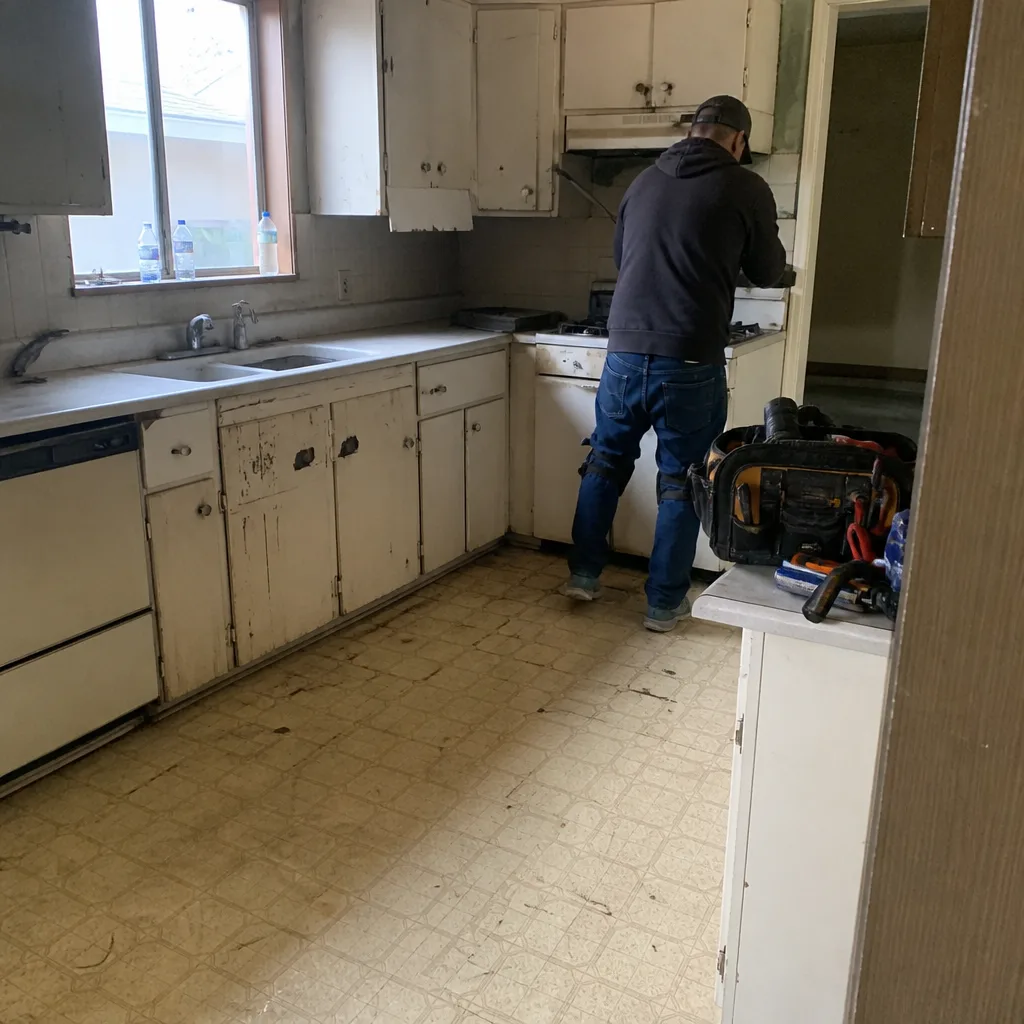 Before
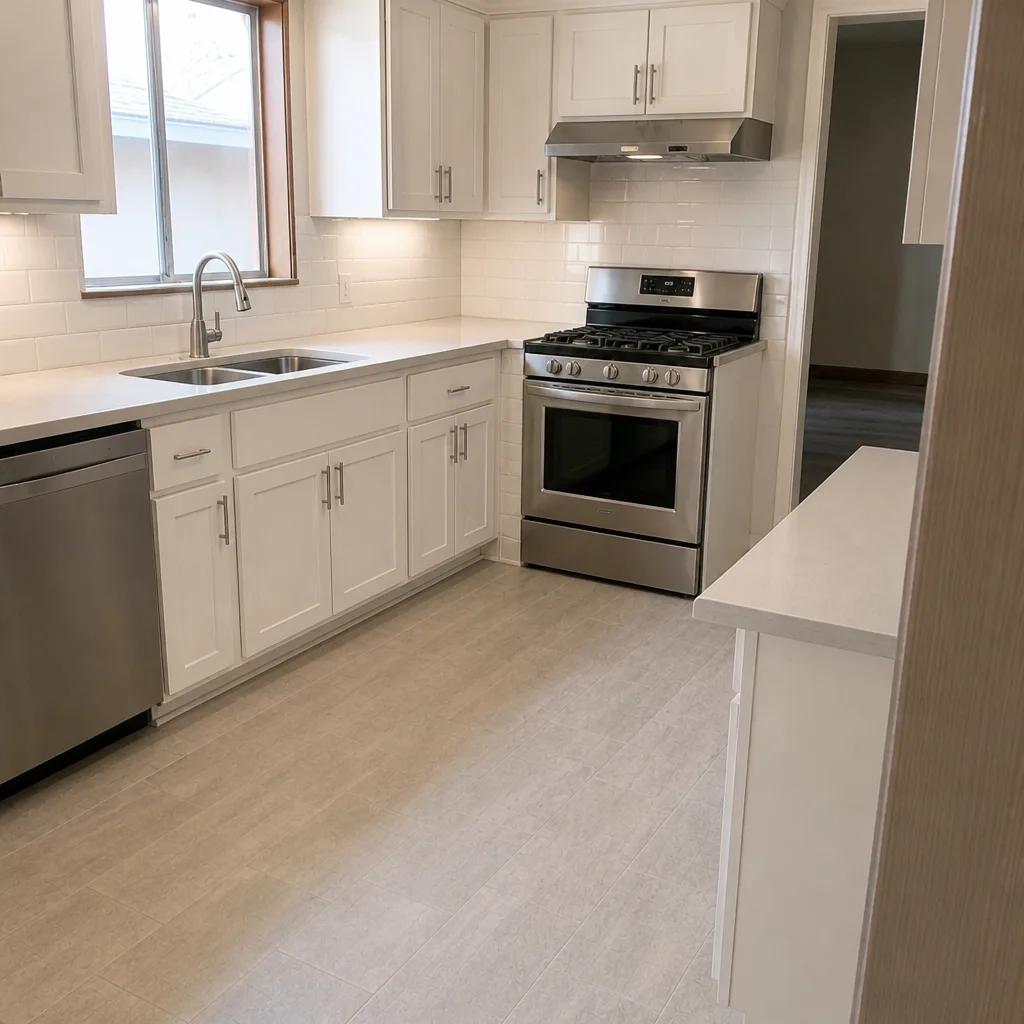 After
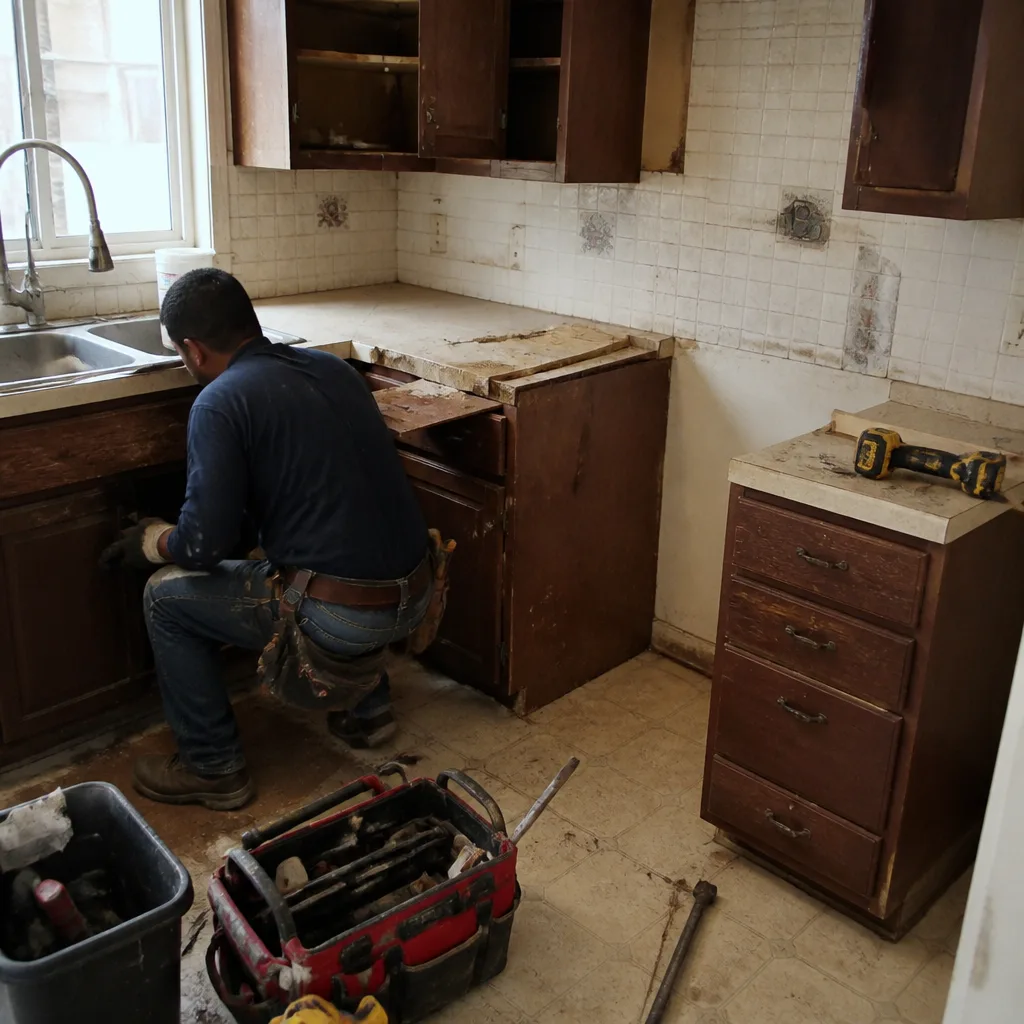 Before
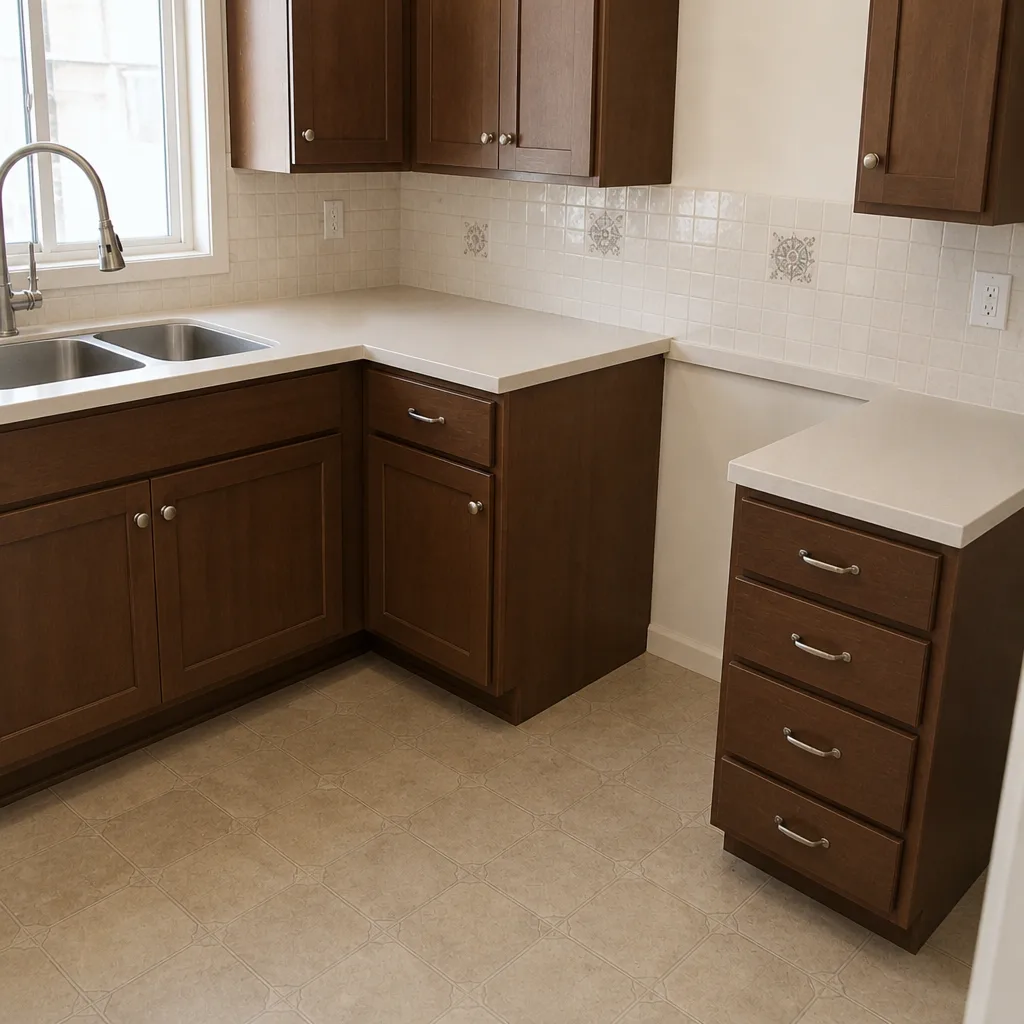 After
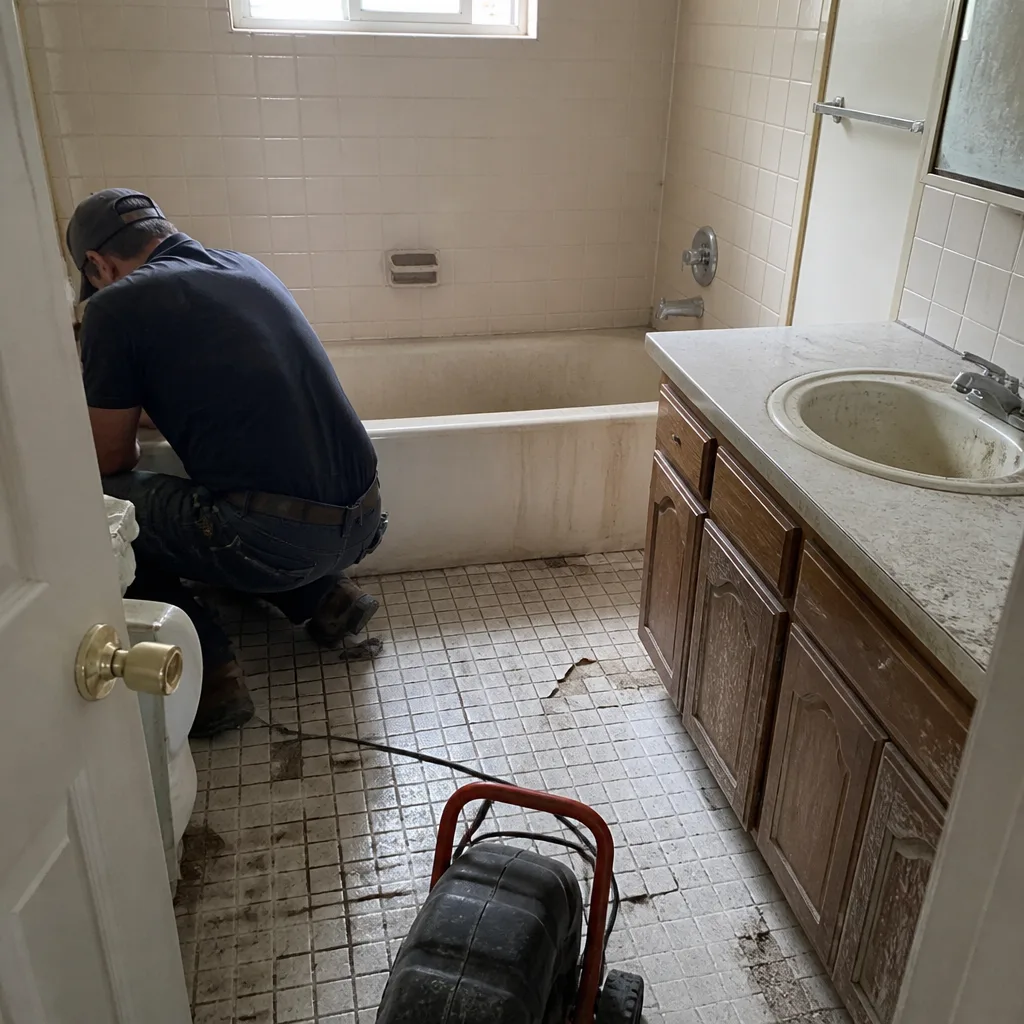 Before
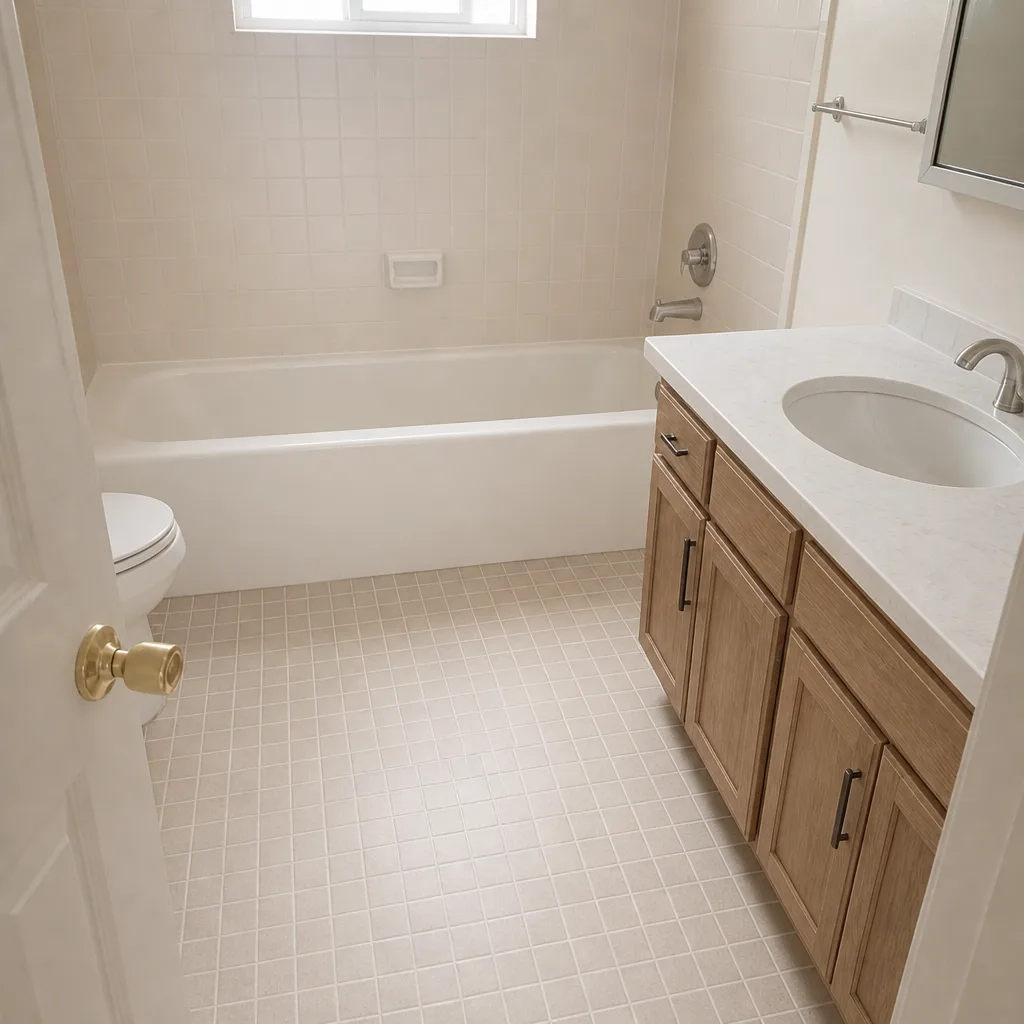 After
What Is Low-E Glass? A Vacaville Homeowner’s Guide to Getting the Coating Right
Low-e glass is window glass with an invisible metallic oxide coating that reflects heat while letting light through. The coating cuts how much solar heat enters your home in summer and how much warmth escapes in winter without making the glass look dark or tinted. There are three distinct low-e coating types, though, and picking the wrong one for Vacaville’s Climate Zone 12 means your windows work against you six months of the year. That’s the tradeoff most spec sheets skim past. If you want the right spec matched to your house, call Groundwork Construction Co. of Vacaville at (888) 276-8078 for a free estimate.
Vacaville sits in a wind gap between the Coast Range and the Sacramento Valley, so windows here face a genuine split personality: a 105°F valley summer that bakes west-facing glass, and 38°F winter nights that make you want every bit of passive solar heat you can get. Those two goals pull in opposite directions. A coating tuned to reject summer heat also rejects winter warmth. Getting it right is a spec decision, not a checkbox.
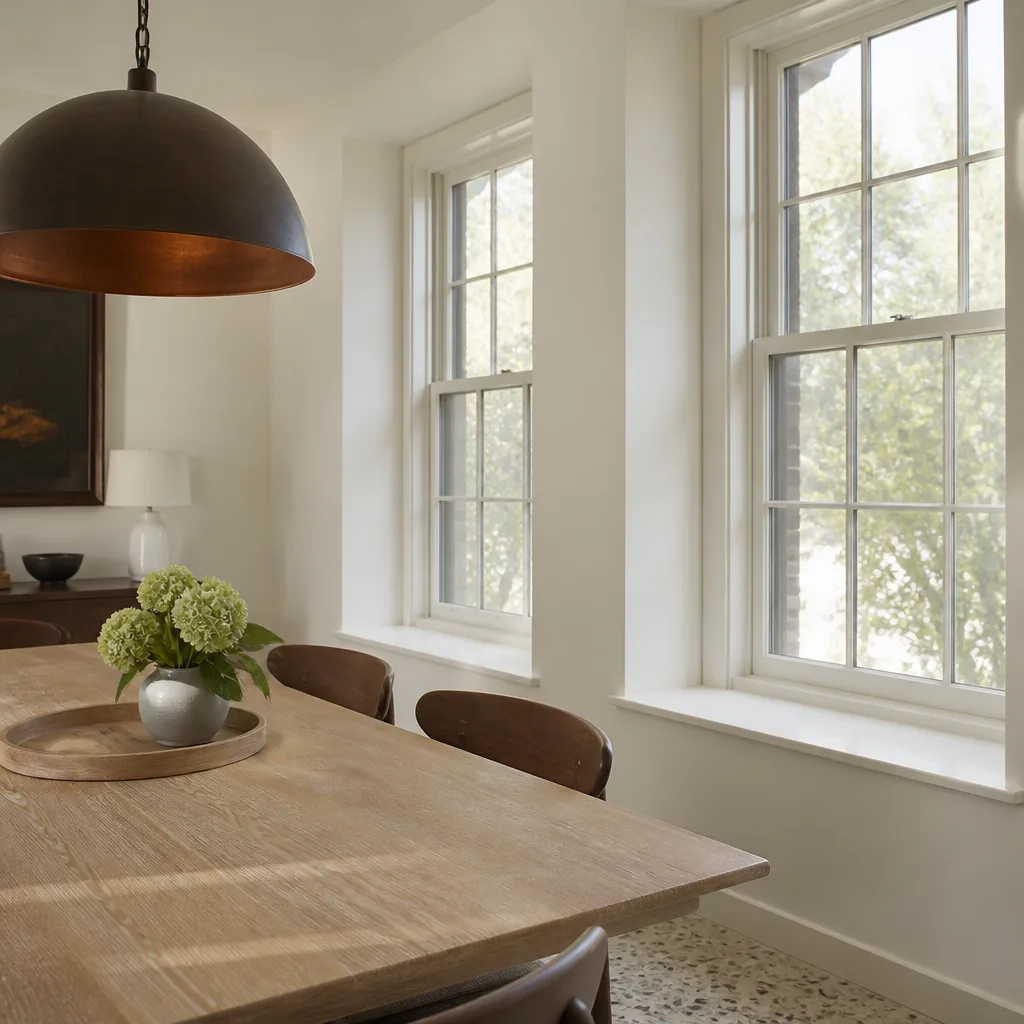
Hard-Coat vs. Soft-Coat Low-E: What’s the Actual Difference?
Hard-coat low-e, also called pyrolytic, is applied while the glass is still molten, so the coating fuses into the surface. It’s durable enough to survive handling and can be used in a single-pane assembly or a storm-window setup. Soft-coat low-e, or sputtered, is applied in a vacuum chamber after the glass cools and sits in a thin, delicate layer inside a sealed insulated unit. Soft-coat blocks more heat per unit of visible light, which is why it dominates replacement windows in hot climates.
For south- and west-facing windows in the Sacramento Valley heat corridor, the right call is a soft-coat low-e with a low solar heat gain coefficient (SHGC), 0.25 or below. Those elevations take the hardest afternoon sun from May through September, and a low SHGC is what keeps the room from turning into an oven. East-facing windows get morning sun but less brutal peak load; north-facing windows see almost no direct sun and can carry a higher SHGC without penalty. This is the tradeoff every generic guide glosses over – the coating isn’t “good” or “bad,” it’s a fit for a specific wall.
There’s one more piece: the glass itself. In Vacaville’s wildland-urban interface zones, low-e needs to ride on a tempered or heat-strengthened substrate to satisfy fire-rating requirements, so the coating and the glass type are a package spec, not two independent menu choices. A builder who treats them separately is setting you up for a failed inspection or a window that underperforms its rating.
Selective Low-E Coatings and Vacaville’s High-Glare Summers
Selective low-e coatings are the middle path. They block near-infrared heat – the invisible energy that drives summer heat gain – while passing most visible light. In a high-glare environment like Vacaville’s, where a west window can throw serious glare across a kitchen by 4 p.m., selective coatings let you keep the brightness without paying for it in cooling costs.
Why it matters: ordinary tinted glass solves heat gain by darkening the view. A selective low-e lets you keep clear, bright glass and still hold SHGC down. For homeowners who don’t want their living room to feel like a limo window, that’s the difference between a comfortable house and one that feels closed off.
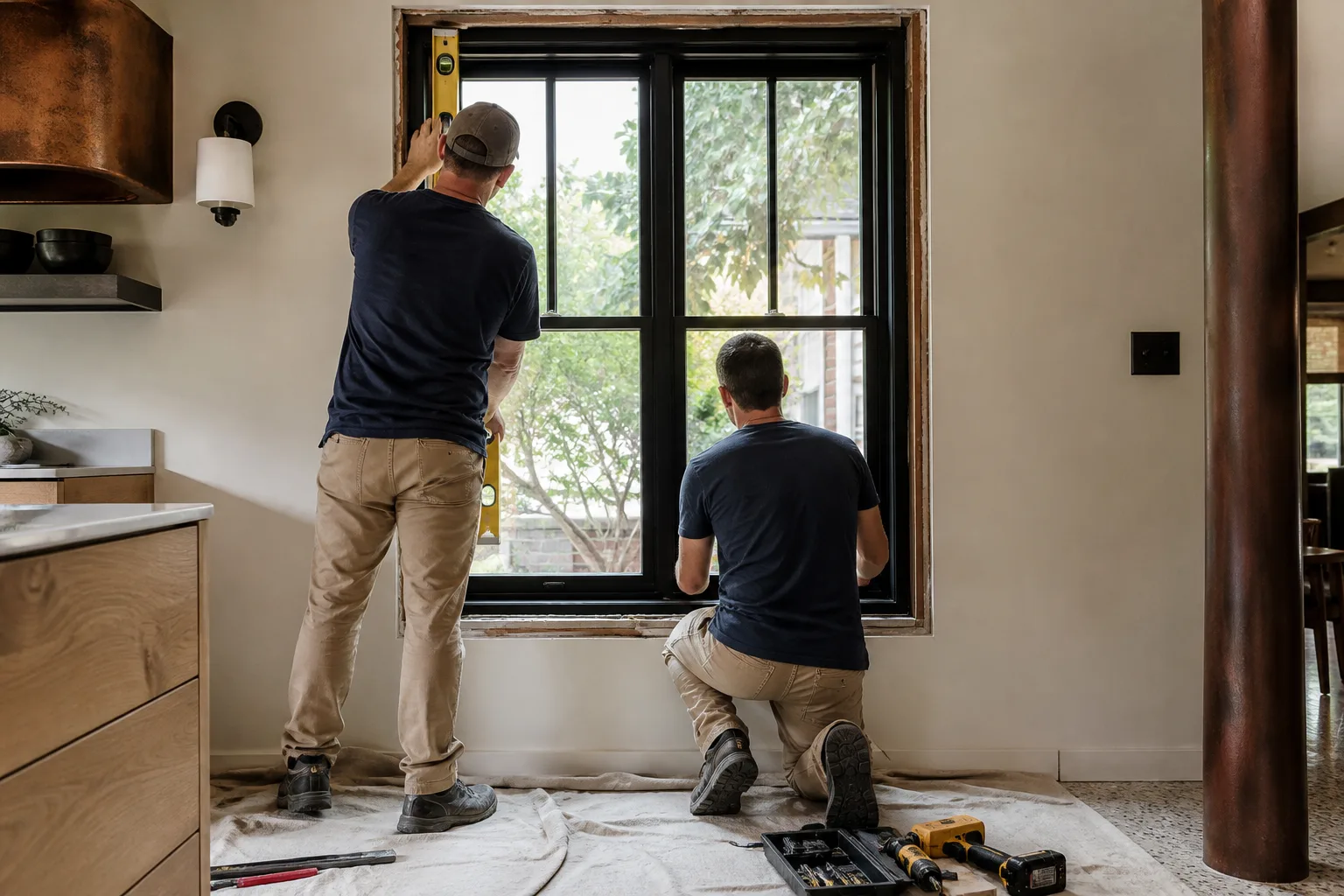
Is Low-E Glass Required in Vacaville Windows?
Yes. California Title 24 sets mandatory U-factor (≤0.30) and SHGC (≤0.25) thresholds for replacement windows in Climate Zone 12, which covers Vacaville. Low-e isn’t a premium upgrade you can skip to save a few dollars – it’s a code floor. A window that doesn’t meet both numbers won’t pass the permit process, and a contractor who quotes you one that doesn’t is either guessing or planning to slip it past inspection.
What that means for your project: the coating is chosen for you by the code. The freedom you have is in which low-e package and glazing build meets those thresholds with the best visible light and durability. That’s where brand partnerships earn their keep.
- U-factor: Measures heat flow through the glass. Lower is better in winter.
- SHGC: Measures solar heat admitted. Lower is better in Vacaville summer.
- Visible transmittance (VT): How much daylight gets through. Higher keeps rooms bright.
- Condensation resistance: Matters less here than in wet coastal climates, but still worth checking.
Which Window Brands Get the Spec Right for Vacaville?
Andersen and Marvin both engineer low-e packages pre-calibrated for California climate zones, so the correct coating ships inside the frame – you aren’t handed a confusing menu of coating options and asked to choose. That’s the advantage Groundwork Construction Co. of Vacaville leans on: our technicians have up to 12 years of experience, and they spec the window to the wall rather than picking a default from a catalog. Every project is backed by the 730-Day Done Right Promise, and pricing is upfront – the number you see is the number you pay.
If your project also touches the roof or siding, the same climate logic applies. Our home page lays out the full scope of what we build in Vacaville and the surrounding area, and the Windows & Doors service page covers the full install process from measurement to final walkthrough.
What Low-E Window Work Typically Costs in Vacaville
Window replacement in Vacaville runs $4,500-$15,000 depending on count, size, and glazing package. Impact-rated windows, which carry a heavier substrate and often overlap with WUI fire requirements, run $8,000-$25,000. These are installed prices, materials and labor included, and they hold whether you’re in a mid-century ranch in the older core or a 1990s-2000s subdivision in Browns Valley.
| Project | Typical Range |
|---|---|
| Standard window replacement (whole-home or multi-window) | $4,500-$15,000 |
| Impact-rated / fire-rated window installation | $8,000-$25,000 |
| Roof replacement (if your window project is bundled) | $8,000-$20,000 |
| Roof repair before window work begins | $400-$1,800 |
Paired with 0% financing for 18 months and $1,000 off projects over $10,000, a full window package is a budget you can actually plan around. And because our calls are answered by a live person 24/7, you can get a straight answer on spec and timing any hour, not just business hours.
FAQs
Low-e glass is window glass with an invisible metallic oxide coating that reflects heat while passing visible light. In Vacaville, yes – Title 24 requires it for replacement windows in Climate Zone 12, so low-e isn’t optional. It’s the code floor, and your window needs to hit U-factor ≤0.30 and SHGC ≤0.25 to pass. Call (888) 276-8078 for a free estimate on a spec that meets code and fits your walls.
Both, but the balance depends on the coating. A low SHGC soft-coat keeps summer heat out and also reduces the passive solar warmth that reaches your rooms in winter. That’s why Vacaville’s south- and west-facing windows get the aggressive low-e, while north-facing windows can carry a higher SHGC to preserve winter solar gain without overheating in summer. Getting this wrong on one elevation is a small comfort problem; getting it wrong on all four is a decade of energy bills. Call (888) 276-8078 to talk through which elevations get which spec.
Worth it, and it doesn’t have to look dark. Selective low-e coatings block near-infrared heat while passing most visible light, so you keep bright, clear glass and still cut solar heat gain. If you’ve seen homes with glass that looks gray or bronze-tinted, that’s traditional tint, not a modern selective low-e. Our technicians spec the coating to the exposure so the living room stays bright. Estimates are free – call (888) 276-8078.
Yes, with a caveat. In Vacaville’s wildland-urban interface zones, low-e glass needs to be paired with a tempered or heat-strengthened substrate to meet fire-rating requirements, so the coating and the glass type are one package decision. Impact-rated and fire-rated windows run $8,000-$25,000 installed and satisfy both the energy and fire codes at once. Call (888) 276-8078 and we’ll tell you which elevation needs what.
If you’d rather have it looked at, Groundwork Construction Co. of Vacaville offers a no-pressure assessment in Vacaville – call (888) 276-8078. We’ll check your current windows against Climate Zone 12 thresholds, flag any WUI fire-rating gaps, and give you a straight number with no surprises.
Written by the team at Groundwork Construction Co. of Vacaville, serving Vacaville, CA.