Last updated November 18, 2026



Free written scope consultation - allowances, timeline, and change-order rules on paper before a single trade is scheduled
Construction Warning Signs: A Vacaville Homeowner’s Reference Guide
By the time a homeowner can see that a construction project went wrong, the contractor has usually already collected 60 to 80 percent of the contract value. The cabinets are in but the seams don’t line up. The roof is on but the flashing was never touched. The money is gone, the crew is drifting to the next job, and the conversation shifts from “when will you fix it” to “will you ever come back.” The warning signs that actually matter appear in week one, not week eight, and they’re usually quieter than bad drywall. This guide walks through the pre-contract and early-project signals that give Vacaville homeowners a chance to change course before the damage is baked in.
Quick Answer
The most reliable construction warning signs are a bid with no site visit, a quote delivered the same day you called, a price 30 percent or more below every other bid, missing permit paperwork, vague or absent scope language in the contract, and vague answers about who will actually be on the job. In Vacaville’s competitive remodel and roofing market, those signals show up before a single shovel moves dirt, and acting on them costs nothing compared to discovering the problem after the deposit clears.
Styles & brands we work with
- Kitchen remodeling
- Bathroom remodeling
- Home additions & ADU
- Roofing
- Windows & doors
- Driveway & pavers
- Fence
Table of Contents
- Pre-Contract Warning Signs in Vacaville
- Who’s Actually Doing the Work: Subcontracting Signals
- Permit and Inspection Avoidance Behaviors
- Material Substitution: How to Spot It Before Installation
- Communication Patterns That Predict Abandonment
- A Scorecard for Comparing Vacaville Bids
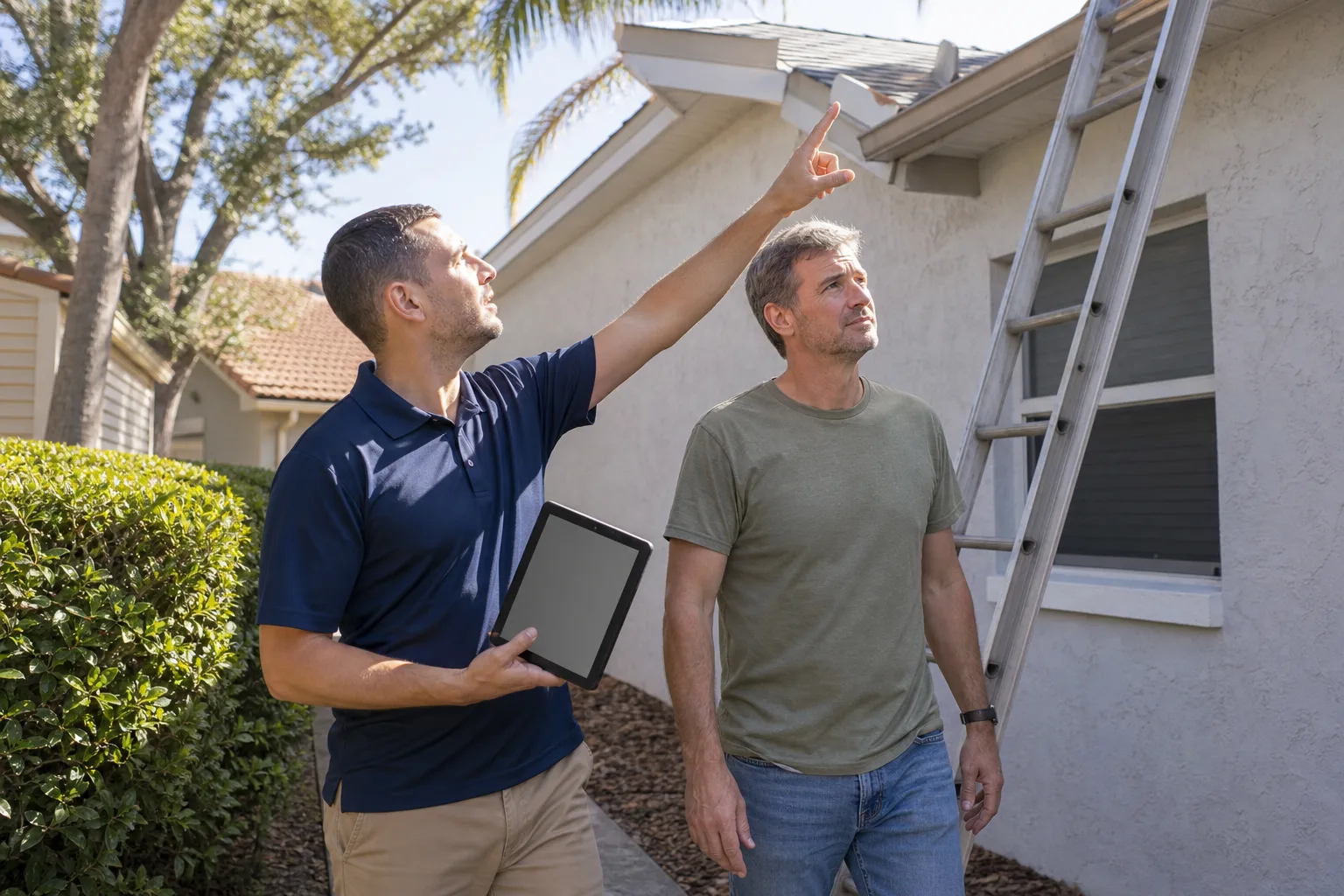
- What a Legitimate Site Visit Looks Like
- Vacaville-Specific Stress Points Worth Watching
Pre-Contract Warning Signs in Vacaville
The hiring phase is where you have the most leverage and the least information. A contractor who hasn’t walked your property, poked at the subfloor, checked the attic or measured the driveway grade cannot produce an accurate bid. Asphalt driveway quotes, roof replacements, and kitchen remodels each hinge on site-specific conditions: soil type, sun exposure on west-facing elevations, the age of the existing plumbing wall, whether the old fence footings are concrete or just buried posts. A number quoted over the phone is a guess wearing a suit.
In Vacaville’s competitive contractor market, three red flags recur so often that we’ve started treating any one of them as a stop sign:
- No site visit before quote. If the contractor hasn’t seen the property, they’re either wildly marking up the bid to cover unknowns or they intend to negotiate change orders once work starts. Neither is in your favor.
- Same-day bids. A legitimate bid takes measurements, material takeoffs, and a line-item scope. Anything arriving within hours of your call hasn’t done that work.
- Prices landing 30 percent or more below the field. A Vacaville kitchen remodel quoted at $38,000 when every other full-scope bid sits near $58,000 to $65,000 isn’t a bargain. It’s a bid built on exclusions – cheaper cabinet boxes, thinner countertop slabs, no electrical, “allowance” line items that balloon later.
Ask any contractor who quotes you to point to the specific property features that shaped the number. If they can’t name the slope of the driveway or the condition of the roof sheathing, they didn’t look, and the price is fiction. A bid that isn’t tied to specifics is a number, and a number isn’t a scope.
Who’s Actually Doing the Work: Subcontracting Signals
Subcontracting isn’t inherently bad. Most licensed contractors use vetted specialty subs for trades they don’t staff, and that’s normal. The problem is a contractor who tells you they self-perform a task and then quietly ships it out to whoever’s available, because accountability evaporates the moment a warranty claim appears and nobody wants to own the fix.
Watch for these early-project signals that you’ve been placed with an unfamiliar crew:
- New faces every week. If the same crew lead wasn’t on your first walkthrough and isn’t there for the install, you have no single point of responsibility.
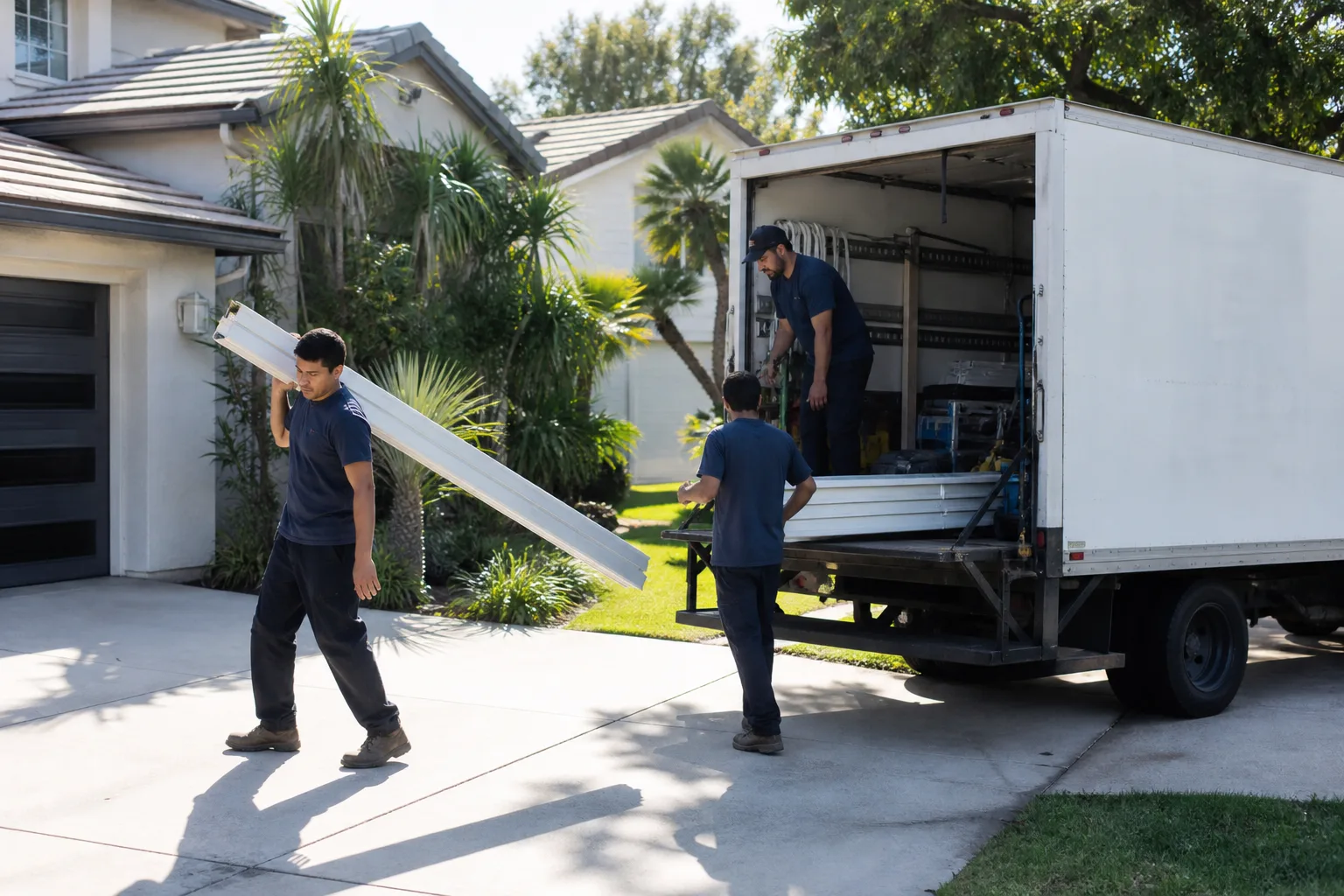
- No uniform or identification. We’ve seen homeowners in Vacaville hand over keys to crews in unmarked vans with no paper trail. Background-checked, uniformed technicians should be standard, and you should be able to verify it.
- Vague answer to “who’s running my job?” A clear answer names a role and confirms they’ll be the one you call. A vague answer means you’re a subcontract between whoever showed up and whoever’s scheduling the next site.
- Disappearing paperwork. If the contractor can’t produce a written scope attached to the contract, you have no way to enforce who does what.
Our positioning for Vacaville projects is to be the single point of accountability – the number you call is the number that picks up, and the crew that shows up is the crew that finishes. That standard exists because the alternative, a homeowner calling three numbers and getting three denials when something’s wrong, is exactly the failure mode this guide is about. When you compare bids, ask the subcontracting question directly, in writing.
Permit and Inspection Avoidance Behaviors
Permit avoidance is the single most expensive warning sign you can miss. A contractor who pitches a remodel or addition as “not needing permits” or “faster without the paperwork” is offering to shift the liability onto you. In Solano County and the City of Vacaville, permitted work is inspected at defined stages, and the paperwork trail is what allows a future buyer’s lender and appraiser to accept the structure. Unpermitted work becomes your disclosure problem at resale and your insurance problem at claim time.
Red flags to note before signing:
- “We’ll pull the permit after we start.” Pull the permit first. A contractor who starts demo before the permit issues is working without coverage.
- Homemade permit numbers or contractor-issued “inspection forms.” Inspections come from the local building department, not the contractor. Ask to see the actual permit card.
- Advice to keep the work “under the radar.” That phrase protects the contractor, not the homeowner, and in a market like Vacaville where neighboring property values and resale inspections run high, the risk stays with you.
- No interest in a pre-construction walkthrough. A legitimate contractor wants you at the site before work begins to agree on what the inspector will see.
We pull permits and pass inspections on the work we manage in Vacaville, and we hand the permit paperwork to the homeowner at closeout. If your contractor dodges those steps, treat it as a signal, not a shortcut. The savings on the permit never outweigh the cost of remediation.
Material Substitution: How to Spot It Before Installation
Material substitution is the quiet theft of a construction project. You’ve been sold KraftMaid cabinets, Cambria countertops, GAF roofing, and Andersen windows – brands with published standards and warranties – and a few weeks into the project, boxes arrive with unfamiliar logos and thinner material. By the time the swapped product is installed and looks fine in a photograph, it’s too late to prove the difference without destructive inspection and a lawyer.
Substitution has a fingerprint, and you can catch it before it’s installed:
- The spec sheet and the delivery slip don’t match. Compare brand, model, gauge, and finish on the invoice to what’s on the box. Cabinetry from Blanco or countertop from Cambria is not “equivalent to” anything – the brand is the contract term.
- Brand doesn’t get named on the estimate. A bid that says “premium cabinets” or “quality shingles” without a brand and model is a bid with substitution built in. Every line item should name the brand and the specific model.
- Allowance line items that grow. A tile allowance of $4 per square foot will be replaced with a $9 product within a week. Ask for fixed specifications, not allowances, wherever possible.
- Packaging removal before installation. When material arrives and the crew immediately tears down the wrap and unboxes off-site, you lose the ability to verify. Ask for packaging and product documentation at delivery.
During the ordering phase for a bathroom or kitchen, brand partners matter because they carry published warranty terms backed by a manufacturer standing behind the installed product. Our curated set across every trade – KraftMaid, Kohler, GAF, CertainTeed, Andersen, Pella, Belgard, James Hardie, and dozens more – exists precisely so homeowners can hold a specific product to a specific standard. Ask for the make and model, in writing, before you sign.
Communication Patterns That Predict Abandonment
A contractor who abandons a project rarely does it on day one. The abandonment is forecast by a pattern that develops over four to six weeks, and if you’re watching for it, you’ll usually see it well before the crew stops showing up entirely.
These are the patterns we hear most about from homeowners who ended up with a stalled project:
- Response-time degradation. The first call gets an answer in an hour. By week four, your calls roll to a voicemail that says nobody’s available until Monday. The pattern matters more than any single call – if the response window is lengthening week over week, so is the project’s risk.
- Invoice ahead of milestone. A request for a payment ahead of the agreed schedule, or a “draw” that arrives before the completed work it covers, signals cash-flow problems at the contractor. Never pay a milestone ahead of the work it covers, even under pressure.
- Crew shrinkage. Three people show up in week one. By week four, it’s one. By week six, the crew is dropping in for two-hour visits. This is the clearest forecast of abandonment we know of – the contractor is spreading their labor across too many jobs, or running out of cash to staff yours.
- Scope creep of excuses. Every delay is blamed on a supplier, the weather, the permit office, or the inspector. A legitimate contractor explains delays with specifics and offers a plan. A problematic contractor explains delays with stories and offers nothing.
In our experience, the communication pattern is the leading indicator, not the lagging one. You don’t wait until the work stops. You watch the pattern, and where it degrades, you start documenting the project week by week.
A Scorecard for Comparing Vacaville Bids
Most homeowners compare bids on the bottom-line number. That’s the mistake. A bid is a set of promises, and the scorecard that matters is whether the promises are specific enough to be enforceable.
- Site visit performed? Yes or no. If no, disqualify the bid outright.
- Line-item scope included? Every trade, every material, every allowance, named. Vague line items are exclusion plans.
- Brands and models named? KraftMaid, Kohler, Cambria, Andersen, GAF, CertainTeed, Toto, Delta, American Standard, Blanco. If the bid says “premium,” it’s not a bid.
- Permit responsibility stated? In writing, on the contract. Who pulls, who pays, who closes out.
- Payment schedule documented? Milestones tied to completed work, not to calendar dates.
- Workmanship warranty length? Ask the specific number of days or years, get it in the contract, and understand what triggers a repair.
- Who’s on the crew? Uniforms, background checks, single accountable point of contact.
- Written change-order process? Any material substitution or scope change requires written approval before the work proceeds. No handshake substitutions.
- Price transparency. Upfront pricing with no change orders for anything the scope didn’t anticipate. If the number can move after signing, assume it will.
- Response commitment. A live person answers the phone, 24 hours a day, or there’s a documented escalation path. Voicemail is not a customer service plan.
Score each bid against those ten items and the field usually narrows itself. The number that looked 30 percent lower rarely survives the scorecard, because every exclusion that produced the low bid is a trade you’ll pay for later.
What a Legitimate Site Visit Looks Like
The site visit is the highest-signal moment in the entire hiring process. It’s where you see, in real time, whether the contractor is there to measure or there to sell. A legitimate site visit takes 45 minutes to two hours depending on the project. Anything shorter is a pitch, not a survey.
Here’s what to watch for:
- Measuring tools. Tape, laser measure, level, flashlight. If none of these come out, the visit isn’t a survey.
- Attic and crawlspace access. For roof or full-scope remodels, the contractor should look at the underside of the roof deck and the wall system. Leave that out and the bid is incomplete.
- Photos. Every good contractor photographs the work area, existing conditions, and adjacent features. The photos become the reference for the warranty and the walkthrough.
- Specific questions. A contractor who knows the market will ask about the age of the roof, whether the plumbing has been updated, and how the existing structure was built.
- Written scope at the visit or within a few days. Not a same-day number. A written scope built from the measurements, delivered after the contractor has had time to price it.
In a market like Vacaville – where the housing stock ranges from 1960s ranch homes to newer builds near Nut Tree and in the surrounding new developments – the site visit is where the contractor’s actual experience comes out. If they can’t tell a 1965 subfloor from a 2005 subfloor without lifting a corner, they’re guessing.
Vacaville-Specific Stress Points Worth Watching
Vacaville sits in a specific climate band that punishes shortcuts on certain building systems. Summer heat loads on west-facing elevations are substantial, and the transition from hot, dry months to the wet season tests roof flashing, window seals, and exterior paint. When a contractor’s work quality is marginal, Vacaville’s climate is where it fails first.
Where to look for trouble before it appears:
- Roof flashing and valley details. Roofs in Vacaville often run through several thermal cycles a year and unsealed valley flashing is a first-rain failure. If the installation skips counter-flashing at the chimney or step flashing at the wall, ask why before the roof closes up.
- Window seals and stucco transitions. Sliding windows and doors on south- and west-facing walls get the most UV. Poor sealant work in a Vacaville window install fails within two summers. Look for continuous bead sealant at the frame, not spot-caulking.
- Fence footings. NorCal soils vary block to block, and fence posts installed without proper footing depth will lean by the second wet season. Ask how the posts are set and how deep the footings go.
- Driveway and paver base. A paver installation over thin or poorly compacted base moves in a single hot summer. In Vacaville, the base prep is where the durability lives, not in the surface finish.
If you’re planning a full-scope project, the same logic applies to the whole home. Our Groundwork Construction Co. of Vacaville home page outlines the seven service lines that touch these pressure points, and deeper detail lives on the dedicated service pages for Driveway & Pavers in Vacaville, Fence Installation in Vacaville, and Home Additions & ADU in Vacaville.
Common Mistakes to Avoid
- Choosing on price alone. The lowest bid is usually the lowest because it excludes the work that makes the project last. Compare line-item scopes, not bottom lines, when you have them side by side.
- Signing before the site visit. A contract without a walkthrough means unknown conditions become change orders. In Vacaville’s older neighborhoods especially, subfloor and wall conditions only emerge on site.
- Paying ahead of milestones. Front-loading, “materials deposit” requests that far exceed the material cost, and advance payments for labor are all cash-flow signals. Stick to milestone schedules tied to completed work.
- Skipping permit verification. Always call the City of Vacaville building department to confirm the permit exists for your address, and that it names the contractor and the correct scope.
- Accepting verbal substitutions. “We couldn’t get the KraftMaid cabinet, so we used something equal” is a change order issue, not a courtesy. Ask for the substituted model in writing with a signed change order, or decline the substitution.
- Ignoring a shrinking crew. A crew that drops from four people to one in six weeks is a warning, not an inconvenience. Document the pattern and escalate to the project manager immediately.
- Not knowing your warranty in writing. Ask the contractor to name the workmanship warranty length and what triggers it. If they can’t, the warranty doesn’t exist in practice.
See the difference
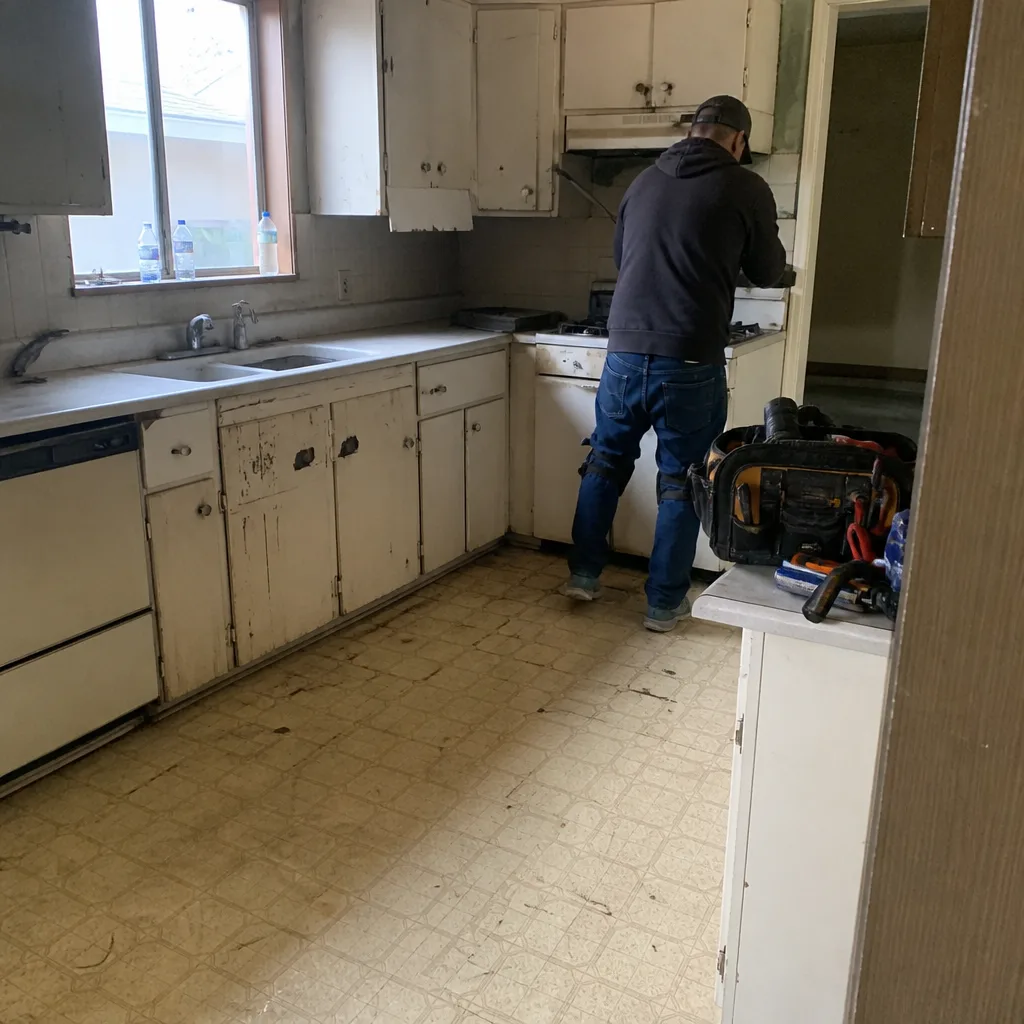 Before
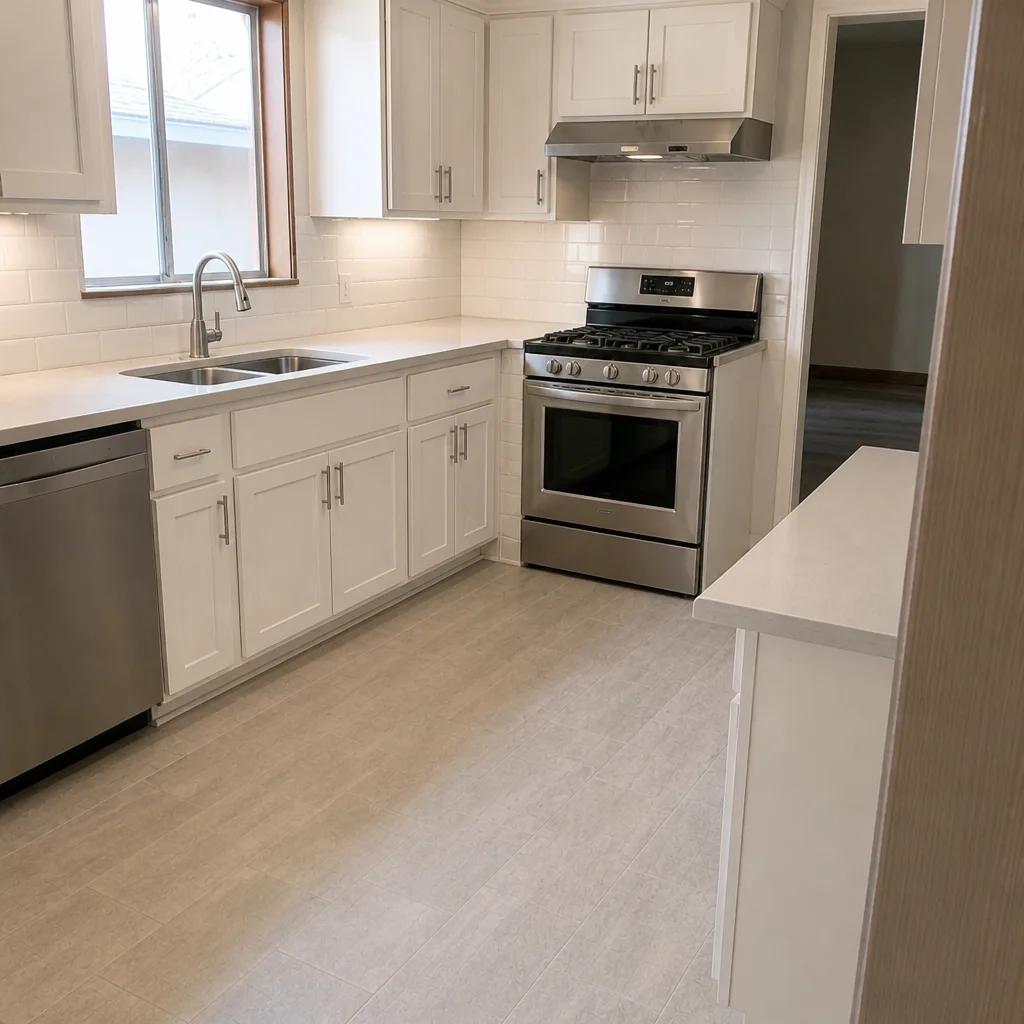 After
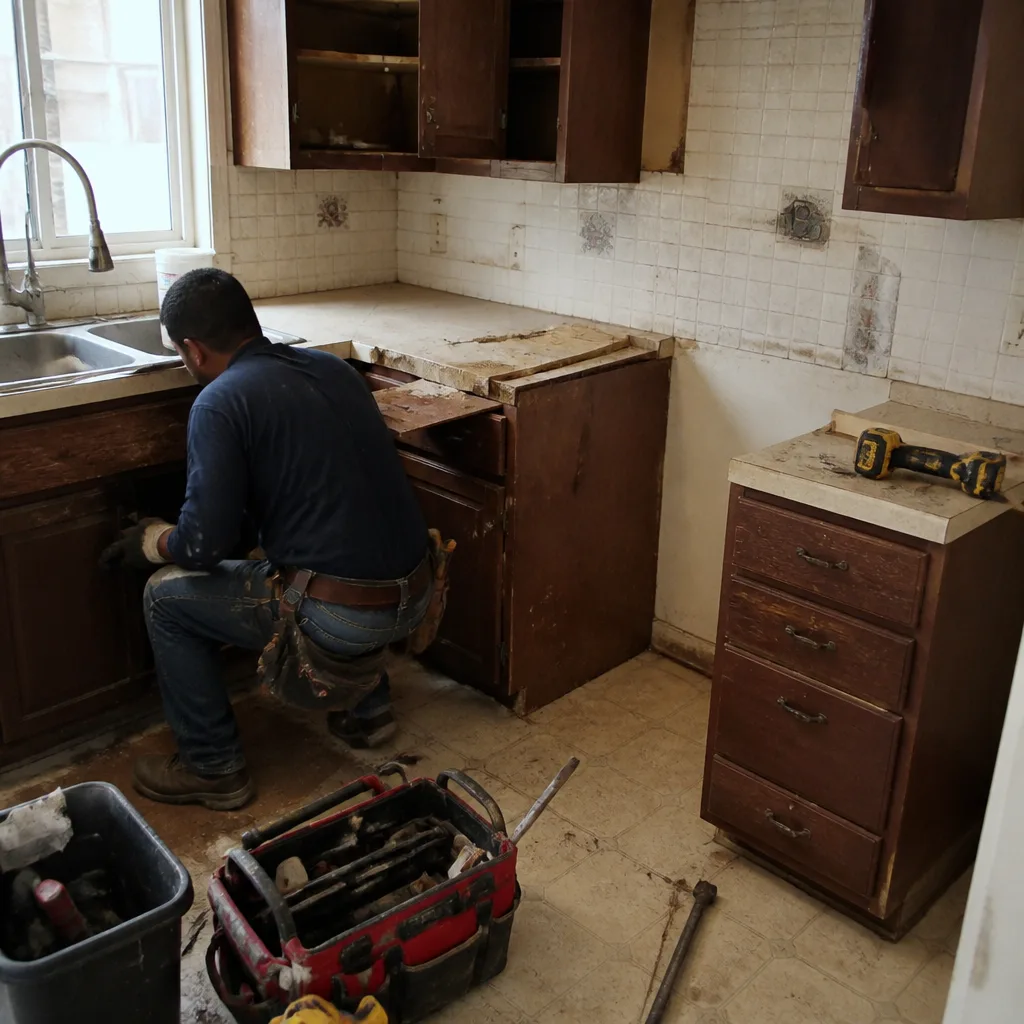 Before
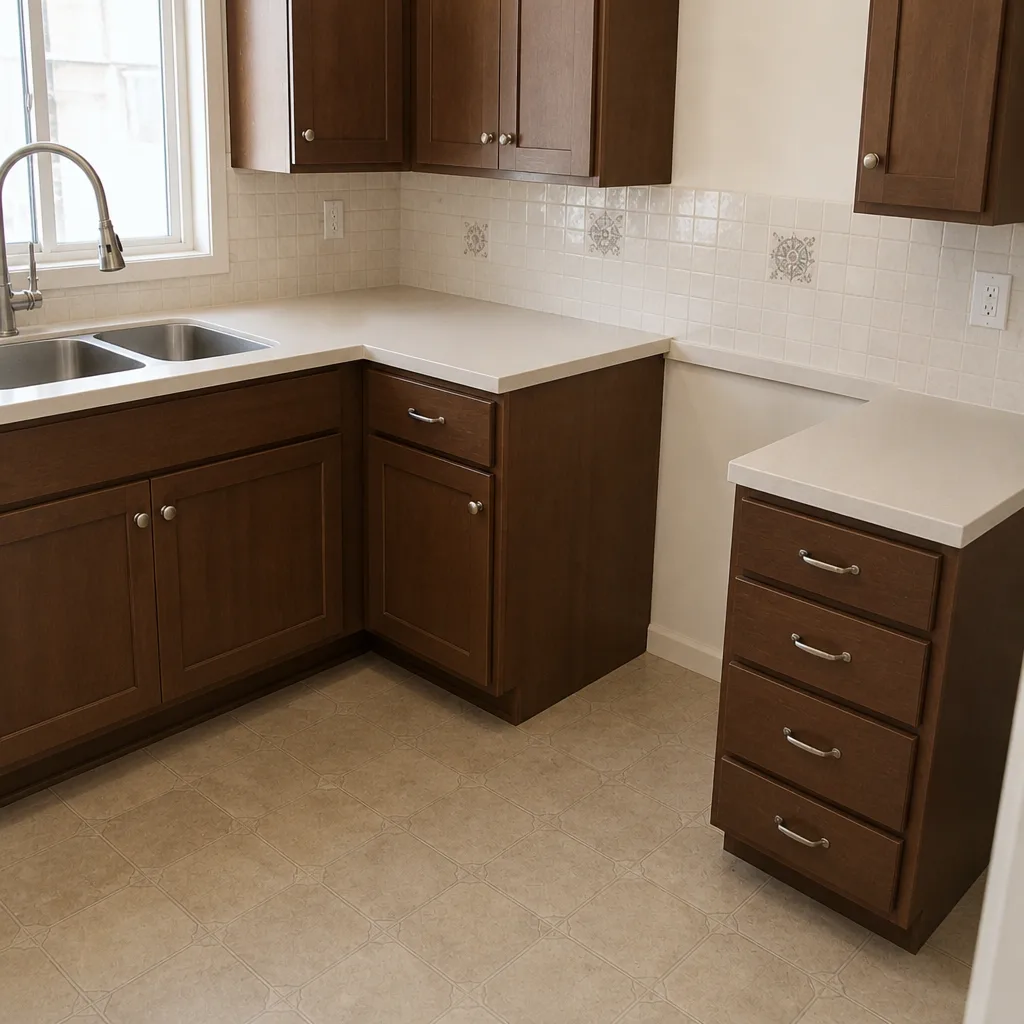 After
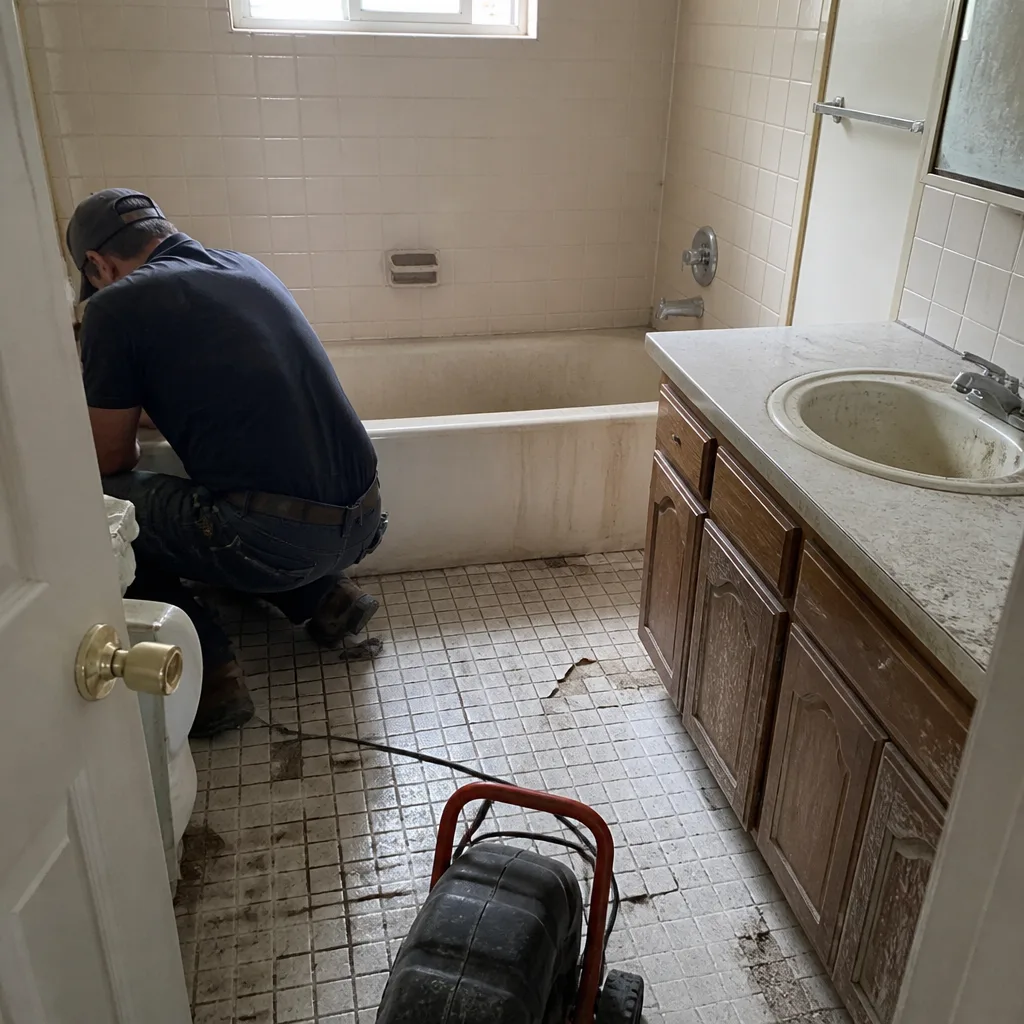 Before
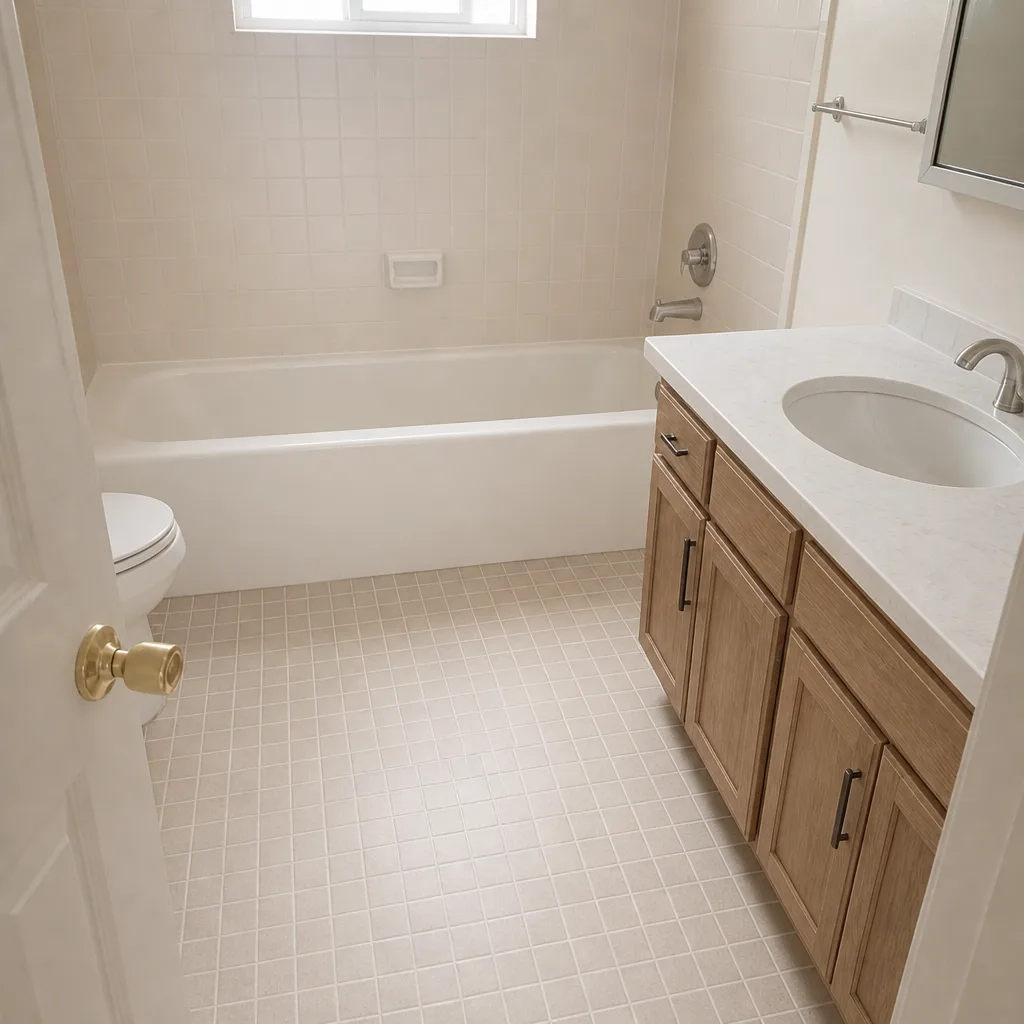 After
When to Call a Professional
Some projects are worth finishing yourself; most aren’t. Roofing, structural changes, electrical work, gas lines, and plumbing rough-in are the categories where the stakes climb fast – a flashing error or a swapped breaker will cost more to fix than it would have cost to do correctly. If a project that stalled on you now involves any of those systems, or if you’re starting fresh and the bids you’re getting don’t clear the scorecard above, that’s the moment to bring in a contractor with written guarantees and inspection accountability.
If the work already went wrong and you need a second opinion before restarting, a professional walkthrough will tell you what’s salvageable and what has to be redone. Groundwork Construction Co. of Vacaville offers free estimates in Vacaville – call (888) 276-8078.
Frequently Asked Questions
The biggest warning sign is a bid without a site visit. A contractor who quotes your project without walking the property, measuring, or checking existing conditions either doesn’t know what they’re pricing or is planning to recover the unknowns through change orders. Both outcomes hit your wallet. Call (888) 276-8078 for a bid based on an actual site visit – estimates are free.
Remediation on an abandoned or failed project in Vacaville typically runs 15 to 40 percent above the original contract value, depending on how far the work got before it stalled. A remodeled kitchen that was 70 percent complete but with unpermitted electrical or mismatched cabinets can cost more to finish than a fresh full-scope rebuild. Call (888) 276-8078 for a second-opinion walkthrough before you commit to a repair budget.
On a legitimate contract, the price shouldn’t change for anything the written scope anticipated. It should change only for documented, homeowner-approved change orders. If your contractor’s contract allows “adjustments” without a written change-order process, the price will move, and not in your direction. Call (888) 276-8078 for a fixed-line-item quote with no change orders for scope items – estimates are free.
Call the City of Vacaville building department and confirm the permit exists, matches the scope, and names the contractor of record. A permit number on a piece of paper is not proof – the building department’s own record is. Do this before work begins, not after. If you’re starting fresh and want a contractor who pulls permits and passes inspections, call (888) 276-8078.
Material substitution shows up as unfamiliar brands on delivery, unnamed “premium” items in the estimate, and allowance line items that grow after signing. Compare the invoice and box labels to the brand and model named in the contract. If the brand wasn’t named in the estimate, substitution was likely built in. Call (888) 276-8078 for a quote that names every brand and model in writing – estimates are free.
A workmanship warranty should outlast the material warranty’s installation clause, which for roofing and remodels is usually measured in years, not months. Anything under two years is a red flag that the contractor isn’t confident in their own installation. Groundwork Construction Co. of Vacaville backs every project with the 730-Day Done Right Promise – if it’s not done right, we make it right. Call (888) 276-8078 to schedule a free estimate.
Abandonment happens everywhere, but the warning pattern is universal: response times degrade, invoices arrive ahead of milestones, and crew sizes shrink. Vacaville homeowners managing projects across multiple trades should watch this pattern closely, because a single disappearing contractor can leave two or three unfinished trades behind in the same home. Call (888) 276-8078 for a contractor with a live person answering the phone, 24 hours a day.
The Bottom Line
The construction warning signs that matter appear before the project goes wrong, not after. A bid without a site visit, a price 30 percent under the field, missing-permit paperwork, unnamed materials in an estimate, and a crew that shrinks week over week – those are the signals that put a homeowner in a bad position. Vacaville’s market is not short on contractors; it’s short on contractors who put specifics in writing and stand behind the work. Score the bids you receive against the ten-point checklist, ask the subcontracting question directly, and demand the make and model of every material. If the answers don’t come back clear and in writing, that’s the answer.
If you’re ready to start a project or you’re replacing a contractor who stalled out, call Groundwork Construction Co. of Vacaville at (888) 276-8078 for a free estimate. The number you see is the number you pay. Every project is backed by the 730-Day Done Right Promise – if it’s not done right, we make it right – and every technician on the job is background-checked and in uniform. We answer the phone with a live person 24/7, we pull the permits and pass the inspections, and we hand the paperwork to you at the final walkthrough. From foundation to finish line, built to last, backed in writing.
Written by the team at Groundwork Construction Co. of Vacaville.