
Last updated November 18, 2026







Free written scope consultation - allowances, timeline, and change-order rules on paper before a single trade is scheduled
Bathroom Remodeling Warning Signs Every Homeowner Should Know
A contractor who rushes past a soft subfloor to start tile work isn’t cutting corners on your remodel – they’re setting a trap you’ll fall into 18 months later. By then the crew is gone, the warranty conversation gets complicated, and the fix costs more than the shortcut saved. We’ve walked into enough Vacaville bathrooms after a failed first attempt to know the pattern repeats almost exactly: the same skipped steps, the same vague bids, the same “we’ll handle the permits later.” This guide separates the warning signs you’ll see before you hire anyone from the ones that show up mid-project and the quiet ones that appear in the first 90 days after the punch list is signed. Read it before you sign a contract, and keep it nearby while the work is happening.
Quick Answer
The most serious bathroom remodeling warning signs are vague written scopes, cash-only deposits, a contractor with no permit history, skipped waterproofing before tile goes down, and any crew that won’t let you inspect the substrate and shower pan before covering them. Catching these early – before hiring or before the next phase starts – is what separates a remodel that lasts decades from one that leaks into your ceiling within two years.
Styles & brands we work with
- Kitchen remodeling
- Bathroom remodeling
- Home additions & ADU
- Roofing
- Windows & doors
- Driveway & pavers
- Fence
Table of Contents
- Pre-Hire Warning Signs: What to Catch Before You Sign
- Mid-Project Warning Signs You Should Physically Check
- Waterproofing Red Flags Visible Before Tile Goes Down
- Permits, Code, and the Vacaville Paper Trail
- Post-Remodel Warning Signs in the First 90 Days
- Bait-and-Switch Pricing Patterns and How to Spot Them
- When to Walk Away vs. When to Push Back
- Frequently Asked Questions
Pre-Hire Warning Signs: What to Catch Before You Sign
The most expensive bathroom remodels we’ve been called in to rescue in Vacaville didn’t fail during construction. They failed at the bid stage, when the homeowner accepted a one-page estimate with a lump-sum number and no line items. By the time the crew started, there was no written scope to hold anyone to, and every “extra” became a change order with a markup attached.
Here’s what to watch for before you hand over a deposit:
- A one-page bid with no line items. A real bathroom scope breaks out demolition, rough plumbing, rough electrical, drywall, waterproofing, tile, fixtures, vanity, and paint. If the estimate is one number with “materials and labor included,” you have nothing to enforce.
- Cash-only or large cash deposits. California limits home improvement deposits to 10% of the contract price or $1,000, whichever is less, before work starts. A contractor asking for 30% or 50% up front in cash is either undercapitalized or setting up a bait-and-switch. Both are bad.
- No permit history. Ask for the permit number of the last bathroom they pulled in Solano County. If they can’t produce one, they don’t pull permits – which means every structural, plumbing, or electrical change in your bathroom is technically unpermitted work that will surface when you sell.
- “We don’t need a permit for that.” In Vacaville, a like-for-like fixture swap is generally permit-exempt, but moving a drain, adding a circuit, or relocating a wall is not. A contractor who shrugs at permits is telling you exactly how they operate.
- Pressure to sign today. Any discount that expires this afternoon is a sales tactic, not a pricing decision. Reputable contractors will still be there next week with the same number.
- No physical business address, no license number on the estimate. Look up the license number on the CSLB website yourself. It takes 30 seconds and saves six months of pain.
If two or more of these appear in the same conversation, you already know what the remodel will look like. The pre-hire phase is where you have the most leverage. Use it.
Mid-Project Warning Signs You Should Physically Check
Once work starts, don’t just trust the daily update text. Walk the job. We tell every Groundwork Construction Co. of Vacaville client the same thing: a bathroom remodel is the one project where a five-minute walkthrough in week one saves five figures in year three. Here’s what to look at with your own eyes.
- Verify the substrate before tile goes down. Cement board (or a bonded membrane) should cover every square inch of the wet area – floor, walls, shower surround. If you see green drywall in a shower, stop the job that day. Green board is moisture-resistant, not waterproof, and it has no business inside a shower enclosure.
- Confirm the shower pan has a pre-slope. Ask to see the mortar bed before the liner goes in. A flat pan under the liner traps water and grows mold in a year or two. This is invisible once tile is up, and it’s the single most common failure we see in Vacaville bathrooms built during the 2020-2022 rush.
- Watch for skipped plumbing inspections. In a permitted job, the rough plumbing gets inspected before drywall closes. If drywall went up before the inspector came, either the permit was never pulled or the inspection was skipped. Both are your problem later.
- Note who shows up. A crew that changes faces every three days is often a rotating set of subcontractors with no single point of accountability. You should know the name of the lead on your job and be able to reach them.
- Check the daily cleanup. A crew that leaves debris, screws, and packaging in your hallway on Tuesday will leave a sloppy caulk line on Friday. Cleanliness on the job is a leading indicator of detail work at the edges.
- Photograph every wall before it’s closed. Take dated photos of open walls showing plumbing and electrical routing. Contractors who resist having their rough-in photographed are telling you something.
None of these are micromanagement. They’re the questions a savvy homeowner is expected to ask, and a good contractor will answer them without flinching.
Waterproofing Red Flags Visible Before Tile Goes Down
Waterproofing is the phase of a bathroom remodel where one skipped step becomes $15,000 of dry rot four years later. The window to catch it is 24 to 48 hours long, because once tile covers the wall, nobody can see what’s underneath without tearing it out.
We’ve torn out enough failed showers in Vacaville – especially in homes built during the early-2000s housing boom, where builder-grade installations were fast-tracked – to know the visual cues on sight. Here’s what to look for during the waterproofing phase:
- No visible membrane or coating on the walls. Either a sheet membrane (like Schluter KERDI or a liquid-applied product like RedGard) should be visible before tile, or a full cement board installation with a waterproof barrier. Bare cement board alone is not waterproof; it’s only water-resistant and absorbs moisture.
- Untaped seams and inside corners. Every joint, corner, and screw hole needs to be treated with a waterproofing band or sealant. Tape with no thinset under it is decorative, not functional.
- Missing niche and curb coverage. Shower niches and the curb (the piece you step over to get in) are two of the highest-risk spots for leaks. Both need dedicated waterproofing, not just caulk.
- No flood test on a traditional pan liner. For a traditional mud-bed install with a liner, a 24-hour flood test is standard practice. Skipping it means the first real shower is the first real leak test.
- Weep holes blocked on the drain. Look at the shower drain before tile – the small channels in the drain collar must be open so water that reaches the liner can drain. If they’re clogged with thinset or debris, water has nowhere to go.
- No backer rod at wall transitions. The joint where shower walls meet the tub or shower pan should have a gap filled with backer rod and flexible sealant – not grout, which will crack along that seam.
Every one of these can be checked in under 15 minutes with a flashlight. It’s the highest-leverage inspection you’ll do during the entire project.
Permits, Code, and the Vacaville Paper Trail
Vacaville bathroom remodels that involve moving plumbing, adding electrical circuits, or altering the layout need a building permit from the City of Vacaville. Full stop. This isn’t a technicality – it’s the trail of accountability that saves you when something goes wrong. If your contractor tells you the job doesn’t need one, ask them to put that in writing. They won’t.
Here’s what a properly permitted bathroom remodel in Vacaville looks like on paper:
- A building permit pulled in the licensed contractor’s name, not yours. A contractor who asks you to “pull it as the homeowner” is shifting liability onto you.
- An inspection card posted at the job site with the phases scheduled: demolition, rough framing (if walls moved), rough plumbing, rough electrical, rough mechanical, insulation, drywall, tile, and final.
- An inspection signature on the rough plumbing phase before drywall goes up. This is the phase that catches the shower pan, the drain slope, and the supply line routing – all the things that fail invisibly.
- A final inspection signed off before the last check is paid. Don’t pay the final until the city signs the final. That’s the seal on the warranty.
One Vacaville-specific note: our clay-heavy soils and the seasonal swing from wet winter to dry summer put above-average stress on plumbing penetrations and shower pans in older homes, particularly in the older neighborhoods near downtown and the Browns Valley area. A properly permitted, inspected rough-in catches the issues those temperature and moisture cycles expose before they become a repair.
Post-Remodel Warning Signs in the First 90 Days
The 90 days after your punch list is signed is the most telling window in the whole remodel. Small issues that appear in that timeframe are almost always signs of a workmanship problem, not a settling-in issue. Here’s what to watch for and what to do:
- Recurring moisture at the shower corners or base. If you’re re-caulking the shower every six weeks, something is bleeding through the waterproofing. Call the contractor. A properly built shower needs caulk touch-ups maybe once every two years, not every few months.
- Soft spots or “flex” under floor tile. Stepping on a tile and feeling it give slightly means the thinset bond failed. On a properly prepped subfloor, floor tile should feel like concrete. This is a substrate problem that will spread.
- Loose or hollow-sounding wall tile. Tap gently with a plastic tool handle. A hollow ring means the tile didn’t adhere – typical of skipped back-buttering or thinset that dried out before the tile was placed.
- Paint or drywall cracking at the door frame or ceiling line. Minor hairline cracks in the first month are normal as materials cure. New cracks in month three, especially near a corner, suggest movement that shouldn’t be happening.
- Water staining under the vanity or along the tub edge. Any staining at all under a new vanity is a supply line or drain leak. Get it looked at immediately – water damage compounds fast.
- Mold or a persistent musty smell. Vacaville summers are dry, so a new musty smell in a finished bathroom is almost always a ventilation problem (exhaust fan sized too small or ducted into the attic instead of outside).
Every one of these is worth addressing in writing with your contractor inside the workmanship warranty window. The 730-Day Done Right Promise we offer exists precisely for this phase – if something isn’t right, we make it right. That’s the difference between a warranty that’s real and warranty fine print.
Bait-and-Switch Pricing Patterns and How to Spot Them
Most bathroom remodel horror stories start with a number that looked great on the bid. Then the add-ons hit, and the final invoice is 40% higher than the estimate. The pattern repeats because the initial bid was designed to win the job, not to cover it. Here are the bait-and-switch patterns to spot before you sign:
- The low-ball bid with an asterisk. A bathroom remodel in Vacaville for a mid-grade full gut typically lands in a defensible range when you look at line-by-line scope. A bid 30% below every other number isn’t a deal; it’s a placeholder that will grow. Ask what’s excluded in writing.
- “Tile allowance” scope creep. A bid that allows “$4/square foot for tile” falls apart the moment you pick something realistic. Ask for the allowance amount in the contract, and ask what happens if you go over.
- Change-order roulette. Vague scope + verbal “we’ll figure that out later” = change orders at 20-30% markup when the phase arrives. A written line-item scope with fixed pricing eliminates this.
- Unpriced “unforeseen conditions.” Some conditions (hidden rot, old plumbing behind a wall) are legitimately unforeseen. But the contract should have a written process for pricing them, not a blank check. Ask the contractor to state the markup on unforeseen work in the contract.
- Fixture markup that isn’t disclosed. Materials selection through a KraftMaid or Kohler lineup should show you a real number, not a “builder price” that quietly marks up 40% over retail.
- Financing rates hidden in the fine print. Real 0% financing for 18 months exists – but read the terms so you know what happens at month 19. Groundwork offers 0% for 18 months, and we write the terms down.
The fix to every one of these patterns is the same: a written, line-item scope with fixed pricing and a stated process for the genuinely unforeseen. When we quote a bathroom remodel, the number you see is the number you pay. The only changes that hit the invoice are ones you’ve signed off on in writing before the phase begins.
When to Walk Away vs. When to Push Back
Not every warning sign means firing your contractor. Some are corrections. Others are disqualifiers. The distinction matters, because stopping a job mid-stream is expensive and slow, and pushing through a real problem is worse. Here’s how we separate the two:
Walk away from these
- No permit and refusal to pull one. This is the most common walk-away trigger we see in Vacaville. Unpermitted structural, plumbing, or electrical work in a bathroom becomes your problem at resale, and your insurer’s problem if there’s a leak.
- Cash-only deposit requests above legal limits. California’s 10% / $1,000 rule exists for a reason. A contractor who won’t work within it is telling you who they are.
- Refusal to put the scope in writing. A held-out written scope is a red flag on day one. There’s no version of the next eight weeks where this works out.
- Skipped waterproofing that you’ve caught on site. If you see green drywall in a shower or a shower pan with no pre-slope, that’s not a “let me get the foreman” issue. That’s a stop-work issue. Every layer above it is now compromised.
Push back firmly but stay
- Cleanliness or daily cleanup issues. Worth a direct conversation, not a termination. Most crews respond within a day.
- Small scheduling slippage. Bathroom remodels run into supply lead times and inspection schedules. A two-day slip on the tile phase isn’t a fire-able offense. A two-week slip with no communication is.
- One skipped caulk line or one hairline crack at punch list. Normal. Fix it, don’t fire anyone.
- A fixture or material substitution you weren’t told about. Call it out the day you see it. A good contractor will swap it back without an argument.
The general rule: physical work that’s hidden and can’t be redone cheaply (waterproofing, rough-in, substrate) is a walk-away category. Surface details and scheduling are a push-back category. The difference is whether the problem can be fixed without tearing out finished work.
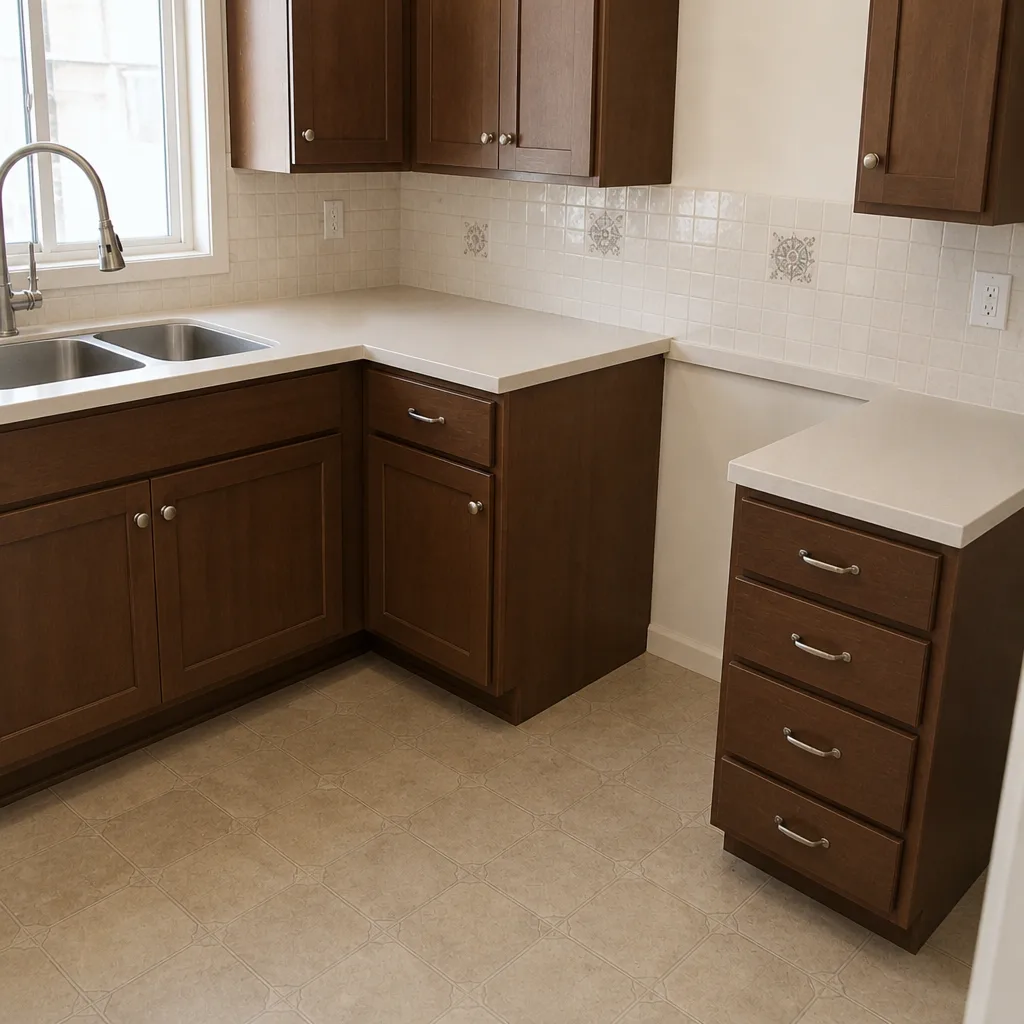
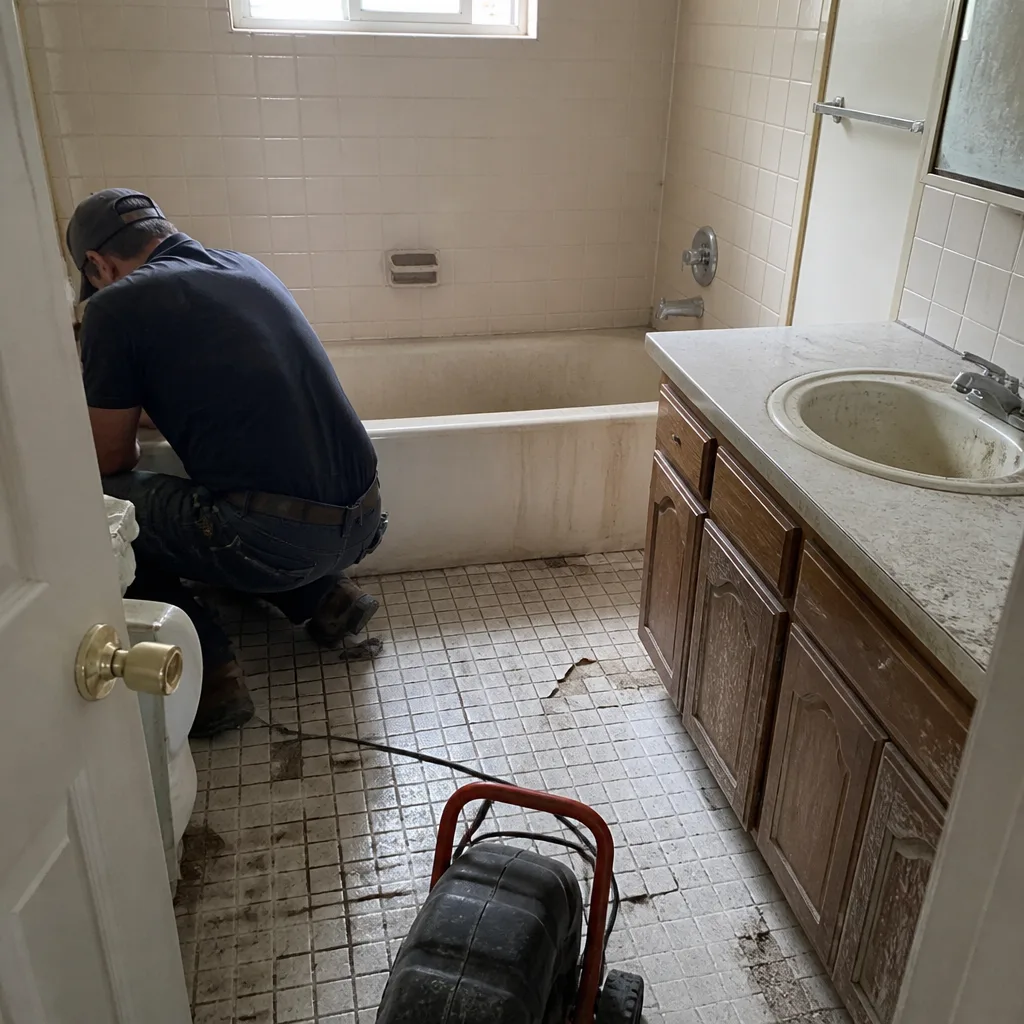
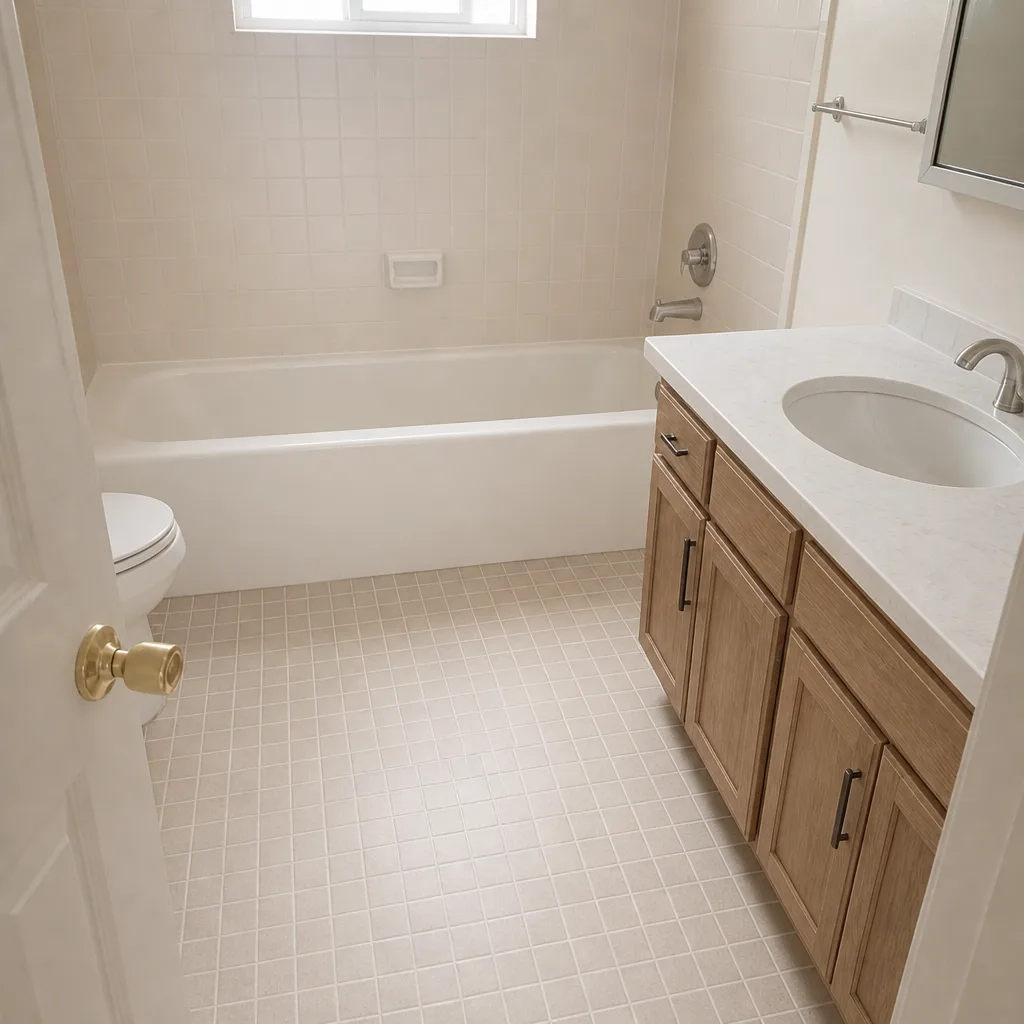
See the difference
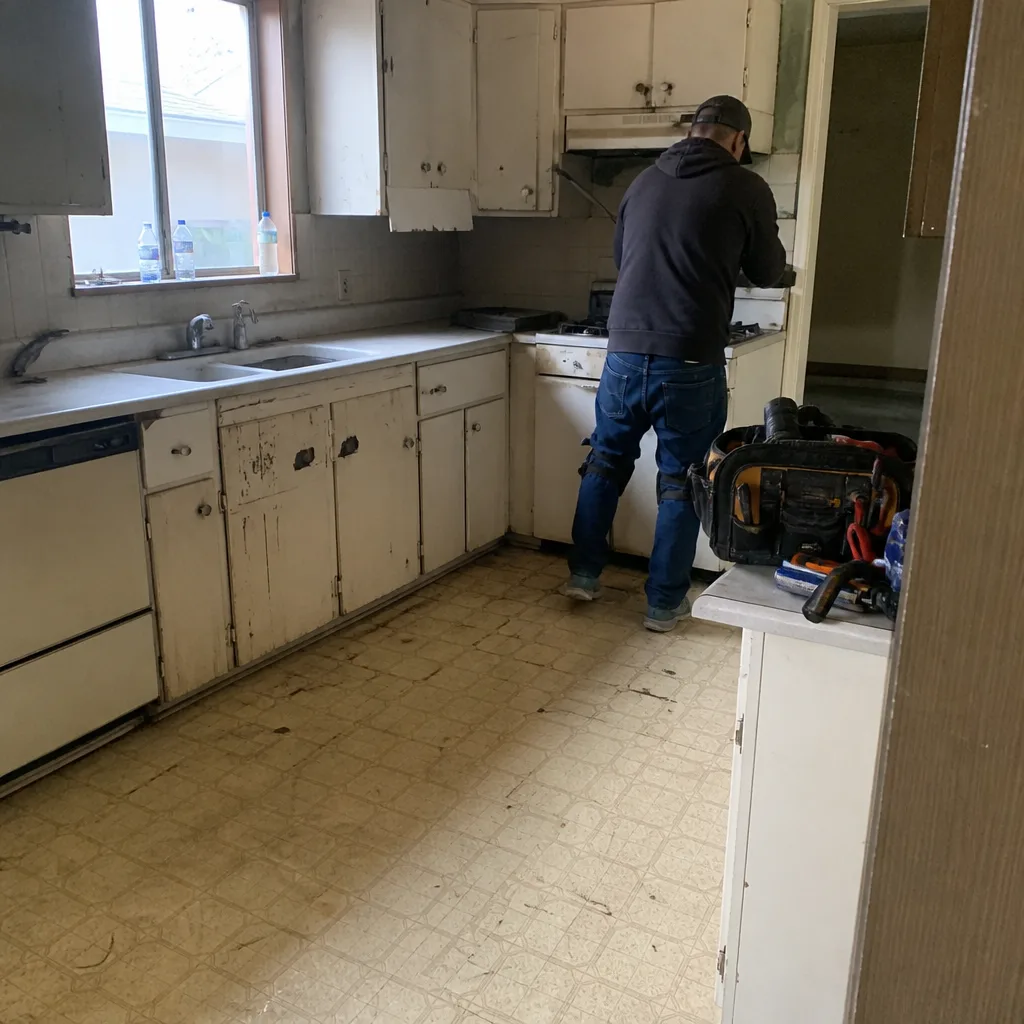 Before
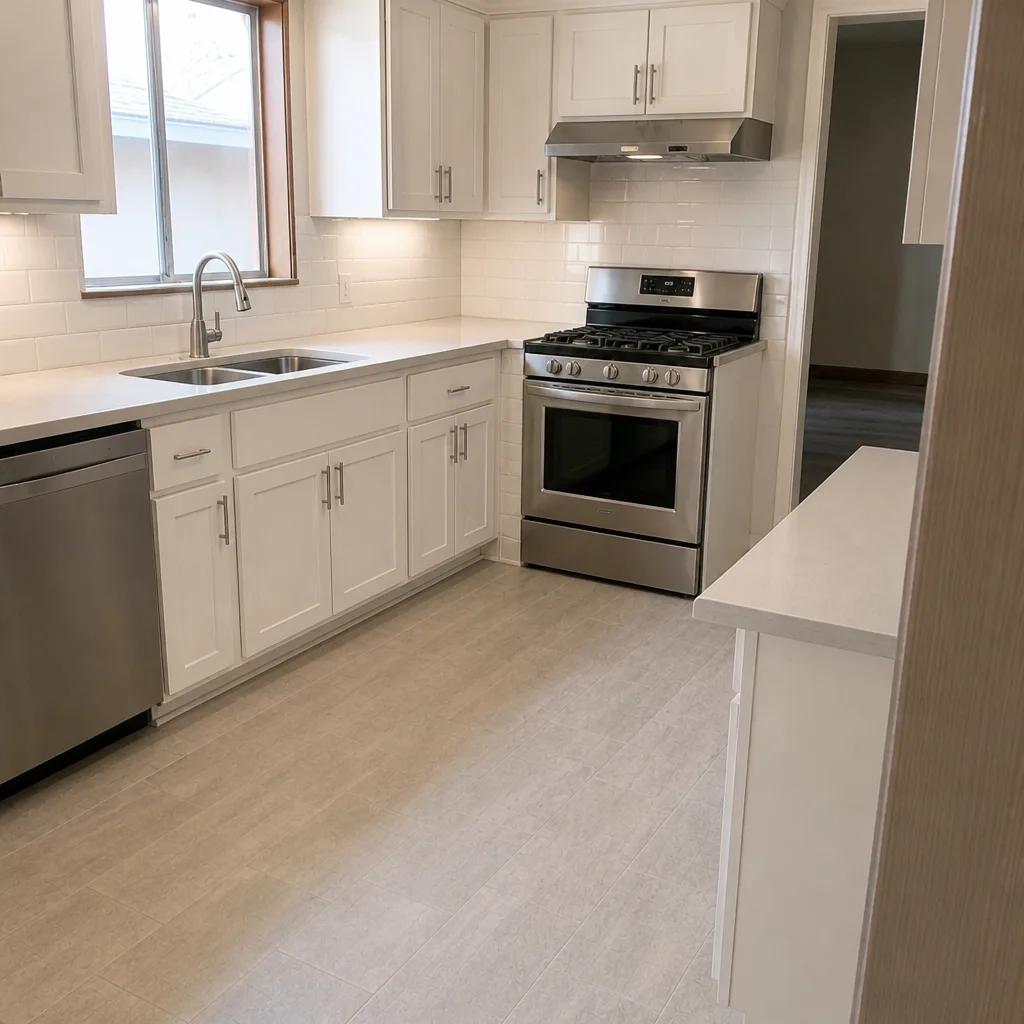 After
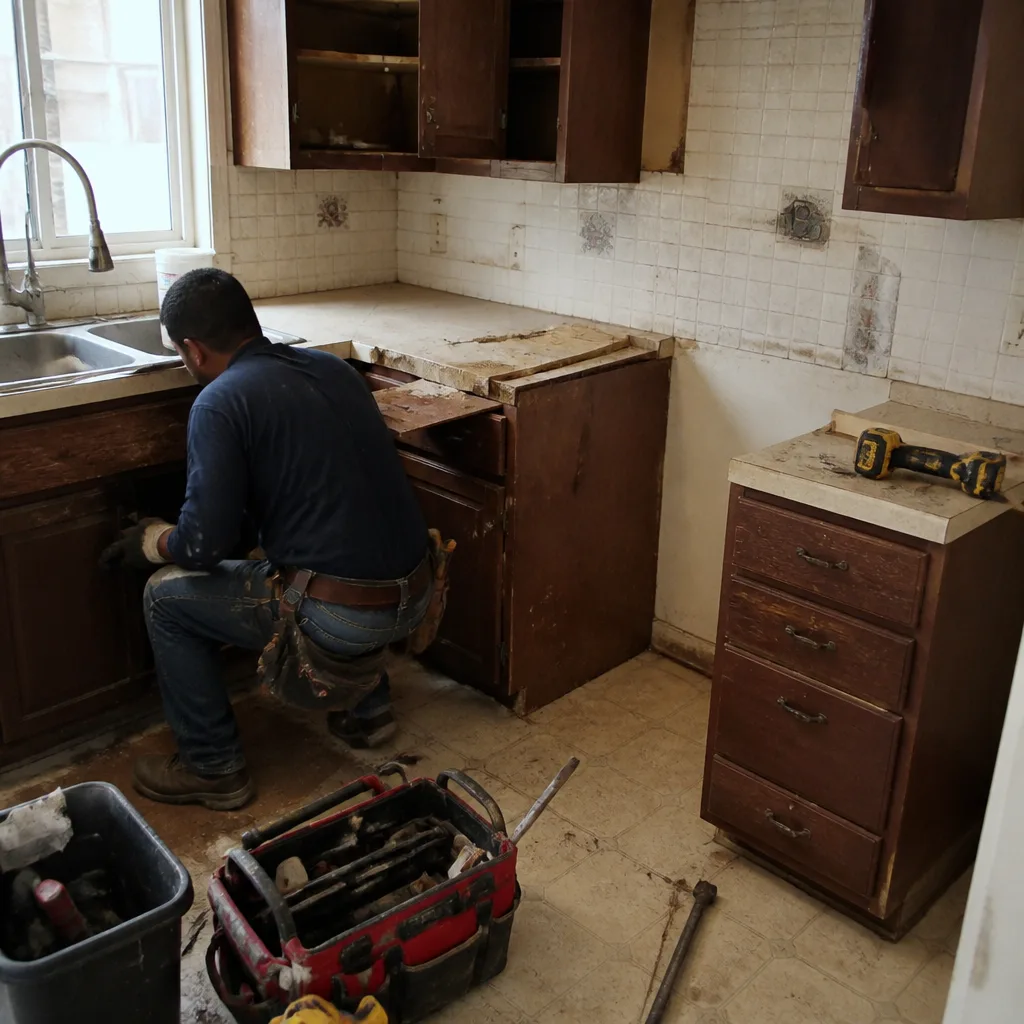 Before
 After
 Before
 After
Common Mistakes to Avoid
- Signing a one-page bid because the price felt right. The number was right for a scope that doesn’t exist. Vacaville has more than its share of homeowners who learned this lesson after the bathroom was half down and the change orders started.
- Covering the shower walls with tile before the waterproofing was inspected. You can’t inspect what you can’t see. Insist on a walkthrough before any tile goes up.
- Paying the final check before the final inspection. That last payment is your only leverage if something fails at punch list or in the first 90 days. Hold it until the city signs off.
- Accepting “we’ll pull the permit later” as a plan. Later never comes. Pull the permit before demolition, always.
- Skipping the pre-construction walkthrough with photos. Old homes near downtown Vacaville and in Browns Valley often have surprises behind the walls – knob-and-tube wiring, undersized drain lines, or previous DIY jobs. Photograph every wall before it closes.
- Not asking for the warranty terms in writing. “Lifetime warranty” is meaningless if the workmanship coverage is 90 days. Ask exactly which workmanship is covered and for how long.
- Assuming the cheapest line item bid wins. The bid that fits the scope, has fixed pricing, and offers a real workmanship warranty is almost never the lowest number on the page. That’s not a coincidence.
When to Call a Professional
If you’ve caught one of the walk-away warning signs – a contractor refusing to pull permits, a shower pan with no pre-slope, green drywall going into a wet area – the next step is not a YouTube video. It’s a licensed professional who can assess the current state of the job and tell you what can be saved and what can’t. Bathroom remodels sit at the intersection of plumbing, electrical, and waterproofing, and a mistake in any one of those trades compounds quickly. If you’re planning a bathroom remodel in Vacaville and want a written scope before you sign anything, or if you’ve inherited a job mid-stream and need a second opinion, Groundwork Construction Co. of Vacaville offers free estimates – call (888) 276-8078.
Frequently Asked Questions
The most common warning sign is a one-page lump-sum bid with no line items and no written scope. Without a written scope, every conversation about “what’s included” becomes a negotiation after the job has started, and change orders are how the final price grows. Ask for a line-item scope before you sign anything.
No. The licensed contractor performing the work should pull the permit in their name. A contractor asking you to pull the permit as the homeowner is shifting liability to you. In Vacaville, the permit and inspection record needs to be in the performing contractor’s name so the warranty and accountability trail is intact. Call (888) 276-8078 for a free estimate that includes a permit plan in writing.
The visual signs are green drywall in a wet area, bare cement board with no membrane, untaped seams and corners, a shower pan with no pre-slope, and blocked weep holes at the drain. All of these are visible before tile goes down, and invisible after. If any of them are present, stop the job before tile is set – that’s the only window to fix it without tearing out finished work.
Costs vary widely based on scope, fixture quality, and whether any plumbing or electrical is being relocated. A mid-grade full bathroom remodel in Vacaville runs higher than the national average because of permit costs, local inspection timelines, and the age of housing stock that often hides surprises behind walls. The right move is to get a written line-item estimate for your specific bathroom rather than anchor on a ballpark. Call (888) 276-8078 for an exact quote – estimates are free.
It shouldn’t. A written scope with fixed pricing means the only changes to your invoice are the ones you’ve signed off on in writing before the phase begins. Genuinely unforeseen conditions – rot behind a wall, old plumbing that fails inspection – get priced and approved in advance, never invoiced after the fact. Ask any contractor to put their markup on unforeseen work in the contract before you sign.
Watch for moisture at shower corners and the base, soft or “flexing” floor tile, hollow-sounding wall tile, new cracks near door frames or ceiling lines, water staining under the vanity, and any musty smell. Each of these in the first 90 days is a workmanship question, not a settling-in question – get it documented in writing with the contractor while the warranty is live. If the original contractor won’t respond, a second opinion from a licensed contractor is worth the call.
The Bottom Line
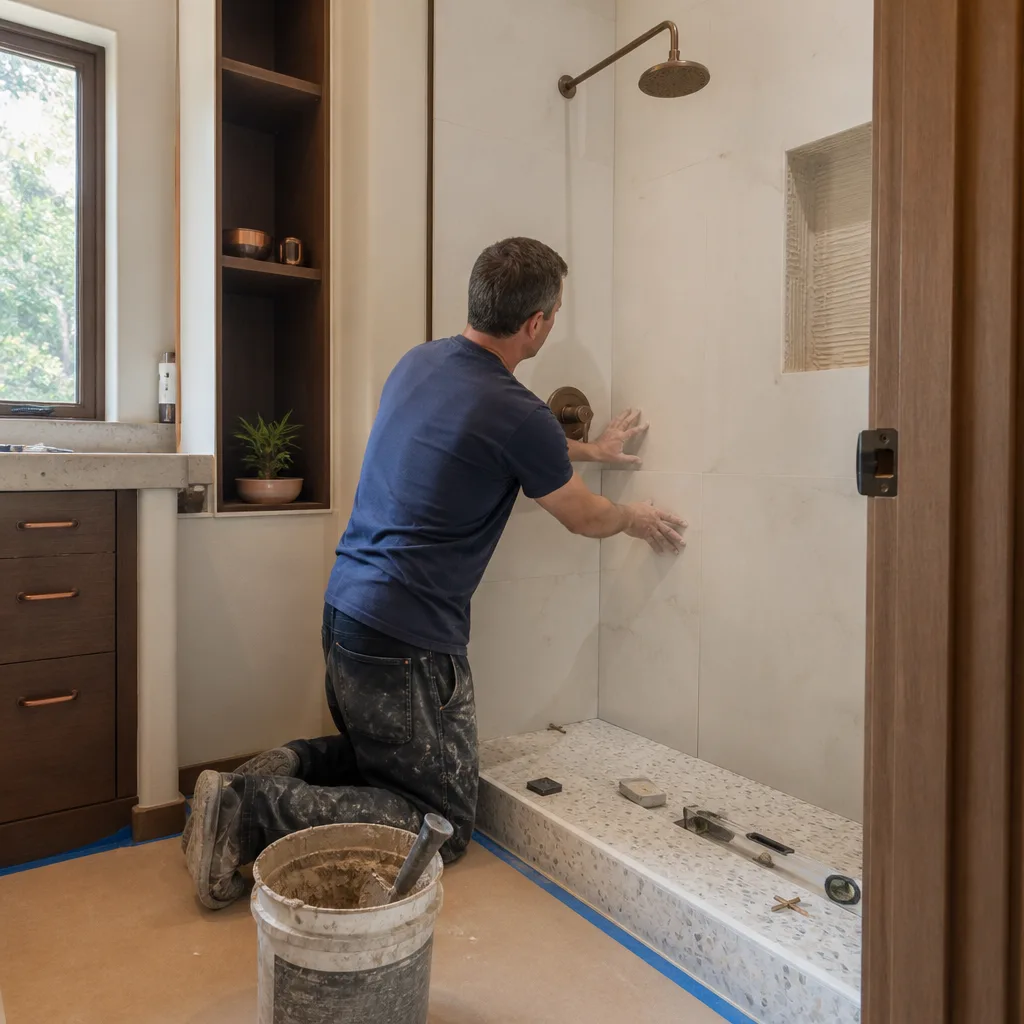
Bathroom remodeling warning signs fall into three phases: before you hire, during the work, and in the first 90 days after. The pre-hire signs – vague scope, cash deposits, no permit history – predict the entire remodel, and you have the most leverage to walk away at that stage. The mid-project signs – bare cement board, no pre-slope, skipped inspections – are your last cheap chance to fix a problem before tile hides it. The 90-day signs are the warranty conversation, and a contractor with a real workmanship guarantee will take that call without an argument. Catching any one of these early saves an order of magnitude more than it costs to look. When you’re ready to plan a bathroom remodel in Vacaville with a written scope and fixed pricing, call (888) 276-8078 for a free estimate. From foundation to finish line, we’re ready to help.
If you’re also planning other projects alongside your bathroom, our team handles Groundwork Construction Co. of Vacaville home services across the property, including fence installation in Vacaville, driveway & pavers in Vacaville, and home additions & ADU in Vacaville – all covered by the same 730-Day Done Right Promise.
Written by the team at Groundwork Construction Co. of Vacaville.