Free written scope consultation - allowances, timeline, and change-order rules on paper before a single trade is scheduled
Styles & brands we work with
- Kitchen remodeling
- Bathroom remodeling
- Home additions & ADU
- Roofing
- Windows & doors
- Driveway & pavers
- Fence
See the difference
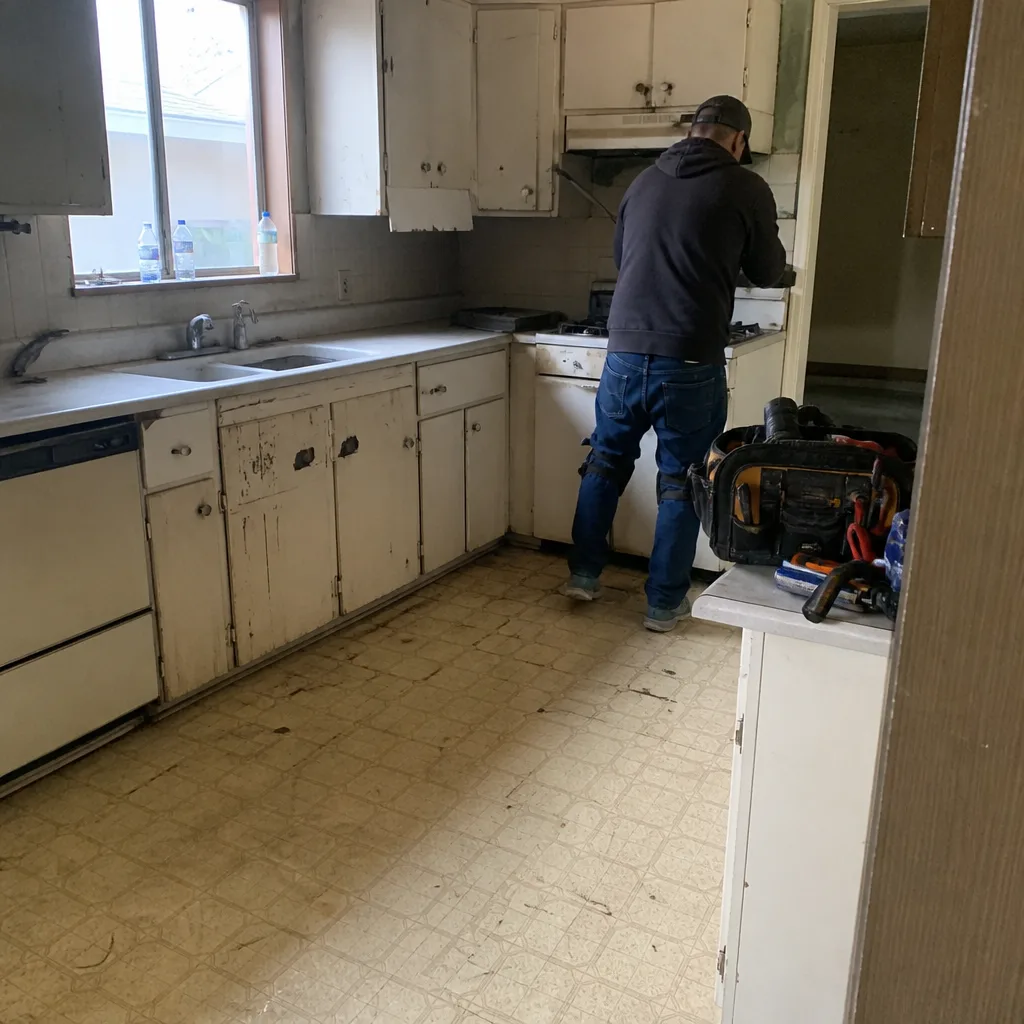 Before
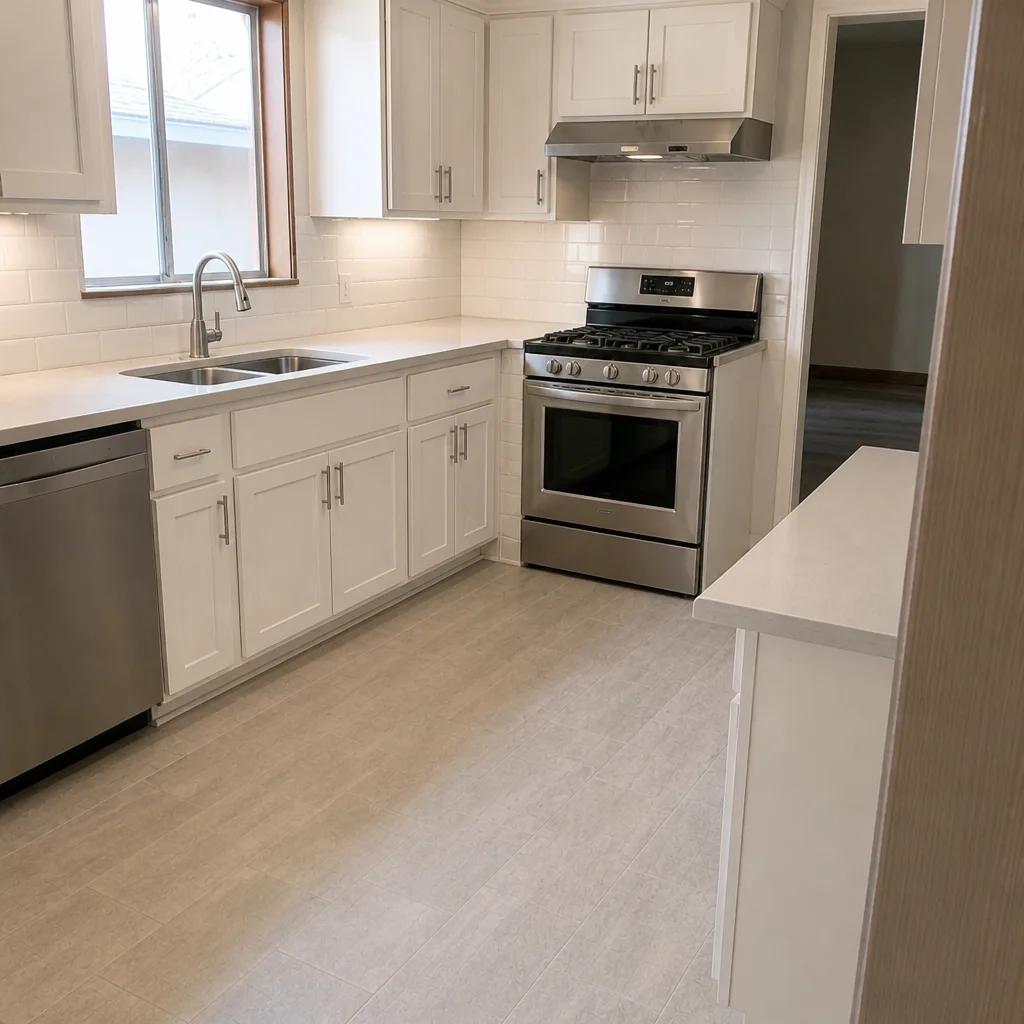 After
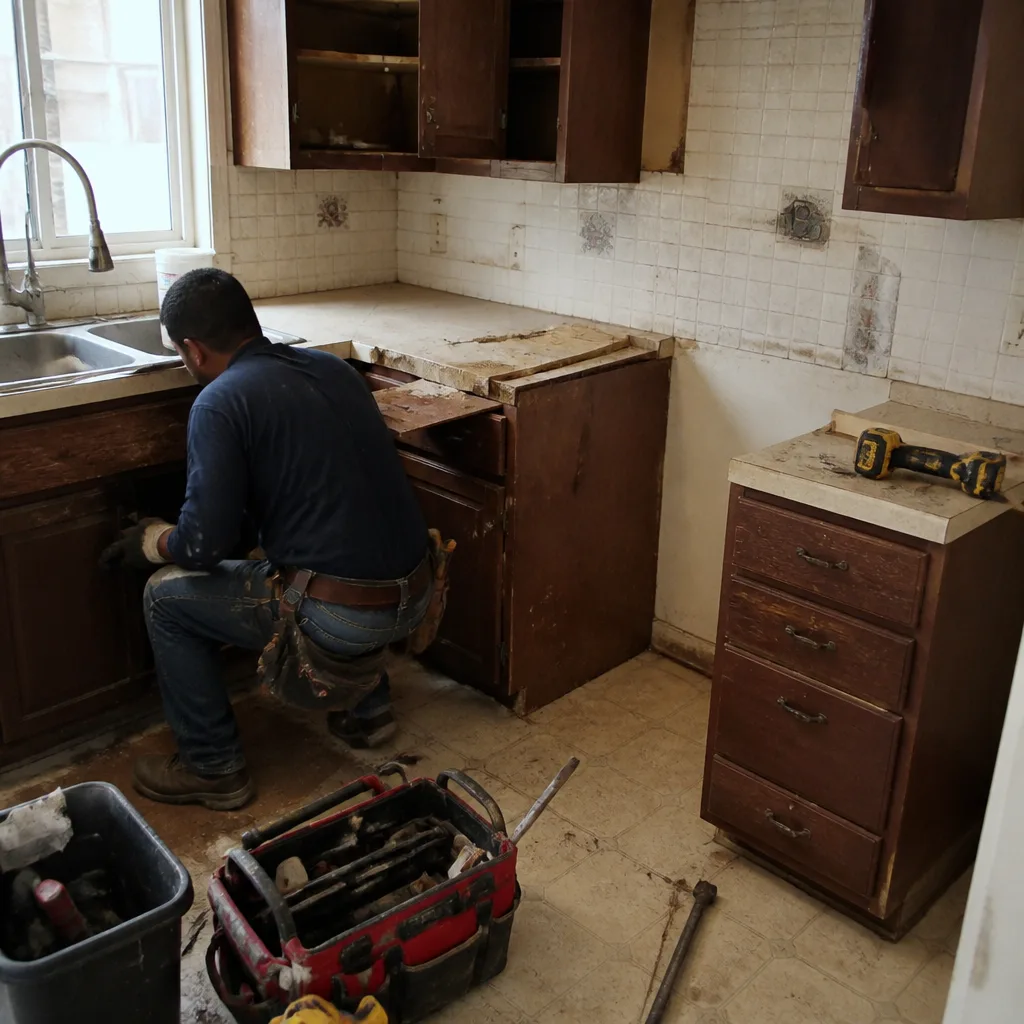 Before
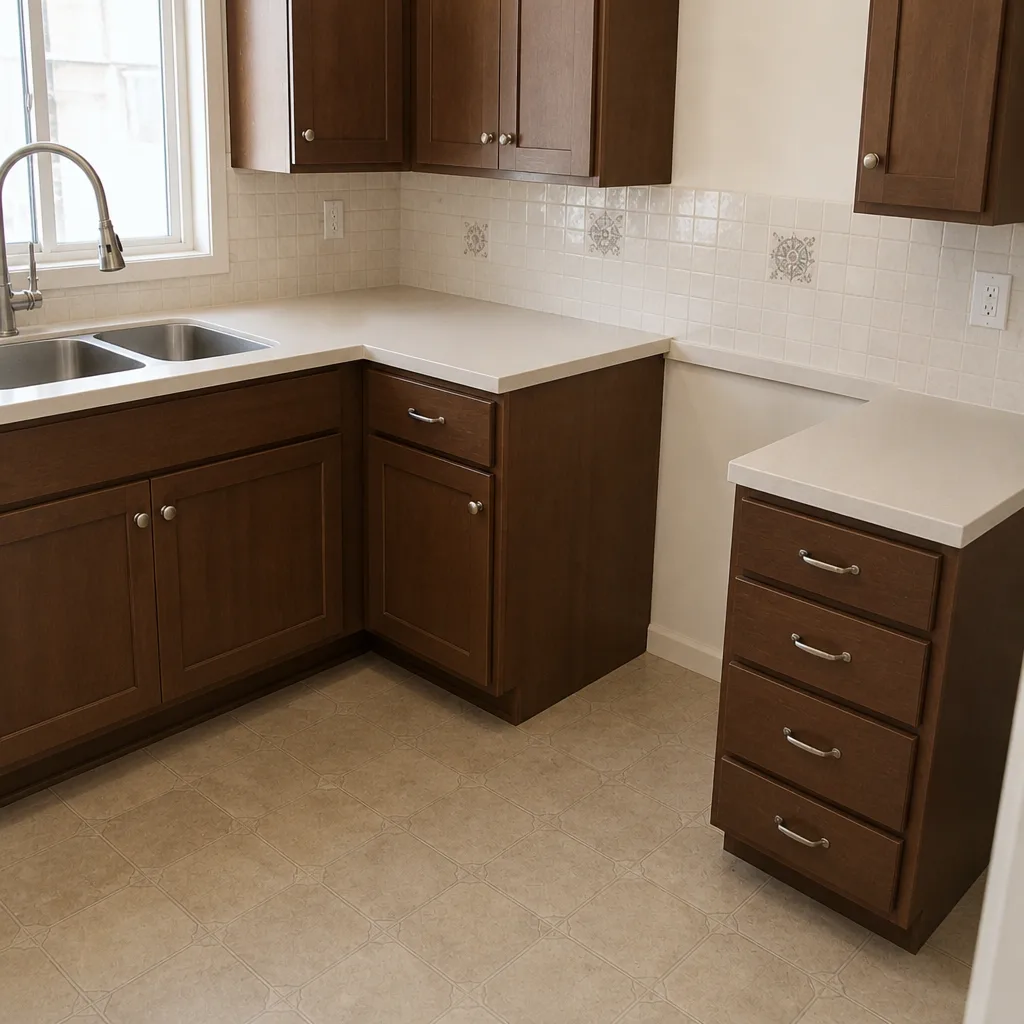 After
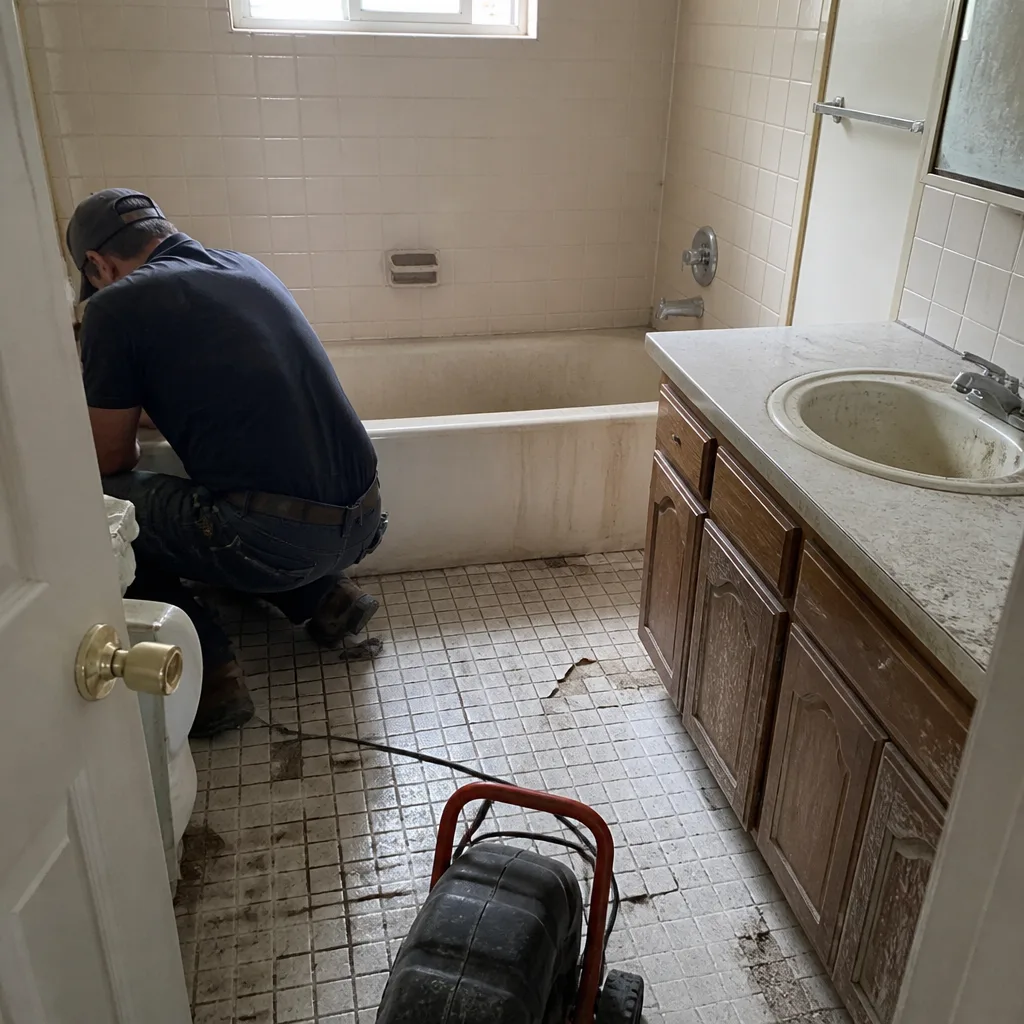 Before
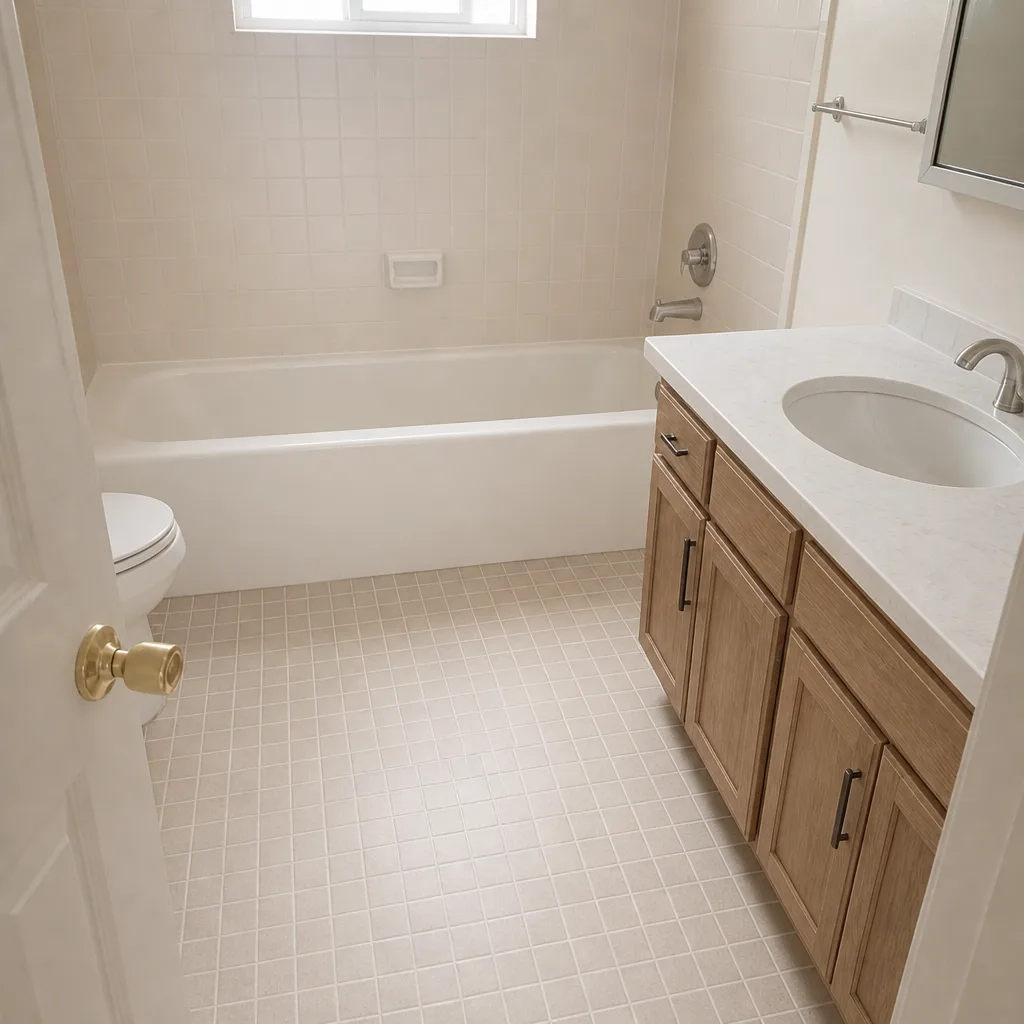 After
Vinyl vs Fiberglass Windows in Vacaville: Which Should You Choose?
Choose fiberglass unless your budget is tight and the windows sit in a shaded north-facing wall. For most Vacaville homeowners – especially anyone on the expansive clay soils of Browns Valley and Alamo Creek – fiberglass holds its seal and shape longer, and it’s the better 15-year investment. Vinyl is cheaper upfront and warms faster. The honest tradeoff comes down to how long you plan to stay and how much the ground under your house moves. For a straight answer on your specific home, call Groundwork Construction Co. of Vacaville at (888) 276-8078.
Vinyl is the right call in most of California. In Vacaville, where frames move with the slab twice a year and summer UV is intense enough to age standard vinyl within a decade, the gap between the two isn’t academic – it shows up in your window’s seal and your energy bill.
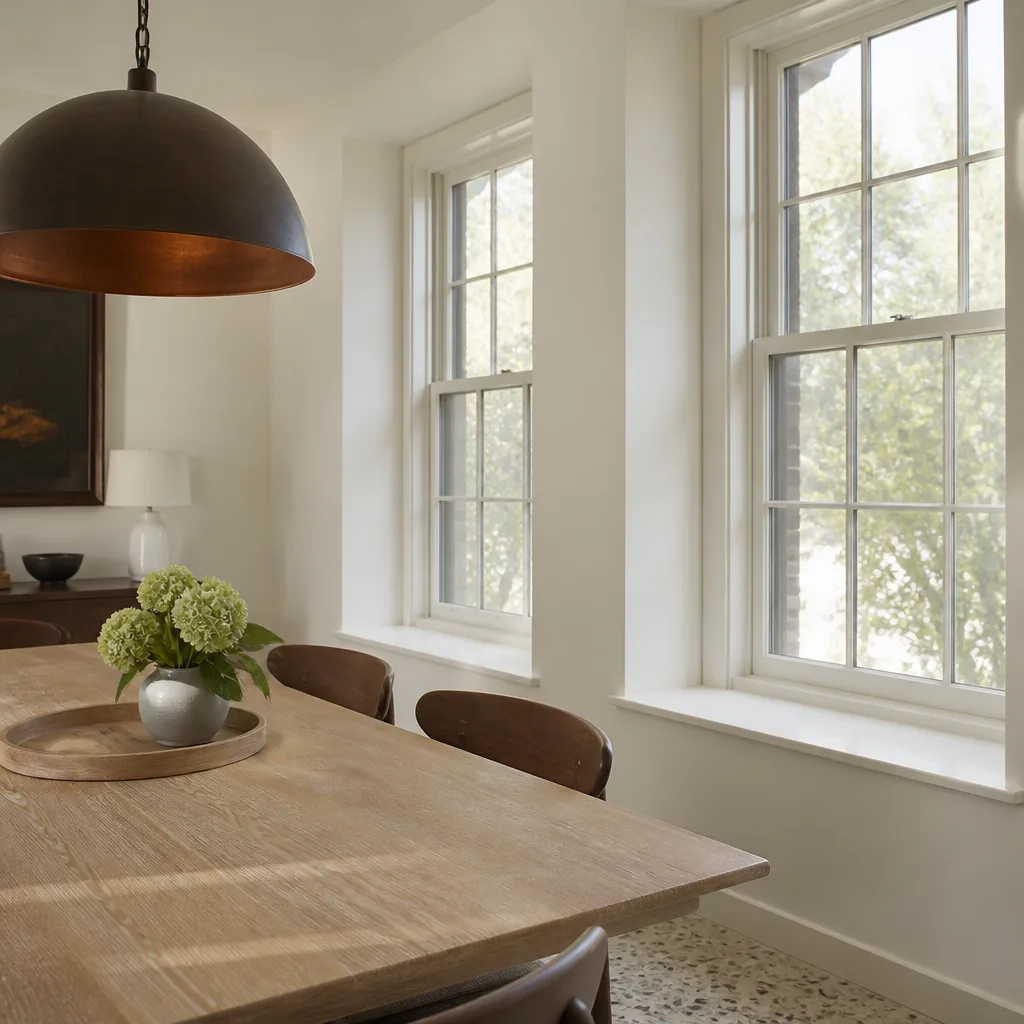
Why Vacaville Is a Harder Climate for Windows Than the Bay Area
Vacaville sits in a wind gap between the Coast Range and the Sacramento Valley. That geography gives you hot, dry summers with Delta breezes pushing through the gap, cool wet winters, and now regular wildfire smoke and red-flag warnings. It also sits on expansive clay. The older core and the Browns Valley and Alamo Creek areas are the worst for seasonal movement – cracked driveways and sticking doors every fall are the visible signs, and window frames feel the same force.
A whole-window frame has to absorb all of that: UV load, temperature swing, and slab movement that racks the opening. That’s the real test behind vinyl vs fiberglass, not the spec sheet color or the marketing.
How Do Vinyl and Fiberglass Actually Behave in Vacaville?
Here’s the part most comparisons skip. Vinyl’s thermal expansion coefficient runs roughly six times that of glass. Every hot afternoon and cool night, the frame grows and shrinks more than the sealed glass unit inside it. Over years, that mismatch pulls on the seal bonding the insulated glass unit (IGU). In a mild coastal climate, that’s manageable. In Vacaville’s temperature swings, the seal takes a harder beating, and once it fails you get fog and lost efficiency.
Fiberglass expands far less, so the stress on that IGU seal bond stays lower across the same swings. It also keeps its surface and paint bond longer. Vinyl in prolonged UV exposure chalks and turns brittle around the 15-to-20-year mark – and Vacaville’s smoke seasons are now adding UV-equivalent exposure on top of the direct summer sun.
- Thermal expansion: Vinyl moves far more with temperature; fiberglass stays closer to the glass.
- UV durability: Vinyl chalks and embrittles sooner; fiberglass holds its finish longer.
- Frame rigidity: Fiberglass resists clay-soil racking better, so windows stay operable.
- Upfront cost: Vinyl wins – typically 20-40% less than comparable fiberglass.
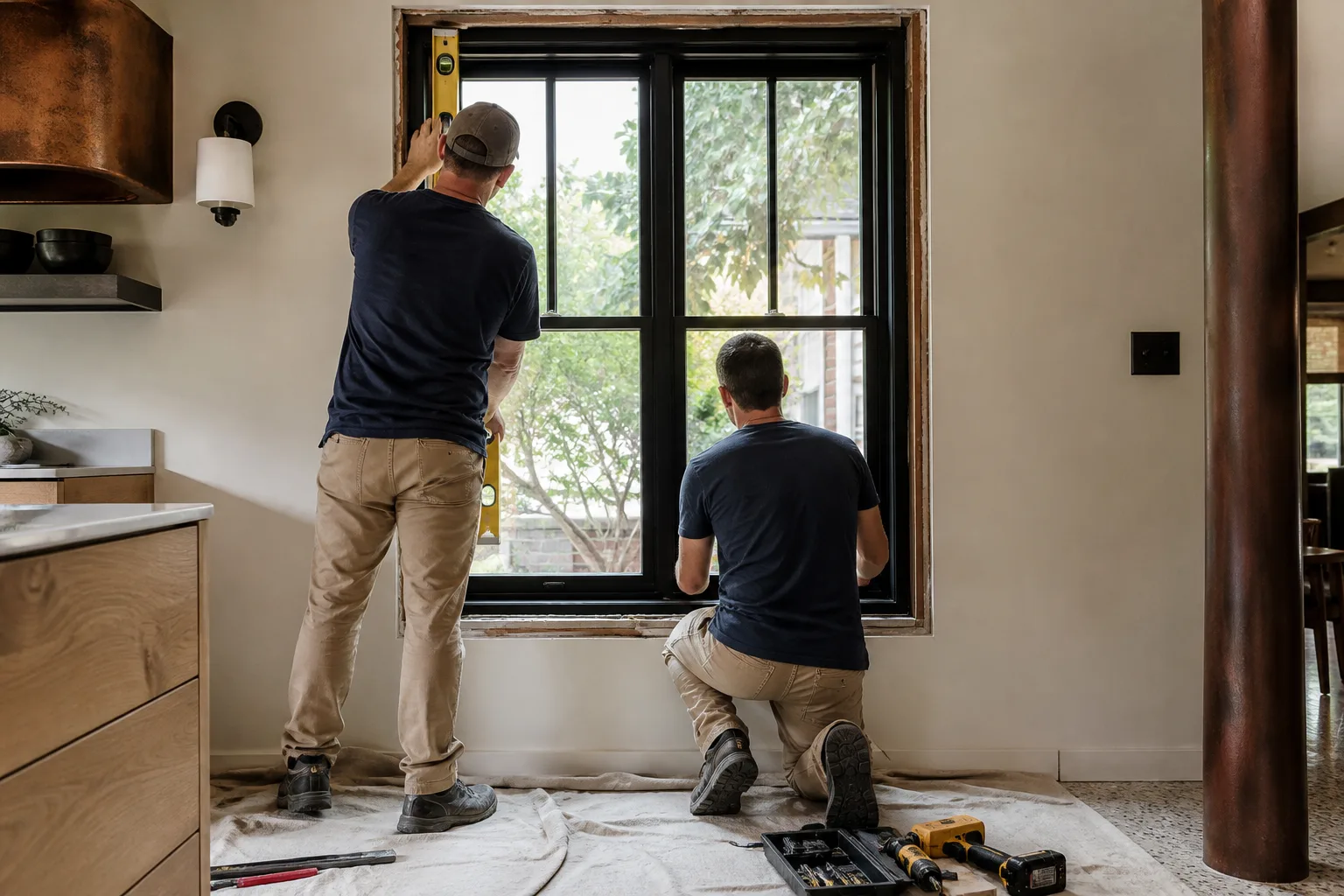
Which Material Meets Title 24 Better in Vacaville?
Both can meet the energy thresholds for this climate zone. The difference is how they get there. Fiberglass frames hit Title 24 performance with thinner profiles, which means more glass area per opening. In Vacaville’s ranch-style and 1990s tract homes, that matters. Picture windows facing the yard are common in those layouts, and a slimmer frame gives you noticeably more view for the same rough opening. Vinyl has to bulk up to reach the same numbers, which eats into the glass.
What’s the Real Cost Difference, and Where’s the Break-Even?
This is where we won’t hide the premium. Fiberglass units from lines like Marvin’s Integrity or Andersen’s 100 Series run 20-40% more than comparable vinyl. On a typical 10-window replacement in Vacaville, that’s a real check you’re writing. Here’s the math so you can decide with your eyes open:
| Item | Vinyl (typical) | Fiberglass (typical) |
|---|---|---|
| 10-window replacement | $4,500-$15,000 | Roughly 20-40% higher |
| Fogged-seal replacement risk | Higher after ~10-15 yrs | Lower; seal stress reduced |
| Repaint / refinish | Sooner in UV | Holds finish longer |
The break-even math usually tips toward fiberglass when you’re staying past year 12 to 15 and facing a second round of work on vinyl seals or replacement. If you’re selling in five years, vinyl does its job and the savings stay in your pocket. Either way, our Windows & Doors team can price both against your actual openings.
What Should You Look for in a Window Contractor Here?
A contractor who sells one product because that’s what one distributor carries will always recommend that product. That’s not a knock on the material – it’s a reason to ask what else they carry. Groundwork’s portfolio includes both Andersen and Marvin lines across vinyl and fiberglass, plus impact-rated options for the WUI zones near the hills. That range is the advantage of a curated multi-brand approach: you compare, you don’t get steered. Impact windows, for instance, run $8,000-$25,000 depending on count and rating, and standard replacement lands at $4,500-$15,000.
What to look for, in order:
- A contractor who’ll quote both materials and explain the gap in writing.
- Accurate climate-zone Title 24 compliance, not a generic U-factor.
- Proper flashing and installation sequencing – the best unit fails with a bad install.
- A written workmanship guarantee. Ours is the 730-Day Done Right Promise: if it’s not done right, we make it right.
- Upfront pricing, no surprises – the number you see is the number you pay.
Every Groundwork project runs on background-checked, uniformed technicians, and our technicians bring up to 12 years of experience to the install. Calls are answered by a live person, 24/7. You can see how we work across the Vacaville service area, and every project is covered from foundation to finish line.
Frequently Asked Questions
For a homeowner staying 12-15 years on Vacaville’s clay soils, yes – fiberglass resists racking and UV aging longer and cuts the risk of an early IGU seal failure. If you’re selling in five years or the windows sit in heavy shade, vinyl’s lower upfront cost often makes more sense. Call (888) 276-8078 for a free side-by-side quote.
Standard window replacement runs $4,500-$15,000 for a typical Vacaville home, with fiberglass units landing 20-40% above comparable vinyl. Impact-rated windows for WUI zones run $8,000-$25,000. Call (888) 276-8078 for an exact figure – estimates and design consults are free.
Yes – our portfolio spans both, including Andersen and Marvin lines, plus brands like GAF for the related roofing and flashing work. That means you compare materials on equal footing instead of hearing only what one distributor stocks. Your specific options get priced at your free consultation.
Yes, and we plan around it – wet-season installs are sequenced to protect the opening and account for clay-soil drainage around the frame. We time exterior work to the forecast so a warm, dry install doesn’t get rushed. Call (888) 276-8078 to schedule around the weather.
Ready to Decide on Your Windows?
Choosing between vinyl and fiberglass shouldn’t mean guessing. If you’d rather have it looked at, Groundwork Construction Co. of Vacaville offers a no-pressure assessment in Vacaville – we’ll quote both materials and show you the break-even in black and white. Call (888) 276-8078 for a free estimate.
Written by the team at Groundwork Construction Co. of Vacaville, serving Vacaville, CA.