



Free written scope consultation - allowances, timeline, and change-order rules on paper before a single trade is scheduled
Styles & brands we work with
- Kitchen remodeling
- Bathroom remodeling
- Home additions & ADU
- Roofing
- Windows & doors
- Driveway & pavers
- Fence
See the difference
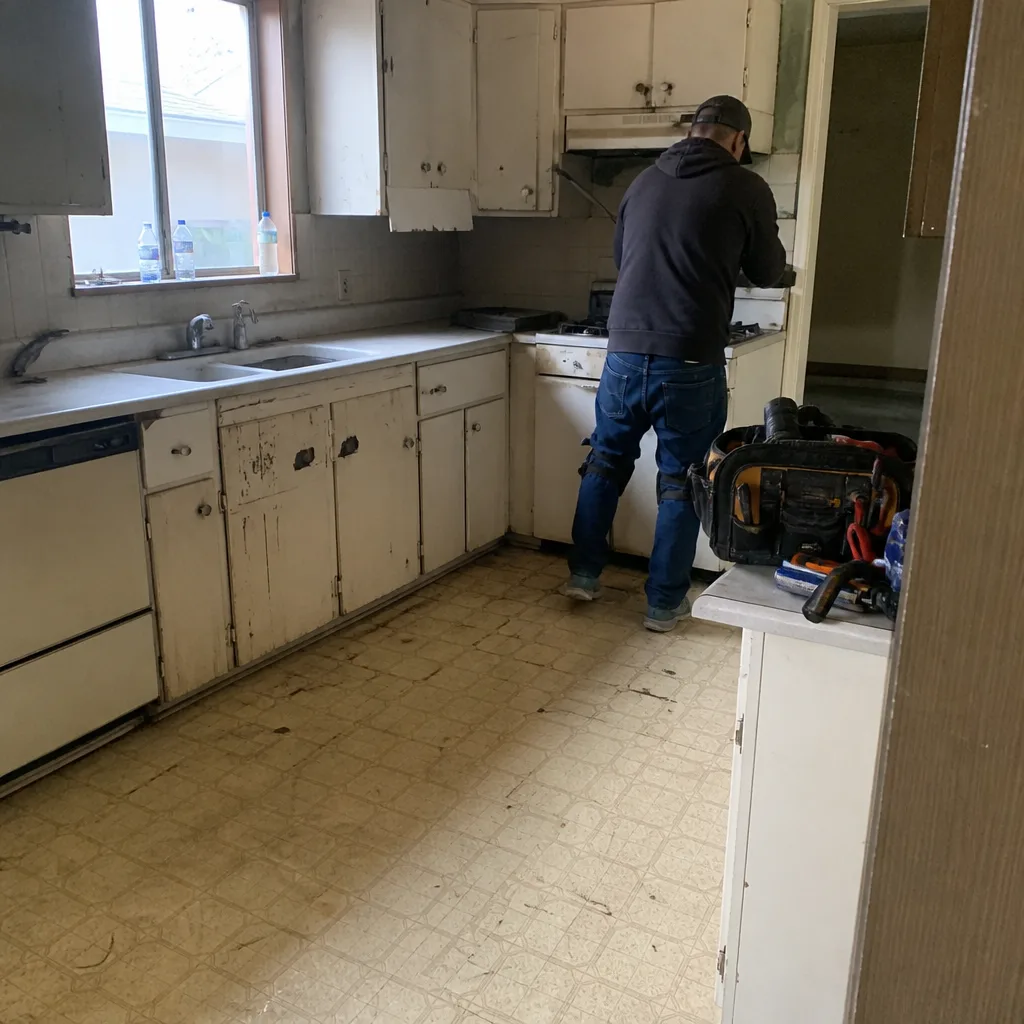 Before
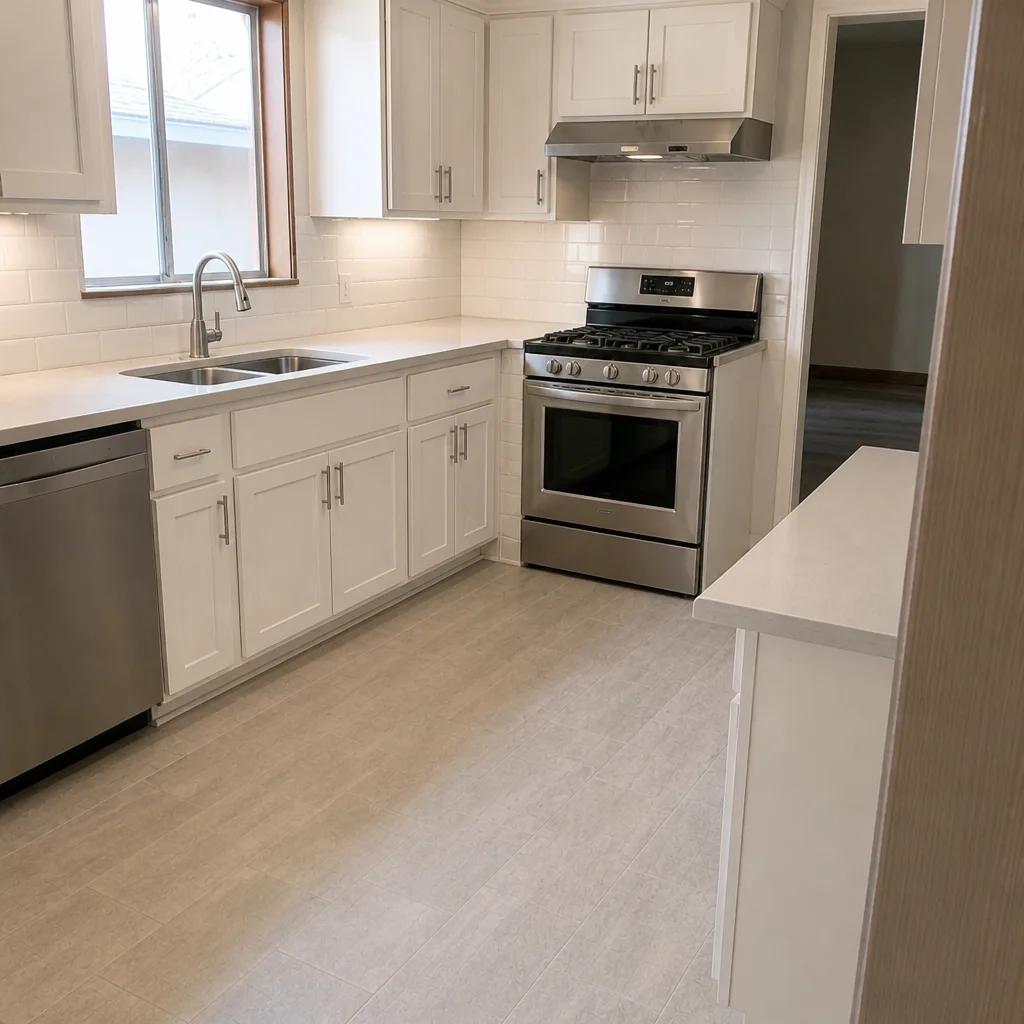 After
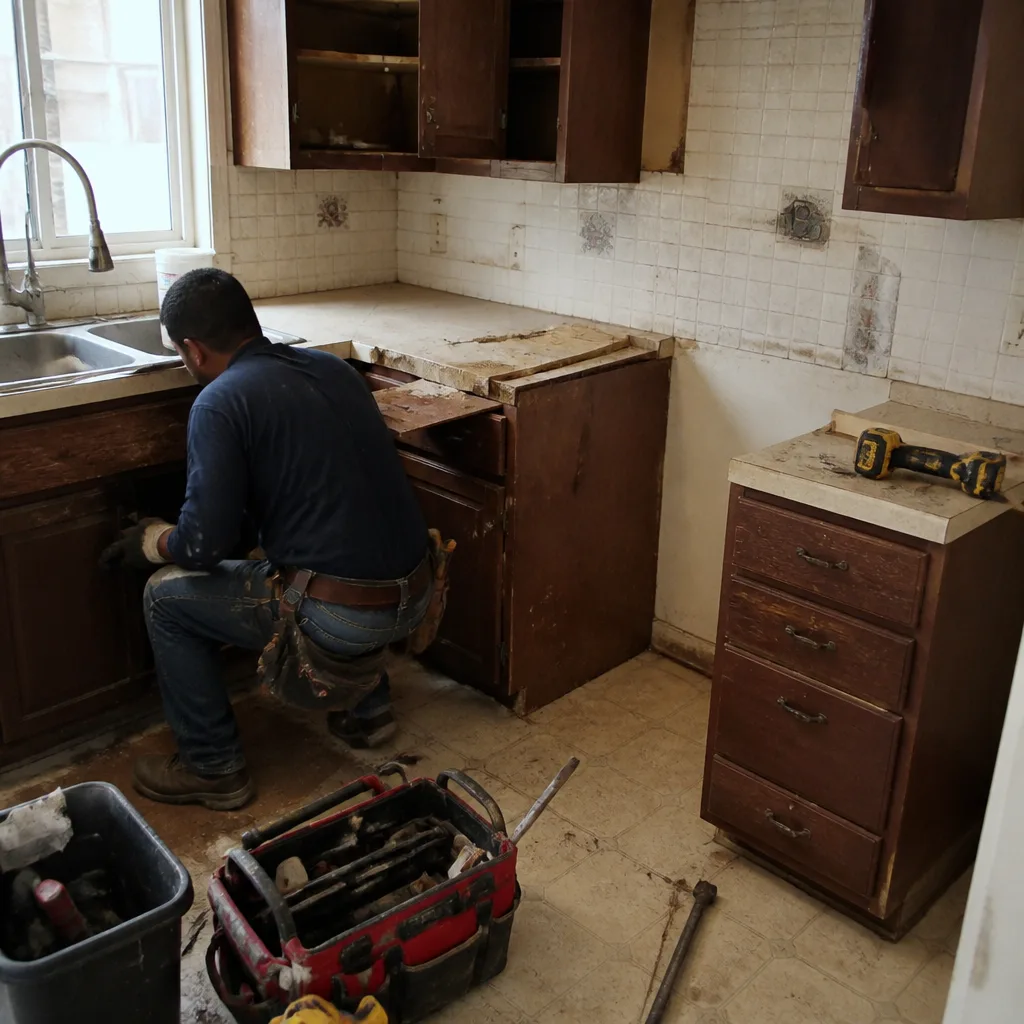 Before
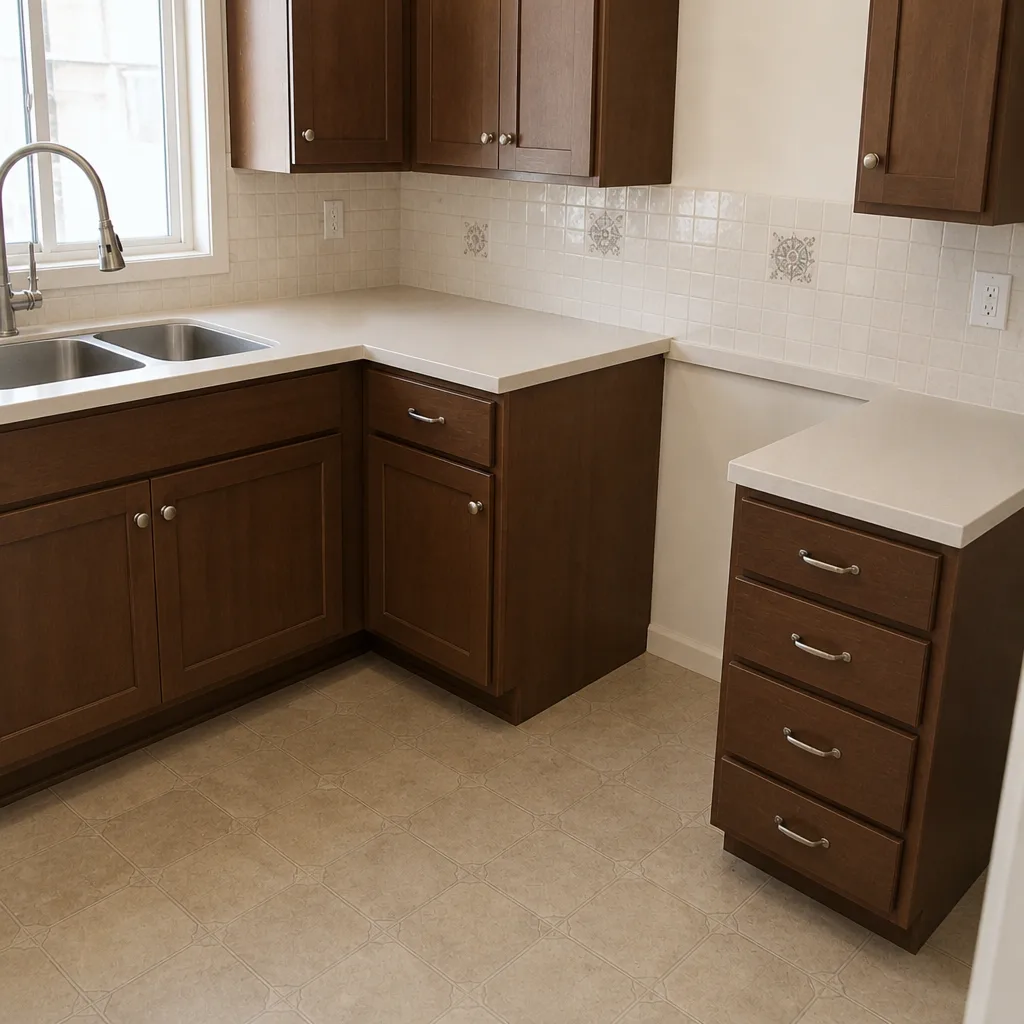 After
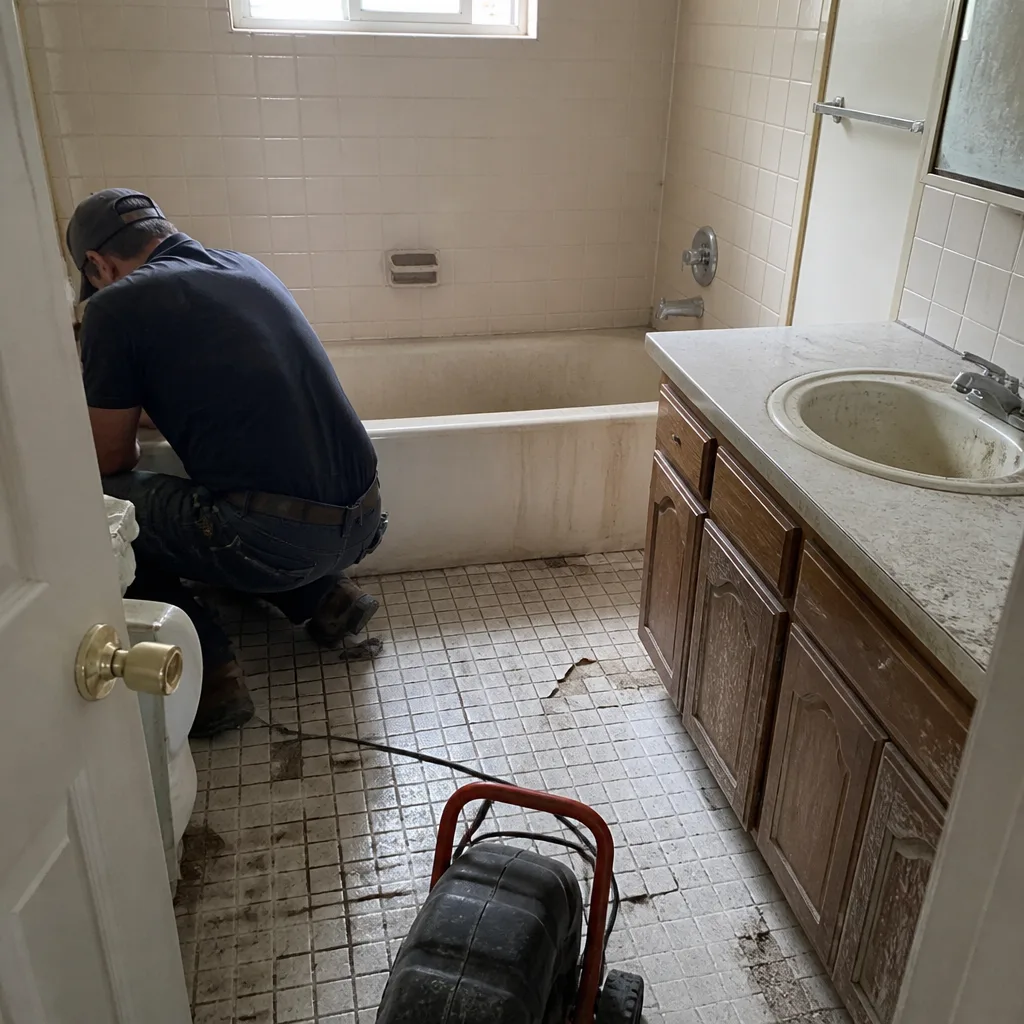 Before
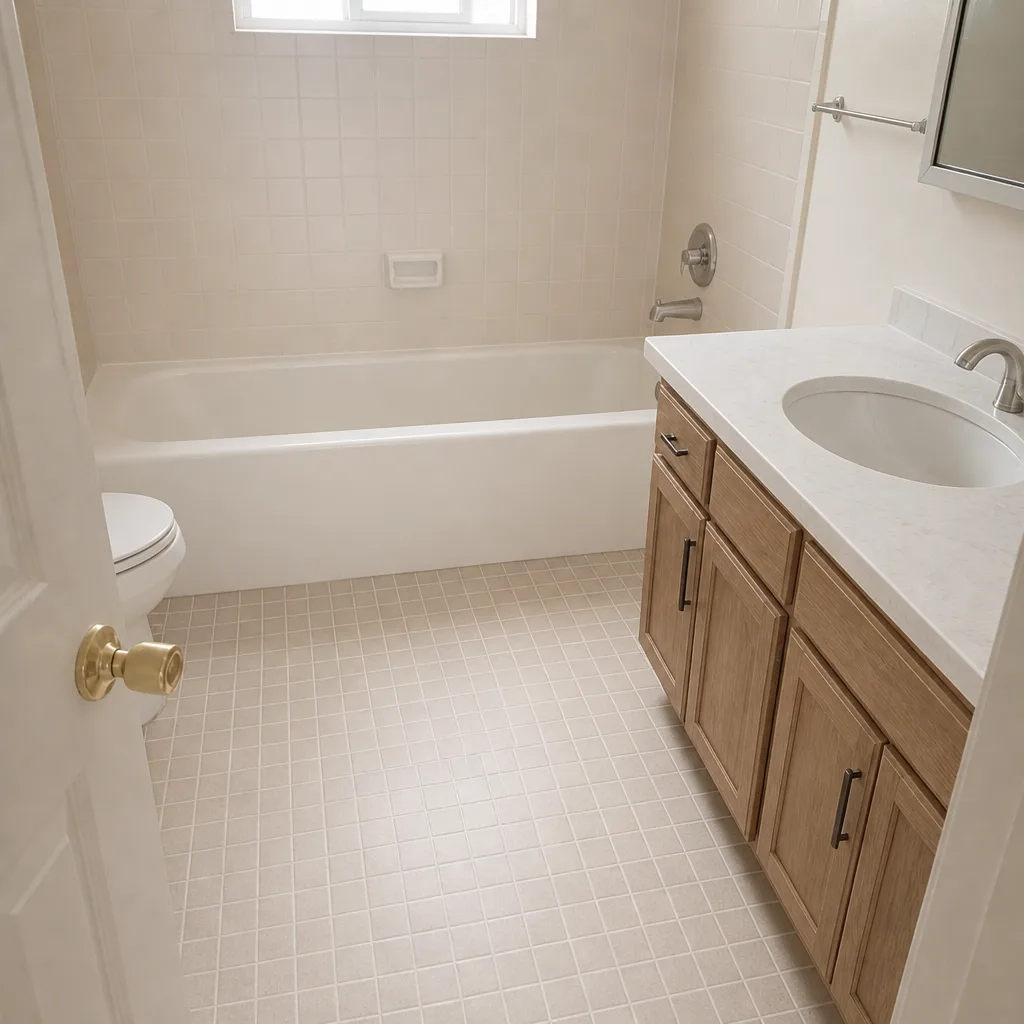 After
How to Repair a Chain-Link Fence in Vacaville, CA (and When Patching Is a Waste of Money)
Most chain-link repairs come down to four jobs: patching torn mesh with matching-gauge wire, re-threading a slipped tension wire, re-seating a bent top rail with new rail clamps, or replacing fittings that have seized or corroded. Do those and a sound fence can last many more years. But if the fence in your Vacaville yard is sagging at the bottom rail, the mesh usually isn’t the real problem; the posts and fittings have corroded from the outside in, and here’s how to tell whether you’re patching or replacing. Call (888) 276-8078 if you’d rather have it diagnosed before you spend a dollar on materials.
Key Takeaways
- Patch mesh, tension wire and bent rails yourself; replace any post that flexes more than 1 inch under hand pressure.
- Vacaville’s alkaline clay holds moisture against post bases for months, and the zinc coating gives up first at the soil line.
- Mixing aluminum fittings with steel posts causes galvanic corrosion, which is why replacement parts must match the existing metal.
- A full chain-link replacement with posts, rails and mesh typically runs $3,500-$9,000 in Vacaville.
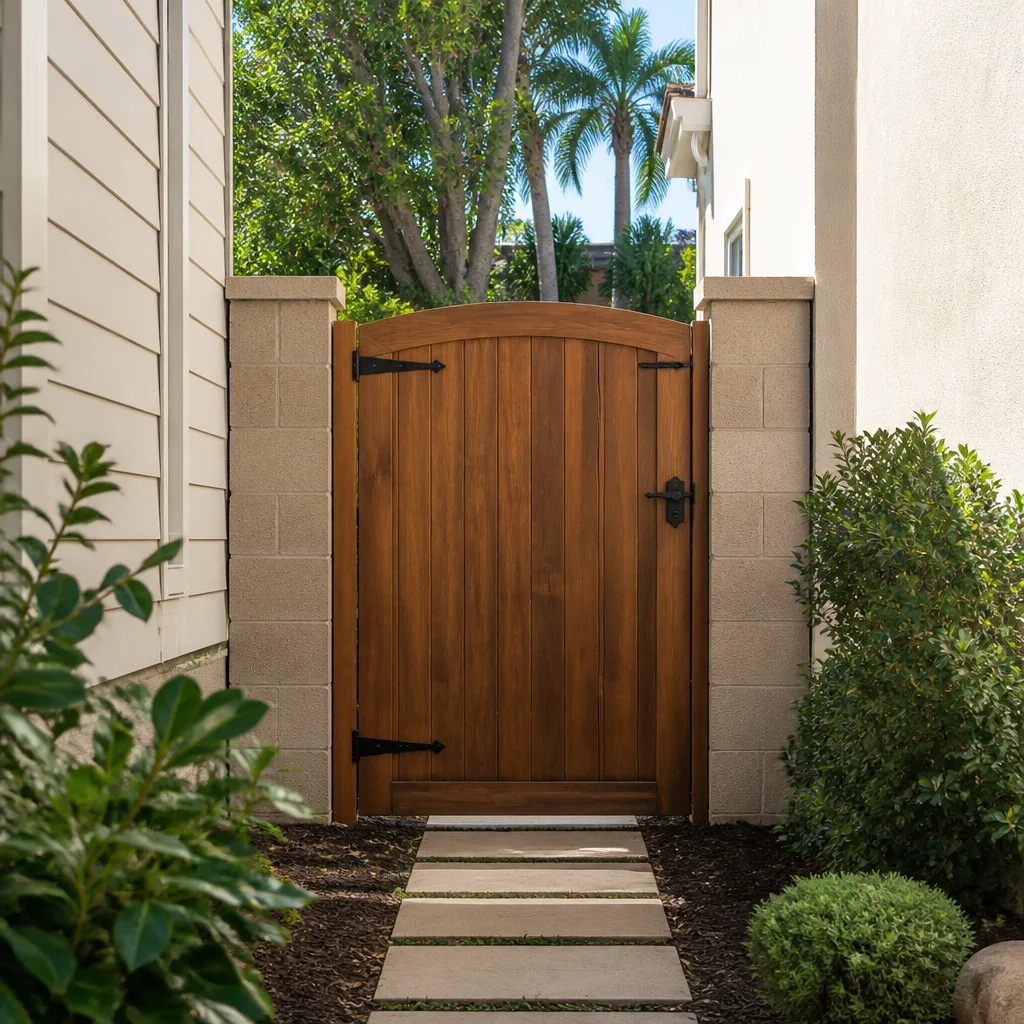
Why Vacaville Fences Rust at the Base, Not the Mesh
You can drive through the older core neighborhoods and the tracts off Alamo Creek and find chain-link that looks solid from the street, then crumbles when a hand pushes a post. That’s the failure pattern here. The clay soil around Vacaville holds water against the base of each post well into spring, long after the surface has dried, and the soil chemistry runs alkaline. Both are hard on galvanized steel.
Water sitting on the zinc coating breaks it down faster than ordinary exposure would. Add the seasonal wet-and-dry swing, and a post that’s bright gray above grade can be hollowed out at the soil line. The mesh on that fence may be perfect, and it doesn’t matter. The post is what carries the load. When the ground line gives way, the whole run leans, the bottom rail drops, and one good Delta breeze out of the gap finishes the job.
There’s a second problem in older Vacaville tract homes, where the original fencing mixed metals because that’s what was available or cheapest on the day. Aluminum top rails and fittings bolted to galvanized steel posts create a galvanic couple. Two dissimilar metals in contact, with moisture as the electrolyte, eat each other at the joint. That’s why replacement fittings have to match the existing metal type, not just the diameter. A steel clamp on a steel post is fine. An aluminum fitting on a steel post is installing tomorrow’s corrosion today.
The 30-Second Post Test
Before you buy mesh, run this check at each post. It costs nothing.
- Probe at grade. Push a stiff screwdriver into the soil right where the post meets the ground. If the tip sinks easily and the ground feels like a soaked sponge, the base is holding water.
- Scrape the base. Knock off loose rust at the soil line. A post that’s flaking down to bare metal has lost its zinc protection.
- Push laterally. Put a shoulder into the post and push. If it deflects more than about 1 inch, the footing is compromised. That post needs replacement, not patching.
- Try to rock the fitting. If a clamp or top-rail fitting crumbles or won’t hold torque, the metal has already gone.
Two or three bad posts in a run is the tipping point. At that point, a technician inspection here at Groundwork Construction Co. of Vacaville usually recommends setting new posts along the whole line rather than chasing failures one at a time.
Repairs That Are Worth Doing Yourself
If your posts pass the test, the rest is genuine DIY work. Keep the gauge consistent: chain-link mesh comes in 9, 11 and 11.5 gauge, and mismatching gauge on a patch creates a weak spot the wind finds first.
- Mesh patching: cut the damaged section out clean, overlap a new piece of the same gauge, and tie it with hog rings or tie wire at every second diamond. Expect 1-2 hours per patch.
- Tension-wire re-threading: if the bottom tension wire has slipped out of the mesh, re-thread it and pull it snug at the end post. A come-along rented for a few bucks is the difference between taut and wavy.
- Bent top rail: replace the bent section with a new piece and reconnect it with rail clamps. Match the clamp metal to the rail metal. About an hour.
Tools you’ll want: hog-ring pliers or tie-wire pliers, bolt cutters, a come-along, a socket set, a tape measure, and good work gloves. If your fence is due for a full rebuild rather than a patch, Fence Installation covers what a proper replacement involves.
Repair vs. Replacement: Vacaville Pricing
| Scope | Typical Vacaville Range |
|---|---|
| Mesh patch, tension wire, or bent rail repair (DIY materials) | Under $100 in parts, 1-3 hours |
| Replacing 2-3 compromised posts | Labor and concrete, quoted per run |
| Full chain-link replacement, posts to mesh | $3,500-$9,000 |
A fence that only needs patching is a weekend chore. A fence with failed posts is a construction project, and that top number is your real ceiling if the whole run is compromised. Upfront pricing means the number you see on the quote is the number you pay, with no surprise line items added at the end.
When It’s Time to Call It
Handle the patch yourself if the posts are solid and you’re reasonably handy. Call in a professional when you find two or more flexing posts, when the run leans after a storm off the gap, or when fittings have corroded to the point they won’t hold. Chasing failures one at a time on a compromised frame burns more money than one clean replacement. Our team navigates that call carefully, separating the fixable from the replace-worthy before you buy a single part. Our technicians have up to 12 years of experience reading fence failures, and every project is backed by a 730-Day Done Right Promise, so workmanship is covered in writing.
We also answer the phone around the clock. That matters when a fence blows over on a Saturday evening and you want to know before Monday whether it’s a repair or a re-set. No voicemail, no waiting for an office to open.
FAQs
If more than two posts flex more than 1 inch under hand pressure or show heavy rust at the soil line, plan for replacement rather than patching. Solid posts with torn mesh or a bent rail are a repair. The post test above settles it in minutes, and a quick inspection gives you a firm answer.
Because the base stays wet. Vacaville’s clay soil holds moisture against the footing for months after the rain stops, and the ground line is where the zinc coating breaks down first. Pulling the fence and resetting posts in a better-draining setting can extend its life.
No. Aluminum against galvanized steel with moisture present causes galvanic corrosion, which eats the joint faster than either metal would fail alone. Match the replacement fitting to the existing metal type, and if the original fencing was a mixed-metal build, know that those joints are the first to fail.
Small mesh and tension-wire repairs are usually under $100 in parts if you do them yourself, and a full chain-link replacement typically runs $3,500-$9,000 in Vacaville. The variable is how many posts have failed, not how much mesh is on the ground. Call (888) 276-8078 for an upfront quote with no surprises, plus $1,000 off projects over $10,000 and 0% financing for 18 months.
Get Your Vacaville Fence Looked At
If you’d rather have it looked at, Groundwork Construction Co. of Vacaville offers a no-pressure assessment in Vacaville. Call (888) 276-8078 and we’ll tell you whether you’re patching or replacing before you spend anything on parts. Free estimate, upfront pricing.
Written by the team at Groundwork Construction Co. of Vacaville, serving Vacaville, CA.