Free written scope consultation - allowances, timeline, and change-order rules on paper before a single trade is scheduled
Styles & brands we work with
- Kitchen remodeling
- Bathroom remodeling
- Home additions & ADU
- Roofing
- Windows & doors
- Driveway & pavers
- Fence
See the difference
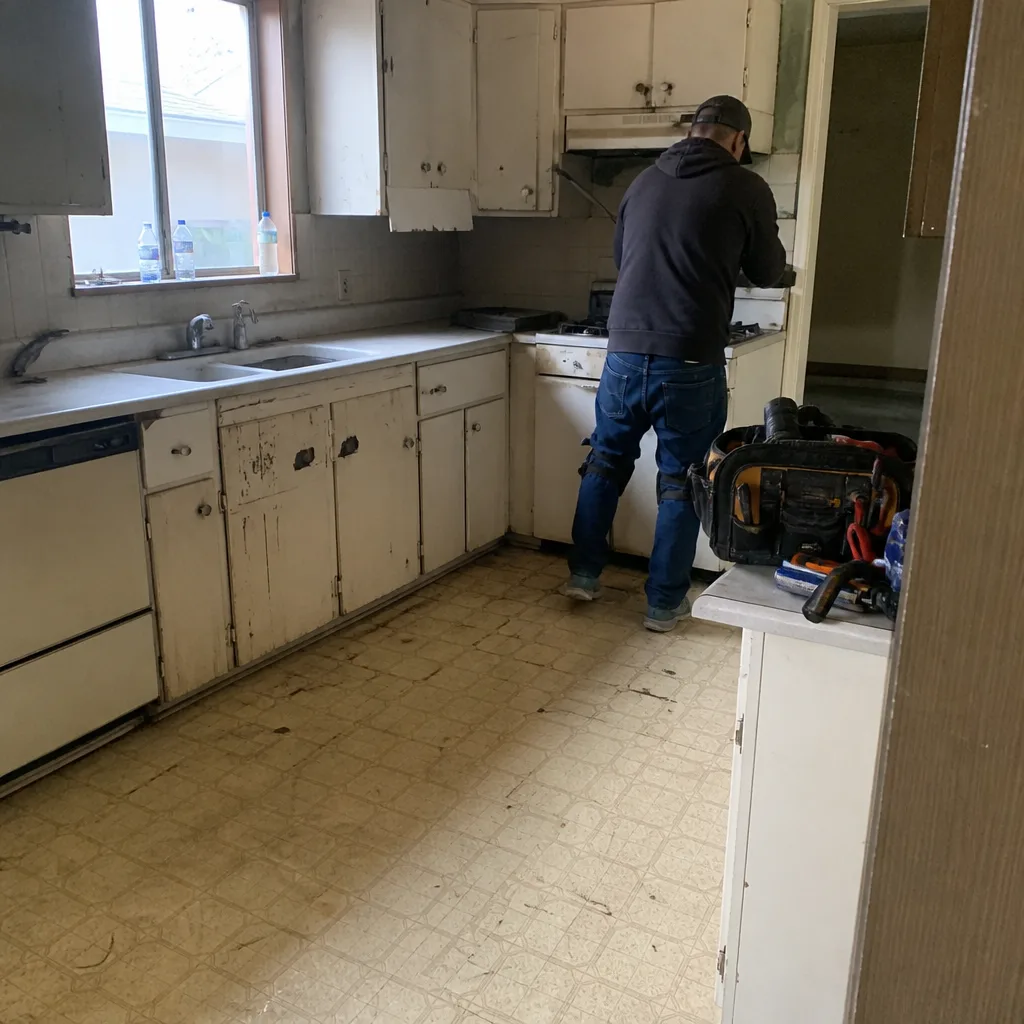 Before
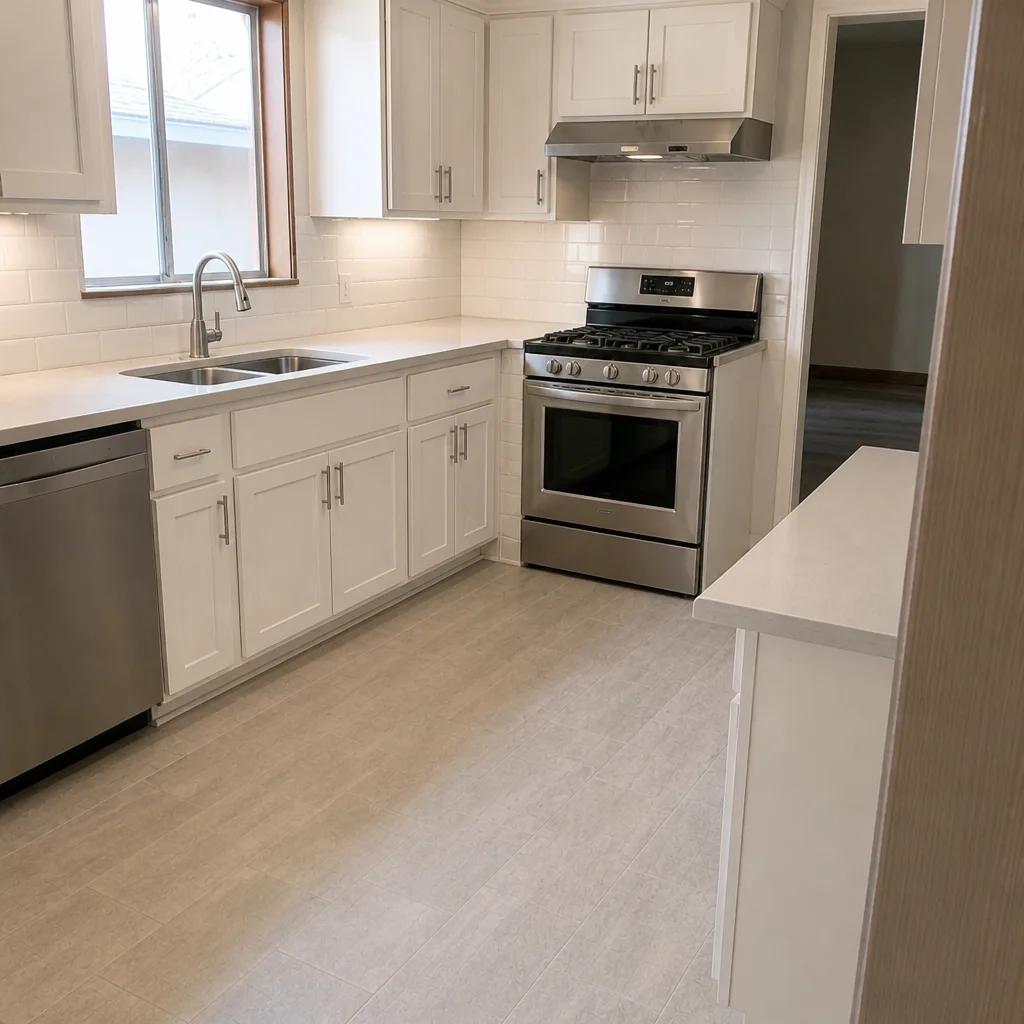 After
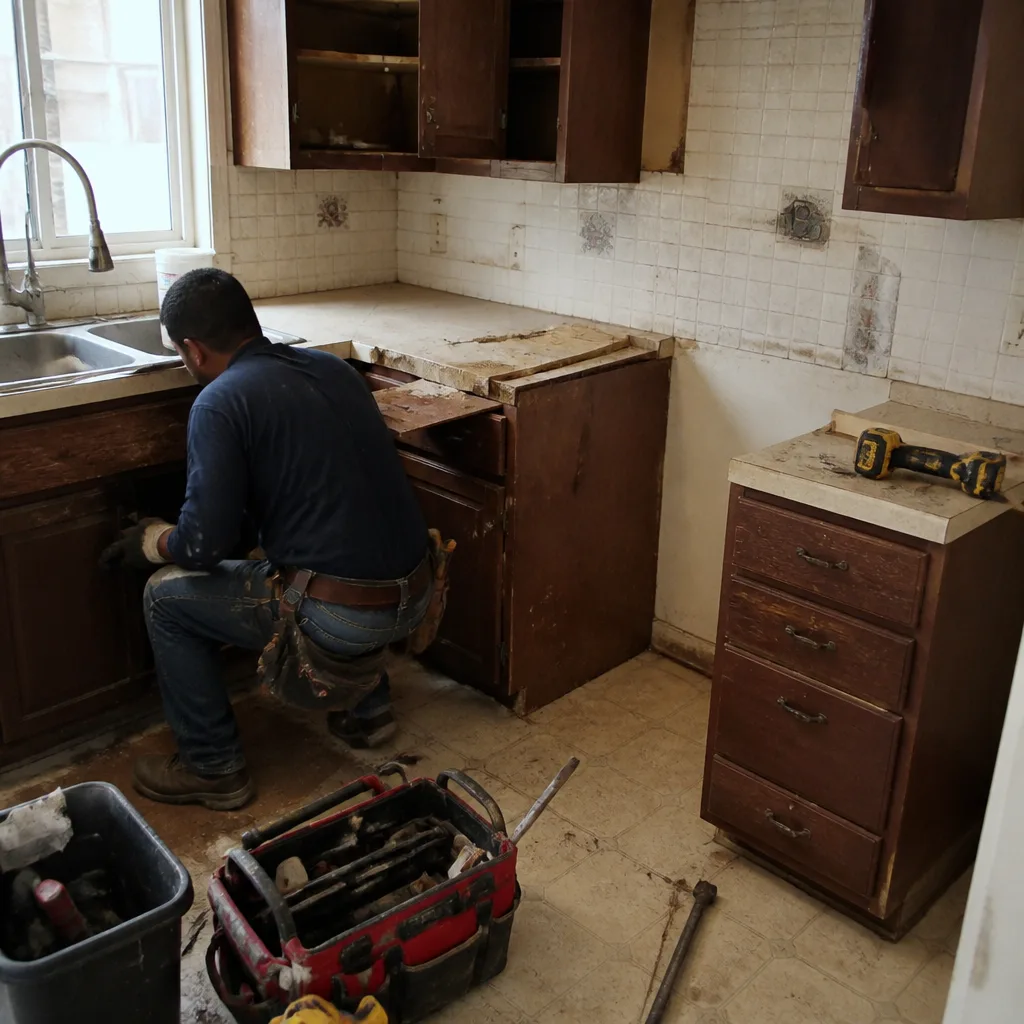 Before
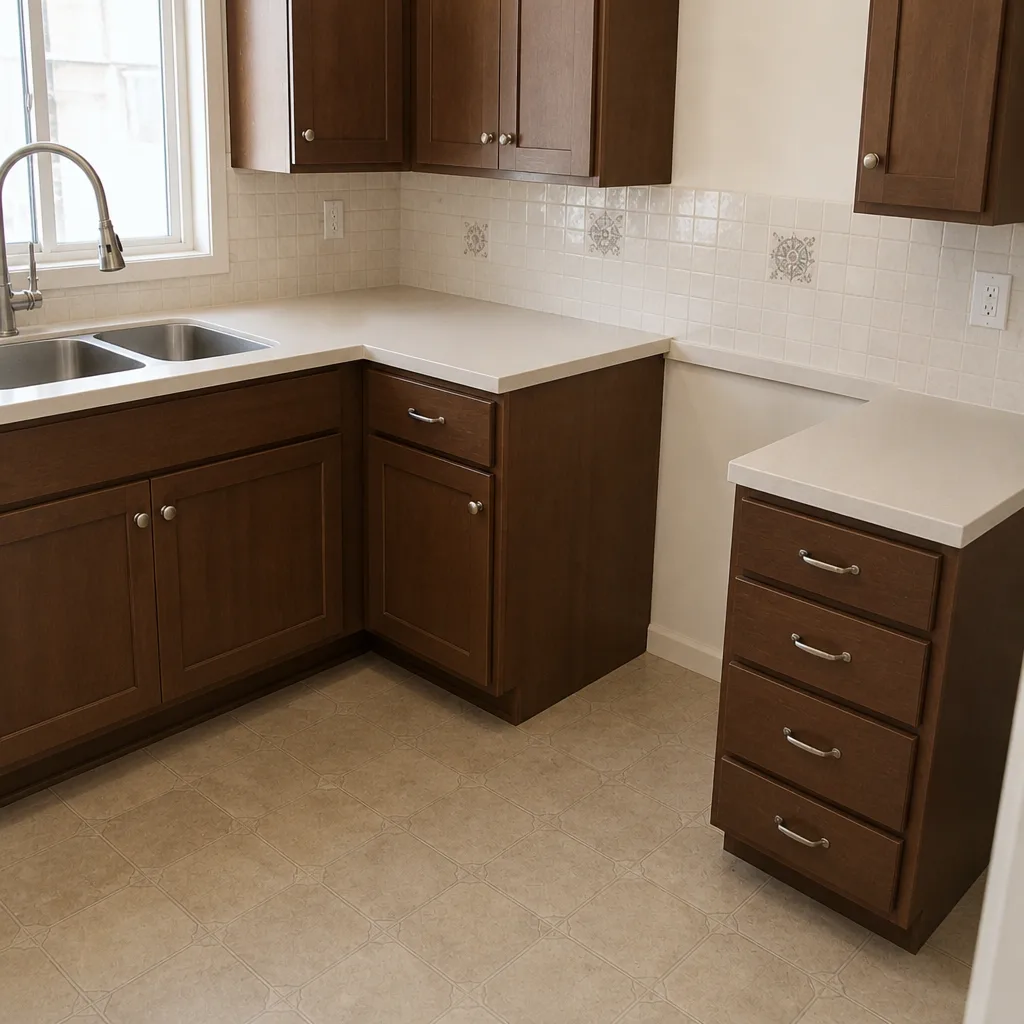 After
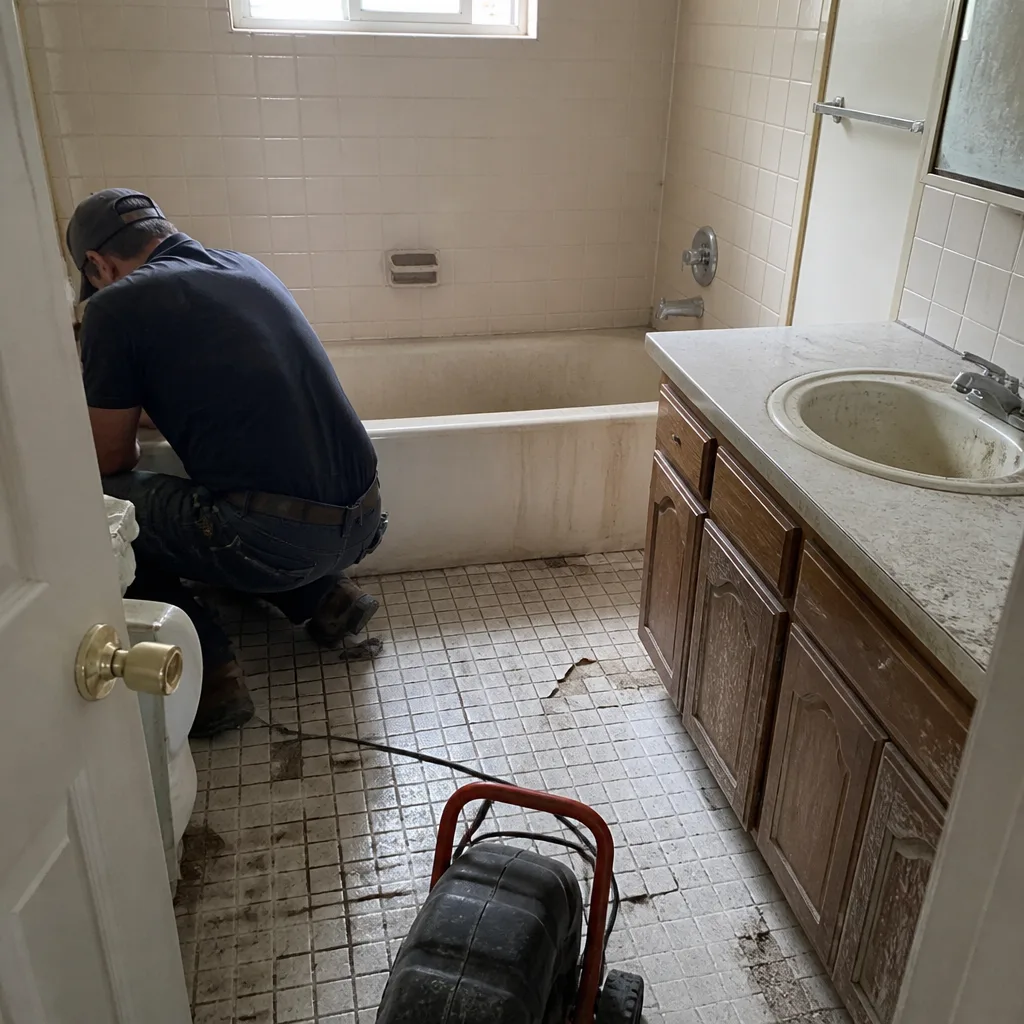 Before
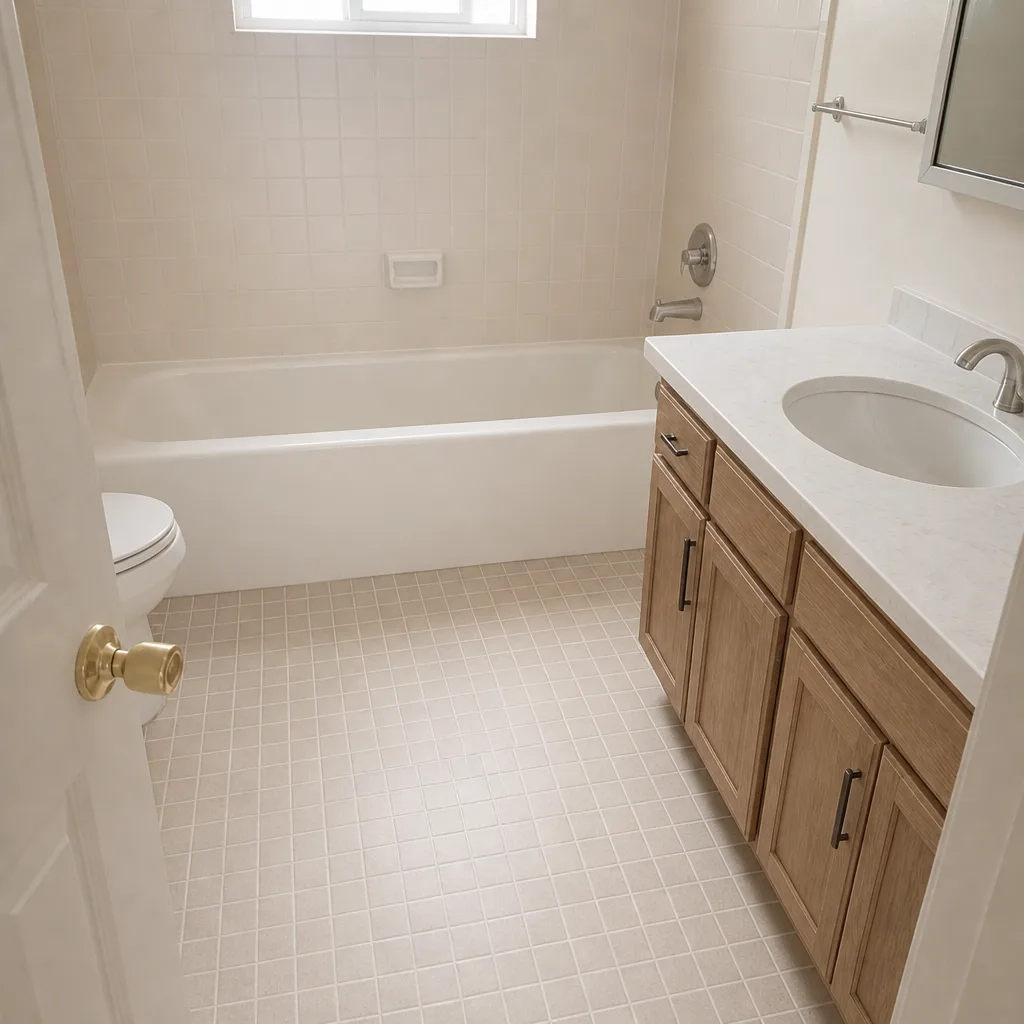 After
ADU Permit Requirements in Vacaville, CA: What the City Actually Wants in Your Package
ADU permit requirements in Vacaville go well beyond the statewide California checklist: you’ll need a site plan showing the allowed setbacks, a Title 24 energy report written for Climate Zone 2, a CalGreen measures checklist, and, on hillside parcels in the wildland-urban interface, a fire-code materials specification sheet. Most statewide guides stop at the state list and leave out the local layers that decide whether your submittal gets accepted the first time or sits in review for months. If you’re reading this before you’ve pulled a permit, that’s the right order. Call (888) 276-8078 and we’ll walk you through what your specific parcel needs.
Vacaville occupies a wind gap between the Coast Range and the Sacramento Valley, and that geography shapes construction here in two directions at once. The city is a fast-growing I-80/I-505 commuter suburb serving Travis AFB and the Bay Area, so ADU demand is strong. But much of the new work lands on expansive clay soils and inside wildland-urban interface zones that trigger some of the state’s toughest fire and energy codes. A detached ADU near the Vaca Hills is not reviewed the same way as a garage conversion in an older core neighborhood. The permit package has to reflect which one you’re building.
What’s Actually in a Vacaville ADU Permit Package?
Think of it as the state checklist plus three or four Vacaville-specific layers stacked on top. Here’s what a complete submittal typically contains:
- Site plan with setbacks. Show 4-foot side and rear setbacks as the baseline. Conversion ADUs can qualify for reduced setbacks under state law, but the plan has to demonstrate the existing structure meets the standard being applied.
- Title 24 energy compliance report. Vacaville sits in Climate Zone 2, so the energy documentation has to be modeled for that zone, not copied from a Bay Area template.
- CalGreen mandatory measures checklist. Required on new construction and triggered on many conversions depending on scope.
- Owner-signed affidavit for JADUs. A junior ADU inside the existing footprint needs the owner’s signed statement that the unit will be owner-occupied and meet the size limits.
- Fire-code materials specification sheet. For WUI parcels, plan check wants to see the exterior materials, decking, vents, and window specs spelled out against the fire code, not just noted as “fire-rated.”
- Soils report. Areas of Vacaville carry an expansive soil designation. A detached ADU with a new foundation will often need a soils report with the application. Statewide guides almost never mention this, and it’s a common reason submittals get kicked back.
That last item trips up more out-of-area designers than anything else. We’ve watched plans sit for weeks because the soils report wasn’t in the folder at intake. On the clay around older Browns Valley and Alamo Creek, seasonal movement shows up as cracked driveways and sticking doors every fall. A foundation for a new ADU has to be engineered for that ground, not the valley floor.
Conversion ADU vs. New Detached ADU: The Permit Difference That Changes Your Budget
Here’s the question we hear most: does it matter whether I convert an existing structure or build new? It matters a lot, and mostly on the money side.
A conversion ADU, meaning you’re turning an existing garage, basement, or attached space into a livable unit, carries significantly reduced impact fee requirements under state law. That’s a real line-item difference in your permit cost and often a shorter path through review, because you’re not adding a new foundation or a new utility trench. A new detached ADU is a full new-construction review: foundations, energy modeling, site drainage, and, if the parcel is in the WUI, the fire-code plan check on top.
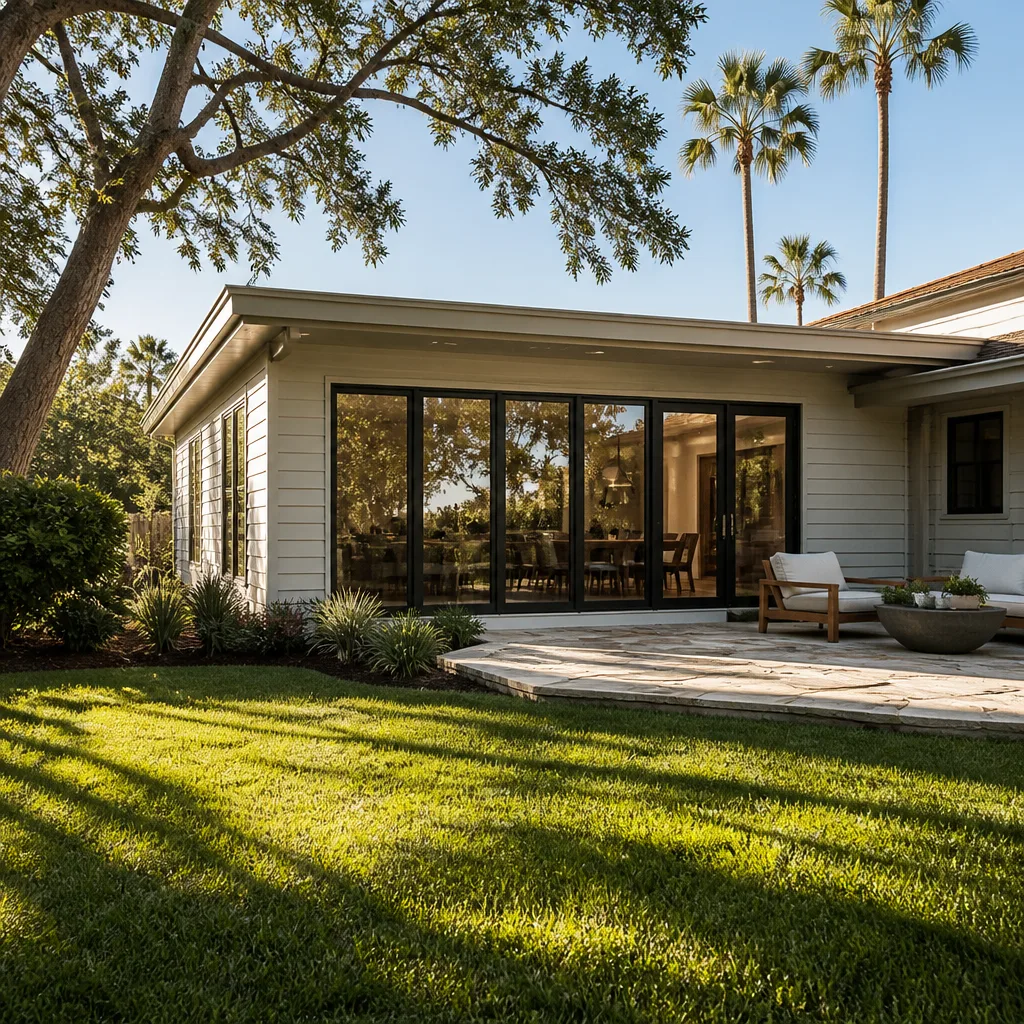
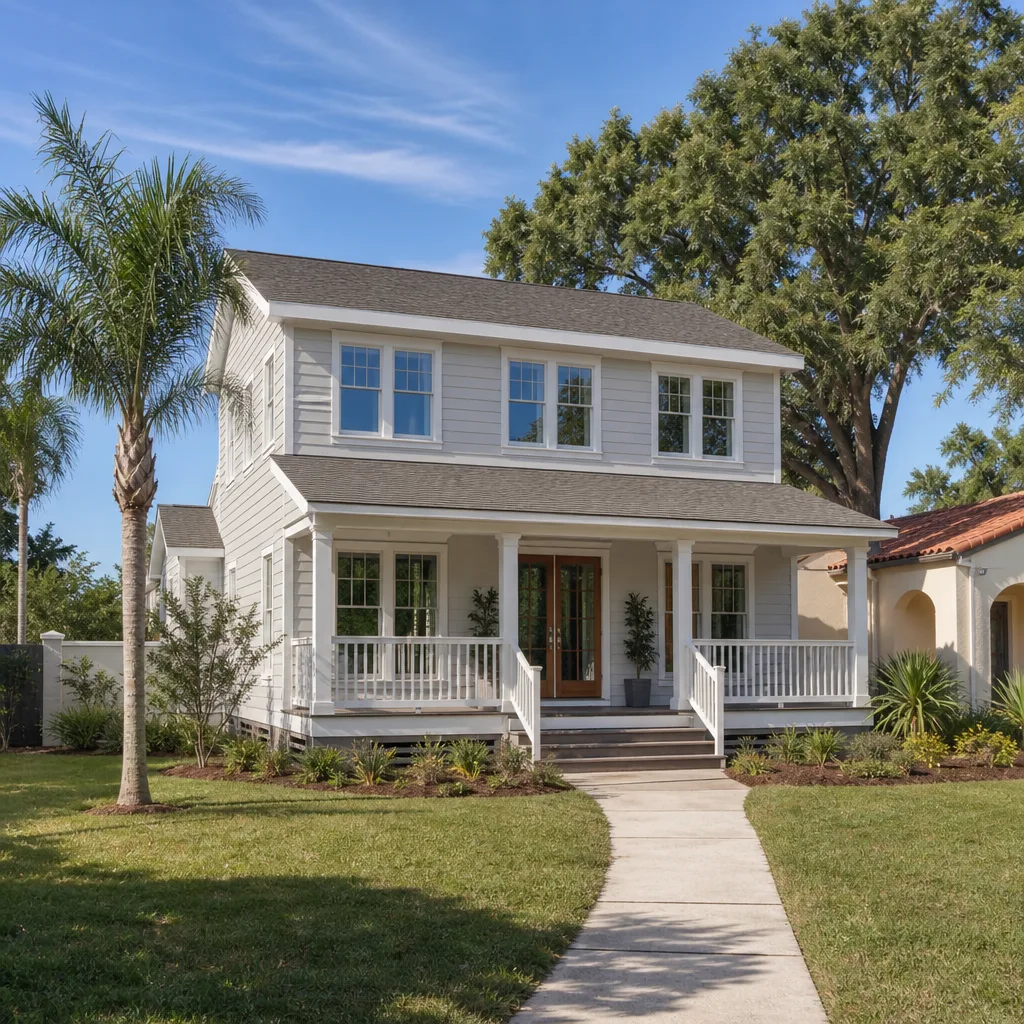
Both are covered under our Home Additions & ADU work, and the scope conversation is where we sort out which path actually fits your lot.
Rough Vacaville ADU cost ranges to plan around
Construction cost is separate from permit fees, but homeowners need both to budget honestly. Our upfront pricing keeps the construction side fixed; the number you see is the number you pay.
| Project type | Typical Vacaville range |
|---|---|
| ADU construction (full scope) | $90,000-$220,000 |
| Garage conversion ADU | $30,000-$80,000 |
| Home addition | $45,000-$130,000 |
Our technicians have up to 12 years of experience, and every project is backed by the 730-Day Done Right Promise. If something isn’t done right, we make it right.
How Long Does the Vacaville ADU Permit Take?
A standard residential ADU typically clears review in 4 to 8 weeks. WUI parcels needing fire-code plan check can run up to 12 weeks. And there’s a shortcut worth knowing: pre-approved ADU plans under state law can qualify for over-the-counter approval, which can compress the front end of the process considerably. The catch is that the pre-approved plan still has to fit your lot, your setbacks, and your fire zone.
Coordinating this is the part that eats a homeowner’s weekends. Plan preparation, CalGreen documentation, WUI materials specification, soils review, and the back-and-forth between departments is a lot to manage alone. Groundwork Construction Co. of Vacaville handles the entire permit coordination process from foundation to finish line, so you’re not calling three city offices asking which one has your file. New builds near the hills have to meet WUI fire codes and current Title 24 energy rules together, and we plan for both from the first sketch.
FAQs About ADU Permits in Vacaville
Often yes, for a detached ADU with a new foundation in one of Vacaville’s expansive soil areas. The soils report gets submitted with the permit application so the foundation can be engineered for the clay movement common around Browns Valley and Alamo Creek. Conversion ADUs reusing an existing slab usually skip this step. Call (888) 276-8078 for an exact answer on your parcel.
Yes, and the gap is meaningful. Conversion ADUs benefit from significantly reduced impact fee requirements under state law, and the review path is shorter because you’re not adding a new foundation or utility trench. Detached ADUs carry full new-construction review plus fire-code plan check on WUI parcels. Call (888) 276-8078 and we’ll price both paths so you can compare them honestly.
Sometimes, if you build from a pre-approved ADU plan under state law and the plan fits your lot and setback conditions. Standard residential ADUs otherwise run 4 to 8 weeks, and WUI parcels can stretch to 12 weeks. The fastest way to know which applies to you is to have the site plan checked before you submit. Call (888) 276-8078 to get that review started.
WUI parcels require an exterior materials specification sheet that addresses the fire code directly: roofing class, siding, decking, vents, and window assembly. Vacaville’s hillside parcels fall into these zones, and plan check will reject a package that just says “fire-rated.” We prepare that specification as part of the permit package. For a no-pressure assessment in Vacaville, call (888) 276-8078.
Ready to Sort Out Your ADU Permit?
If you’d rather have it looked at than guess at the checklist, Groundwork Construction Co. of Vacaville offers a no-pressure assessment in Vacaville. We prepare the plans, handle the CalGreen and WUI documentation, and coordinate the permit so you’re not navigating multiple city departments alone. From foundation to finish line, and built to last, backed in writing. Call (888) 276-8078 for a free project estimate.
Start with our home page to see the full range of work we take on across Vacaville and the surrounding area.
Written by the team at Groundwork Construction Co. of Vacaville, serving Vacaville, CA.