Last updated November 18, 2026
Free written scope consultation - allowances, timeline, and change-order rules on paper before a single trade is scheduled
Construction Cost Breakdown: The Vacaville Homeowner’s Reference for 2026
The most dangerous number in a construction bid isn’t the total. It’s the allowance line. Allowances are placeholders, and they quietly move cost risk from the builder to you. By the time a project is 60% complete, many homeowners discover the $2,500 tile allowance they signed now reads $6,800 on a change order. Buyers in Vacaville face an extra wrinkle: national cost averages don’t fit this market. Solano County labor rates, City of Vacaville permit fees, and Bay Area material supply chains push pricing in directions the national blogs never track. This guide gives you real 2026 numbers, line by line, so you walk into every conversation with a defensible figure.
Quick Answer
In Vacaville in 2026, most common residential projects run roughly $12,000 to $28,000 for a driveway replacement, $18,000 to $40,000 for a hardscape and patio package, $7,500 to $14,000 for a detached garage slab, and $95,000 to $185,000 for a permitted ADU foundation and shell. The single biggest cost risk in any of these bids isn’t the labor or material line: it’s an allowance that converts a fixed price into an open-ended one. Lock every allowance to a real number before you sign.
Styles & brands we work with
- Kitchen remodeling
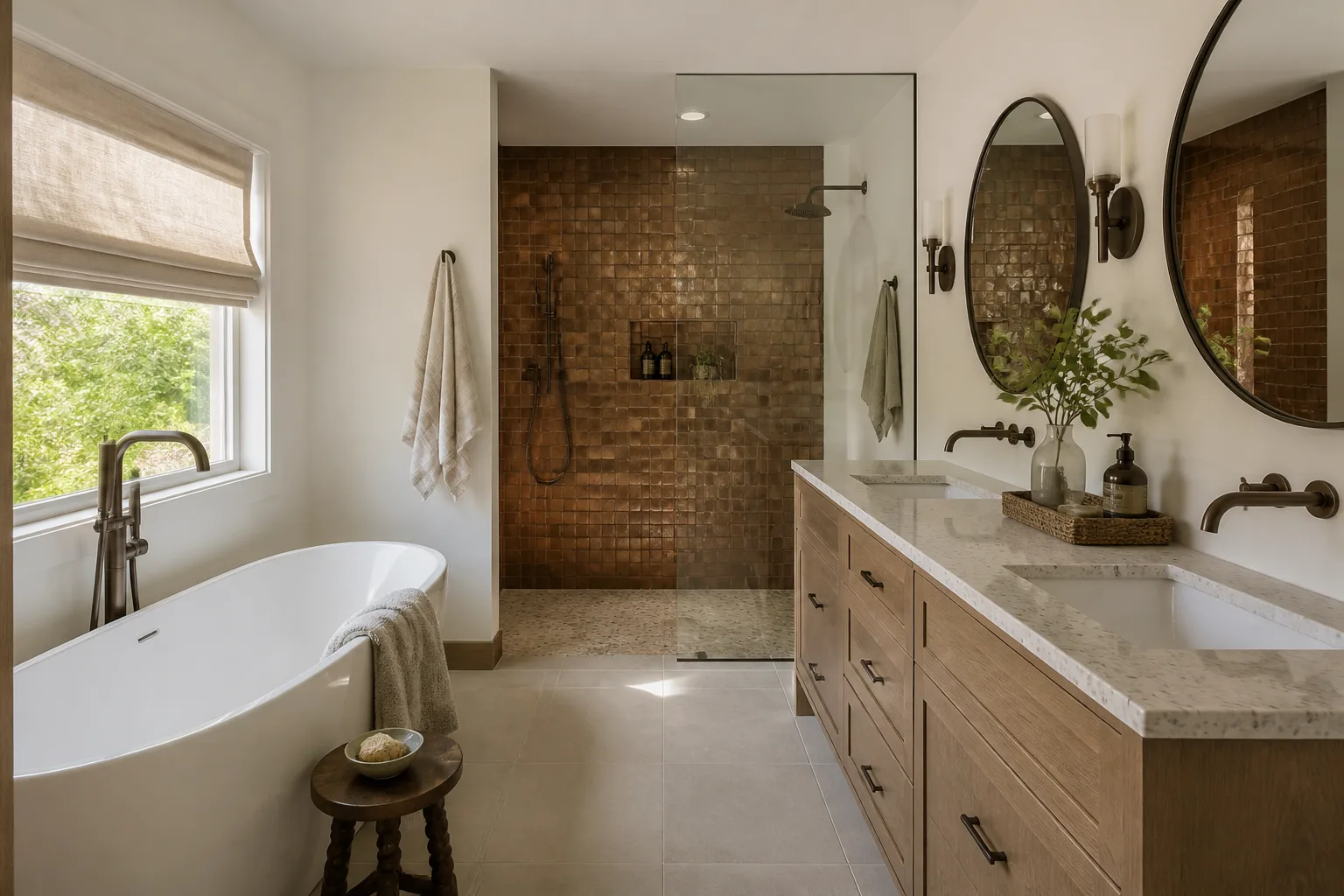
- Bathroom remodeling
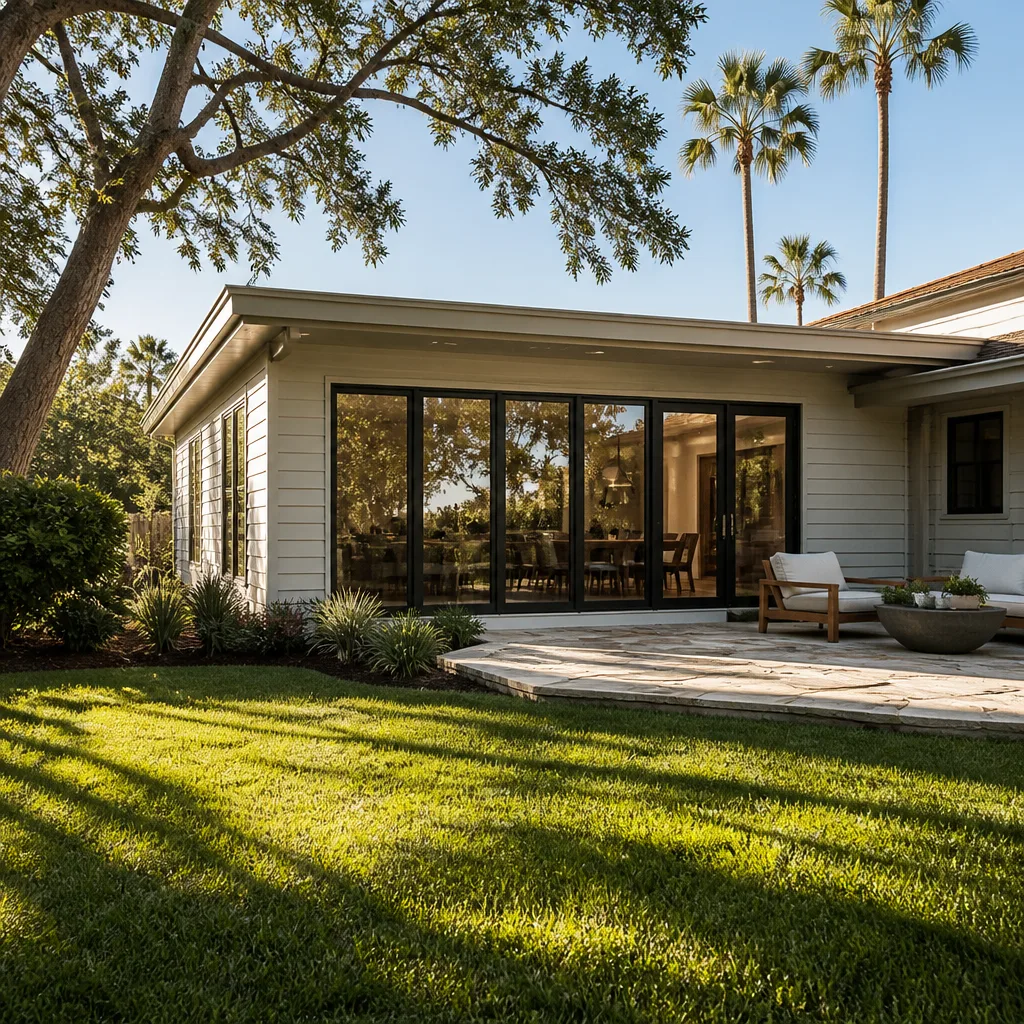
- Home additions & ADU
- Roofing
- Windows & doors
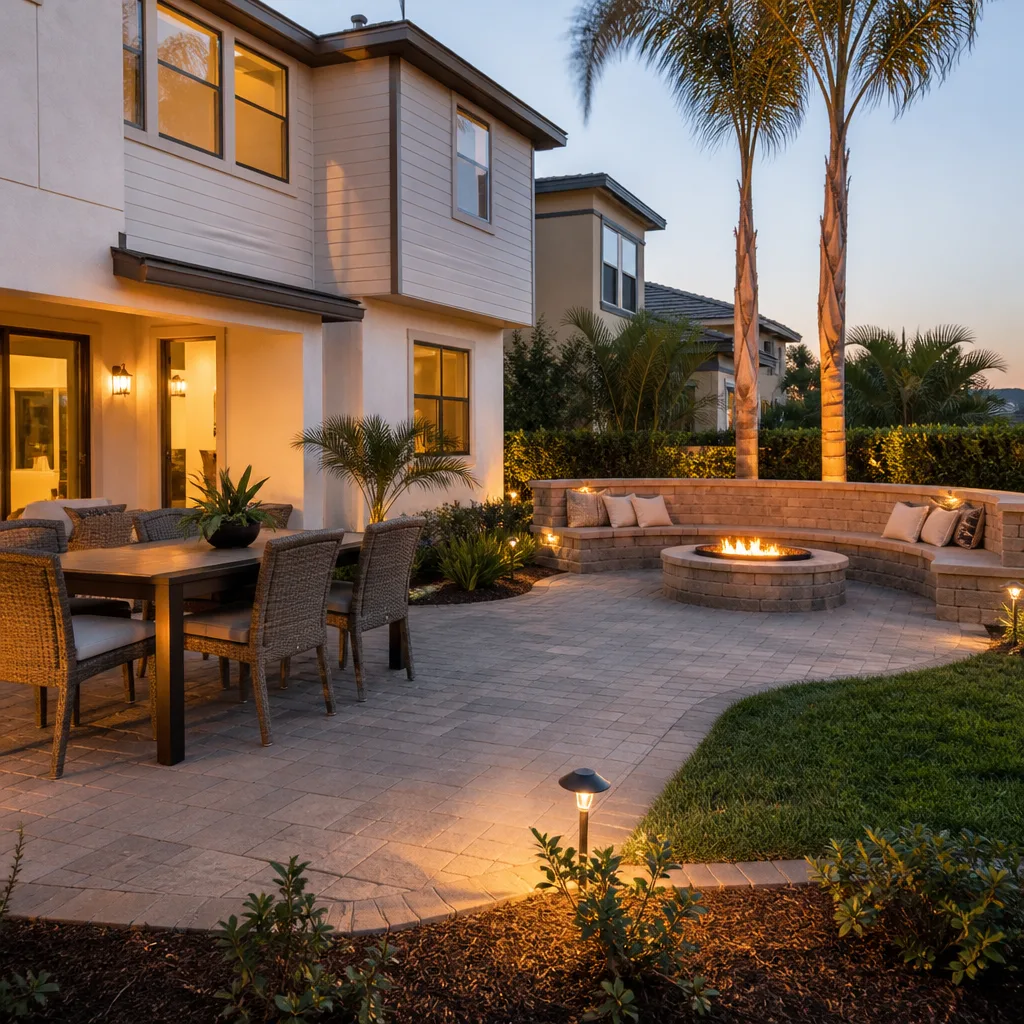
- Driveway & pavers
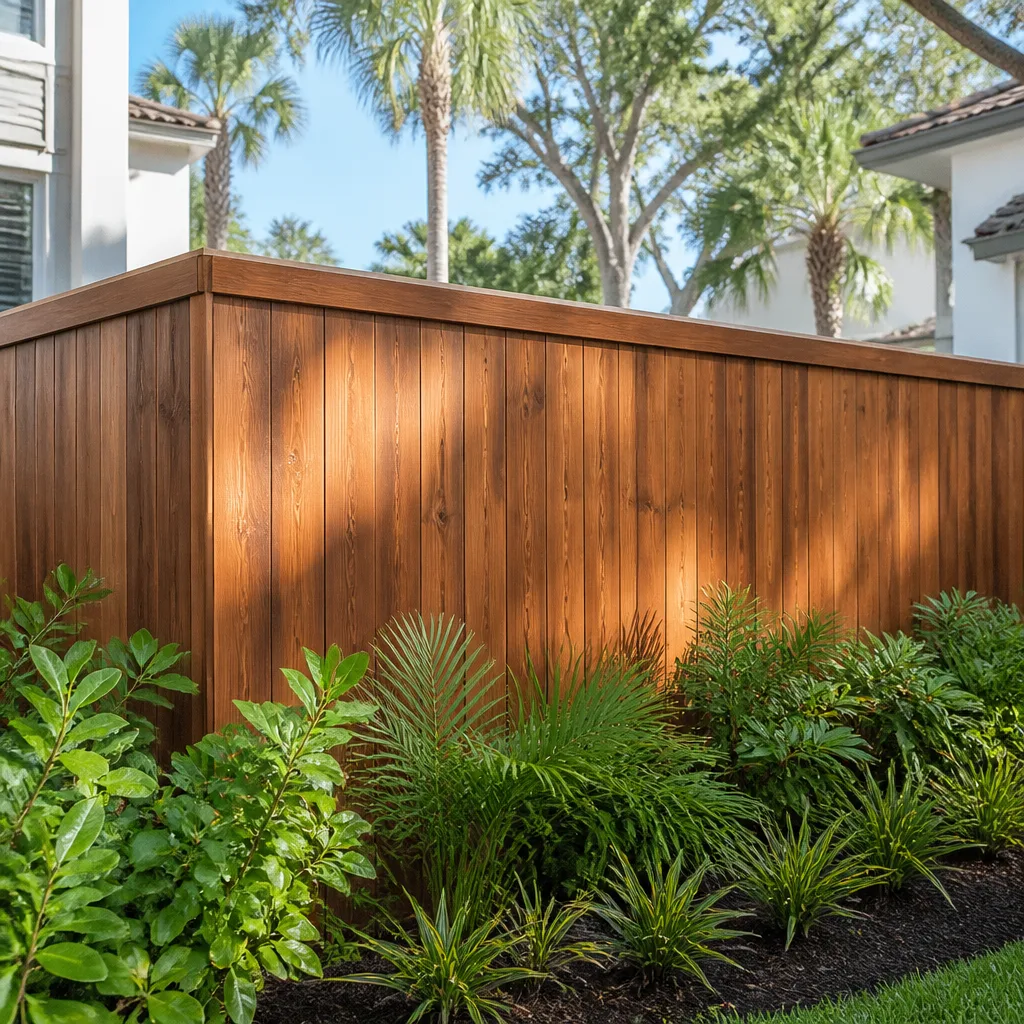
- Fence
Table of Contents
- Why Vacaville Construction Costs Don’t Match National Averages
- Line-Item Cost Breakdown for Common Vacaville Projects
- How to Read an Allowance Line (And Convert It to a Fixed Number)
- City of Vacaville Permit Fees: How to Budget Them Before Your Contractor Does
- What’s Negotiable in a Vacaville Bid vs. What’s Fixed
- How the 730-Day Done Right Promise Changes Total Cost of Ownership
- A Step-by-Step Way to Compare Three Vacaville Bids
Why Vacaville Construction Costs Don’t Match National Averages
Vacaville sits in a pricing seam. It’s close enough to the Bay Area that material suppliers and subcontractors price to that market, but inland enough that labor rates run 15% to 25% below what you’d see in Oakland or San Jose. That combination produces a number you won’t find in either the national cost guides or a Bay Area blog.
Climate matters too, and it shows up on the invoice. Vacaville’s summer heat and the clay-heavy soils common in Brown’s Valley and the Vaca Valley floor drive up concrete costs. A driveway slab here needs a different mix and joint plan than the same slab in a cooler coastal town, and a slab poured without accounting for shrink-swell soils will crack and heave within a few seasons. Roofing labor skews slightly higher here because summer installs require early starts and heat scheduling. We’ve also seen fence contractors in Vacaville price redwood at a premium because the dry, hot summers wear untreated wood faster than coastal clients expect.
Supply proximity is the third factor. The I-80 corridor gives Vacaville contractors decent access to Sacramento and East Bay suppliers, so material pricing is generally stable. But during the spring building season, delivery scheduling and fuel surcharges add real cost to bulk concrete and lumber orders. If you’re budgeting a project that requires multiple pours, ask the contractor whether delivery surcharges are built into the bid or will be billed back to you.
What that means for you: treat any national “average cost” figure as a starting point, then adjust it. Then verify it against three local bids. The section below gives you the Vacaville-adjusted line items to check against. For a full view of the services behind these numbers, our Groundwork Construction Co. of Vacaville home page lays out every project type we handle.
Line-Item Cost Breakdown for Common Vacaville Projects
These ranges reflect Solano County labor and material rates heading into 2026. They’re the numbers to use as a sanity check when a bid comes in far above or below them.
Driveway Replacement (400 – 600 sq ft typical Vacaville lot frontage)
- Demo and haul-off: $1,100 – $2,400
- Sub-base prep and compaction (clay soils): $1,400 – $2,800
- Concrete pour, 4-inch reinforced slab: $7,200 – $13,500
- Decorative finishes (stamped or exposed aggregate): +$3,000 – $9,000
- Permit (if widening or changing grade): $150 – $500
Most Vacaville driveway replacements land between $12,000 and $28,000 installed. If you’re widening the approach or cutting into a curb, the City of Vacaville requires a separate right-of-way permit, and that adds both a fee and inspection scheduling to the timeline. Our Driveway & Pavers in Vacaville page covers paver systems and finish options priced against these same ranges.
Hardscape and Patio Package (400 – 700 sq ft)
- Excavation and base: $2,200 – $4,500
- Pavers or stamped concrete: $8,500 – $22,000
- Retaining wall (if grade change): $4,500 – $12,000
- Irrigation and drainage tie-in: $1,200 – $3,800
Hardscape runs higher than most homeowners expect in Vacaville because so many lots sit on sloping ground that needs a retaining wall to hold a flat patio. Belgard and similar brands price consistently across the region, but installation labor is the bigger variable.
Detached Garage Slab (500 – 700 sq ft)
- Excavation and grading: $1,800 – $3,500
- Concrete slab, reinforced, with vapor barrier: $4,500 – $8,200
- Footings and stem walls: $1,800 – $4,000
- Permit and inspections: $400 – $950
A garage slab in Vacaville typically runs $7,500 to $14,000 complete, depending on whether your site needs retaining or soil correction. Materials from Quikrete and Sakrete are stocked locally and generally don’t create a supply delay, but mix specs still need to account for soil conditions.
ADU Foundation and Shell
- Site survey and engineering: $1,800 – $4,500
- Grading and utility trenching: $6,500 – $14,000
- Foundation (slab or raised): $18,000 – $40,000
- Framing, sheathing, and roof shell: $55,000 – $110,000
- City of Vacaville ADU permit fees: $2,500 – $6,000
ADU foundation and shell costs in Vacaville run $95,000 to $185,000 depending on size, whether it’s attached or detached, and how much utility trenching your lot requires. Prefabricated modules from Abodu and similar builders can shorten the build phase, but the foundation and utility work still runs through a local contractor and still needs Vacaville inspections. Our Home Additions & ADU in Vacaville page goes deeper on scope and scheduling.
How to Read an Allowance Line (And Convert It to a Fixed Number)
An allowance is a placeholder dollar amount for a material or fixture the contractor hasn’t finalized. When you sign, you agree to pay the actual cost of that item, even if it’s higher than the allowance. That transfers material-price risk from the contractor to you.
The problem: allowances are usually written low to make the total bid look competitive. A $1,500 allowance for kitchen tile looks friendly until you shop the tile you actually want and find it costs $4,200. The difference is a change order, and change orders carry their own markup on top.
Here’s how to convert an allowance into a fixed number before you sign:
- Ask for the exact unit prices. For every allowance line, request the price per square foot, per fixture, or per linear foot that the allowance assumes.
- Shop against those numbers. Visit the supplier or showroom and price two or three real materials at the allowance. If your preference costs more, you now know the gap.
- Convert to a firm fixed price. Ask the contractor to revise the contract so the item is priced at the actual selection you choose, not as an allowance. The total will rise, but the number becomes final.
- Set a written cap on any remaining allowance. If a small allowance stays in the contract, require that any overage beyond a stated percentage gets the contractor’s written approval before purchase.
- Get it initialed and dated. A verbal fix isn’t a fix. Make sure the change reads on the signed contract.
At Groundwork, upfront pricing means the number you see is the number you pay. We convert allowances into fixed prices during the bid, not after the demo. This is where the 730-Day Done Right Promise starts: the job gets priced accurately on day one, and the workmanship is backed in writing for two years.
City of Vacaville Permit Fees: How to Budget Them Before Your Contractor Does
The City of Vacaville assesses permit fees based on valuation and scope, not on a flat fee. That means a $15,000 driveway and a $150,000 ADU pay into a different fee tier, and a contractor who quotes a permit without checking the current fee schedule will often lowball it. The result is a change order that surprises you mid-project.
A practical way to budget permit costs:
- Ask your contractor for the permit fee in writing, itemized separately. It should be a line item, not baked into “miscellaneous.”
- Confirm which permits are actually required. Driveway widening (right-of-way), ADU construction, retaining walls over a certain height, and structural changes all trigger separate permits.
- Budget a contingency. A reasonable contingency on permit fees is 15% because fee schedules can shift and one inspection can trigger another.
- Ask whether the contractor pulls the permit. If the answer is “you pull it,” that’s a sign. A reputable contractor in Vacaville pulls the permit, owns the inspection process, and passes the inspection before asking for the final payment.
The permit pass is more important than the permit fee, in the long run. An unpermitted ADU or a fence installed without the right setbacks can require removal and rebuild later, and unpermitted work often surfaces during a home sale, delaying a closing. Our Fence Installation in Vacaville page covers which fence heights and lot-line placements need a permit in Vacaville, because that’s a common surprise.
What’s Negotiable in a Vacaville Bid vs. What’s Fixed
Every bid has wiggle room and every bid has hard costs. Knowing which is which saves you from either over-negotiating a fixed line or accepting a padded one.
Negotiable
- Labor rate and crew scheduling. A contractor with crew availability can often shave labor on a flexible-timeline project.
- Finish selections. Downgrading a paver or tile line can save thousands without compromising function.
- Project scope and phasing. Splitting a kitchen remodel and hardscape into two phases often saves permit and mobilization costs.
- Payment schedule and financing. Offers like 0% financing for 18 months, a free estimate and design consult, and $1,000 off projects over $10,000 are real, standing offers at Groundwork – use them.
Fixed
- Concrete and lumber material pricing. These track the market. You can shop suppliers, but you can’t negotiate the cost of ready-mix from a Vacaville supplier the way you can negotiate labor.
- City of Vacaville permit fees. The jurisdiction sets these.
- Structural engineering and code-required elements. A required footing, shear wall, or drainage system is required regardless of bid.
- Inspection and testing. Soil, concrete testing, and required inspections don’t come down in price.
Knowing this means you can push hard on finish selections and payment timing, and stop wasting leverage on concrete. Our team applies this on every estimate – background-checked, uniformed technicians walk the site, price each line, and hand you a written bid with the fixed and negotiable elements separated so you can see exactly where the conversation can go.
How the 730-Day Done Right Promise Changes Total Cost of Ownership
The cheapest bid isn’t the cheapest project. A contractor who prices $2,000 below the next bid and then charges a $3,500 callback to fix your drainage is more expensive than the contractor who priced it right the first time.
Workmanship callbacks are the hidden cost in residential construction. A poorly graded driveway that ponds water in the first rainy season means re-grading and possibly re-pouring. A fence installed with under-rated posts blows down in the first Solano County wind event. Roof flashing installed wrong leaks in the first real storm. None of those callbacks show up in the original bid, and many contractors treat callbacks outside a 12-month period as new billable work.
The 730-Day Done Right Promise changes this math. It’s one of the longest workmanship guarantees in the residential construction space. If the work isn’t done right, we make it right, for two years. That’s not a marketing line: it’s a structural change to what your project actually costs. When the warranty covers the years where most failures first appear – the first two wet seasons, the first two hot summers – you’re not budgeting for a repair you haven’t yet found.
The total cost of ownership calculation for a Vacaville project should include material life, warranty coverage, and the realistic probability of a callback. A roof installed with GAF or Owens Corning systems and a two-year workmanship guarantee prices higher on the front end, but the number is more accurate. Comparatively priced jobs using cut-rate materials and a 12-month warranty often cost more over four years, once callbacks are counted.
A Step-by-Step Way to Compare Three Vacaville Bids
Three bids rarely come back in comparable form. One bundles permit fees, one lists them, one has four allowance lines, and one has none. Here’s a method for putting them side by side so the lowest number isn’t mistaken for the lowest cost.
- Request every bid in the same format. Ask each contractor for a written line-item breakdown that separates labor, materials, permits, allowances, and contingency.
- Circle every allowance line on all three bids. Count them. The bid with the most allowance lines carries the most cost risk. Convert them to fixed prices using the method in the earlier section.
- Confirm permit assumptions. Ask each contractor who pulls the permit, and ask what happens to the total if the City of Vacaville fee comes in higher.
- Check the warranty in writing. Get the actual warranty terms in the bid. “Two-year warranty” means nothing if the fine print excludes workmanship.
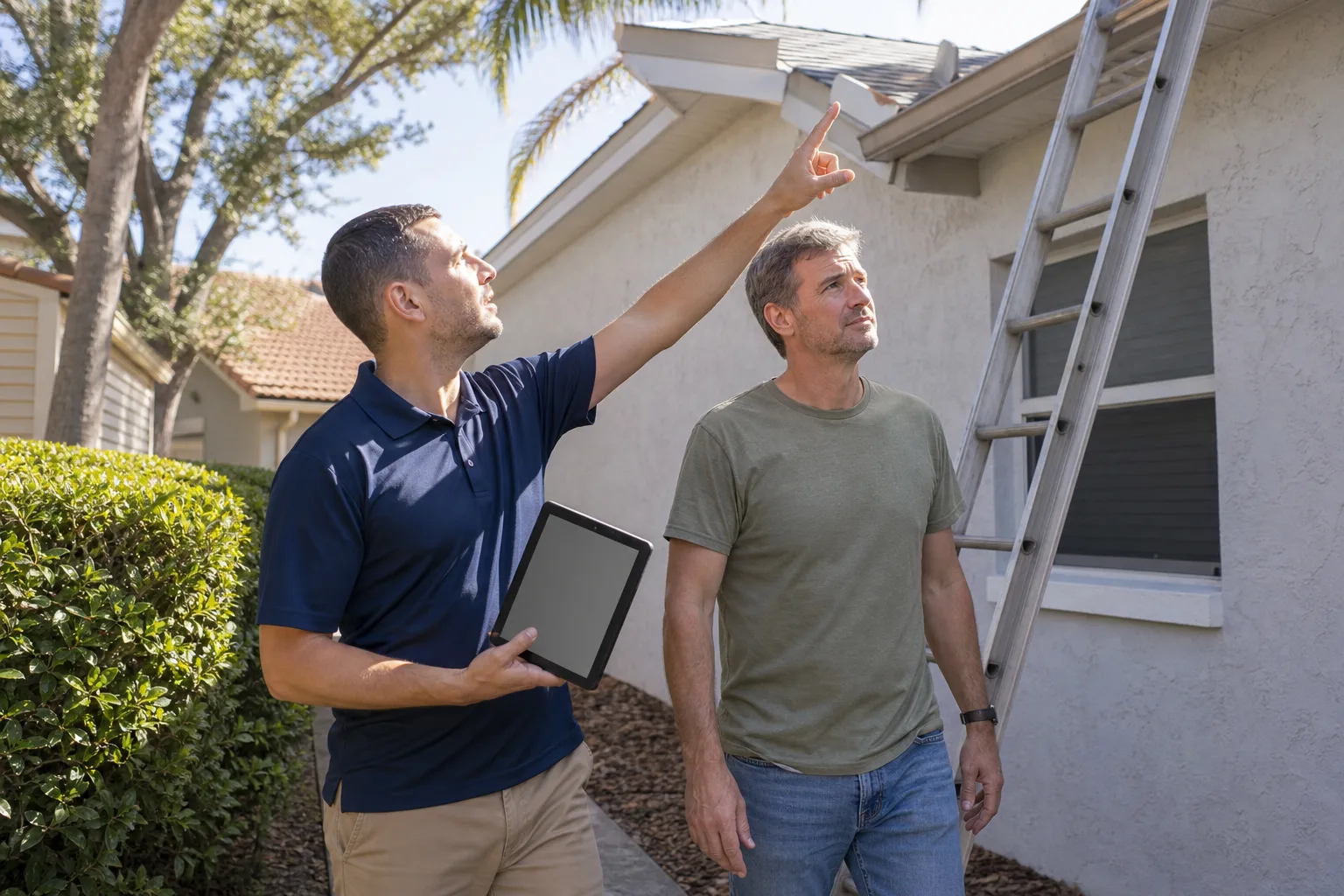
- Walk the site with the top two contractors. Price the job with the contractor on the property, not in an office. Real bids come from site walks.
- Verify insurance and licensing. Ask for proof of license and insurance before signing. Don’t accept a “we’re covered.”
- Confirm the technician standard. At Groundwork, every job is performed by background-checked, uniformed technicians. Not every bidder can say that.
For a project that touches multiple systems – a driveway that also needs drainage, an ADU addition that ties into an existing roof – a single contractor running the full scope is usually cheaper than three trades priced separately. The Home Additions & ADU service and Driveway & Pavers service both price cleaner when they’re scoped together from foundation to finish line.
Common Mistakes to Avoid
- Treating the low bid as the real price. The lowest Vacaville bid almost always has the most allowance lines. After conversion, it’s rarely the cheapest. Ask for fixed pricing before comparing totals.
- Ignoring permit fees in the budget. Permit costs in Vacaville scale with project valuation, so a big ADU carries a $2,500 to $6,000 permit fee that a “labor plus materials” bid often leaves out entirely.
- Choosing a concrete contractor who doesn’t spec for clay soils. Vacaville has shrink-swell clay in many neighborhoods. A standard 4-inch slab on improperly compacted clay cracks in the first year. Require soil prep and compaction specs in the bid.
- Skipping the site walk. Bids priced from an office omit grading, drainage, and access complications that surface the moment work starts. A site walk isn’t a nice-to-have, it’s the difference between a fixed bid and a change order.
- Accepting a warranty that isn’t written into the contract. A two-year warranty on paper becomes a 12-month warranty when it’s not in the signed agreement. Get the 730-Day Done Right Promise in writing.
- Phasing the wrong things. Splitting a hardscape and retaining wall into separate contracts looks like savings but adds mobilization costs and usually doubles the permit overhead. Phase the tasks that share a permit – not the ones that share a crew.
- Not asking who shows up. A low bid from a crew that arrives in an unmarked van with no background-check in place is a discount you’ll pay for. Ask which technicians will be on your project and how they’re vetted.
See the difference
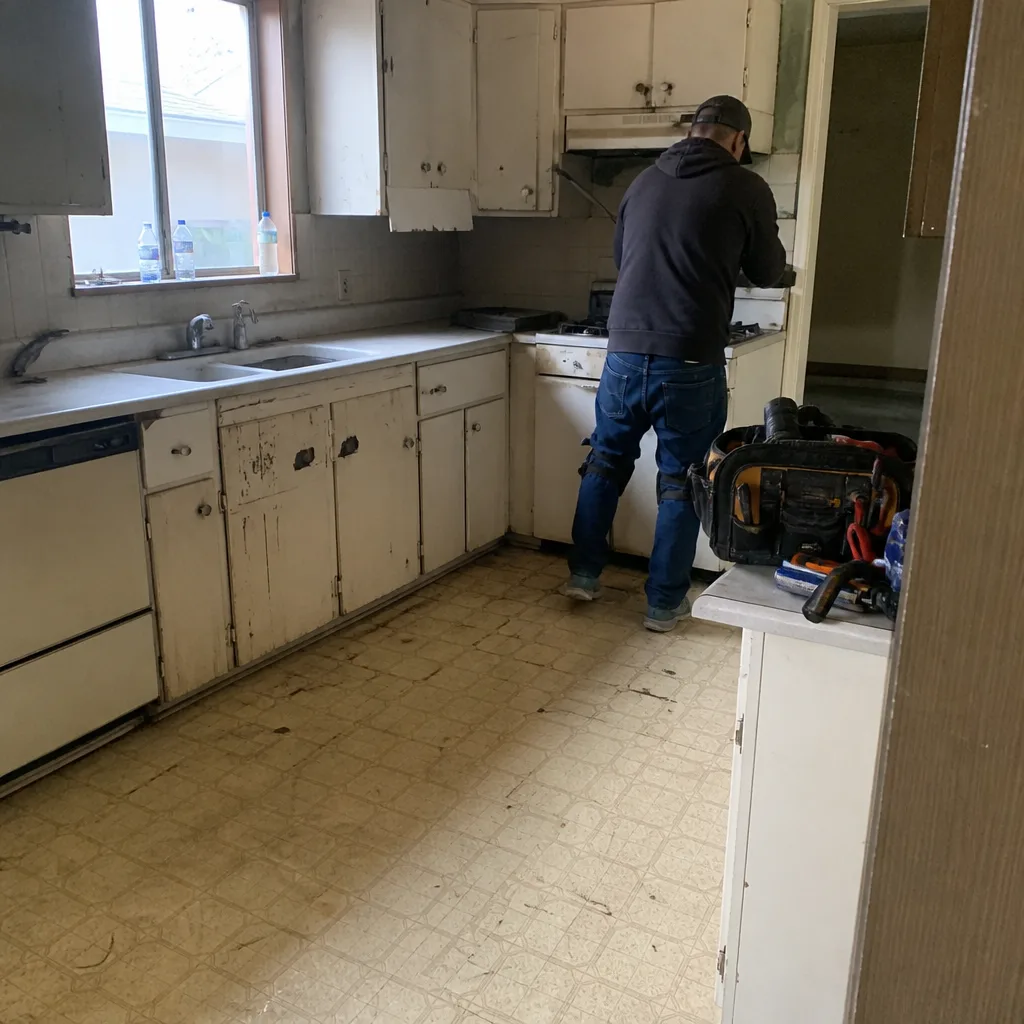 Before
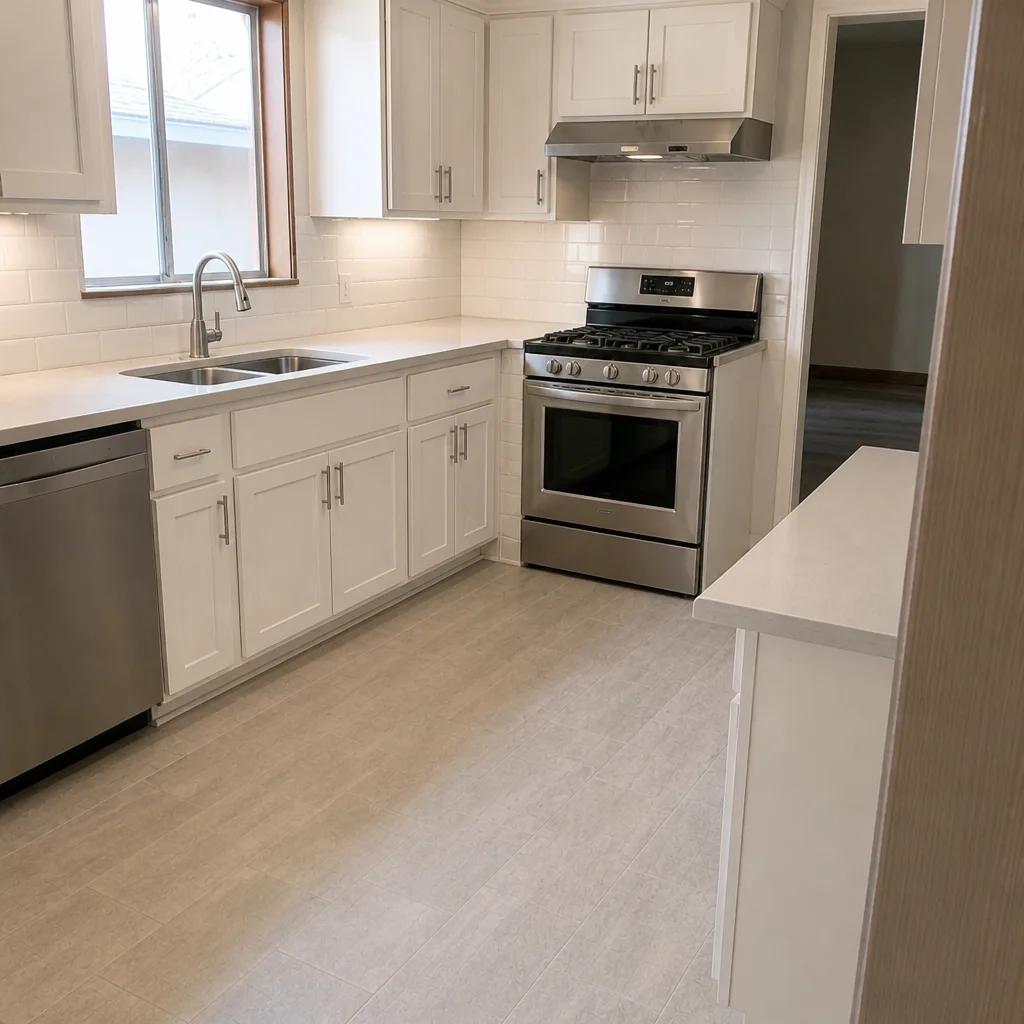 After
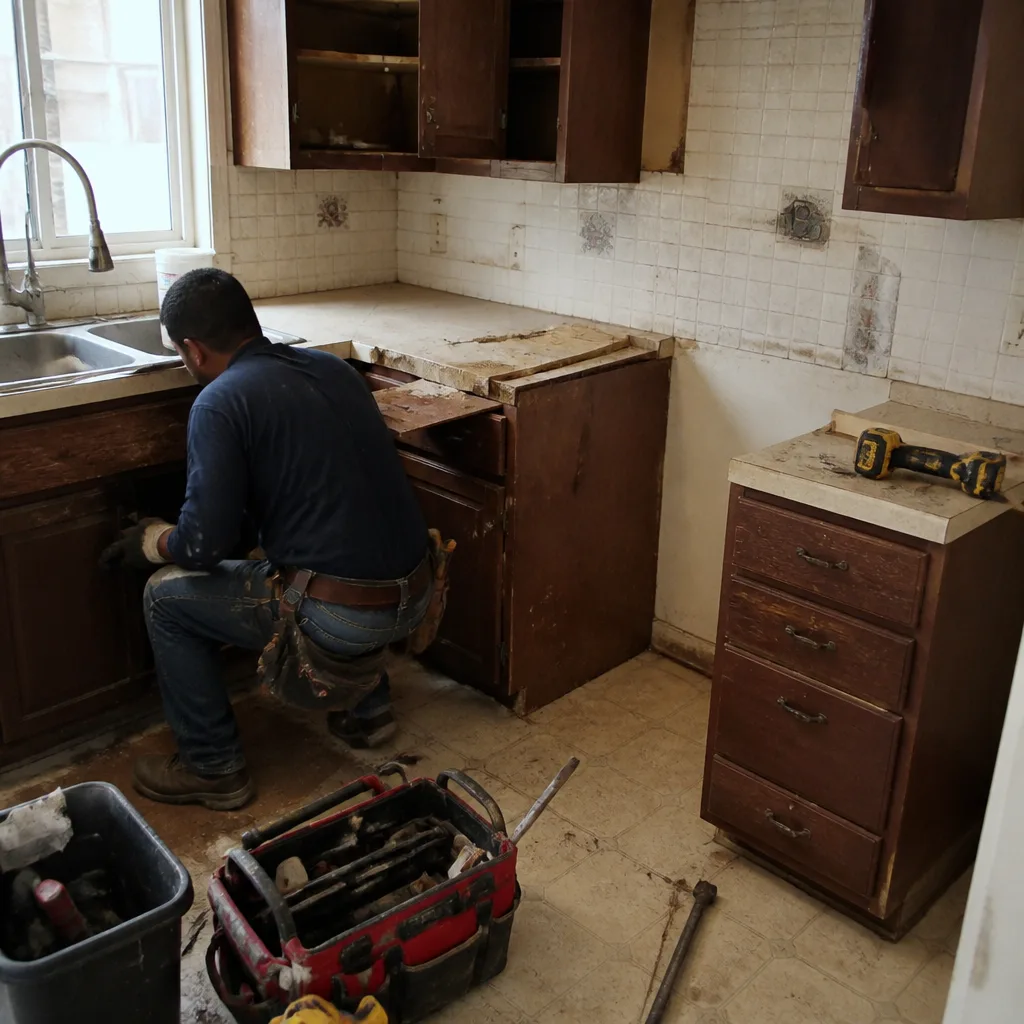 Before
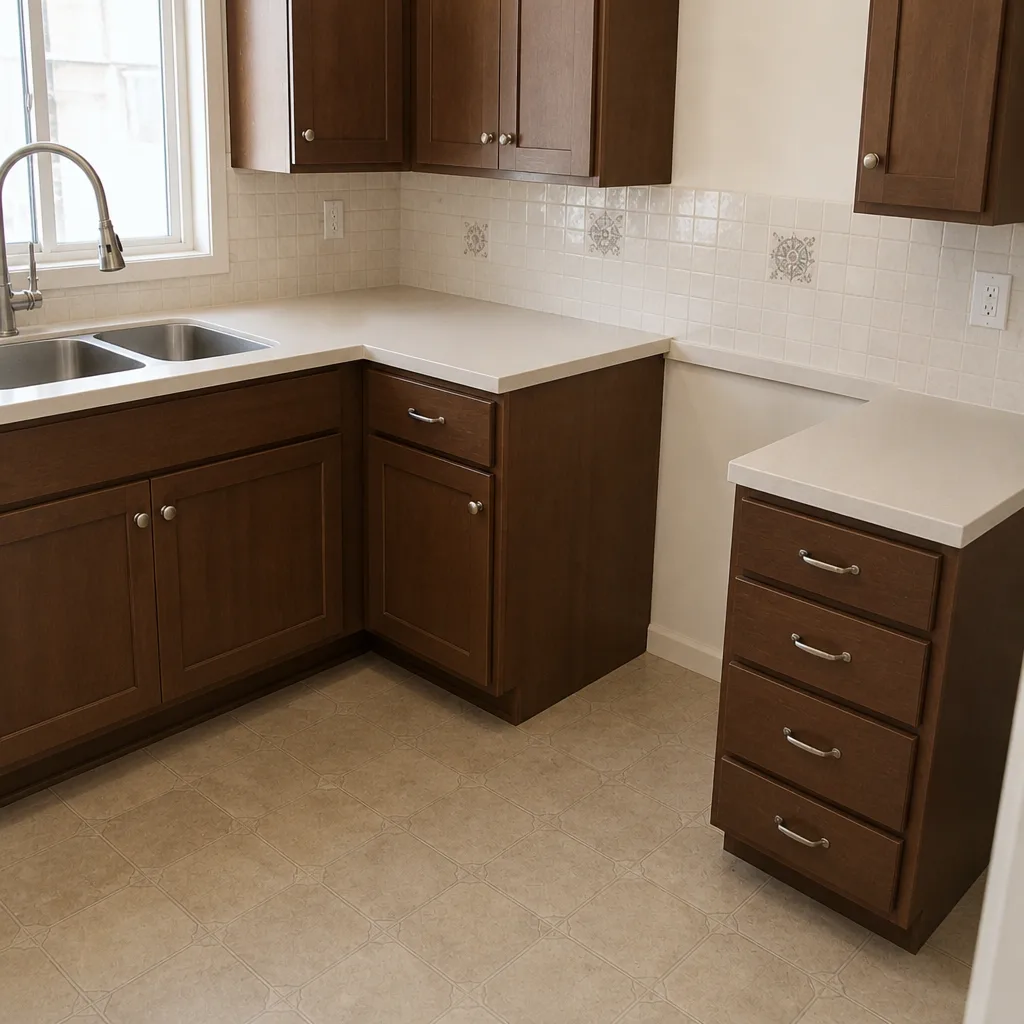 After
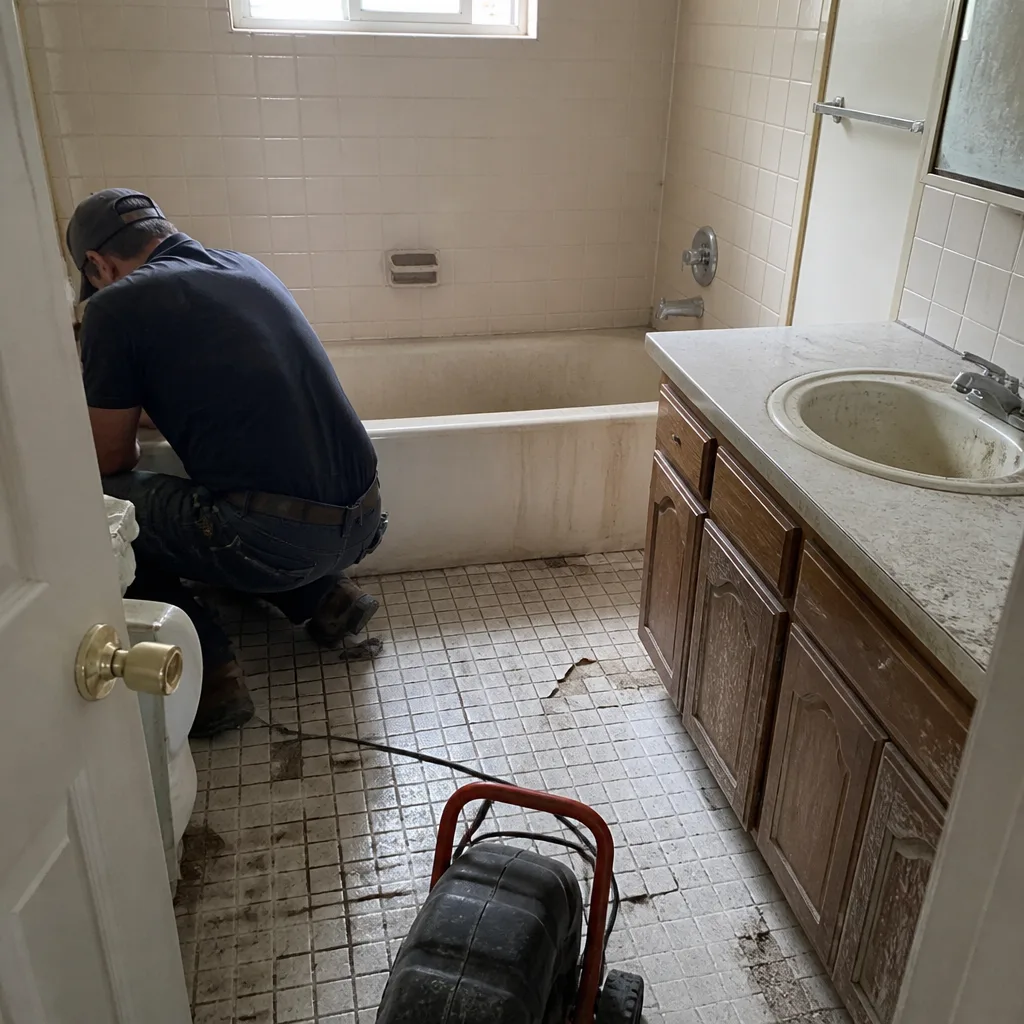 Before
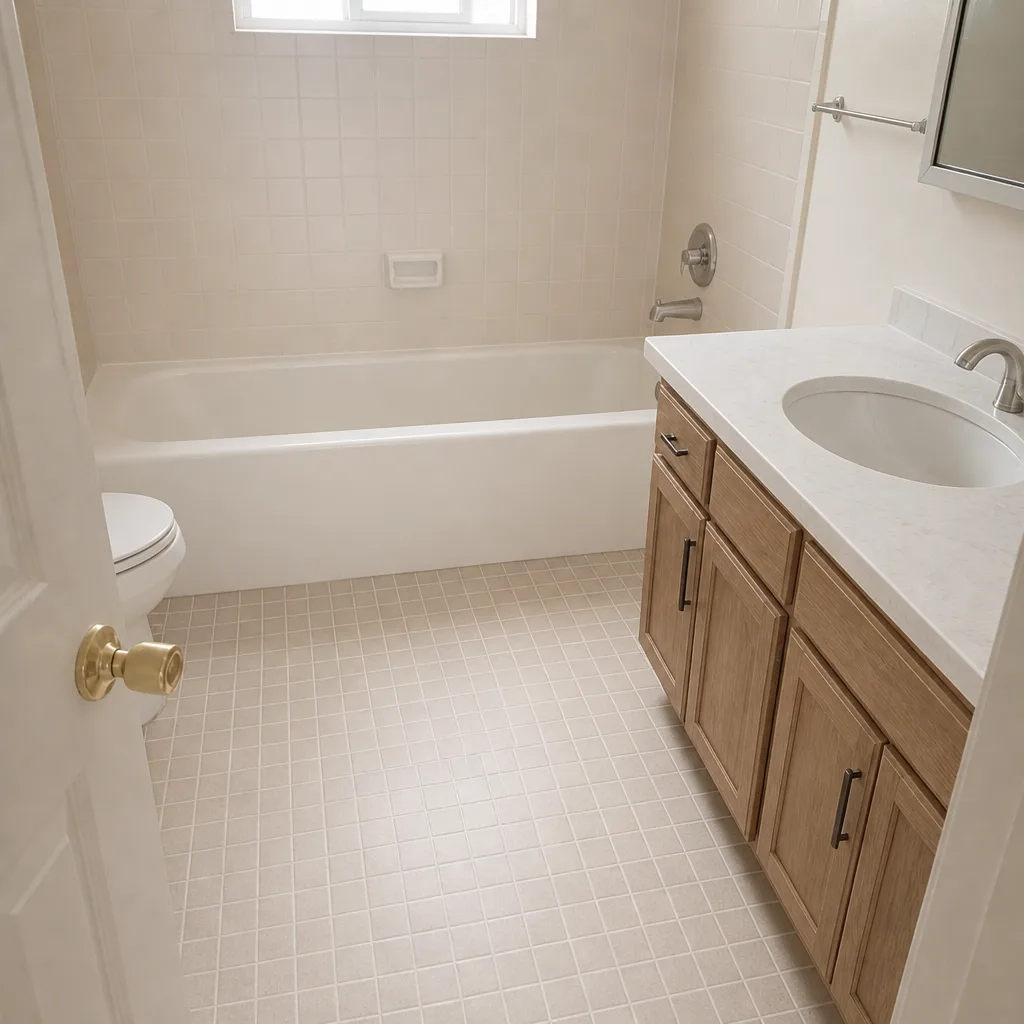 After
When to Call a Professional
Some Vacaville projects need a professional from the first day. Any structural concrete pour, any retaining wall over three feet, any project that requires a City of Vacaville permit, any ADU addition, and any roof replacement are in that category. Improvised attempts on these cost more to fix than they save. A retaining wall built without an engineered plan can fail and take a patio with it. A slab poured without clay-soil prep cracks and needs re-pouring within a year. A roof installed without proper flashing leaks within a season. Our technicians have up to 12 years of experience on these job types, and every project we take on is covered by the 730-Day Done Right Promise. If the work is more than a small handyman repair, get it scoped by a professional first. Groundwork Construction Co. of Vacaville offers free estimates in Vacaville – call (888) 276-8078 to schedule yours.
Frequently Asked Questions
A 400 to 600 square foot driveway replacement in Vacaville typically runs $12,000 to $28,000 installed in 2026, depending on clay-soil prep, demolition, finish choice, and whether the approach needs a right-of-way permit. Stamped and exposed-aggregate finishes add $3,000 to $9,000 on top. Call (888) 276-8078 for an exact quote – estimates are free.
It shouldn’t, if the bid is written correctly. The two legitimate reasons a bid changes are (a) an allowance line that wasn’t converted to a fixed price before signing, and (b) a hidden condition that no site walk would have revealed – a buried utility, unexpected soil conditions. Everything else should be fixed or covered by the contract. Upfront pricing with no change orders is standard at Groundwork. Get your bid in writing before you accept.
We pull the permits, own the inspection process, and don’t ask for the final payment until the job passes inspection. That’s how it should work with any Vacaville contractor. If a bidder says you’re responsible for permits, treat that as a warning sign – the contractor is either cutting scope or unwilling to stand behind the work.
An ADU foundation and shell in Vacaville usually takes 10 to 16 weeks from permit issuance to shell completion, depending on whether it’s attached or detached, how much utility trenching the lot requires, and whether prefabricated modules from suppliers like Abodu or Cover are part of the design. Full finish-out adds another 8 to 12 weeks. Permit review time at the City of Vacaville adds 6 to 12 weeks to the start date, so plan for the full permitting-to-finish timeline, not just the build.
No. National construction cost averages track national labor markets and don’t account for Solano County’s price point, which runs 15% to 25% below Bay Area rates but above inland Sacramento rates. Vacaville’s clay soils, hot summers, and City of Vacaville permit structure add item-level costs that national guides never reflect. Use the line items in this guide as your local benchmark.
The 730-Day Done Right Promise is a workmanship guarantee that runs for two years from project completion. If the work isn’t done right, we make it right. It’s one of the longest workmanship guarantees in the residential construction space, and it matters most in the second year when other warranties have already expired. Ask any Vacaville contractor for their warranty terms in writing before you sign.
The Bottom Line
Vacaville construction costs in 2026 don’t follow national averages, and the bids that look cheapest usually carry the most cost risk. The line items in this guide – $12,000 to $28,000 for a driveway, $95,000 to $185,000 for an ADU foundation and shell, $7,500 to $14,000 for a garage slab – give you a defensible range to test any bid against. Then read the allowance lines. Convert every placeholder into a fixed number before you sign, confirm who pulls the permits, and ask for the warranty in writing. Do those four things and the number you accept at signing is the number you pay at finish. That’s the standard Groundwork Construction Co. of Vacaville holds itself to – upfront pricing with no surprises, backed in writing for 730 days.
Ready to price your project against real Vacaville numbers? Call (888) 276-8078 for a free estimate. Calls are answered by a live person 24/7, and every job we quote comes with the 0% financing for 18 months offer, a $1,000 discount on projects over $10,000, and a free design consult. We pull the permits, pass the inspections, and back the work for 730 days.
Written by the team at Groundwork Construction Co. of Vacaville.