Last updated November 18, 2026




Free written scope consultation - allowances, timeline, and change-order rules on paper before a single trade is scheduled
Construction Permits, Codes & Inspections in CA: What You Need to Know
California homeowners discover unpermitted work at the worst possible moment: during escrow, when a buyer’s inspector flags it and the deal is already in motion. The fix typically costs two to four times what the permit would have cost originally, and that’s before you account for the delays, the re-inspection fees, or the buyer who walks. In Vacaville, where older homes near the downtown core sit next to newer construction out toward Nut Tree, that discovery shows up in appraisal reports and title searches with striking regularity. This guide walks through how California’s permit system actually works, where state code and local amendments overlap, which projects get skipped when they shouldn’t, and how to sequence inspections so your project closes on time.
Quick Answer
In California, most structural, electrical, plumbing, and mechanical work requires a building permit issued by your local jurisdiction – in Vacaville, that’s the city’s Community Development Department, which enforces the California Building Standards Code plus its own local amendments on top of it. Work that changes a home’s footprint, systems, or safety features needs a permit and inspections; cosmetic work like paint, flooring, and cabinet refacing generally does not. The permit itself is inexpensive compared to the cost of retrofitting unpermitted work later, which routinely runs two to four times the original permit and inspection fees.
Styles & brands we work with
- Kitchen remodeling
- Bathroom remodeling
- Home additions & ADU
- Roofing
- Windows & doors
- Driveway & pavers
- Fence
Table of Contents
- How Title 24 and Local Amendments Stack (And Which One Wins)
- Projects That Require Permits (And What Doesn’t)
- Over-the-Counter Permits in Solano County
- How Inspection Sequencing Works in Practice
- Your Legal Exposure for Unpermitted Work
- Vacaville-Specific Code and Climate Considerations
- Budgeting for Permits, Fees, and Inspections
How Title 24 and Local Amendments Stack (And Which One Wins)
California’s Title 24 energy code is the state-level standard for energy efficiency in new construction and major renovations. It covers building envelope performance, window U-factors, HVAC sizing, water heating, and lighting controls. Every jurisdiction in the state adopts Title 24 – the question is how each city and county amends it on top. Vacaville, like Solano County and most of its neighboring cities, adds local amendments that occasionally go stricter than the state baseline, particularly on wildfire-adjacent construction and water efficiency requirements.
When a local amendment conflicts with Title 24, the stricter provision almost always controls. That’s the rule under the California Building Standards Code, and it’s the single most misunderstood piece of the permit process we see. A homeowner or an under-informed contractor reads the state code, prices the job, and then gets a plan-check correction from the city requiring a higher-performance window or a more efficient water heater than the state minimum. The change order lands on the homeowner, not the state.
A few practical realities about how this stacking affects your project:
- Windows and doors: Title 24 sets a maximum U-factor and solar heat gain coefficient. Local amendments can tighten those values. In Vacaville’s climate zone, west-facing glazing gets extra scrutiny because of summer afternoon heat gain, which is why we lean on brand partners like Andersen and Marvin for performance-rated units that clear both the state and local thresholds without a plan-check fight.
- Water heating and fixtures: California’s water efficiency standards govern flow rates. Kohler and Moen both publish compliance documentation that plan checkers want to see on the submittal package. Missing those spec sheets is a common reason a permit sits in review.
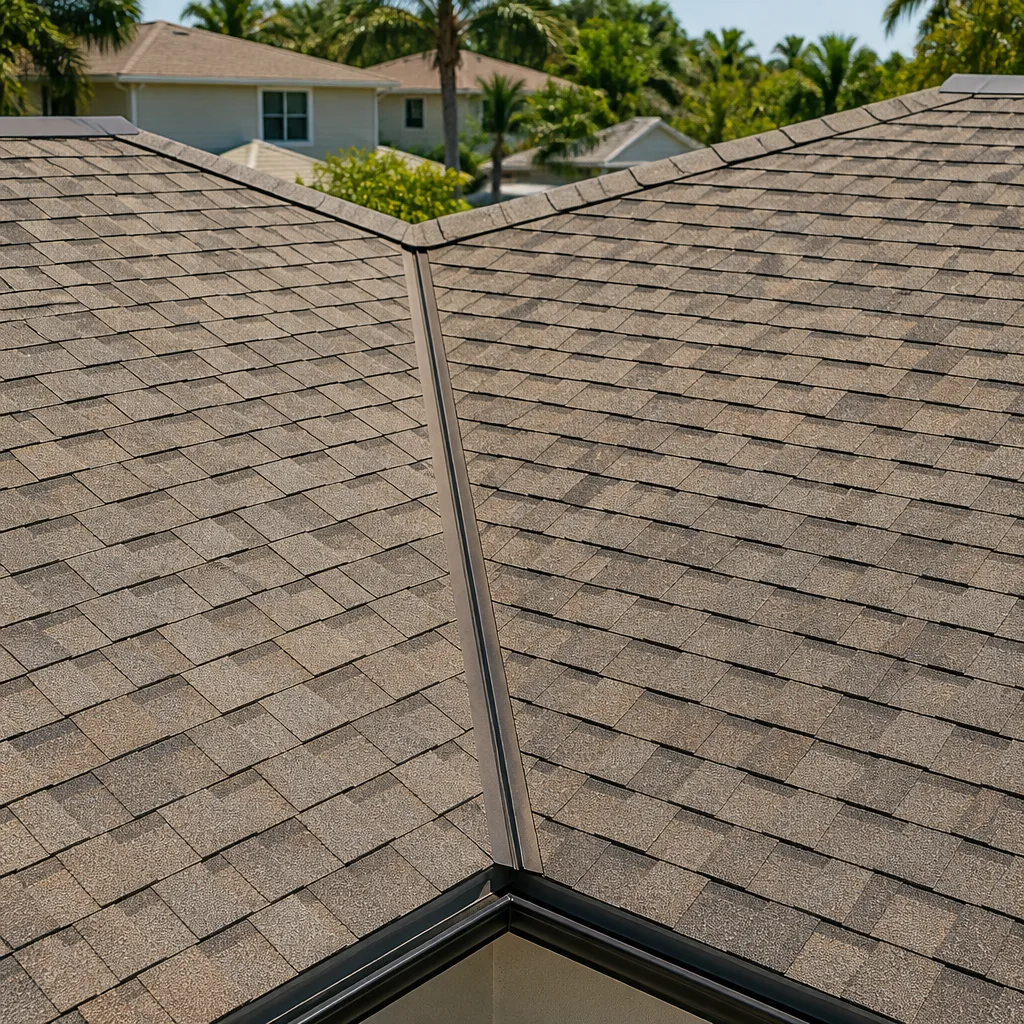
- Roofing: Cool-roof requirements apply to most reroofs on the state level, and local amendments sometimes expand which roof assemblies qualify. GAF and CertainTeed both maintain California-specific product listings that simplify plan-check approval.
- Additions: New conditioned square footage triggers the full Title 24 residential compliance report – the “CF1R” form. That document has to be prepared by a certified energy analyst, and it becomes part of the permit submittal. It is not something to be sketched out at the counter.
The practical takeaway: assume local amendments will be stricter than what you read in the state code, and budget for the possibility that a plan checker comes back with a correction. The best way to avoid a surprise is to have your contractor pull the current Vacaville municipal code sections that apply to your specific project before submitting.
Projects That Require Permits (And What Doesn’t)
Most homeowners have a rough sense that “big projects” need permits, but the line between “big” and “requires a permit” is not always intuitive. California’s permit triggers are defined by the scope of work and whether it touches structural, electrical, plumbing, mechanical, or life-safety systems – not by the dollar amount of the project. A $2,000 electrical panel upgrade needs a permit. A $40,000 kitchen cosmetic refresh with no relocated wiring or plumbing often doesn’t.
Here’s the practical line we draw when scoping work in Vacaville and across Solano County:
Typically requires a permit:
- Any new square footage – additions, ADUs, enclosed patios, converted garages
- Structural changes – removing or relocating a load-bearing wall, new beams, foundation work
- Electrical work beyond like-for-like fixture swaps – new circuits, panel changes, EV chargers, subpanels
- Plumbing relocations or new plumbing – moving a sink, adding a bathroom, repiping
- HVAC replacement when the system size or ducting changes
- Roof replacement, including tear-off and re-sheathing
- Water heater replacement, except like-for-like swaps in some jurisdictions
- Fences over six feet tall, and any fence in a front setback or on a property line
- Retaining walls over four feet, or any wall that supports a surcharge
- Decks more than 30 inches above grade, or any deck attached to the home
- Window and door replacements where the rough opening changes, or where egress is affected
- Pools, spas, and solar installations
Typically does NOT require a permit (though HOAs and local rules may still apply):
- Interior and exterior painting
- Flooring replacement – carpet, tile, LVP – where no subfloor structural work is involved
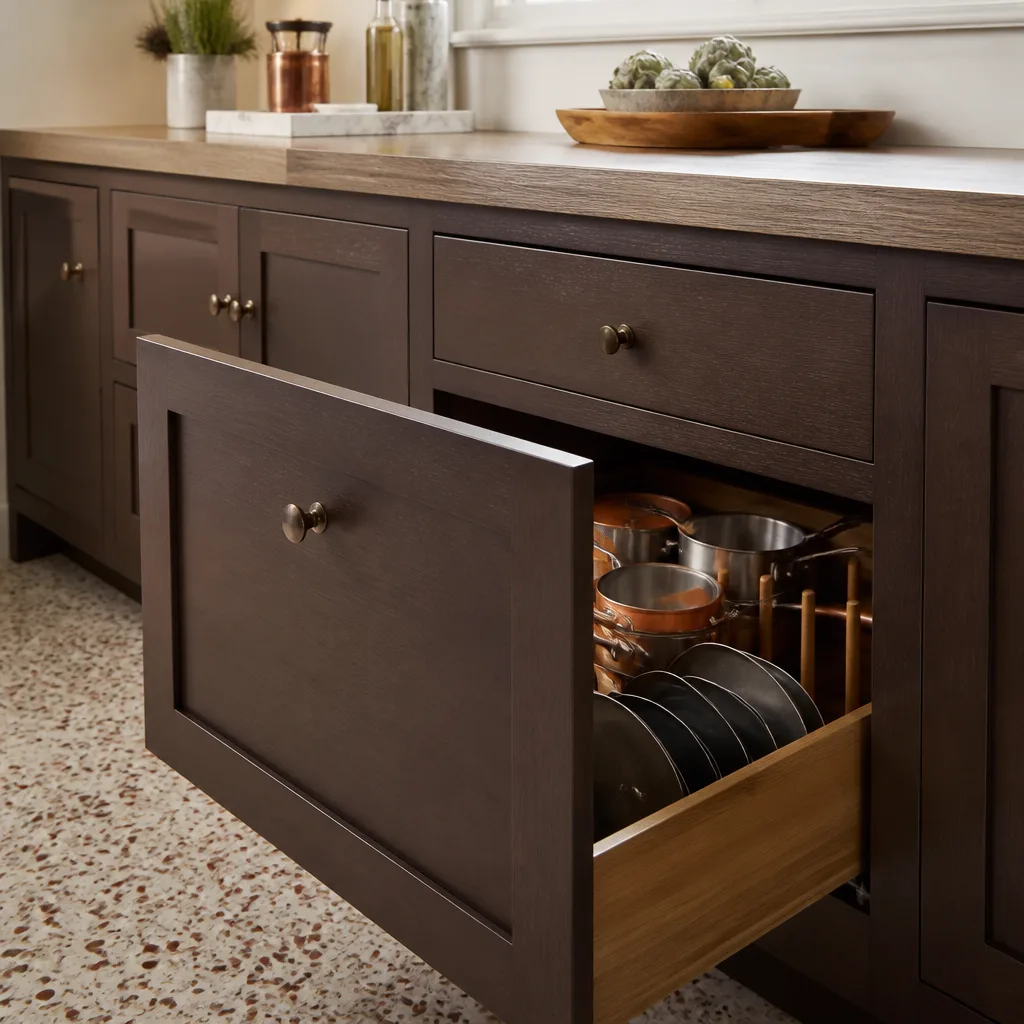
- Cabinet refacing (not full cabinet replacement with plumbing or electrical changes)
- Countertop replacement where the sink and plumbing stay in place
- Replacing a toilet with a like-for-like fixture
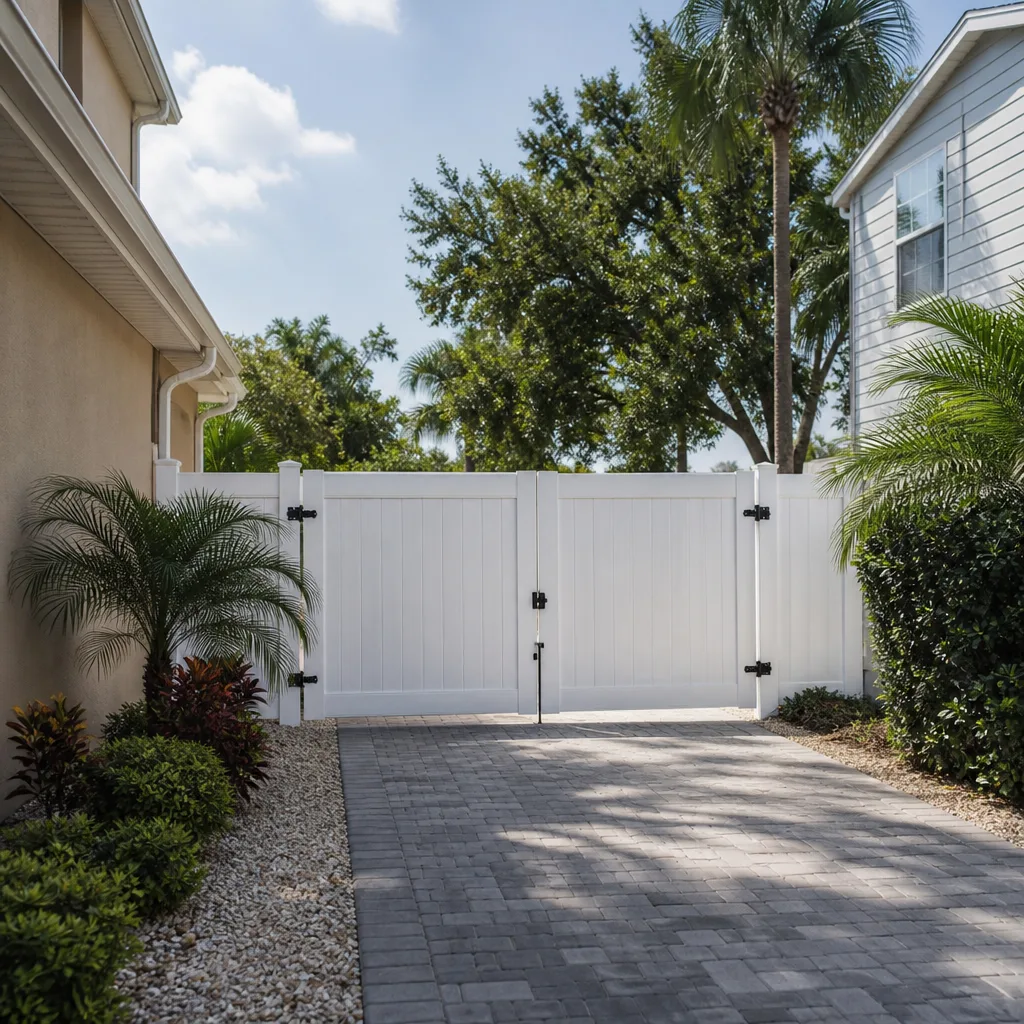
- Fence replacement in the same footprint under six feet (subject to local amendments and HOA rules)
- Landscaping that doesn’t change grading or drainage
The porchlight surprises we see most often: homeowners assume a fence replacement doesn’t need a permit (in many cases it doesn’t, but the front setback rules in Vacaville do apply), and they assume a water heater swap doesn’t either (like-for-like replacements in some jurisdictions still require a plumbing permit – always verify). When in doubt, call the city. A five-minute phone call is cheaper than a retroactive permit.
Over-the-Counter Permits in Solano County
Not every permit needs six weeks of plan review. “Over-the-counter” permits – sometimes called OTC or express permits – are issued the same day at the counter for projects that fall cleanly within a pre-approved scope. In Vacaville and across Solano County, the projects that typically qualify include:
- Like-for-like water heater replacements – same fuel type, same location, same capacity. The plumbing permit is usually over the counter.
- Residential reroofs – tear-off and replace with the same or equivalent materials, when the roof has been previously permitted.
- Fascia and siding replacement within the existing footprint.
- Minor electrical – like-for-like panel changes, adding a small number of outlets in existing walls, and some EV charger installations.
- Fence permits under six feet on the property line, when the fence plan is submitted with the property survey.
- Window replacements that are like-for-like in the same opening, with compliant Title 24 glazing.
- Repiping – whole-house copper-to-PEX conversions often qualify.
Using the OTC path correctly can cut weeks off a project. The trick is knowing which projects fall inside the pre-approved scope – walk in with the wrong one and you’re back in the standard plan review line. In our experience managing permits in Vacaville, the OTC queue moves fastest on Tuesdays and Wednesdays; Mondays and Fridays are dominated by contractors dropping off and picking up on the same day. Small detail, real time saved.
When your project is larger – an addition, an ADU, a kitchen with moved plumbing – you’re in standard plan review, which in Vacaville typically runs four to eight weeks depending on the scope and the review queue. Bring a complete submittal the first time and you avoid the resubmittal cycle that tacks on another month.
How Inspection Sequencing Works in Practice
Once a permit is issued, inspections are the actual test of whether your contractor knows the process. Each inspection is called for at a specific point in construction, and calling for the wrong inspection too early sets the project back by days – sometimes weeks if the re-inspection calendar is full. This is where a lot of homeowners discover, mid-project, that their contractor’s permit experience is thin.
A typical residential addition or major remodel inspection sequence looks like this:
- Pre-construction / underground inspection – after excavation, before footings are poured. Verify foundation forms, rebar, and utility stubs.
- Foundation inspection – after the concrete is placed but before framing on top (in some cases before the pour – always confirm with the city inspector).
- Under-slab plumbing and electrical – before the slab or subfloor closes. If this is missed, the slab has to be opened back up.
- Framing inspection – after walls and roof structure are up but before insulation or drywall. This inspection covers the sheer panel install, headers, and rough openings for windows and doors.
- Rough-in plumbing, electrical, and mechanical (together or separate) – after the rough systems are in, before insulation and drywall close the walls.
- Insulation inspection – after insulation is installed but before drywall. Title 24 compliance is verified at this stage.
- Drywall and lath – once drywall goes up, before finishes.
- Final inspection – after finishes, fixtures, and mechanical trim are complete. This one closes the permit.
Some jurisdictions layer in additional inspections – a shear nail-inspection during framing, a welding inspection for steel, a fire-rated assembly inspection where required. Missing any of those means opening up finished work. In Vacaville, framing and rough-in are the two most common calls that get made too early, usually because the crew was moving fast and skipped confirming the prior inspection had been signed off.
The practical rule: never let the next stage of work start until the previous inspection is signed off and recorded. Most jurisdictions post inspection history online, so a homeowner can verify the status directly – and should, especially on a project they’re paying a contractor to manage.
Your Legal Exposure for Unpermitted Work
Here’s the part most homeowners don’t learn until it becomes a problem: hiring a licensed contractor does not transfer permit liability to that contractor. As the property owner, you are the permit applicant of record in nearly all California jurisdictions, and you carry the consequences if work was done without a permit – even if you didn’t know the permit was missing.
What that exposure looks like in practice:
- Disclosure obligation in a sale: California Civil Code requires sellers to disclose known unpermitted work. If you didn’t know, you’re still the one holding the liability once the buyer’s inspector finds it.
- Retroactive permit costs: The fix is a permit and an inspection of work already in place. If the work isn’t to code, the remedy is a demolition and rebuild. Our experience is that retroactive permitting runs two to four times the original permit and inspection cost once you account for exposed work, special inspections, and remediation.
- Insurance and warranty trouble: A homeowner’s insurance carrier can deny a claim if the damage traces to unpermitted work. Contractor warranties often carry the same exclusion.
- Liability for injury: If unpermitted electrical or structural work causes a fire or an injury, the property owner is exposed to significant liability. Contractor insurance typically doesn’t cover work that wasn’t permitted.
- Financing and appraisal issues: Lenders can deny a mortgage on a home with unpermitted additions or converted garages, and appraisers flag them in the report.
The contract itself matters too. A well-written scope of work makes the contractor responsible for pulling permits and passing inspections. A vague scope of work passes the risk to the homeowner without them realizing it. We require permits and inspections on every project under the 730-Day Done Right Promise – if the work isn’t documented, it can’t be warrantied.
Vacaville-Specific Code and Climate Considerations
Vacaville sits in a specific slice of Solano County that adds its own wrinkles to the statewide code. Three things come up repeatedly in our projects here:
Wildfire-adjacent construction. Vacaville has a mix of zones – from the downtown core out toward the hills east and west – and the Wildland-Urban Interface (WUI) code applies to certain parcels within the city and the surrounding unincorporated areas. WUI construction triggers non-combustible exterior materials, ember-resistant attic venting, and specific roof assembly requirements. If your home is in a WUI zone, your reroof or addition gets a stricter plan-check than a similar project downtown. Check with the Vacaville Fire Department before you scope a WUI project; the classification drives which materials qualify.
Summer heat and Title 24. Vacaville’s inland climate zone means summers with sustained triple-digit stretches. Title 24 calculations weight cooling loads heavily here, which affects window performance, HVAC sizing, duct insulation, and attic ventilation. Projects that would pass plan check in Alameda sometimes get corrections in Vacaville because the cooling-load calculation is tighter. The answer is to have your energy report prepared by someone who does Solano County work routinely, not a template pulled from another climate zone.
Older housing stock and permitted history. A big share of Vacaville’s housing was built between the 1950s and the 1980s. Many of those homes have unpermitted work in their history – converted garages, added patios, repiped electrical in a finished wall. Before you scope a major remodel, pull the permit history from the city. Discovering what exists before you demolish something is far cheaper than discovering it during inspection.
Budgeting for Permits, Fees, and Inspections
Permit fees vary by project valuation and jurisdiction, but the range is predictable enough to plan around. In Vacaville, a typical residential permit package breaks down roughly as follows:
- Permit issuance fees: assessed on project valuation – very roughly $800 – $3,500 for most residential remodeling and addition work in this area
- Plan review fees: usually 50 – 100% of the issuance fee, built into the total
- Title 24 energy compliance report: $300 – $900, prepared by a certified energy analyst
- Structural engineering (when required): $1,200 – $4,000, depending on scope
- Inspection fees: included in the permit total in most jurisdictions
- Re-inspection fees (when an inspection fails): typically $100 – $250 per occurrence
- School district and utility fees (on new square footage): can add several thousand dollars on additions and ADUs
That’s the direct cost. The indirect cost is time. Standard plan review in Vacaville runs four to eight weeks; a resubmittal adds another two to four. A missed inspection window – if the framing inspection fails, for example – can add days to weeks depending on the inspection calendar. When you’re budgeting a project, plan on three to four months from permit submission to final inspection on a typical addition, faster on OTC permits, slower on anything touching structural or WUI requirements.
Upfront pricing, no surprises means the permit fees, the energy report, and the engineering are all in the number we quote – not added later when the plan checker comes back with corrections. That’s the difference between a bid you can compare against another bid and a bid that gets re-priced halfway through the project. If you’re planning a home addition or ADU in Vacaville, or a driveway and pavers project in Vacaville, the permitting path is different for each – we walk through both with every estimate.
Common Mistakes to Avoid
- Assuming the contractor pulled the permit. Always get the permit number in writing before work starts. In Vacaville, you can verify the permit status directly with the city – the homeowner is the applicant of record, so you have access to the file. If there’s no permit number, there’s no permit.
- Skipping the permit history pull on an older home. Vacaville’s mid-century housing stock often carries thirty or forty years of unpermitted work in its past. Pull the history before you scope a remodel; the seller may not know what’s there, and the discovery cost is much higher once you’ve already demoed.
- Calling for an inspection out of sequence. Framing before rough-in, insulation before framing sign-off, drywall before insulation – every one of these opens walls you just closed. Inspection order is set by the permit and the building department; skipping ahead costs far more than the day it saves.
- Assuming a contractor’s license transfers permit liability. It doesn’t. As the property owner, you’re the applicant of record and the one carrying the consequence if work is unpermitted. A licensed contractor walking away from a project doesn’t walk away with your liability.
- Buying a fixer in a WUI zone without checking the fire code. Vacaville’s WUI zones carry stricter material and assembly requirements. A reroof or addition scoped without knowing the zone classification can run thousands over budget once plan check returns the corrections.
- Underestimating the time cost of plan review. A four-week plan review is not the same as a four-week project start. Add design time, engineering, energy report preparation, and resubmittal time. Six weeks from “let’s start” to “permit in hand” is aggressive in Vacaville.
- Letting a contractor talk you out of a permit to save time. If a contractor suggests skipping the permit because it will “slow things down,” that’s not a time saver – it’s a choice to shift the retroactive cost and the legal exposure to you. That’s not a contractor to keep.
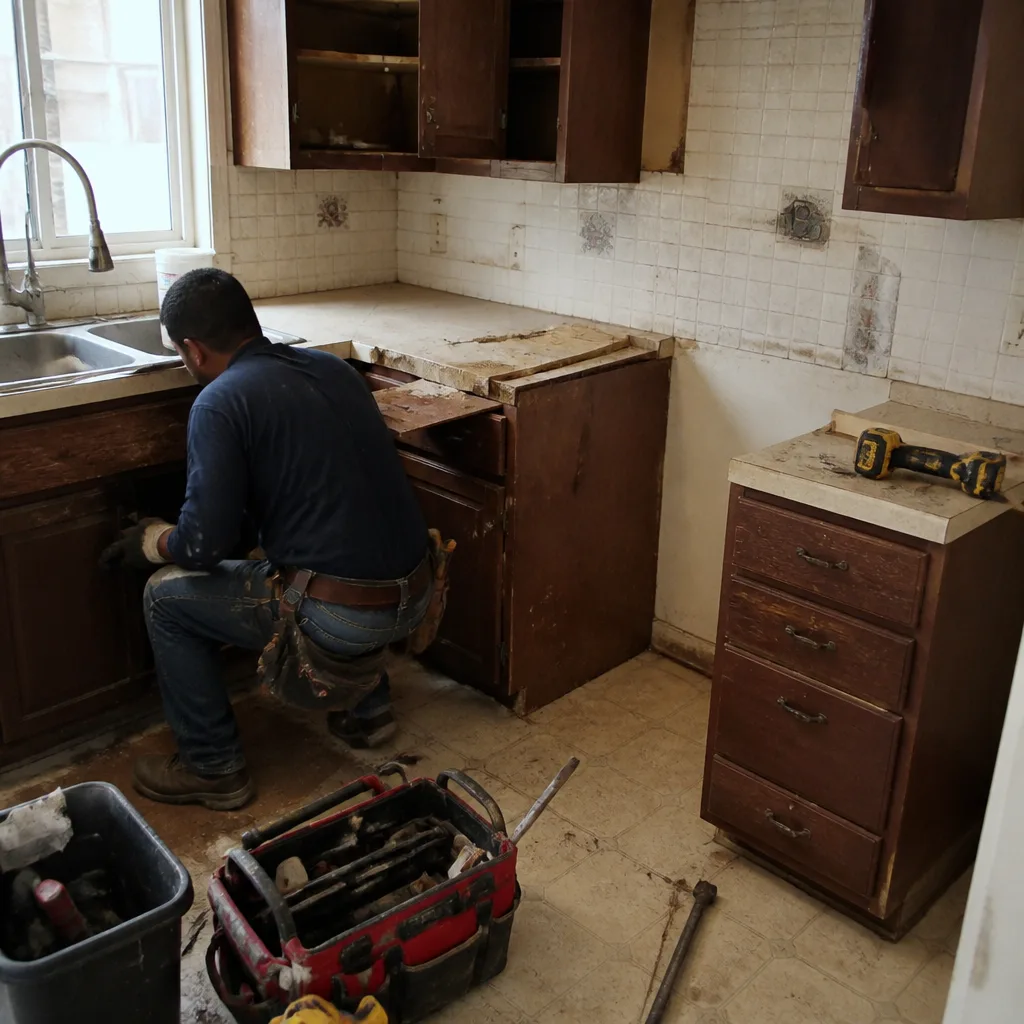
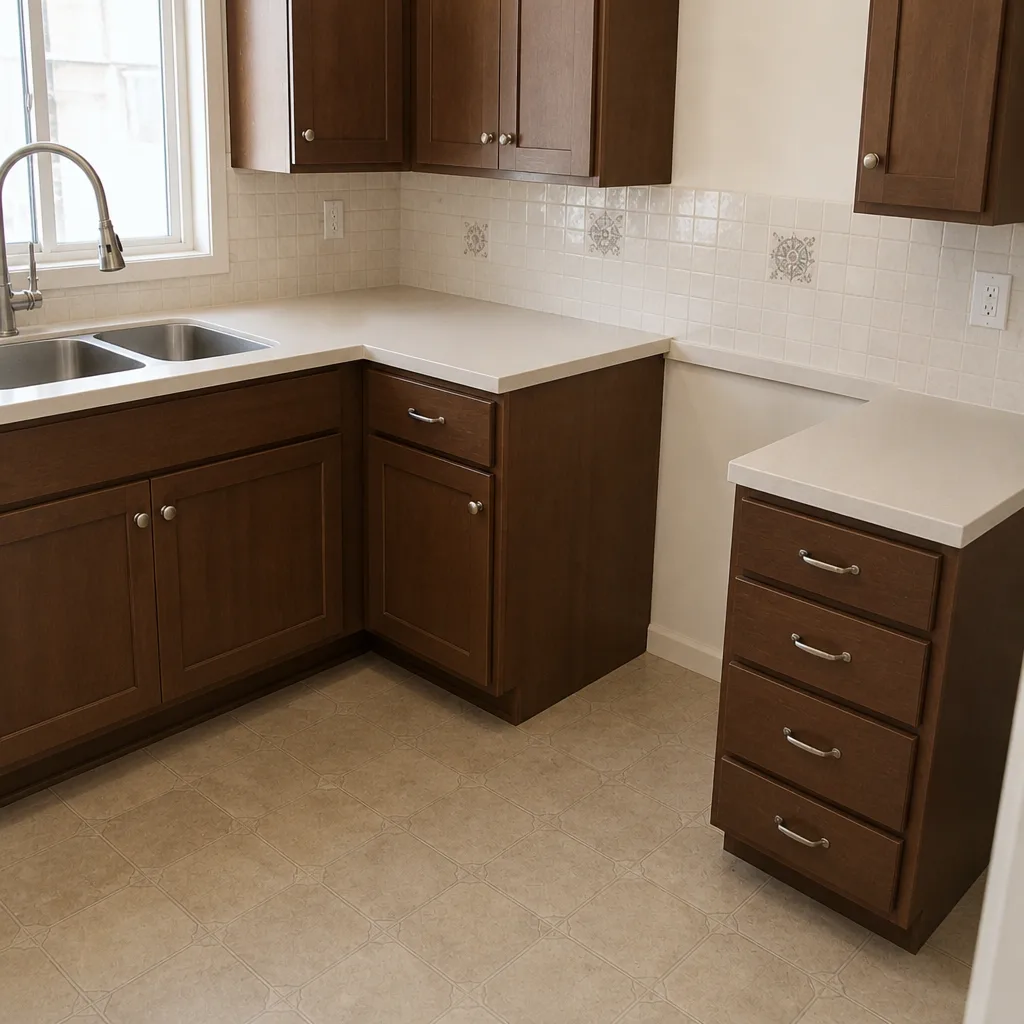
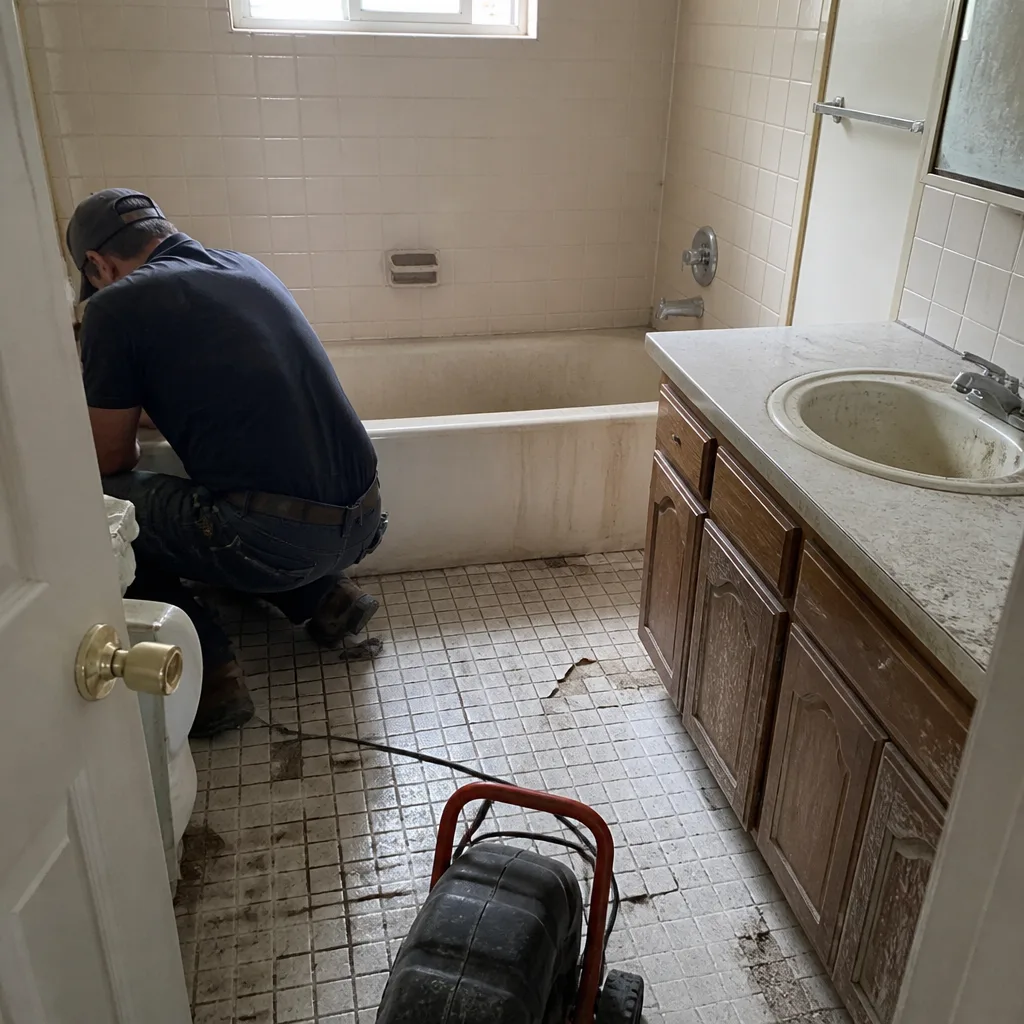
See the difference
 Before
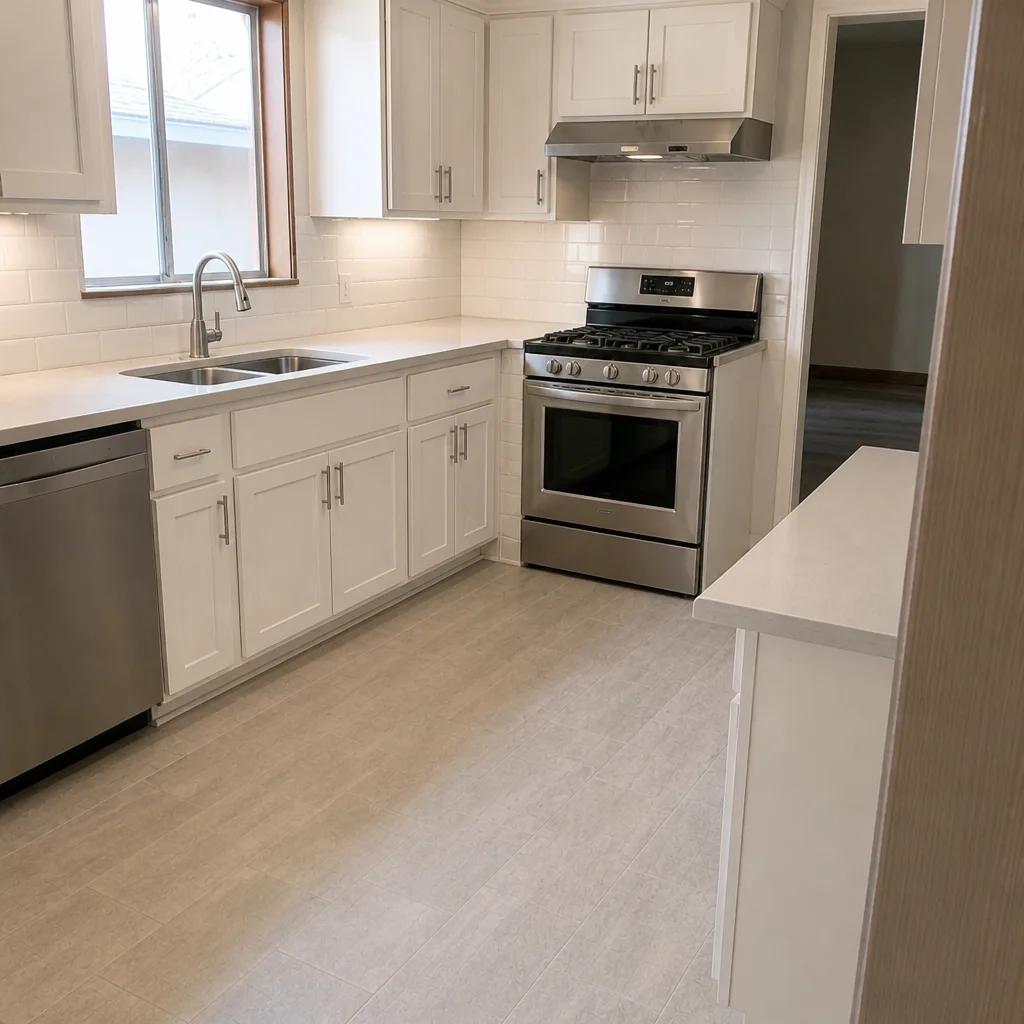 After
 Before
 After
 Before
 After
When to Call a Professional
If your project touches structure, systems, or square footage, the permitting path is real work that needs a contractor who does it routinely. Call a professional when you’re planning an addition, an ADU, a kitchen or bathroom remodel with relocated plumbing or electrical, a full reroof, a window and door package that changes rough openings, a fence installation in Vacaville that touches a property line or setback, or a driveway and hardscape project that changes grading. Also call if you’re buying a home and the inspection report flags unpermitted work – the fix gets more expensive the longer it’s deferred. Groundwork Construction Co. of Vacaville offers free estimates in Vacaville – call (888) 276-8078. Our technicians have up to 12 years of experience navigating Solano County permits, and every project we touch is covered by the 730-Day Done Right Promise. From Groundwork Construction Co. of Vacaville home, we handle the permit, the inspections, and the punch list – so you don’t have to learn California’s code the hard way.
Frequently Asked Questions
Most residential remodeling permits in Vacaville run roughly $800 – $3,500 in total issuance and review fees, based on project valuation. Add $300 – $900 for a Title 24 energy compliance report and $1,200 – $4,000 for structural engineering if the scope requires it. Additions and ADUs also trigger school district and utility fees that can add several thousand dollars. Call (888) 276-8078 for an exact quote – estimates are free.
Fence replacement in the same footprint under six feet typically doesn’t require a building permit, but front setback rules and property line requirements still apply in Vacaville. Fences over six feet, and any new fence in a front setback, do require a permit. Check with the city before you build – a five-minute verification is cheaper than removing a fence after a code complaint.
California requires sellers to disclose known unpermitted work, and buyers’ inspectors routinely flag it during escrow. The remedy is a retroactive permit and inspection of the work in place – and if the work isn’t to code, a demolition and rebuild. Budget two to four times the original permit cost, plus the delay to the sale. Call (888) 276-8078 to scope the fix before you list.
Yes, California allows owner-builder permits on your primary residence, but the tradeoff is real: you become the general contractor and carry all inspection coordination, subcontractor licensing verification, and liability. Owner-builder permits also complicate the sale of the home and often void contractor warranties when the owner subs work out. Most Vacaville homeowners hire a licensed contractor to pull the permit and manage inspections – the cost is small compared to the risk you’re taking on.
The permit is the approval to start work; the inspection is the verification that the work was done to code. Every permit that requires inspections (which is most of them) has a defined inspection sequence – underground, foundation, framing, rough-in, insulation, and final. Skipping an inspection means the permit can’t be closed, which means the work is unpermitted in the eyes of the city even though you have the paper.
Yes – we pull permits and manage inspections on every project we build, and we include the permit fees in the upfront quoted price so there’s no surprise add later. That applies across our service lines, from driveway and paver installations in Vacaville to full home additions and ADUs in Vacaville. Call (888) 276-8078 for a free estimate on your project with the permit cost itemized.
The Bottom Line
California’s permit system isn’t bureaucratic friction – it’s the legal record that determines whether your project adds value to your home or becomes a liability that blocks your next sale. The state code and Vacaville’s local amendments stack together, and the stricter rule wins. Most projects that touch structure, systems, or square footage need permits and sequenced inspections; most cosmetic work doesn’t. Over-the-counter permits can save weeks when the scope qualifies. And the legal exposure for unpermitted work lands on the homeowner, not the contractor – even when the contractor is licensed. If you’re planning a project in Vacaville, get the permit path right at the start. It’s the cheapest part of the project and the most expensive one to get wrong.
Call (888) 276-8078 for a free estimate. Our calls are answered by a live person, 24/7, and every project we touch is backed by the 730-Day Done Right Promise – if it’s not done right, we make it right. Ask about $1,000 off projects over $10,000, 0% financing for 18 months, and our free design consult. Upfront pricing, no surprises, from foundation to finish line.
Written by the team at Groundwork Construction Co. of Vacaville.