Last updated November 18, 2026


Free written scope consultation - allowances, timeline, and change-order rules on paper before a single trade is scheduled
DIY vs Professional Fence Installation: What’s Safe to Do Yourself
YouTube makes fence installation look like a two-person weekend project, and sometimes it is. If you’re replacing three storm-damaged panels, you can absolutely do that yourself. But a full perimeter install is a different job entirely, and the physics don’t care about your confidence level. Over a few hundred linear feet, two decisions quietly separate a fence that holds for five years from one that’s still true at twenty: how deep the posts go, and how the footings are mixed and poured. Everything else is trim and hardware. This guide walks you through exactly where DIY is genuinely safe, where it quietly costs you, and how to read a contractor’s post-setting spec before you sign anything. If you’re in Vacaville, the local soil and wind patterns make those two decisions matter more than most YouTube tutorials admit.
Quick Answer
DIY is genuinely safe and often smart for panel replacement, gate hardware swaps, staining, and minor repairs. A full perimeter install is where amateurs lose money: post depth, footing volume, and string-line alignment cause the failures that are expensive to fix after concrete sets. If your project involves new posts, ground that hasn’t been surveyed, or more than a handful of panels, hiring a licensed professional is the lower-risk call.
Styles & brands we work with
- Kitchen remodeling
- Bathroom remodeling
- Home additions & ADU
- Roofing
- Windows & doors
- Driveway & pavers
- Fence
Table of Contents
- The DIY-safe middle ground: what you can actually do yourself
- Why post setting is where DIY mistakes compound
- The tool and equipment reality of a full install
- Permits, surveys, and neighbor disputes: the paperwork DIY skips
- How to read a contractor’s post-setting spec before you hire
- Vacaville-specific considerations: soil, wind, and frost line
- What a full fence install actually costs in Vacaville
- Common mistakes to avoid
The DIY-Safe Middle Ground: What You Can Actually Do Yourself
There’s a wide band of fence work where rolling up your sleeves is the right answer. The trick is knowing exactly where that band ends. Here’s the honest breakdown:
Genuinely safe to DIY (no meaningful risk trade-off)
- Replacing individual panels or pickets after a storm or vehicle strike. The posts are already set and true; you’re just swapping lumber or vinyl pickets between them.
- Gate hardware swaps: hinges, latches, self-closers, spring hinges. Straightforward hand-tool work with real payoff on a gate that’s sagging or sticky.
- Staining or sealing a wood fence. Two coats with a sprayer and a brush, a weekend, no structural risk. A properly applied seal coat in Vacaville’s dry summers extends wood life by years.
- Minor repairs: loose pickets, a leaning panel you can re-plumb against existing footings, replacing dog-eared caps, tightening bolts on a steel frame.
- Cosmetic upgrades: adding lattice toppers, decorative post caps, planter boxes at the base of existing posts.
The gray zone (doable but humbling)
- Replacing one or two posts in an otherwise sound fence. This is doable if you’re meticulous about depth and alignment, but the odds of cracking an adjacent panel during extraction are high and the footing work is the same as a full install, just smaller.
- Adding a short run (under 20 linear feet) tied into an existing fence line. Feasible for a confident DIYer, but any misalignment with existing posts shows within a season.
If your project lives entirely in the first category, the rest of this guide is background reading. If you’re straddling the gray zone or eyeing a full perimeter, keep going. The next three sections are where the money actually goes.
Why Post Setting Is Where DIY Mistakes Compound
Posts are the fence. Panels, rails, pickets, and hardware are attached to posts. If the posts are set wrong, nothing downstream saves the fence. And every wrong post is 40 to 80 times more expensive to fix after the concrete cures than it is to set correctly the first time.
The three post-setting failures we see most in Vacaville
- Insufficient depth. Most wood fence posts need to sit a third of their above-grade height below grade. A 6-foot post needs roughly 2 feet in the ground; a 6-foot post buried 18 inches will heave, lean, or fail in wind within a few seasons. In Vacaville’s clay soils, frost heave isn’t the main threat, but summer shrink-swell is, and shallow posts lose the fight.
- Insufficient footing volume. A post sitting in a 10-inch hole with two bags of Quikrete poured in has almost no lateral bearing. The rule most fail is this: the concrete around the post should be roughly three times the post’s cross-section in diameter. For a 4×4, that’s a 12-inch hole minimum, and the concrete should reach above grade to shed water away from the wood.
- Misaligned string lines. Running a true line on a full perimeter in a sloped yard is harder than it looks. Two-degree errors over 100 feet become two-foot errors at the corner. Once concrete sets, you live with the wavy line.
Why the mistakes compound
A shallow post isn’t a cosmetic flaw. It’s a lateral support failure waiting for a wind event. When one post goes, the panels on either side are dragged with it, and the adjacent posts take load they weren’t set to carry. Three bad posts become a twenty-foot tear-out. In our experience installing fence around Vacaville, we’ve seen the same pattern repeatedly: a homeowner who installed a fence themselves five years ago calls because two posts have leaned and pulled the corner panel apart. The fix is never two posts. It’s a full section, sometimes the whole run.
One more note on safety: never dig near marked utilities. Call 811 before you break ground. It’s free, it’s fast, and hitting a gas line is a genuinely dangerous event, not just an inconvenience. If you’re not certain where your sewer lateral and irrigation lines run, get them marked before a shovel touches the ground.
The Tool and Equipment Reality of a Full Install
Most DIY fence tutorials gloss over the tool list. The reality is you need a specific set of equipment to do a full install correctly, and the stuff that gets skipped is exactly what causes failure.
What you actually need (own or rent)
- Post-hole digger or auger – a manual clamshell digger works for a handful of holes but a full install with 30+ holes is a two-day job you could rent an auger for. Expect a rental of $60 to $120 per day depending on the unit.
- String line and line level – the alignment tool that determines whether your fence looks professionally set or leans like a ship’s rigging.
- Post level – cheaper than a spirit level for the task because it reads two planes at once.
- Wheelbarrow and hoe for mixing Quikrete or Sakrete to the right consistency. Bagged concrete is not “pour in the hole and add water” if you want a footing that lasts twenty years; the correct mix is the one that matches the bag instructions, and that’s a proper trough mix.
- Circular saw or miter saw for cutting pickets, rails, and posts to consistent height.
- Impact driver and framing hardware – screws, not nails on panels; exterior-rated structural screws on rails.
- Tamper or plate compactor for gravel base in each hole if you’re installing a specific footing spec (gravel base, then concrete collar is a common high-quality approach on clay soils).
- Bracing stakes and clamps to hold posts plumb while concrete cures. This is often skipped and often the exact reason for the wavy line.
What gets skipped and causes failure
- Gravel base in the hole. Without 4 to 6 inches of compacted gravel under the concrete, the post fights groundwater and shrink-swell year-round.
- The bracing phase. Posts must be held plumb for the full 24 to 48 hours while concrete sets. Rushing this step is where “it looked fine on Saturday, but by Tuesday it had moved” originates.
- Crowning the concrete. Concrete should slope away from the post at the top to shed water. Flat concrete traps water at the wood-concrete seam, which is a rot entry point.
- Driving away from the post’s grade mark. Wood posts must sit above grade, not flush with it, and the top of the concrete collar should be at least a few inches above the ground.
If you’re reading that list and thinking “I’d need to rent half of it and I’m not sure I’d use the right concrete mix,” you’re being honest with yourself in the right way. That’s usually the moment the math tips toward hiring.
Permits, Surveys, and Neighbor Disputes: The Paperwork DIY Skips
Fence permits in Vacaville aren’t dramatic, but they exist, and skipping them creates a specific type of exposure that doesn’t show up until you try to sell your house or your neighbor files a complaint.
What Vacaville actually requires
- Height limits. Residential zoning in Vacaville typically caps a rear or side yard fence at 6 feet and a front yard fence at 3 to 4 feet, with some flexibility on corner lots. Duplexes, ADUs, and corner properties get specific treatment. Confirm with the city before you build, because removing a completed fence because it violates setback is painful.
- Property line accuracy. A fence installed six inches on your neighbor’s side is legally your neighbor’s fence. It happens on DIY installs constantly because neither party pulls a survey. If you’re installing a full-perimeter fence and you don’t have a recent survey, order one before you order lumber – a survey runs a few hundred dollars, a fence dispute runs thousands.
- Setback from utility easements. Vacaville has utility and drainage easements in many older neighborhoods. Building across one creates a removal obligation.
What DIY often skips
- Talking to the neighbor before you build. California Civil Code governs boundary fences and cost-sharing, and the practical rule is simpler: a friendly conversation before the first post is dug prevents about 90% of fence disputes. If you show up two weeks later with a fence on their line, you’ve created the other 10%.
- Permits. Many fence installs in Vacaville don’t require a permit, but the ones that do – certain heights, certain materials, corner lots, and hillside properties – become real problems when you go to sell.
- HOA approval. If you’re in one of Vacaville’s planned communities, fence material and height changes almost certainly require architectural review approval. Installing first and asking later usually ends with a removal.
A professional fence contractor is on the hook for getting this right, has done it in your neighborhood before, and knows which Vacaville neighborhoods have the tightest HOA review and the trickiest easements. It’s not a legal guarantee of immunity, but it’s a meaningful shift of the odds.
How to Read a Contractor’s Post-Setting Spec Before You Hire
Here’s the uncomfortable truth: a professional who underpours footings is worse than a careful DIYer. A DIYer who does it right at least owns the mistake. A contractor who cuts corners hides behind the completed job. Before you sign anything, ask three questions and write down the answers.
- “How deep are my posts going?” A confident pro answers immediately with a number in inches or feet. A vague answer like “deep enough” or “well below frost line” is a warning sign. In Vacaville, most wood fence posts get set a third of their height below grade. Anything less than that on a 6-foot fence should make you ask why.
- “What’s the footing spec?” Diameter, depth, concrete mix, and how long they’ll let it cure before panels are attached. A proper answer includes the hole diameter (typically 3x the post cross-section), concrete volume, and the curing window. If they can’t articulate that, the crew doing the work almost certainly doesn’t have a spec either.
- “Are you pulling a permit, and will the permit be in writing?” Any fence that requires a permit should be pulled by the contractor under their license. If a contractor suggests you pull the permit yourself so it’s “faster,” that’s not faster – that’s transferring the liability.
How Groundwork Construction Co. of Vacaville handles this
We put our post-setting spec in writing before a single hole is dug: post depth, hole diameter, concrete mix, bracing method, and curing time. Every install we do is covered by our 730-Day Done Right Promise – if it’s not done right, we make it right, and that includes anything that starts to lean, wobble, or fail within the warranty window. Our technicians have up to 12 years of experience, are background-checked, and arrive in uniform. If you want to see how that plays out on a Vacaville fence install, our Fence Installation in Vacaville page lays out the full process. We also handle neighboring projects like Driveway & Pavers in Vacaville if your fence work ties into hardscape, and we’re happy to quote both together so you don’t pay twice for site work.
Vacaville-Specific Considerations: Soil, Wind, and Frost Line
A fence guide written for Ohio doesn’t help you in Vacaville, and most of what you’ll find online was written for colder climates. Here’s what actually changes locally.
Soil
Much of Vacaville sits on expansive clay soils, particularly in neighborhoods built on former agricultural land. Clay expands when wet and shrinks when dry – and Vacaville gets both swings in a single year. A post set in clay without a gravel base and a proper footing will move more than a post set in sandy loam. That’s why our post setting spec includes a compacted gravel base in every hole: it decouples the post from the shrink-swell cycle. If you’re in one of the older neighborhoods near downtown, ask specifically whether your contractor is using a gravel base.
Wind
Vacaville sits at the mouth of the Vaca Mountains, and the wind corridors off the hills hit exposed fence lines harder than the flat-land average. A fence line running east-west on an exposed lot takes lateral load year-round. Solid-board fences (as opposed to spaced pickets) catch that load like a sail. Post depth and footing volume matter more here than in most parts of the state. If a contractor proposes 18-inch posts on a 6-foot solid-board fence in an exposed Vacaville location, that’s a sign they haven’t done this in the neighborhood.
Frost line and irrigation
Vacaville’s frost line is shallow compared to inland areas at elevation; you’re not digging to 30 inches for frost protection. What matters more is the irrigation line that’s sometimes running along the property line. Call 811 and don’t skip it. A cut irrigation line mid-install adds cost, days, and stress that a five-minute marking request would have prevented.
Neighborhoods where we see this most often
Browns Valley and the Alamo Creek corridor have a mix of expansive soils and wind exposure that makes post-setting the highest-stakes decision on the job. The older downtown Vacaville properties often have older surveys (or none), which makes the neighbor conversation and the boundary line confirmation more important before anyone orders lumber. If your project is in one of the newer subdivisions with HOA architectural review, budget two to six weeks for approval before install – a schedule most DIY installs don’t account for, because most tutorials assume you start Saturday.
What a Full Fence Install Actually Costs in Vacaville
Cost comparison is where DIY usually looks cheapest – until you add up the tool rentals, the lumber, the concrete, the dump fees, and the value of your weekend. Here’s an honest ballpark for a full perimeter install in the Vacaville market, assuming typical lot size and mid-grade materials. These are ranges, not quotes, and every property has specific conditions that move the number.
- Wood privacy fence, 6-foot, dog-ear or flat-top: $32 to $52 per linear foot installed, depending on species and grade of lumber
- Vinyl privacy fence, 6-foot: $38 to $62 per linear foot installed
- Ornamental steel or aluminum: $45 to $85 per linear foot installed
- Chain link, 4 to 6 foot: $18 to $30 per linear foot installed
- Post replacement (one post, existing panels retained): $250 to $450 per post, including footing, materials, and reattachment
- Panel replacement (single panel, existing posts): $120 to $280 per panel depending on material
- Gate hardware swap: $120 to $260 including parts
The DIY cost reality check
For a 150-foot wood fence, materials alone run $2,000 to $3,500 in the Vacaville market depending on grade. Add auger rental ($100 to $240 for a weekend), concrete (40 to 60 bags at $7 to $12 each), gravel, dump fees, and a couple of tool purchases you probably don’t own yet, and the gap between DIY and professional is often $1,200 to $2,500 – not the $5,000 gap most people assume. When we quote a Vacaville fence install, the upfront number is the number you pay, and our current promotions include $1,000 off projects over $10,000 and 0% financing for 18 months, which closes most of that gap on a full perimeter. A free project estimate and design consult fills in the exact number for your lot.
What DIY doesn’t include is the 730-Day Done Right Promise. If a post leans in year three, a DIY install is a Saturday you didn’t plan. A Groundwork install is a phone call. If you want the fence to age out with the landscape and hardscape together, we also install pavers and coordinate the two so the site work happens once.
Common Mistakes to Avoid
- Digging before calling 811. It’s free, it’s fast, and hitting a gas line is a genuine emergency. Vacaville has irrigation, gas, and sewer lines running along property lines that aren’t always where you’d expect.
- Setting posts shallower than a third of above-grade height. A 6-foot post in 18 inches of hole is asking for a lean within three to five years. This is the single most common failure we’re called out to fix.
- Under-pouring footings. Two bags of Quikrete in a 10-inch hole is not a footing. Diameter should be about three times the post cross-section, and the concrete should crown above grade to shed water.
- Skipping the bracing phase. Posts must be held plumb for 24 to 48 hours while concrete cures. Clamps and stakes cost $30 and save you a wavy fence line.
- Building before confirming the property line. A fence on a neighbor’s property is legally their fence, and removing it later is a legal battle, not a weekend task. Get a survey on a full perimeter.
- Ignoring HOA review. Vacaville has several planned communities where height and material changes require architectural approval first. Installing first and asking later usually means removal.
- Using non-rated concrete mix or skipping the gravel base in clay soils. Vacaville’s expansive clay is unforgiving. Gravel base and the right concrete mix are what keeps a post true through the wet-dry cycle.
See the difference
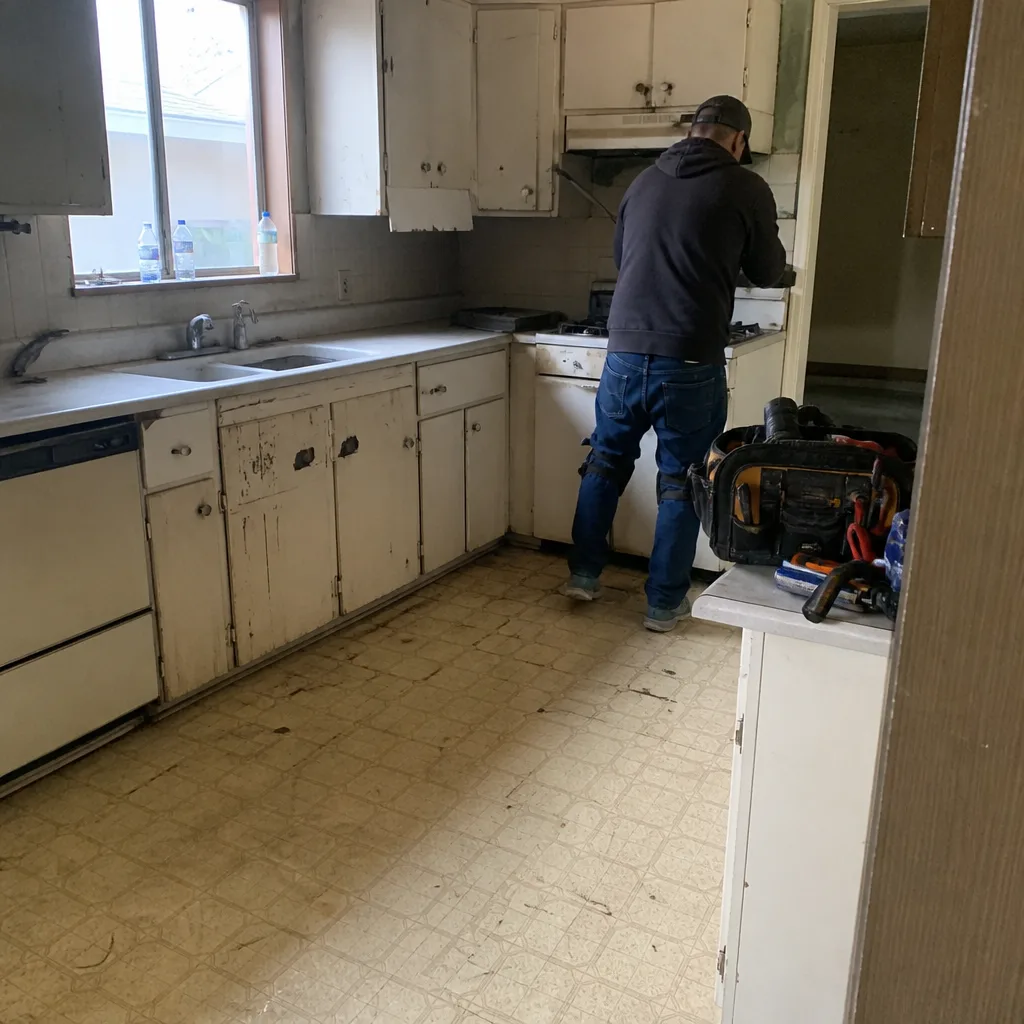 Before
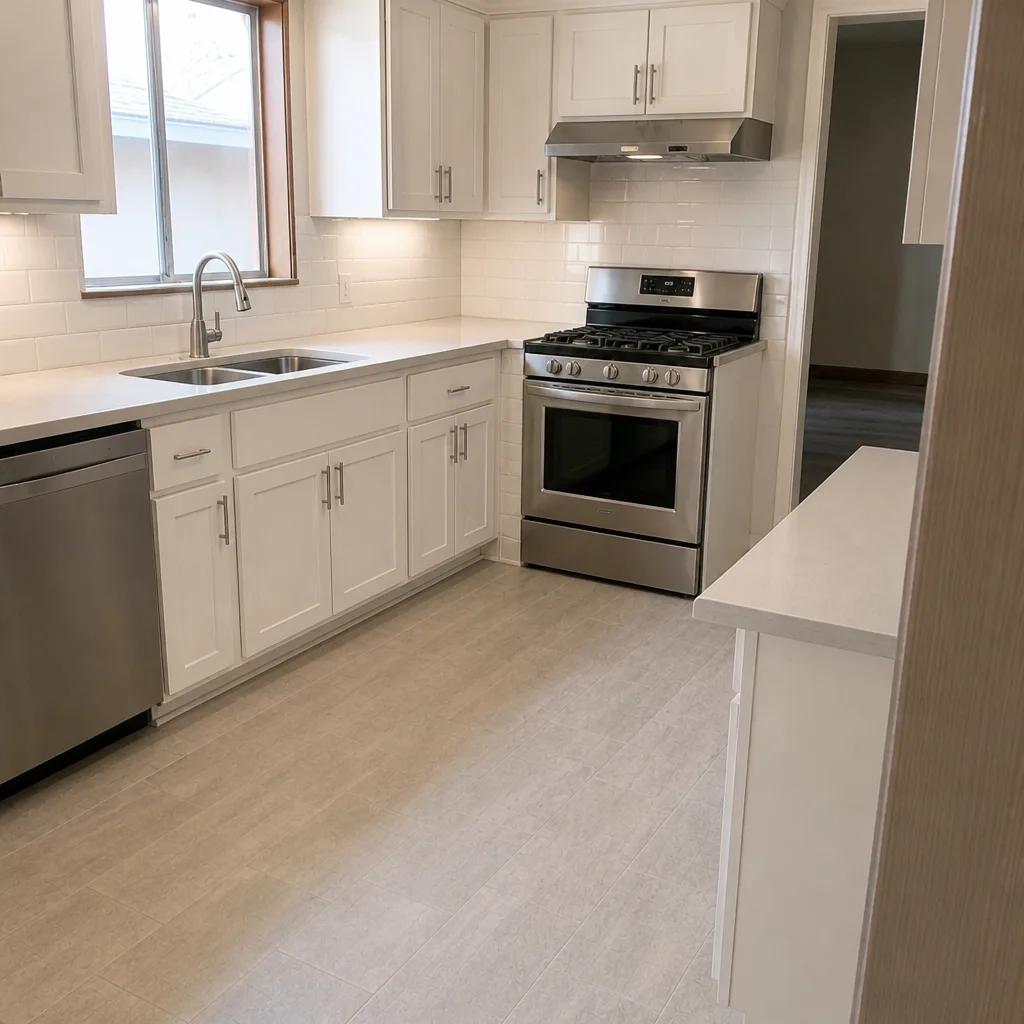 After
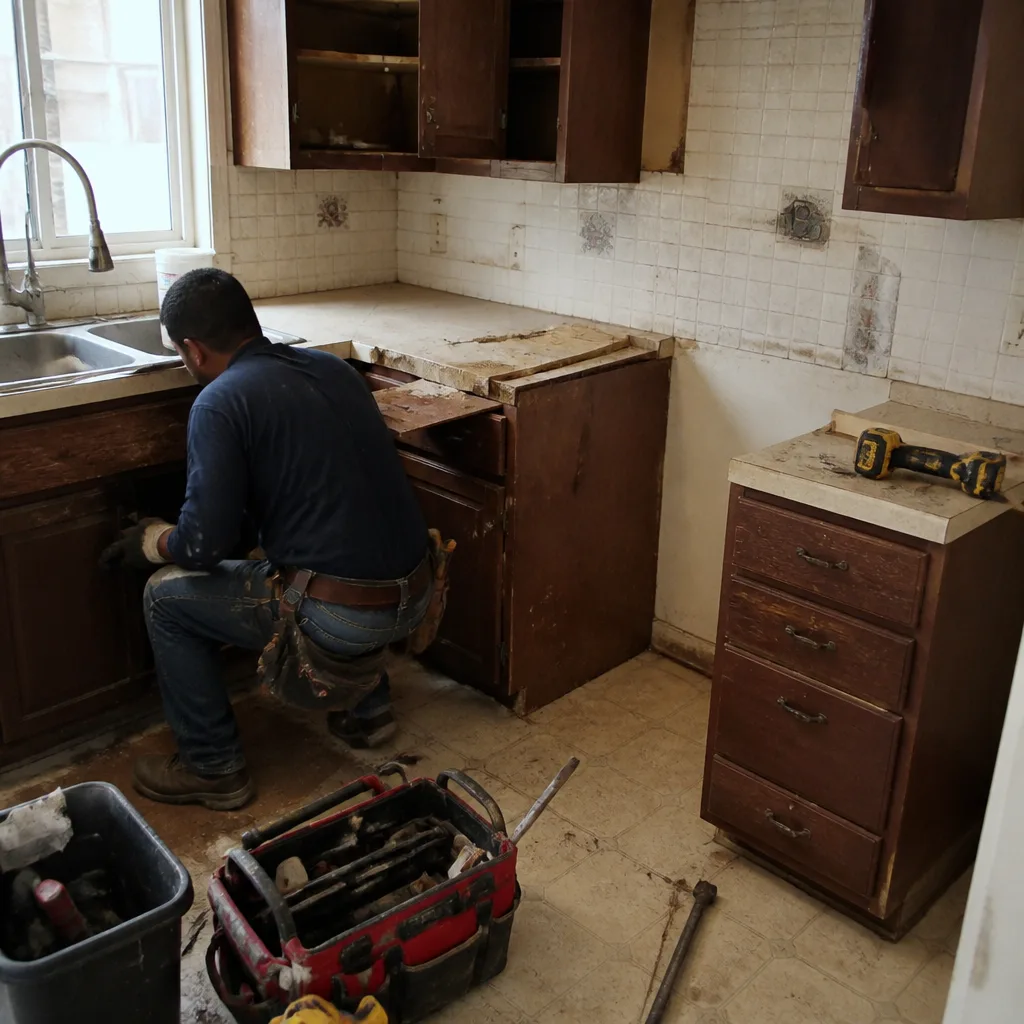 Before
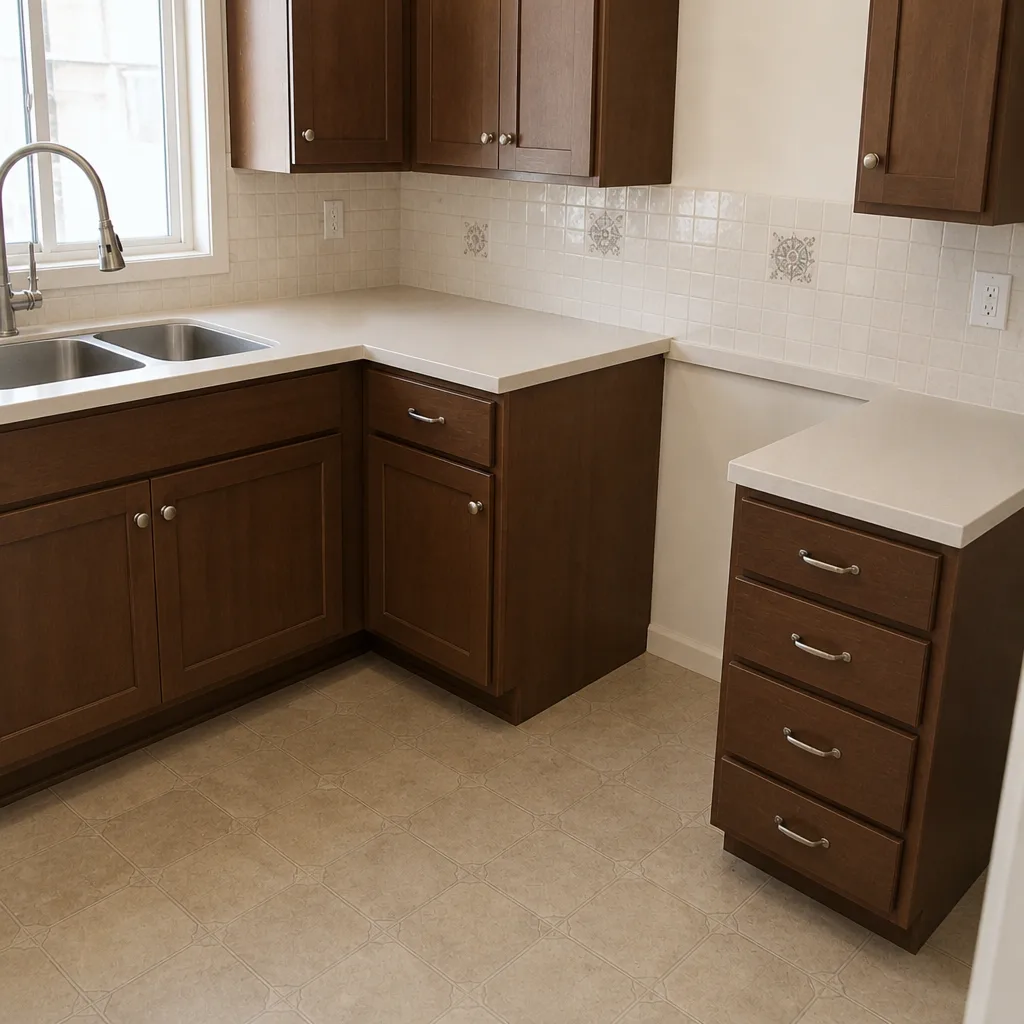 After
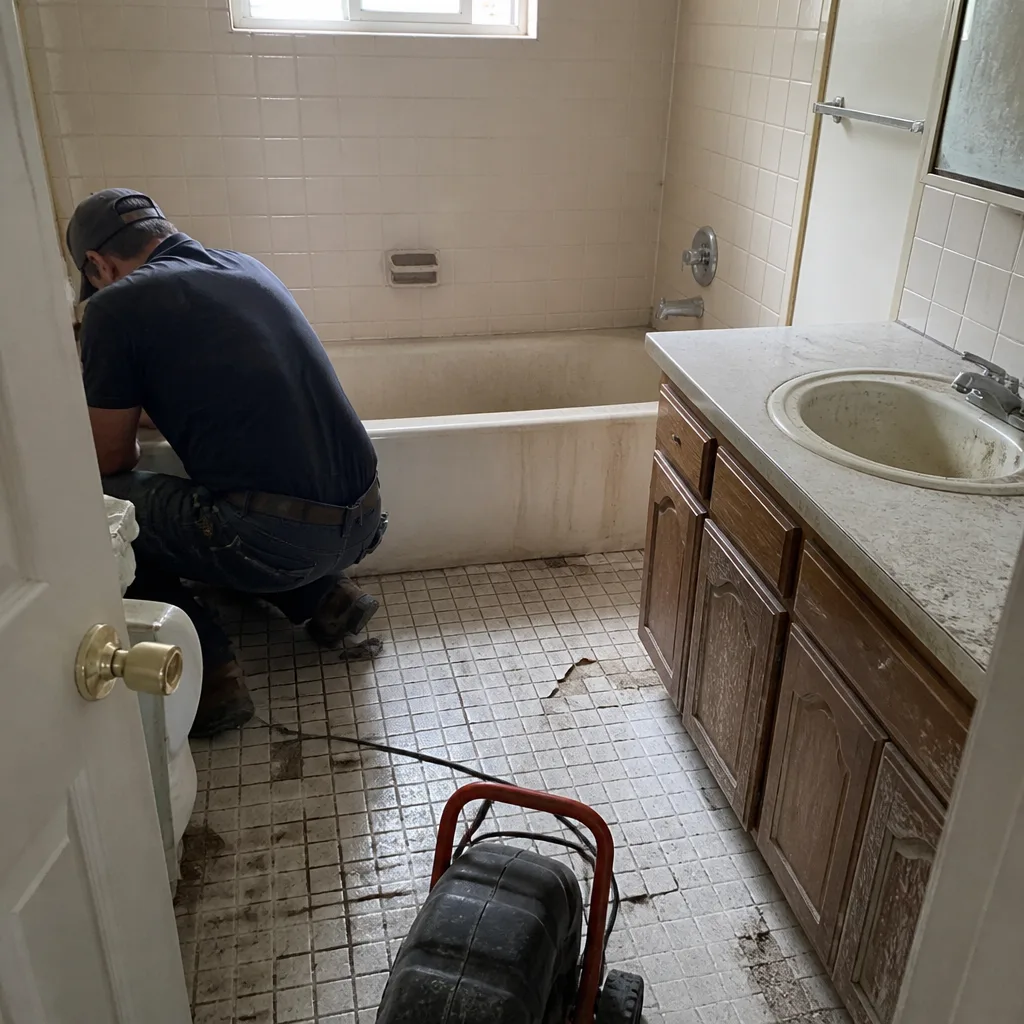 Before
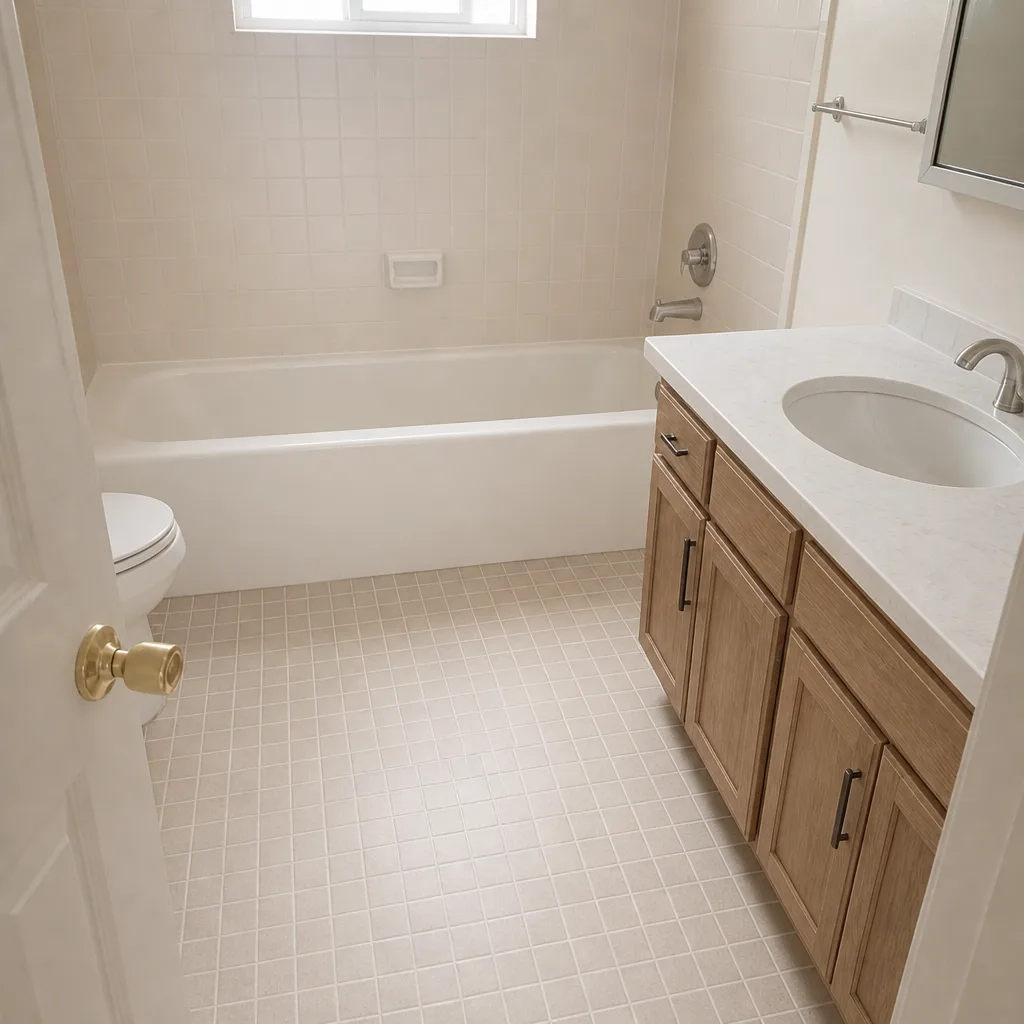 After
When to Call a Professional
Call a professional when any of the following is true: your project involves new posts (not just panels), your property line isn’t recently surveyed, your yard has more than a couple of sloping runs, you’re in a Vacaville HOA with architectural review, or the total linear footage exceeds about 30 feet. Any one of those conditions shifts the math from “humbling weekend” to “expensive education.” The other scenario is legal: divider fences between neighbors, fences that cross easements, or corners of a lot where the setback is unclear all benefit enormously from someone who has pulled permits in Vacaville before. Groundwork Construction Co. of Vacaville offers free estimates in Vacaville – call (888) 276-8078 to schedule yours, or see our fence installation page for the full process. We answer calls live, 24/7, and the estimate comes with a written line-item spec that includes post depth and footing mix before you commit to a single dollar.
Frequently Asked Questions
Yes for panel replacement, gate hardware, staining, and minor repairs. A full perimeter install with new posts is more involved than tutorials suggest: post depth, footing volume, and string-line alignment determine whether the fence lasts five years or twenty. If you’re not confident in those three areas, hiring a licensed contractor is the safer financial decision.
Most wood fence posts in Vacaville should sit a third of their above-grade height below grade, so a 6-foot post goes roughly 2 feet into the ground. Expansive clay soils in neighborhoods like Browns Valley also warrant a compacted gravel base in each hole. Call (888) 276-8078 for a free estimate that includes the specific post-setting spec for your lot.
Wood privacy fence in Vacaville typically runs $32 to $52 per linear foot installed, vinyl $38 to $62, ornamental steel $45 to $85, and chain link $18 to $30. A 150-foot wood fence lands in the $4,800 to $7,800 range for a mid-grade install. Call (888) 276-8078 for an exact quote on your run length – estimates are free.
Some fence installs in Vacaville require a permit (typically heights above 6 feet, corner lots, and certain materials) and many don’t, but the rules depend on zoning and setback. Confirm with the city before you build. A professional contractor pulls permits under their license when required, which also shifts the liability off your shoulders.
Not with us. Groundwork Construction Co. of Vacaville quotes jobs upfront with line-item pricing – the number you see is the number you pay, with no change orders mid-project. Any contractor who quotes a range and then “finds” extra costs after the first post is exposed is not operating on fixed pricing. Call (888) 276-8078 for a written estimate.
Most full perimeter installs in Vacaville run two to four days for a typical 150 to 200 foot run, depending on material, site access, and weather. Post setting is a two-stage process (dig, pour, cure) so the schedule includes a 24 to 48 hour cure before panels go on. If HOA approval is required, add two to six weeks before the first post is dug. Call (888) 276-8078 to schedule a free estimate.
The Bottom Line
DIY fence installation isn’t a yes-or-no question; it’s a bandwidth question. Panel replacement, gate hardware, staining, and minor repairs are all yours to do, and you’ll do them well. A full perimeter install with new posts is where the numbers tip: post depth, footing volume, and string-line alignment are the three variables that decide how long your fence stands, and every other phase of the build depends on them. If you’re in Vacaville, expansive clay soils and wind exposure off the Vaca Mountains make those three variables even less forgiving than the average. The right question isn’t “can I do this?” but “do I want the post-setting decisions to be mine if they go wrong in year three?” If the answer is no, call us – we put our spec in writing and back the work with the 730-Day Done Right Promise.
If you’re ready to talk numbers, our team handles full-scope fence installs alongside driveways and pavers, home additions and ADUs, and every other major exterior project, so the site work happens once. Start at our Groundwork Construction Co. of Vacaville home page to see the full range, then call (888) 276-8078 for a free estimate and design consult. Live person on the phone, 24 hours a day, seven days a week. The number you get is the number you pay, and it’s in writing before anyone touches a shovel.
Written by the team at Groundwork Construction Co. of Vacaville.