Last updated November 18, 2026
Free written scope consultation - allowances, timeline, and change-order rules on paper before a single trade is scheduled
DIY vs Professional Home Additions & ADU: What’s Safe to Do Yourself
California lets homeowners pull their own building permits and self-perform most construction on their own property. That’s a genuinely useful right, and plenty of Vacaville homeowners use it well. But there’s a long tail to the DIY decision that almost nobody explains before the first nail goes in. If you sell your home and an unpermitted addition surfaces during the buyer’s inspection, a lender can pull financing and end the deal inside 48 hours – and the appraiser will note it, whether or not you disclosed it. The question isn’t whether you’re handy enough. It’s whether you understand permit liability, structural load paths, and what owner-builder status does to your insurance policy. This guide walks through exactly what’s safe to do yourself, what isn’t, and how to structure a project so DIY savings stay legitimate.
Quick Answer
Finish work inside a permitted addition – painting, trim carpentry, flooring, cabinet installation – is safe and legitimate to do yourself in most California jurisdictions. Electrical panel work, structural modifications, gas line connections, and anything that touches the load path require licensed professionals by law, and DIY work there can void your permit, fail inspection, and jeopardize your homeowner’s insurance. The dividing line isn’t skill, it’s permit liability and life safety.
Styles & brands we work with
- Kitchen remodeling
- Bathroom remodeling
- Home additions & ADU
- Roofing
- Windows & doors
- Driveway & pavers
- Fence
Table of Contents
- What California Law Actually Requires From an Owner-Builder
- The Scope Items You Can Safely Self-Perform (and the Ones You Can’t)
- How DIY Structural or MEP Work Can Void Your Whole Permit
- Owner-Builder Status and Your Homeowner’s Insurance
- The Real Cost Comparison: DIY Savings vs. Failed Inspection
- What to Ask a Contractor About Self-Performing Scope
- Why Vacaville Projects Have Specific Considerations
What California Law Actually Requires From an Owner-Builder
California’s Business and Professions Code allows a homeowner to act as their own contractor on improvements to their primary residence, provided they occupy the property and don’t intend to sell within a year of completion. You can pull permits in your own name at the Solano County building department. You can hire subcontractors directly. You can also do the work with your own hands.
What the owner-builder exemption does not do is remove the requirement for licensed trades on certain work. The state draws a hard line at three categories:
- Electrical panel work and service upgrades. Any alteration to the main service panel, new circuits above a certain amperage, or meter work requires a licensed C-10 electrician. A building inspector will not sign off on a homeowner-installed 200-amp subpanel for an ADU.
- Structural modifications. Cutting beams, altering shear walls, adding or removing posts, opening exterior walls – anything that changes the load path – requires a licensed general contractor or structural engineer of record. This is a life-safety issue and inspectors treat it that way.
- Gas line connections. Running new gas service to an ADU kitchen or extending existing gas lines requires a licensed plumber (C-36) or a licensed contractor holding the appropriate classification. A homeowner cannot self-perform gas connections even under owner-builder status in most Solano County jurisdictions.
Beyond those three categories, the state also requires licensed contractors for any work exceeding $500 in labor and materials on a property you don’t occupy – which is why an owner-builder permit only works on your primary residence. If you’re building an ADU in Vacaville for a family member or to rent, that exemption doesn’t apply.
Beyond the code requirements, there’s a practical layer. A licensed plumbing classification for the rough-in under a slab isn’t a technicality – the inspector who signs off on the slab has to know the pipe under it will hold. If you pull your own permit and self-perform a mistake there, you’re exposed.
The Scope Items You Can Safely Self-Perform (and the Ones You Can’t)
Here’s where the practical answer lives. Not all self-performed work creates the same risk. The map below is the one we walk through with homeowners in Vacaville who are deciding how much to take on themselves versus handing to the pros.
Safe to self-perform (with the right approach)
- Interior painting. Walls, ceilings, trim. No permit impact, minimal risk, real money saved on an ADU that typically runs 400-800 sq ft of paint.
- Trim carpentry and finish millwork. Baseboards, door casings, closet shelving, and stair railings installed after inspection. Legitimate savings on a $60k-$120k addition.
- Flooring installation. Laminate, LVP, and engineered hardwood over an approved subfloor. Tile work over a cured slab or properly prepped substrate is also homeowner-legal.
- Cabinet hanging and hardware. Once the rough-in passes, you can hang kitchen and vanity cabinets yourself. KraftMaid and similar lines ship with detailed install instructions.
- Landscaping and finish grading (with drainage thought). Sod, planting beds, and finish work around the finished structure, provided drainage slopes away from the foundation per the plans.
Do not self-perform
- Any work on the electrical panel or service. This is where most DIY additions get into trouble. The panel feeds the whole house.
- Structural framing, footings, slab pours, and shear wall sheathing. Licensed general contractor or engineer of record required.
- Gas line connections and modifications. Licensed plumber.
- Roof-to-wall tie-ins and any roof framing. Licensed roofer or GC, and typically requires a formal inspection at framing stage.
- Wet-wall plumbing rough-in. Licensed C-36 plumber.
- Fire separation work. If the addition shares a wall with a garage or a second unit, fire-rated assemblies require licensed and inspected work.
The net savings from legitimate DIY on a Vacaville ADU usually land in the $12,000-$25,000 range over the total build cost. Real money – but nowhere near the savings a homeowner imagines when they plan to “do the whole thing.”
How DIY Structural or MEP Work Can Void Your Whole Permit
This is the part that catches people. A single permit covers an entire addition or ADU. If the inspector finds that the electrical rough-in was self-performed by an unlicensed owner-builder, they don’t just fail that portion – they can fail the entire inspection, put the permit on hold, and require a licensed contractor to re-open and re-inspect the affected work before the project can proceed.
That’s not a fine. It’s a full stop. In Solano County, once a permit is put on hold for unpermitted trades work, the inspector can require that a licensed contractor re-inspect and certify the electrical or plumbing rough-in, which means tearing out drywall, re-opening the affected walls, and starting over on that phase.
The practical sequence that avoids this:
- Confirm from the start which inspection phases require your work to be complete versus a licensed contractor’s. Electrical rough-in, plumbing rough-in, and framing typically require a licensed contractor’s sign-off on the permit.
- Schedule inspections by phase, not by project. A Vacaville framing inspection is different from a final. Don’t schedule final until your DIY finish work is genuinely done.
- Never close up walls or floors before rough-in passes. This is the most common owner-builder mistake – drywall goes up over work that hasn’t been inspected, and the inspector fails the phase.
- Keep a paper trail of every inspection and every licensed contractor’s scope. If you sell, the buyer’s inspector and their lender will ask for the permit file.
In our experience the fastest way for an owner-builder to burn a permit is to treat sequencing as something they’ll “figure out later.” Inspection order is not flexible once the permit is issued.
Owner-Builder Status and Your Homeowner’s Insurance
Your homeowner’s policy assumes – in fine print most people never read – that major construction on the property is performed by licensed contractors with their own general liability coverage. When you self-perform, you become the builder of record for the covered scope. That changes the risk profile a carrier is underwriting.
Three things happen to most owner-builder policies:
- The structure during construction may not be covered. Many homeowner’s policies exclude damage to work-in-progress when the work isn’t performed by a licensed contractor. If a windstorm blows the framing down before dry-in, that loss can fall to you.
- The completed addition may be re-underwritten. Some carriers require a separate endorsement once the addition is closed out, and a few will decline to cover additions that weren’t inspected or built by licensed contractors.
- Builder’s risk insurance is not automatically included. On a project over roughly $50,000 in scope, most owner-builders should carry a stand-alone builder’s risk policy for the construction period. A licensed GC typically carries this on their side of the contract – ask before you sign.
Real scenario. A homeowner in Vacaville completed an 840 sq ft ADU as owner-builder, keeping electrical rough-in in-house. Two years later, a water intrusion event near the subpanel required a claim. The insurer’s field adjuster flagged the electrical work as non-licensed, and the claim was contested for months before it was partially paid. The disputed portion ran into the thousands. The DIY savings on the electrical portion was well under it.
Before you decide to self-perform any portion of an addition or ADU in Vacaville, call your insurance carrier and ask them two questions in writing: whether work-in-progress is covered when the policyholder self-performs, and whether the carrier will require a licensed contractor’s certification before insuring the completed addition. The answers around Vacaville insurers vary considerably.
The Real Cost Comparison: DIY Savings vs. Failed Inspection
The DIY conversation usually centers on labor hours. The real math has three columns: DIY savings, inspection cost if it fails, and rework cost. Here’s how that plays out on the scope items most homeowners try to take on.
Electrical rough-in on a 600 sq ft ADU in Vacaville typically bids in the $3,500-$6,000 range for a licensed electrician. A homeowner doing it themselves might save $2,500 in labor after material costs. If the inspection fails – which it usually does when a self-performer installs AFCI/GFCI protection incorrectly, or misses the bonding requirements in the ADU subpanel – here’s what the bill actually looks like:
- Re-inspection fee: $150-$350 depending on jurisdiction.
- Licensed electrician to redo the failed scope: $1,800-$4,500 (they have to open walls and re-do the work).
- Drywall repair and repaint: $800-$2,000.
- Delay penalty on project completion: typically two to four weeks of carrying costs on a construction loan.
That failed electrical phase erases the $2,500 savings and adds $2,000-$4,000 in rework. On a project where you saved $25,000 on finish work, the math still nets you a genuine $21,000-$23,000. The lesson isn’t “don’t DIY.” It’s “DIY the phases where the failure cost is low.”
Rule of thumb: if the failure cost of a scope item exceeds 1.5x the DIY savings, don’t self-perform it. Most homeowners skip this calculation, self-perform the highest-failure-cost items (electrical, plumbing, structural), and give away every legitimate savings they could have captured on the lower-failure items (paint, trim, flooring).
What to Ask a Contractor About Self-Performing Scope
You can legitimately save money by handling some finish work yourself while the contractor handles the rest. But not every contractor runs their business that way. The key is having the conversation before the bid is finalized, not after.
Here’s what to put in front of a contractor before you sign:
- “Which scope items can I legally self-perform on this project, and which ones does the permit require you to hold?” A professional will answer in writing.
- “Will removing those items from the contract change the inspection schedule or the milestone payments?” Yes is a fine answer – but it needs to be on the schedule from day one.
- “Will you still warranty the work around the items I self-perform?” Standard answer: the contractor’s warranty covers their scope, but not adjoining work. Get it in writing.
- “Who pulls the permit?” If the contractor pulls it, everything in the permit scope must be their work or a licensed sub’s. If you pull it as owner-builder, that entire project is under your name.
- “What’s the process if an inspection fails because of my work?” The right answer names specific steps and costs. The wrong answer is “we’ll figure it out.”
Ask around Vacaville and you’ll hear a version of the same story: the contractor agreed verbally that the homeowner could handle painting and trim, then showed up on day one quoting a full-finished-labor price. That’s why anything agreed verbally must show up in the written bid.
A contractor who won’t have this conversation, or who refuses to carve finish items out of the bid to keep the number competitive, is telling you something. It’s usually that their pricing model is built on a single finished product, not a scope-managed one. That’s not dishonest – it’s a different business. But it means you’ll pay for their finish labor whether you want it or not. When we look at a project in Vacaville, the free estimate is a scope conversation first and a price conversation second, because the answer to “what can I do myself” should always come before the total number.
Why Vacaville Projects Have Specific Considerations
Vacaville sits in the Vaca Valley, with summer afternoons regularly hitting 100 degrees and a fire hazard severity zone that puts most of the city in a state-mapped wildland-urban interface. Those two facts change how an addition or ADU gets built here, and they change what the DIY decision looks like.
Fire rating matters. Exterior wall assemblies in most Vacaville neighborhoods, and especially in the hillside areas near Browns Valley and the rural roads toward Pleasants Valley, need Class A fire-rated siding and approved fire separation. A homeowner self-performing exterior sheathing or wall assemblies is one inspection away from a failed fire separation sign-off. That’s a specialty scope. It’s not where the DIY savings live.
Heat affects sequencing. Self-performed paint or flooring in an unshaded addition during a July afternoon in Vacaville can fail outright – paint doesn’t cure above roughly 90 degrees surface temperature, and LVP adhesive fails below 95-degree slab temperatures. We schedule interior finish work in Vacaville for early morning or shoulder seasons whenever the homeowner is doing it themselves. It’s not a code issue, it’s a workmanship one, and it’s the sort of thing a local tradesperson knows to plan around.
Permit timelines at Solano County. ADU permits in Vacaville typically review in four to eight weeks for a straightforward accessory dwelling, longer if the site has slope or fire-separation complexities. Owner-builders need to know that the permit clock doesn’t start until the drawings are accepted as complete. Incomplete submittals – the most common owner-builder mistake – cost two to four weeks of project time each.
The site-specific reality of Vacaville also includes soil conditions. Much of the city sits on alluvial soils that settle differently than the hillside ground near Lagoon Valley. Footing design isn’t a homeowner call, even under owner-builder status. It’s an engineer’s call. The engineer of record signs the structural plans, and the inspector will not approve a footing pour that doesn’t match the stamped plans.
If your project includes exterior site work – a driveway upgrade, new fencing around the addition – those are projects where a self-performing homeowner often does save real money by quoting them separately from the ADU build. Our team handles everything from Driveway & Pavers in Vacaville to Fence Installation in Vacaville, and we routinely scope those alongside additions so the finish site work doesn’t blow up the schedule. Master Halco and Ameristar fence systems, for example, are typically faster to install than a self-performed fence build and avoid the fencing permit question entirely on a lot line.
Common Mistakes to Avoid
- Pulling the permit as owner-builder, then hiring an unlicensed “handyman” for electrical or plumbing. The inspector sees it, the permit goes on hold, and the entire project timeline resets. On a Vacaville ADU that can mean 30-60 days of lost time.
- Closing up walls before the electrical and plumbing rough-in have been inspected. This is the single most common owner-builder failure. Drywall goes up, inspector fails the phase, drywall comes back down, and now you’ve paid for it twice.
- Skipping builder’s risk insurance on a project over $50,000. Most homeowner’s policies exclude work-in-progress when the policyholder is the builder. If a fire or storm hits mid-build, the loss is often yours.
- Not confirming fire separation requirements before self-performing exterior walls. Vacaville’s WUI mapping catches people off guard. The exterior assembly often has to be Class A rated, and that’s not something an owner-builder can substitute materials on.
- Leaving the DIY scope verbal with the contractor. If painting, trim, and flooring aren’t carved out in writing before the contract is signed, you’ll pay for them whether you do them or not.
- Assuming a permit doesn’t need to be pulled because the work will be “a little addition.” An unpermitted addition of even 200 sq ft can kill a sale during the buyer’s inspection, and the appraiser will flag it whether you disclose or not.
- Starting finish work in an unshaded addition in July. Paint doesn’t cure above roughly 90 degrees surface temperature. Vacaville summers turn a $2,000 finish scope into a $3,500 redo if the timeline ignores heat.
For the broader scope of what an addition or ADU project actually involves – from plan submittal through final inspection – the Home Additions & ADU in Vacaville guide walks through the full sequence. The DIY decision fits inside that sequence, not outside it.
See the difference
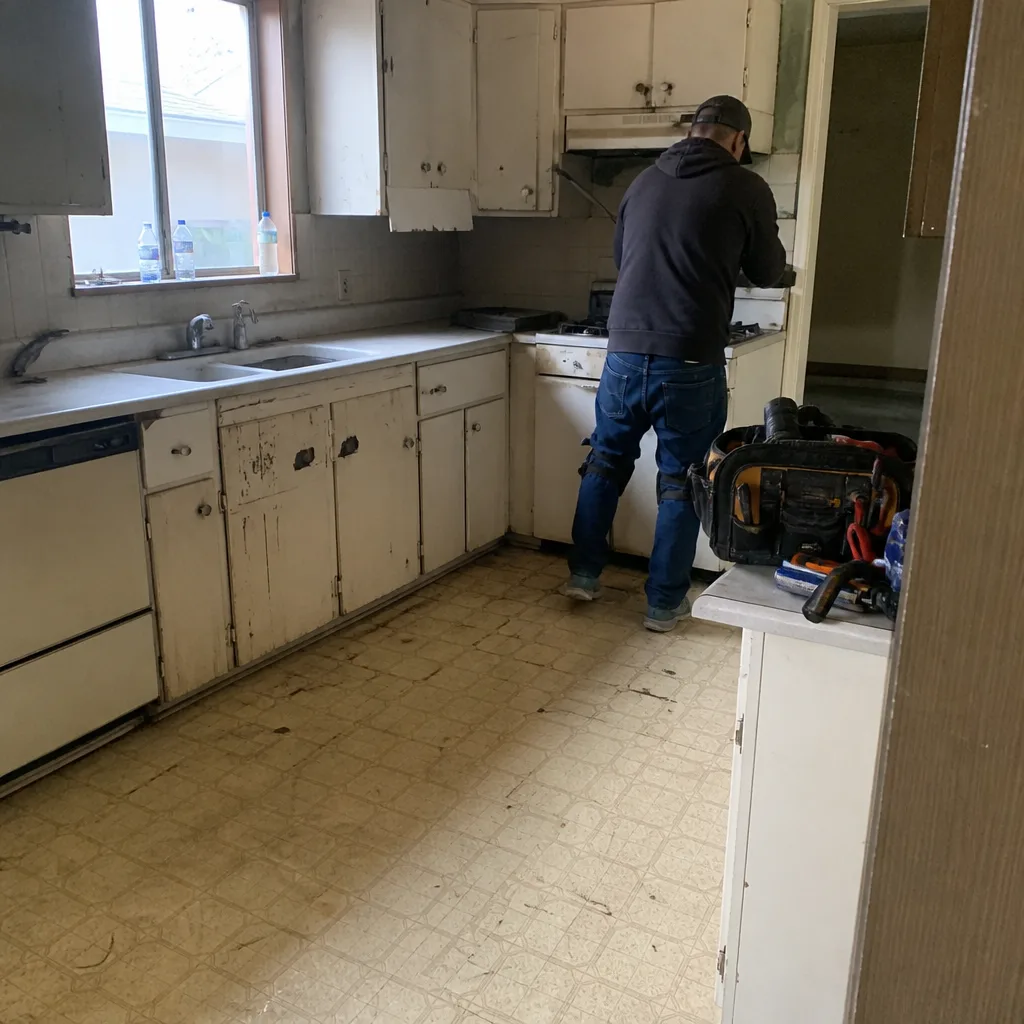 Before
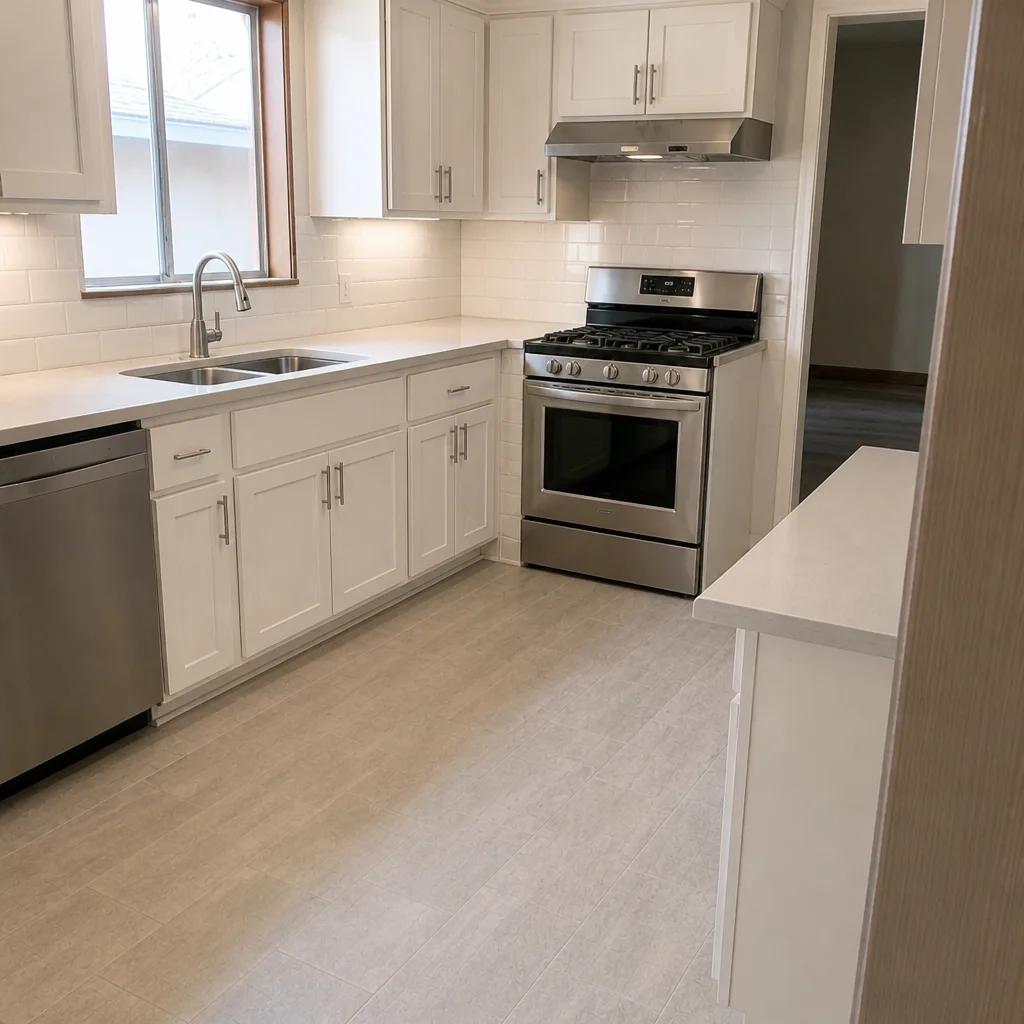 After
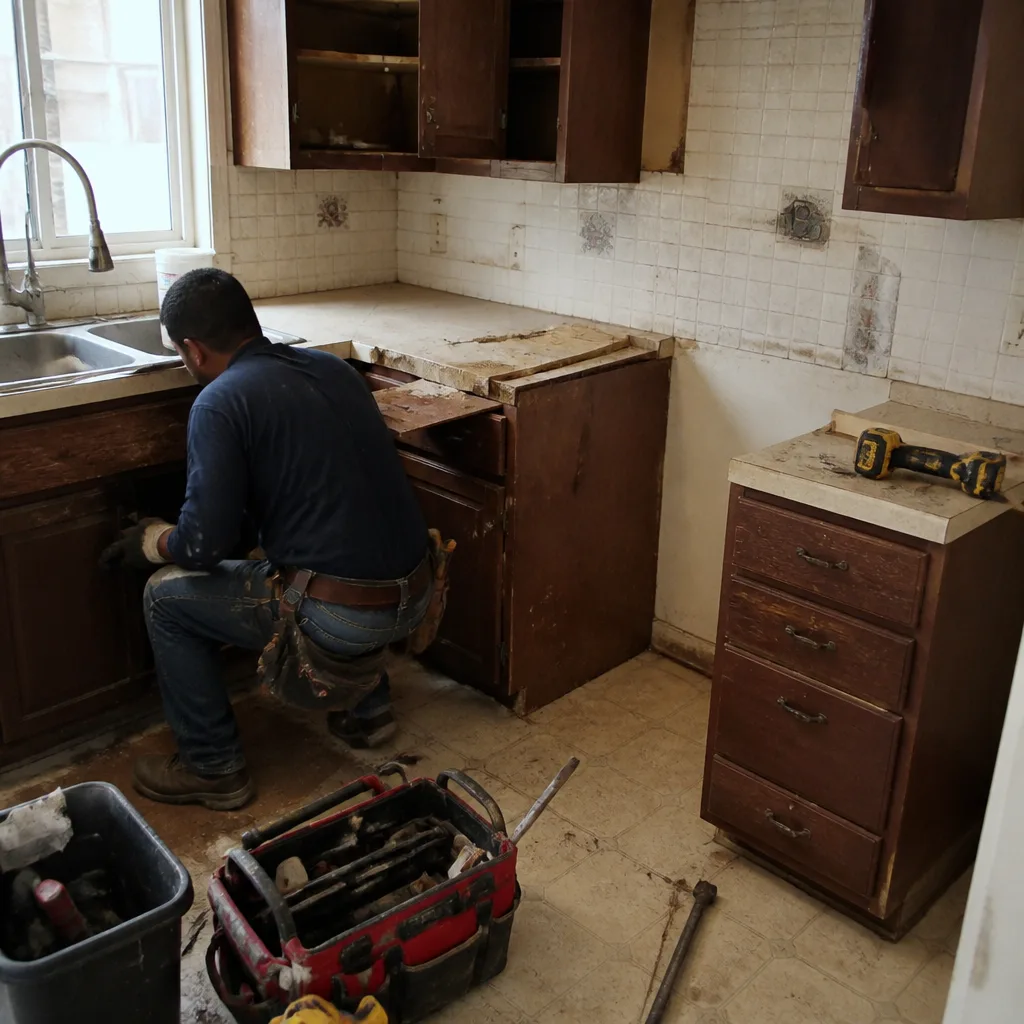 Before
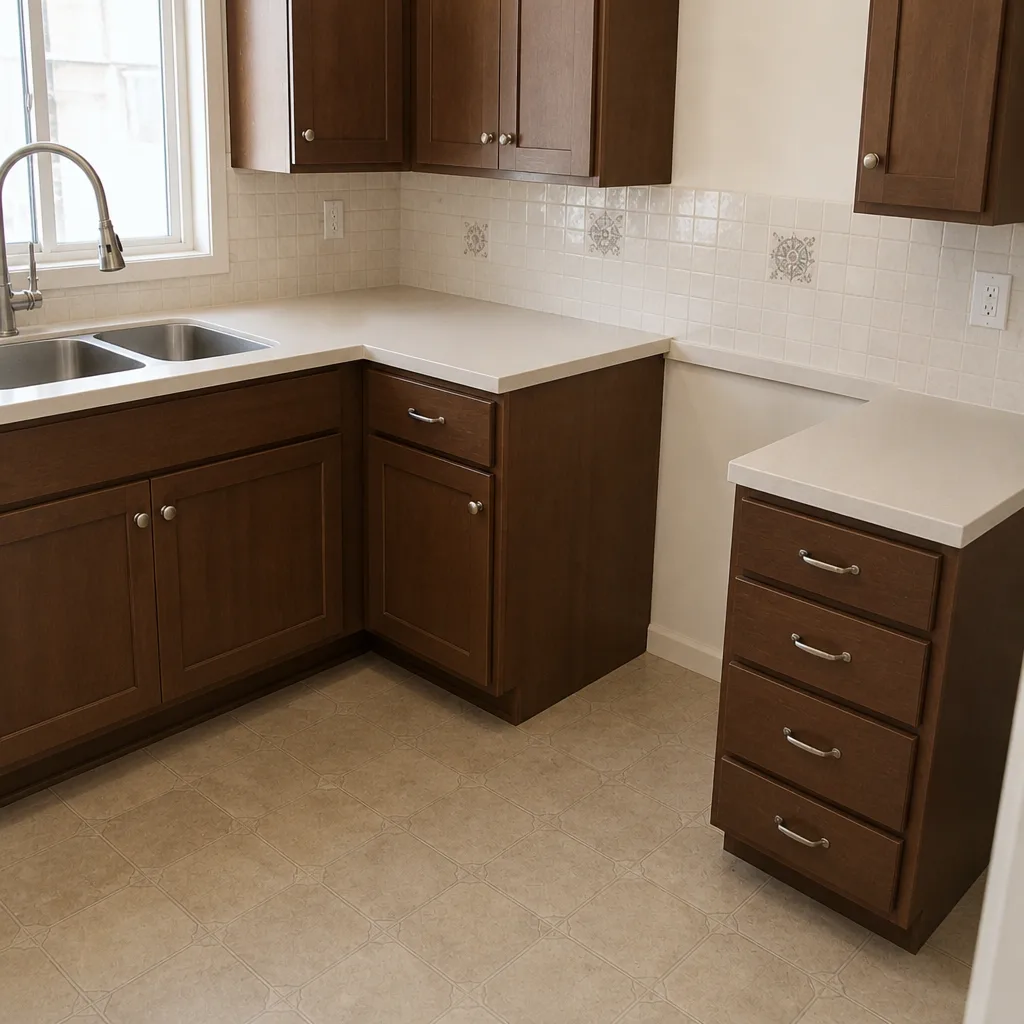 After
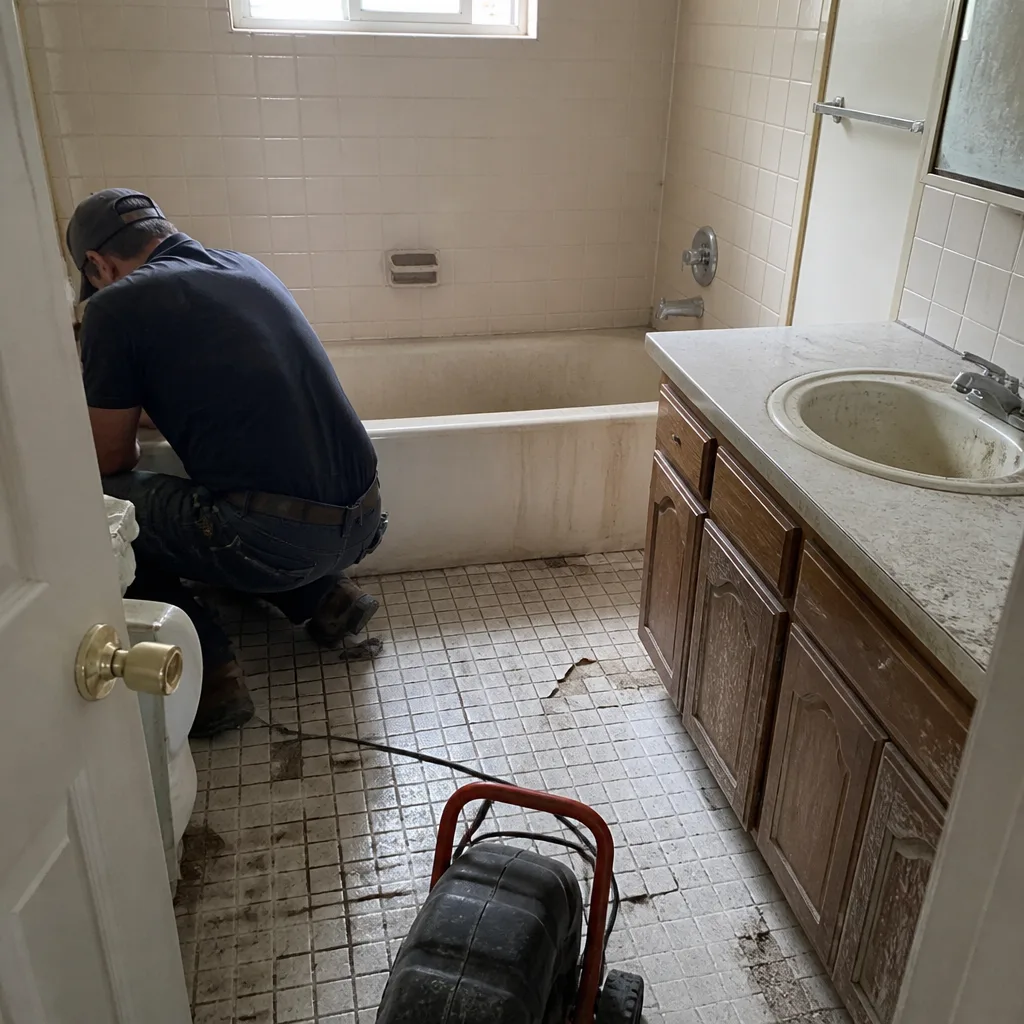 Before
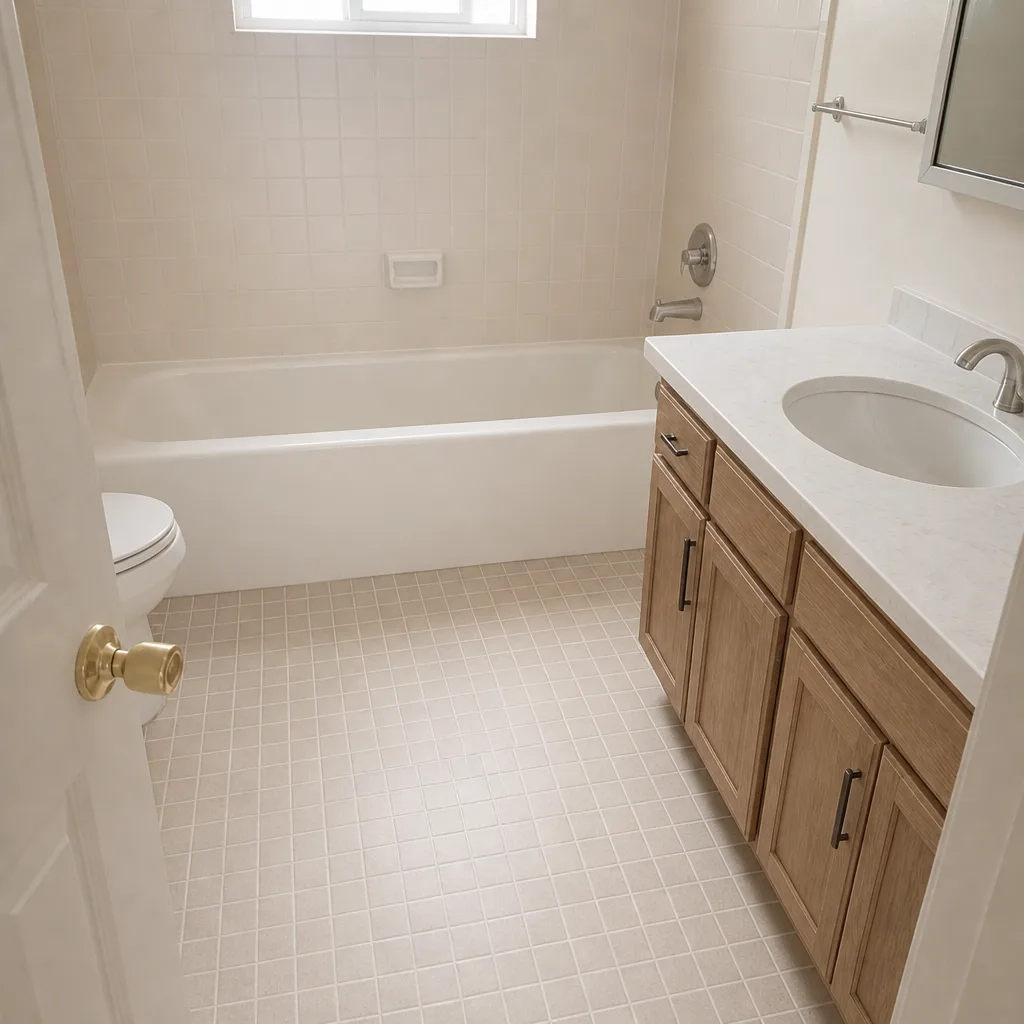 After
When to Call a Professional
Call a licensed contractor when any of the following is true: the scope touches the electrical panel, structural framing, gas lines, roof framing, foundation, or fire-rated assemblies. Call when the project is an ADU you intend to rent – the owner-builder exemption doesn’t apply to non-primary residences. Call when the project is being financed, because most construction lenders require a licensed GC on the contract. And call when the timeline matters more than the savings, because inspection delays on owner-builder projects routinely add four to eight weeks to completion.
Groundwork Construction Co. of Vacaville offers free estimates in Vacaville – call (888) 276-8078. Our technicians bring up to 12 years of experience, and every project is backed by the 730-Day Done Right Promise. The bid you get is a scope conversation first, with a written line-item breakdown that shows what you can legitimately self-perform and what stays in the contract. That conversation alone usually saves homeowners more than the finish work would.
We also handle the trades most often scheduled alongside an addition – roofing under GAF and CertainTeed systems, windows and doors under Andersen and Pella – so the whole project runs on one schedule with one point of contact. Live person, 24/7 on the phone line. Upfront pricing with no change orders. And on projects over $10,000, you’re eligible for the standing $1,000 off with 0% financing for 18 months. Full detail on the Groundwork Construction Co. of Vacaville home page.
Frequently Asked Questions
No. Electrical panel work, service upgrades, and new circuit rough-in on an addition require a licensed C-10 electrician under California law, even when you pull the permit as owner-builder. A homeowner can install fixtures and outlets after rough-in passes in some jurisdictions, but anything at the panel or in the wall cavities must be done by a licensed electrician and signed off on the permit. Call (888) 276-8078 for a free estimate that shows exactly which electrical scope stays in the contract and why.
Often not, at least during construction. Most homeowner’s policies exclude work-in-progress when the policyholder is acting as owner-builder, and some carriers re-underwrite or decline to cover the completed addition if the work wasn’t performed by licensed contractors. Before starting any owner-builder addition in Vacaville, call your carrier and get their answer in writing on two points: whether work-in-progress is covered, and what certification they need at close-out. This is not a conversation to save for the final walkthrough.
Owner-builder status in California lets a homeowner pull permits and self-perform construction on their primary residence, provided they occupy the home and don’t intend to sell within twelve months of completion. In Vacaville, you apply through the Solano County building department with stamped plans and a signed owner-builder declaration. It does not exempt you from the licensed-trade requirements on electrical panels, structural work, or gas lines. If the structure is a rental ADU or a second unit, the exemption doesn’t apply and the project must be pulled by a licensed contractor.
Yes, if the self-performed portion touches electrical, plumbing, structural, or gas work. A single permit covers the entire project, and when an inspector finds licensed-trade work self-performed by an owner-builder, they can put the permit on hold and require a licensed contractor to re-open and re-inspect the affected scope. In practice that means tearing out drywall, redoing the work, and losing four to six weeks on the schedule. Finish work – paint, trim, flooring, cabinet install – doesn’t carry that risk.
Typically $12,000-$25,000 on a standard Vacaville ADU, depending on scope and finish level. That range covers painting ($3,000-$5,000 in labor), trim carpentry ($2,500-$4,500), flooring ($3,000-$6,000), and cabinet installation ($2,000-$4,000). It’s genuine money – just nowhere near what homeowners expect when they plan to “build the whole thing.” The savings come from finish work, not from the structural, electrical, or plumbing scope, which stays in the licensed contract either way.
Often yes, or at least the financing for it. Buyer’s inspectors flag unpermitted additions routinely, and most lenders won’t finance a property where a material improvement lacks sign-off. The disclosure requirement is on the seller, but the appraiser will catch it whether or not it’s disclosed. The Vacaville market has enough clean-stock inventory that buyers rarely fight through a permitting problem – they walk. If you’re considering an addition and the question is whether to pull the permit, pull the permit. Call (888) 276-8078 and we’ll walk you through what the submittal package needs.
The Bottom Line
The DIY decision on an addition or ADU isn’t about whether you’re handy enough. It’s about permit liability, insurance exposure, and which phases have a failure cost that dwarfs the savings. Finish work – paint, trim, flooring, cabinets – is genuinely safe to self-perform and typically saves $12,000-$25,000 on a Vacaville project. Electrical panels, structural framing, gas lines, roof framing, and foundation work require licensed contractors by California law, and self-performing them can void the entire permit and put your homeowner’s policy at risk. The right contractor welcomes the conversation about what you can legitimately carve out; the wrong one won’t have it. Ask before you sign, get the scope in writing, and keep the permit file intact from day one. That’s how the DIY decision turns into a real $20,000 of savings instead of a $30,000 rework bill.
If you’re ready to price the project, call (888) 276-8078 for a free estimate. Calls are answered by a live person 24/7, technicians are background-checked and arrive in uniform, and every job comes with the 730-Day Done Right Promise. From foundation to finish line, one contractor, one schedule, one written scope.
Written by the team at Groundwork Construction Co. of Vacaville.