Last updated November 18, 2026

Free written scope consultation - allowances, timeline, and change-order rules on paper before a single trade is scheduled
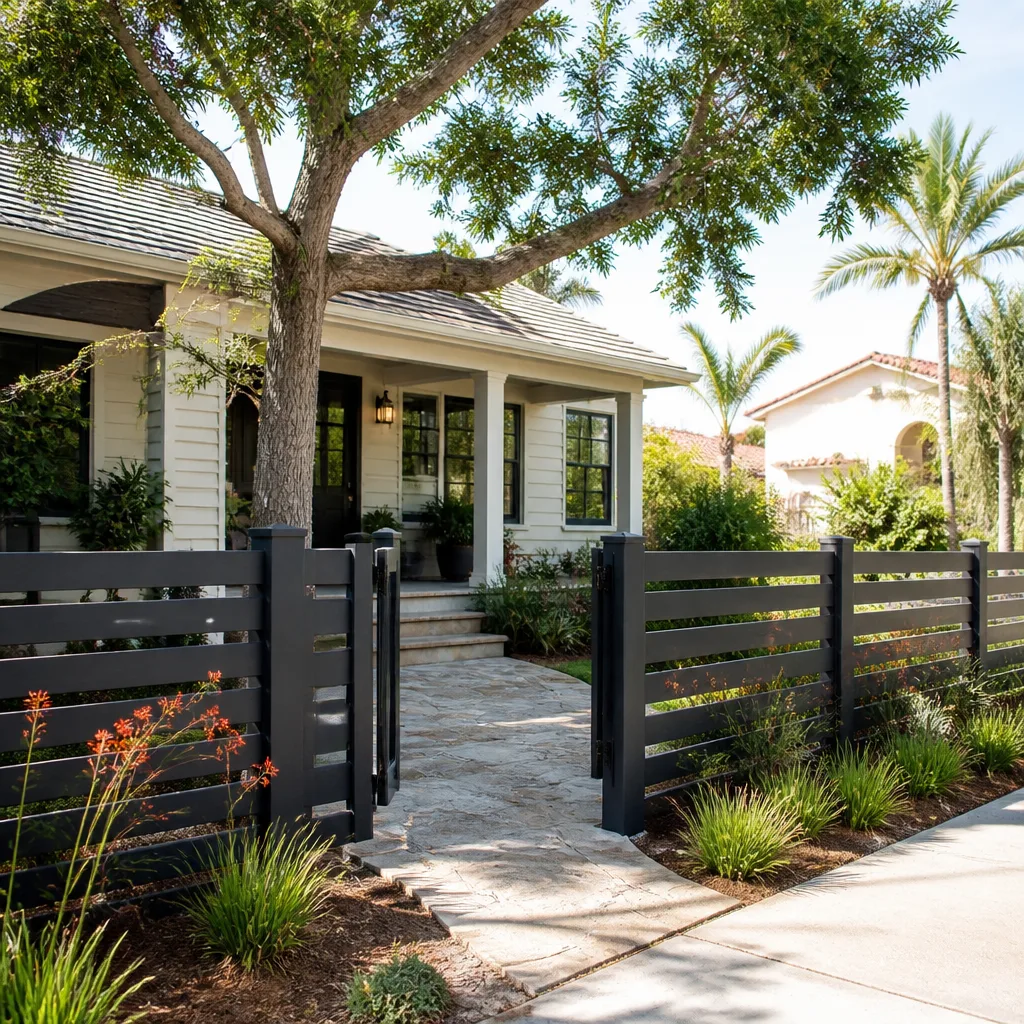
Fence Installation Maintenance Schedule: What to Do and When
Staining a fence that still has moisture in the wood is one of the most common and most expensive homeowner mistakes we see. The stain seals that moisture inside, and the rot starts from the inside out. By the time you notice the soft spot, you’re replacing posts, not refreshing a finish. A wood fence without a maintenance schedule is a countdown clock, and in Vacaville’s particular swing between bone-dry summers and soaking winters, that clock runs at a different speed than the national advice assumes. This guide lays out a material-specific calendar for wood, vinyl, aluminum, and composite fences, the correct treatment sequence, how to test moisture before you touch a can of stain, and the post-base inspection that catches rot before it compromises the whole structure.
Quick Answer
Most wood fences need a full clean-and-treat cycle every 2 to 3 years, with an annual inspection of posts and hardware. Vinyl and aluminum need a wash once or twice a year and a fastener check annually. Composite needs a light clean yearly and a manufacturer-approved sealer every few years. The single most important rule: never stain or seal wood that reads above 15% moisture content.
Styles & brands we work with
- Kitchen remodeling
- Bathroom remodeling
- Home additions & ADU
- Roofing
- Windows & doors
- Driveway & pavers
- Fence
Table of Contents
- Why a Maintenance Schedule Beats Reactive Repair
- The Wood Fence Calendar: Clean, Dry, Then Treat
- How to Test Wood Moisture Before You Stain or Seal
- What Vinyl and Aluminum Fences Actually Need
- Composite Fences: Low Maintenance Isn’t No Maintenance
- The Annual Post-Base Inspection Protocol
- Vacaville’s Maintenance Window and Why It Differs
- A Month-by-Month Seasonal Overview
Why a Maintenance Schedule Beats Reactive Repair
Most homeowners treat fences like they treat gutters: nothing happens until something visibly fails. That’s the expensive way to own a fence. A fence that gets a predictable clean-and-treat cycle lasts years longer than one that gets attention only after the boards turn gray and the posts start to lean. The difference isn’t the materials you bought. It’s the timing.
In our experience, the fences that fail early almost always fail for one of three reasons. The homeowner stained wood that was too wet. The homeowner applied the wrong product for the species and sun exposure. Or nobody ever looked at the post bases, which are the first place ground-contact rot takes hold and the last place a homeowner checks.
Vacaville accelerates all three. Our summers push wood through intense UV and low humidity, which dries and checks the surface. Then our winters deliver rain that soaks into any unchecked end grain and post base. That cycle of bake-and-soak is harder on a fence than a steady climate, and it means the maintenance calendar here has to be tighter and more deliberate than what a national fence-care article tells you.
A maintenance schedule is cheap insurance. A few hours every other year, plus a fifteen-minute annual inspection, costs a fraction of replacing posts and panels. If you’re still planning a fence rather than maintaining one, our Fence Installation in Vacaville page covers materials, layout, and what to expect during install.
Key Takeaways
- Wood: clean and treat every 2 to 3 years, inspect annually, never treat wet wood.
- Vinyl and aluminum: wash once or twice a year, check fasteners annually.
- Composite: clean yearly, re-seal on the manufacturer’s schedule.
- Post bases are the highest-risk zone and the most often ignored.
- Vacaville’s dry summers and wet winters create a narrower treatment window than national guides suggest.
The Wood Fence Calendar: Clean, Dry, Then Treat
Wood is the material that rewards a schedule most and punishes neglect hardest. The sequence matters as much as the timing. Clean first, let it dry completely, then treat. Skip the drying window and you’ve wasted the product and invited rot.
The correct sequence
- Clean the surface. Use a wood-safe cleaner or a dilute oxygen bleach solution to strip dirt, pollen, mildew, and the grayed-out surface layer. A pressure washer works, but keep it on a low setting and hold the wand at a shallow angle so you don’t gouge the grain or drive water into the wood.
- Let it dry. This is the step everyone rushes. Depending on weather, cleaned wood needs anywhere from two days to a week to reach an acceptable moisture level. In Vacaville’s dry months, that window is shorter; after a wet stretch, it’s longer.
- Test the moisture. Before you open the stain, check the wood with a moisture meter. Target 15% or below. If it’s higher, wait.
- Apply the stain or sealant. Choose a penetrating oil or a quality semi-transparent stain for most wood fences. Work in sections, follow the product’s temperature range, and don’t over-apply so it pools or drips.
- Back-brush and check coverage. Brushing the product into the grain after application gives better penetration than spraying alone.
How often
Most wood fences in Vacaville want a fresh treatment every 2 to 3 years. Cedar and redwood can stretch toward the longer end with good care. Softer or less rot-resistant species may need it every 2 years. A horizontal-board or board-on-board fence with more exposed end grain may need closer attention than a standard dog-ear picket run.
Annual inspection, though, is not optional. You’re looking for loose boards, popped fasteners, and any post that feels soft at the base. Catch those early and it’s a small fix. Catch them late and it’s a rebuild.
How to Test Wood Moisture Before You Stain or Seal
This is the step that separates a treatment that lasts from one that traps moisture and rots your fence from the inside. You cannot judge moisture by touch. Wood can feel dry on the surface and still be wet a quarter-inch down.
What you need
- A pin-type moisture meter (the inexpensive handheld kind works fine).
- Access to a few representative spots: a panel in full sun, a panel in shade, and a post base.
How to test
- Push the meter pins into the wood at a shallow angle, roughly a quarter-inch deep, on several boards.
- Read the percentage. Below 15% is generally safe to treat. Above that, wait.
- Test more than one spot. Sun-facing and shaded boards can read very differently.
- Pay closest attention to post bases and the bottom foot of any board near grade. If those read high while the rest of the fence reads low, you have a drainage problem to fix before you treat anything.
Why it matters
When you apply a film-forming sealer over wet wood, the moisture has nowhere to go. It sits inside, feeding rot and mold, and the surface coat bubbles or peels within a season. Penetrating oils are more forgiving but still don’t perform properly on wet wood. If you’re not sure, wait. A week of extra drying costs nothing. A premature stain job can cost you the fence.
The moisture question is also why brand-new fence installations shouldn’t be stained immediately. Pressure-treated lumber in particular needs a curing period before it will take a finish well. If your fence is brand new, check with the installer about the right wait time before sealing. Our team answers questions like this by phone, and our Groundwork Construction Co. of Vacaville home page has our service overview.
What Vinyl and Aluminum Fences Actually Need
“Low maintenance” doesn’t mean “no maintenance.” It means the maintenance is different, and it’s mostly about cleaning and fasteners rather than staining. Homeowners who expect vinyl or aluminum to be genuinely self-maintaining usually discover the gap a few years in, when the panels look dingy or a fastener has corroded.
Vinyl fence maintenance
- Wash once or twice a year. A garden hose, mild soap, and a soft brush handle most of it. Skip abrasive pads; they dull the finish.
- Rinse the bottom rail and post caps. Dirt and pollen collect there, and that’s where discoloration shows first.
- Check for UV-driven yellowing or fading. Quality vinyl is formulated for UV resistance, but cheap vinyl ages poorly in strong sun. Our Vacaville summers are hard on low-grade vinyl. This is one reason material quality matters more than most homeowners expect.
- Inspect fasteners annually. Stainless or coated fasteners last; cheaper hardware corrodes and stains the vinyl.
Aluminum fence maintenance
- Wash once or twice a year. Powder-coated aluminum holds up well but isn’t immune to dirt.
- Check powder coat for chips. A small chip is an easy touch-up; an ignored one can start a corrosion site. Touch up with the manufacturer’s matching paint.
- Inspect post anchors and gate hardware. Gate hinges carry more load than people expect and are the first aluminum component to loosen.
- Look at fastener corrosion. Mixed metals are a common culprit; stainless fasteners into aluminum avoid galvanic corrosion.
Both materials benefit from the same thing wood does: a quick annual walk-around where you actually look at the fence. Vinyl starts to look tired faster than aluminum, especially on the sun-facing run, so a fresh wash before summer makes a real visual difference.
Composite Fences: Low Maintenance Isn’t No Maintenance
Composite is the material homeowners most often assume is maintenance-free. It’s close, but only if you understand what it does and doesn’t need. Composite won’t rot, won’t need staining, and won’t support insects the way wood does. What it will do is collect dirt, develop mildew in shaded spots, and eventually fade or chalk under strong UV if it isn’t cleaned and re-sealed on schedule.
What composite needs
- Clean once a year. Mild soap and water, plus a soft brush. Mildew-prone shaded runs may need a second clean mid-season.
- Check manufacturer re-sealing guidance. Many composite products recommend a re-seal every few years to maintain the color and surface. Follow the manufacturer’s spec. Skipping it accelerates fading.
- Inspect fasteners and posts. Composite is only as good as the frame and hardware behind it. Loose fasteners or a settling post are the failure points, not the boards.
- Watch shaded runs for green algae or mildew. Vacaville’s wetter stretches can leave shaded panels green by spring.
Composite is a strong choice for a homeowner who wants a decade of low-touch ownership. It’s a poor choice for one who interprets “low maintenance” as “never touch it.” The difference in lifespan between a composite fence that gets a yearly wash and one that doesn’t is real, especially with the sun exposure we deal with in Vacaville.
If you’re selecting a material now, the honest comparison is wood for natural look and lower upfront cost, vinyl for predictable appearance, aluminum for security and longevity, and composite for the best long-term labor savings. The right answer depends on sun exposure, how much fence line sits in shade, and how much maintenance time you actually want to spend. Our Driveway & Pavers in Vacaville page covers the hardscape side of a property refresh if you’re doing both.
The Annual Post-Base Inspection Protocol
Post bases are where fences fail. A post is a vertical wood column set into soil, and the soil stays damp longer than any other part of the fence. Ground-contact rot starts at the base and works up, and by the time it’s visible on the surface, the structural capacity is often already compromised. Fifteen minutes once a year catches it early.
The inspection, step by step
- Walk the full fence line. Don’t just spot-check. Look at every post, both sides if you can get to them.
- Push test each post. A firm push at waist height should produce no movement. Any give or lean is a signal.
- Probe the base. Use a screwdriver or a probe to press into the wood at and just above the soil line. Soft or spongy resistance means rot. Probe a few inches up each side.
- Look for swelling or discoloration. Darkening, swelling, or a spongy feel at the soil line are all early rot signs.
- Check the hardware. Post fasteners, brackets, and gate hinges should be tight and corrosion-free.
- Note anything that moves and fix it now. A re-supported post or a replaced bracket is cheap. A fence section collapsing in a winter storm is not.
What to do with what you find
A single soft post usually means a post replacement, and it’s better done early. A compromised gate post matters most, since the gate carries dynamic load every time it swings. If several posts along a run feel soft, the repair is structural, not cosmetic. That’s a job for a professional, and the earlier it’s caught the less fence you have to replace.
Vacaville’s Maintenance Window and Why It Differs
National fence-care advice assumes a fairly uniform climate. Vacaville doesn’t cooperate. Our summers are hot and dry with intense sun, and our winters bring rain and cooler temperatures. That combination creates a narrower window for wood treatment than most general guides acknowledge, and it changes what you inspect for.
What this means in practice
- Late spring into early summer is usually the best wood treatment window. The wood has had time to dry out from winter rain, and the dry stretch ahead sets the finish. Avoid treating right before a wet forecast.
- Fall is the second-best window for a touch-up, before the wet season. It also gives you the chance to winterize hardware.
- Summer sun is hard on finishes. The same sun that dries wood also accelerates finish wear, so a treated fence in full afternoon sun will need attention younger than a shaded one.
- Winter is inspection season, not treatment season. Wet wood shouldn’t be stained. Use winter for the post-base inspection, fastener check, and planning the spring treatment.
This is genuinely different from what a homeowner in a mild, humid climate would do. Here, the dry summer is both a blessing and a stressor. It dries wood quickly, which shortens the drying window after cleaning, but the UV and low humidity also open up surface checks and wear finishes faster. A fence in Vacaville needs its clean-and-treat cycle kept tight, and the post inspection matters more than the calendar says, because the winter rain finds every weak point.
Homeowners in newer Vacaville neighborhoods often ask us whether a fence installed a year or two ago needs treatment yet. Usually the answer is to wait for the full drying window and treat on schedule rather than treating early. The schedule protects the fence; the schedule doesn’t run on the calendar alone, it runs on the wood.
A Month-by-Month Seasonal Overview
Here’s how the year breaks down for the four main fence materials. Use it as a planning tool, not a rigid rulebook; actual timing shifts with the weather.
Spring
- Wood: inspect for winter damage, clean off grime and any mildew, then let dry before planning a late-spring treatment. Check post bases again if winter was wet.
- Vinyl and aluminum: wash, check fasteners and gate hardware.
- Composite: clean, look for algae on shaded runs.
Summer
- Wood: the main treatment window. Verify moisture before staining, work in cooler parts of the day.
- Vinyl: a wash before peak sun keeps it looking sharp.
- Aluminum: touch up any chips in the powder coat.
- Composite: mid-season clean on shaded runs.
Fall
- Wood: touch-up season, plus a full-fastener check before wet weather.
- Vinyl and aluminum: clean and tighten hardware ahead of winter.
- Composite: clean, check fasteners.
Winter
- All materials: inspection-heavy, treatment-light. Do the post-base probe, check for storm damage, clear debris from along the fence line, and plan the spring work.
This is also the time to plan any larger work. If you’re thinking about a bigger property investment beyond the fence, our Home Additions & ADU in Vacaville page covers what’s possible on a lot with an existing fence layout.
Common Mistakes to Avoid
- Staining wet wood. The number-one mistake, and the one that does the long-term damage. A moisture meter avoids it. If the reading is above 15%, wait.
- Pressure-washing too hard. High pressure gouges the grain and drives water deep into the wood, which then needs longer to dry and can check or splinter. Keep it gentle and angled.
- Skipping the post-base inspection. Homeowners look at the visible face of the fence and ignore the part that actually holds it up. Post rot is the failure nobody sees until the fence moves.
- Treating fence and forgetting the gate. Gates carry dynamic load and are the first place hardware and posts fail. Check the gate separately.
- Using the wrong stain type. A film-forming sealer on a wood fence that needs a penetrating oil, or vice versa, can mean premature peeling or poor uptake. Match the product to the wood and the exposure.
- Ignoring fastener corrosion. Galvanized and stainless fasteners last; cheaper ones stain vinyl and aluminum and eventually loosen. Cheap hardware is a false economy.
- Treating on a wet forecast. Applying stain or sealant just before rain washes the product off or locks in moisture. In Vacaville, watch the forecast as carefully as the moisture meter.
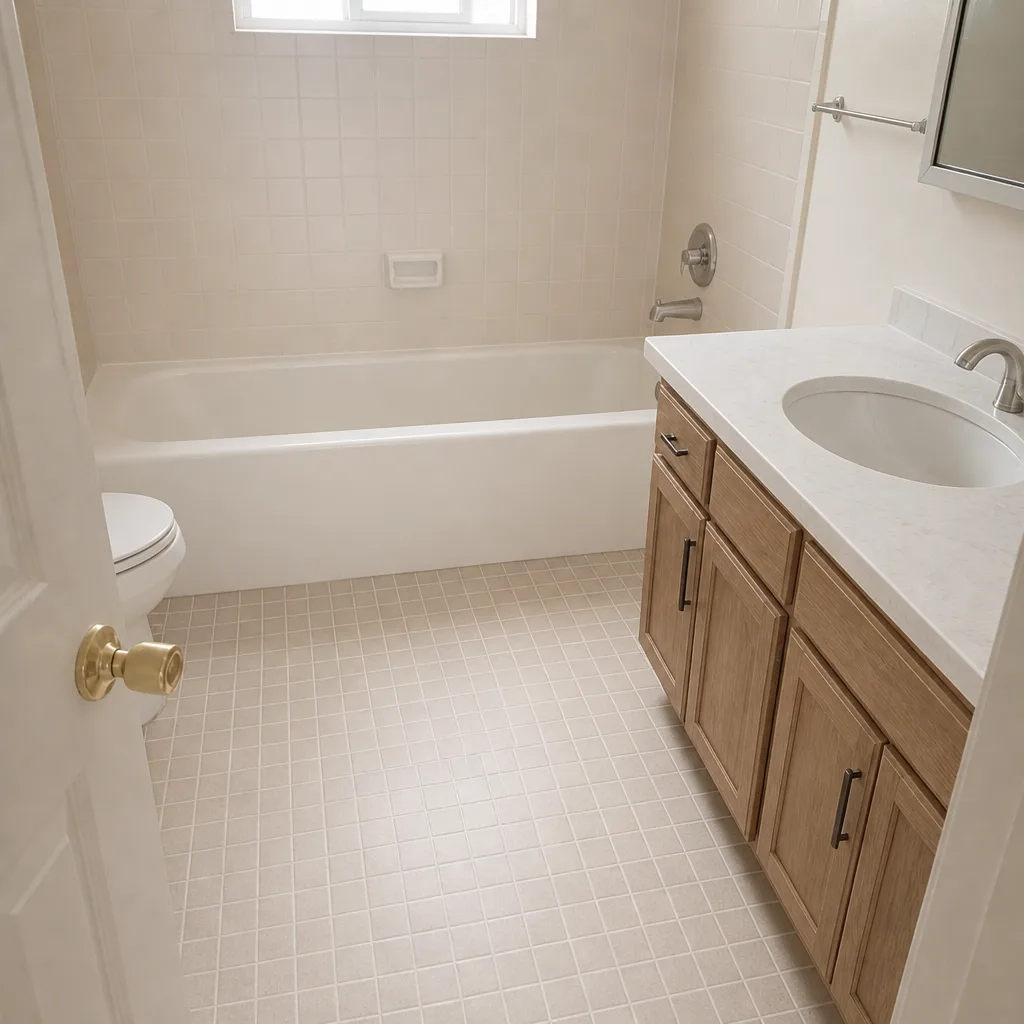
See the difference
 Before
 After
 Before
 After
 Before
 After
When to Call a Professional
Some maintenance is genuinely DIY: a yearly wash, a moisture check, a fastener tighten. But there are real cases where it shouldn’t be. A post that’s soft at the base is structural, not cosmetic, and replacing it means pulling the fence section, setting the new post properly, and matching the finish. Multiple soft posts along a run means the whole span is compromised. A fence that’s leaning because of soil movement, drainage issues, or root damage needs diagnosis, not just a new post. Hardware repairs on a heavy gate, water-damaged sections, and any fence where the failure runs deeper than surface wear all benefit from a trained eye.
Groundwork Construction Co. of Vacaville offers free estimates in Vacaville and can either repair your existing fence or install a new one built to last. Call (888) 276-8078, and a live person answers, 24 hours a day, seven days a week.
Frequently Asked Questions
Plan on every 2 to 3 years. Vacaville’s strong summer sun and wet winters put wood through a harder cycle than milder climates, so keep to the tighter end of that range and check moisture before every treatment.
No. Wait until a moisture meter reads 15% or below, which typically takes two days to a week depending on weather. Staining over moisture seals water inside and starts rot from within.
Yes. Check fasteners annually, rinse the bottom rail and post caps, and watch for UV yellowing on sun-facing runs. Quality vinyl holds up well; cheap vinyl and cheap hardware don’t.
Probe the wood at and just above the soil line with a screwdriver and push-test the post at waist height. Soft resistance or any movement means rot or a compromised base. A yearly post-base inspection catches it before it spreads.
Late spring into early summer is the best window, with fall as a second choice for touch-ups. Winter is for inspection, not treatment, because wet wood can’t be safely stained.
Many composite products recommend a re-seal every few years to maintain color and surface protection. Follow the manufacturer’s schedule; skipping it accelerates fading and chalking, especially on sun-exposed runs.
For an exact quote on repair, replacement, or a fresh installation, call (888) 276-8078. Estimates are free, and pricing is upfront with no surprises.
The Bottom Line
A fence lasts on a schedule, not on luck. Clean and treat wood every 2 to 3 years, and never stain it above 15% moisture. Inspect post bases every year, because that’s where rot starts and where repairs are cheapest. Wash vinyl and aluminum once or twice a year and check their fasteners. Clean composite yearly and follow the manufacturer’s re-seal spec. In Vacaville, plan wood treatment for late spring into early summer, and use winter for inspection and planning. A few hours a year keeps the fence standing for the long run.
Call Groundwork Construction Co. of Vacaville at (888) 276-8078 for a free estimate on fence repair or installation. Our technicians have up to 12 years of experience, arrive in uniform, and every project is covered by our 730-Day Done Right Promise. Scheduling starts with a call, and a live person answers 24/7.
Written by the team at Groundwork Construction Co. of Vacaville.