Last updated November 18, 2026


Free written scope consultation - allowances, timeline, and change-order rules on paper before a single trade is scheduled
Windows & Doors Warning Signs Every Homeowner Should Know
A door that suddenly starts sticking after years of working fine isn’t a door problem. It’s your house trying to tell you something moved. In our experience across Vacaville, the most expensive window and door failures we’ve repaired started as signs a homeowner had been walking past for a year or more – a hairline crack at a window head, a stain that only showed up after a big storm, a draft that showed up one winter and never left. The difference between a few hundred dollars of maintenance and a five-figure structural repair usually comes down to who noticed what, and when. This guide walks through every warning sign worth watching, which ones are cosmetic, which are structural, and how to tell them apart before the damage compounds.
Quick Answer
The warning signs that matter most are the ones pointing to structural movement or water intrusion: doors and windows that suddenly stick or won’t close flush, drywall cracks at window and door heads, water staining at frame corners, condensation forming between panes, and exterior flashing that’s lifting, rusted, or missing. Cosmetic wear – peeling paint, minor drafts, worn weatherstripping – is a maintenance item. Sudden changes in how a window or door operates are a house-structure conversation, and they’re worth inspecting right away.
Styles & brands we work with
- Kitchen remodeling
- Bathroom remodeling
- Home additions & ADU
- Roofing
- Windows & doors
- Driveway & pavers
- Fence
Table of Contents
- Cosmetic Wear vs. Structural Warning Signs: How to Tell the Difference
- Sticking Doors and Windows: What Sudden Changes Actually Mean
- Reading Condensation Patterns as a Diagnostic Tool
- Exterior Flashing Failure: The Inspection Points That Reveal It First
- Energy Bill Patterns That Point to Window Performance
- Repair, Replacement, or Bigger Problem Behind the Window?
- Vacaville Climate and What It Does to Your Windows and Doors
- Your 10-Point Annual Inspection Checklist
Cosmetic Wear vs. Structural Warning Signs: How to Tell the Difference
Most homeowners lump every window and door issue into one bucket labeled “needs replacing,” then get quoted for a full-house replacement when only two units actually need it. The dividing line is movement. Cosmetic wear shows up slowly and stays in the same place. Structural movement shows up quickly and shifts location, size, or frequency over weeks or months. That’s the pattern to watch.
Cosmetic wear is the slow-aging category. A finish that’s peeling after a decade in full Vacaville sun is normal. A draft coming around a door that always had a small draft on windy days is normal. Worn weatherstripping, a squeaky hinge, a window that needs a slightly firmer hand to latch – all maintenance items. None of them require a contractor. Most of them are two hours and forty dollars at the hardware store.
Structural warning signs cluster around what’s happening to the house itself:
- Sudden sticking or changes in operation on a door or window that used to close smoothly.
- Diagonal or stair-step drywall cracks at the corners of window and door openings, especially at the head (top corners).
- Water staining at the interior corner of window frames, particularly on the bottom sill and the top corners where flashing failure drains.
- Visible daylight around a closed door or window at the frame, not just under the weatherstripping.
- Windows that won’t sit flush in the frame when closed – you can see a gap along the sash.
- Concentric cracks radiating from window corners in stucco or siding on the exterior.
In our work around Vacaville – especially in older neighborhoods where houses have settled for decades and then something shifts – we treat any of the structural signs above as a stop-and-investigate signal before we’ll quote a replacement. If the frame itself has racked, a new window installed into a racked opening will fail the same way, faster. The diagnostic work needs to come first. That’s true whether the home is in Browns Valley, Alamo Creek, or anywhere else in town.
Sticking Doors and Windows: What Sudden Changes Actually Mean
A door that’s sticking today and was fine six months ago is not a door. Doors don’t decide to stick. Something underneath or beside the door moved, and the door is now binding on the frame. The question is what moved and by how much.
The most common causes, roughly in order of frequency:
- Seasonal expansion. Wood frames and slabs swell with humidity. If a door sticks in late January and frees up in April, that’s normal seasonal movement and worth noting but not chasing with a contractor.
- Foundation settlement. A single spot in the foundation settles a quarter-inch, and every door and window in the vicinity of that spot changes. Usually shows up as sticking plus a small drywall crack or two.
- Framing movement. Less common, usually tied to an addition, a remodel, or a wall that’s carrying more load than it was designed for. Sticking shows up in clusters – two or three doors in a similar part of the house at the same time.
- Water intrusion behind the frame. Water soaks into the wood around a door or window, the wood swells, the door binds. Usually combined with visible staining or a musty smell, and often worse after a storm.
The pattern matters more than any one sign. One door sticking seasonally is expansion. Three doors in one interior hallway sticking in the same summer, plus a couple of new drywall cracks, is a structural story. Windows behave the same way – a window that won’t close flush or catches along one sash edge has moved out of square, and the frame around it moved first.
The way we explain it to homeowners: check the door or window against the house, not against a memory of how it felt two years ago. Look at the exposed frame for cracks, look at the drywall at the corners, look at the exterior for separation. If the frame is intact and the door is binding, adjusting the door or hinge is often the answer. If the frame is out of square or the drywall around it has cracked, the door was never the problem and no amount of adjustment will fix it. Confirming which one you’re looking at is a fifteen-minute inspection and worth doing before calling anyone. If you’re seeing structural movement alongside other exterior concrete and flatwork issues, our Driveway & Pavers in Vacaville team regularly gets asked to check footing and grade, which can reveal exactly the settling pattern causing the door and window symptoms.
Reading Condensation Patterns as a Diagnostic Tool
Condensation on windows tells three completely different stories depending on where it forms and when. Getting this wrong is expensive. Homeowners sometimes replace perfectly healthy windows chasing a condensation problem that was actually an HVAC or insulation issue, and sometimes ignore window-destroying condensation because it looks like the same thing.
Condensation on the outside of the glass – fog on the exterior in the morning, gone by afternoon. This is fine. It’s actually a sign of a good sealed unit doing its job. The outer pane is running cooler than the outside air, moisture in the air condenses on it, and the sun burns it off. No action needed.
Condensation on the interior of the glass – water beading on the warm-side surface, especially at the bottom corners of the sash. This is a humidity problem inside the house, not a window problem. The air in the room is holding more moisture than it can manage, and the coolest surface in the room is where it lands. Shower moisture, cooking without venting, too much houseplant watering, an oversized humidifier – all produce the same result. Fixing this requires addressing the source of the humidity, not replacing windows.
Condensation between the panes – fog or water droplets trapped inside the sealed glass unit, unreachable from either side. This is seal failure. The argon (or other gas) has migrated out, room air has worked its way in, and the insulating value has dropped to roughly that of a single pane in that area. The window doesn’t need to be replaced immediately if the frame and sash are healthy – often only the glass unit (the “glazing” or “IGU”) needs swapping, which is substantially cheaper. But it does need to be addressed because the failing unit will eventually let water into the surrounding frame.
Pattern is the diagnostic. One window fogging between panes is a seal failure. Every window in the house fogging between panes at the same time is unusual and worth a closer look at installation or a defective batch. Interior condensation on windows that face the same direction – say, every north-facing window in a Vacaville home during winter – usually points to insufficient insulation on that side of the house, not the windows themselves. If you’re seeing repeated condensation patterns and it’s time to look at the windows as part of a broader exterior project, the crew at our Fence Installation in Vacaville page can usually confirm whether the moisture is coming from inside the house or from an entry point outside.
Exterior Flashing Failure: The Inspection Points That Reveal It First
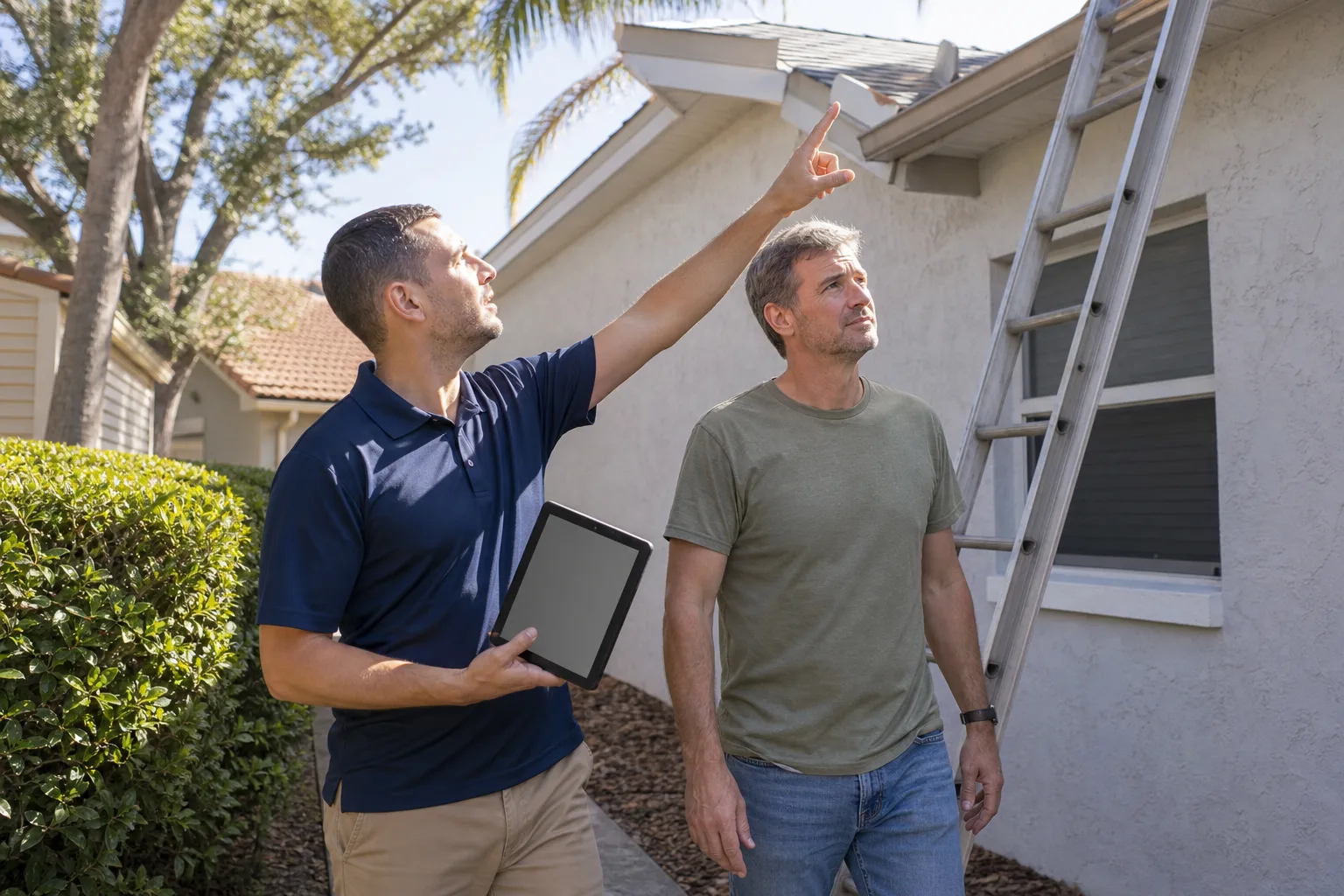
Flashing is the metal – or in some older installs, a membrane – that routes water off the top of a window or door and away from the opening. When flashing fails, water works behind the siding or stucco and into the wall cavity. By the time it shows up as interior damage, it’s been doing its work for months. The trick is to catch it on the exterior before it gets inside. Here are the specific points worth checking on your home every spring and fall:
- The head flashing (the top of the window or door frame). Look for lifting, curling, or gaps between the flashing and the wall. Flashings that were caulked at the time of install and never maintained will show separation here first. Water gets in, and the interior wall above the window is where the stain appears three to six months later.
- The corner joints of the exterior frame. The top corners of every window and door are the highest-risk failure points on the whole exterior. Look for caulk that’s cracked, missing, or pulling away, and any gap between trim and the wall.
- The sill (bottom of the window or door). Look for water staining, discoloration that doesn’t wash off, “kick-out” flashing that’s failed, or sloping that runs back toward the wall instead of away from it. Standing water at the sill is a flashing problem waiting to become a frame problem.
- Siding or stucco joints adjacent to the frame. Look for cracks where the siding meets the frame. These are the paths water takes behind the siding.
- The paint and caulk integrity around the whole perimeter. Cracked paint on the exterior frame is often the first visible sign that water has been getting behind the finish.
In Vacaville, our dry summers and wet winters create a specific pattern: caulk shrinks and cracks over our long hot season, then the first big rain event in November drives water into those cracks. The damage is usually invisible until a stain shows up inside in the spring. Checking exterior flashing every September, before the rains, is the single highest-value maintenance habit for windows and doors in this climate. Homeowners who want a full exterior envelope inspection often pair it with a look at the rest of the exterior. That’s a good time to walk our Groundwork Construction Co. of Vacaville home service overview with us and decide which trades need eyes on the house.
Energy Bill Patterns That Point to Window Performance
A climbing energy bill is not proof your windows are failing. That’s the mistake we see most often. PG&E rate increases, a new appliance, an aging HVAC system, a family that added a home office, a change in thermostat habits – any of these can move a bill by 20-30% without a single window issue. The trick is to look at the pattern, not the number.
These patterns are the ones that genuinely correlate with window and door degradation:
- Steady increases that only appear in heating or cooling months, especially if your summer and winter peaks both climb while the shoulder-season bills stay flat. That points to envelope performance (windows, doors, insulation), not appliance mix.
- Bills climbing faster than outdoor temperature swings justify. If last summer hit 105°F for the same number of days and your July bill went up 18% with no other change, something in the house is losing more heat gain than it used to.
- Room-by-room hotspots. A single bedroom that runs 5°F warmer than the rest of the house in summer, or noticeably colder in winter, is a window or insulation issue in that specific room, not a whole-house problem.
- Bills that spike after a storm. If the power comes back on and one bill in the middle of a mild month is significantly higher, that’s usually a draft or seal issue introduced by wind or water, and it’s worth a look.
To confirm whether the windows actually are the cause, do a simple test: pick the coldest morning of the last winter (or hottest afternoon of the last summer), and use an infrared thermometer to read the interior glass surface and the wall around each window. Glass surface temperatures running 15°F or more below the interior wall surface in that room are pointing at the glazing. Similar readings on the wall around the frame point at insulation or air sealing. Similar readings at the door sweep point at weatherstripping. Three different diagnoses, three different fixes – and only one of them involves replacing the window. Comparing window performance against the rest of the exterior envelope (roof, siding, doors) gives you the full picture. When the energy analysis points at the envelope as a whole, our team at Home Additions & ADU in Vacaville often ends up evaluating new construction throughout, because the same insulation and flashing details matter for both.
Repair, Replacement, or Bigger Problem Behind the Window?
When a homeowner calls us about window or door problems, the correct answer usually falls into one of three buckets. Understanding which bucket you’re in before you call anyone saves both time and money.
Repair is the right answer when the frame, sash, and structural opening are all healthy, and only a component has failed. Failing glass unit between panes (seal failure without frame damage). Worn weatherstripping causing draft. A broken hinge, a snapped balance, a cracked sash that can be swapped. Loose hardware. Cosmetic damage to the finish. In Vacaville, this is usually a same-day or next-day visit and often under $400 in materials and labor. Most jobs of this scope are wrapped up in a single visit.
Replacement is the right answer when the frame itself is failing but the wall around the opening is sound. Warped or rotten wood frames. Windows or doors that never sealed well from the original install and have been a draft source for years. Single-pane windows in a house where the rest of the envelope has been upgraded and the mismatch is now obvious. Glass that’s been replaced twice already because the frames are out of square and keep cracking units. This is where full-unit replacement makes sense – and this is the round where premium windows actually pay back, especially on the west and south exposures that take Vacaville’s afternoon sun. That’s why we install brand partners like Andersen, Pella, and Marvin rather than whatever’s on a truck today. Built to last, backed in writing, is how we frame it.
Bigger problem behind the window is the third bucket, and the one most contractors skip past. Signs include:
- Water staining spreading beyond the window frame into the wall assembly.
- Visible mold or mildew at the interior wall or window opening.
- Rotted framing or sheathing visible during inspection.
- Stucco or siding cracks radiating from the window corner (structural movement of the opening itself).
- Repeated window failures in the same opening – three replacements in ten years means the issue is the opening, not the windows.
In that third bucket, replacing the window without addressing the frame, flashing, and sheathing behind it will produce the same failure again on a shorter timeline. Water intrusion has to be stopped, rotted material has to be removed, and the opening has to be re-flashed before a new unit goes in. Otherwise your new window gets installed onto a wet frame and starts its countdown immediately. If a homeowner has had three different contractors quote a window replacement without addressing the source of the water, that’s a red flag worth pausing on.
Vacaville Climate and What It Does to Your Windows and Doors
Vacaville sits in a specific pocket of the Bay Area – inland, warm in summer, cool enough in winter to get frost, and prone to wind through the gaps between the Vaca and English Hills. Three climate realities drive most of the window and door failures we see in this town.
Extended summer heat. Exterior caulk, flashing, and the thermal seals in window glazing all degrade faster in continuous 95-105°F stretches than they would in a milder climate. West- and south-facing windows take the worst of it. If a house has a west-facing wall in full afternoon sun, expect to reseal the frame caulk every 4-6 years instead of every 8-10.
Rain-after-drought cycles. Vacaville gets a lot of its annual water in a handful of November-to-March storms. If a flashing detail has any weakness, that weakness becomes a wet wall on the first 2-inch rain day of the season. The dry summer hides the problem, and the wet winter reveals it. The counterintuitive consequence is that windows often fail fast in Vacaville rather than degrading slowly – a small crack becomes a saturated wall cavity inside a single storm.
Wind exposure in specific neighborhoods. Homes on the west side of town and up the hills occasionally see wind events that push water sideways into frame joints. If a window leaks in wind-driven rain but not in vertical rain, the flashing is failing but the seal is still holding during mild storms. That’s actually useful information – it tells you the flashing needs attention before the seal fails, which is the cheap window for fixing it.
Neighborhood-specific patterns vary. Older homes in the older parts of town, closer to downtown Vacaville, often have original wood-framed windows that have already had 50 years of this climate. Newer construction in Browns Valley or up toward Alamo Creek has more recent windows, but the same flashing-and-caulk maintenance cycle applies. In our experience, the homes that last the longest are the ones where the homeowner runs an exterior check once a year in September and addresses caulk and flashing issues before the rain season.
Your 10-Point Annual Inspection Checklist
This checklist takes 30-60 minutes and can be done twice a year (spring before summer heat, and again in September before the rain season). Bring a flashlight, a pair of binoculars, and a phone to photograph anything you find – photos document the shift so you can see whether a small crack has grown at the next check.
- Open and close every window. Note which ones stick, which ones don’t sit flush, and which need extra force to latch. Any change from last check is worth recording.
- Open and close every exterior door. Same note-taking. A door that now needs a bump to latch is telling you something moved.
- Inspect the interior drywall at every window and door head. Look for hairline cracks, especially diagonal cracks at the top corners. Photograph anything new.
- Check the interior sill and bottom corners of every window for water staining, bubbling paint, or soft drywall.
- Look at the interior glass surface first thing in the morning for condensation between panes. Note which windows fog internally versus externally.
- Walk the exterior of the house and inspect the head flashing at every window and door. Look for lifting, cracking, or gaps in the caulk.
- Inspect the sill and bottom corners of every exterior frame. Look for kick-out flashing that’s failed, standing water after the last rain, or rot.
- Photograph the caulk joints at the top corners of every exterior window. Compare to the same photo from six months ago. If they’ve cracked further, that’s a maintenance item worth scheduling.
- Pull your last twelve months of energy bills and look for peak-season increases that don’t match temperature swings.
- Feel the interior glass and the surrounding wall around the biggest windows with an infrared thermometer if you have one, or the back of your hand on the coldest morning of the year. The difference tells you which side of the window the problem is on.
Anything on this list that flags as a “yes” is worth a written assessment. Anything that flags as “yes, and it’s new since last year” deserves a call.
Common Mistakes to Avoid
- Replacing windows without diagnosing the water source. If the current window failed because water is getting in behind the flashing, the new window installs onto the same wet frame and fails faster. Water intrusion is the first problem to solve, not the last.
- Confusing interior condensation with window failure. Interior condensation is a humidity and ventilation issue. Replacing windows doesn’t fix it, and the new windows will fog up the same way within a season.
- Ignoring one drywall crack because “houses settle.” Houses do settle, but they settle once. A crack that appears and stays is normally fine. A crack that grows, or a new one appearing next to it six months later, is asking for an engineer’s opinion before a contractor’s quote.
- Sealing around exterior window frames with silicone over a wet frame. Trapping moisture between caulk and wet wood accelerates rot. It also hides the failure from the next inspection, which is exactly the wrong outcome.
- Skipping the pre-rain check because the summer was dry. Vacaville summers are dry. That’s the reason the pre-rain check matters – the failures that start in the dry season don’t reveal themselves until the wet season, and by then it’s a bigger fix.
- Letting a door that “sticks a little” stick for two years. Doors that stick because of structural movement get worse, not better, and the cost of the underlying repair grows faster than the door repair does.
- Accepting a verbal quote on window replacement without a line-item breakdown. Window replacement pricing has real variables – frame material, glazing package, install labor, disposal, flashing rework, and permit requirements if the number of units being replaced crosses the local threshold. A single-number quote hides all of that.
See the difference
 Before
 After
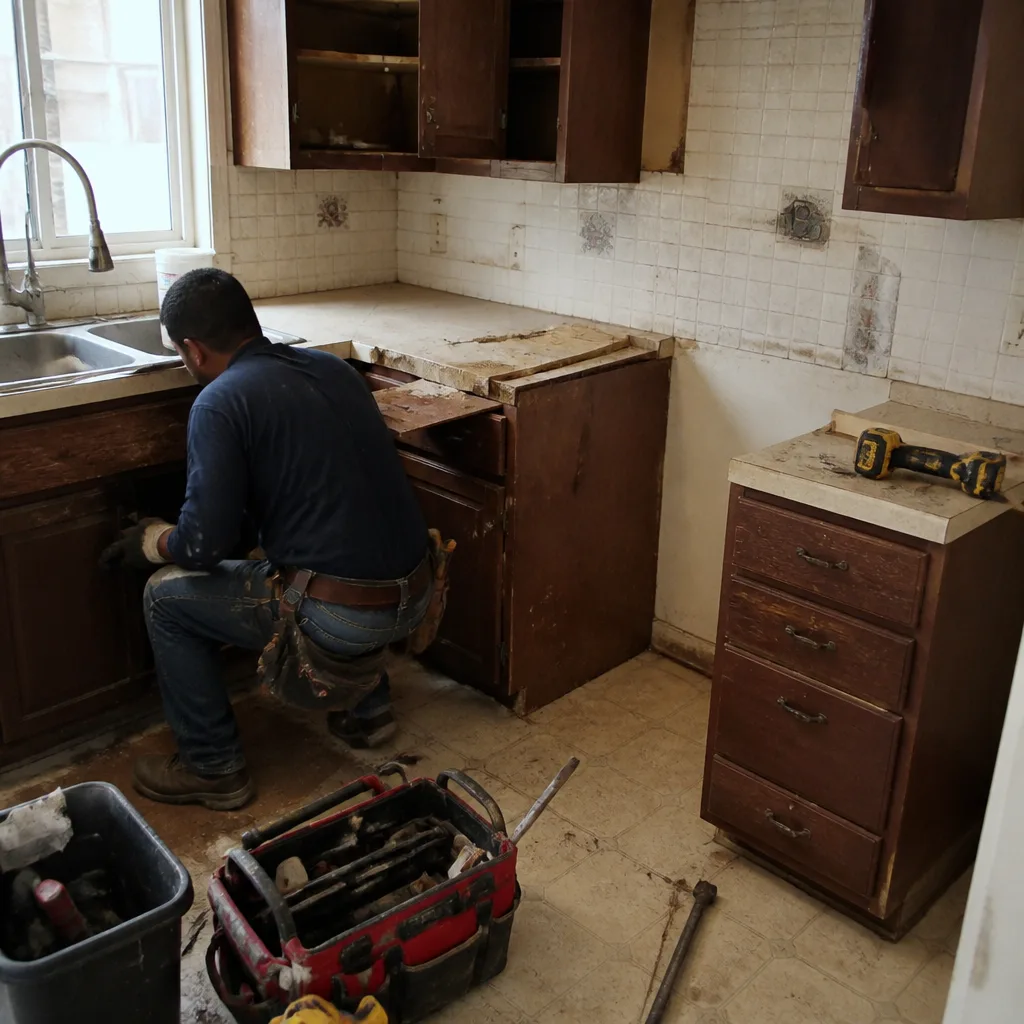 Before
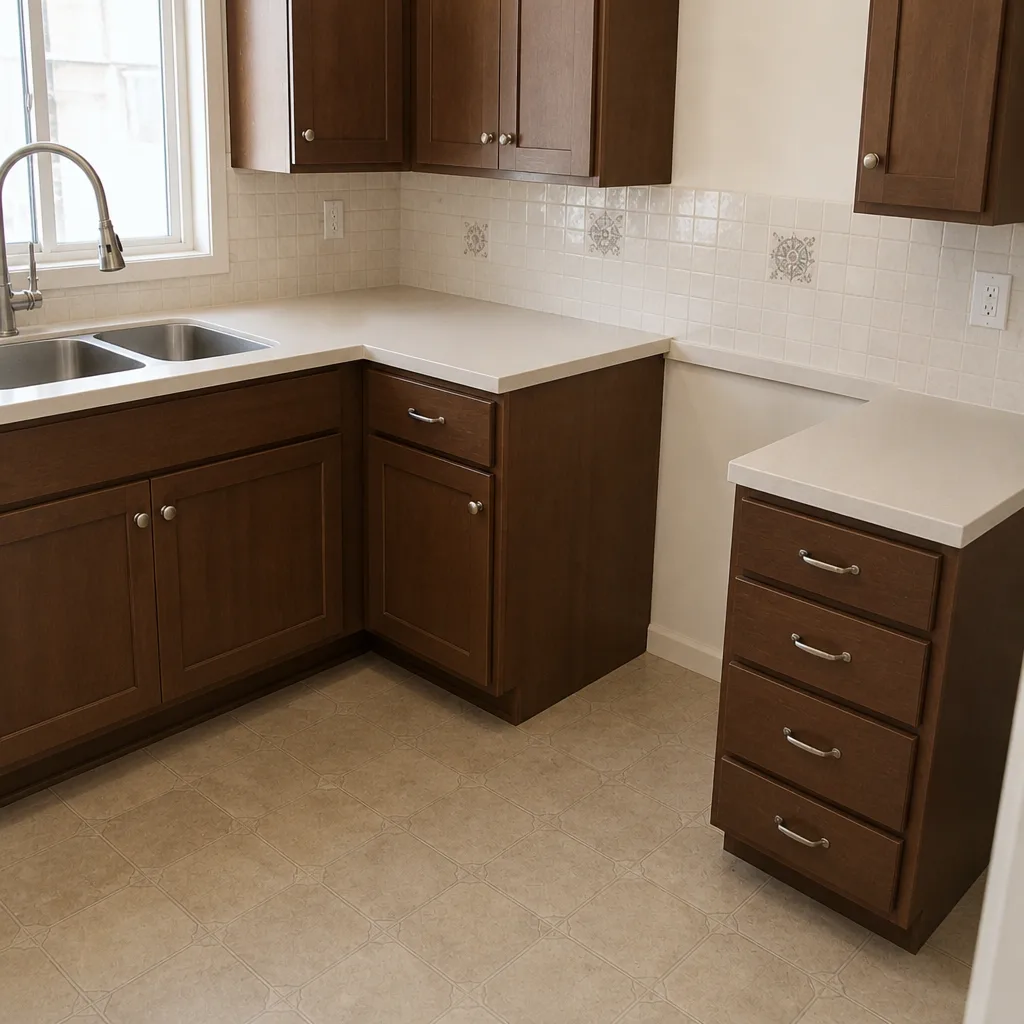 After
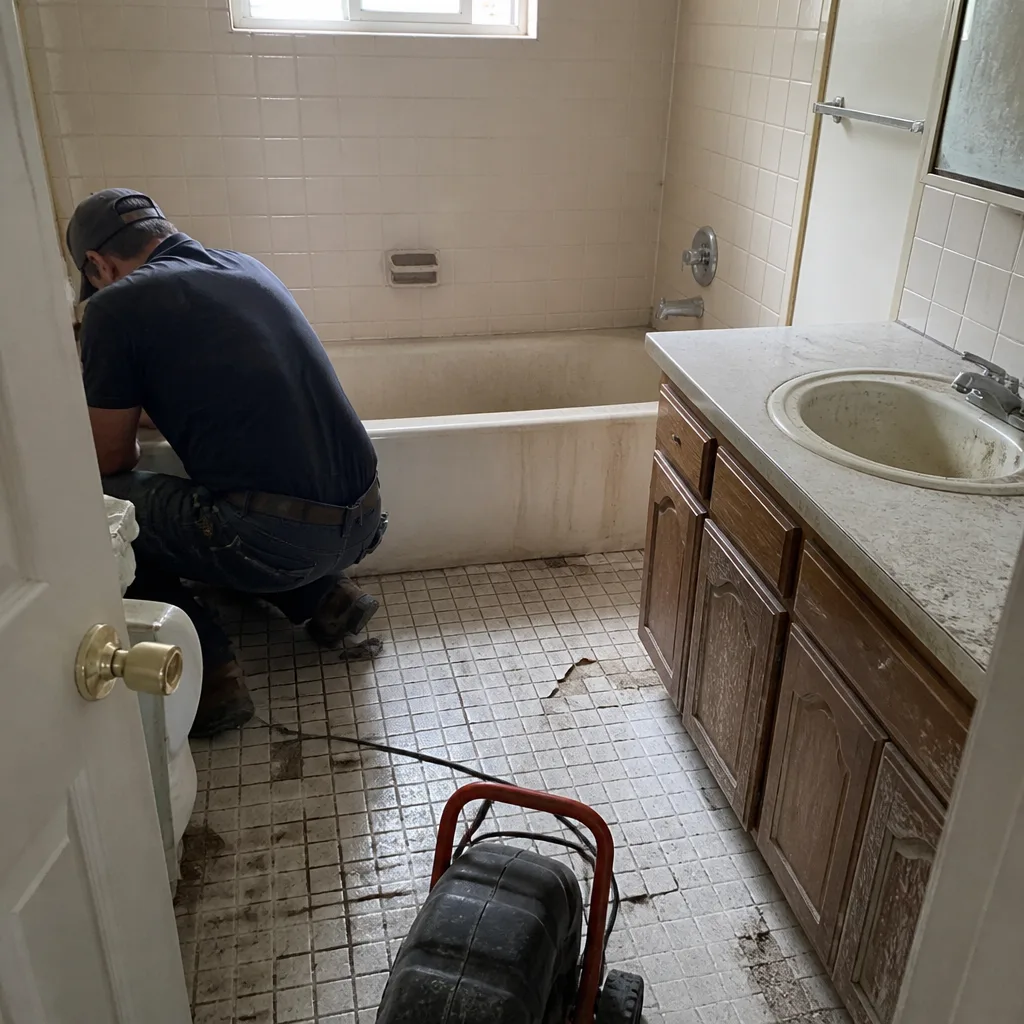 Before
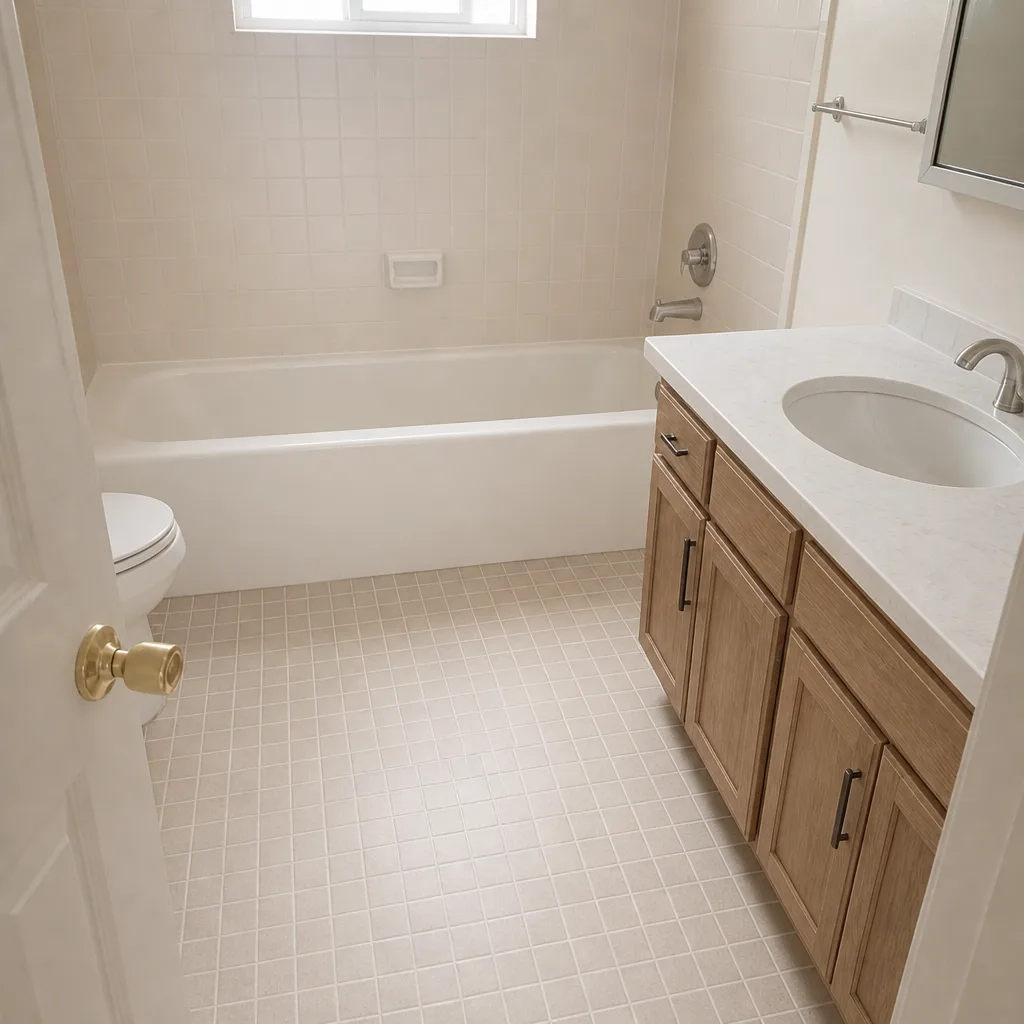 After
When to Call a Professional
Call someone qualified when the warning sign points to something that isn’t a component swap. That means structural movement – doors that suddenly stick, drywall cracks at window heads, windows that won’t close flush – or water intrusion – interior staining, exterior flashing failures, rot around frames. It also means any time the diagnosis isn’t clear. A single interior-condensation window is a humidity conversation. A window that fogs internally and is next to a wall that’s showing a stain and has a door that just started to stick is a wall-and-window conversation, and the sequence matters more than the individual repairs.
Our technicians have up to 12 years of experience and we’re insured and bonded, with transparent line-item pricing so you know what you’re paying for before we start. Every project we complete is covered by the 730-Day Done Right Promise – if it’s not done right, we make it right – and that guarantee covers workmanship on window and door replacement, including flashing rework and frame repair when the diagnosis calls for it. Groundwork Construction Co. of Vacaville offers free estimates in Vacaville. Call (888) 276-8078 to schedule your inspection, and one of our team will walk the exterior with you and put the findings in writing.
Frequently Asked Questions
Window replacement in Vacaville typically runs $550-$1,200 per unit for standard-size replacements, with the wide variation driven by frame material (vinyl versus wood-clad versus aluminum-clad), glazing package (single versus double versus triple pane, low-E coatings, argon fill), and how much flashing or frame rework is needed. A single failing glass unit swapped without touching the frame usually lands in the $200-$450 range. Whole-house replacements typical of a west-facing wall in Vacaville often land $8,000-$20,000 depending on unit count and finish spec. Call (888) 276-8078 for an exact quote – estimates are free and itemized.
Your windows are the reason your energy bill went up if the increase appears mostly in heating and cooling months, is concentrated in specific rooms, and corresponds to interior glass surface temperatures running 15°F or more below the surrounding wall on the coldest or hottest days of the year. If the bill increased in every month, or if the increase matches a rate change or HVAC issue, the windows aren’t the primary cause. Compare the peak-season pattern, not the total number.
Condensation between panes is a real problem, not cosmetic. It means the sealed glass unit has failed – the inert gas has escaped and moisture has entered. The window loses most of its insulating value in the affected area, and the failure eventually lets water into the surrounding frame. It’s often fixable by replacing only the sealed unit rather than the whole window, which is a substantially cheaper repair if the frame and sash are still healthy.
A door that suddenly starts sticking usually indicates movement – foundation settlement, seasonal humidity swelling, framing movement, or water intrusion behind the frame. A single door sticking seasonally is normal expansion. Multiple doors in the same area of the house sticking at the same time, or sticking combined with new drywall cracks, points to structural movement that deserves a professional look before the door is adjusted or the window beside it is replaced.
Replacing windows or doors in-kind – same size, same location, same species of opening – often does not require a permit, but a change in size, number, or location of exterior openings typically does, and any structural change behind the opening always does. The safe practice is to ask about permit requirements before work starts and to get the answer in writing. We pull the permits when they’re required for the work we perform, and inspections get passed before the job is closed out.
A single window or door replacement is usually a same-day job – one visit, one crew, closed out before they leave. A whole-house window replacement typically runs two to four days for an average-sized Vacaville home, with weather and flashing rework adding time when the diagnosis calls for it. We don’t promise same-day completion on whole-house jobs because quality installs need the flashing and finishing work done right, and that takes real time. We’ll give you an accurate timeline in the free estimate.
The Bottom Line
The window and door warning signs that matter most are the ones that point to structural movement or water intrusion, and the ones that matter least are the cosmetic ones that show up slowly. Watch for sudden changes – doors that stick after years of working fine, drywall cracks at window heads, staining at frame corners, flashing that lifts or fails. Read your condensation patterns carefully: interior-side condensation is a humidity issue, between-pane condensation is a seal failure, exterior-side condensation is normal. Check exterior flashing every September, before Vacaville’s rain season, and photograph anything you find so you can see whether it’s growing. When a warning sign points at the wall behind the window, address the source of the water before you install anything new. That sequence – diagnose, then repair or replace – is the difference between a maintenance bill and a structural repair. Call (888) 276-8078 for a free estimate in Vacaville, and we’ll walk the exterior with you and put the findings in writing.
Written by the team at Groundwork Construction Co. of Vacaville.