Last updated November 18, 2026




Free written scope consultation - allowances, timeline, and change-order rules on paper before a single trade is scheduled
Construction Emergency Preparedness Guide for Vacaville Homes
The most expensive construction emergency we get called to isn’t storm damage. It’s a drainage failure that was sitting in plain sight for two summers – a shallow swale behind a garage, a downspout dumping water against a stem wall, a strip of pavers that had started to settle – before one hard rain pushed it under an exterior wall. That’s the pattern in Vacaville. Our emergencies mostly grow from small conditions left alone until the first real stress of the season hits. This guide shows you how to spot those pre-failure conditions on your own property, what to do in the first 24 hours when something does let go, and how to protect yourself from the contractors who show up when you’re most vulnerable.
Quick Answer
Construction emergencies in Vacaville are usually preventable structural and drainage failures, not random weather events. The five early warning signs are water pooling near the foundation, new cracks in concrete, soil pulling away from the slab, doors and windows that suddenly stick, and a downspout or gutter system that dumps water against the house. Catching any of these before the first heavy rain of the season is what separates a $600 grading fix from a five-figure foundation or driveway repair. If something has already failed, document it thoroughly, call your insurer first, then a licensed contractor – and know that California’s anti-price-gouging law protects you during a declared emergency in Solano County.
Styles & brands we work with
- Kitchen remodeling
- Bathroom remodeling
- Home additions & ADU
- Roofing
- Windows & doors
- Driveway & pavers
- Fence
Table of Contents
- The Five Pre-Emergency Warning Signs on Vacaville Properties
- What to Do in the First 24 Hours of a Construction Emergency
- How California Protects You During a Declared Emergency
- Material-by-Material Failure Timeline
- Why Vacaville’s Clay Soil Changes Everything
- The Emergency Contractor Vetting Checklist
- Your Seasonal Preparedness Calendar
- Common Mistakes to Avoid
The Five Pre-Emergency Warning Signs on Vacaville Properties
We’ve walked hundreds of Vacaville properties after a failure and heard the same thing: “There was a little problem there for a while, I just didn’t think it was a big deal.” It usually was. These five indicators show up again and again in this climate, and every one of them can be checked in an afternoon without any tools beyond a garden hose and a level.
- Water pooling within 6 feet of the foundation. After a storm, walk the perimeter. Any spot where water stands for more than a few hours is a grading problem, not bad luck. In Vacaville’s clay-heavy soil, water can sit for days.
- New cracks or widening cracks in concrete. Hairline cracks are normal. Cracks wider than a credit card, cracks that step up a wall, or a driveway slab that has cracked in a straight line parallel to the house deserve a look.
- Soil pulling away from the slab or stem wall. A visible gap between the dirt and your foundation means soil is shrinking or washing out. Both are structural signals.
- Doors and windows that suddenly stick. A door that used to close cleanly and now drags is often telling you the frame has moved. That’s a foundation conversation, not a hardware one.
- Downspouts and gutters dumping water against the house. This is the single most common root cause of drainage emergencies we see in Vacaville. A downspout that ends 12 inches from the wall sends every gallon from that roof section straight into the soil next to your foundation.
None of these means your house is about to collapse. They mean the conditions are set. A grading correction, an extended downspout, or a re-set paver course runs a fraction of what a foundation repair or wall rebuild costs. That’s the whole game with preparedness – pay for the small fix while it’s still small.
What to Do in the First 24 Hours of a Construction Emergency
When something actually fails – a section of fence goes over, water starts coming under a sliding door, a retaining wall starts to lean – the sequence matters more than the speed. Calling people in the wrong order is how homeowners end up paying for work their insurance would have covered. Here’s the order we recommend for a structural or water-driven construction emergency in Vacaville.
- Make it safe, then stop. Turn off water at the main if a line is involved. Move valuables and vehicles out of the affected area. Don’t start demo – anything you tear out before documenting it can cost you the claim.
- Document everything before anyone touches it. Photograph and video the damage from multiple angles, wide shots and close shots. Include a photo with a coin or tape measure next to any crack for scale. Photograph the water path, the damaged materials, and the surrounding area.
- Call your insurance company. Open the claim and get a claim number before you hire anyone. Ask whether they want an adjuster on site before repair work begins – most do. Keep every receipt for emergency mitigation like water extraction or temporary tarps.
- Make temporary, non-permanent protections. A tarp over a roof opening, sandbags against a door, plywood across a broken window. These are mitigation, not repair, and insurers generally expect you to do them.
- Then call a licensed contractor for an assessment. A written scope and estimate protects you with the insurer and gives you a real number to work from instead of a guess from a stranger.
Two things get missed in the panic. First, photos of the water path – where it came from and where it went – matter as much as photos of the damage itself, because that’s how the adjuster decides cause. Second, keep a written log of who you called and when. If there’s ever a dispute about response or cost, that log is your evidence. The trained professionals at Groundwork Construction Co. of Vacaville home can walk you through an assessment once the safety and documentation steps are done, and our calls are answered by a live person around the clock, so you won’t be waiting until Monday morning for a straight answer.
How California Protects You During a Declared Emergency
California law treats declared emergencies as a period when homeowners are at elevated risk of price gouging, and the protections are stronger than most people realize. Under California’s anti-price-gouging statute (Penal Code Section 396), once a state of emergency is declared, it is illegal to increase the price of many goods and services – including emergency repairs, contractor services, building materials, and home repair – by more than 10 percent above the price charged immediately before the declaration. That protection applies in Solano County whenever a local or state emergency is declared, and it stays in effect for a set period after the declaration.
What that means for a Vacaville homeowner:
- A contractor cannot quote you 30 percent over their normal rate and call it “emergency pricing” while a declared emergency is active.
- The 10 percent ceiling applies to the goods and services needed for the emergency repair, so watch for inflated material costs being passed through.
- You can report suspected violations to the California Attorney General’s office or the Solano County District Attorney. Violations carry real penalties.
- California contractors must be licensed with the Contractors State License Board (CSLB) to perform most residential work over $500. You can verify a license, and its status, for free on the CSLB website. Do that before you sign anything.
The practical takeaway: the law gives you leverage, but only if you know what normal pricing looks like. Get a written, line-itemed estimate, compare it to what the same scope would cost outside an emergency window, and don’t sign on the spot under pressure. Upfront pricing with no surprises is exactly what a reputable contractor offers, emergency or not.
Material-by-Material Failure Timeline
Different systems on your property give you different warning windows. Some flag a problem for years. Others give you a season or less. Knowing which is which tells you how urgently to act. Here’s how the timeline tends to run in Vacaville’s climate, based on what we see across the region.
| System | Typical warning window | What you’ll notice first |
|---|---|---|
| Grade & drainage | 1-3 seasons | Pooling water, soil settlement, damp spots along the foundation |
| Concrete flatwork (driveway, walkway) | 6 months-2 years | Hairline cracks that widen, slabs that rock or settle at a joint |
| Pavers | 1-4 years | Shifting sand joints, uneven pavers, weeds pushing up between courses |
| Fence posts & framing | 1-2 years | Leaning posts, loose rails, soft wood at the base after rain |
| Retaining walls | 6 months-1 year | Bulging, an outward lean, water seeping at the base, cracks in the cap |
| Roof & flashings | Weeks-1 season | Ceiling stains, missing shingles, granules in gutters |
The pattern is consistent. Grading and drainage problems hide the longest and cause the most damage. Roof failures and retaining wall failures are the most urgent once they start moving. Pavers and concrete sit in the middle – they give clear warnings, but the warnings are easy to dismiss as cosmetic until the substrate underneath is compromised. When we install hardscape, we use systems built to handle the soil movement and drainage load, like Schluter drainage and waterproofing components under tile and Grohe fixtures in wet areas, alongside GAF roofing systems where the roof ties into the drainage plan. Built to last, backed in writing, because the material choice is part of what gives you a longer warning window next time.
If you’re planning hardscape work and want it done right the first time, our team handles Driveway & Pavers in Vacaville with grading and base prep built into the scope, not added later.
Why Vacaville’s Clay Soil Changes Everything
Vacaville sits in a climate with hot, dry summers and wet winters, and much of the soil in and around the city is clay-heavy. That combination is the engine behind most of the construction emergencies we see here. Clay expands when it soaks up water and shrinks as it dries. Over a Vacaville summer, the ground under and around a foundation can pull back noticeably. Then the first sustained rain of the season swells it again – fast. That cycle of shrink and swell is what cracks slabs, shifts pavers, and undermines fence posts that looked fine in July.
This is why the timing of preventive work matters so much in Vacaville. Grading and drainage corrections done in late summer or early fall, before the ground takes on water, have time to stabilize. The same fix in January, with saturated clay, is harder and more expensive. It’s also why the “minor grading issue” gets ignored for two summers – during the dry season it looks perfectly harmless. It only becomes visible when the rain arrives, and by then you’re in damage control.
Neighborhoods matter too. Older parts of Vacaville with mature trees and original grading are more prone to settlement and root-driven drainage problems, while newer development often has soil that hasn’t fully consolidated. Either way, the inspection is the same: watch the water, watch the cracks, watch the soil line against the slab. If you’ve seen any of the five warning signs and you’re not sure whether it’s serious, that’s exactly the moment to get an assessment rather than wait for the rain.
The Emergency Contractor Vetting Checklist
Predatory contractors target homeowners in crisis for a reason: your scrutiny is at its lowest when water is coming under the door. The pressure tactics – “we can start today but only if you sign now,” “cash only to keep the price down,” “that crack is way worse than it looks, we need to open the whole wall” – all depend on you not slowing down to check. Slow down anyway. This checklist takes ten minutes and protects a five-figure decision.
- Verify the license. Look up the contractor’s license number on the CSLB website. Confirm it’s active, in the right classification for the work, and check for any complaint history. No license number on the estimate is a walk-away.
- Confirm insurance and bonding in writing. Ask for a certificate of insurance showing general liability coverage. A legitimate contractor provides it without friction.
- Get the estimate in writing, line-itemed. A single lump-sum number with no breakdown is how “the price went up” happens later. You want materials, labor, permits, and cleanup listed separately.
- Ask who pulls the permits. The answer should be the contractor, not you. Unpermitted structural or drainage work can complicate your insurance claim and your future sale.
- Read the warranty terms before you sign. How long is the workmanship guarantee, what does it cover, and what voids it? A real guarantee is stated plainly in the contract, not promised verbally on the driveway.
- Never pay in full up front. A deposit for materials is normal; paying the entire job before work starts is not. Keep payments tied to milestones.
- Check the emergency pricing against the 10 percent rule. If a declared emergency is active in Solano County, that ceiling applies. A quote far above normal rate is a red flag worth reporting.
Our own projects are covered by the 730-Day Done Right Promise – if it’s not done right, we make it right – and every technician who shows up is background-checked and in uniform, not an unmarked van. That standard is what you should be asking every contractor about, especially when you’re stressed and time feels short.
Your Seasonal Preparedness Calendar
Preparedness in Vacaville runs on a predictable rhythm, and the work is lighter if you stay ahead of the seasons instead of reacting to them. Here’s how we’d sequence it across the year.
Late Summer (August-September)
- Walk the perimeter and check grading for low spots before the rain returns.
- Extend downspouts so they discharge at least 4-6 feet from the foundation.
- Inspect fence posts for leaning or soft wood at the base.
- Schedule any concrete or paver repairs now, while the ground is dry and stable.
Fall (October-November)
- Clean gutters and check that roof drainage flows away from the house.
- Look for new cracks in slabs and walls that appeared over the dry season.
- Test the grading with a garden hose – run water and watch where it goes.
- Book a professional assessment if any warning sign showed up.
Winter (December-February)
- After each significant storm, check for pooling and soil movement.
- Watch doors and windows for new sticking as the soil swells.
- Document anything that looks like it’s getting worse.
Spring (March-May)
- Assess the damage the wet season exposed, before summer dries it out.
- Plan drainage and hardscape corrections for the dry months ahead.
- Check retaining walls for lean or seepage after the wet season.
That calendar matters if you’re adding a structure, too. Drainage and grading decisions made during an addition or ADU build are where a lot of long-term problems are either solved or created. Our team handles Home Additions & ADU in Vacaville with site drainage and grading built into the plan from the start, and Fence Installation in Vacaville with posts set to handle the soil movement this region sees.
Common Mistakes to Avoid
- Ignoring a grading issue because it’s dry season. A low spot that looks harmless in August becomes a foundation threat in January. Fix grading before the rain, not after.
- Starting demo before documenting for insurance. Homeowners who tear out water-damaged drywall before photographing it often lose part of their claim. Document first, every time.
- Letting a downspout discharge against the house. This one small choice drives a large share of the drainage emergencies we see across Vacaville. Extend the downspout and it stops being a problem.
- Signing with the first contractor who shows up after a storm. Out-of-area crews follow emergencies and disappear when the warranty would matter. Verify the license and read the warranty before you sign.
- Paying in full up front under pressure. No legitimate contractor needs the entire job paid before starting. Milestone payments protect you.
- Skipping permits to save time. Unpermitted structural or drainage work can void insurance and complicate a future sale. The contractor should pull the permits.
- Treating a leaning retaining wall as cosmetic. A wall that’s moving is under load it wasn’t built for. A small drainage fix now beats a wall rebuild later.
When to Call a Professional
Some things you can check and monitor yourself. Others need eyes that know what a pre-failure condition looks like. Call a licensed professional if any of these are true: water pools against your foundation and stands for more than a day; you have a crack wider than a credit card or one that’s visibly widening; soil has pulled away from the slab; a retaining wall is leaning or bulging; water is entering the house during rain; or a door or window has suddenly stopped closing cleanly. Those are the conditions that turn into emergencies if left alone. Groundwork Construction Co. of Vacaville offers free estimates in Vacaville – call (888) 276-8078 and we’ll assess the condition and give you a written scope, so you know exactly where you stand before the next stress event hits.
See the difference
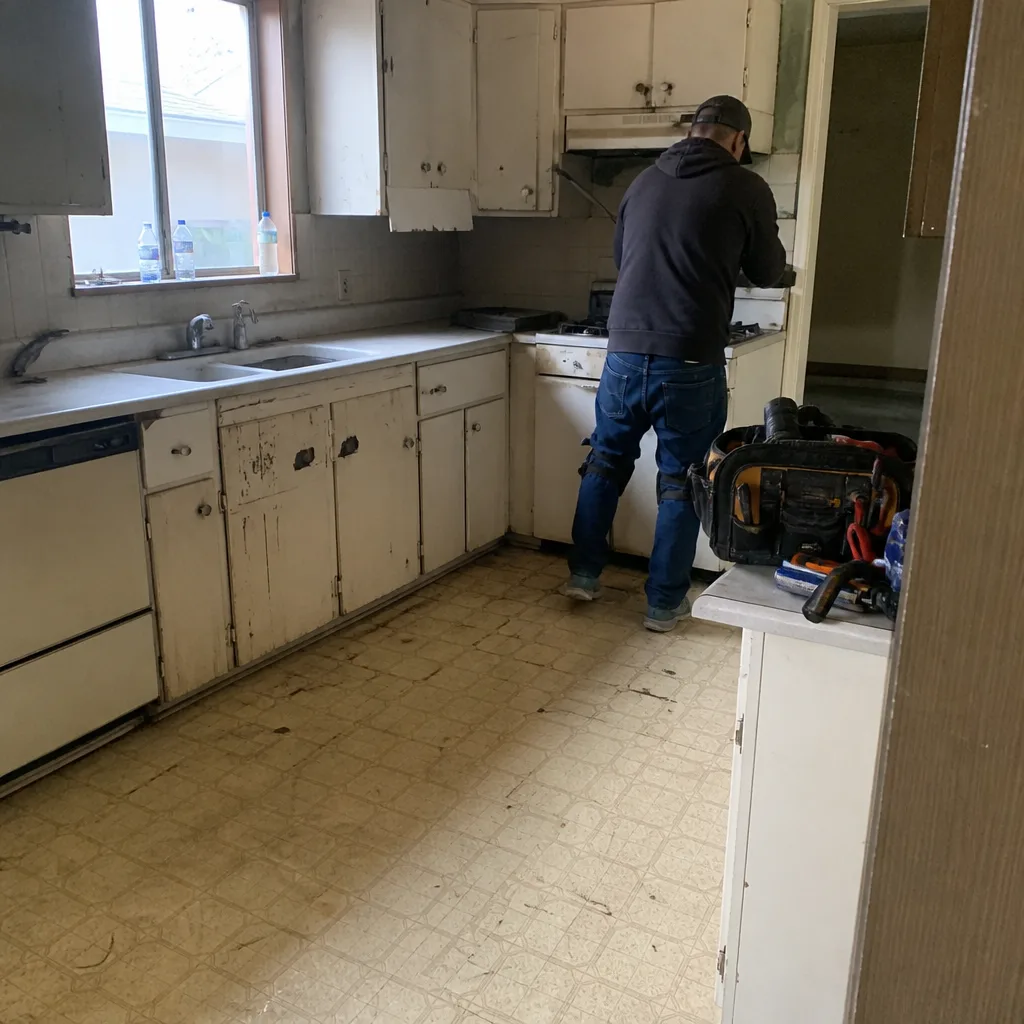 Before
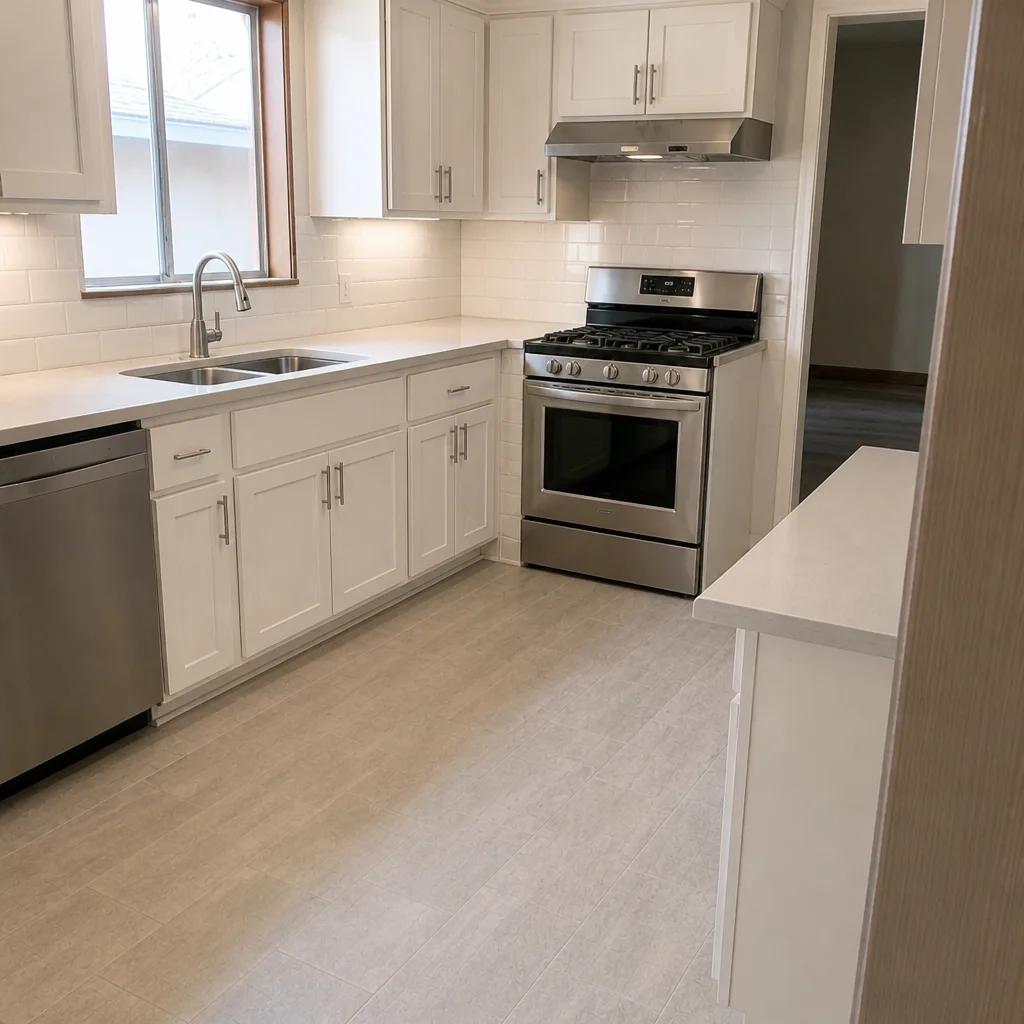 After
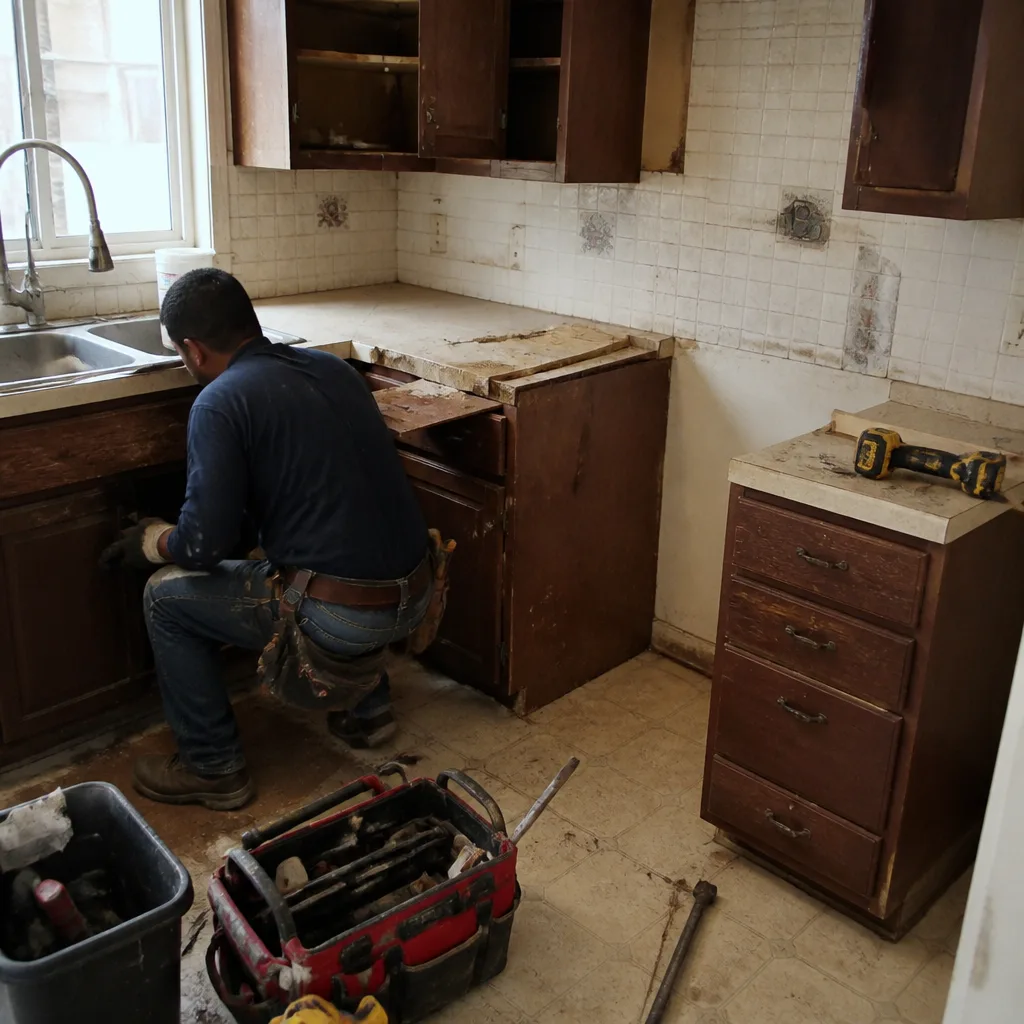 Before
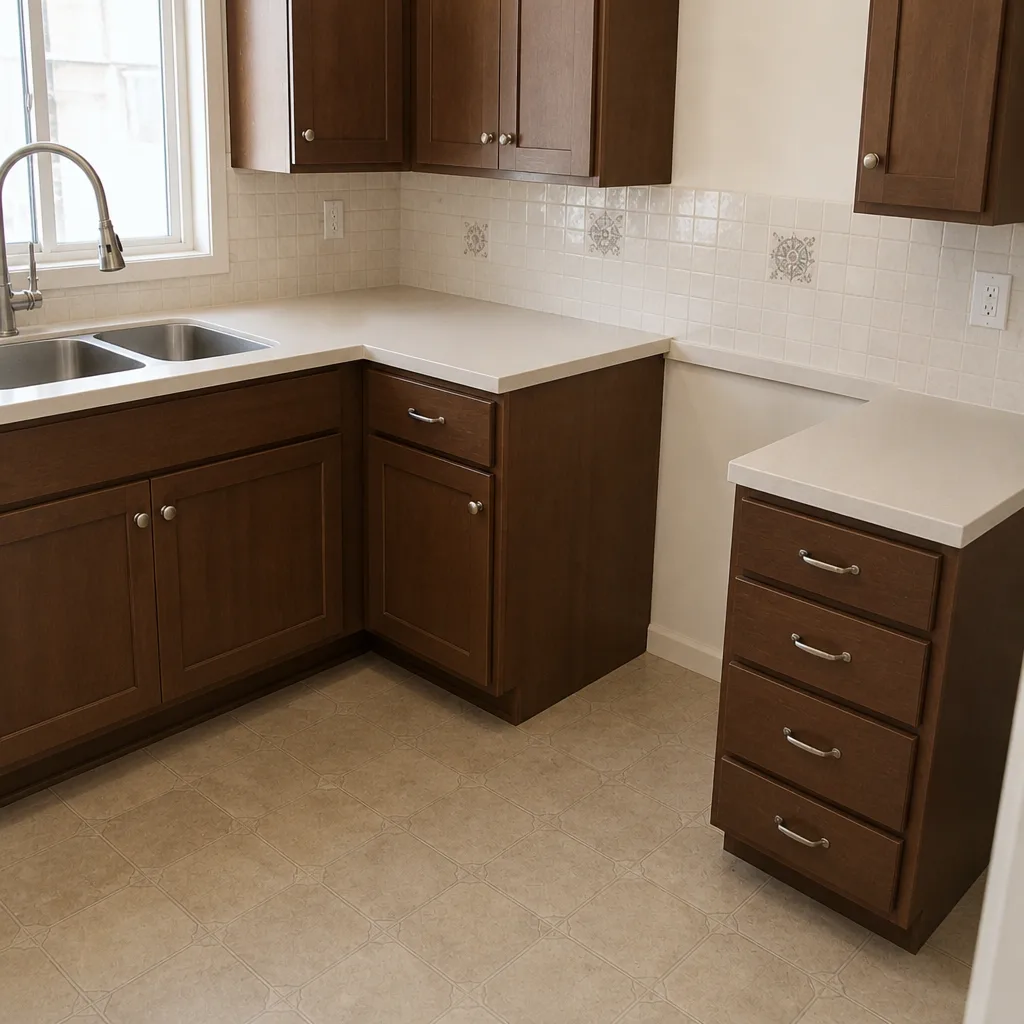 After
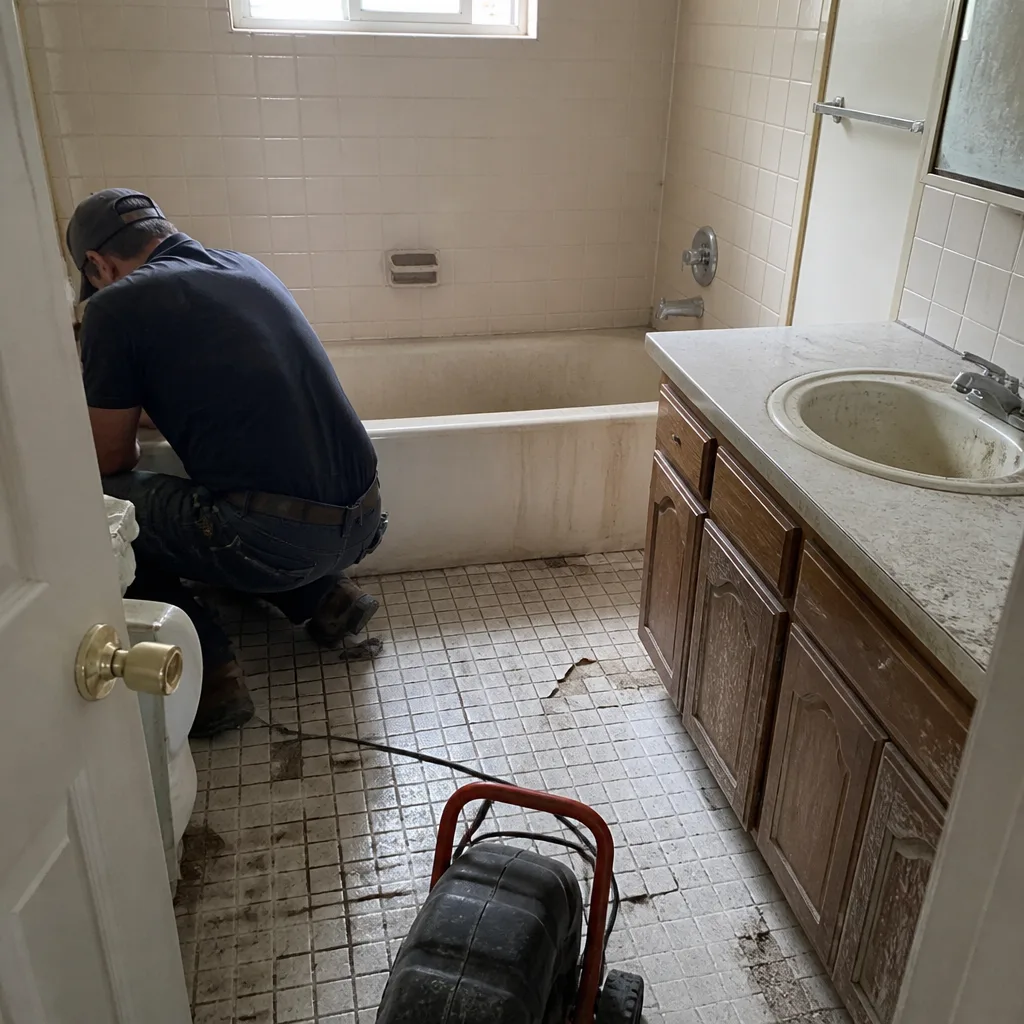 Before
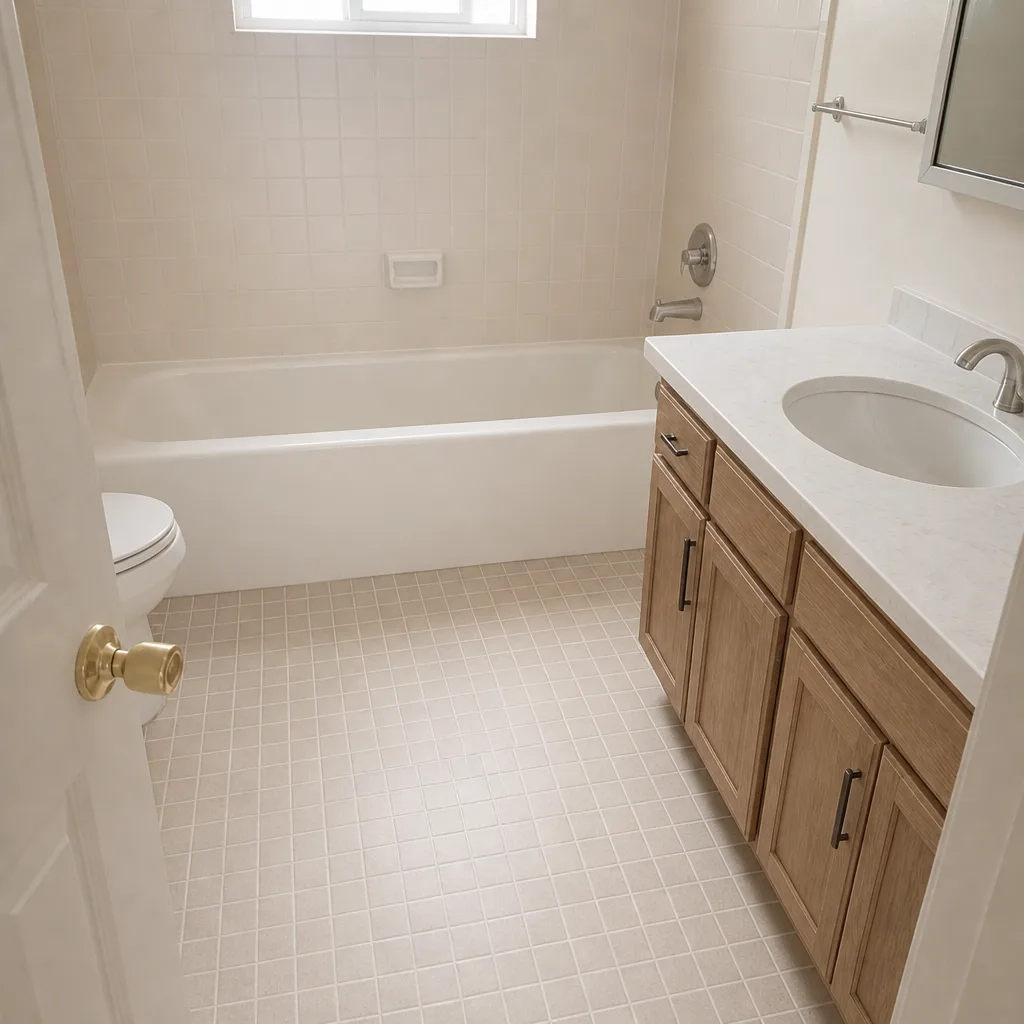 After
Frequently Asked Questions
A construction emergency in Vacaville is any condition that threatens structural integrity or is actively causing water intrusion – a retaining wall that’s moving, a foundation crack that’s widening, water entering the home, or a fence or structure that’s failed and could injure someone. Minor grading and settling issues are not emergencies, but they’re the conditions that lead to them, which is why we treat them as early warnings rather than cosmetic problems.
Yes. Once a state of emergency is declared, California’s anti-price-gouging statute caps increases on emergency repair services and building materials at 10 percent above the price charged before the declaration, and it applies in Solano County. You can report violations to the Attorney General’s office or the Solano County District Attorney. Call (888) 276-8078 for a written, line-itemed estimate so you have a real number to compare.
Typically one to three wet seasons, depending on the soil and the severity. In Vacaville’s clay-heavy ground, water that pools near the foundation repeatedly can undermine the soil support within two seasons. The warning is usually visible long before that – pooling, soil settlement, damp spots – so the honest answer is that you usually have time, as long as you act on what you see.
Stop the water source if you safely can, move valuables out of the way, and document the intrusion with photos and video before you do any cleanup. Then call your insurer to open a claim. A licensed contractor assessment comes after the claim is open, because the adjuster may want to see the damage in place. Our calls are answered by a live person 24 hours a day, so you can reach us at (888) 276-8078 whenever it happens.
It depends on why it’s leaning. If the posts are sound and one section shifted, a targeted repair with better footing and drainage usually holds. If posts are soft at the base or several are leaning the same way, the footing or drainage under the whole line is the real problem, and replacement with proper base prep is the more durable choice. A free estimate will tell you which situation you’re in.
Look up the license number on the Contractors State License Board website and confirm it’s active and in the right classification. Ask for a certificate of insurance and confirm the contractor pulls the permits. Get a written, line-itemed estimate and a stated workmanship warranty before you sign. Call (888) 276-8078 and we’ll walk you through a written scope – estimates are free.
The Bottom Line
The construction emergencies that hit Vacaville homes hardest are rarely sudden. They’re drainage and structural failures that spend a season or two advertising themselves as minor problems – a low spot, a widening crack, a downspout aimed at the wall – until the first real stress event pushes them over. Check the five warning signs before the rains return, act on grading and drainage while the ground is dry, document everything the moment something fails, and verify your contractor’s license and warranty before you sign, not after. A small fix on your schedule is always cheaper than an emergency on the weather’s schedule. Groundwork Construction Co. of Vacaville stands behind the work with the 730-Day Done Right Promise, so if something isn’t right, we make it right.
Get a Free Assessment Before the Next Stress Event
If you’ve spotted any of the warning signs in this guide, the right move is a professional look while the condition is still small. Groundwork Construction Co. of Vacaville offers free estimates with upfront pricing and no surprises, and our calls are answered by a live person 24/7 – no voicemail, no delays. We also offer 0% financing for 18 months and $1,000 off projects over $10,000, so a needed repair doesn’t have to wait for a better budget month. From foundation to finish line, we handle the assessment, the written scope, and the repair under one accountable contractor. Call (888) 276-8078 to schedule your free estimate.
Written by the team at Groundwork Construction Co. of Vacaville.