Last updated November 18, 2026
Free written scope consultation - allowances, timeline, and change-order rules on paper before a single trade is scheduled
DIY vs Professional Driveway & Pavers: What’s Safe to Do Yourself
Laying pavers is the easy part. The work that decides whether your driveway still looks level after five Vacaville summers happens in the 6 to 8 inches of soil and gravel underneath it – and that’s the part almost every DIY tutorial skips. We’ve watched homeowners pull up a failed DIY driveway where the pavers themselves were perfect and the base was a bowl of uncompacted dirt. This guide draws a hard line between the tasks a motivated homeowner can genuinely handle (pattern planning, paver selection, minor repairs, sealing) and the excavation, compaction, and drainage work that needs equipment most people don’t own and skills most people haven’t built. You’ll learn what’s safe, what the real DIY cost math looks like once you rent tools and absorb waste, where permits and HOA rules catch do-it-yourselfers off guard, and the exact questions to ask a contractor so you can verify the base work you’ll never see once the driveway is done.
Quick Answer
Pattern selection, paver choice, sealing, and small repairs are genuinely DIY-safe and can save you real money. Base excavation, compaction in 2-inch lifts with a plate compactor, and setting the drainage slope are not weekend projects – they require equipment, patience, and a tolerance for failure that most homeowners underestimate. For a full new driveway or replacement, hiring a professional is almost always the cheaper path once you count tool rentals, material waste, and do-overs.
Styles & brands we work with
- Kitchen remodeling
- Bathroom remodeling
- Home additions & ADU
- Roofing
- Windows & doors
- Driveway & pavers
- Fence
Table of Contents
- Why the Base Is the Whole Ballgame
- The Tools You Don’t Own (and Can’t Fake)
- The Work That’s Genuinely Safe to Do Yourself
- The Real Cost Math: DIY vs Professional Install
- Permits, HOA Rules, and Resale Liability
- Questions That Verify a Contractor Is Doing Base Prep Right
- What Makes Vacaville Driveways Different
- Repairs You Can Tackle After the Install
If your project is part of a bigger exterior plan, it’s worth seeing our full scope on the Groundwork Construction Co. of Vacaville home page and how it connects to Driveway & Pavers in Vacaville and Fence Installation in Vacaville if you’re reworking the sides of the property too.
Why the Base Is the Whole Ballgame
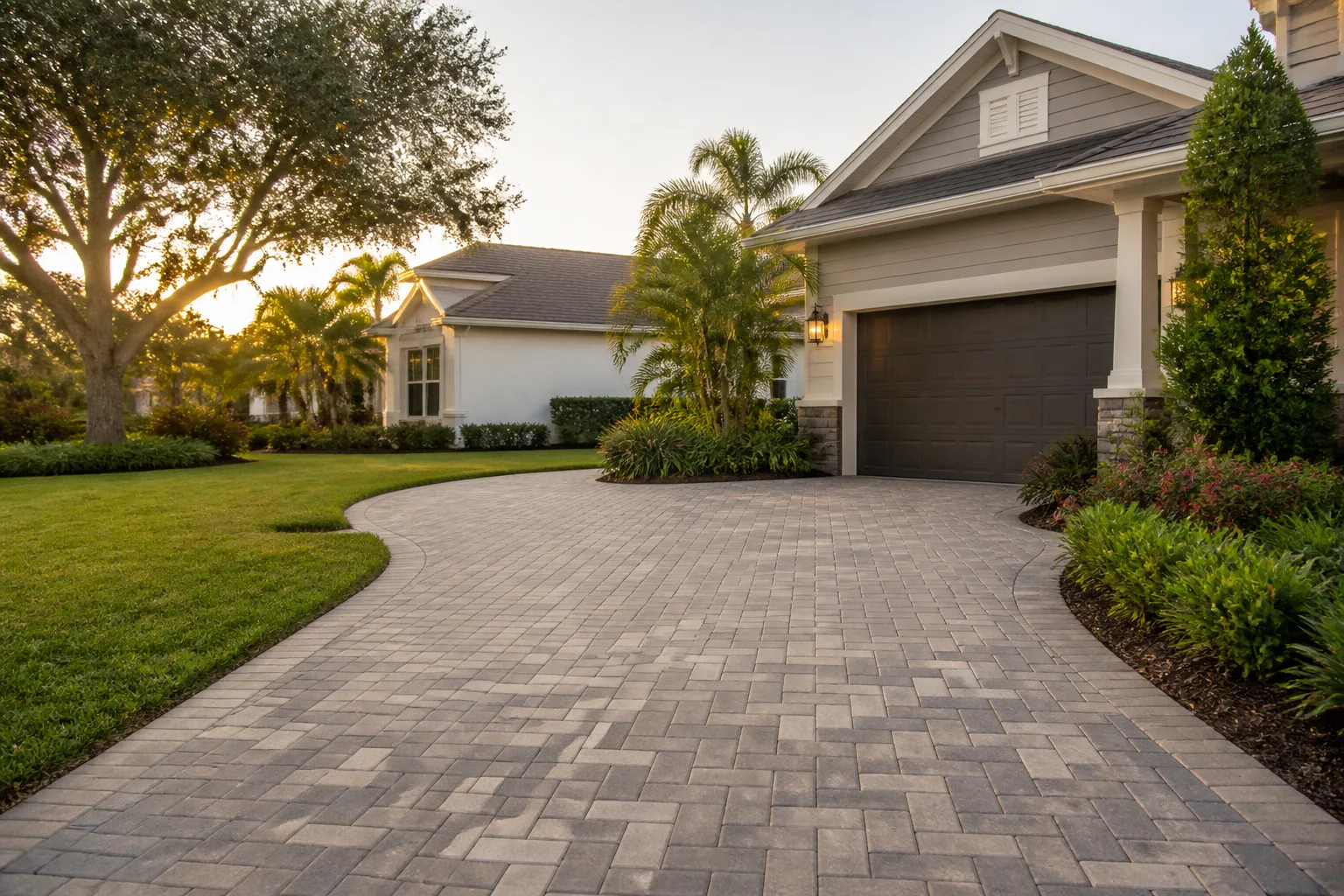
A paver driveway is a structural system disguised as a decorative surface. The pavers are the finish. Underneath them sits a bedding layer of sand (usually 1 inch), then a base layer of compacted crushed aggregate (typically 6 to 8 inches for a residential driveway), then the subgrade soil. Each layer has a job. Skip any of it or get the depth wrong, and the pavers above will move, settle unevenly, or rut where your tires sit – regardless of how expensive the pavers themselves were.
Here’s what makes base work hard to DIY well. Excavation depth is unforgiving. If you dig 5 inches when your soil and climate call for 8, you’ll bury the mistake under perfectly good Techo-Bloc stone and never know until the second wet winter. Compaction is the other silent failure. Base material has to be laid in lifts – typically 2 inches of loose material at a time – and each lift has to be compacted before the next goes down. Skip lifts, or run a plate compactor too fast, and you trap air pockets that collapse under load. A 5,000-pound SUV parked in the same spot for two years will find every one of those pockets.
Drainage slope is the third leg. A driveway needs a consistent 1 to 2 percent slope away from the garage or house, and it has to shed water toward a plan that doesn’t dump it onto a neighbor’s property or back against your foundation. On flat lots around Vacaville – and we see plenty of them east of downtown and out toward the Nut Tree area – that slope can be tough to establish without grading equipment. Water that pools at the garage threshold finds its way inside eventually. In our experience, base failure is the number one reason a driveway that “looked great for a year” fails completely by year three or four.
The Tools You Don’t Own (and Can’t Fake)
This is where the DIY-vs-professional decision usually resolves itself once people price the rental sheet. A proper base prep requires specialized equipment, and renting each piece adds up fast. Here’s what a real base-prep job calls for:
- Plate compactor – not a hand tamper. A hand tamper works for fence posts and small patio edge work. It cannot adequately compact a 400-square-foot driveway base. A plate compactor rents for roughly $60 to $110 per day depending on size and location.
- Excavation tools – a walk-behind mini-excavator or skid steer for anything over about 300 square feet. Hand-digging 8 inches of base over a two-car driveway means moving several tons of soil by shovel and wheelbarrow, and most homeowners quietly quit around the 30 percent mark.
- Laser level or transit – to set the slope accurately. Eye-balling slope doesn’t work; a 1 percent grade over 20 feet is only a 2.4-inch drop, and humans can’t see that reliably.
- Landscape rake, screed board, and hand tamper – for the bedding sand layer, which needs to be perfectly level before pavers go down.
- Wet saw or paver splitter – for edge cuts and pattern transitions. A cheap splitter chips the face of quality pavers; a wet saw produces clean edges.
- Dumpster or haul-away plan – the excavated soil has to go somewhere, and in Vacaville that means paying for disposal or finding a free fill site.
Add it up honestly and the tool side alone runs $300 to $700 for a weekend rental push, assuming nothing breaks, the weather cooperates, and you can operate every piece safely on the first try. Most first-time operators can’t run a plate compactor efficiently – it takes practice to move at the right pace and overlap passes correctly. Getting good at it usually means getting it wrong, and by then you’ve buried the failure under pavers.
The Work That’s Genuinely Safe to Do Yourself
We’re not anti-DIY. Some of the best-looking driveways we’ve seen in Vacaville started with a homeowner who did the design thinking themselves. The trick is matching the task to your skill set – and keeping the tasks that require engineering judgment in professional hands. Here’s what a motivated homeowner can genuinely own:
- Pattern planning. Choose the pattern and stone. Herringbone is more stable under tires than running bond; a random ashlar look works beautifully on curved driveways near the older neighborhoods of Vacaville. This is the fun part, and it’s yours.
- Paver selection. Research and choose your stone. Brands like Techo-Bloc and Cambridge Pavers give you a range of colors and textures that match Vacaville’s warm inland climate, and picking the one that fits your house is a call only you should make.
- Site prep for small patios and walkways. A 100-square-foot patio with 4 inches of base is manageable for a careful DIYer. Full driveways are not the same project.
- Weed and joint sand maintenance. Refilling joints with polymeric sand every few years keeps pavers locked and weeds out. This is a homeowner task, and it’s genuinely satisfying.
- Sealing after install. Sealing protects color and reduces staining. Follow the manufacturer’s cure time (typically 60 to 90 days after install) and the product directions. A sealed driveway in Vacaville’s dry summers holds up noticeably better than an unsealed one.
- Minor repairs. A single cracked paver, a small settled area, a weed pulling job – these are manageable one-paver-at-a-time tasks once the driveway is sound.
The line is clear: aesthetic choices and aftercare are DIY-friendly. Structural work – the part that decides load capacity and water flow – belongs with someone who does it every week.
The Real Cost Math: DIY vs Professional Install
Here’s where the DIY dream usually dies. Most homeowners compare the paver cost per square foot to a professional quote and draw the wrong conclusion. The professional quote includes material, labor, equipment, disposal, permits, and warranty. The DIY cost includes material plus everything else – and everything else is expensive. Here’s a rough cost comparison for a 400-square-foot driveway in the Vacaville market:
| Line Item | DIY (Estimated) | Professional (Estimated) |
|---|---|---|
| Pavers (mid-grade, 400 sq ft) | $2,400 – $3,800 | $2,400 – $3,800 |
| Base aggregate and bedding sand | $450 – $750 | $450 – $750 |
| Equipment rental (compactor, excavator, saw) | $300 – $700 | Included |
| Disposal of excavated soil | $150 – $400 | Included |
| Permits (when required) | Same | Same |
| Labor | Your weekends | Included in total quote |
| Waste and cut material (10-15% typical) | $250 – $550 | Included |
| Warranty | None | Backed in writing |
| Typical total range | $3,550 – $6,200 | $7,500 – $13,000 |
So on paper, DIY looks meaningfully cheaper. Here’s what the table doesn’t show: the do-over scenario. If your base fails – and in our experience, roughly a third of DIY driveway failures we’re called to correct are compaction issues – you pay for removal and disposal of the pavers, excavation of the failed base, new aggregate, new sand, and re-lay. That’s most of the professional install cost, on top of the original DIY spend. When we quote a driveway in Vacaville and a homeowner decides to DIY, we tell them plainly: if it works, you saved real money. If it doesn’t, you’re paying twice.
Professional quotes come with a warranty that protects you against this – our own 730-Day Done Right Promise covers workmanship for two years because we want to stand behind what we build, not disappear after the last paver is set. That’s a real cost of professional work, and it’s what separates a quote from a gamble.
Permits, HOA Rules, and Resale Liability
Most homeowners we talk to in Vacaville don’t realize a driveway replacement can pull in permit and HOA requirements. Whether a permit is required depends on scope. A like-for-like surface swap usually doesn’t trigger one. Changing the driveway footprint, adding drainage tie-ins, or regrading near a property line frequently does. Before you dig, call the City of Vacaville Building Division and describe your project – they’ll tell you whether a permit applies and what the inspection checkpoint is. Skip that call and you can end up with a driveway you can’t legally sell the house with.
HOA rules are the second trap. Many Vacaville subdivisions – and a lot of the newer developments on the city’s edges – restrict driveway materials, colors, and edge treatments. Installing a paver driveway that doesn’t match the HOA’s recorded plans is a scenario where you do all the work and then get a compliance letter demanding you tear it out. Read your CC&Rs before you buy a single pallet. If you’re unsure, ask the HOA board in writing.
Resale liability is the third layer. When you sell in Vacaville, your disclosures have to state whether permitted work was done. Unpermitted driveway work, especially anything involving drainage near the foundation, can show up in a buyer’s inspection report. A driveway is a visible, resale-relevant asset. The permit paperwork is worth more than it costs.
If your driveway project is one piece of a bigger exterior plan – say you’re adding a detached structure or reworking the yard sides – take a look at how we handle Home Additions & ADU in Vacaville, where driveway tie-ins and site access get planned from the start.
Questions That Verify a Contractor Is Doing Base Prep Right
Here’s the uncomfortable truth about driveway contractors: you can’t see the base work once the pavers are down. That means your protection comes from asking good questions before you sign, and from watching at the right moments during the job. Here’s what actually separates a real install from a rushed one:
- “How deep will the base be, and why?” A real answer ties base depth to your soil and traffic load. For most residential driveways in Vacaville, expect 6 to 8 inches of compacted base. Anyone who says “4 inches is plenty everywhere” is quoting a template, not your property.
- “How are you compacting the base, and in what lifts?” The right answer is: plate compactor, in 2-inch loose lifts, with moisture control. Any answer that involves a hand tamper or no reference to lifts means the compaction is being skipped or shortcut.
- “What’s the finished slope, and where does water go?” They should be able to point at your yard and describe the final grade. If the answer is vague, the grading is vague.
- “What edge restraint are you using?” Plastic edge restraint, pinned into the base, is what keeps pavers from migrating. Skipping it is common on cheap installs, and it always shows up later as edge spread.
- “What’s your warranty on workmanship, and how does it work?” A workmanship warranty should cover base failure, since that’s the failure that matters most. Ours runs 730 days from completion.
- “Can I see a project you’ve done in the last 6 months?” Not a brochure photo – an address or a neighbor. A crew that stands behind its work will give you a tour.
- “Are your technicians background-checked?” On any project that runs multiple days and involves your property, you want to know who’s on-site.
When you’re ready for a real conversation, call (888) 276-8078. Estimates are free, the pricing is upfront, and the crew that shows up is background-checked and uniformed on every job.
What Makes Vacaville Driveways Different
Vacaville sits in a climate band that punishes poorly built driveways harder than the coast does. Our summers hit triple digits regularly, and the clay-heavy soils in parts of town – especially out toward the hills and in older neighborhoods – expand and contract with the moisture swings. That seasonal movement is exactly the force a shallow or poorly compacted base can’t handle. Coastal readers of the same DIY tutorial won’t have the same failure rate; Vacaville homeowners will.
Two local specifics worth noting. First, the dry-wet cycle: our wet winters followed by hot, dry summers create a “pump” effect in the soil. If the base isn’t compacted to spec and capped with proper edge restraint, the paver field lifts subtly in the wet season and settles unevenly in the dry. Second, drainage: with the summer dry spells, homeowners here sometimes underestimate winter water volume. A driveway that sheds toward the garage slab is fine in August and a problem in January. The slope has to be engineered for the wet season, not the dry one.
Pavers themselves handle Vacaville fine – quality mid-grade stone from Techo-Bloc or Cambridge Pavers performs well in our climate. It’s the ground underneath that needs to be treated as the real engineering problem. When we install in Vacaville, base prep gets the careful attention the finish would get in a different climate.
Repairs You Can Tackle After the Install
Once a driveway is sound, a homeowner can stay ahead of problems without calling anyone. Small repairs are the ideal DIY territory – they save a service call, they’re satisfying, and they carry no risk of structural failure. Here’s what’s manageable:
- Joint sand top-ups. Polymeric sand breaks down with weather and traffic. Refill joints every 2 to 3 years. This keeps weeds out and locks pavers together.
- Single paver replacement. A cracked or chipped paver can be lifted with two flat pry bars and swapped for a matching one. Keep a few spare pavers from your install for this.
- Weed pulling. Pull weeds at the joint, not the surface. Left alone, they widen joints and undermine compaction at the edges.
- Re-sealing. Every 3 to 5 years in Vacaville’s climate. Seal in the fall when temperatures are moderate, not mid-summer.
- Edge repair. If edge restraint loosens, tighten it. Don’t let pavers migrate into garden soil.
What you should not attempt: lifting a settled section to re-compact underneath. That’s a base failure, and once the base has settled, patching is the wrong move. Call us instead.
Common Mistakes to Avoid
- Buying pavers before checking base depth. Material decisions and base decisions have to be made together. Knowing your soil and drainage first saves you from expensive re-selection later. Neighborhoods with clay-heavy soil near Vacaville’s hills are especially unforgiving here.
- Skipping the plate compactor rental to save $80. The cost of a do-over dwarfs the cost of the rental. Compaction is the one DIY shortcut that always costs more than doing it right.
- Compacting in thick layers because it’s faster. Lifts over 3 inches leave air pockets that don’t show up until a car parks on them. Always 2-inch lifts, always.
- Ignoring the slope at the garage threshold. Water that pools at the threshold finds its way into the wall assembly eventually. Get the slope right when the ground is open, not after.
- Assuming your HOA approves. Many Vacaville subdivisions restrict paver colors and edge treatments. A quick email to the HOA board avoids a tear-out.
- Digging without checking utility locates. Call 811 before you dig. Every time. Vacaville has been growing fast and the utility map isn’t intuitive in newer neighborhoods.
- Skipping the permit because “it’s just a driveway.” Permitted work matters at resale. Unpermitted work follows you through disclosure.
See the difference
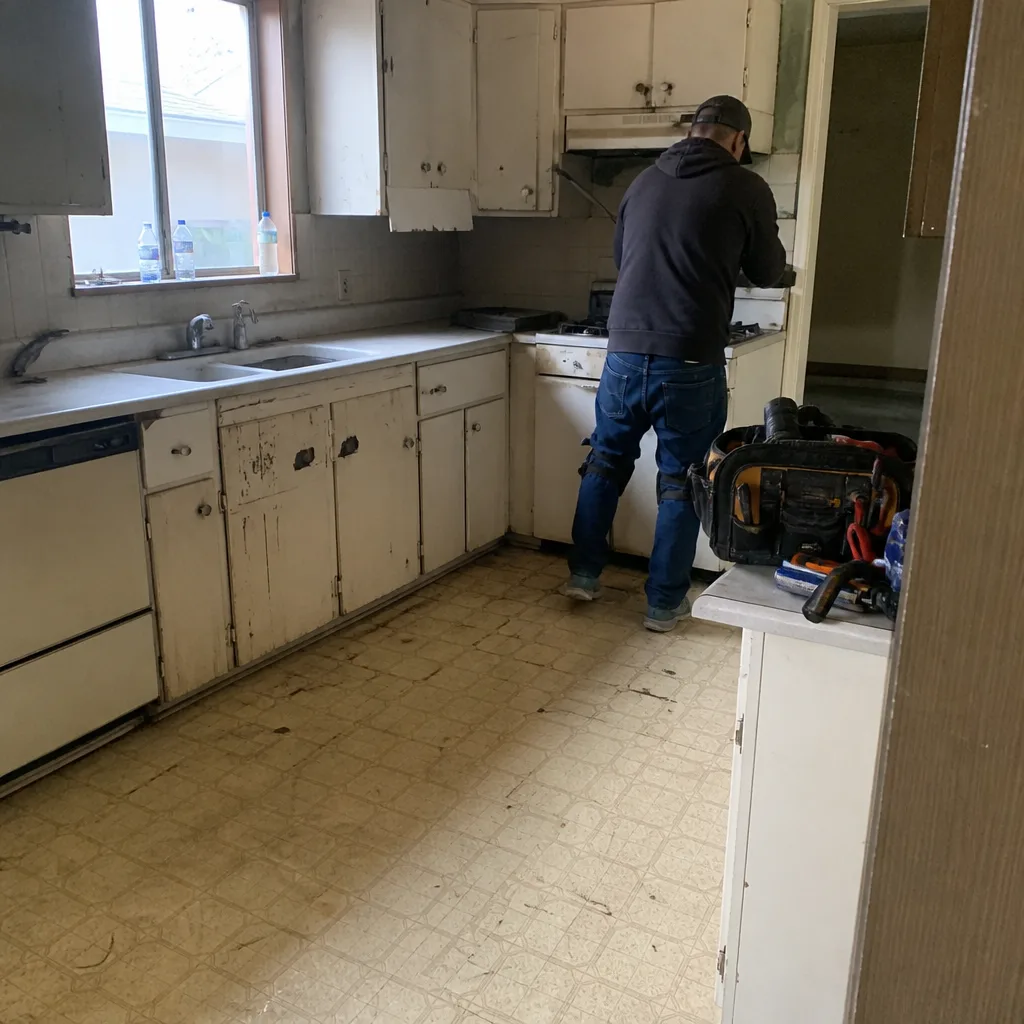 Before
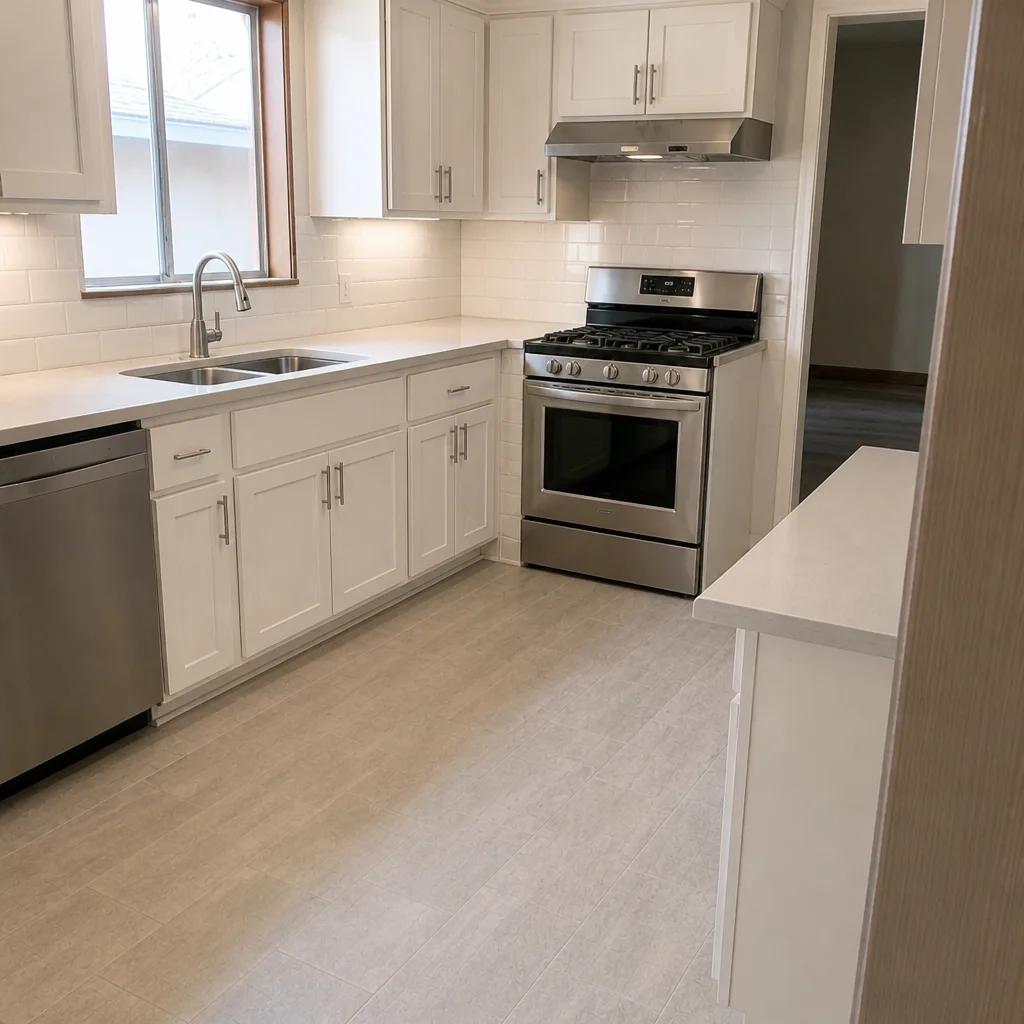 After
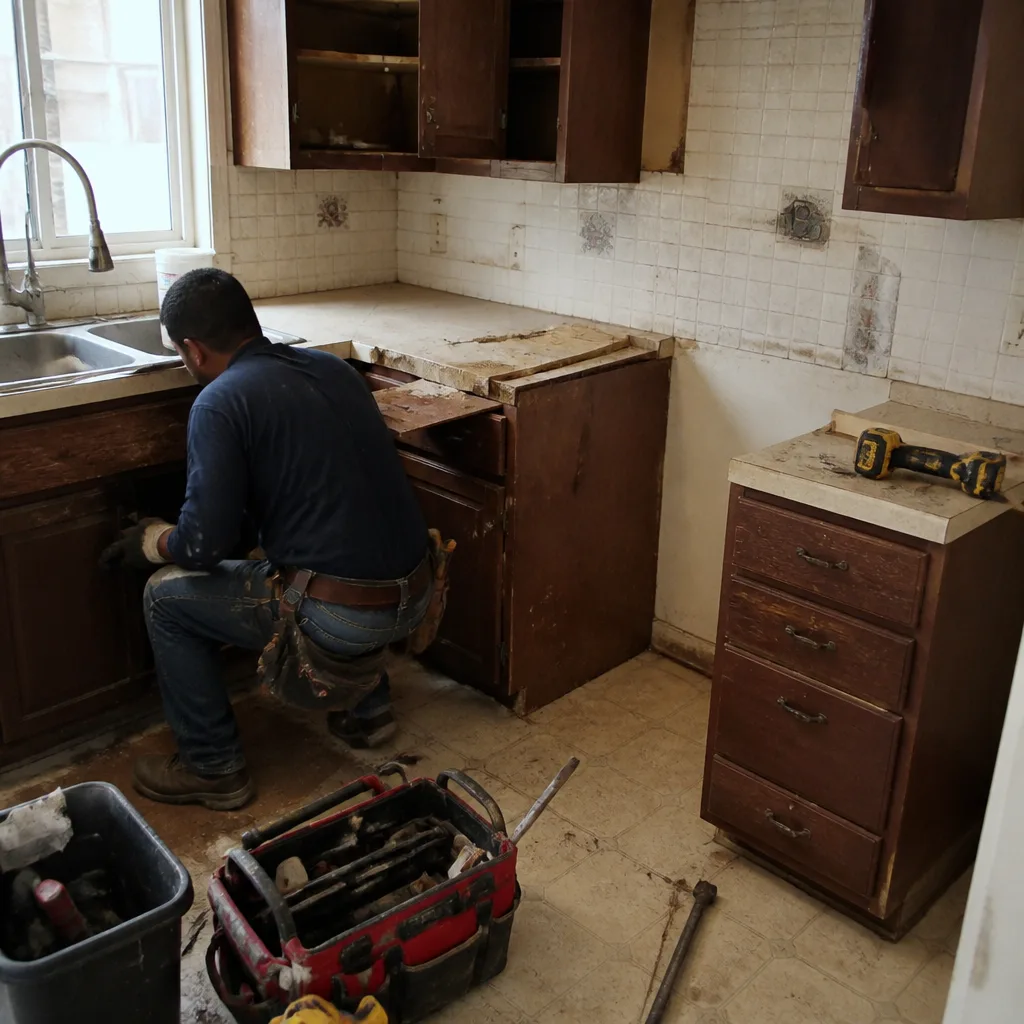 Before
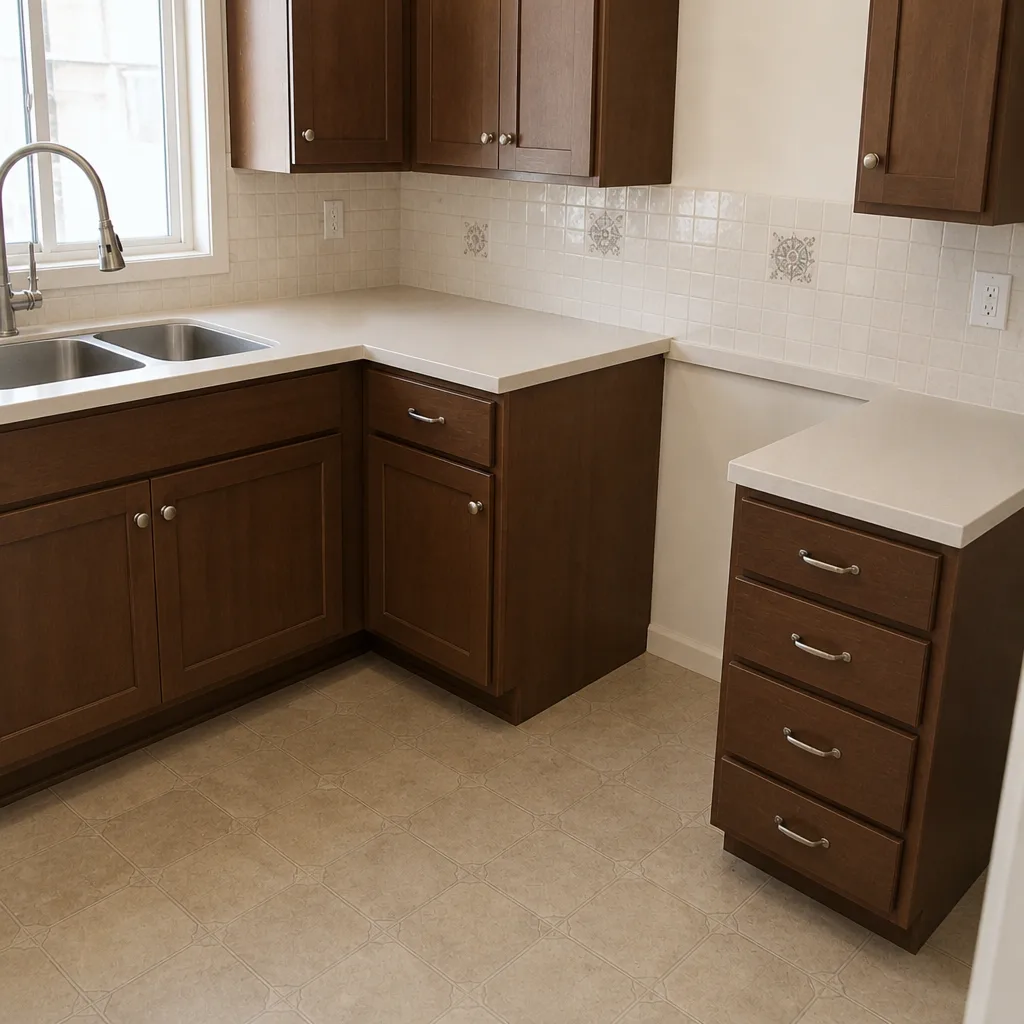 After
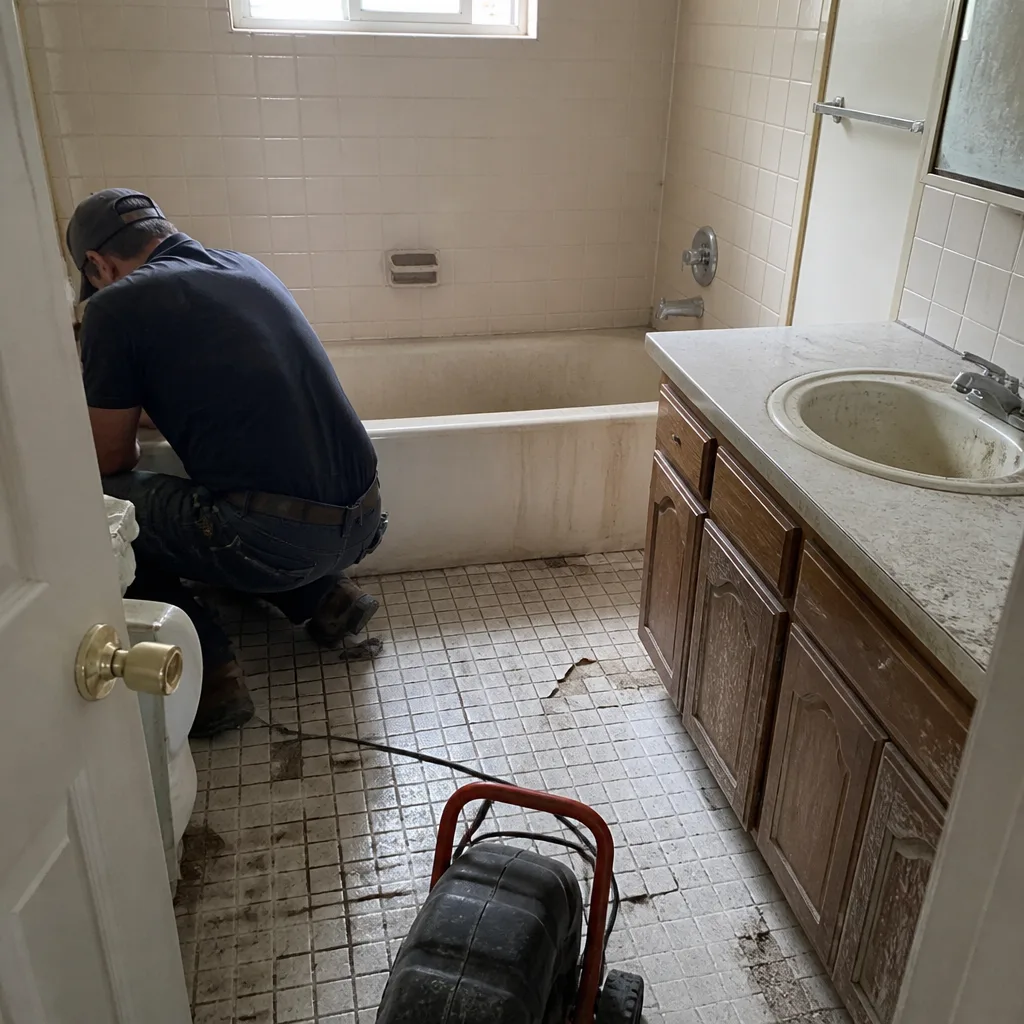 Before
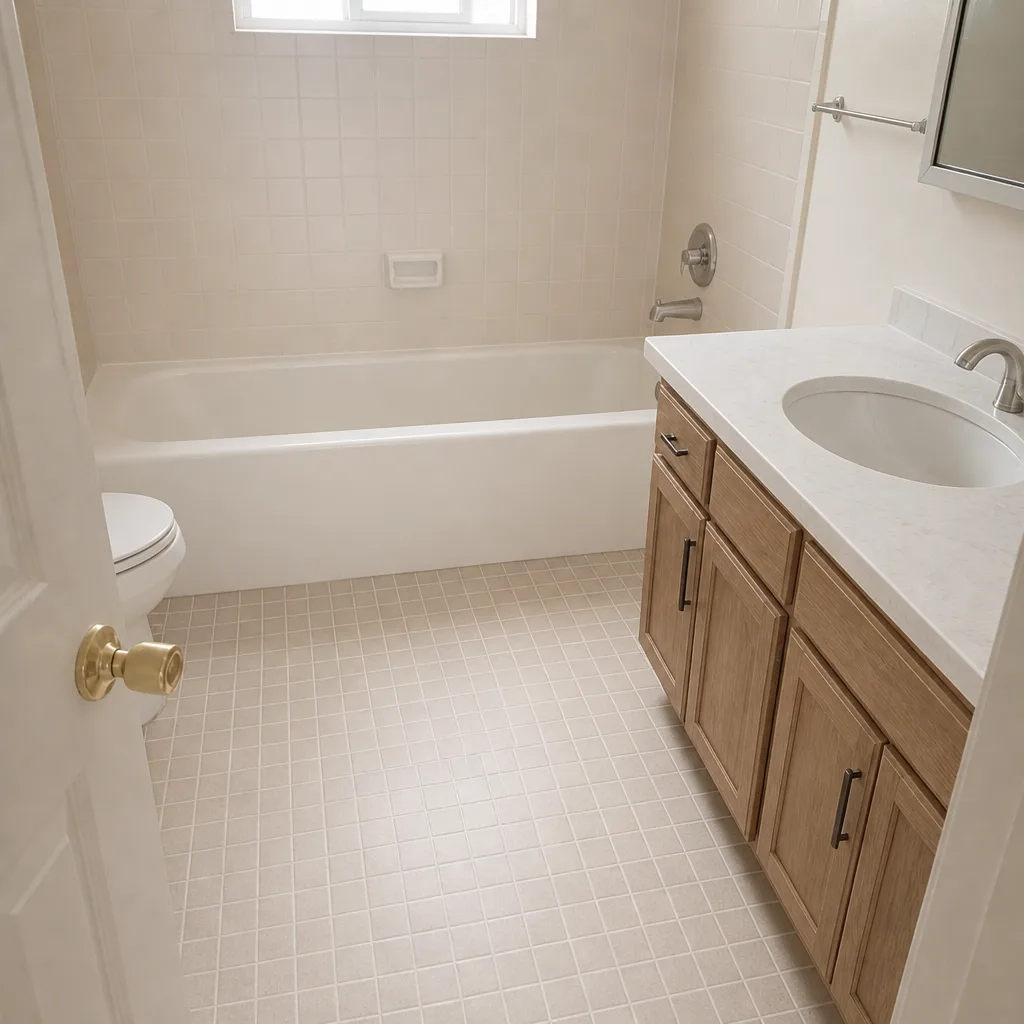 After
When to Call a Professional
You should call a professional if any of the following apply: the project is a full driveway install or replacement; the base needs replacing rather than topping off; the slope or grading needs reworking; the driveway ties into a garage, house foundation, or drainage system; you don’t have a clear plan for utility locates and permits; or the total area exceeds a small patio or walkway. In all of these cases, the base work is the deciding factor, and the base work is a job for a crew that does it every week. Groundwork Construction Co. of Vacaville offers free estimates in Vacaville – call (888) 276-8078. Calls are answered by a live person 24/7, and every project is backed by our 730-Day Done Right Promise.
Frequently Asked Questions
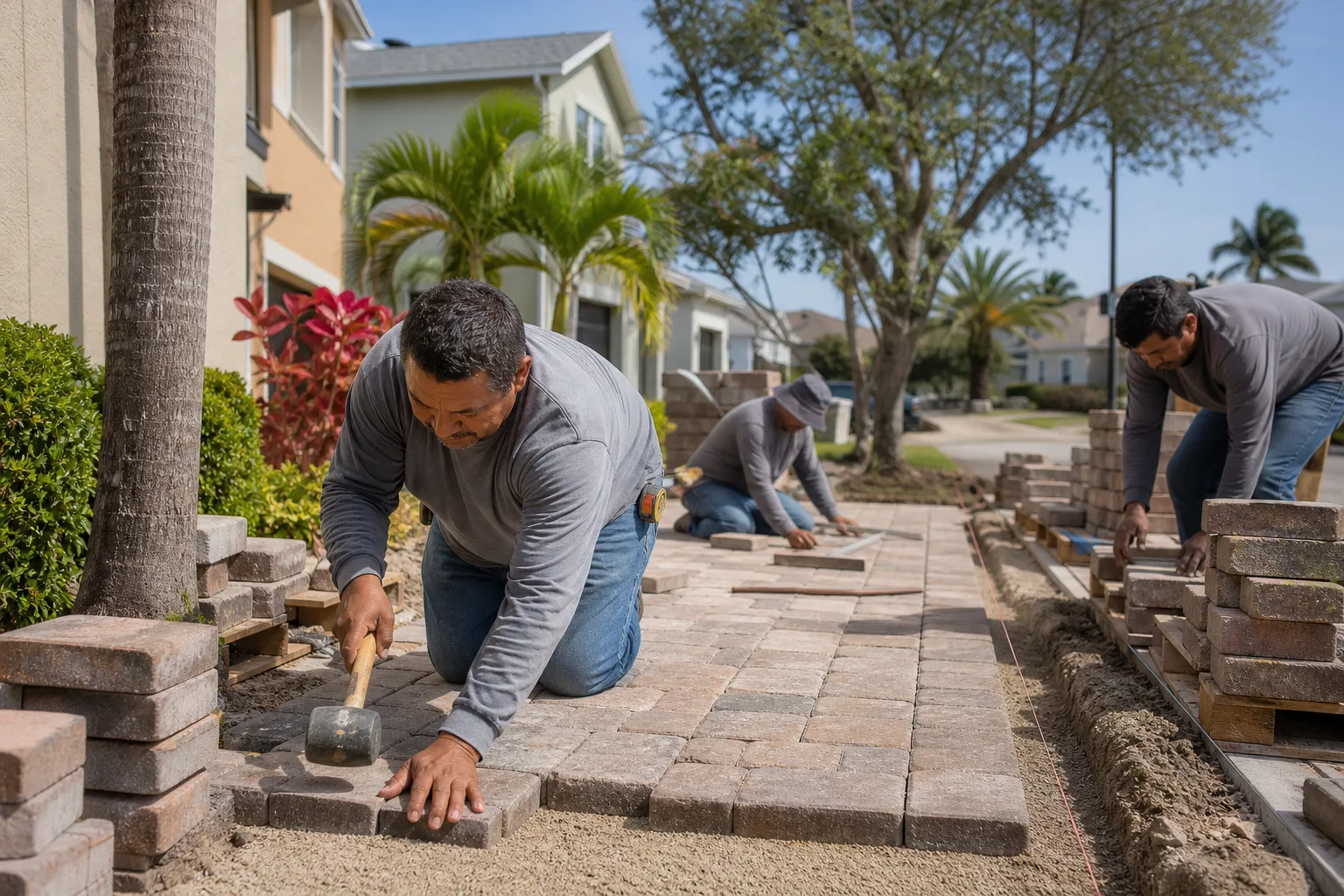
Technically yes, and practically it’s a serious project most homeowners underestimate. The paver-laying portion is manageable; the base excavation, compaction in 2-inch lifts, and drainage slope work are where DIY driveways typically fail. If you can rent the right equipment, operate it safely, and commit multiple weekends to careful lift-by-lift compaction, it’s possible. Just budget for a do-over scenario if the base isn’t right. Call (888) 276-8078 if you want a professional quote to compare against.
A professional paver driveway in Vacaville typically runs $18 to $32 per square foot installed, so a 400-square-foot driveway lands in the $7,500 to $13,000 range depending on stone choice, site conditions, and drainage work. DIY material costs land closer to $3,500 to $6,200 – before failed-install remediation. Call (888) 276-8078 for an exact quote on your property; estimates are free.
Skipping lift compaction. The right method is 2 inches of loose base material at a time, compacted with a plate compactor before the next lift goes down. A contractor who runs a compactor over a single 6-inch layer is shortcutting, and you’ll see the consequence in 2 to 4 years when the driveway ruts under tires. Ask the question directly before signing.
Sometimes – it depends on scope. Like-for-like surface swaps usually don’t require a permit, but footprint changes, drainage tie-ins, and regrading near property lines typically do. Call the City of Vacaville Building Division and describe your project before you break ground. The cost of a permit is small compared to a resale problem at disclosure time.
It depends on your subdivision’s CC&Rs. Many Vacaville HOAs restrict paver color, material style, and edge treatment; some require board approval in writing. Ask the board before you buy material. A paver driveway installed without approval can trigger a compliance letter demanding removal, and that’s a five-figure mistake. If you want a comfortable margin, get the material choice approved in writing.
A typical residential driveway in Vacaville takes 3 to 6 working days once permits (if required) are cleared. Base prep accounts for a substantial portion of the schedule – it’s the slow step and shouldn’t be rushed. Weather delays in winter are possible. Call (888) 276-8078 to schedule a free estimate and get a schedule framed to your project.
The Bottom Line
Laying pavers is the easy part. Base preparation – excavation depth, lift-by-lift compaction, and drainage slope – decides whether a driveway holds up for decades or fails in three years. Pattern selection, paver choice, sealing, and small repairs are genuinely DIY-safe, and we encourage homeowners to own those. Full driveway installs and base failures are worth professional money, and the math works out when you count tool rentals, material waste, and the real possibility of a do-over. If you’re in Vacaville and weighing the two, get a professional quote to compare against – the call is free, the pricing is upfront, and the workmanship is backed in writing for 730 days. Call (888) 276-8078 today.
Written by the team at Groundwork Construction Co. of Vacaville.