Last updated November 18, 2026


Free written scope consultation - allowances, timeline, and change-order rules on paper before a single trade is scheduled
Fence Installation Warning Signs Every Homeowner Should Know
A fence that leans within 18 months almost always traces back to a decision made in the first 20 minutes of installation – post hole depth – that most homeowners never think to verify. Boards rot, gates sag, and rails pull loose, but those are symptoms. The failure happened underground, at the post, before anyone touched a picket. By the time the lean shows up in your backyard in Vacaville, the repair runs roughly three times what proper prevention would have cost. This guide gives you the specific, on-site checkpoints that reveal a contractor’s real quality before the final nail is driven, from post hole depth to concrete mixing to a two-finger gate test you can run yourself on day one.
Quick Answer
The biggest fence installation warning signs are undersized post holes, dry-packed concrete, vague material specs, and pressure to skip the permit. Any one of these is a red flag worth pausing on. A fence that leans, sags, or fails early almost always started with a shortcut at the post – not with the boards you can see. If a contractor won’t let you verify hole depth, concrete mix, or lumber grade before they backfill, that tells you everything.
Styles & brands we work with
- Kitchen remodeling
- Bathroom remodeling
- Home additions & ADU
- Roofing
- Windows & doors
- Driveway & pavers
- Fence
Table of Contents
- The Post Hole Depth Rule (and How to Spot-Check It)
- What Correctly Mixed Concrete Looks Like vs. Dry-Pack Shortcuts
- Red Flags in Contractor Communication
- Reading Pressure-Treated Lumber Grade Stamps
- The Two-Finger Gate Test
- Why Vacaville’s Climate Punishes Bad Fence Work
- Permits, Codes, and Property Lines
- The Master List of Warning Signs
The Post Hole Depth Rule (and How to Spot-Check It Before Concrete Is Poured)
Here’s the rule that separates a fence that lasts 20 years from one that leans in two: dig the post hole to one-third of the post’s above-ground height, plus 6 inches in soil that freezes, thaws, or expands. A standard 6-foot fence post needs a hole at least 2 feet deep in normal soil – 30 inches in Vacaville’s expansive clay. Skip that extra 6 inches and the post has nothing to resist the seasonal soil movement that happens across Solano County every wet winter and dry summer.
We’ve pulled enough failed posts out of Vacaville backyards to know the pattern. The hole was dug to a convenient 12 or 18 inches because the auger hit hardpan and the installer called it “good enough.” Then the fence looked fine for a season, and then it didn’t.
How to spot-check it:
- Ask the crew to leave the holes open and un-backfilled for a quick inspection before any concrete goes in. A contractor with nothing to hide will agree without a fuss.
- Bring a tape measure and check three or four holes with a straight drop to the bottom. Measure from the grade line to the bottom of the hole.
- For a 6-foot post, you want at least 24 inches in normal soil and closer to 30 inches in the expansive clay common through Vacaville neighborhoods like Browns Valley and Vaca Valley.
- Check the hole width too. It should be about three times the post’s diameter – a 4×4 post wants a hole around 10 to 12 inches across.
- Confirm the bottom of the hole is wider than the top if the soil allows, so the concrete forms a bell that resists frost heave and soil swell. A straight-walled hole is acceptable, but a bell is better.
If a contractor won’t let you see the holes, that’s not a scheduling inconvenience. That’s a warning sign you can act on before a single bag of concrete is opened.
What Correctly Mixed and Poured Concrete Looks Like vs. Dry-Pack Shortcuts
Correctly set fence posts use mixed concrete, poured wet into the hole around the post and consolidated so no voids remain. The shortcut that fails in Vacaville’s summer heat is dry-packing: dumping dry bagged concrete mix into the hole and letting ground moisture or a splash from a hose “cure” it. In our experience, dry-packed posts often look solid for a year, then loosen because the mix never fully hydrated and never achieved its rated strength.
What you should see on installation day:
- Water added to the mix in a wheelbarrow or mixer – not dumped dry into the hole.
- A pourable, oatmeal-like consistency – wet enough to fill the gaps around the post, not crumbly.
- Concrete mounded slightly above grade and sloped away from the post so water runs off instead of pooling at the base.
- No hollow sound when you tap the set concrete with a screwdriver handle a few days later – a hollow ring means voids.
- Cure time respected – concrete needs roughly 24 to 48 hours before rails go up and a full week before the fence is loaded hard. A crew rushing to hang boards the same afternoon is cutting corners.
Vacaville summers routinely push past 95°F, and concrete poured in that heat cures fast and can crack if it dries out too quickly. A careful installer covers the fresh pour or wets it down to slow the cure. Dry-pack shortcuts don’t have that problem – because there’s no real concrete to cure. That’s the tell.
Red Flags in Contractor Communication
Most bad fences are visible in the conversation before the first shovel hits the dirt. The way a contractor talks about materials, permits, and scope tells you how they’ll handle the parts you can’t see. Watch for these:
- Vague material specs. “Pressure-treated pine, good stuff” is not a spec. You want the lumber grade, the treatment level for ground contact, the fastener type, and the exact post and rail dimensions in writing. Compare that to how we quote fence installation in Vacaville with line items you can read.
- No written line diagram. Every fence should come with a simple drawing showing post spacing, gate locations, corner bracing, and where the fence meets the property line. If you can’t see it on paper, you can’t hold anyone to it.
- Pressure to skip the permit for “just a fence.” In many situations a fence over a certain height, or one near an easement or slope, needs a permit and a survey check. A contractor who waves this off is transferring the risk to you.
- No mention of utility locates. Any crew digging post holes should call 811 before digging. Hitting a gas or irrigation line is a serious problem, and the locate service is free.
- Cash-only, no-contract pressure. A written agreement protects you and signals a contractor who plans to be around to honor it.
Communication quality also predicts warranty behavior. A company that explains the why behind each step is usually a company that will answer the phone when something needs attention. If you’re also planning hardscape work, ask how the crew sequences the Driveway & Pavers in Vacaville project against the fence line – a good contractor thinks about drainage and grade across both.
Reading Pressure-Treated Lumber Grade Stamps and Why the Wrong Grade Is a Silent Failure
Every piece of pressure-treated lumber carries a grade stamp, and reading it is one of the few checks you can do entirely on your own. The stamp tells you the treatment level, the species, and whether the wood is rated for ground contact. Using the wrong grade in ground contact is a silent failure – the post rots from the inside out and you find out two winters later when it snaps off at the soil line.
What to look for on the stamp:
- UC4A or UC4B – these are the use-category ratings for ground contact. A post set in soil should carry a ground-contact rating. “UC3B” is rated for above-ground, exposed applications only and is wrong for a post in the dirt.
- .40 or .60 retention – the number after the treatment chemical shows pounds of preservative per cubic foot. Ground-contact posts typically want .40 or higher; coastal and heavy-wet applications want .60.
- Species – Southern Yellow Pine takes treatment deeply and is standard for structural fence posts. Some lighter species don’t accept treatment as well.
- Incising marks – small slits on the surface mean the mill incised the wood so treatment penetrates deeper. That’s a good sign, not damage.
Boards and rails above ground can use a lower rating. Posts cannot. Ask your contractor to show you the stamp on an actual post before it goes in the ground, and check that the fasteners are hot-dipped galvanized or stainless so the treated wood doesn’t corrode them. When we source materials for a Vacaville fence, we treat lumber grade as non-negotiable, and it’s the same standard we hold premium material brands to across every trade, whether that’s Boral for exterior trim or PGT for impact-rated windows.
The Two-Finger Gate Test: A Day-One Check Any Homeowner Can Run
Gates are where fence quality reveals itself fast. A gate that sags, drags, or won’t latch is usually a hinge, post, or bracing problem – and most of it is visible on day one if you know what to do. The two-finger gate test takes about 30 seconds and requires no tools.
- Open the gate to roughly 45 degrees and let go.
- If the gate swings freely and settles without binding, the hinges are aligned and the post is plumb. If it drops, binds, or sticks, stop.
- Now the two-finger push: close the gate and push it gently with two fingers. It should swing shut smoothly and latch with a firm click. If it takes a shove, or the latch misses the strike plate, the gate is out of square.
- Open the gate fully and check the gap between the gate and the post at the top and bottom. The gap should be even. A wider gap at the bottom means the post is leaning or the gate is sagging – even on day one.
- Look at the gate’s diagonal bracing. A well-built gate has a brace running corner to corner, usually from the bottom hinge side up to the top latch side, so it can’t rack out of square.
If the gate fails any of these, don’t sign off. A gate that fails on day one will only get worse. The post or hinge needs to be reset now, not a warranty claim later. The two-finger gate test is also a fast way to check an existing fence you inherited with a home purchase – and a reason to have a professional look at any gate that won’t pass.
Why Vacaville’s Climate Punishes Bad Fence Work
Vacaville sits in a climate that’s genuinely hard on fences. Summers run hot and dry, winters bring soaking rain, and the soil across much of the city is expansive clay that swells when wet and shrinks when dry. That back-and-forth is exactly what a well-set post is built to resist, and exactly what a shallow or poorly concreted post cannot survive.
In our experience working through Vacaville neighborhoods, the failures cluster in specific ways. In Browns Valley, we regularly see posts loosened by soil movement after a wet winter. In the newer developments off Vaca Valley Parkway, we’ve found fences installed over backfill that wasn’t properly compacted, which is why those posts need extra depth and a wider footing. Around the older streets near downtown Vacaville, fences are often replacement jobs where the original posts were set decades ago at 18 inches and finally gave up.
The heat matters as much as the moisture. Dry-pack concrete shortcuts fail fastest in a Vacaville July, when the dry mix never gets the moisture it needs and the post stays loose from day one. Wood also dries and shrinks in the summer, which is why correct fastener choice and a small gap between boards matter – a fence built too tight in cool weather can buckle when the heat hits.
Add the wind. Vacaville gets gusty afternoons, particularly in spring, and a fence with undersized posts or missing corner bracing is a sail. The right post depth ” 1/3 of height plus 6 inches ” gives the fence something to push against, and it’s the single biggest reason a fence holds up through a windy season.
Permits, Codes, and Property Lines: What to Verify Before Digging
A fence is a legal structure, not just a backyard project. Before anyone digs, three things need checking in Vacaville: the property line, the height limit, and any HOA or easement restrictions.
- Property lines. A survey or a copy of your plat is the only reliable source. Placing a fence even a few inches onto a neighbor’s land can lead to a dispute that costs more than the fence. The correct position is usually just inside your line, and it should be shown on the written line diagram.
- Height limits. Many jurisdictions cap front-yard fences lower than backyard fences, and corner lots often have sight-line restrictions near intersections. A permit or over-the-counter check with the city is worth the time.
- Utility and drainage easements. A fence across a drainage swale in a Vacaville subdivision can back up water and flood a neighbor’s yard – and easements may legally bar permanent structures.
- HOA rules. Many Vacaville neighborhoods have design review for fence height, material, and color. Skipping it can mean tearing the fence out.
If you’re planning a larger project alongside the fence, like a garage conversion or a detached unit, those plans affect where the fence goes and how it’s permitted – see our Home Additions & ADU in Vacaville page for how we handle the full scope from foundation to finish line. A contractor who pulls permits and passes inspections on the big jobs will do the same on the fence.
The Master List of Warning Signs
If you’re short on time, this is the checklist. Any single red flag is reason to ask questions. Two or more should make you pause the project.
- Holes dug under 24 inches for a 6-foot post (or under 30 inches in Vacaville’s clay).
- Dry concrete mix dumped straight into the hole with no water mixed in.
- No written material spec – no lumber grade, fastener type, or post dimensions.
- No written line diagram showing post spacing, gate positions, and corners.
- Pressure to skip the permit or the HOA review.
- No call to 811 for utility locates before digging.
- Above-ground rated lumber used for in-ground posts (look for a ground-contact stamp).
- A gate that fails the two-finger test on day one.
- Boards hung the same day the concrete was poured – no cure time respected.
- No mention of a warranty or a workmanship guarantee in writing.
Common Mistakes to Avoid
- Hiring on price alone. The cheapest bid usually wins by cutting post depth or material grade, which is exactly where you can’t see the savings – until the fence leans. Get line-item bids and compare what’s underground, not just what you see above it.
- Skipping the survey. Property line mistakes in Vacaville are common on corner lots and older parcels, and moving a fence after it’s built is far more expensive than a survey up front.
- Using above-ground lumber for in-ground posts. A post without a ground-contact rating rots silently from the base. Always confirm the grade stamp before the wood goes in the hole.
- Letting the crew pour concrete before you’ve seen the holes. Ask to inspect depth and width first. A good contractor won’t mind. If yours does, that’s your answer.
- Ignoring drainage. A fence built across a swale or right up against a low spot traps water against the posts and against your house foundation. Good crews adjust the line or add drainage before they set the first post.
- Skipping the gate test. A sagging or binding gate is the first sign of a fence that wasn’t built square. Check it before you sign off, not three months later.
- Not getting the warranty in writing. A verbal “we stand behind it” is worth nothing when the post leans. Get the workmanship guarantee in the contract, with the term spelled out.
See the difference
 Before
 After
 Before
 After
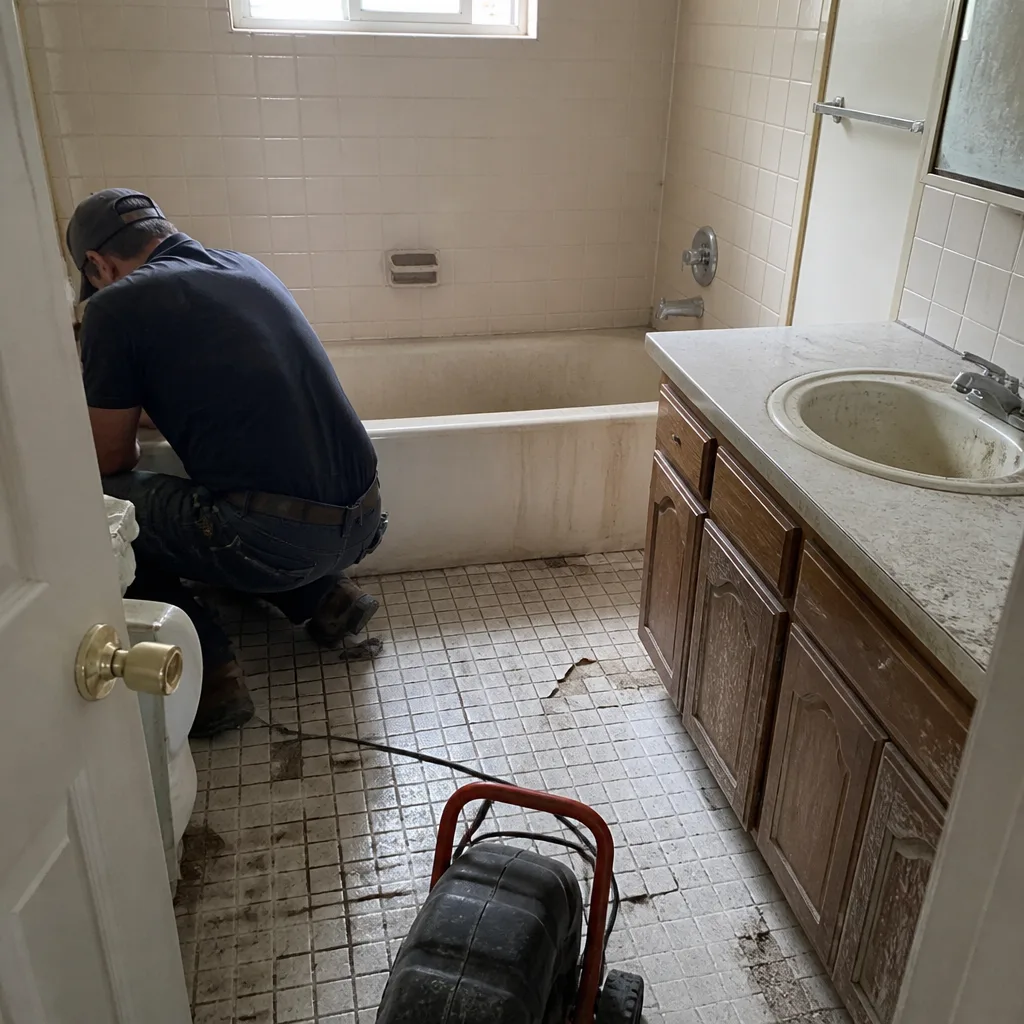 Before
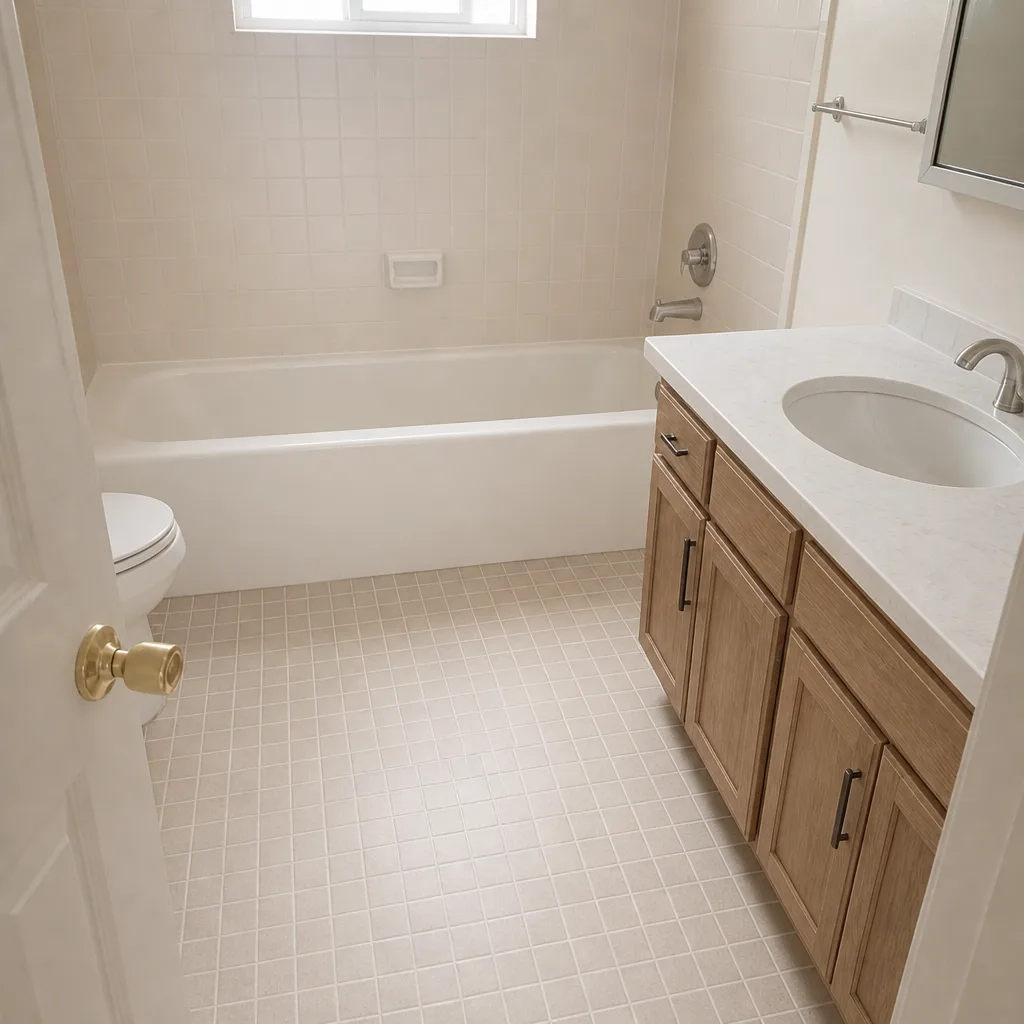 After
When to Call a Professional
Some fence work is a genuine DIY project. A small repair, replacing a single picket, or tightening a gate hinge is within reach for most homeowners. But certain scenarios call for a professional, and a few of them come down to your safety and your wallet. Call us when you’re dealing with in-ground post work in hard soil, a property line you’re unsure of, a fence that’s already leaning and needs to be dug out and reset, or a gate that won’t stay square no matter how you adjust the hinges. Call too if your fence is at a height or location that needs a permit, or if you’re replacing a long run where the material grade and post depth have to be right to avoid repeating the failure. Gas, electrical, and utility lines are a real hazard when digging, and a crew that calls 811 and knows the local code is worth the call. Groundwork Construction Co. of Vacaville offers free estimates in Vacaville – call (888) 276-8078 to talk through your project.
Frequently Asked Questions
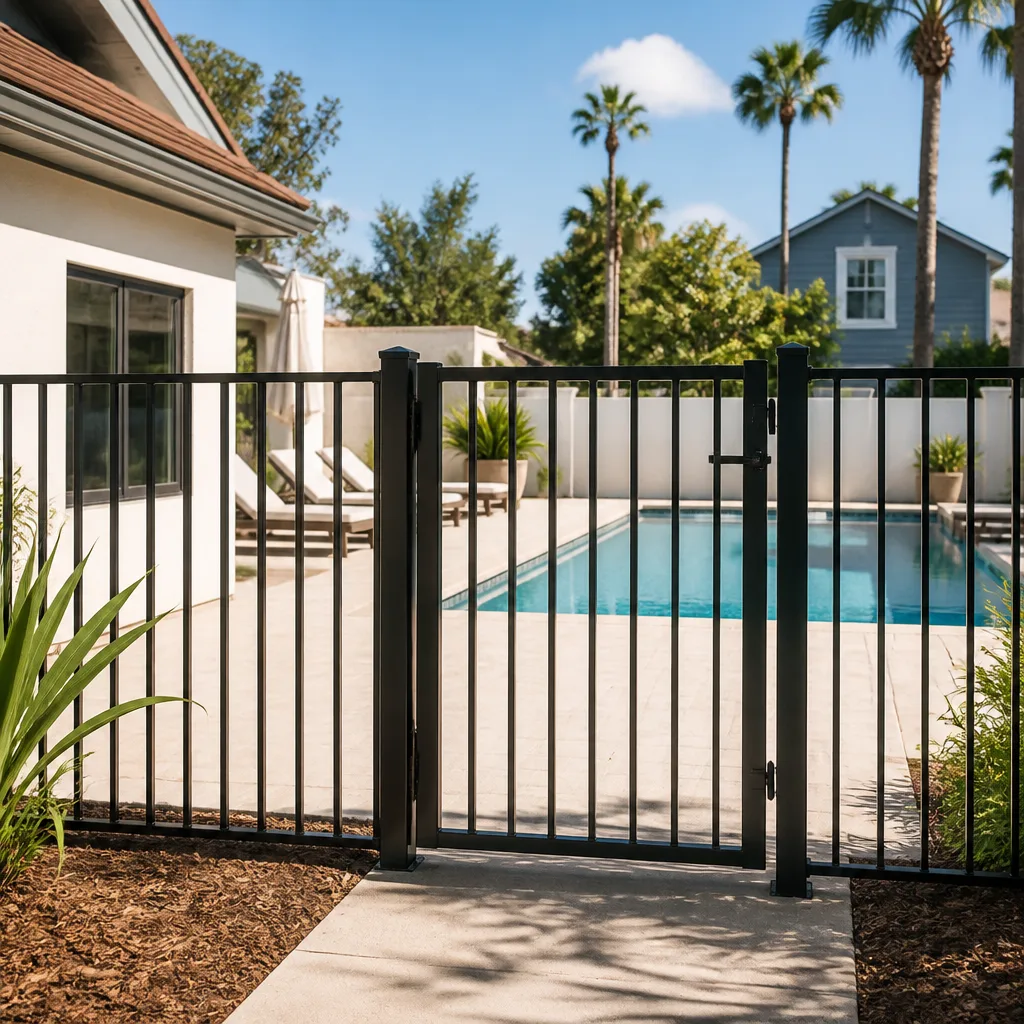
At least one-third of the post’s above-ground height plus 6 inches. For a standard 6-foot fence, that means a minimum of 24 inches, and closer to 30 inches in the expansive clay soil across much of Vacaville. Posts set shallower than that tend to lean after a wet winter or a windy spring.
A dry-packed post looks like powdery or crumbly material at the base, and tapping the set concrete with a screwdriver handle gives a hollow sound instead of a solid thud. Correctly mixed concrete is poured wet and looks smooth and fully filled around the post. If you see dry powder or hear hollow, ask questions before you accept the work.
It depends on height, location, and the property. Front-yard fences and corner-lot sight lines often have tighter limits than backyard fences, and HOA rules can add requirements. The safe move is to check with the city or ask your contractor to confirm before digging, and never accept a contractor’s suggestion to skip the permit.
It shows the treatment use-category, the retention level, and the species. For in-ground posts you want a ground-contact rating (UC4A or UC4B) and a retention of .40 or higher. Above-ground boards can use a lower rating, but posts cannot. Using above-ground wood in the dirt is a silent rot problem that shows up years later.
Close the gate and push it gently with two fingers. It should swing shut smoothly and latch with a firm click, not a shove. Then open it to 45 degrees and let go – it should settle without binding or dropping. If the gate fails either check on installation day, the hinges or post are misaligned and need to be reset now, not later.
A fence built with correctly deep posts and proper corner bracing will hold through Vacaville’s gusty afternoons. A fence with shallow posts or missing bracing acts like a sail and can lean or fail fast. The post is what the whole fence pushes against, so get that right and the rest follows.
The Bottom Line
Bad fence jobs fail at the post, and by the time the lean shows, you’re paying for a do-over. The warning signs are almost all visible before the first board goes up: post depth you can measure, concrete you can watch get mixed, lumber grade you can read on the stamp, a written line diagram, a permit that got pulled, and a gate that passes the two-finger test on day one. If you hold your contractor to those checkpoints in Vacaville, you’ll catch the shortcuts while they’re still cheap to fix. Built to last, backed in writing – that’s the standard, and it starts underground.
Ready to put those checkpoints to work? Groundwork Construction Co. of Vacaville offers free estimates with no-hassle upfront pricing, the number you see is the number you pay. Get a free project estimate and design consult, and take advantage of $1,000 off projects over $10,000 plus 0% financing for 18 months. Every project is covered by our 730-Day Done Right Promise – if it’s not done right, we make it right. Calls are answered by a live person 24/7, and our background-checked, uniformed technicians arrive ready to work. Start from the Groundwork Construction Co. of Vacaville home page or call (888) 276-8078 for your free estimate.
Written by the team at Groundwork Construction Co. of Vacaville.