Last updated November 18, 2026


Free written scope consultation - allowances, timeline, and change-order rules on paper before a single trade is scheduled
How Long Does Windows & Doors Take? Timelines and What to Expect
The window installation itself takes about 30 minutes per unit. The 6-week wait nobody warned you about is what actually sets your project date. That gap between signing a contract and watching a crew lift the first sash out of its frame is where timelines are won or lost, and it’s the part almost nobody explains before you commit. In Vacaville, where a ranch house in Browns Valley and a newer build off Leisure Town Road can face very different permit paths, that gap can stretch further if the schedule isn’t managed well. This guide breaks the whole thing down: lead times, permit processing, install day, inspection, and the full-frame versus insert decision that changes everything.
Quick Answer
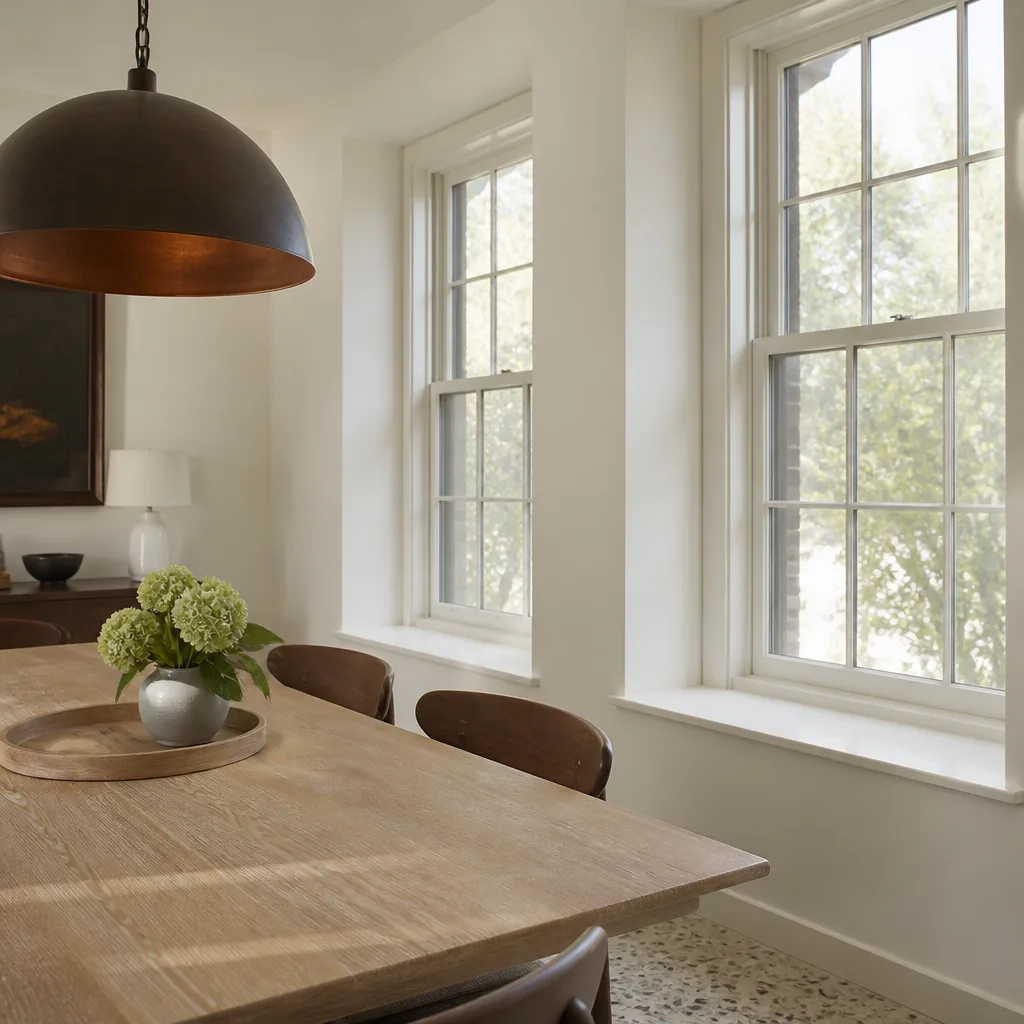
Window and door replacement usually takes 4 to 10 weeks from signed contract to final inspection: roughly 2 to 8 weeks of product lead time, 1 to 3 weeks for permit processing, 1 to 3 days on site for a typical whole-house job, and 1 to 2 weeks for inspection sign-off. The installation is fast. The waiting is what governs your calendar.
The short answer for most Vacaville homeowners we work with: expect about six weeks from the day you sign to the day glass goes in, and plan for a little more if you’re ordering custom sizes or replacing a door with new framing.
Styles & brands we work with
- Kitchen remodeling
- Bathroom remodeling
- Home additions & ADU
- Roofing
- Windows & doors
- Driveway & pavers
- Fence
Table of Contents
- The Four Phases of a Window and Door Project
- Product Lead Times: Standard vs. Custom Sizing
- Permit Processing in Vacaville
- Full-Frame Replacement vs. Insert: How the Timeline Splits
- What Happens on Install Day
- Phasing a Whole-House Replacement
- Inspection and Final Sign-Off
- Doors Add Their Own Timeline
The Four Phases of a Window and Door Project
Every replacement project, whether it’s two sliders on a patio home or eighteen units across a two-story in Vacaville, moves through the same four phases. The trick is knowing which phase you’re in and what actually controls the clock at each stage.
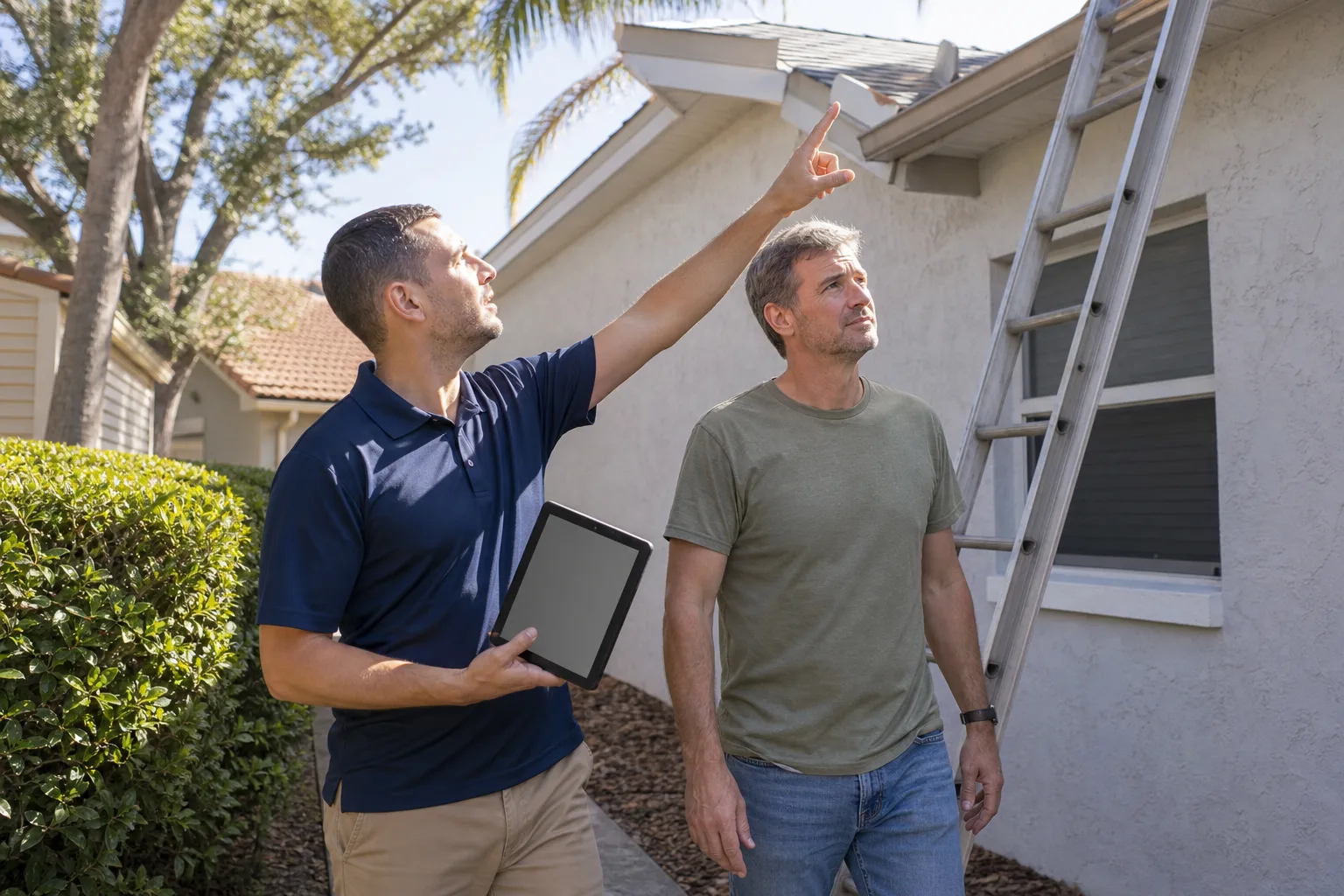
Phase 1: Measurement and ordering. After contract signing, an on-site measure confirms exact rough opening dimensions. This is usually done within a few days. Once the order is placed with the manufacturer, the lead time clock starts.
Phase 2: Permits. Depending on scope, permits may be filed before or in parallel with the order. Vacaville typically requires permits for full-frame replacements, structural changes and new door openings; insert replacements may not always require one, and we confirm that scope-by-scope before we submit.
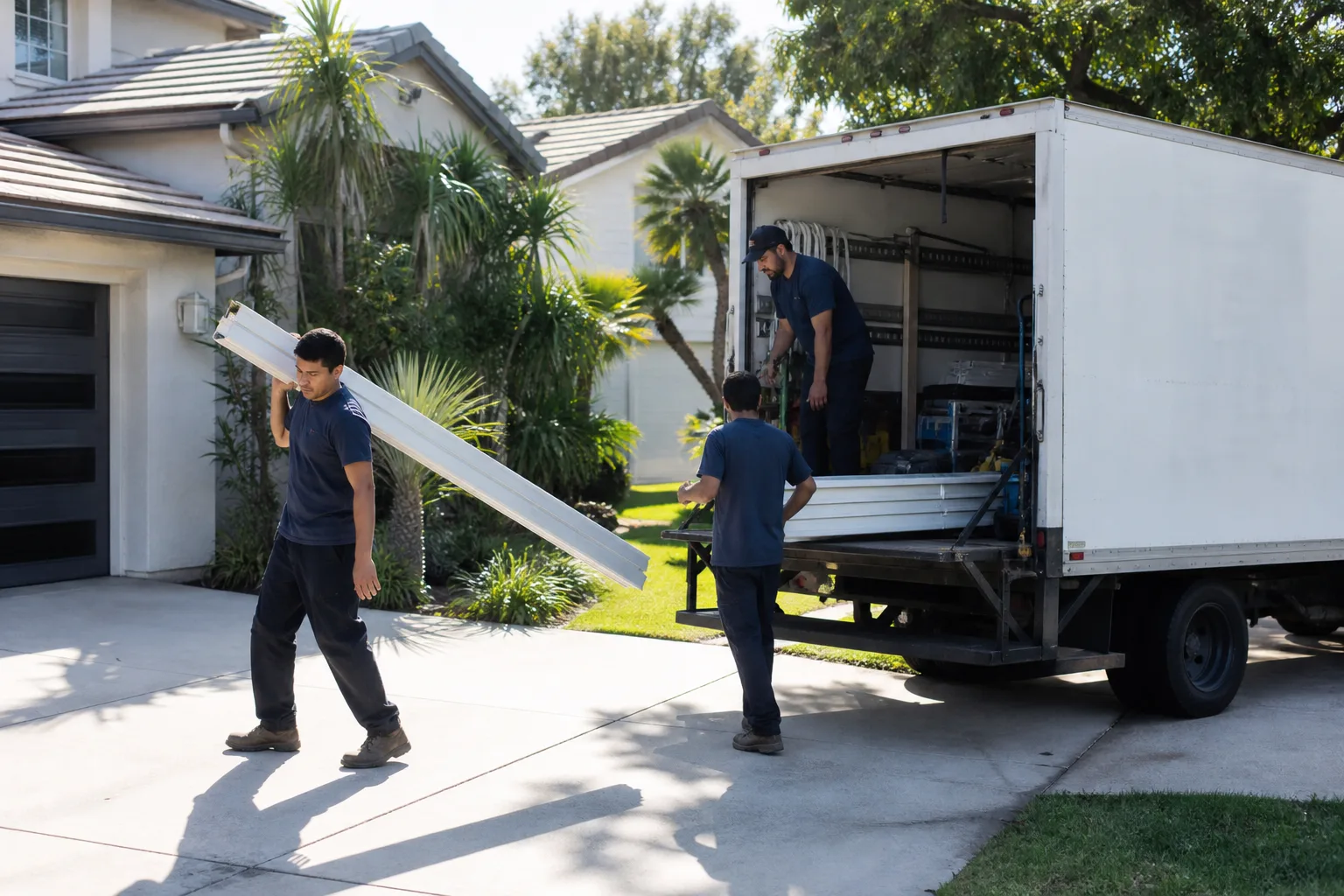
Phase 3: Installation. This is the shortest phase and the one most customers picture when they think about “how long does it take.” A single-story ranch home with ten windows and two doors is often a one to two day job for a competent crew.
Phase 4: Inspection and closeout. If a permit is pulled, an inspection is scheduled after installation. In our experience, Vacaville inspections can be booked and completed within a week or two, though it depends on the current building department schedule.
When we quote a project, we quote the whole arc, not just install day. Groundwork Construction Co. of Vacaville is a full-scope partner, and that means we’re tracking all four phases from the first measure to the final sign-off, not just the crew that shows up with a caulk gun.
Product Lead Times: Standard vs. Custom Sizing
Lead times are the single biggest variable in your schedule. Two projects that look identical on paper can differ by a month if one uses standard sizes and the other needs custom units.
Standard sizing is what the manufacturer already builds in volume. A common 36-by-60-inch double-hung or a standard 6-foot-8 exterior door may ship in 2 to 4 weeks. Andersen and Pella both maintain broad standard-size lines, and a job that stays inside those parameters often lands faster.
Custom sizing is a different animal. When a Vacaville rancher from the 1960s has windows that don’t match today’s stock sizes (and many do), you’re ordering to spec. Custom units often run 4 to 8 weeks, and occasionally longer for specialty glass, unusual finishes or non-standard door widths.
A few numbers worth planning around:
- Standard insert window: typically 2 to 4 weeks
- Custom insert window: typically 4 to 8 weeks
- Full-frame window with new trim: typically 4 to 8 weeks, sometimes longer if exterior siding or stucco work is involved
- Standard exterior door: typically 3 to 6 weeks
- Custom entry or oversized slider: typically 6 to 10 weeks
We know this is frustrating to hear when you’ve committed to the project. The good news is that choosing Andersen or Marvin through a partner who has standing relationships with those manufacturers usually shaves time off the back end, because order priority and shipping coordination get handled inside an established supply chain rather than a one-off purchase.
Two things move lead times in the wrong direction: ordering during a peak season (spring and early summer are busy for window manufacturers) and changing the spec after the order is placed. The first is out of your hands; the second isn’t.
Permit Processing in Vacaville
This is where a lot of Vacaville projects quietly stall, and it’s rarely because the building department is slow. It’s usually because the application came in incomplete.
Vacaville requires permits for work that changes the structural opening, adds a new door, replaces a window in a wall that has existing non-permitted work, or touches exterior finish on a home in certain zones. A straight insert replacement into a solid existing frame often doesn’t require a permit, and we confirm the specific scope before we assume. Getting the classification wrong in either direction costs time.
What we’ve seen on recent Vacaville jobs:
- Application submitted with a complete package (plans, product specs, contractor information, current valuation): typically 5 to 10 business days to permit issuance.
- Application submitted with missing product literature or unclear scope: 2 to 3 weeks or more, with back-and-forth.
- Application involving structural changes or door relocation: can take longer and may require a plan review cycle.
Here’s the practical rule: the fastest permit is the one filed right. We’ve seen homeowners delay their own project by a week or more because they took a guess at the scope and submitted before confirming which units required permits. Our process is to classify each unit in writing before submission, so the application matches the work that will actually happen. That single step is usually worth more than any shortcut.
One more Vacaville-specific note: because our summers are dry and hot, the drywall and trim details around new windows can show up faster if the install happens in July or August heat without proper sealing. We schedule inspections to follow quality install deadlines, not to run ahead of them.
Full-Frame Replacement vs. Insert: How the Timeline Splits
This is the single most important decision on your project, and it’s the one we spend the most time with customers explaining. It’s not just a cost question. It’s a timeline question.
An insert replacement keeps the existing window frame and puts a new sash and balance system into it. Work is typically done from inside the home, exterior trim often remains, and a single unit can be done in under an hour. Ten inserts on a single-story Vacaville home are often finished in one day.
A full-frame replacement takes out the entire window, including the frame and surrounding trim. A new unit with a new nailing flange goes in, and exterior finish (stucco, siding, wrapped trim) is reinstalled or replaced. That’s structural work. It’s also where issues surface: rot behind the frame, a rough opening that isn’t square, a prior homeowner’s patch job that has to come out. Full-frame replaces more than the window; it replaces the wall assembly around the window.
Timeline differences in our experience:
- Insert window install: 30 to 60 minutes per unit, often one day for a whole-house job.
- Full-frame window install: 2 to 4 hours per unit, plus exterior finish time. A whole house usually takes 2 to 3 days on site, and stucco repair can add another 1 to 3 days after the fact.
- Full-frame with unexpected rot: add 1 to 2 days per affected opening, and possibly a re-inspection.
Which do you need? Insert works well when the existing frames are sound and the goal is performance (glass, insulation, operation). Full-frame is the right call when the exterior is failing, the rough openings are out of square, or you’re updating trim and cladding at the same time. In Vacaville, older homes near downtown often lean toward full-frame because the frames have taken decades of hot, dry summers and the exterior wood has dried, checked and in some spots softened. Newer construction off Vaca Valley Parkway is more often a candidate for insert replacement.
What Happens on Install Day
The install is the most reassuring part of the process because you can see the progress. Here’s what a typical day looks like.
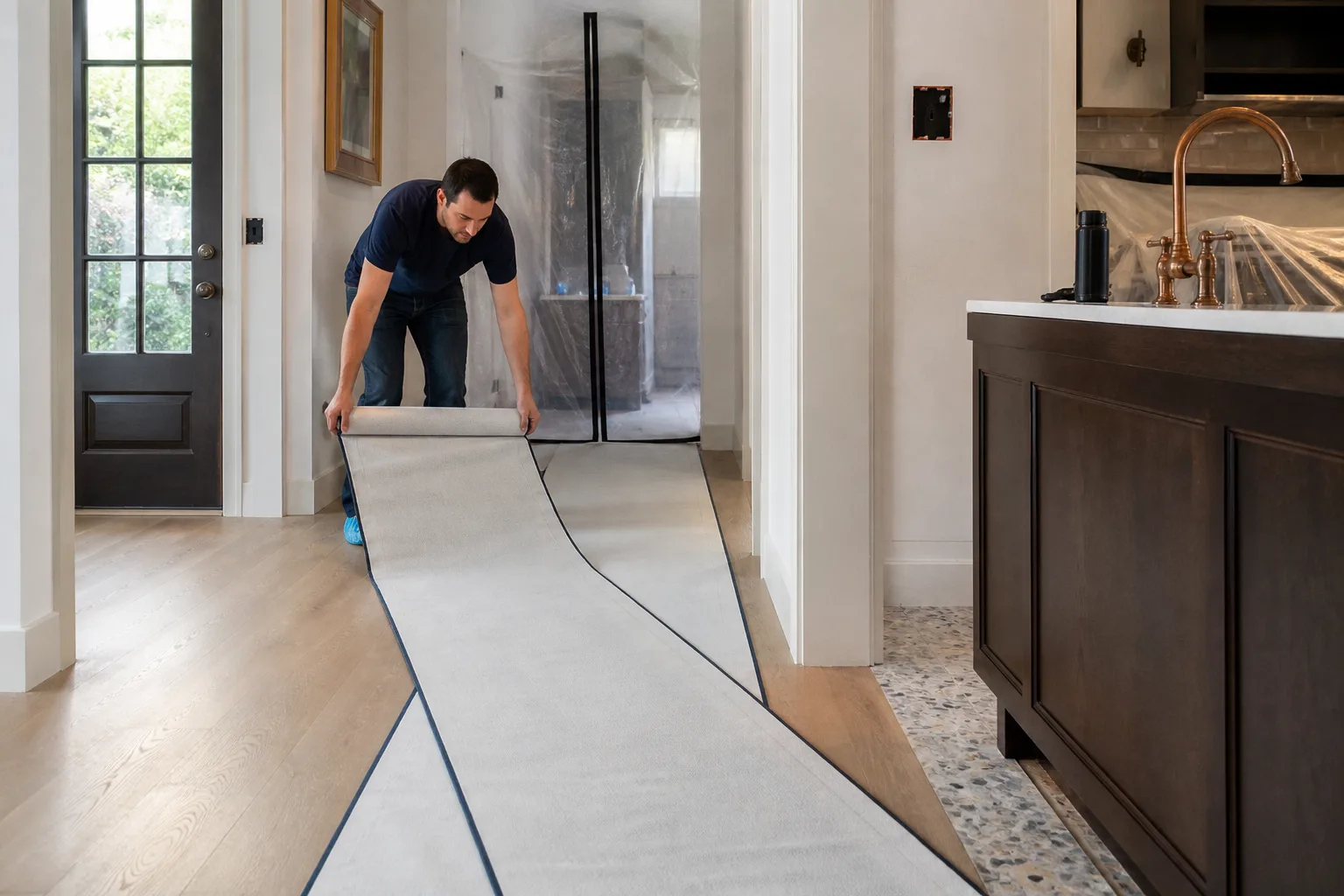
- Site protection (7 to 9 a.m.). Drop cloths go down, furniture is moved or covered, and the work zone is set up before any tool comes out.
- Interior prep. Old trim, blinds and hardware are removed. If it’s a full-frame job, drywall returns are cut back.
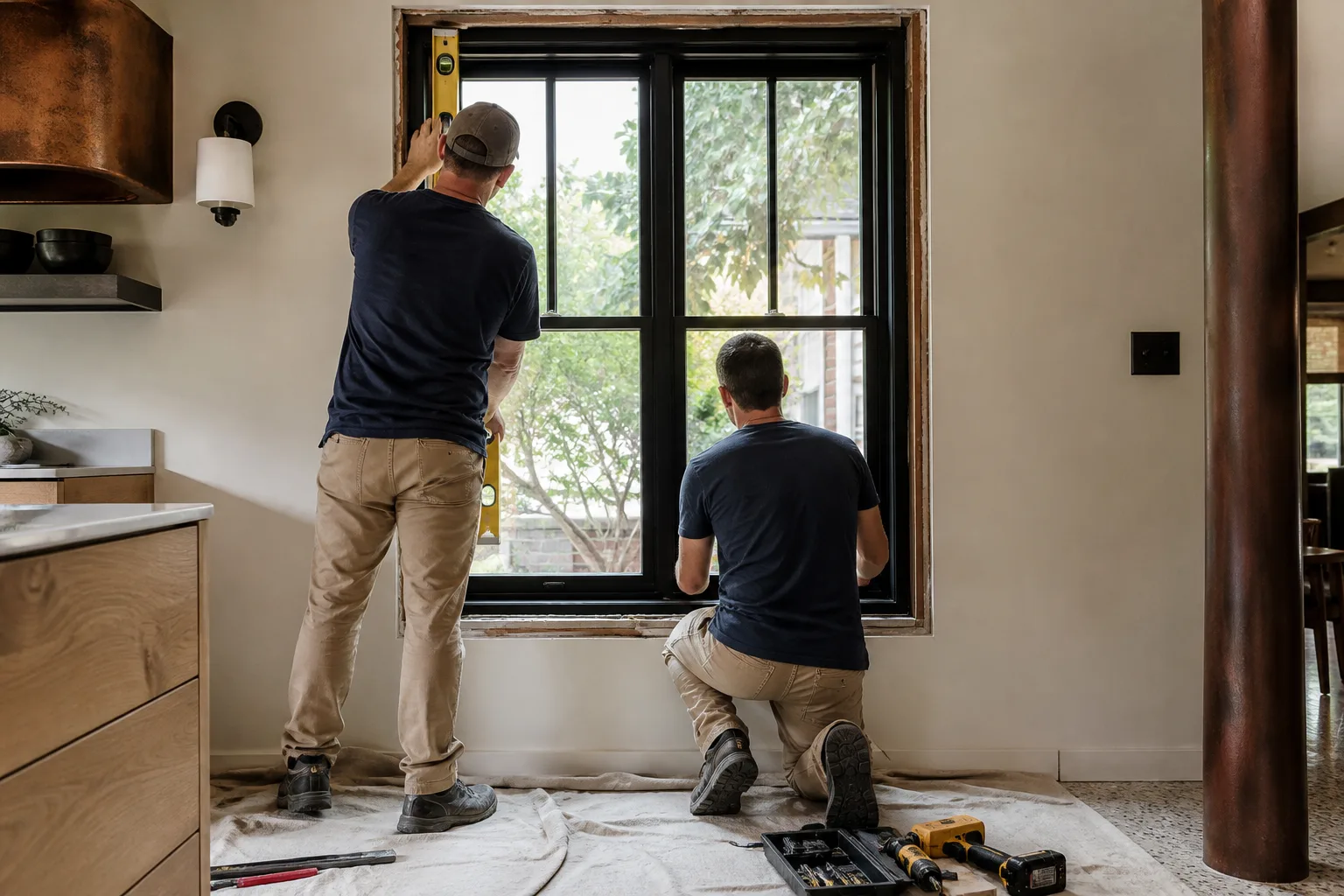
- Unit removal. Old sash and frame come out. This is the moment when hidden damage typically reveals itself, and the crew takes photos so you can see exactly what they find.
- New unit install. The new window or door is set, shimmed to plumb and level, and secured.
- Sealing and flashing. Exterior flashing, tape and sealant go in. This step is where the long-term performance lives, and we don’t rush it.
- Interior trim and finish. New interior trim is cut and installed, and exterior trim (or stucco patching) is completed.
- Cleanup. Debris removed, protective coverings lifted, and a final walkthrough with you to confirm every unit opens, closes and latches correctly.
A single-story Vacaville home with ten inserts is usually one day. A full-frame job on a two-story often runs two or three days, because the crew works from a mix of ladders, scaffolding and interior access, and you cannot safely stand on a ladder holding a 90-pound unit while you shim it. Background-checked, uniformed technicians handle all of this, and each job is walked through with you before the crew leaves.
Phasing a Whole-House Replacement
Whole-house window replacements are almost always phased, and for good reason. Doing eighteen units at once in an occupied home means a week of open walls, furniture shoved into the center of rooms, and one very stressful household. Phasing solves that.
Common ways we sequence a phased job:
- By floor: upstairs on day one and two, downstairs on day three. Keeps living space usable throughout.
- By room grouping: kitchen and dining together, bedrooms later, so the kitchen stays functional for family life.
- By priority: windows that are leaking, drafty or broken get replaced first, cosmetic replacements follow.
- By exterior exposure: in Vacaville, south- and west-facing windows take the most summer sun. Replacing those first reduces solar heat gain during the hottest part of the year.
Phasing does add time on the calendar, but it adds almost nothing on the labor hour. Two one-day installs scheduled three weeks apart are cheaper than one panic-driven week of moving a family out of a house. The key is agreeing on the phase plan before the contract is signed, because order sequencing has to match the install schedule. If phase two units arrive after phase three, the whole plan gets jammed.
If your project also involves a home addition or ADU, the phasing and sequencing questions get more complex, and it’s usually worth reading up on Home Additions & ADU in Vacaville to see how window and door installs fit into a larger build.
For a project like this, one contractor who handles the schedule end to end is worth more than three specialists each bidding on a slice. That’s the full-scope model we build around, from foundation to finish line.
Inspection and Final Sign-Off
If your project required a permit, the final inspection is the last gate before closeout. It’s also where a good contractor’s pre-inspection walk pays off.
What the inspector looks for depends on the scope, but generally: proper flashing, correct anchoring, weather sealing, and compliance with the approved product specs. In Vacaville, a re-inspection usually costs additional time, so we walk the job ourselves first to catch anything that would cause a re-visit.
Timeline reality:
- Inspection scheduling: often within 3 to 7 business days of the request, based on current building department availability.
- Re-inspection (if needed): add 3 to 7 more business days.
- Final closeout with permit sign-off: usually the same day as the inspection passes.
When we schedule the install, we build inspection into the calendar, not on top of it. That’s how a job that looks like a two-day install stays a two-day install instead of turning into a two-week wait for a signature.
Doors Add Their Own Timeline
Windows and doors share a lot, but doors are not just tall windows, and their timeline behaves differently.
Exterior entry doors usually require lead times in the 3 to 6 week range for standard sizes, and 6 to 10 weeks for custom. Install itself takes a half day per door when the rough opening is already sized for the new unit. If the new door is wider than the old one, framing and header work is required, and that can add a full day or more, plus permit review and inspection.
Sliding glass doors in a Vacaville home fall on the same lead-time curve as windows, but the install is longer because the opening is bigger and the sill detail matters more. A badly sealed slider lets in both water and dust in wind-driven rain, and our dry climate makes it easy to overlook a gap until the first storm.
Interior doors are fast: typically 15 to 30 minutes per door, and they typically don’t require a permit. They’re the easiest part of a door project to add in.
One thing we routinely catch: a door replacement on an older Vacaville home often reveals a rough opening that’s no longer square. The wall has moved slightly over decades. Half a day of extra framing work during install is normal, and pretending otherwise is how a contractor ends up telling you at 4 p.m. that the job “took longer than expected.” Our upfront pricing includes those documented final measurements, so the number you see is the number you pay.
Common Mistakes to Avoid
- Ordering product before the measure is confirmed. The most common schedule killer. A contractor who orders off a homeowner’s tape measure is gambling with six weeks of your time. Insist on a professional on-site measure before the order is placed.
- Assuming a permit isn’t needed. Insert replacements sometimes don’t require one, but full-frame replacements and new door openings usually do. Filing later than the install means the whole job has to wait or be redone. Confirm the permit scope in writing in advance.
- Not planning for hidden damage. Old Vacaville homes built in the 1960s and earlier often have rot behind the window trim. Any responsible timeline includes a small buffer for structural surprises. Ask what happens to the schedule if that turns up.
- Phasing that doesn’t match the order. If phase two units are ordered first, the job stalls. Sequence product orders to match the install phases exactly.
- Choosing a job by the lowest bid. A bid that’s $2,000 cheaper but sits two extra weeks in permit limbo costs you more than the savings. Compare timelines as part of the bid, not just dollar figures.
- Ignoring the exterior detail. Stucco, trim and flashing take real time to do right. A fast job that leaks in two winters is not a fast job. Ask how exterior finish is planned and scheduled.
- Skipping the inspection walk-through. A five-minute pre-inspection review by the contractor often prevents a week-long re-inspection cycle. Do it yourself if your contractor doesn’t.
See the difference
 Before
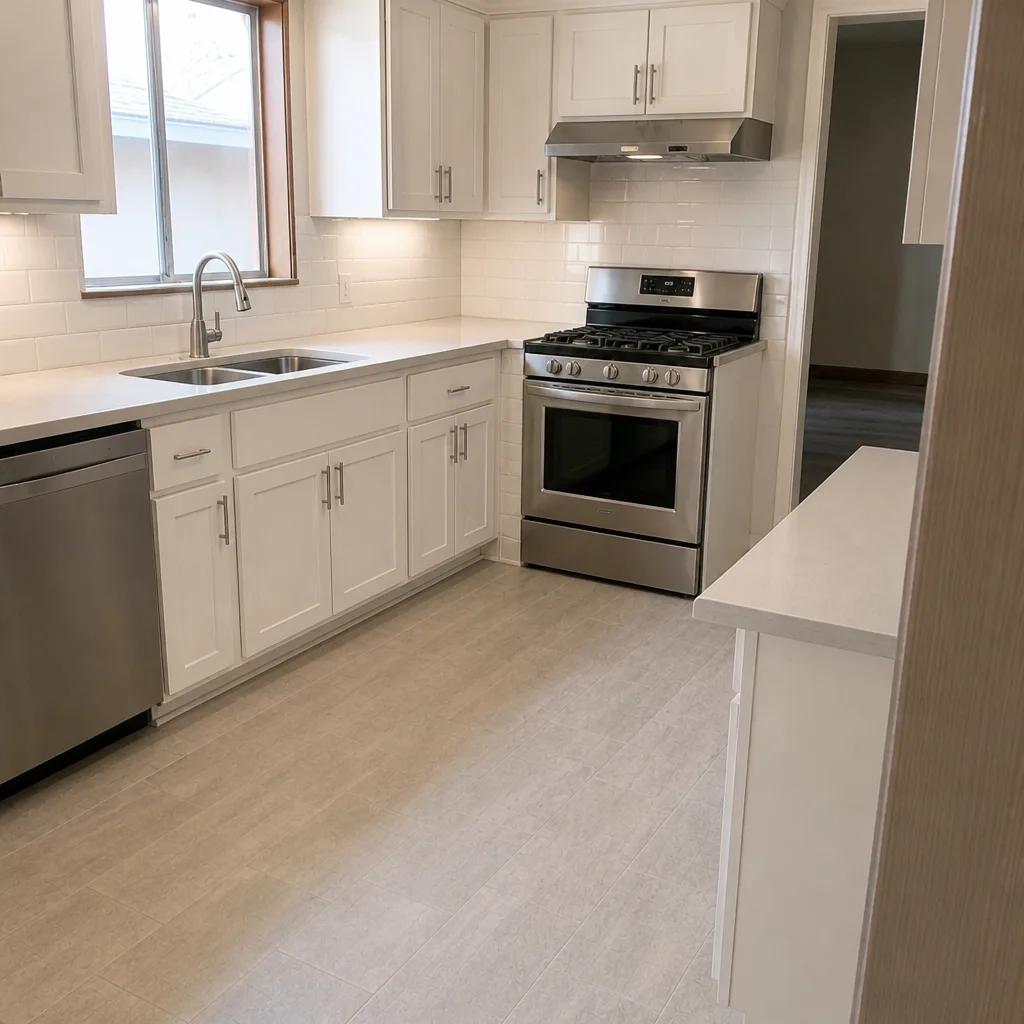 After
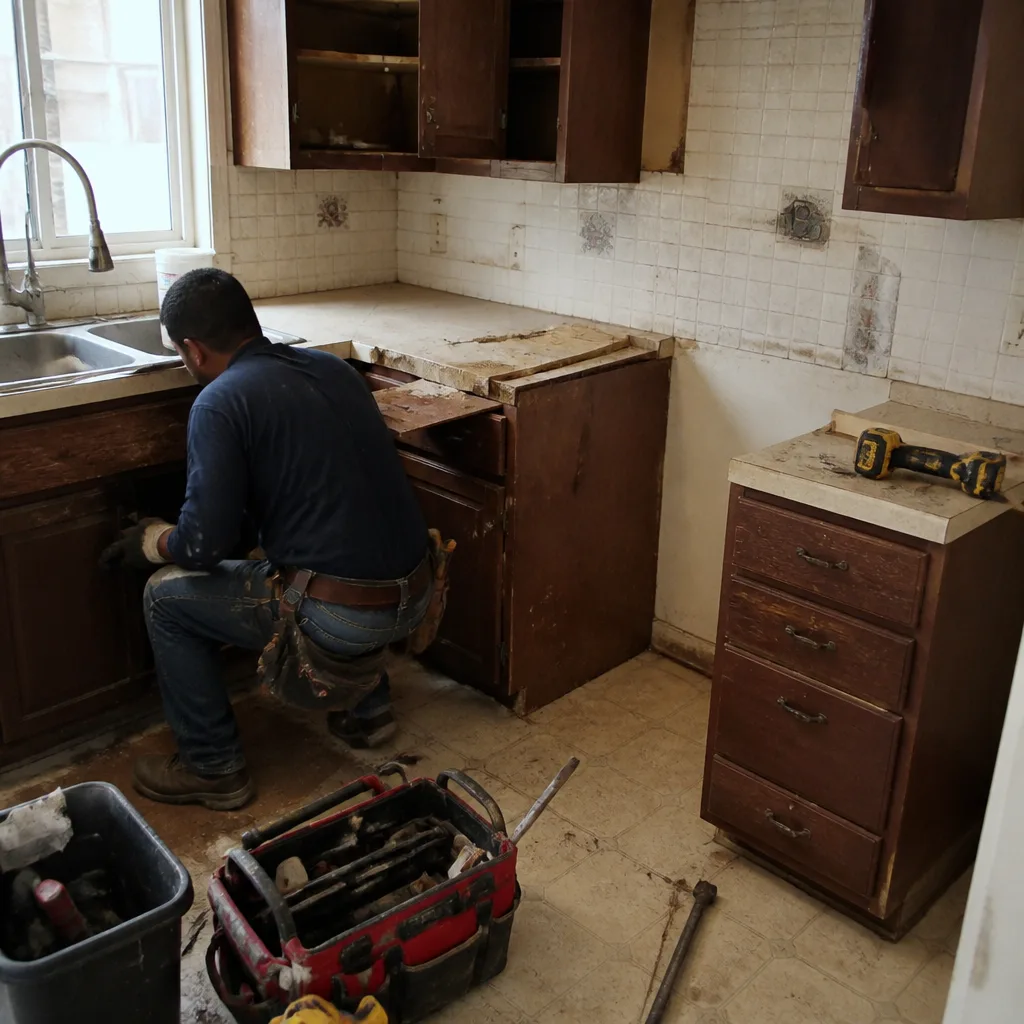 Before
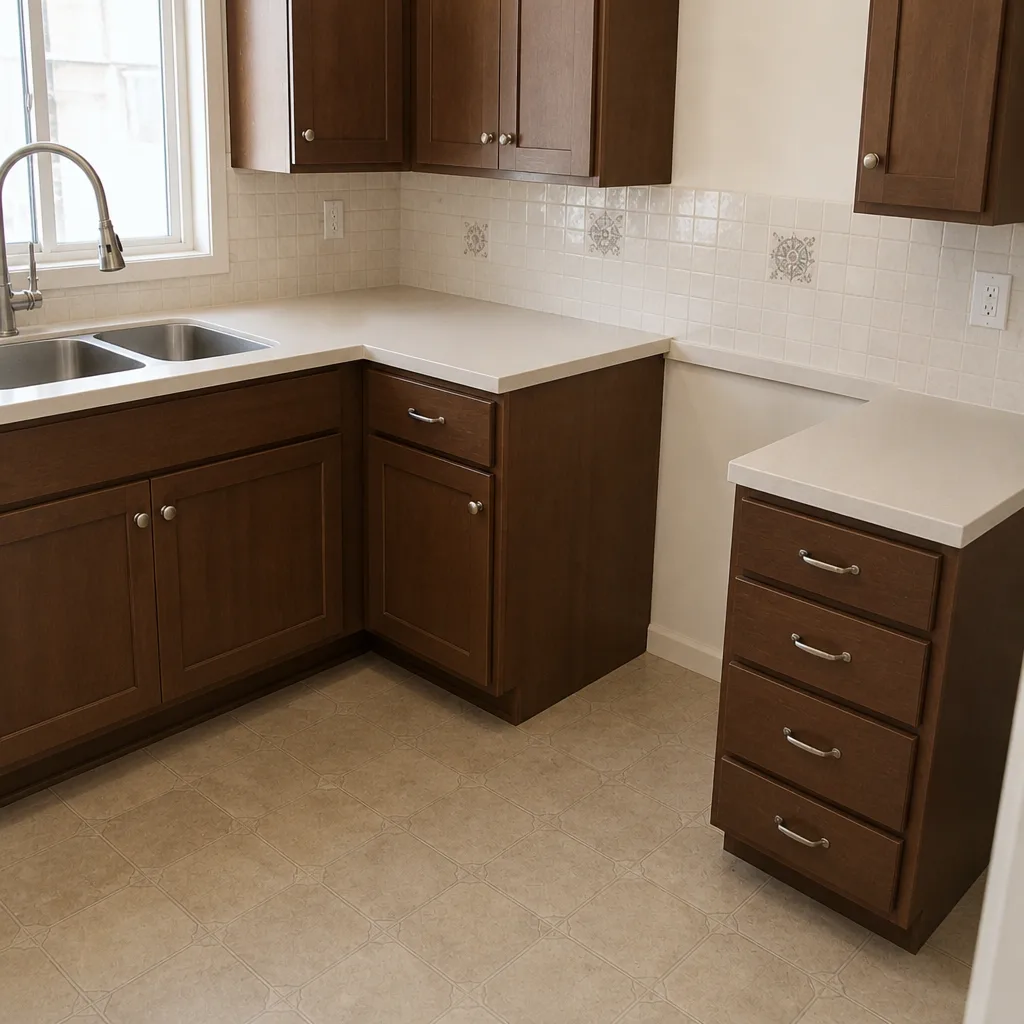 After
 Before
 After
When to Call a Professional
Some window and door work is genuinely beyond a homeowner with a Saturday and a handyman. Call a licensed contractor when: any window or door has visible water damage, soft wood or mold around the frame; you’re changing a rough opening size or relocating a door; your window units are on an upper floor or are oversized; you’re dealing with an exterior that includes stucco or masonry; or your project requires a permit and inspection. Window replacement, done poorly, can lead to water intrusion that quietly damages sheathing for years. Groundwork Construction Co. of Vacaville offers free estimates in Vacaville, and we’ll tell you honestly if the work falls inside a project we can do for you. Call (888) 276-8078.
Frequently Asked Questions
Window replacement in Vacaville typically takes 4 to 8 weeks from signed contract to final inspection, with the actual installation taking one to three days. Most of that time is product lead time and permit processing, not labor. Call (888) 276-8078 for an exact quote on your specific project.
Yes, in some cases. A glass-only replacement is fast (a day or two of labor) and doesn’t involve removing the frame, so it’s the quickest option on the calendar. It doesn’t solve frame rot, drafts from failing seals or an out-of-square opening. A contractor should assess the frame condition before recommending this route.
Sometimes. Insert replacements often don’t require a permit, while full-frame replacements, new door openings and work that changes the structural opening usually do. The exact answer depends on scope, and it’s one of the first things we confirm in writing before we schedule.
Custom windows are built to your exact opening after the order is placed, whereas standard sizes are already in manufacturer production. That difference typically adds 2 to 4 weeks to lead time. A professional measure confirms whether standard sizing is possible before you commit to custom.
Whole-house window replacements in Vacaville typically run $12,000 to $35,000 depending on house size, window count and whether the job is insert or full-frame. Custom units, doors and exterior finish work push the number higher. Call (888) 276-8078 for an exact quote – estimates are free and done on site.
Most slips come from product delays or permit back-and-forth, and the way to avoid both is a professional measure and a complete permit package filed before install day. When things do go off track, we tell you early, and the 730-Day Done Right Promise means we’re accountable for the work, not just the schedule. Call (888) 276-8078 to discuss your project.
The Bottom Line
Window and door replacement looks fast and feels slow, and the gap between those two things is entirely about planning. The install itself is measured in hours; the calendar is measured in weeks of lead time and permit processing. Get the measure right, file the permit clean, sequence the order to the phases, and the whole process runs like it should. Skip any of those and you’ll be the one absorbing the delay.
If your Vacaville project is part of a broader home improvement push, it’s worth seeing how window and door work fits with Driveway & Pavers in Vacaville and Fence Installation in Vacaville for exterior sequencing, and with the Groundwork Construction Co. of Vacaville home page for the full scope of what we do. For most homeowners, the right next step is a free estimate with a real timeline attached to it.
Contact
Call (888) 276-8078 for a free estimate on your windows and doors project in Vacaville. A live person answers 24/7, and our upfront pricing means the number you see is the number you pay. Call today to schedule your free in-home estimate and get a written timeline for your project.
Written by the team at Groundwork Construction Co. of Vacaville.