Last updated November 18, 2026





Free written scope consultation - allowances, timeline, and change-order rules on paper before a single trade is scheduled
Windows & Doors Maintenance Schedule: What to Do and When
A $12 tube of door sweep adhesive, applied on the right schedule, can prevent $2,400 in weatherproofing damage. That single fact explains why windows and doors are the most neglected systems in most homes. It isn’t that homeowners don’t care. It’s that nobody ever handed them a concrete calendar tied to how these components actually fail over time. This guide gives you that calendar: what to check, when to check it, how long each job takes, and what products to use (and which ones quietly ruin finishes). We’ve spent years working on Vacaville homes, and the maintenance gaps we see are remarkably consistent.
Quick Answer
Inspect windows and doors every season, lubricate hardware and hinges every 90 days in high-use areas, replace weatherstripping every 2 to 5 years depending on material, and plan a full exterior seal check each spring before summer heat peaks. In Vacaville, shift your biggest inspection to late spring – not the fall timing most national guides recommend – because summer heat and fall wind are what stress your seals hardest.
Styles & brands we work with
- Kitchen remodeling
- Bathroom remodeling
- Home additions & ADU
- Roofing
- Windows & doors
- Driveway & pavers
- Fence
Table of Contents
- The Seasonal Schedule: A Month-by-Month Plan
- Hardware Lubrication: Intervals by Component and What to Use
- Weatherstripping: Lifespan, Materials, and the Fail Test
- Why Vacaville’s Climate Rewrites the Standard Advice
- Documenting Maintenance to Protect Your 730-Day Done Right Promise Coverage
- Window-Specific Tasks Most Homeowners Skip
- Door-Specific Tasks That Save You Money
- Common Mistakes to Avoid
- When to Call a Professional
- Frequently Asked Questions
The Seasonal Schedule: A Month-by-Month Plan
Most guides say “inspect annually.” That’s useless. Components fail on different timelines, so your maintenance should follow a rhythm that matches those timelines. Here’s the schedule we recommend to homeowners across Vacaville, mapped to the seasons that actually matter here.
Late Spring (May – early June): The Big Inspection
This is the most important slot on your calendar. Do a full perimeter walk of every window and exterior door before the summer heat locks in. Check seals, caulk lines, weatherstripping, screens, and hardware. Time estimate: 45 to 90 minutes for a typical single-family home, longer if you’ve never done it. Note anything that looks cracked, pulled away, or discolored.
Mid-Summer (July – August): Hardware and Dust
Vacaville summers push dust into every track and roller. Wipe down sliding door tracks and window sills, re-lubricate any hardware that’s starting to feel stiff, and check that doors still latch cleanly when the frame expands in the heat. Time estimate: 20 to 30 minutes total.
Early Fall (September – October): The Wind Prep
Vacaville’s fall wind events are hard on weatherstripping and exterior caulk. Re-check every seal you noted in spring and confirm nothing has loosened over the summer. Tighten hinge screws (they loosen with heat cycles), test door sweeps, and confirm thresholds are still sealing. Time estimate: 30 to 45 minutes.
Late Fall / Early Winter (November): The Leak Test
Run the paper test (more on that below), check for drafts around all doors and windows, and inspect attic-side sealant where you can see it. This is where you catch small gaps before the rainy season turns them into water intrusion. Time estimate: 20 to 40 minutes.
Winter (December – February): Light Touch
Vacaville winters are mild compared to the rest of the country, so this is a maintenance-light season. Do a 10-minute quarterly lubrication pass on high-use door hinges and locks, and spot-check for any moisture staining at window corners after big storms.
Early Spring (March – April): Deep Clean and Inspect
Clean window tracks, screens, weep holes (the small drain slots at the bottom of window frames), and door sweeps. Remove debris that collected over winter. Confirm drainage is working. Time estimate: 45 to 60 minutes.
If your home has recently had new windows or doors installed by a contractor like the team at Groundwork Construction Co. of Vacaville, always start the seasonal schedule the season after installation. New units still need maintenance, and getting on the calendar early catches install-related issues while the 730-Day Done Right Promise is active.
Hardware Lubrication: Intervals by Component and What to Use
Lubrication is where well-meaning homeowners do the most damage. The wrong product attracts grit, stains finishes, or dries out the very parts it’s supposed to protect. Here’s a component-by-component breakdown we’ve refined over years of service calls across Vacaville.
Door Hinges
Every 90 days for doors used daily, every 6 months for secondary doors. Use a dry-film PTFE (Teflon) spray or a white lithium grease applied sparingly. Avoid WD-40 as a long-term lubricant; it’s a great cleaner and penetration oil, but it doesn’t last, and it will attract dust. Wipe off excess after applying.
Sliding Door Tracks and Rollers
Every 3 to 6 months depending on use. Clean the track first with a dry brush or vacuum, then apply a silicone spray designed for sliding surfaces. Never use grease on a track – it collects dust and eventually jams the roller. If the roller itself is starting to screech, the roller is usually the issue, not the lubrication.
Window Latches, Locks, and Crank Mechanisms
Every 6 to 12 months. Use a graphite powder or dry PTFE spray. Avoid oil-based products on locks – oil attracts key-chip debris and can eventually gum up the cylinder.
Door Locks and Deadbolts
Every 6 to 12 months, or when a key starts to feel stiff. Graphite powder is the standard. If you’re re-lubricating, don’t over-apply – a small puff is enough.
Multi-Point Patio Door Hardware
Every 6 months. Check with the door’s manufacturer specification – many multi-point systems require a specific lubricant. Applying the wrong one voids hardware warranties.
Time estimate for a full lubrication pass: 20 to 30 minutes. It’s one of the highest-value maintenance tasks you can do because it prevents the most expensive hardware failures.
Weatherstripping: Lifespan, Materials, and the Fail Test
Weatherstripping is the cheapest component on any door or window and the one that fails first. Replacing it is usually a 15-minute job. Ignoring it is what turns into bigger repairs. Here’s a breakdown by material, plus the tests to tell you when it’s past replacement.
Weatherstripping Lifespan by Material
- Foam tape: 1 to 2 years. Cheapest option, shortest lifespan, not recommended for exterior doors.
- V-strip (tension seal): 2 to 4 years. Good for windows; less effective on heavy exterior doors.
- Felt: 2 to 3 years. Inexpensive but compresses and collects dust.
- Vinyl or vinyl-clad bulb seals: 4 to 6 years. Standard on most modern exterior doors.
- Magnetic: 5 to 8 years. Reliable on high-quality window systems.
- Interlocking metal with vinyl: 4 to 7 years. Common on commercial-grade systems.
The Two Tests to Know When It’s Failing
- The tactile test: Press a finger into the seal. If it feels stiff, brittle, or doesn’t spring back, the material has lost elasticity.
- The paper test: Close the door or window on a dollar bill (or a piece of paper). If you can pull the paper out with no resistance, the seal isn’t sealing. Test at multiple points around the perimeter.
In our experience working on Vacaville homes, weatherstripping on south- and west-facing doors fails a full year earlier than on north-facing sides because of direct sun exposure. That’s a real timeline shift worth knowing when you’re budgeting replacement.
Why Vacaville’s Climate Rewrites the Standard Advice
Most window and door maintenance guidance is written for the Midwest. Vacaville’s specific climate – long, dry summers that regularly push past 100°F, plus fall wind events off the surrounding hills – creates a different failure pattern. Here’s how to adjust.
Summer Heat Is the Primary Stressor
Vacaville summers expand and contract door frames, window frames, and caulk lines more than cold ever does. That expansion cycle is what loosens hinges, cracks caulk, and ages weatherstripping faster than national averages. This is why we recommend your most thorough inspection in late spring, not fall – you’re catching weaknesses before the stress period, not after.
Fall Wind Events Change the Timing
Vacaville’s fall wind patterns (especially September through November) push against exterior seals and can lift weatherstripping that’s already marginal. If you inspect in October rather than November, you catch issues before the wind does more damage.
Low Humidity Extends Some Lifespans, Shortens Others
Dry air is easier on wood windows (less rot risk) but harder on some rubber seals. If you have older wood-framed windows on a Vacaville home, budget for at least one finish touch-up every 3 years, not the 5 to 7 years often recommended for wetter climates.
Specific Vacaville Neighborhoods We’ve Seen Need More Frequent Attention
Homes on the west side facing the hills catch more afternoon sun and wind. They typically need weatherstripping replacement 12 to 18 months sooner than homes in shaded, established neighborhoods. If you’re unsure where your home falls, the free estimate visit is a good moment to ask.
For homes with major exterior projects, coordinating window and door maintenance with broader work makes sense. Our fence installation in Vacaville team often coordinates with the windows team on the same property so you’re not scheduling multiple contractors.
Documenting Maintenance to Protect Your 730-Day Done Right Promise Coverage
Every project we complete at Groundwork Construction Co. of Vacaville is backed by our 730-Day Done Right Promise – if it’s not done right, we make it right. That guarantee is one of the longest workmanship commitments in the residential construction space. It also relies on you doing reasonable maintenance during those two years. Here’s how to document it so there are no gaps.
What to Record and When
- Date every maintenance task. Keep a simple log – a note on your phone or a paper document. “Lubricated sliding door track, [date]” is enough.
- Photograph any change in condition. If you notice a seal starting to loosen, take a dated photo. This creates a clear record of when a potential issue started.
- Record any product you apply. Note the product name if you use a lubricant, cleaner, or sealant. This prevents warranty disputes over incompatible products.
- Note any professional service. If you hire a technician for any window or door work, keep the invoice and the date. This establishes the maintenance history.
- Report issues early. If you notice something that might be an install issue (rather than a wear issue), call. The 730-Day Done Right Promise covers workmanship, and reporting within the window keeps the guarantee active.
What Voids Coverage
Using incompatible products (wrong lubricant on hardware, aggressive cleaners on finished surfaces), skipping required maintenance that leads to damage, or making unauthorized modifications are the common coverage risks. The maintenance schedule above is designed to eliminate that risk. Follow it, log it, and the promise stays intact.
If you’ve had windows or doors installed and you’re not sure whether an issue is warrantable installation or normal wear, the answer is usually faster than you think. Call us at (888) 276-8078 – a live person answers 24/7, and we’ll tell you straight.
Window-Specific Tasks Most Homeowners Skip
Windows get less attention than doors because they’re less visible as “moving parts.” They still have plenty of failure points. Here’s what most tasks miss.
Weep Holes
Every modern window has small drain slots at the bottom of the exterior frame. They clog with dust, pollen, and debris over the course of a year. In Vacaville’s dry climate, they can clog faster than you’d expect. Check every spring, clear with a toothpick or compressed air, and confirm water can drain. Time: 5 to 10 minutes for a whole house. Consequence if ignored: water intrusion that can rot framing.
Window Screens
Wash screens every spring. Check for tears, especially on sliding screens that see more friction. Damaged screens are a $15 replacement; ignored, they let debris into tracks and can be a security issue on ground-floor windows.
Glazing and Glass Seals
For double- or triple-pane windows, check the seal twice yearly. Fogging between panes means the seal has failed. That’s not a maintenance task – the window needs replacement of the sealed unit. Catch it early and it’s a $200 to $400 replacement; catch it late and you’re replacing the whole assembly.
Window Crank and Operator Mechanisms
Casement and awning windows have mechanical operators that wear faster than sliding or fixed windows. Lubricate every 6 months with dry PTFE spray. If the crank starts feeling loose or sluggish, address it early rather than waiting for a full failure.
If you’re planning a full window replacement on a larger remodel, it makes sense to coordinate it. Our home additions & ADU in Vacaville team handles exterior envelope work that window replacement ties into.
Door-Specific Tasks That Save You Money
Doors are more maintenance-intensive than windows because they have more moving parts. Here’s the specific list.
Door Sweeps
Check monthly by closing the door on a piece of paper and pulling it out at the bottom. If it slides without resistance, the sweep is worn and should be replaced. Sweep replacements are cheap and easy – $10 to $30 for materials, 10 to 15 minutes of your time. The $12 sweep adhesive we mentioned at the top of this guide is exactly this job.
Threshold Seals
Exterior door thresholds see foot traffic and weather. Check for cracks or compression twice a year. Replacing a threshold seal is a small job with big impact on drafts and water intrusion.
Door Finishes
Wood exterior doors need refinishing every 3 to 5 years in Vacaville’s sun exposure, often sooner on west-facing doors. Paint or stain in early fall – not summer – so it cures properly before temperature swings.
Hinge Screws
Check and snug all hinge screws every 6 months. When screws loosen (heat expansion cycles cause this), doors sag and start to bind. That leads to more hardware wear, more seal gaps, and eventually a door that requires adjustment. Tightening a screw takes 30 seconds.
Door Alignment
Every 6 months, check the gap between door and frame at all four points. A changed gap means the hinge or the frame has shifted. That’s usually a simple adjustment – but if you’ve had recent install work, catch it inside the guarantee window.
For exterior properties where fence gates and door assemblies may be sharing weather exposure, our driveway & pavers in Vacaville team handles hardscape that ties to gate and entry coordination.
Common Mistakes to Avoid
- Using WD-40 as a long-term lubricant. It’s a penetrating oil, not a lasting lubricant. It will attract dust and dry out within weeks. Use dry PTFE or white lithium grease.
- Greasing sliding door tracks. Grease traps dust and makes the roller work harder. Use silicone spray or dry lubricant only.
- Waiting for weatherstripping to visibly tear before replacing it. By then it’s been failing for months. Use the paper test and the tactile test, not just visual inspection.
- Washing windows with ammonia-based cleaner on modern low-E glass. It can damage coatings on newer windows. Use a manufacturer-approved cleaner.
- Ignoring fall-timed inspection in Vacaville. Standard advice says fall is fine. In Vacaville, late spring catches problems before the heat does damage that fall inspection arrives too late to prevent.
- Skipping weep hole cleaning. Clogged weep holes are one of the most common causes of water damage we’ve seen on Vacaville homes. It’s a 5-minute job that saves hundreds in repairs.
- Not documenting maintenance. This one is quiet but expensive. Without a maintenance log, workmanship warranty claims on window and door installations become disputes instead of straightforward fixes.
When to Call a Professional
Most of the tasks in this guide are DIY-friendly. A few are not. Call a professional if you notice any of the following: fogging between panes on a double- or triple-pane window (the sealed unit has failed), water staining at window corners after a storm (potential hidden framing damage), a door that no longer latches cleanly even after hinge tightening (frame or installation issue), visible gaps at exterior caulk lines that reopen after re-caulking (deeper issue), or any hardware that feels structurally loose. Windows and doors on upper floors or large assemblies warrant a professional eye – fall risk and glass weight are real safety concerns. Our team at Groundwork Construction Co. of Vacaville offers free estimates in Vacaville. Call (888) 276-8078 and a live person will answer, any time.
Frequently Asked Questions
Every 90 days for high-use doors and windows, every 6 to 12 months for secondary units. Use dry PTFE spray or white lithium grease on hinges and sliding mechanisms, and graphite powder on locks. Avoid WD-40 as a long-term lubricant. If you’re not sure what’s appropriate for your specific hardware, call (888) 276-8078 for advice – the call is free and the person answering can point you to the right product.
Use the paper test – close a piece of paper in the door or window and pull. If it slides out without resistance, the seal has failed. The tactile test (press the seal with a finger; if it feels stiff or doesn’t spring back) confirms it. Foam weatherstripping lasts 1 to 2 years, vinyl bulb seals last 4 to 6, magnetic seals last 5 to 8. In Vacaville’s sun exposure, expect the second-shortest end of those ranges.
Annual inspection is a minimum, not a full schedule. In Vacaville, we recommend a full inspection in late spring plus quarterly light passes for lubrication and cleaning. The heat-and-wind cycle here accelerates wear compared to most of the country, so the calendar needs to reflect that. If you’re not sure where to start, the free estimate visit is a good moment to ask a trained eye.
Reasonable maintenance – lubrication, weatherstripping replacement, cleaning, and following manufacturer guidance for the products on your windows and doors – keeps the promise active. Unauthorized modifications or failure to address obvious wear that leads to damage can affect coverage. Document your maintenance and report issues early. If you’re unsure whether an issue is warrantable, call (888) 276-8078 and we’ll tell you straight.
Replacing a failed sealed unit (the glass assembly) typically runs $200 to $400 per window in this area, depending on window size and unit specs. Full window replacement is a much larger cost, usually $600 to $1,500+ per window installed depending on the Andersen or Marvin line. Catching the failure early is what keeps you in the low range. Call (888) 276-8078 for a free estimate specific to your home.
Door sweep replacement is one of the most DIY-friendly tasks on this list – 10 to 15 minutes and about $10 to $30 in materials for a basic sweep. Three things to watch: measure carefully, match the sweep type (surface-mount, insert, or automatic), and make sure you’re using the correct adhesive or screws for your door material. If your door is old or the frame has shifted, a professional may be needed to also realign. For any of those issues, call (888) 276-8078 – a free estimate can confirm whether you’re looking at a simple fix or a larger repair.
The Bottom Line

Windows and doors fail on predictable timelines – which means maintenance can be scheduled, not just reacted to. Lubricate hardware every 90 days. Test weatherstripping twice a year with the paper test. Clean weep holes every spring. In Vacaville, move your big inspection to late spring so summer heat and fall wind don’t catch you unprepared. Document every task so your 730-Day Done Right Promise coverage stays intact. And when something is beyond a DIY fix, bring in a trained professional before small gaps become expensive repairs. Most of the schedule in this guide costs less than $100 a year to follow. Most of the damage it prevents costs hundreds to thousands.
Ready to schedule a maintenance check or plan a window and door project? Call Groundwork Construction Co. of Vacaville at (888) 276-8078 for a free estimate. A live person answers 24/7, and we’ll walk you through what your home actually needs – no guesswork, no surprises.
Written by the team at Groundwork Construction Co. of Vacaville.
See the difference
 Before
 After
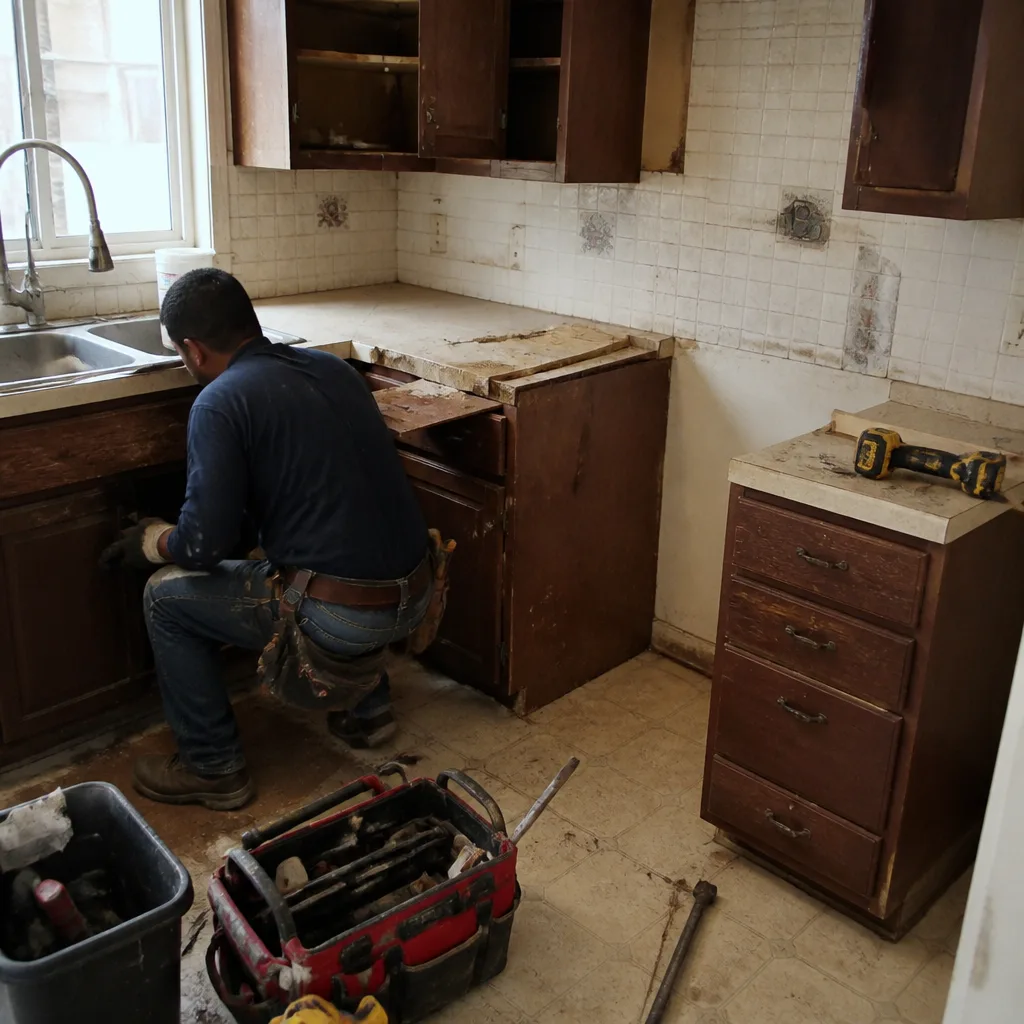 Before
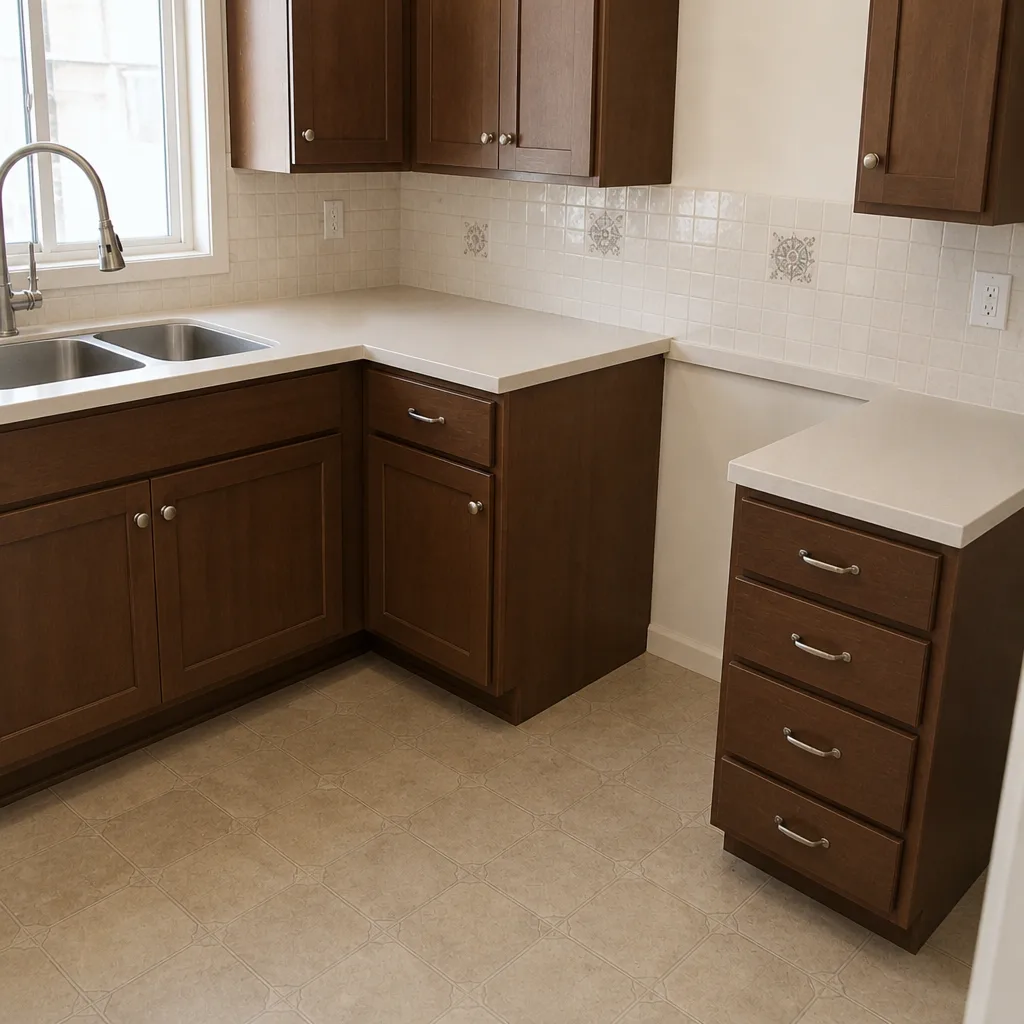 After
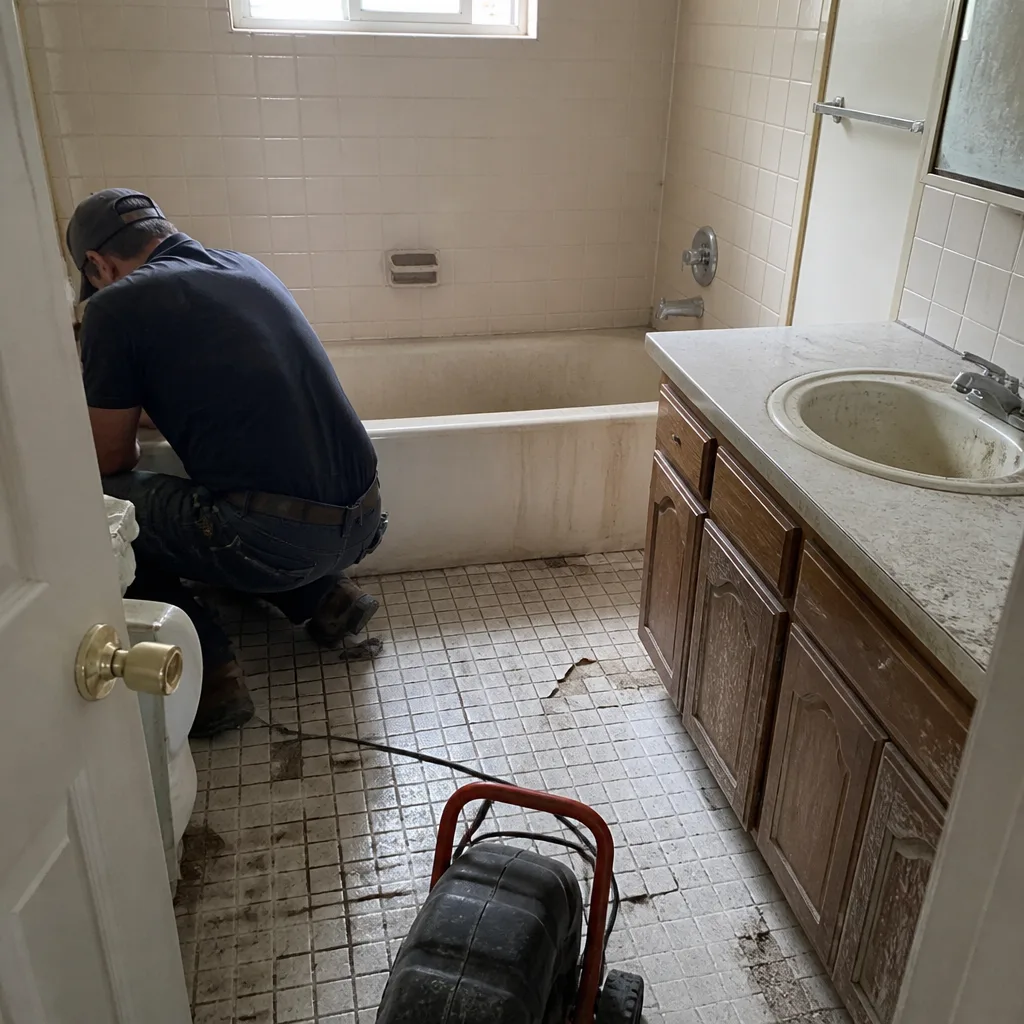 Before
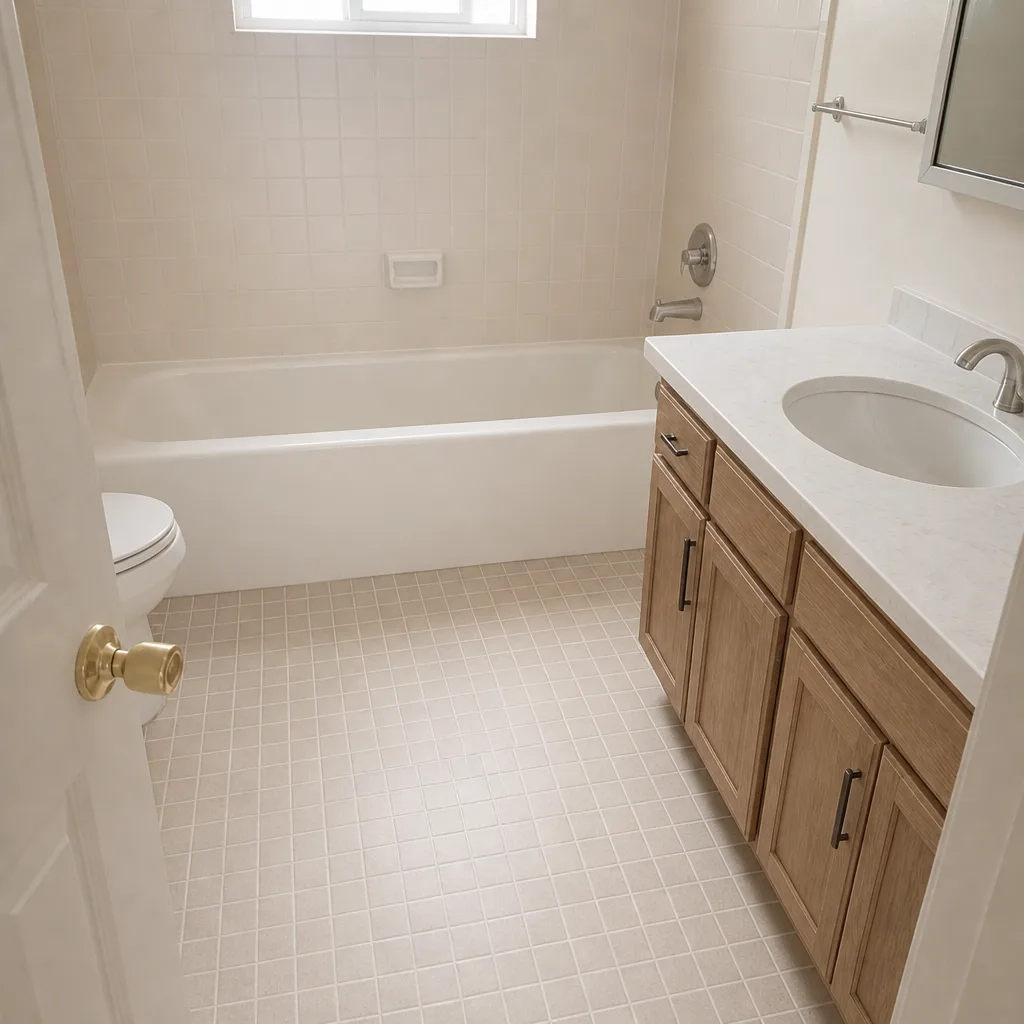 After