Last updated November 18, 2026
Free written scope consultation - allowances, timeline, and change-order rules on paper before a single trade is scheduled
Seasonal Construction Care for Vacaville: Year-Round Homeowner’s Guide
The most damaging season for Vacaville hardscaping isn’t winter. It’s the transition out of summer, when months of heat expansion meet the first soil-saturating rain and your pavers, flatwork, and foundation take their hardest stress hit of the year. Most homeowners here miss it because the damage doesn’t look like weather damage – it looks like a hairline crack, a sticking gate, or a low spot in the yard. In this guide you’ll learn the four construction stress windows specific to Vacaville’s climate, a month-by-month maintenance calendar built for inland valley conditions, and the checks that catch problems before they become five-figure repairs.
Quick Answer
Vacaville homeowners should schedule exterior construction maintenance in four windows: a spring ground-saturation check in March and April, a summer caulk and seal inspection in June and July, a critical late-September to November drainage and grading review, and a January roof and fence inspection after the first heavy rain. The fall window matters most because it’s when summer heat expansion, dry soil contraction, and the first saturating rain combine to expose cracks, grading failures, and drainage problems that were invisible all summer.
Styles & brands we work with
- Kitchen remodeling
- Bathroom remodeling
- Home additions & ADU
- Roofing
- Windows & doors
- Driveway & pavers
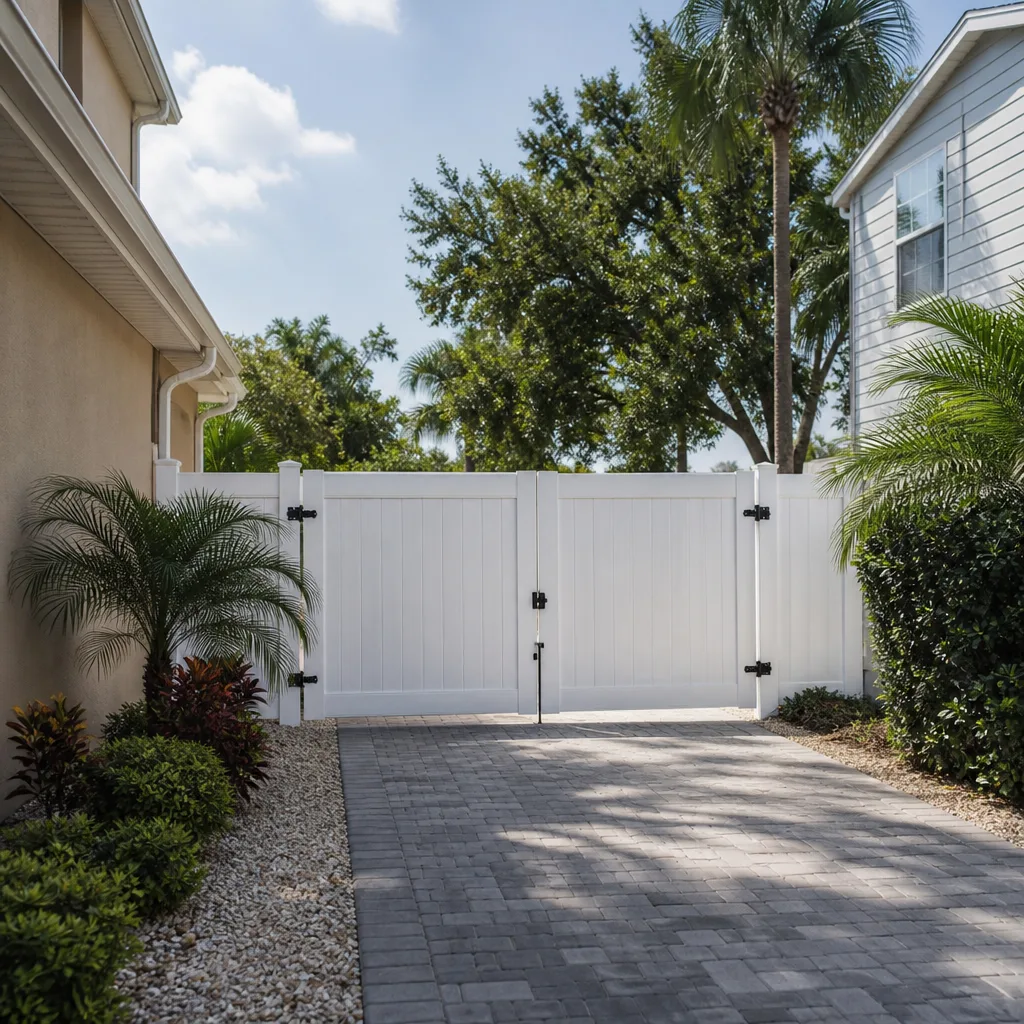
- Fence
Table of Contents
- The Four Construction Stress Windows in Vacaville
- The September-November Transition: Vacaville’s Hardest Stress Window
- Summer Maintenance for Inland Valley Heat
- How Vacaville’s Wind Patterns Stress Cladding, Fencing, and Rooflines
- The Spring Ground-Saturation Check
- Month-by-Month Maintenance Calendar for Vacaville
- Material-Specific Care: Pavers, Fencing, Roofing, and Windows
- Common Mistakes to Avoid
- When to Call a Professional
- Frequently Asked Questions
The Four Construction Stress Windows in Vacaville
Vacaville sits in a pocket between the Coast Range and the Sacramento Valley that produces a climate most maintenance advice doesn’t account for. Summer highs regularly push above 95°F and often clear 100°F for stretches in July and August. Winters are mild but wet, and the first significant rain usually arrives between late September and early November. That’s not four seasons in the postcard sense. It’s four distinct stress windows, and each one hits a different set of exterior systems.
Here’s how they break down:
- Spring saturation window (March-April). Winter rain has soaked the soil, and the ground is at its heaviest. This is when grading shifts, retaining walls settle, and drainage problems become visible.
- Summer heat window (June-August). Sustained 90°F-plus temperatures cook sealers, caulk, and paint. Wood fencing shrinks. Concrete slabs expand against foundations.
- Fall transition window (late September-November). This is the one most homeowners miss. Months of heat expansion meet the first soil-saturating rain, and every crack, low spot, and grading flaw reveals itself at once.
- Winter water window (December-February). Steady rain tests your roof, gutters, and fence posts. Wind events compound the load.
None of these windows look like the dramatic storm damage homeowners picture when they hear “seasonal maintenance.” They’re slower, and that’s exactly why they go unnoticed. We’ve seen a single fall grading failure in Vacaville turn into a foundation repair estimate ten times the cost of the original drainage fix. The window where that failure becomes visible is short – usually three to six weeks in October and early November – and if you don’t look, you won’t catch it.
The good news: once you know which window stresses which system, the maintenance calendar becomes simple. You’re not doing the same tasks year-round. You’re checking the right things at the right time.
The September-November Transition: Vacaville’s Hardest Stress Window
If you do one maintenance pass a year on your Vacaville exterior systems, do it in October. Here’s why this window is the hardest on your home’s structure.
Through July and August, the clay-heavy soils common across Vacaville and the surrounding valley expand as they heat, then contract as they dry. Concrete flatwork, paver driveways, and foundation footings follow that movement. By early September the soil has contracted to its dry-season minimum. Then the first real rain arrives, and that dry soil saturates and swells fast. The soil under a driveway or paver patio can move more in a two-week stretch of October than it does in the entire rest of the year.
What that movement reveals:
- Expansion cracks in concrete flatwork. Hairlines that looked cosmetic in August open wider when the soil beneath shifts. A crack wider than a quarter-inch, or one that has vertical displacement on either side, signals a base or drainage issue – not just a surface crack to patch.
- Paver settling and joint sand loss. Driveway and patio pavers built over soil that dried out over summer can settle unevenly when the fall rain hits. You’ll see dips, rocking pavers, or joint sand washing out at the low side of the slab.
- Grading failures around the foundation. This is the big one. Every spring, the soil around a Vacaville home should slope away from the foundation at roughly a six-inch drop over the first ten feet. Summer dry-out and fall saturation can flatten that slope without any visible crack. Once the grade flattens or reverses, rainwater pools against the foundation and finds every existing weakness.
- Gutter and downspout performance. The first fall rain is when blocked gutters back up and downspouts discharge too close to the foundation. Look for soil erosion at the downspout outlet – that’s landscape dirt being washed toward the house, not away from it.
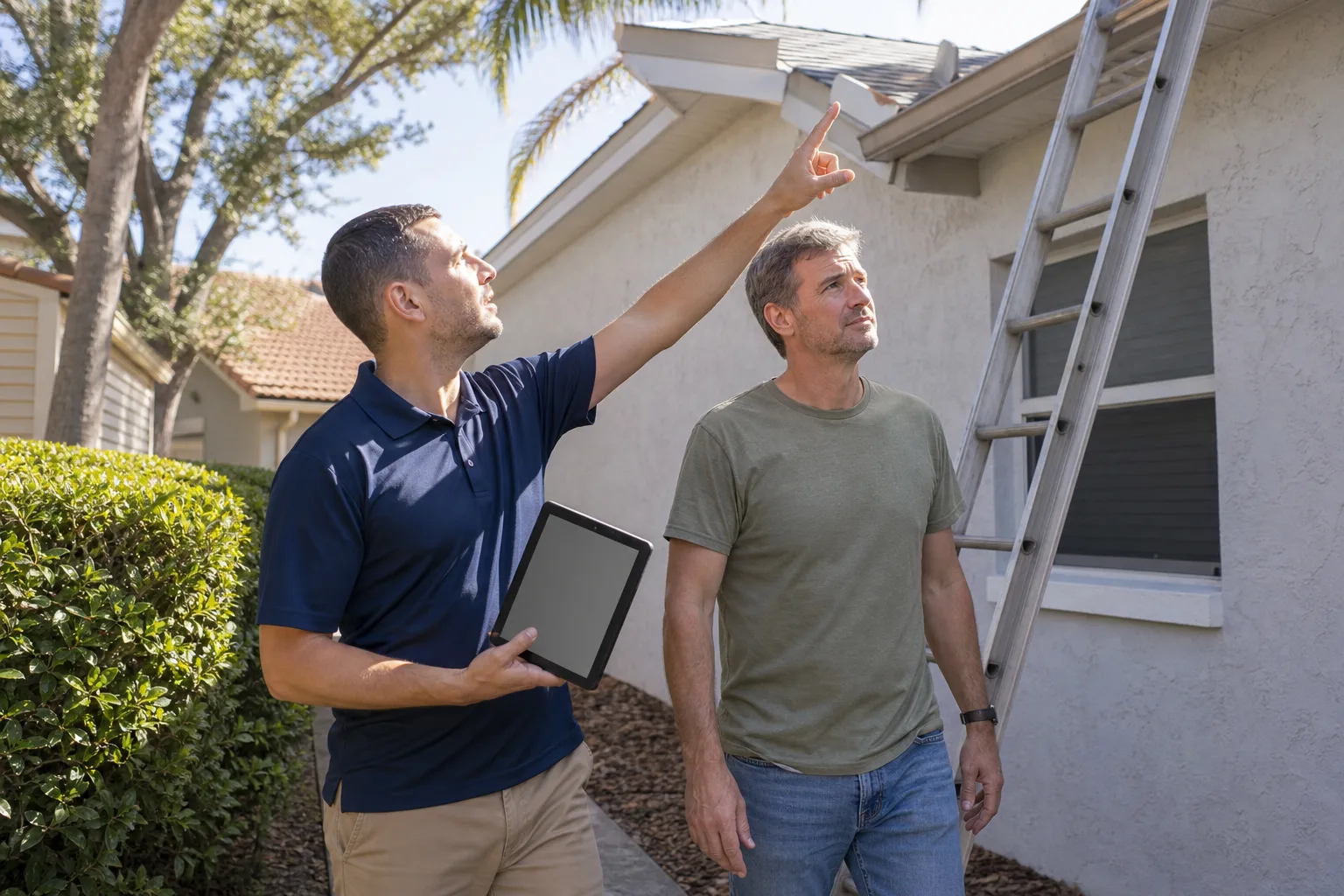
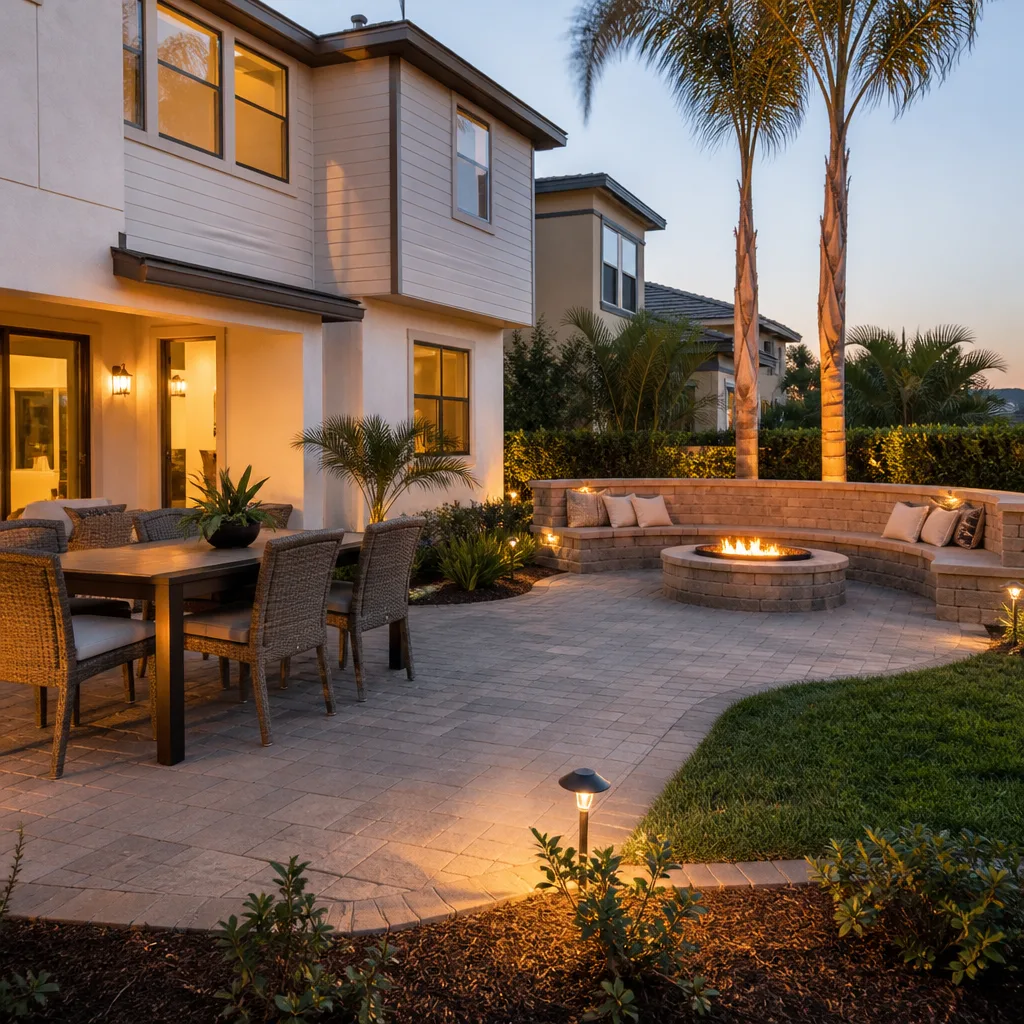
A proper fall walkthrough takes an hour. Walk the perimeter of your home and check the soil slope at every foundation corner. Look along every concrete seam and paver course. Watch where the water goes during the first hard rain, ideally from inside or under cover. If the first rain of the season shows you water pooling within three feet of the foundation, you’ve found a drainage problem that needs a fix before the next storm, not after. A proper driveway and paver installation with engineered base preparation is what prevents this from becoming an annual headache – if you’re considering a rebuild, Driveway & Pavers in Vacaville covers what a durable base actually requires.
Summer Maintenance for Inland Valley Heat
Vacaville’s summer heat is the most aggressive in the region, and it does specific damage to specific materials. What holds up fine in a coastal climate fails here on a predictable schedule.
The biggest breakdown category is sealers and caulks. Products rated for typical residential use are usually tested to a 90°F threshold. Once you’re over 90°F for extended periods – and Vacaville runs above 90°F for long stretches in July and August – those products break down faster than their rated lifespan. The practical rule: anything rated to 90°F needs annual replacement here. Anything rated above 110°F will last two or three years.
What to inspect each June and July:
- Exterior caulking around windows and doors. Caulk along the joints of window frames, door frames, and trim is the first line of defense against water intrusion. In Vacaville, standard exterior caulk often shrinks and cracks by the second summer. Run a finger along every joint and look for gaps or peeling.
- Deck and fence sealer. Wood fencing and decking need re-sealing roughly every two to three years in this climate, not the five-year interval you’ll hear from coastal sources. When water beads on the surface, the sealer is still working. When it soaks in, it’s time.
- Paver sealant. A sealed paver surface (many Belgard and Unilock products are designed to accept a quality sealer) reflects heat better and resists joint sand loss. In Vacaville’s heat, re-seal on a two-to-three-year cycle and inspect for peeling every June.
- Paint on trim, fascia, and siding. Heat-driven cracking shows up first on south- and west-facing surfaces. Any paint blistering or peeling exposes the wood underneath to the fall rain.
- Roofing sealant at flashings. The roof sealant around vents, chimneys, and skylights degrades faster under sustained heat. Inspect it before the fall rain, not after a leak appears.
The scheduling matters as much as the tasks. Do exterior caulking and sealing in spring or early summer, when temperatures are mild enough for the product to cure properly. Do the inspection in late summer, so any repair can be completed before the fall transition window begins. If you’re doing a full exterior project, James Hardie fiber cement siding and premium cladding perform better in this heat cycle than standard wood trim, but only if it’s installed with proper expansion gaps.
How Vacaville’s Wind Patterns Stress Cladding, Fencing, and Rooflines
Vacaville sits adjacent to the Montezuma Hills corridor, one of the windier stretches in the Bay Area region. Wind events here aren’t the hurricane-force winds of hurricane country, but they’re consistent, gusty, and – this is the part most maintenance guides skip – they arrive from a consistent direction. That means specific faces of your home take disproportionate stress.
What happens in a still-air climate versus Vacaville:
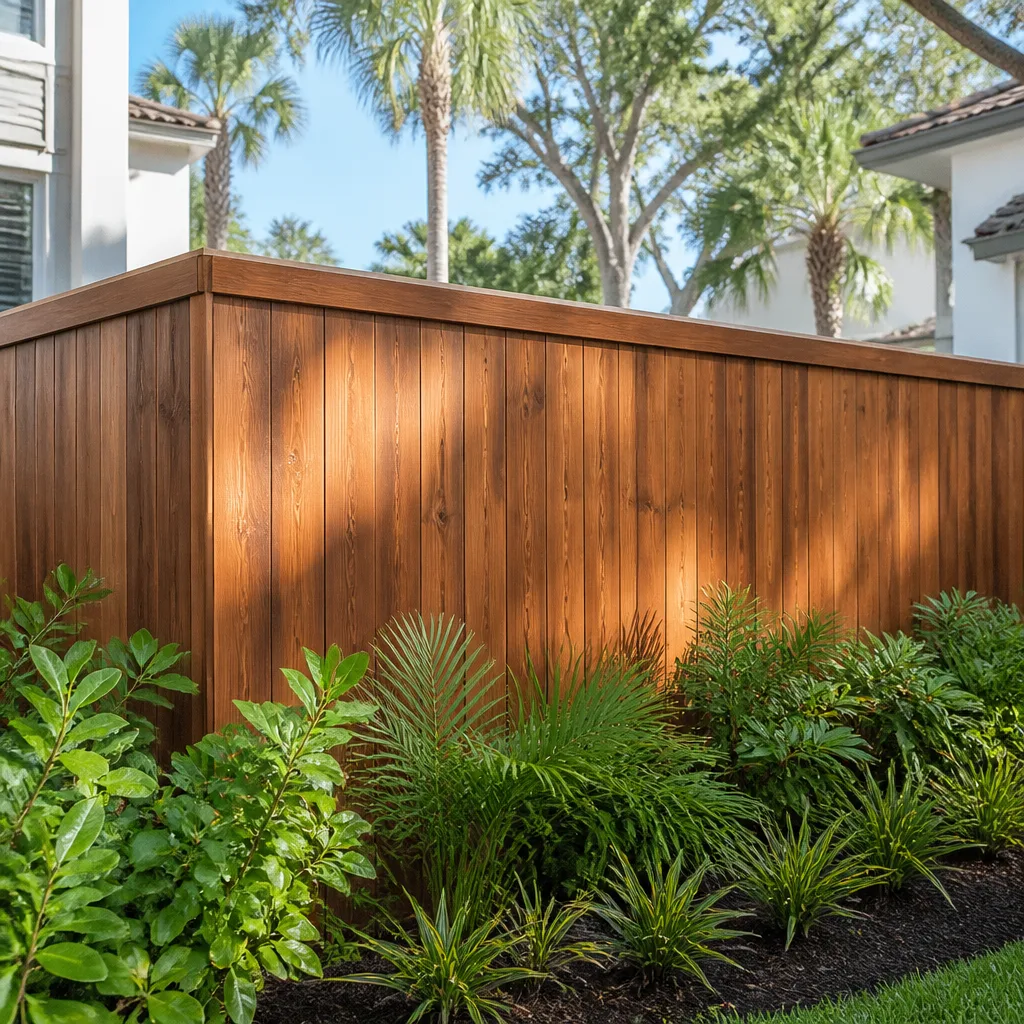
- Fencing. In a still-air climate, a fence post fails from soil rot over many years. In Vacaville, the wind corridor introduces lateral load on every fence line, and posts set in soil that dries in summer and saturates in winter lose their grip faster. A fence that leans after a fall wind event in Vacaville is usually showing a base problem – the post has loosened in the soil, not that the wind was unusually strong. A properly installed fence with deep-set posts and quality panels (ActiveYards vinyl and aluminum systems handle wind load better than wood in this corridor) resists that movement far longer.
- Exterior cladding. Wind-driven rain pushes moisture into joints and laps on the windward face of a home. That face needs inspection more often than the leeward face. Standard building paper overlap is designed for this, but only if the cladding is tight. Any gap at a window or door on the windward side is where water gets in.
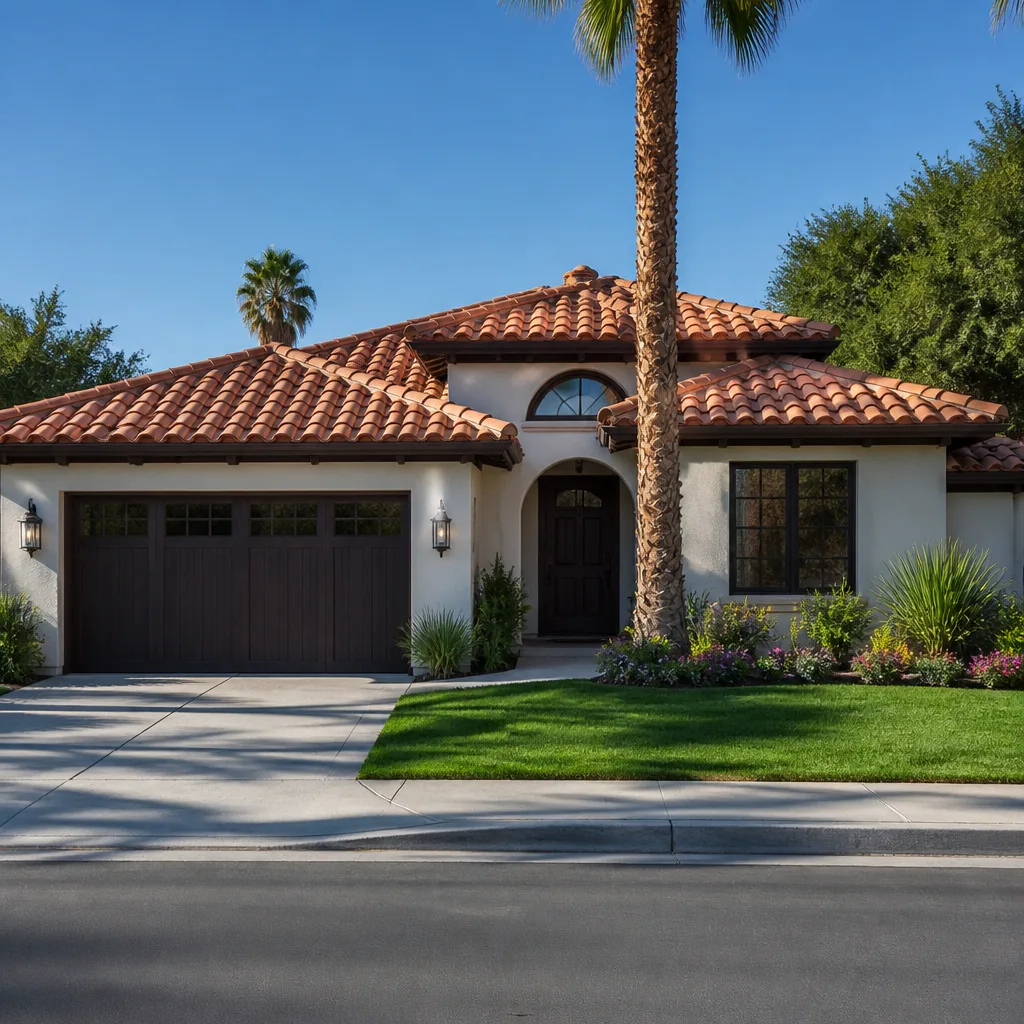
- Roofline. Gusty, persistent wind finds loose shingles, ridge caps, and flashing edges over time. After the first major fall wind event, walk the perimeter of the home and look up at the roof edge for lifted or missing shingles. Ridge caps on a hip roof in Vacaville’s wind zone should be visually inspected every fall.
- Trees and limbs. Landscaping near the home matters. In Vacaville’s wind corridor, a limb that overhangs the roof is a shingle-replacement waiting to happen. Trim back anything within ten feet of the roofline before the fall wind season.
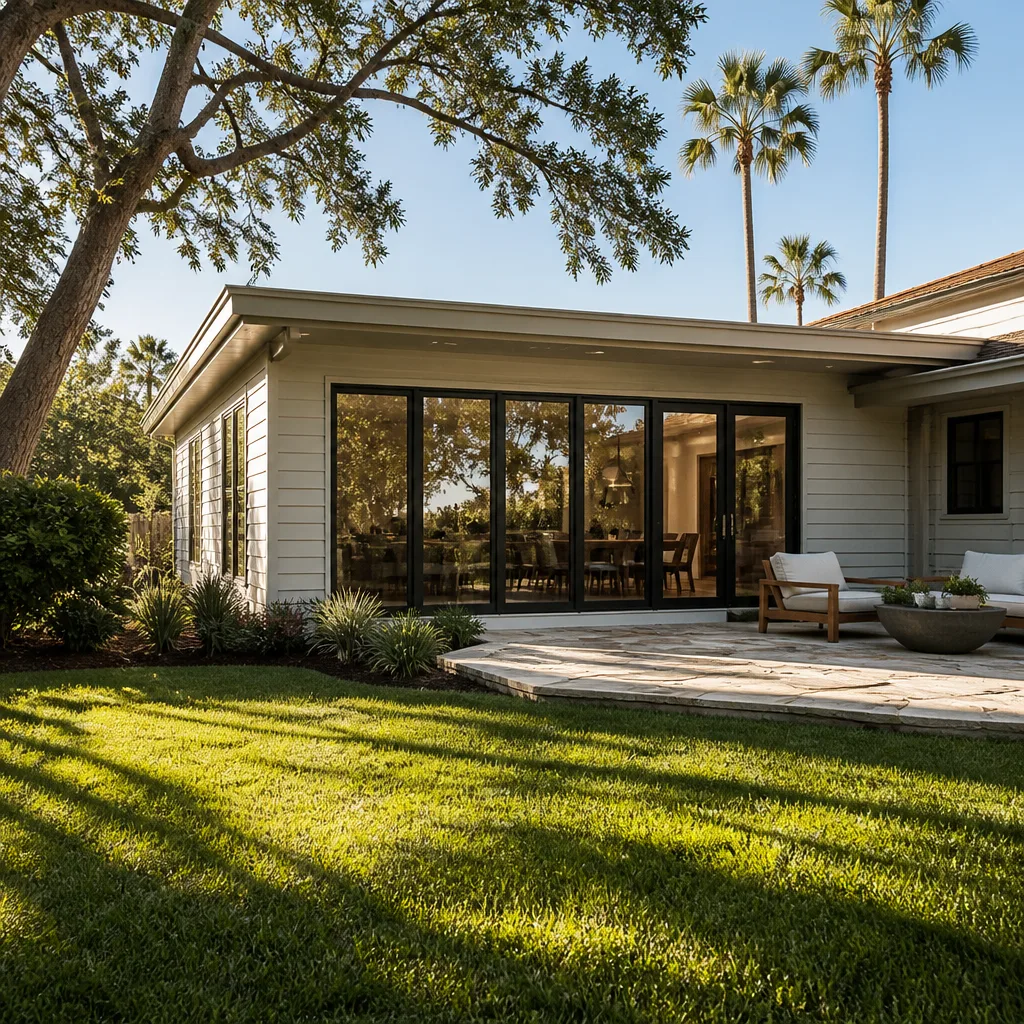
Wind exposure also changes how we approach exterior construction. A fence line built along an exposed western property line needs deeper posts and more panel fasteners than one sheltered by a neighboring structure. A roof replacement in the wind corridor benefits from a premium underlayment and a ridge cap designed for higher wind ratings – which is why material choice matters here as much as installation quality. Our 730-Day Done Right Promise covers the workmanship; choosing the right materials for the wind exposure is what makes the difference between a fence that lasts ten years and one that needs re-posting in three. If your fence is showing that kind of lean or wobble, Fence Installation in Vacaville walks through what proper post depth and panel anchoring look like.
The Spring Ground-Saturation Check
By March, Vacaville’s rainy season is winding down and the soil is at its wettest. That makes spring the best time to measure how much your drainage grade shifted over the previous dry-out cycle. Winter rainfall moved the soil; spring is when you can see where it went.
Run this check every year, ideally in late March or early April:
- Check the foundation slope from every corner. Walk to each corner of the home and measure the soil pitch. It should fall away at roughly six inches over ten feet. If it’s flat or sloping toward the house at any point, water is pooling against the foundation during rain events – fix it before summer.
- Look for low spots in the lawn and hardscape. A dip in the yard that holds water after a spring rain is a grading problem. A paver patio or driveway that ponds water is showing base settlement.
- Inspect retaining walls for lean or movement. A wall that was plumb in the fall and leans in the spring has a drainage problem behind it. Weep holes should be discharging water freely. If there’s water under pressure behind the wall, it will eventually push the wall over.
- Check fence posts for wobble. Grab the top of a fence panel and push. A little flex is normal. A post that moves at the base is loose in saturated soil – this is the time to address it, before the summer dry-out hardens the ground.
- Check gutters and downspouts after the last rain. Downspouts should discharge at least four feet from the foundation, ideally onto a splash block or into a drainage line. Look for soil erosion where the downspout ends.
The spring check and the fall check together give you the full picture. If the spring check shows a grade problem, the fall transition is when it will cause damage. Catching it in spring gives you the entire dry season to correct it before the rain returns. That’s the practical value of the annual calendar – it’s not about doing more work, it’s about the right work in the right window.
Month-by-Month Maintenance Calendar for Vacaville
This calendar is built around Vacaville’s actual climate, not a standard California template. Adjust the timing by a few weeks in a dry year or a wet one, but the sequence holds.
| Month | Priority Task | System |
|---|---|---|
| January | Post-rain roof, fence, and grading inspection. Look for lifted shingles and water intrusion. | Roof, fence, drainage |
| February | Check gutter flow and downspout discharge distance from the foundation. | Drainage, roof |
| March | Spring ground-saturation check: foundation slope, retaining wall lean, fence post wobble, ponding. | Foundation, hardscape, fence |
| April | Inspect exterior caulking and wood trim for winter damage. Repair before summer heat sets in. | Windows, doors, siding |
| May | Re-seal decking, fencing, and pavers if on a two-to-three-year cycle. Do it before 90°F heat arrives. | Wood, pavers |
| June | Inspect caulk and sealant joints before peak heat. Replace any that shrank over winter. | Windows, doors, trim |
| July | Check roof flashing sealant and paint condition. Inspect for sun damage on south- and west-facing surfaces. | Roof, siding |
| August | Schedule any exterior repairs found during the summer inspection for completion before the fall rain. | All exterior systems |
| September | Pre-transition check: concrete expansion cracks, paver settling, grading slope. | Concrete, pavers, grading |
| October | Fall transition walkthrough during first rain. Watch where water goes, look for pooling within three feet of the foundation. | Drainage, hardscape, foundation |
| November | Post-transition repairs. Address any new cracks, paver dips, or gutter issues before winter rain intensifies. | Hardscape, drainage |
| December | Check fence lines for wind lean after major wind events. Confirm roofline shingles and ridge caps. | Fence, roof |
The key insight in this calendar is that April through June is prep, and August through November is repair. Summer heat and fall rain are the stressors, and the work happens between them. If you’re planning a major exterior project – a fence rebuild, driveway replacement, or roof replacement – schedule the design and permit work in spring so installation can complete before the fall transition. Home Additions & ADU in Vacaville follows the same logic, since foundation work on any addition is affected by exactly the same soil movement cycle.
Material-Specific Care: Pavers, Fencing, Roofing, and Windows
Different exterior systems have different maintenance schedules, and mixing them up costs you money. Here’s what to know for the specific materials common in Vacaville homes.
Pavers and Hardscape
Quality concrete pavers like Belgard and Unilock products are engineered to handle heat and freeze-thaw cycling better than poured concrete flatwork, but only if the base was built correctly. In Vacaville’s soil, that means a properly compacted aggregate base, not pavers set directly on native soil. Inspect joint sand every spring and fall, since Vacaville’s dry-out-and-saturate cycle loosens it annually. Re-sand any joints where the sand has fallen below the chamfer. Re-seal on a two-to-three-year cycle to lock in the sand and protect the surface from UV fade.
Fencing
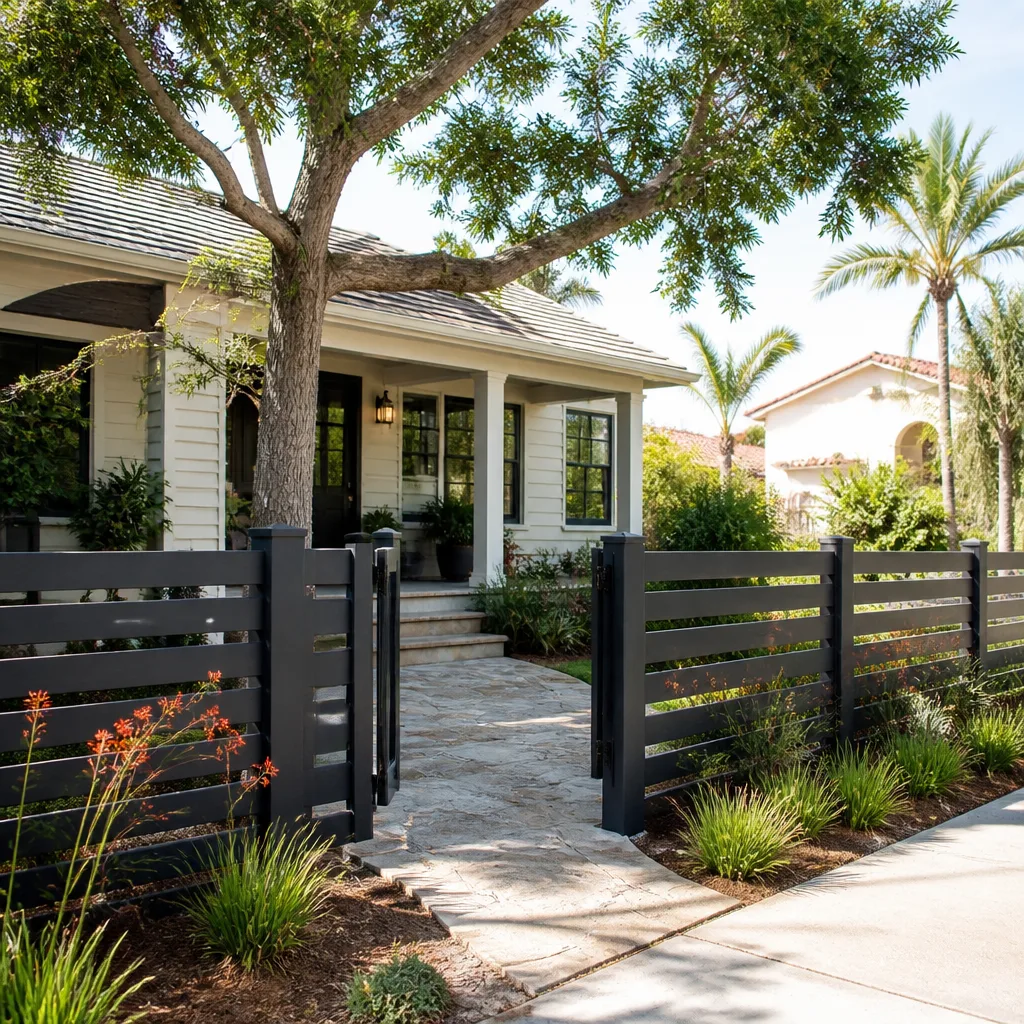
Wood fencing in Vacaville needs inspection every fall for post movement and panel sag. Wind exposure from the Montezuma Hills corridor puts lateral load on every fence, and what looks like normal aging is often a post that has lost its grip in the soil. Vinyl and aluminum systems from ActiveYards require less maintenance in this climate – no annual sealing, no post rot – but they still need a post-movement check after major wind events. Whatever your fence material, verify post depth is at least one-third of the post’s above-ground height, and set in proper concrete, not just packed soil.
Roofing
A roof in Vacaville takes two kinds of stress: sustained summer heat cycling and wind load. Their combined effect is faster sealant degradation at flashings and faster granule loss on asphalt shingles. Inspect the roof twice a year – late spring before peak heat and after the first fall rain. Premium systems from GAF and CertainTeed hold up better to this climate than builder-grade shingles, largely due to heavier underlayment and better-rated ridge caps for wind. Verify that any roof repair addresses the flashing sealant, not just the shingle surface, since most leaks start at a flashing joint.
Windows and Doors
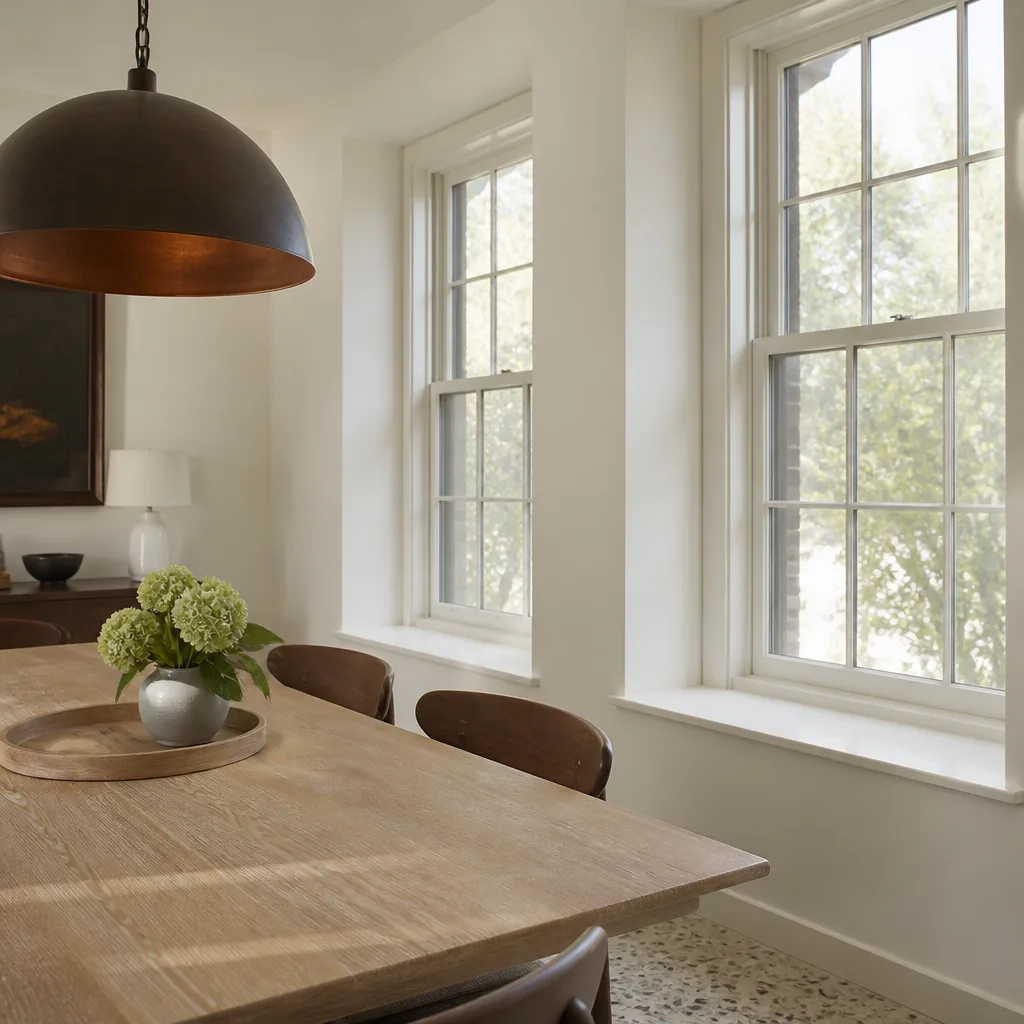
Windows face both heat expansion and wind-driven rain. The joints around window frames are where caulk fails first in Vacaville homes. Inspect caulk annually in June, and re-caulk any joint showing gaps or peeling. Windows from Andersen and Pella handle thermal movement better than builder-grade units, but any window with a bad caulk joint will leak regardless of window quality. Check door sweeps and thresholds each autumn, since that’s where wind-driven rain finds its way in.
For a full picture of how these systems connect, our Groundwork Construction Co. of Vacaville home page covers the complete scope of exterior and interior work we handle in the Vacaville area.
Common Mistakes to Avoid
- Treating the fall like a “final mow” season instead of a construction deadline. In Vacaville, the September-to-November window is the highest-value maintenance window of the year. Any repair discovered during the fall transition should be scheduled before the bulk of the winter rain. Waiting until spring means water damage has already happened.
- Assuming winter is your biggest weather risk. Vacaville doesn’t get major snow or long cold snaps. The most damaging weather event on your home’s exterior is the heat-to-rain transition in October, not a peak January storm. Most homeowners inspect after heavy winter storms and skip the October walkthrough – backwards.
- Replacing caulk and sealant on coastal-climate schedules. Standard sealers rated to 90°F break down in Vacaville’s summer heat, not over five or ten years. If you’re re-sealing your fence or deck on a five-year schedule, you’re doing it half as often as your climate requires.
- Patching expansion cracks without checking the grade. A concrete crack wider than a quarter-inch, or one with vertical displacement between sides, means the base moved. Patching the surface hides the issue without fixing the cause. Check the soil grade around the crack first – most often, that’s the source.
- Preparing pavers over native soil. Vacaville’s clay-heavy soils expand and contract with moisture, and pavers set directly on native soil will heave and settle within a year. A properly compacted aggregate base is the difference between a driveway that lasts 20 years and one that needs repair within three.
- Ignoring fence post wobble until the fence is on the ground. A vacaville fence post that wobbles in March is showing a base problem caused by winter soil saturation. If you wait until the post splits or the panel falls, you’re re-posting the fence line, not repairing a single post.
- Skipping the windward-side inspection. Wind-driven rain finds vulnerable joints on the windward face first. Many homeowners check every side equally – if anything, the windward side needs more frequent inspection than the leeward side in Vacaville’s wind corridor.
When to Call a Professional
Some of this work you can handle yourself – checking caulk at window joints, verifying foundation slope, trimming back overhanging limbs. Here’s when to bring in a professional: any concrete crack with vertical displacement between the two sides, any foundation slope that has flattened or reversed from the original grade, any retaining wall showing lean or movement, any paver surface ponding after rain, and any roof showing lifted shingles after a wind event. Fence post replacement on a line that’s already leaning also usually means re-evaluating the whole post line, not walking one post at a time.
Groundwork Construction Co. of Vacaville offers free estimates in Vacaville for any of these scenarios. Our technicians have up to 12 years of experience. All projects are covered by the 730-Day Done Right Promise, and calls are answered by a live person 24/7. Call (888) 276-8078 to schedule your free estimate.
Frequently Asked Questions
The October fall transition walkthrough is the single most important seasonal task. It’s when summer heat expansion meets the first saturating rain, and every crack, grading failure, and drainage problem becomes visible at once. Do this walkthrough during the first heavy rain of the year, watching where water actually goes around the foundation, driveway, and hardscape. Call (888) 276-8078 for an exact quote if you find a problem – estimates are free.
Re-seal wood fencing and decking every two to three years in Vacaville, not the five-year interval you’ll see on most manufacturer labels. Sustained summer temperatures above 90°F break down standard sealers faster than the rated lifespan. Test by sprinkling water on the surface – if it soaks in rather than beading, it’s time to re-seal. Call (888) 276-8078 for a free inspection, and Groundwork Construction Co. of Vacaville will give you an exact quote for the work.
Yes, but not the way people expect. It’s not the rain itself that damages homes – it’s what the rain does after months of summer dry-out. When dry, contracted soil in Vacaville’s yards suddenly saturates in October, it swells significantly. That movement opens concrete cracks, settles pavers, and can flatten your foundation grading. The visible damage often appears within days of the first real rain, not over months. Call (888) 276-8078 to schedule a free grading inspection before the rainy season.
No. Groundwork Construction Co. of Vacaville provides upfront, no-hassle pricing – the number you see is the number you pay. There are no hidden fees, change orders, or surprise upcharges once the work begins. Any additional work discovered mid-project is quoted and approved separately before proceeding. Call (888) 276-8078 for a free estimate with a written line-item quote.
You can handle inspections, caulk replacement, and minor sealer re-application yourself. You should call a professional for any structural recommendation, slope or grading correction, concrete repair with vertical displacement, retaining wall movement, or fence post replacement. These require proper base preparation and material choices matched to Vacaville’s specific soil movement cycle. Call (888) 276-8078 for a free estimate on any of those items.
Yes. Groundwork Construction Co. of Vacaville pulls the required permits for any work that needs them in Vacaville and passes inspection before completion. Which projects need permits depends on scope – a fence replacement generally doesn’t, but a retaining wall over a certain height, structural roof repair, or addition does. We’ll confirm permit requirements during your free estimate. Call (888) 276-8078 to schedule.
The Bottom Line
Vacaville’s climate doesn’t come with dramatic storms, but it does have four distinct construction stress windows – and the one most homeowners ignore, the September-to-November transition, is the hardest on their homes. If you do just one thing after reading this guide, run the October fall transition walkthrough during the first heavy rain of the year and watch where water actually goes. Combine that with the spring ground-saturation check and the summer caulk and sealant inspection, and you’ve covered the maintenance that prevents five-figure repairs. The rest is scheduling the work in the right window. Groundwork Construction Co. of Vacaville can handle any of it under the 730-Day Done Right Promise, with upfront pricing, no surprises, and 0% financing for 18 months on major projects. Call (888) 276-8078 for your free estimate and design consult.
Written by the team at Groundwork Construction Co. of Vacaville.
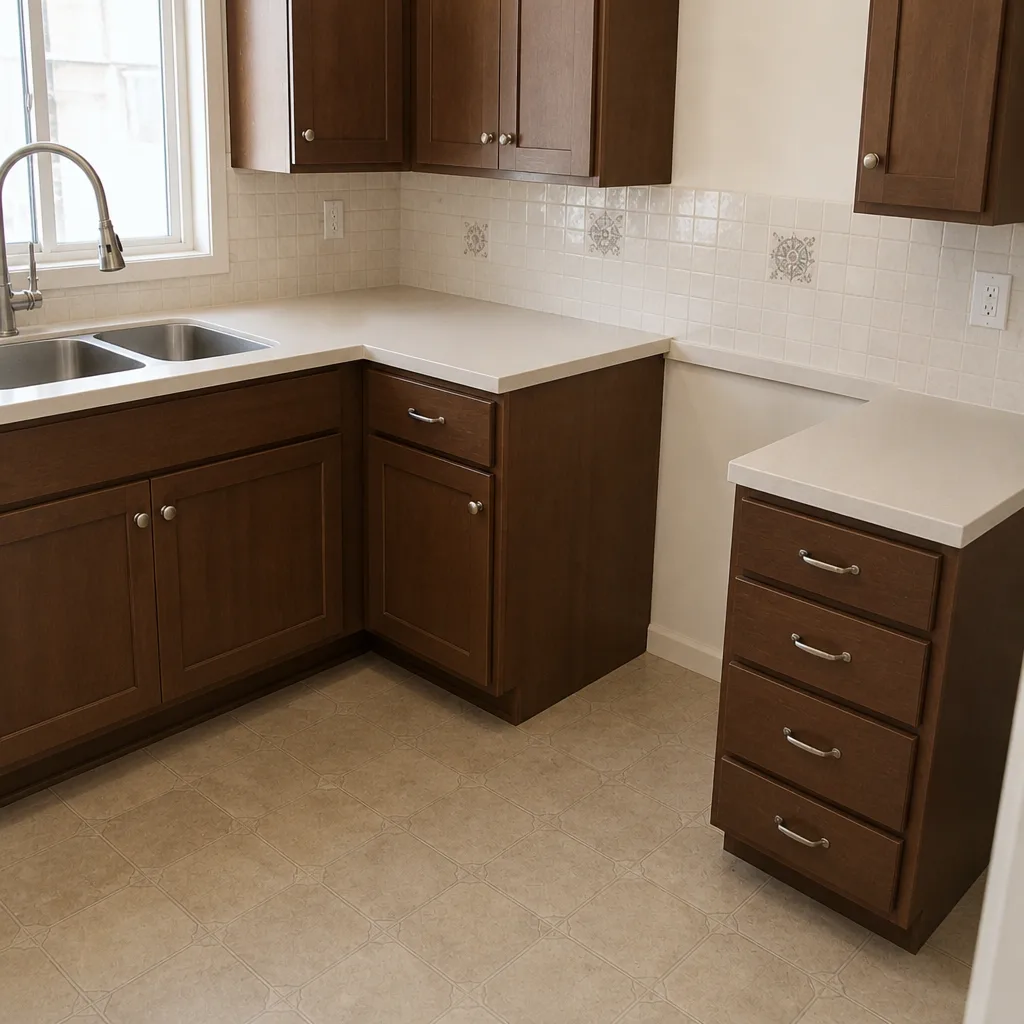
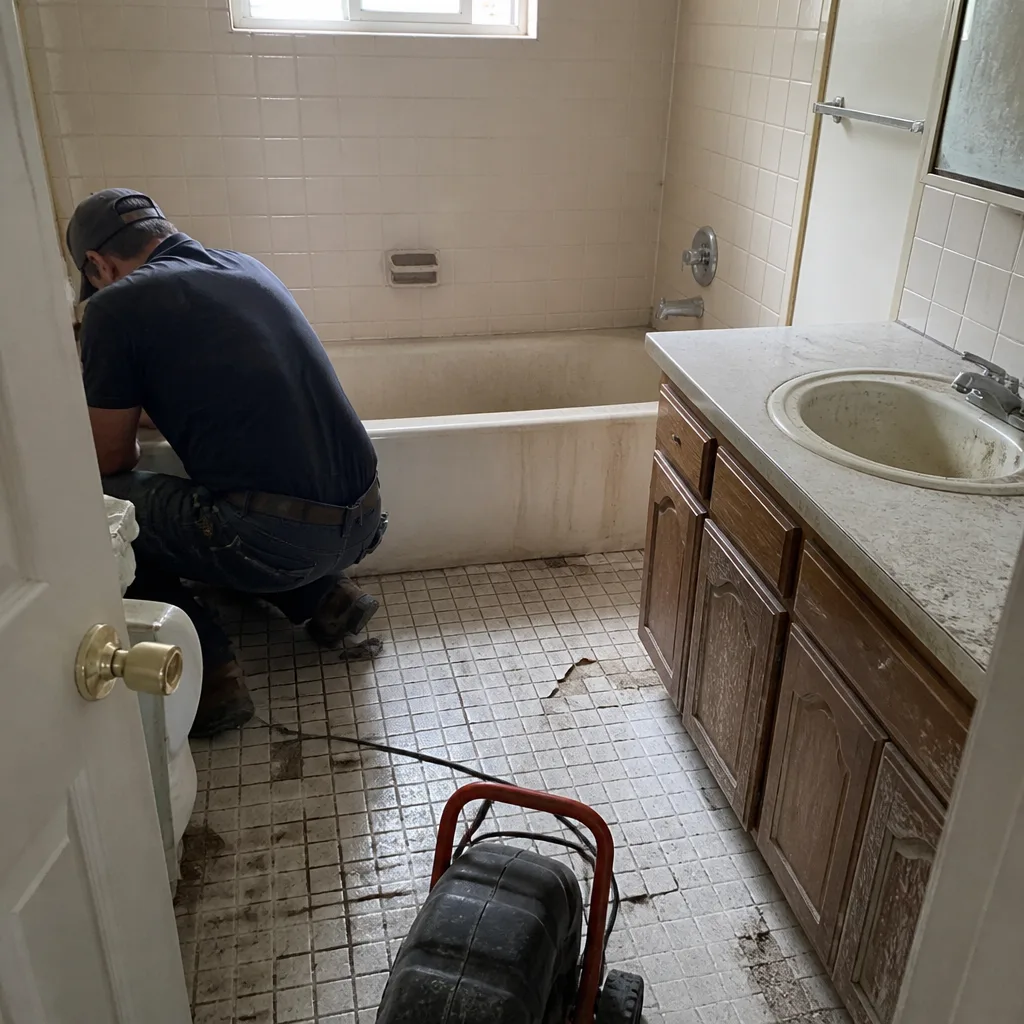
See the difference
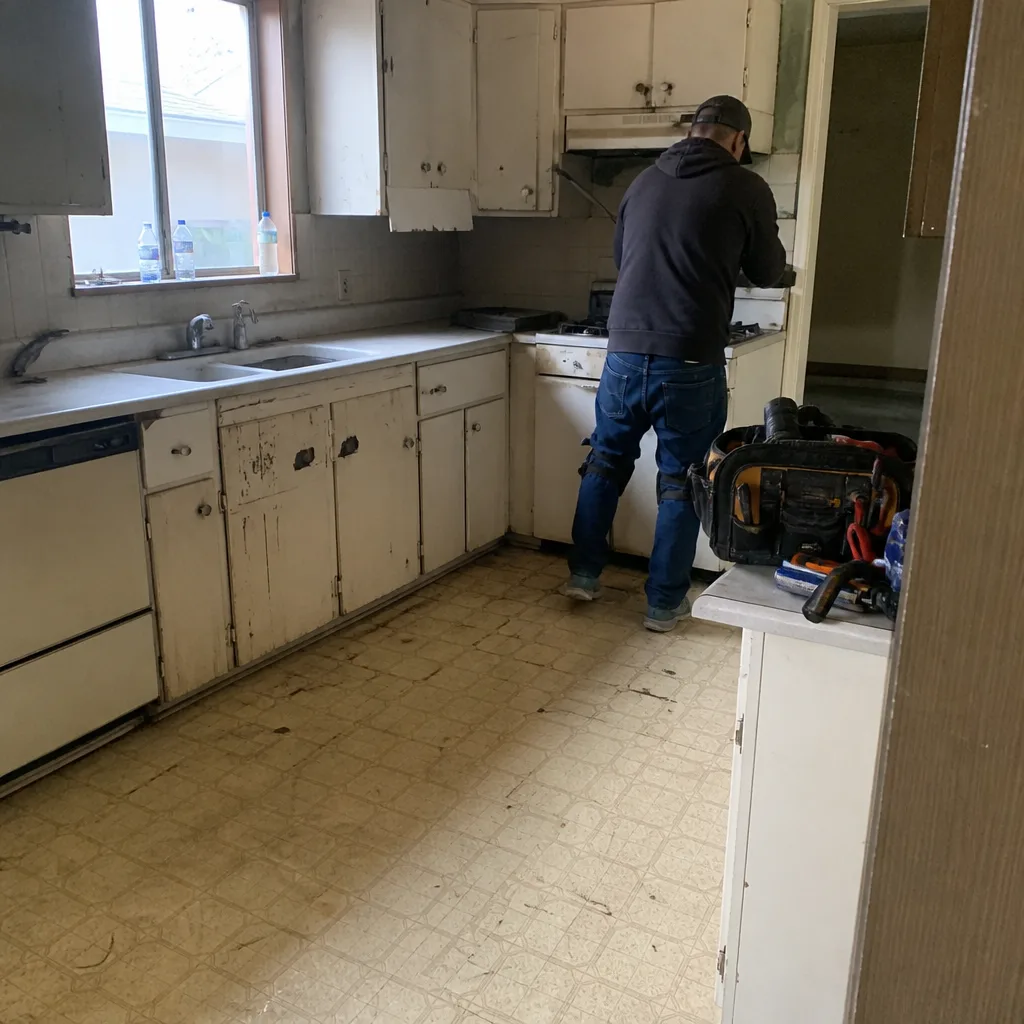 Before
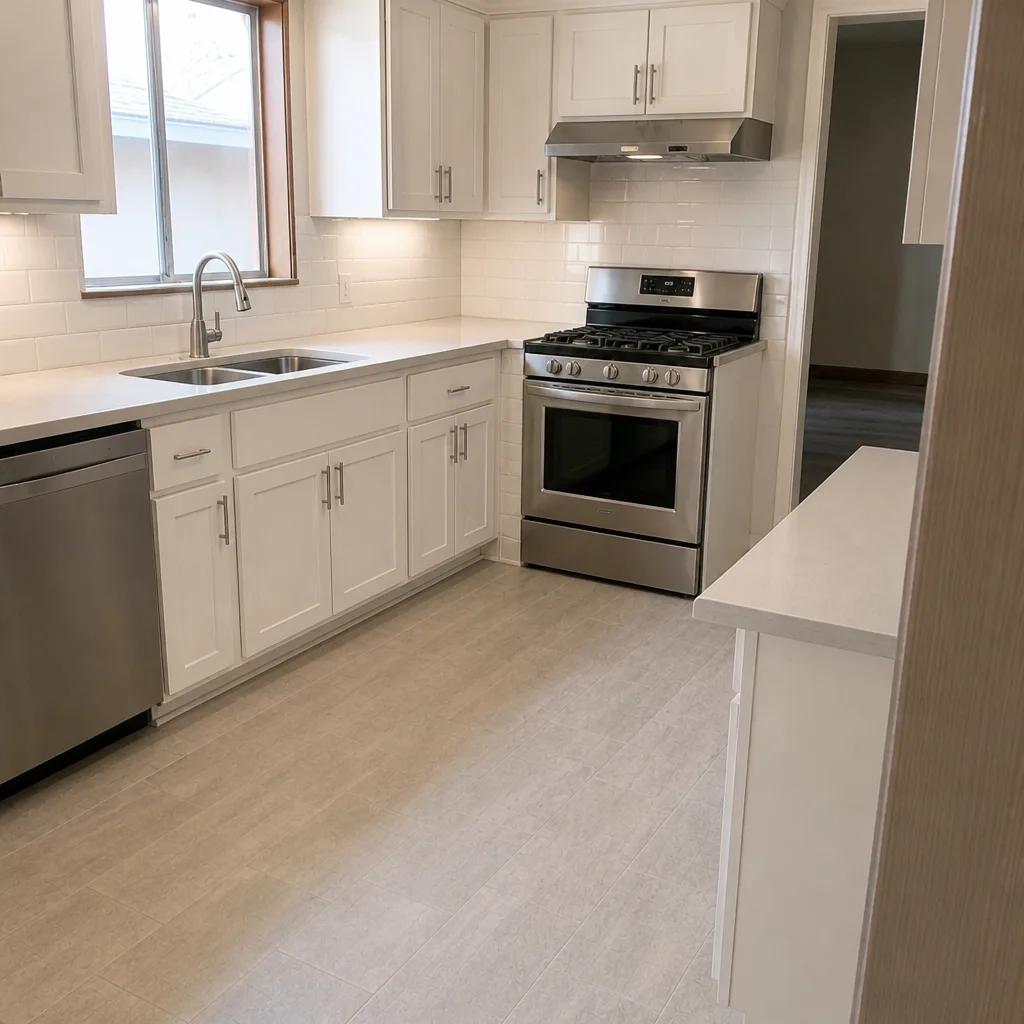 After
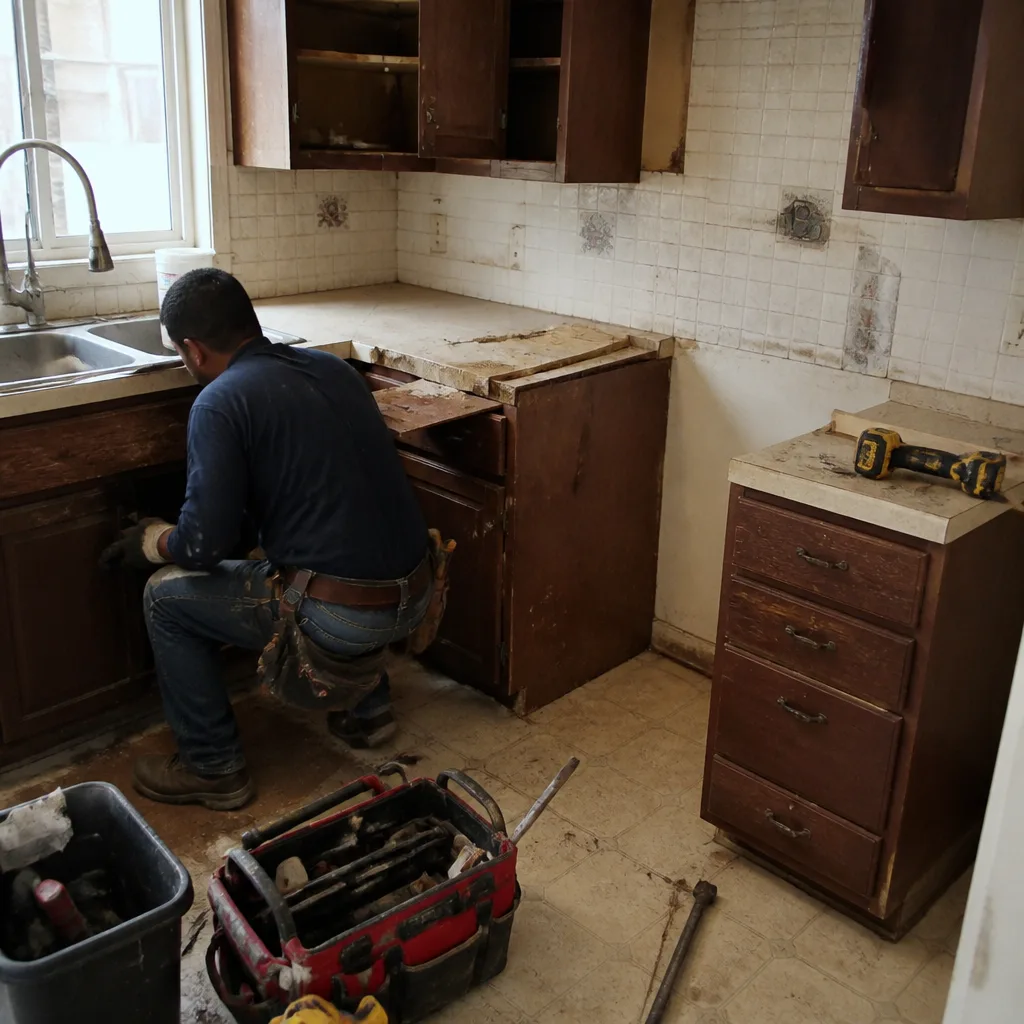 Before
 After
 Before
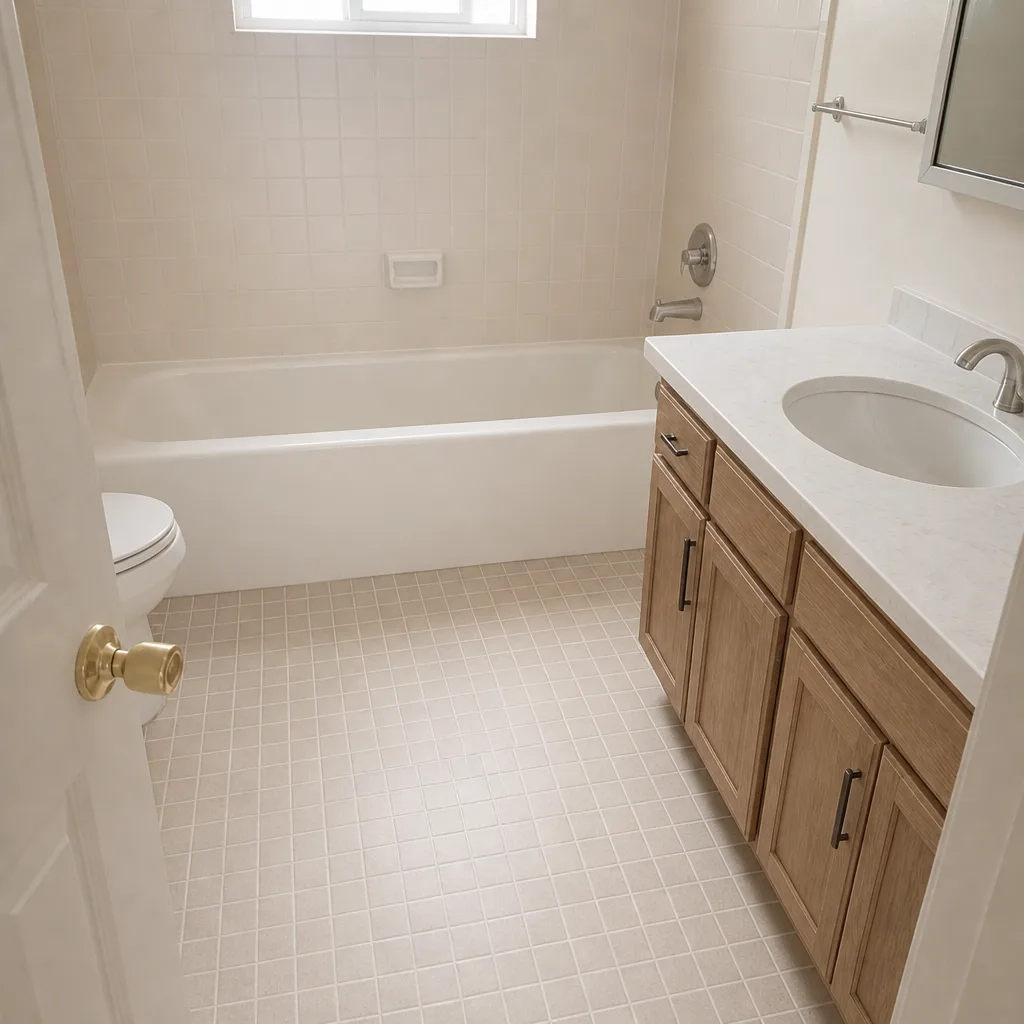 After