Last updated November 18, 2026


Free written scope consultation - allowances, timeline, and change-order rules on paper before a single trade is scheduled
How to Hire a Construction Contractor in Vacaville: A Step-by-Step Guide
Here’s a fact that surprises most homeowners: the number one complaint filed with the California Contractors State License Board isn’t bad workmanship. It’s abandonment after a deposit is paid. A crew takes the down payment, tears out your kitchen, and vanishes. In a Vacaville market where demand for remodels and additions outpaces reliable crews, that risk is real, and it’s the one no review score fully protects you from. This guide gives you the specific vetting moves that separate accountable contractors from ones who disappear after the check clears. Not “get three bids.” The layers beneath that.
Quick Answer
To hire a construction contractor in Vacaville, verify the contractor’s active CSLB license and bond, confirm they carry general liability insurance naming the work site correctly, insist on a written contract with a defined payment schedule tied to completed milestones, and require a conditional lien release with every payment. Screen hard for cash-flow red flags in the payment terms, because abandonment after deposit is the most common failure. The depth of the vetting, not the number of bids, is what protects you.
Styles & brands we work with
- Kitchen remodeling
- Bathroom remodeling
- Home additions & ADU
- Roofing
- Windows & doors
- Driveway & pavers
- Fence
Table of Contents
- 1. Check the license past the CSLB lookup
- 2. Contract clauses that actually protect you in California
- 3. What a legitimate payment schedule looks like
- 4. Evaluate the contractor’s subs, not just the GC
- 5. Five questions to ask during a bid walkthrough
- 6. Solano County conditions and what your contractor should know
- 7. The authority signals worth looking for
- Common Mistakes to Avoid
1. Check the License Past the CSLB Lookup
Every guide tells you to look up the contractor on the California Contractors State License Board website. Do it, but understand that an active license is a starting line, not a finish line. The CSLB page shows you whether the license is valid, how long it’s been active, whether there are complaints or disciplinary actions, and what classification the contractor holds. That last one matters more than people realize. A C-33 license covers painting, a C-36 covers plumbing, and a B classification covers general building work. If your renovation plans touch framing, drywall, electrical, and plumbing, you want a B or a properly matched set of classifications. A contractor running a large kitchen remodel on a specialty license is out of scope.
The part the lookup doesn’t tell you is what the bond does and doesn’t cover. Under California law, a licensed contractor carries a $25,000 contractor bond through the CSLB. That bond exists to cover a limited set of failures: abandonment, license-related violations, and certain breaches. It does not cover defective workmanship, it does not replace general liability insurance, and a $25,000 bond does not come close to covering a $90,000 kitchen remodel gone sideways. The bond is a safety net for the smallest failures, not your renovation budget. That’s why you also need to confirm the contractor has an active general liability policy and workers’ comp if they carry employees, and you should ask for the certificate of insurance to be sent directly by the insurer, not handed to you by the contractor.
In Vacaville, where construction fraud filings tick up after large storm events and when out-of-area crews sweep through following a big insurance claim season, we’ve seen homeowners get tripped up by licenses that were legitimate but suspended for insurance lapse. Watch the current status. Not just the existence of a number.
2. Contract Clauses That Actually Protect You in California
A contract with a Vacaville contractor is governed by a specific set of California rules: the Business and Professions Code, the Contractors State License Law, and the mechanics lien statutes under Civil Code Sections 8000 through 8460. What most homeowners don’t know is that some protections are only available to you if you ask for them. Others are mandatory for the contractor to include. Here’s the breakdown.
- Three-day right to cancel. For most home improvement contracts, California gives you three business days to cancel after signing, and the contract must include a Notice of Cancellation. If it doesn’t, the contract may be unenforceable.
- Mechanics lien warning. Every California home improvement contract over $500 must include a specific notice about mechanics liens. If your contract omits it, that’s a red flag, not a shortcut.
- Lien release requirement. Each time you pay a contractor, you should receive a conditional lien release tied to that payment amount, or a progress release signed by the contractor and every sub and supplier who worked on the project. Most contractors don’t volunteer this. Ask for it in writing before you sign. A contractor who hedges on providing lien releases is telling you something about how they run their business.
- A defined scope with exclusions. Written, itemized, and explicit. “Kitchen remodel” is not a scope. The scope is what’s included and, more importantly, what isn’t, so you aren’t surprised by change orders mid-job.
- A written workmanship warranty. California has a minimum default, but a real contractor will put their guarantee in writing and make it specific and long enough to actually cover a material failure.
- A start date and a substantial completion date. Vague language like “to be determined by weather” is not a schedule. A start date tied to permit issuance is normal. An open-ended finish is not.
If a contractor pushes back on any of these, especially the lien releases, that alone should send you elsewhere. Accountability in writing is the whole game.
3. What a Legitimate Payment Schedule Looks Like
Here’s where most deposit-abandonment cases start. The payment schedule is where a contractor’s cash flow problems become visible, whether they intend them to or not. Under California law, a home improvement contractor can only collect up to 10% of the project price as a down payment, or $1,000, whichever is less. That’s not a guideline. It’s the rule for most home improvement contracts. Contractors who ask for 30% or 40% up front are either unaware of the law or knowingly violating it, and either version is a bad sign.
A legitimate schedule looks like this:
- Down payment: 10% or $1,000, whichever is less. This is the legal ceiling for most California home improvement contracts.
- Progress payments tied to completed, inspectable milestones. Not calendar dates. A demo-complete payment, a rough-in-complete payment where framing, electrical, and plumbing are installed and inspected, a cabinet-set payment, and so on. Each milestone should be verifiable before the check is written.
- Holds back until final walkthrough. A legitimate contract keeps 5% to 10% payable at substantial completion and punch-list clearance. That last payment is your leverage. If the contractor wants everything paid before the final walkthrough, that’s a serious warning sign.
- Your final payment follows the final inspection passing and your walkthrough. Not the contractor’s word that it “looks done.”
Cash flow problems reveal themselves in a front-loaded payment schedule. If the contractor needs 40% up front to start your project, they may be financing a previous project’s overruns with your deposit. That’s exactly the scenario that produces abandonment. A contractor with healthy cash flow doesn’t need your money to buy material for a job they haven’t started. Vacaville’s construction volume has been strong for several years, which is good, but it also means some contractors are stretched thin across multiple jobs, and their payment demands are where you can see it.
4. Evaluate the Contractor’s Subs, Not Just the GC
A general contractor’s reputation only matters if the subs who actually do the work share it. In a Vacaville kitchen or bath, the GC may frame and manage, but the electrician, plumber, tile setter, and counter fabricator are likely independent subs. If the GC is careful about insurance and licensing and the sub isn’t, the wrong sub’s uninsured injury or defective tile job is still your project. Ask three specific questions during vetting.
- “Who are the specific subs for this project, and are they licensed and insured?” Ask for the names. A contractor who can’t name them yet should be able to describe how they source and verify them.
- “Who is on the job each day, and is the same crew here from start to finish?” Rotating crews on a single project means someone is spreading too thin.
- “Does the sub carry their own insurance, or are they covered under yours?” Uninsured subcontractors can expose a homeowner to liability if they’re injured on your property. That’s the risk most people miss.
We’ve walked into plenty of Vacaville jobs where a homeowner hired a great GC and got a window sub who installed ECO Window Systems or CWS products with the wrong flashing detail, producing leaks at the head jamb. The GC’s warranty turned out to be worth less than the sub’s work because the sub didn’t share the GC’s standards. Ask about sub relationships. Ask how long the contractor has worked with each one. Long, stable sub relationships are a strong signal that the job will finish the way it started.
5. Five Questions to Ask During a Bid Walkthrough
The bid walkthrough is where a contractor tells you, if you’re paying attention, whether they’ve actually done this project type before in Solano County conditions. Reviews and license checks are homework you do before. The walkthrough is the live test. Here are five questions to ask.
- “What’s the biggest mistake you’ve seen on a project like this in Vacaville?” You’re listening for whether the answer is generic or specific. “Poor flashing” is generic. “Poor flashing on the west-facing walls where we get the afternoon delta wind” is specific. Specific is better.
- “How does this scope get permitted in Vacaville, and who pulls the permit?” The correct answer is that the licensed contractor pulls the permit, because the permit is what triggers the inspections that protect you. A contractor who suggests skipping a permit for an addition or structural change is telling you they don’t want to be inspected.
- “What are the exclusions, and how do change orders work?” Every legitimate bid has exclusions. The wrong answer is “there aren’t any.” The right answer names specific exclusions and describes a written, priced change order process. Anyone who tells you “we’ll figure it out as we go” is showing you the pattern that ends in a five-figure surprise.
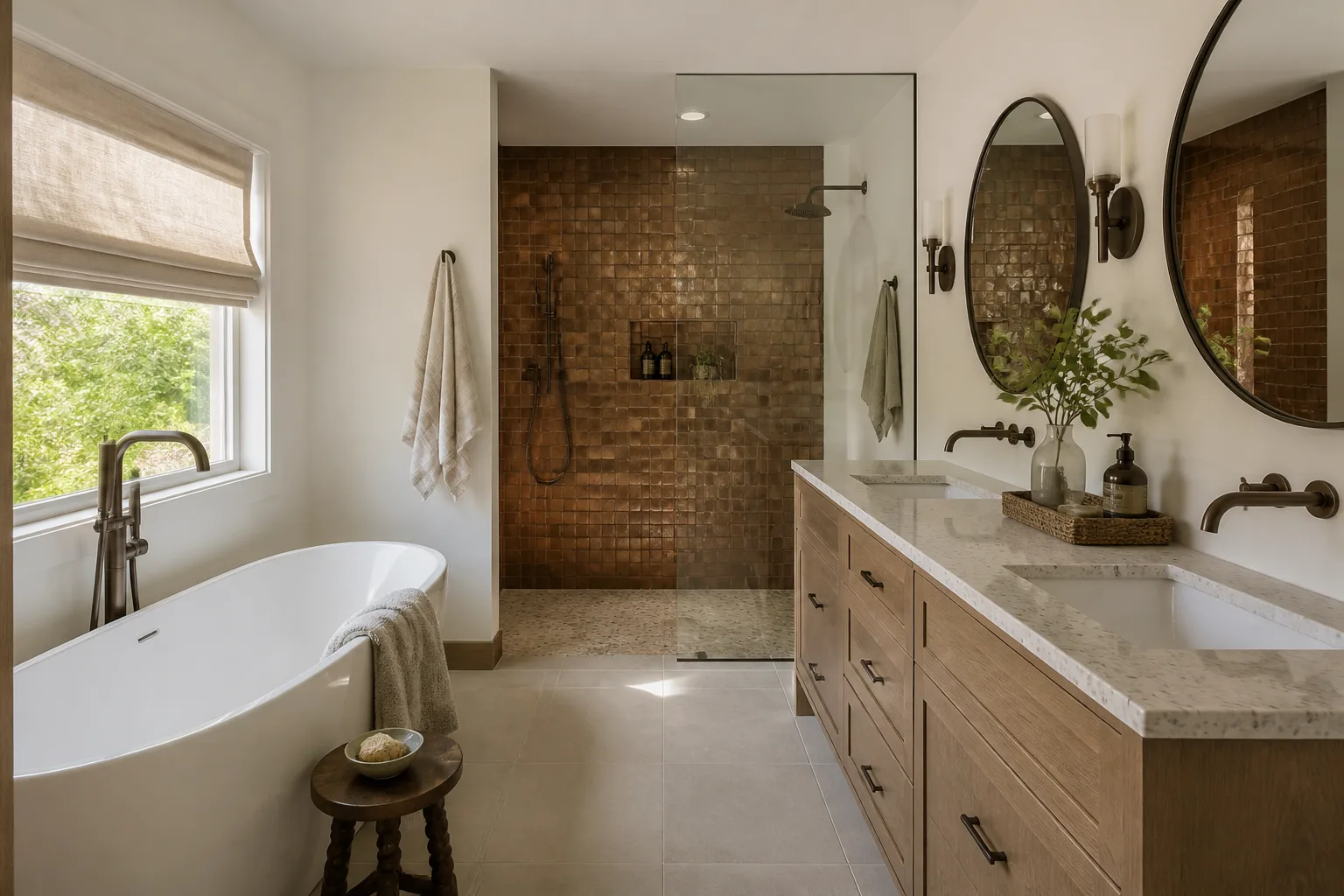
- “What’s the drying and moisture plan for a bathroom?” In Vacaville, between the wet winters and dry, hot summers, a properly built shower requires a specific waterproofing system (Schluter, Laticrete, or similar) and correct cure times. If the contractor’s plan is “tile board and go,” that’s a red flag. Waterproofing failures here show up about 18 months after the tile is set.
- “Who is your contact person, and how do I reach them mid-project?” Look for a specific answer and a live-answer guarantee. If the only number you get rings to voicemail after 5 p.m., that’s how the rest of the job will go.
6. Solano County Conditions and What Your Contractor Should Know
Vacaville sits in a climate band that has specific implications for construction, and a contractor who knows Solano County conditions knows what they are. The climate swings from wet winters with days of sustained rain to summer afternoons that push past 100 degrees for weeks at a time. That swing affects materials, curing schedules, and long-term durability in ways that a contractor from a coastal market may not anticipate.
- Roof considerations. GAF and CertainTeed architectural shingles handle the heat and the sun exposure here, but underlayment and ventilation specs matter as much as shingle brand. A roofer who doesn’t talk about attic ventilation in a Vacaville summer is a roofer who doesn’t know your attic reaches 140 degrees.
- Stucco and siding on Vacaville homes need to be installed with the right flashing and drainage plane. Heat and UV do slow damage to improperly flashed transitions at windows and doors, which is where the leaks start.
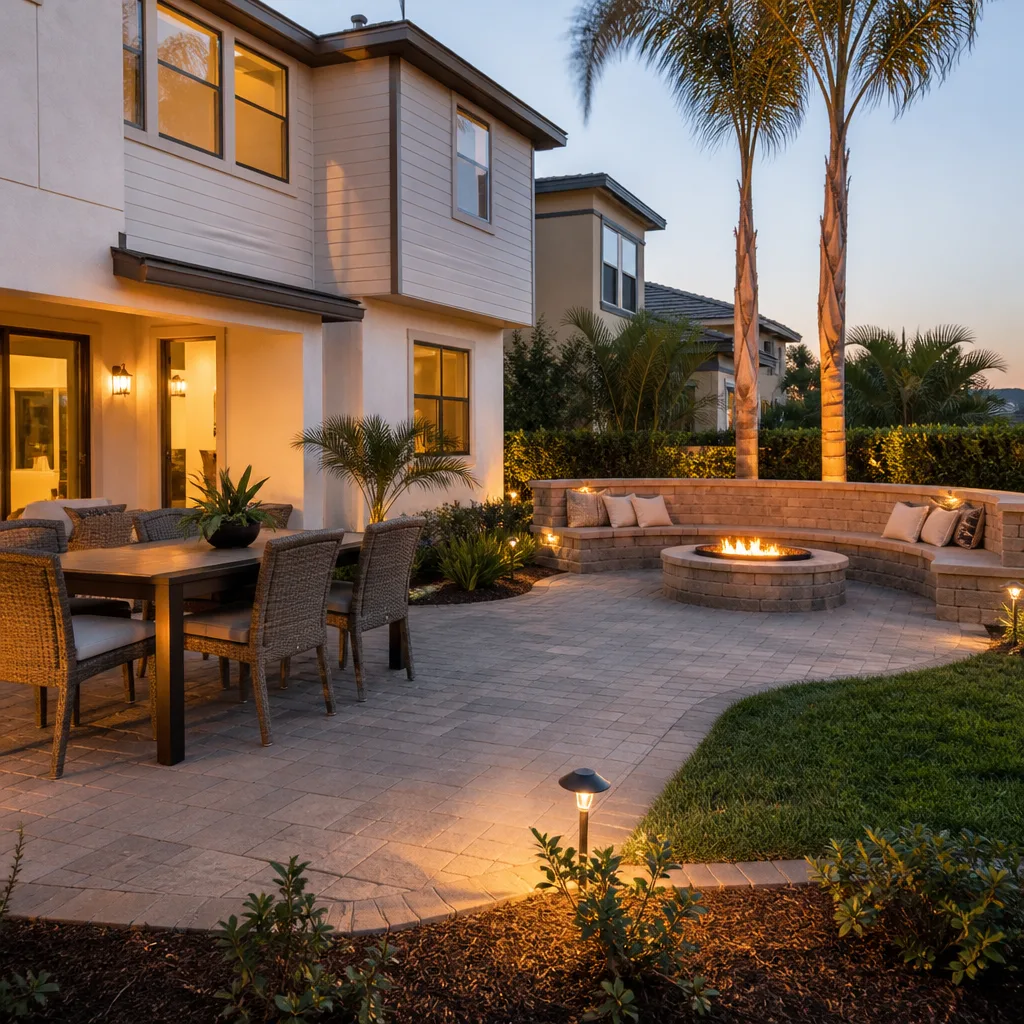
- Hardscape and driveways. Clay soils in parts of Solano County expand and contract with moisture. A driveway or paver installation on subsoil without the right base prep will crack or heave within a few winters. For more on that, see our guide to Driveway & Pavers in Vacaville.
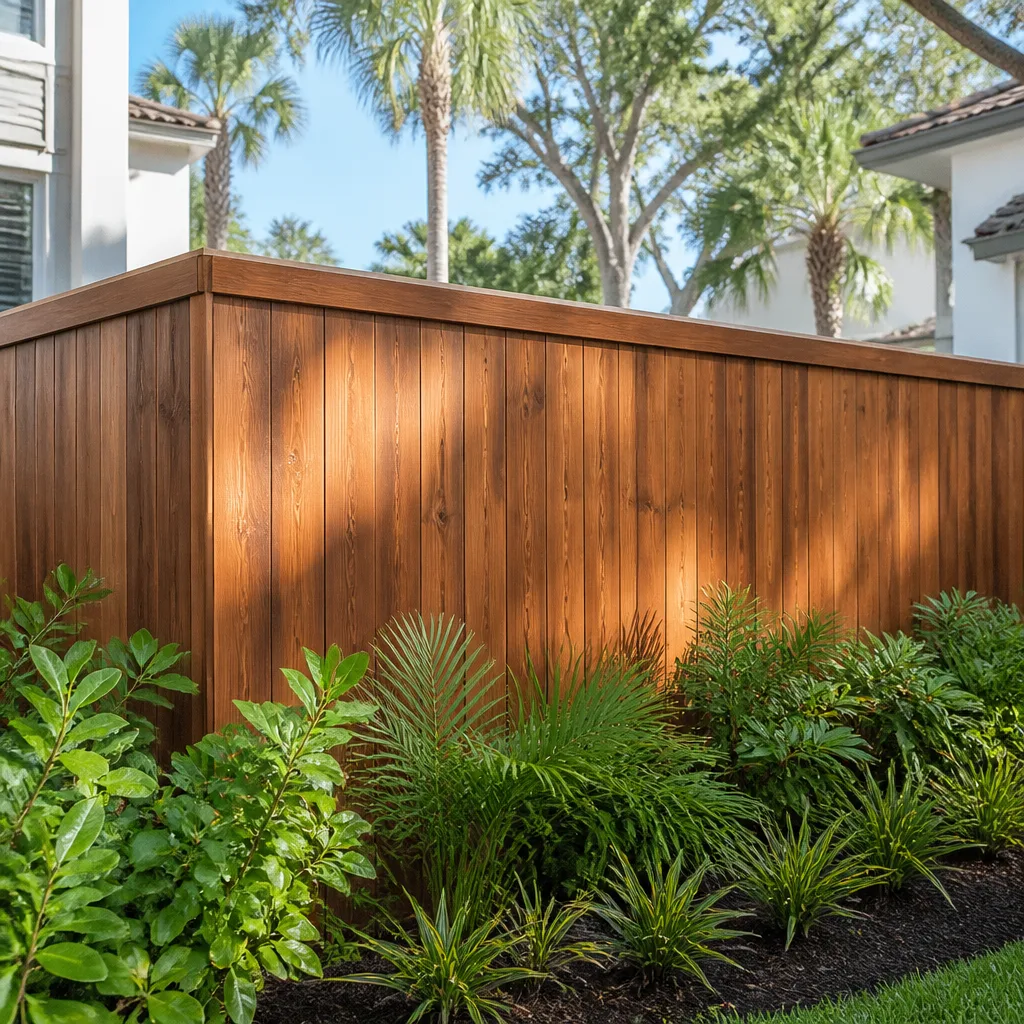
- Fences. Wind load and fence line setback rules are worth a specific conversation. Fence installation in Vacaville often gets surprising pushback from neighboring property owners if the contractor doesn’t verify the property line first. Our team wrote a deeper article on Fence Installation in Vacaville if that’s part of your project.
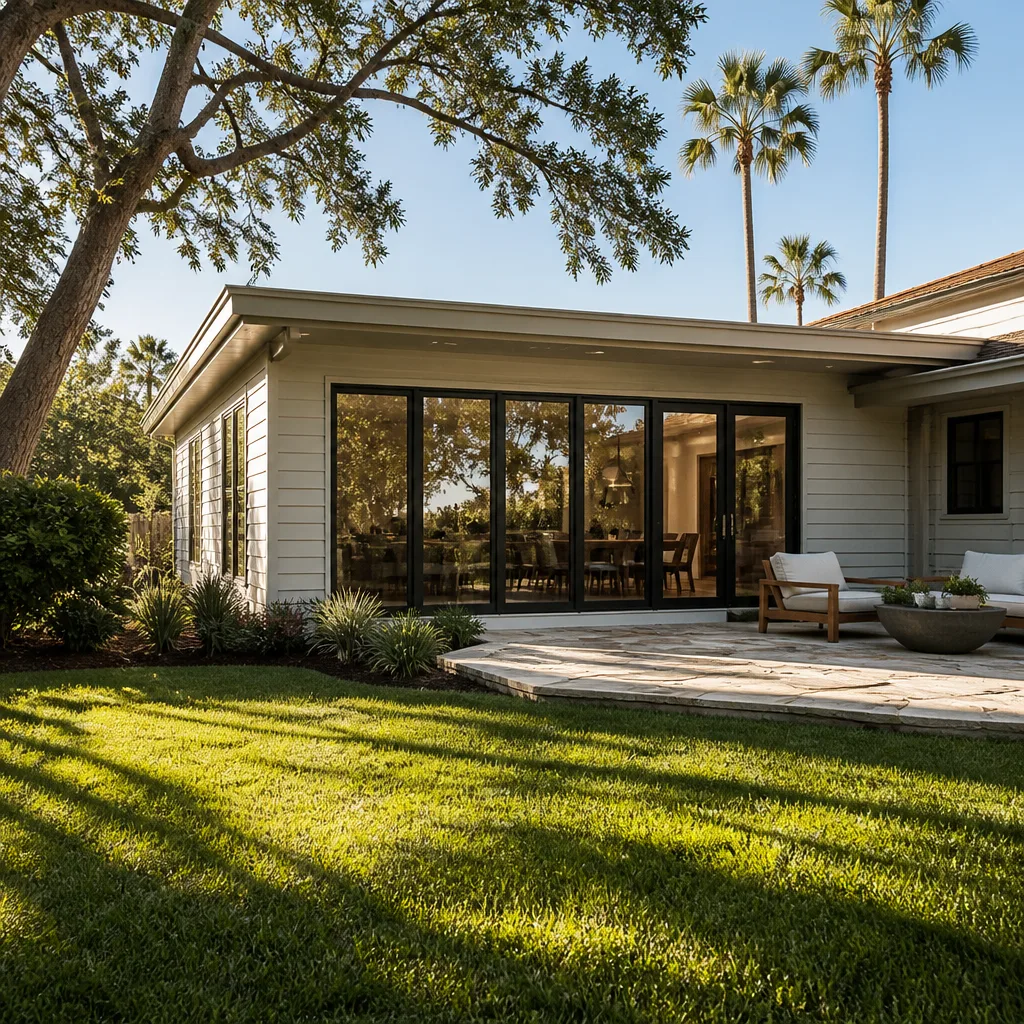
- ADUs and additions. Vacaville has specific rules for ADU height, setback, and lot coverage that have been updated multiple times in recent years. A contractor who hasn’t pulled an ADU permit recently may be working from outdated information. Our Home Additions & ADU in Vacaville page covers that terrain in detail.
A contractor who can speak to Solano County specifics has likely done this before here. That’s the standard to hold them to.
7. The Authority Signals Worth Looking For
The right signals of a trustworthy contractor aren’t mysterious. They’re specific, verifiable, and hard to fake.
- A workmanship warranty long enough to cover a material failure. The industry’s typical one-year warranty expires before most problems show. A 730-Day Done Right Promise is unusual because it holds the contractor accountable through the second year, when latent defects (waterproofing, flashing, framing) actually surface.
- Live-person answering, around the clock. Not a call center, not a voicemail. If a contractor answers the phone on a Sunday when a job site problem happens, that’s a signal about how they handle the mid-project surprises that always happen.
- Upfront, written pricing with no change-order surprises. Line-item pricing, not a lump sum. A contractor who prices the job line by line is showing you the work, not selling you the dream.
- Background-checked, uniformed technicians. Verified, uniformed people on your job site, not strangers from a temp agency.
- Real brand partnerships across trades. KraftMaid and Cambria in kitchens, GAF and Owens Corning on roofs, Andersen and Marvin for windows. When a contractor specifies names rather than “we use quality brands,” you can run the brands through your own research. The window category in Vacaville includes names like Andersen and Marvin, plus brands like CWS and ES Windows that hold up well in the local climate.
- Signed lien releases as standard practice. Does the contractor offer to provide them? Or do they balk? This is the single fastest discriminator between an accountable contractor and one with cash-flow issues.
Groundwork Construction Co. of Vacaville runs on these signals because they’re the difference between the contractor who shows up and the one who disappears. Our technicians have up to 12 years of experience on the job site, and every project we run is backed by the 730-Day Done Right Promise. If your project is bigger than a handyman task, our Groundwork Construction Co. of Vacaville home has the full scope of what we handle, from foundation to finish line.
Common Mistakes to Avoid
- Hiring the lowest bid. The lowest bid is often the one that leaves out what the contractor can’t afford to include. Every line item has to be in scope for the prices to compare, which means you need written, comparable scopes from each bidder. A cheap bid that requires a $12,000 change order to be completed wasn’t cheap.
- Paying more than 10% up front. California’s home improvement law caps the down payment. Any contractor asking for 30% or more is either ignoring the law or working around it. In Vacaville in 2026, this is the single biggest predictor of abandonment cases.
- Not getting lien releases with each payment. The subcontractors and suppliers have the right to file a mechanics lien on your property if they’re not paid. The contractor’s promise to pay them isn’t enough. Get the releases.
- Trusting online reviews over the CSLB record. A 5-star review average doesn’t show you whether the contractor carries active insurance, has open complaints, or was disciplined. Review the CSLB record, and take stars with the salt they deserve.
- Skipping the permit. A contractor who offers to skip a permit on an addition or structural change is selling you a liability. When you sell the home, the unpermitted work shows up in the title search and costs more to cure than the permit would have cost to pull.
- Not asking how the subs get paid. If a contract has the GC named but doesn’t address sub payments or lien releases from subs directly, you’re carrying the risk of a GC who doesn’t pay their subs on time. Your project can get liened even if you paid the GC in full.
- Believing in the “we’ll figure it out as we go” schedule. Projects without milestone dates drift. Every week after a missed milestone is a week the contractor’s costs climb, which is exactly when a contractor with thin margins looks for the change order conversation or doesn’t come back at all.
See the difference
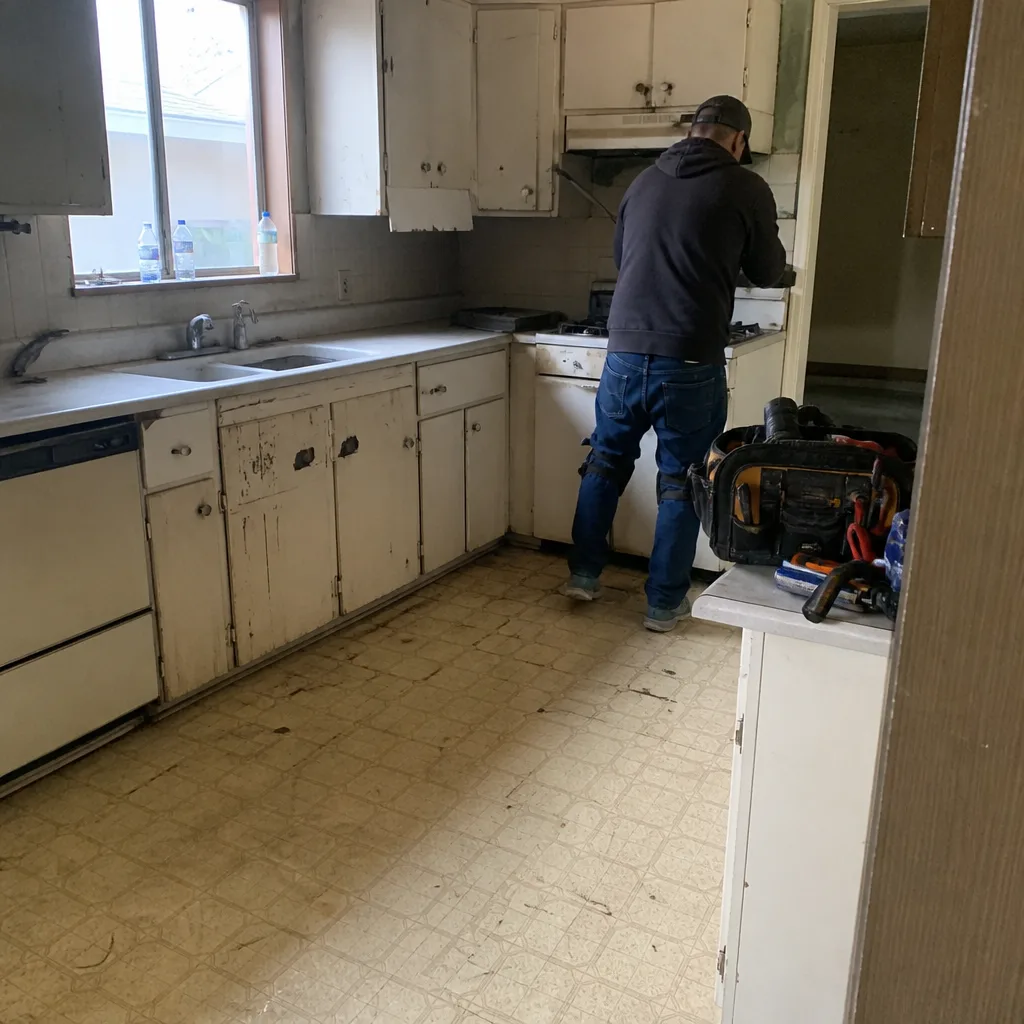 Before
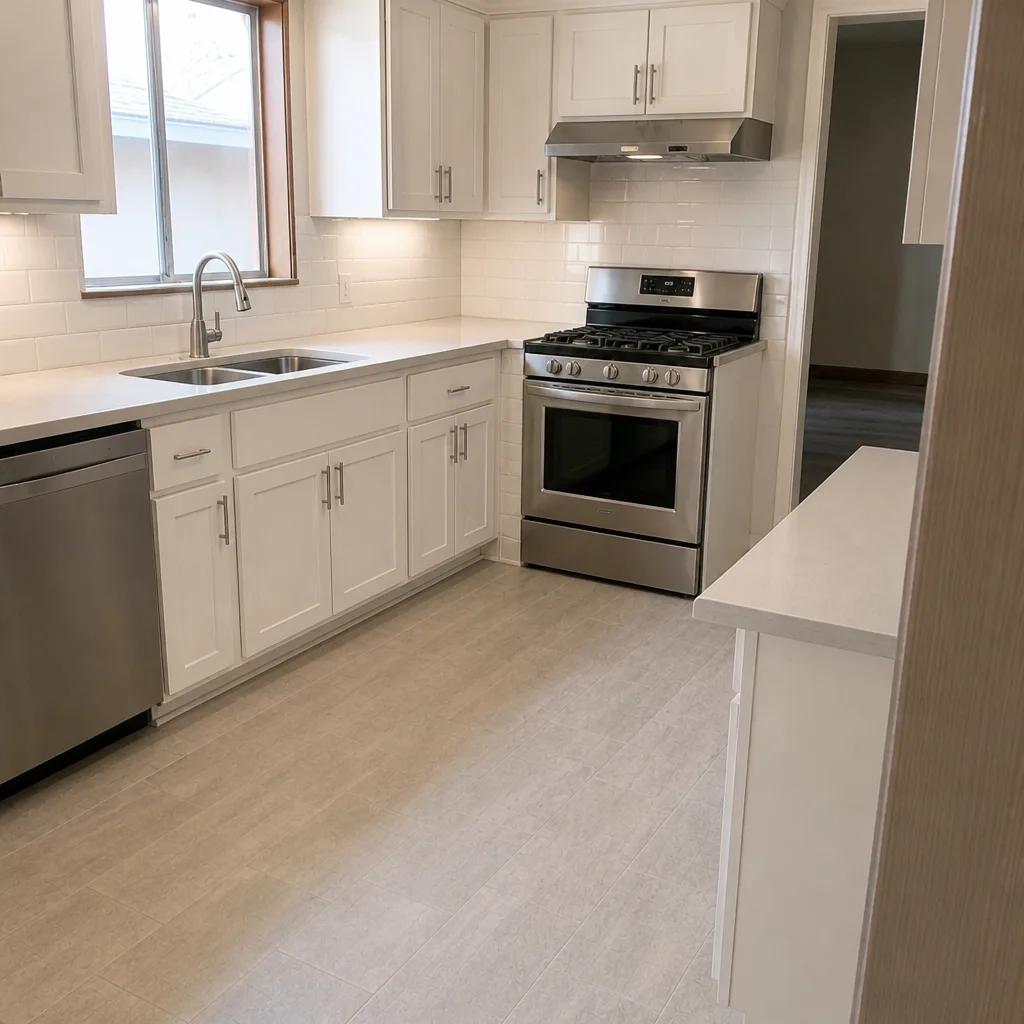 After
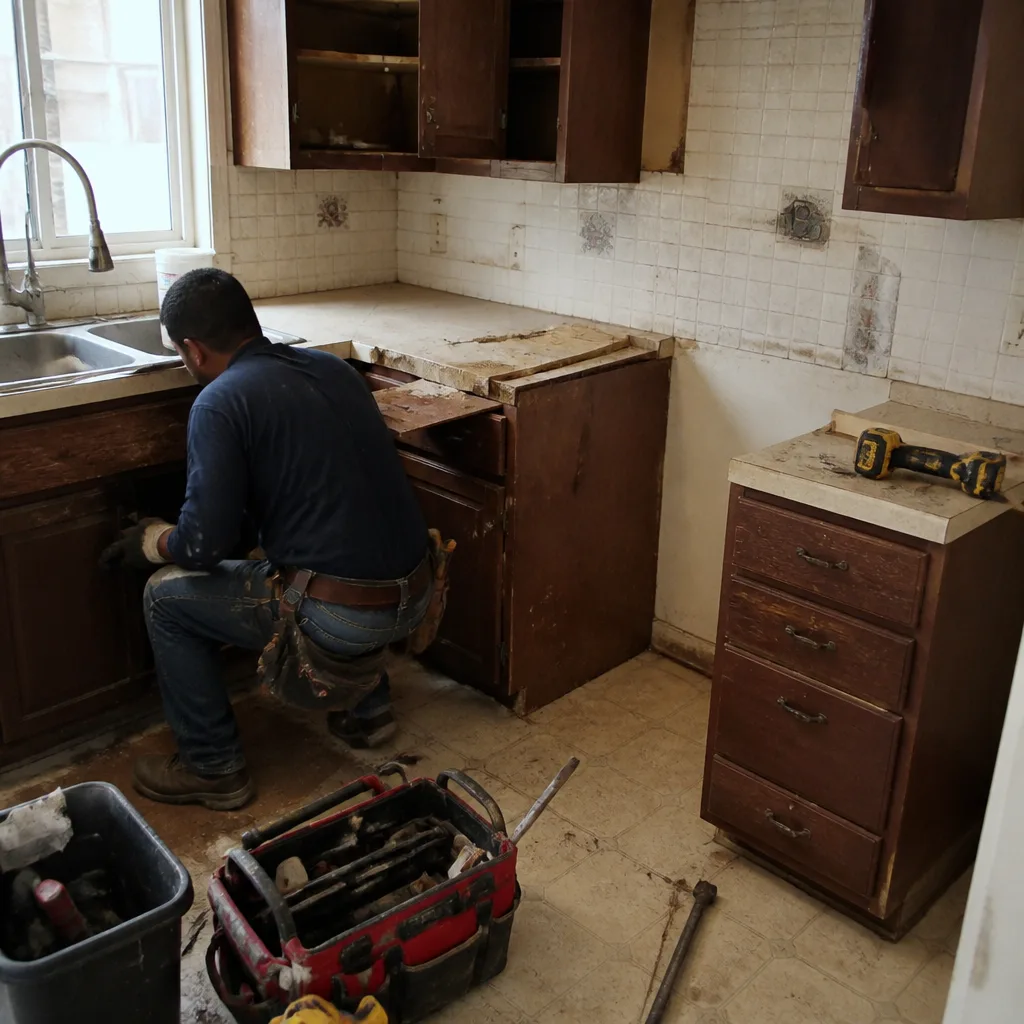 Before
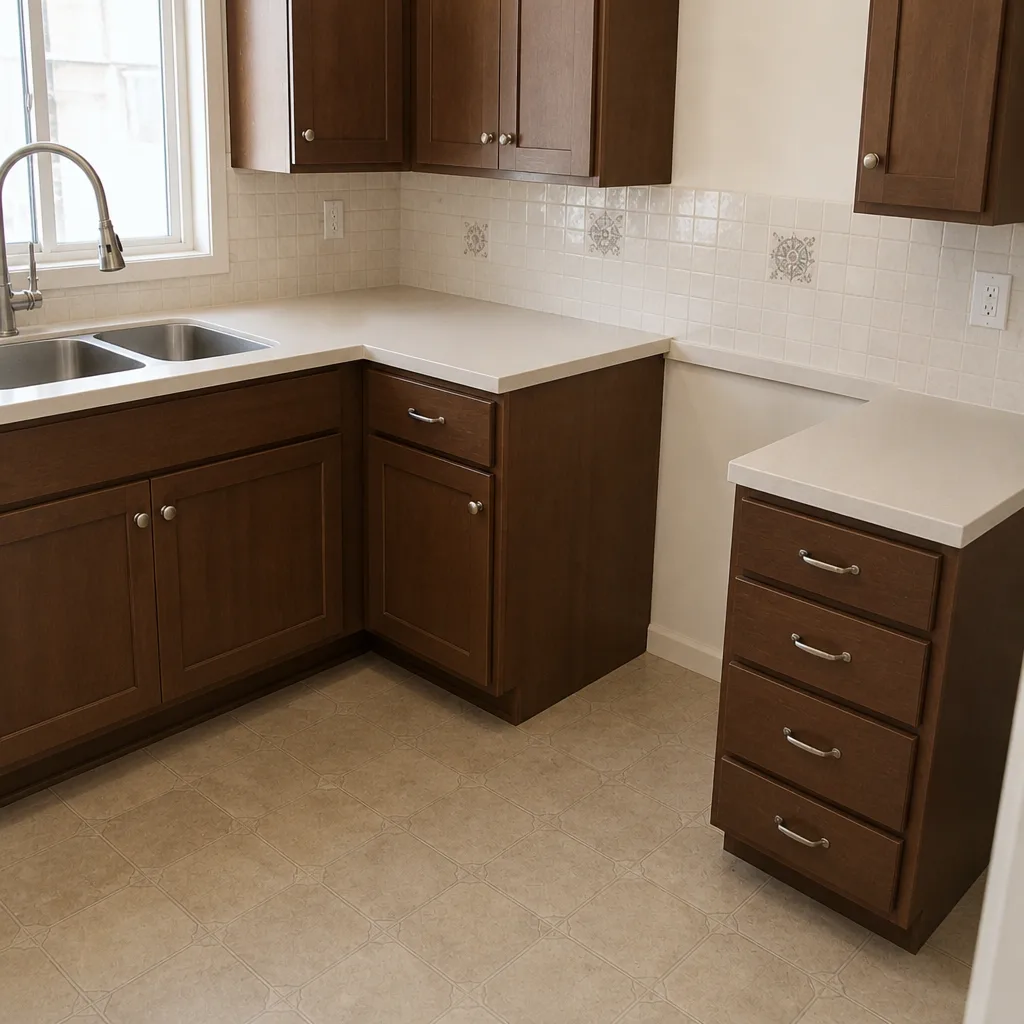 After
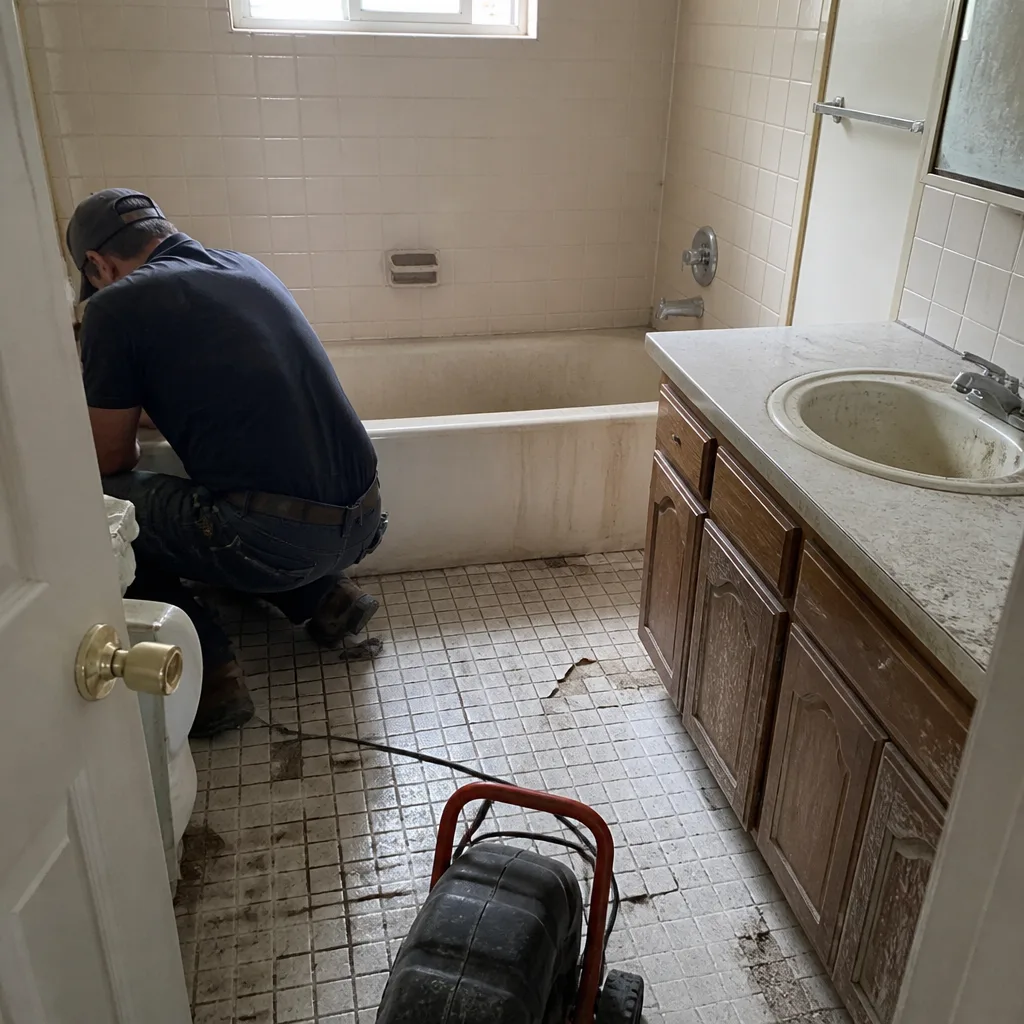 Before
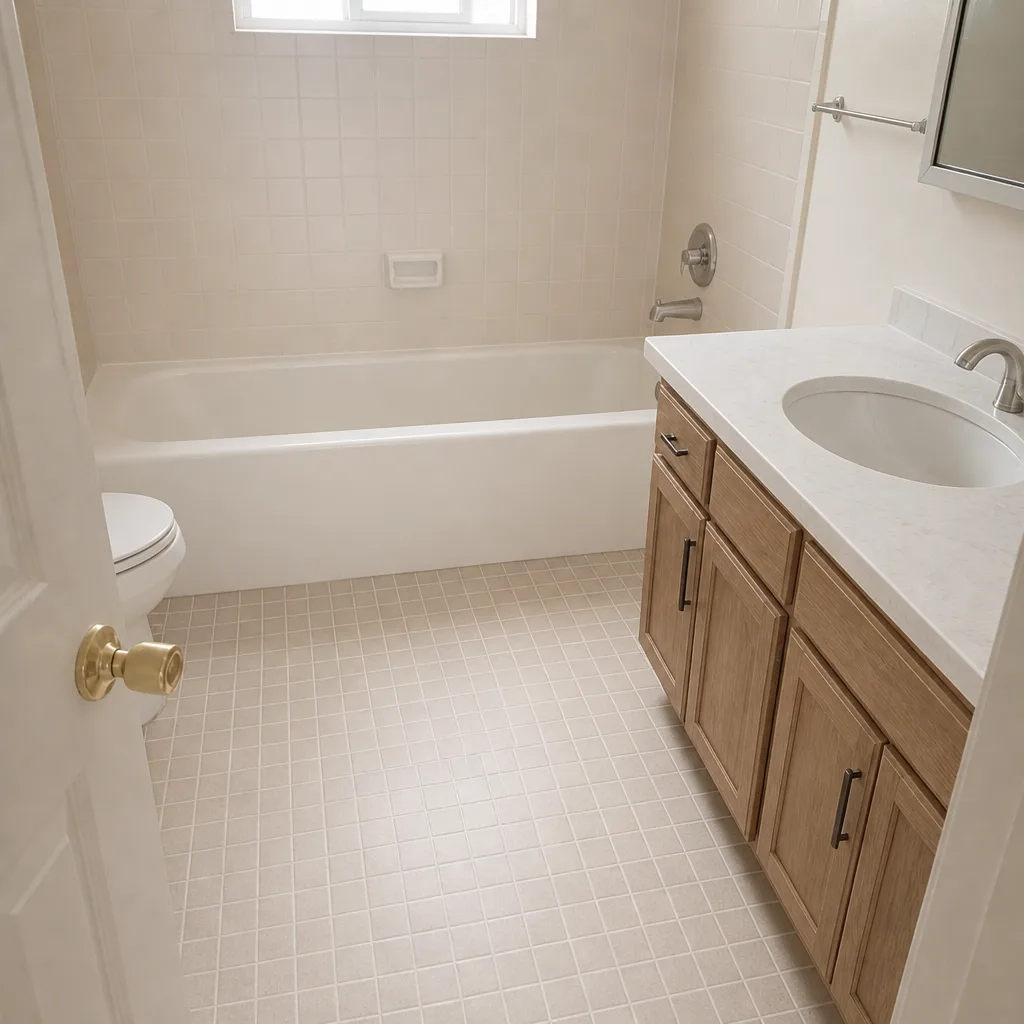 After
When to Call a Professional
Some Vacaville projects are safe to self-manage. Swapping a faucet, painting a room, or mounting shelving doesn’t require a license. But several categories should always route through a licensed contractor: anything structural, any change to electrical panel work or gas lines, roof work above a single story, or any addition or ADU that needs a permit. If you’re remodeling a kitchen or bathroom, replacing windows, installing a new roof, laying a paver driveway, or building an addition, the risk-adjusted cost of hiring a pro is almost always lower than the cost of fixing a self-managed mistake. Groundwork Construction Co. of Vacaville offers free estimates in Vacaville, and we’ll give you the honest read on whether you need us. Call (888) 276-8078 to schedule.
Frequently Asked Questions
In most cases yes. Vacaville building permits are required for any structural change, any electrical, plumbing, or mechanical work, and for major kitchen or bathroom remodels that touch those systems. A cosmetic-only change like repainting or swapping fixtures may not require a permit, but anything behind the wall almost always does. Your licensed contractor should pull the permit and schedule the inspections. If a contractor suggests avoiding the permit route, that’s a signal to hire someone else.
For most California home improvement contracts, the down payment is capped at 10% of the project price or $1,000, whichever is less. That limit applies to the contract under the Contractors State License Law. A contractor asking for more is either unaware of the rule or violating it. If you’re quoted a 30% or 40% down payment on a project over $10,000, that’s a serious red flag and worth a conversation with a different contractor before you sign anything.
Use the CSLB license lookup at cslb.ca.gov. Check the license type (B for general contracting, C-class for specialty trades), current status, any disciplinary actions, and the workers’ comp status. Then separately confirm that the contractor has active general liability insurance, and have the insurer email the certificate to you directly. Don’t rely on a certificate the contractor hands you. A suspended license can look legitimate on a business card, and the CSLB page is the only source that tells the truth.
File a complaint with the CSLB immediately, which is the licensing authority that can pursue the bond claim. Then file a claim against the contractor’s CSLB bond, which is $25,000 and exists specifically to compensate for abandonment. Also check with the Contractors State License Board about whether a restitution fund applies. Time matters on these filings, so don’t wait weeks hoping they’ll return your calls. In our experience, the contractors who disappear are the ones who have done it before, and the CSLB’s record is what connects your case to the others.
Reviews are useful but secondary. They show you patterns in customer satisfaction, but they don’t show licensing, insurance, bond status, or complaints filed with the CSLB. Use reviews in combination with the CSLB record and a direct conversation during the bid walkthrough. The walkthrough is where you learn more than any review will tell you, because the contractor either knows the specific conditions of your project or doesn’t. Call (888) 276-8078 if you’d like to run a bid through our team for a second read.
A full kitchen remodel in Vacaville usually takes 6 to 10 weeks from demo to final walkthrough, depending on whether it’s a layout change (which means permits, framing, and inspection cycles) or a cosmetic update. Cabinet lead times for brands like KraftMaid can stretch that by several weeks, and a countertop template-to-install cycle is usually another two weeks. Any contractor who quotes a kitchen at three weeks is telling you about their sales pitch, not their schedule. Expect a written timeline with milestones in the contract. Call (888) 276-8078 for a free estimate and a written schedule on your project.
The Bottom Line

Hiring a construction contractor in Vacaville comes down to a few specific moves: verify the license past the CSLB listing, confirm insurance and bond status, get lien releases written into the contract, refuse any payment schedule that front-loads the deposit past the legal 10% cap, evaluate the subs who will actually do the work, and ask the specific Solano County questions during the bid walkthrough that reveal whether the contractor has done this project type before. Do those things, and you cut your risk of deposit abandonment and mid-project surprises dramatically. The standard “three bids and reviews” approach is the floor. This is the ceiling. When you’re ready to compare bids against a written, upfront proposal with a 730-Day Done Right Promise behind it, we’re reachable around the clock by a live person at (888) 276-8078.
Ready to schedule your free estimate? Call Groundwork Construction Co. of Vacaville at (888) 276-8078. Our team answers every call with a live person, 24 hours a day, seven days a week. We’ll walk you through the bid, put the timeline and payment schedule in writing, and back the work with our 730-Day Done Right Promise so the accountability doesn’t end at the final invoice. Upfront pricing, no surprises. From foundation to finish line. Built to last, backed in writing.
Written by the team at Groundwork Construction Co. of Vacaville.